



COX
Cyclooxygenase
Cyclooxygenase (COX), officially known as prostaglandin-endoperoxide synthase (PTGS), is an enzyme that is responsible for formation of important biological mediators called prostanoids, including prostaglandins, prostacyclin and thromboxane. Pharmacological inhibition of COX can provide relief from the symptoms of inflammation and pain. Drugs, like Aspirin, that inhibit cyclooxygenase activity have been available to the public for about 100 years. Two cyclooxygenase isoforms have been identified and are referred to as COX-1 and COX-2. Under many circumstances the COX-1 enzyme is produced constitutively (i.e., gastric mucosa) whereas COX-2 is inducible (i.e., sites of inflammation). Non-steroidal anti-inflammatory drugs (NSAID), such as aspirin and ibuprofen, exert their effects through inhibition of COX. The main COX inhibitors are the non-steroidal anti-inflammatory drugs (NSAIDs).
COX Isoform Specific Products
All Product Categories
-
COX Related Products (1325)
Related Products (1325)

-
Antibodies (6)
-
COX Isoform Comparison
-
Aureusidin
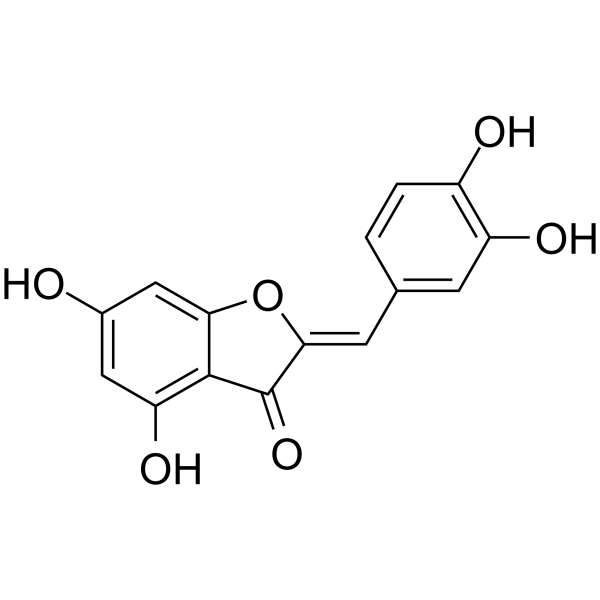 0 ImagesCat. No.: HY-N9834CAS No.: 38216-54-5Aureusidin is a flavonoid compound that is isolated and extracted from Antirrhinum majus and exhibits oral activity. Aureusidin possesses antioxidant, neuroprotective, and anti-inflammatory properties. Aureusidin directly targets and binds MD2 and Caspase-3 with high affinity, synergistically inhibits the TLR4/NF-κB inflammatory pathway and GSDME-mediated pyroptosis, and activates the Nrf2/HO-1 antioxidant axis via the ROS/MAPKs pathway. Aureusidin is a bovine liver arginase inhibitor with an IC50 of 57.1 µM. Aureusidin is used for research on inflammation-related diseases (osteoarthritis), acute liver injury, and endothelial dysfunction.
-
ASP6537
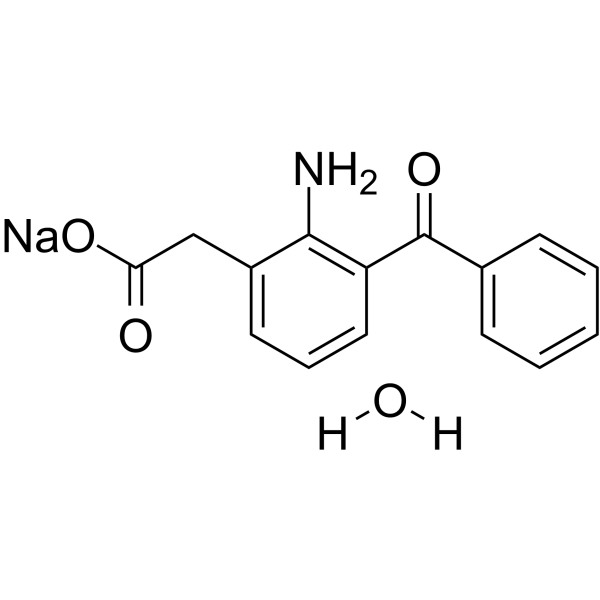
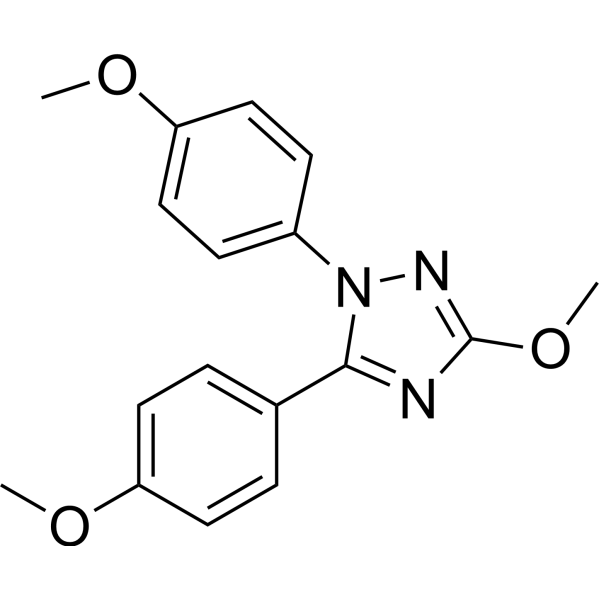 0 ImagesSynonyms: FK881ASP6537 is a potent and selective rhCOX-1 inhibitor with an IC50 of 0.703 nM. ASP6537 has the potential for cardiovascular disease research.
-
N-Acetyl-2-carboxybenzenesulfonamide
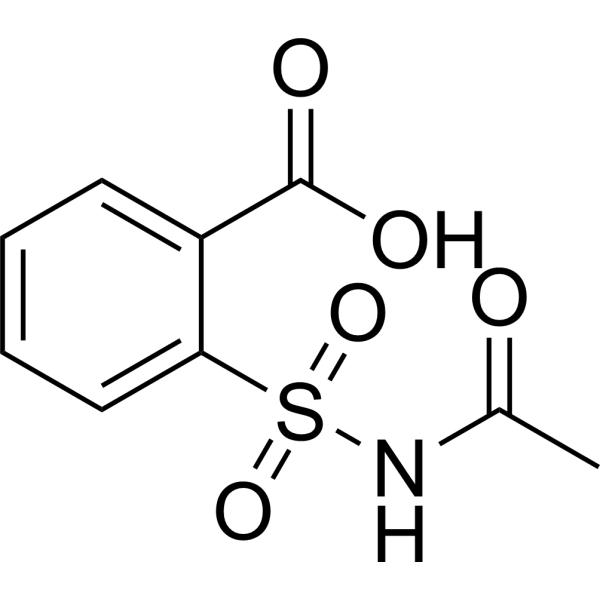 0 ImagesCat. No.: HY-134996CAS No.: 849067-18-1
-
Sulindac-d3
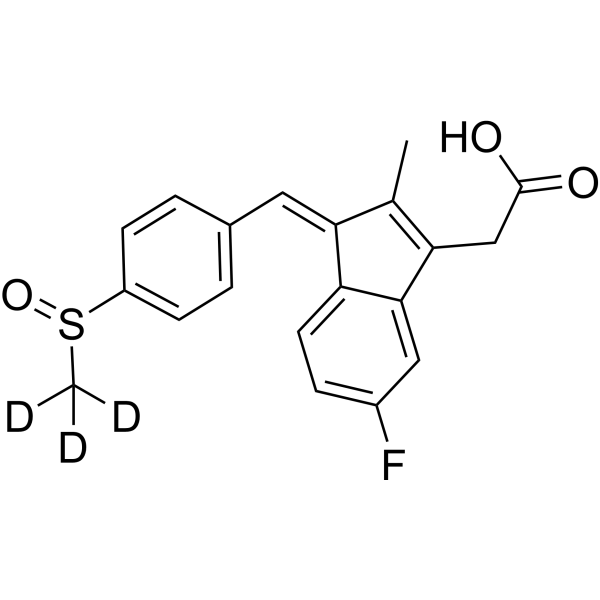 0 ImagesCat. No.: HY-B0008SPurity: 99.38%Synonyms: MK-231-d3Sulindac-d3 is deuterium labeled Sulindac. Sulindac (MK-231) is a non-steroidal antiinflammatory agent, acts as a COX-2 inhibitor, and inhibits overexpression of COX-2.
-
Prostaglandin E2 Ethanolamide
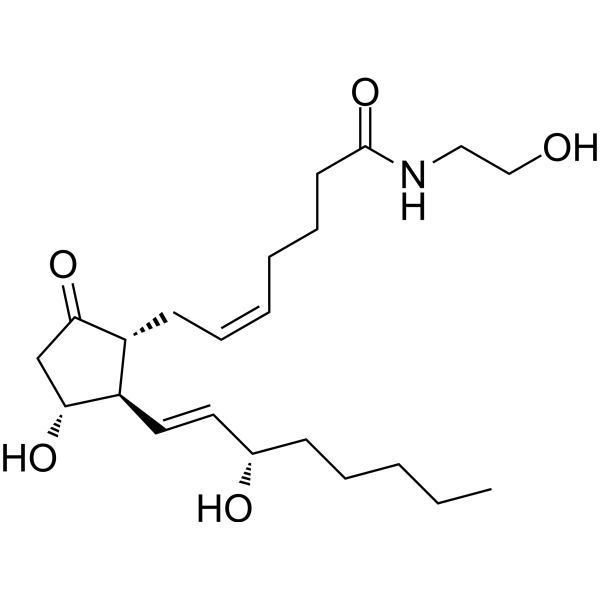 0 ImagesSynonyms: PGE2 ethanolamideProstaglandin E2 Ethanolamide (PGE2-EA), an analog of PGE2, can be formed enzymatically following COX-2 oxygenation of endocannabinoids. Prostaglandin E2 Ethanolamide (PGE2-EA) could modulate the production of the proinflammatory cytokine TNF-α in human blood and human monocytic cells.
-
Indomethacin-d4
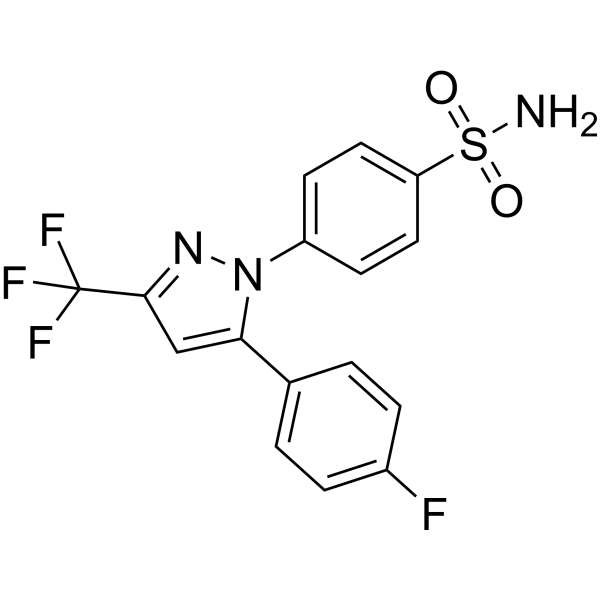
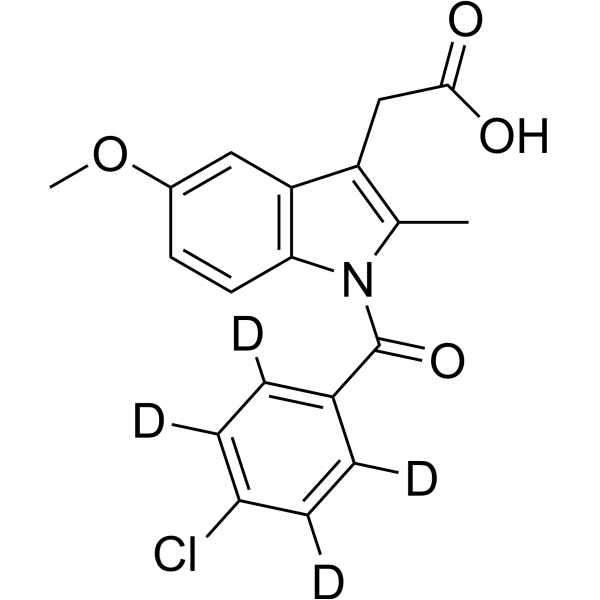 0 ImagesCat. No.: HY-14397SCAS No.: 87377-08-0Synonyms: Indometacin-d4Indomethacin-d4 (Indometacin-d4) is a deuterium labeled Indomethacin. Indomethacin is a potent, blood-brain permeable and nonselective inhibitor of COX1 and COX2, with IC50s of 18 nM and 26 nM for human COX-1 and COX-2, respectively, in CHO cells. Indomethacin disrupts autophagic flux by disturbing the normal functioning of lysosomes.
-
(S)-(+)-Ibuprofen-d3
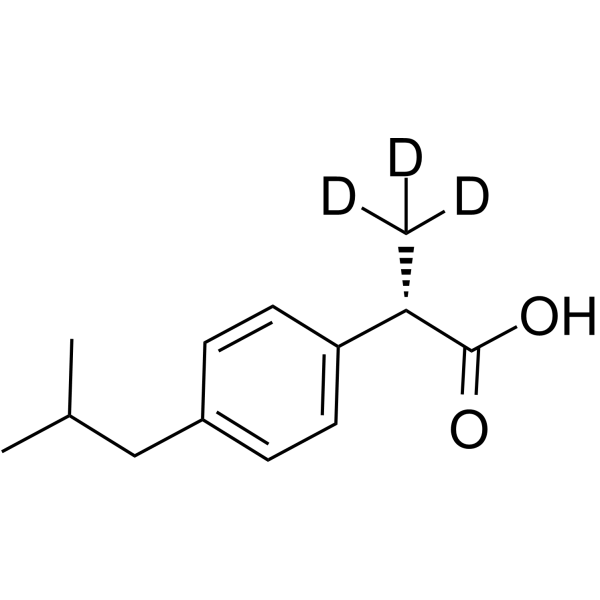 0 ImagesSynonyms: (S)-Ibuprofen d3
-
Diclofenac-13C6 sodium
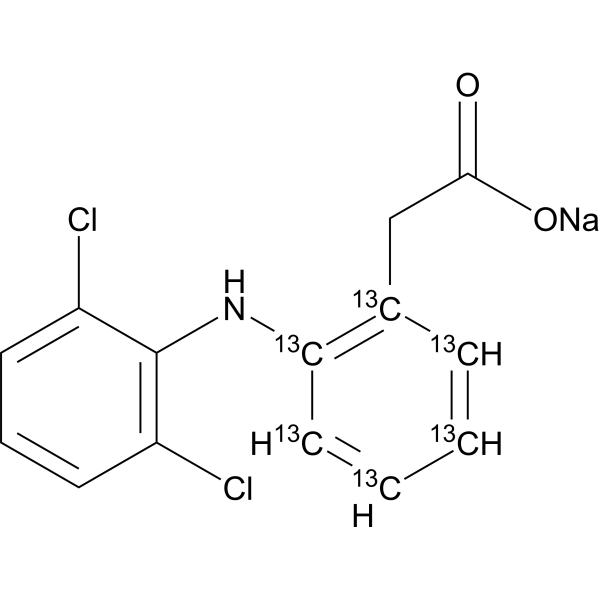 0 ImagesSynonyms: GP 45840-13C6Diclofenac-13C6 (Sodium) is the 13C6 labeled Diclofenac (Sodium). Diclofenac Sodium (GP 45840) is a potent and nonselective anti-inflammatory agent, acts as a COX inhibitor, with IC50s of 4 and 1.3 nM for human COX-1 and COX-2 in CHO cells, and 5.1 and 0.84 μM for ovine COX-1 and COX-2, respectively. Diclofenac Sodium induces apoptosis of neural stem cells (NSCs) via the activation of the caspase cascade.
-
Oxyphenbutazone monohydrate
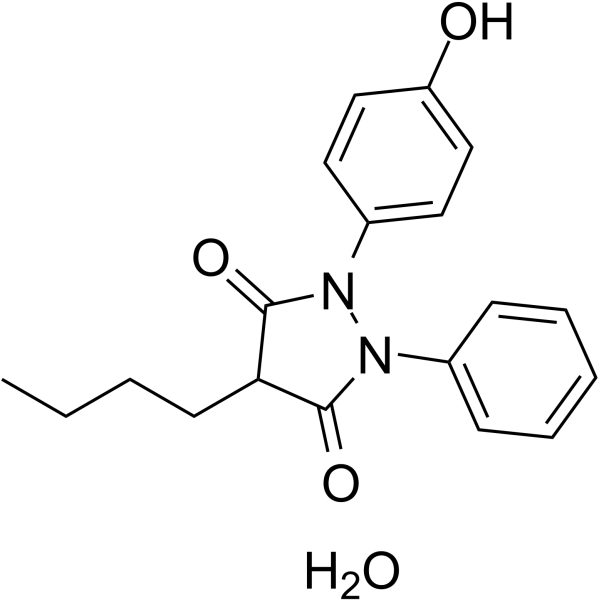 0 ImagesOxyphenbutazone monohydrate is a Phenylbutazone (HY-B0230) metabolite, with anti-inflammatory effect. Oxyphenbutazone monohydrate is an orally active non-selective COX inhibitor. Oxyphenbutazone monohydrate selectively kills non-replicating Mycobaterium tuberculosis.
-
1-Methyl-6-oxo-1,6-dihydropyridine-3-carboxylic acid
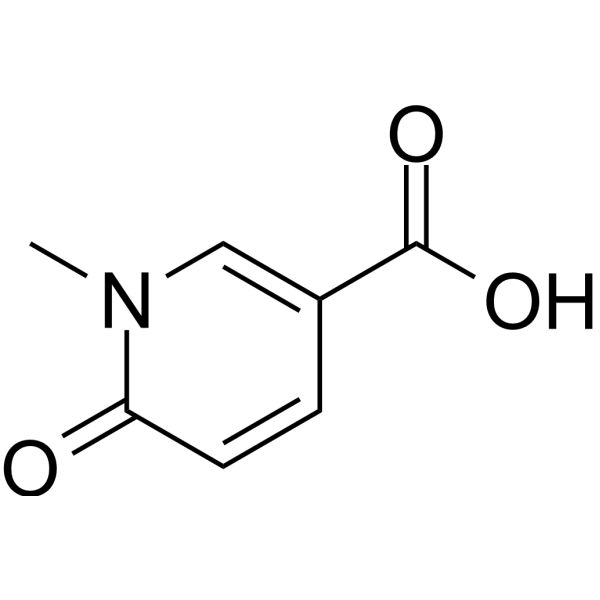 0 Images1-Methyl-6-oxo-1,6-dihydropyridine-3-carboxylic acid is an AP-1 inhibitor which can be found in Cordyceps bassiana. 1-Methyl-6-oxo-1,6-dihydropyridine-3-carboxylic acid downregulates the expression of COX-2. 1-Methyl-6-oxo-1,6-dihydropyridine-3-carboxylic acid can be used for the study of atopic dermatitis.
-
Methyl Salicylate-d4
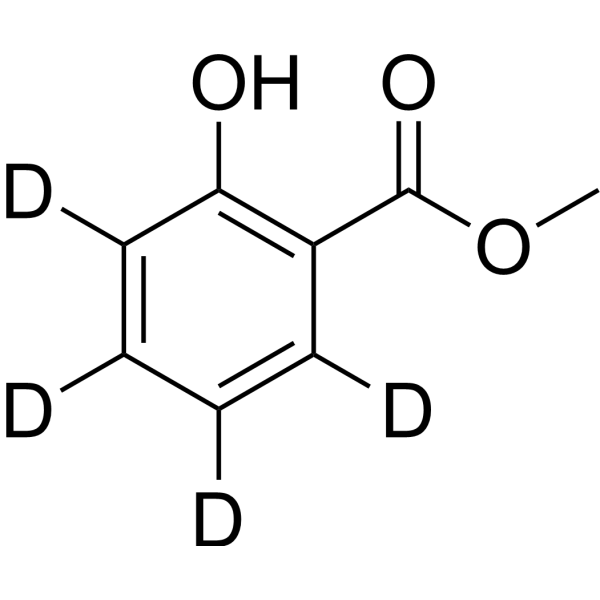 0 ImagesSynonyms: Wintergreen oil-d4Methyl Salicylate-d4 is the deuterium labeled Methyl Salicylate. Methyl Salicylate (Wintergreen oil) is a topical analgesic and anti-inflammatory agent. Also used as a pesticide, a denaturant, a fragrance ingredient, and a flavoring agent in food and tobacco products. A systemic acquired resistance (SAR) signal in tobacco. A topical nonsteroidal anti-inflammatory agent (NSAID). Methyl salicylate lactoside is a COX inhibitor.
-
Meloxicam-13C,d3
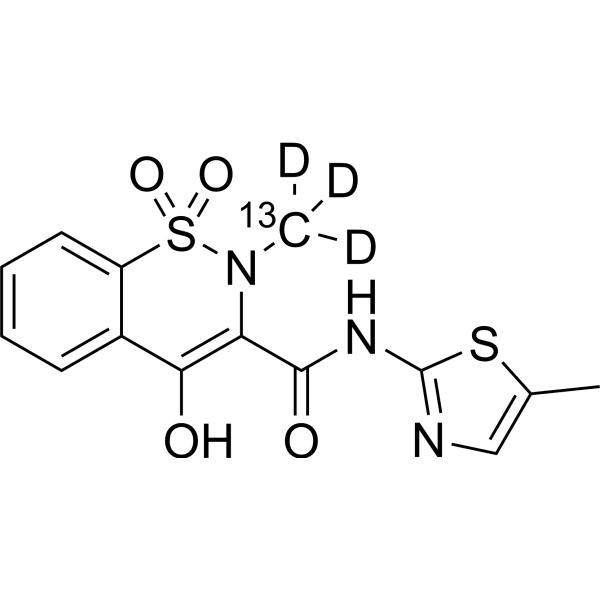 0 ImagesCat. No.: HY-B0261S2CAS No.: 1309936-00-2
-
(S)-6-O-Desmethylnaproxen
 0 ImagesCat. No.: HY-131495CAS No.: 52079-10-4Synonyms: (S)-6-Desmethyl Naproxen(S)-6-O-Desmethylnaproxen ((S)-6-Desmethyl Naproxen) is a metabolite of the non-steroidal anti-inflammatory drug (NSAID) and COX inhibitor (+)-naproxen ((S)-naproxen). (S)-6-O-Desmethylnaproxen is formed from (S)-naproxen by the cytochrome P450 (CYP) isoforms CYP1A2 and CYP2C9.
-
Piroxicam-d3
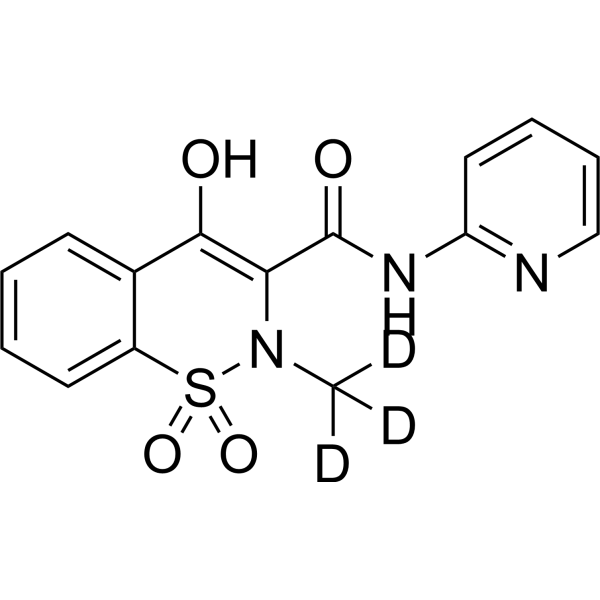 0 ImagesSynonyms: CP-16171 d3Piroxicam-d3 (CP-16171-d3) is deuterium labeled Piroxicam. Piroxicam is a non-steroidal anti-inflammatory drugs, acts as a COX inhibitor, with IC50s of 47, 25 μM for human monocyte COX-1 and COX-2, respectively .
-
Anemarsaponin B
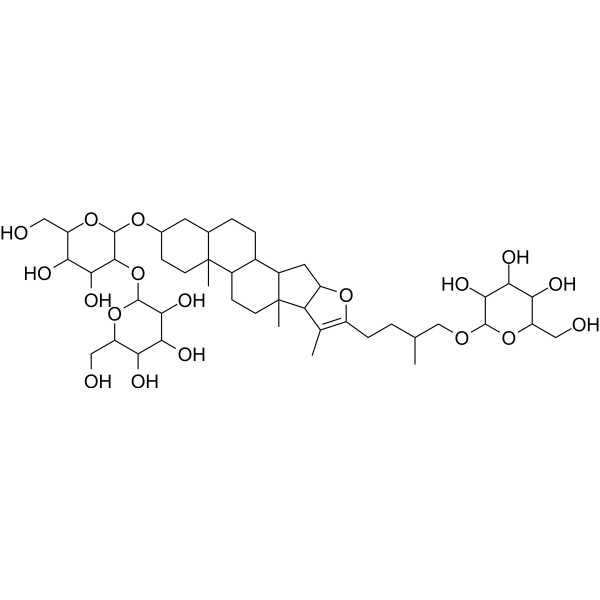 0 ImagesAnemarsaponin B is a steroidal saponin. Anemarsaponin B decreases the protein and mRNA levels of iNOS and COX-2. Anemarsaponin B reduces the expressions and productions of pro-inflammatory cytokines, including TNF-a and IL-6. Anemarsaponin B inhibits the nuclear translocation of the p65 subunit of NF-κB by blocking the phosphorylation of IκBα. Anemarsaponin B also inhibits the phosphorylation of MAP kinase kinases 3/6 (MKK3/6) and mixed lineage kinase 3 (MLK3). Anti-inflammatory effect .




