



CXCR4 Antagonist
-
Plerixafor
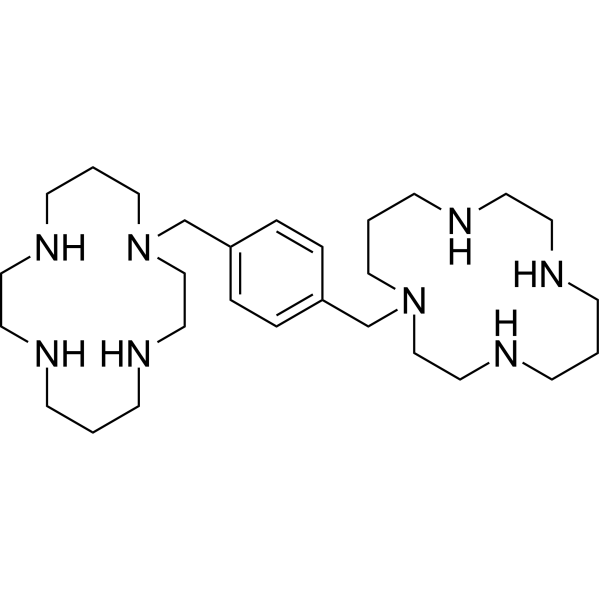 0 ImagesSynonyms: AMD 3100; JM3100; SID791
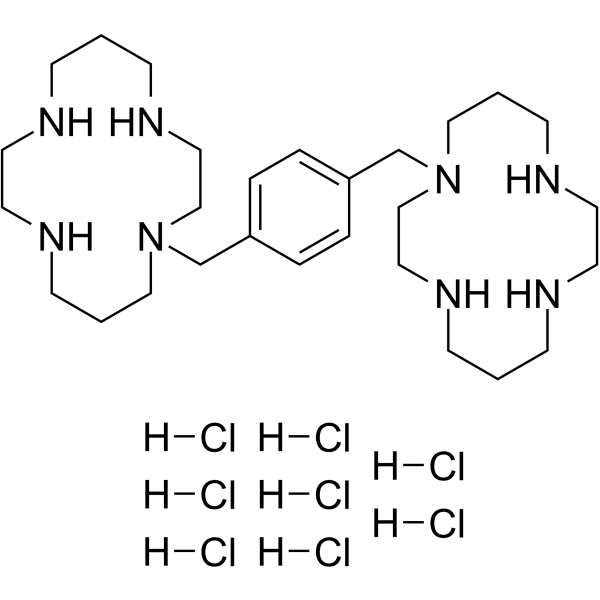
-
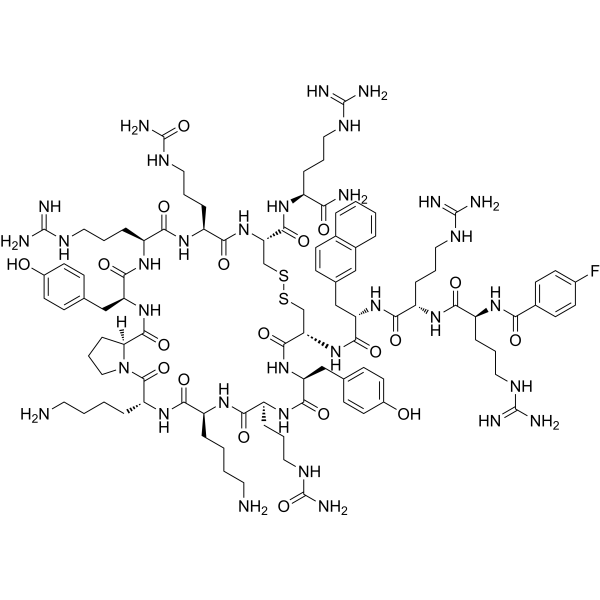
Peptide R54 acetate
 0 ImagesCat. No.: HY-P11011APurity: 99.88%Synonyms: Pep R54 acetate; CXCR4 antagonist peptide 19 acetate
Peptide R54 acetate (Pep R54 acetate) is a CXCR4 antagonist. Peptide R54 acetate inhibits CXCL12-dependent activation of pERK1/2 and pAKT. The combination of Peptide R54 acetate and Nivolumab (HY-P9903) suppresses melanoma growth. Peptide R54 (acetate) is applicable to research related to melanoma and ovarian cancer.
-
Burixafor
 0 ImagesCat. No.: HY-19867CAS No.: 1191448-17-5Synonyms: TG-0054
Burixafor (TG-0054) is a potent CXCR4 antagonist with a pIC50 of 7.4. Burixafor inhibits the binding of CXCL12 to CXCR4, antagonizes CXCL12-induced recruitment of Gαᵢ and β-arrestin2, and blocks the downstream Gαᵢ-mediated inhibitory effect on cAMP signal transduction. Burixafor mobilizes CD34+ hematopoietic stem/progenitor cells (HSPC) from the bone marrow to the peripheral blood. Burixafor can be used for research on autologous hematopoietic stem cell transplantation (ASCT).
-
Mavorixafor trihydrochloride
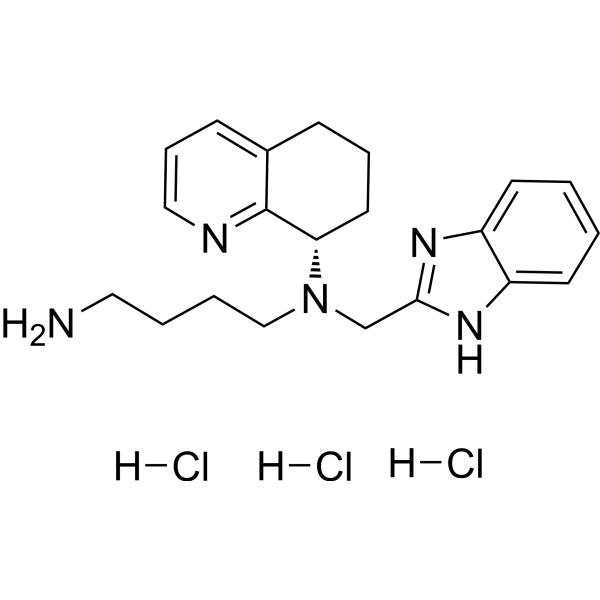 0 ImagesSynonyms: AMD-070 trihydrochloride; AMD-11070 trihydrochloride
Mavorixafor trihydrochloride (AMD-070 trihydrochloride) is a potent, selective and orally available CXCR4 antagonist, with an IC50 value of 13 nM against CXCR4 125I-SDF binding, and also inhibits the replication of T-tropic HIV-1 (NL4.3 strain) in MT-4 cells and PBMCs with an IC50 of 1 and 9 nM, respectively.Mavorixafor trihydrochloride can be used for the study of WHIM syndrome.
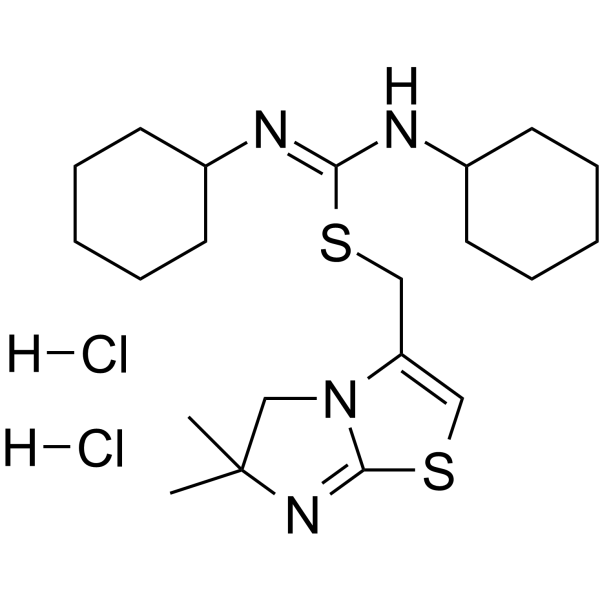
-
Ulocuplumab
 0 ImagesSynonyms: BMS 936564; MDX 1338; Anti-Human CXCR4 Recombinant Antibody
Ulocuplumab (Anti-Human CXCR4 Recombinant Antibody/BMS-936564/MDX1338) is a fully human IgG4 anti-CXCR4 antibody. Ulocuplumab induces apoptosis and inhibits CXCL12 mediated CXCR4 activation-migration of chronic lymphocytic leukemia (CLL). Ulocuplumab exhibits antitumor activity in established tumors including acute myeloid leukemia (AML), non-Hodgkin lymphoma (NHL), and multiple myeloma xenograft models.
-
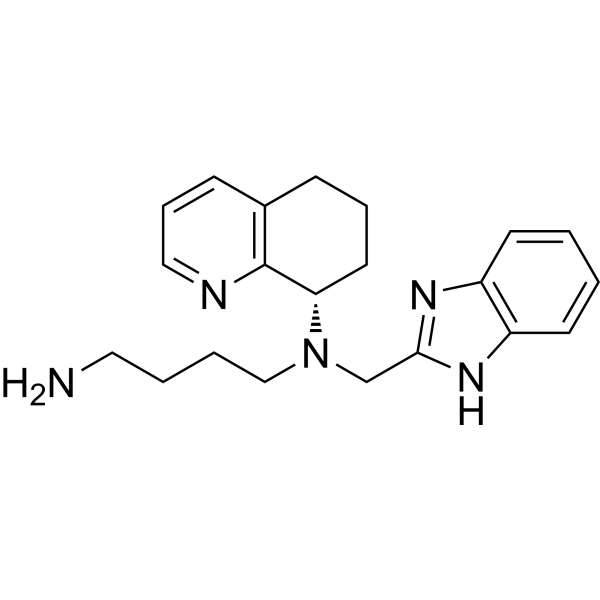
Mavorixafor
 0 ImagesSynonyms: AMD-070; AMD-11070
Mavorixafor (AMD-070) is a potent, selective and orally available CXCR4 antagonist, with an IC50 value of 13 nM against CXCR4 125I-SDF binding, and also inhibits the replication of T-tropic HIV-1 (NL4.3 strain) in MT-4 cells and PBMCs with an IC50 of 1 and 9 nM, respectively. Mavorixafor can be used for the study of WHIM syndrome.
-
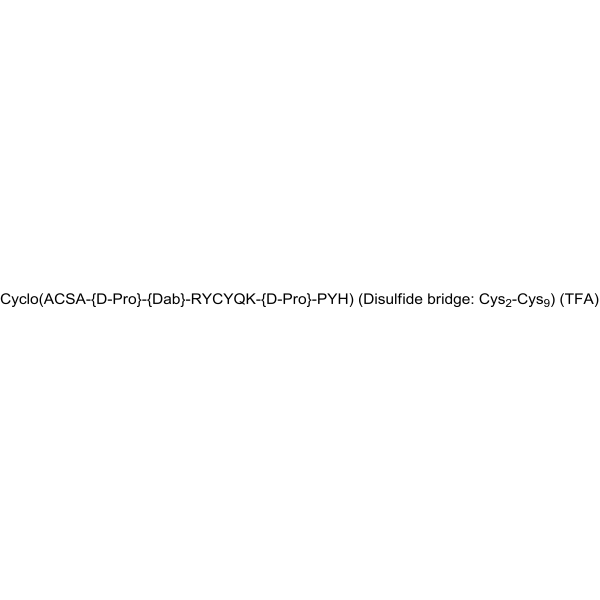
Balixafortide TFA
 0 ImagesCat. No.: HY-P1682APurity: 99.89%Synonyms: POL6326 TFA
Balixafortide TFA (POL6326 TFA) is a potent, selective, well-tolerated peptidic CXCR4 antagonist with an IC50 < 10 nM. Balixafortide TFA shows 1000-fold selective for CXCR4 than a large panel of receptors including CXCR7. Balixafortide TFA blocks β-arrestin recruitment and calcium flux with IC50s < 10 nM. Balixafortide TFA is also a potent hematopoietic stem and progenitor cell (HSPC) mobilizing agent. Anti-cancer effects.
-
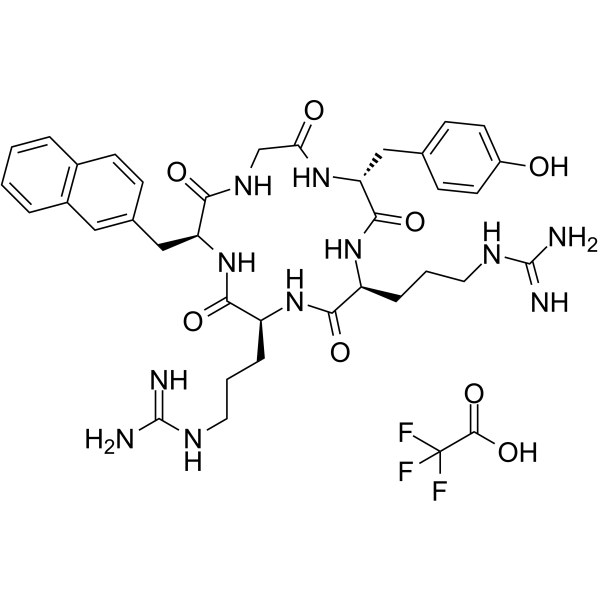
FC131 TFA
 0 Images
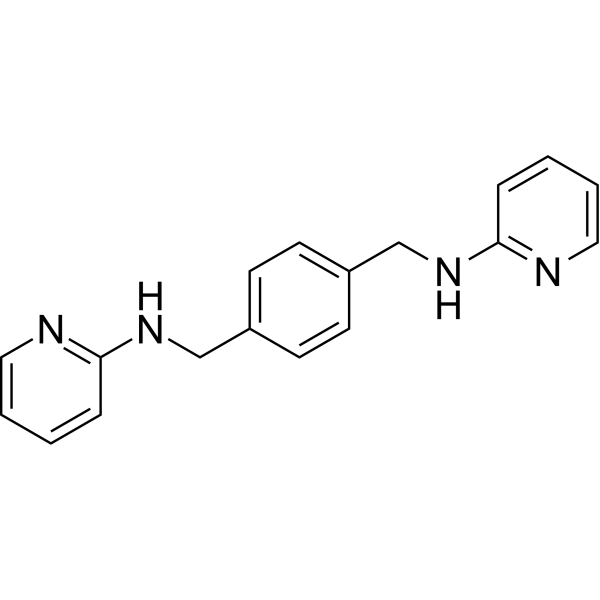
FC131 TFA is a CXCR4 antagonist that inhibits AKT kinase activity in AML OCI-AML3 cells. D-ArgFC131, a derivative of FC131 TFA, inhibits the phosphorylation of downstream ERK1/2 and Akt, induces caspase-3 pathway-mediated apoptosis, and causes cell cycle arrest. FC131 TFA exerts cytotoxic effects in cancer cells such as AML cells. FC131 TFA is applicable for cancer-related research.
-
Mavorixafor hydrochloride
 0 ImagesSynonyms: AMD-070 hydrochloride; AMD-11070 hydrochloride
Mavorixafor (AMD-070) hydrochloride is a potent, selective and orally available CXCR4 antagonist, with an IC50 value of 13 nM against CXCR4 125I-SDF binding. Mavorixafor hydrochloride also inhibits the replication of T-tropic HIV-1 (NL4.3 strain) in MT-4 cells and PBMCs with an IC50 of 1 nM and 9 nM, respectively. Mavorixafor hydrochloride can be used for the study of WHIM syndrome.
-
NF279
 0 Images
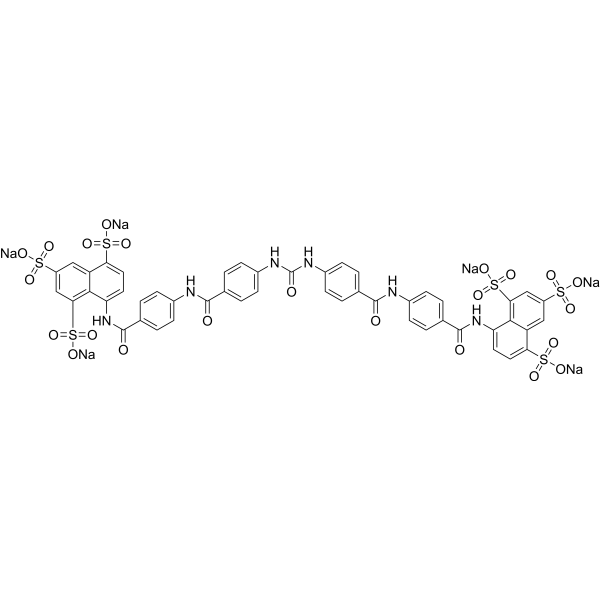
NF279 is a selective P2X1 receptor antagonist and NTPDase inhibitor, with a P2X1 IC50 value of 19 nM. NF279 suppresses GABA-evoked currents, reduces ATP-excited respiratory activity, alters hypoglossal nerve burst parameters, and blocks CXCR4, CCR5, CXCR3, and CXCR7-mediated calcium responses. NF279 arrests HIV-1 fusion downstream of CD4 binding, inhibits R5- and X4-tropic HIV-1 strains. NF279 can be used for the research of HIV-1 infection.
-
Burixafor hydrobromide
 0 ImagesSynonyms: TG-0054 hydrobromide
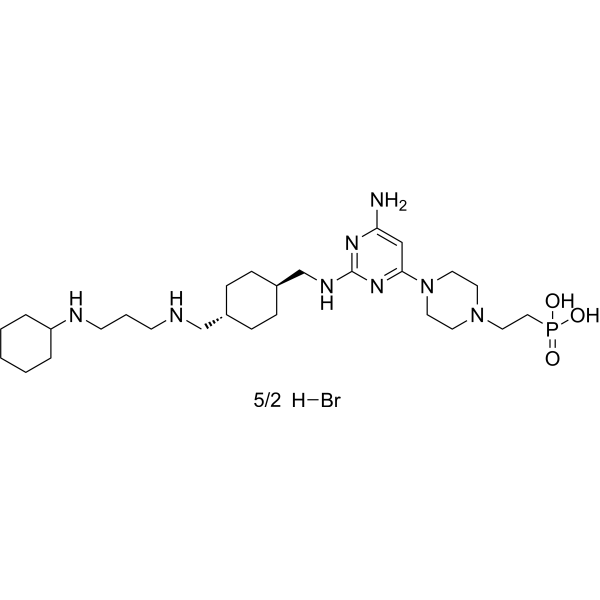
Burixafor (TG-0054) hydrobromide is a potent CXCR4 antagonist with a pIC50 of 7.4. Burixafor hydrobromide inhibits the binding of CXCL12 to CXCR4, antagonizes CXCL12-induced recruitment of Gαᵢ and β-arrestin2, and blocks the downstream Gαᵢ-mediated inhibitory effect on cAMP signal transduction. Burixafor hydrobromide mobilizes CD34+ hematopoietic stem/progenitor cells (HSPC) from the bone marrow to the peripheral blood. Burixafor hydrobromide can be used for research on autologous hematopoietic stem cell transplantation (ASCT).
-
EPI-X4
 0 ImagesSynonyms: hSA(408–423) peptide
EPI-X4 (hSA408–423 peptide) is an antagonist for C-X-C motif chemokine receptor 4 (CXCR4) with IC50 of 8.6 μM. EPI-X4 blocks the CXCL12-mediated signaling, inhibits chemokine-mediated migration and invasion of leukemia cell. EPI-X4 exhibits anti-inflammatory activity in mouse model. EPI-X4 exhibits antiviral activity against CXCR4-tropic HIV with IC50 of 8.6 μM.
-
AMD 3465 hexahydrobromide
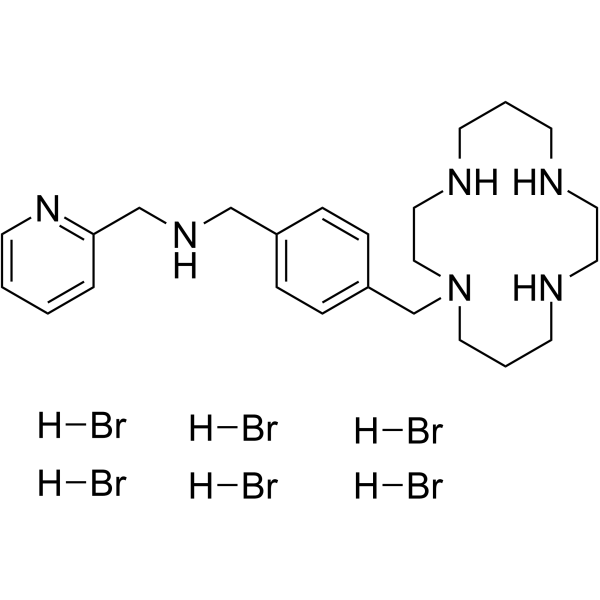 0 ImagesSynonyms: GENZ-644494 hexahydrobromide
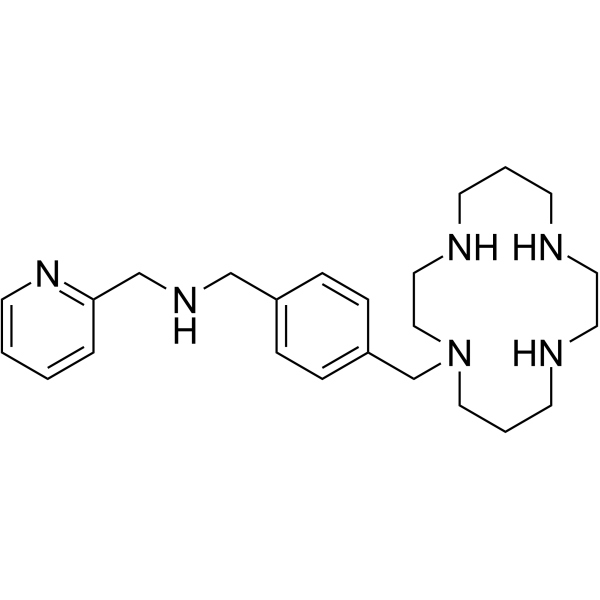
AMD 3465 hexahydrobromide (GENZ-644494 hexahydrobromide) is a potent antagonist of CXCR4, inhibits binding of 12G5 mAb and CXCL12AF647 to CXCR4, with IC50s of 0.75 nM and 18 nM in SupT1 cells; AMD 3465 also potently inhibits the replication of X4 HIV strains (IC50: 1-10 nM), but has no effect on CCR5-using (R5) viruses.
-
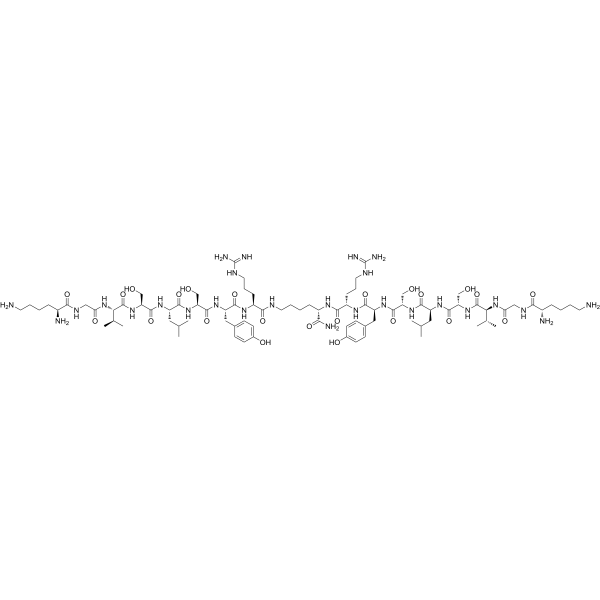
CTCE-9908
 0 Images
CTCE-9908 is a potent and selective CXCR4 antagonist. CTCE-9908 induces mitotic catastrophe, cytotoxicity and inhibits migration in CXCR4-expressing ovarian cancer cells.



