



Fungal
An antifungal agent is a drug that selectively eliminates fungal pathogens from a host with minimal toxicity to the host.
Classes: 1. Polyene Antifungal Drugs: Amphotericin, nystatin, and pimaricin interact with sterols in the cell membrane (ergosterol in fungi, cholesterol in humans) to form channels through which small molecules leak from the inside of the fungal cell to the outside. 2. Azole Antifungal Drugs: Fluconazole, itraconazole, and ketoconazole inhibit cytochrome P450-dependent enzymes (particularly C14-demethylase) involved in the biosynthesis of ergosterol, which is required for fungal cell membrane structure and function. 3. Allylamine and Morpholine Antifungal Drugs: lylamines (naftifine, terbinafine) inhibit ergosterol biosynthesis at the level of squalene epoxidase. The morpholine drug, amorolfine, inhibits the same pathway at a later step. 4. Antimetabolite Antifungal Drugs: 5-Fluorocytosine acts as an inhibitor of both DNA and RNA synthesis via the intracytoplasmic conversion of 5-fluorocytosine to 5-fluorouracil.
All Product Categories
-
Fungal Related Products (2769)
Related Products (2769)

-
Antibodies (1)
-
Related Compound Screening Libraries (1)
-
Sodium methylparaben, 99%
 0 ImagesSynonyms: Sodium methyl 4-hydroxybenzoate, 99%Sodium methylparaben, 99% (Sodium methyl 4-hydroxybenzoate, 99%) is an antifungal agent.
-
Tecnazene
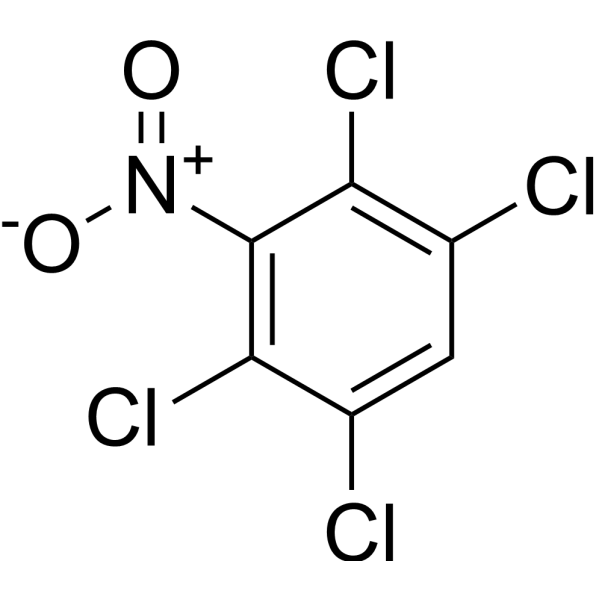 0 ImagesTecnazene is a dinitroaromatic fungicide and plant growth regulator. Tecnazene binds irreversibly to human skin tissues and exhibits acute toxicity in Rattus norvegicus (brown rat). Tecnazene exerts sprouting-inhibiting and antifungal activities by inhibiting the sprouting of potato tuber buds and blocking the growth and reproduction of fungi that cause dry rot. Tecnazene has significant antifungal and sprouting-inhibiting activities, and shows high toxicity to aquatic organisms such as freshwater fish and crustaceans. Tecnazene is used for sprouting inhibition and dry rot control during potato storage.
-
Broxaldine
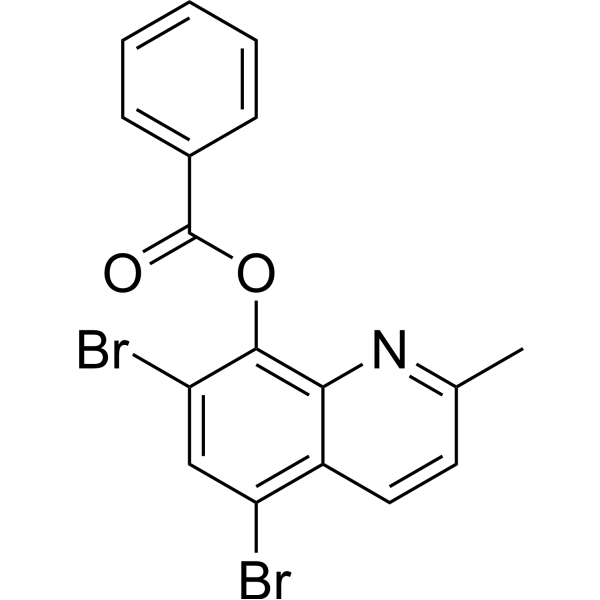 0 ImagesBroxaldine (Brobenzoxaldine) is an antiprotozoal agent. Broxaldine inhibits Clostridium difficile with a MIC value of 4 µM, and has antifungal effects.
-
Itraconazole (Standard)
 0 ImagesCat. No.: HY-17514RCAS No.: 84625-61-6Synonyms: R51211 (Standard)Itraconazole (Standard) is the analytical standard of Itraconazole. This product is intended for research and analytical applications. Itraconazole (R51211) is a triazole antifungal agent and a potent and orally active Hedgehog (Hh) signaling pathway antagonist with an IC50 of ~800 nM. Itraconazole potently inhibits lanosterol 14α-demethylase (cytochrome P450 enzyme), thereby inhibits the oxidative conversion of lanosterol to ergosterol. Itraconazole has anticancer and antiangiogenic effects. Itraconazole is a oxysterol-binding protein (OSBP) inhibitor.
-
Ethyl 2-chloroacetoacetate
 0 ImagesEthyl 2-chloroacetoacetate (A 21960) is a Tn3 resolvase inhibitor, and inhibit synapse formation between resolvase and two directly repeated res sites. Ethyl 2-chloroacetoacetate is commonly used in in vitro enzymatic experiments. Ethyl 2-chloroacetoacetate inhibits the dehalogenation reaction by consuming intracellular GSH in yeast cells.

-
Altertoxin I
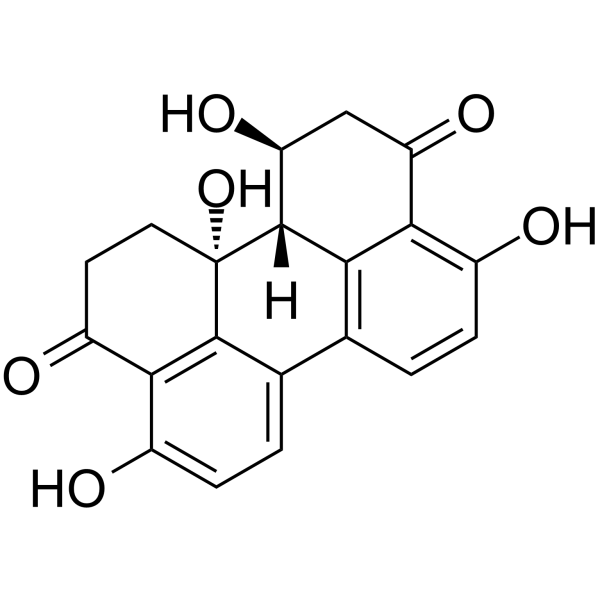 0 ImagesSynonyms: Dihydroalterperylenol; ATX-IAltertoxin I (Dihydroalterperylenol; ATX-I) is a quinone mycotoxin with immunosuppressive, mutagenic and anticancer activities. Altertoxin I inhibits LPS (HY-D1056)-mediated NF-κB activation and estrogen-dependent alkaline phosphatase activity. Altertoxin I activates the AhR signaling pathway, induces the expression of CYP 1A1/1A2/1B1 and the enzymatic activity of EROD. Altertoxin I can be used in breast cancer research.
-
3-Nitrobenzoic acid
 0 ImagesSynonyms: m-Carboxynitrobenzene; m-Nitrobenzenecarboxylic acid; m-Nitrobenzoic acid3-Nitrobenzoic acid (m-Carboxynitrobenzene; m-Nitrobenzenecarboxylic acid; m-Nitrobenzoic acid) is an antioxidant and antibacterial agent that can kill bacteria and fungi. 3-Nitrobenzoic acid can be degraded or reduced by certain bacteria (such as Pseudomonas) and fungi (such as white rot fungi) into aldehydes and alcohols.
-
Dihydrochelerythrine
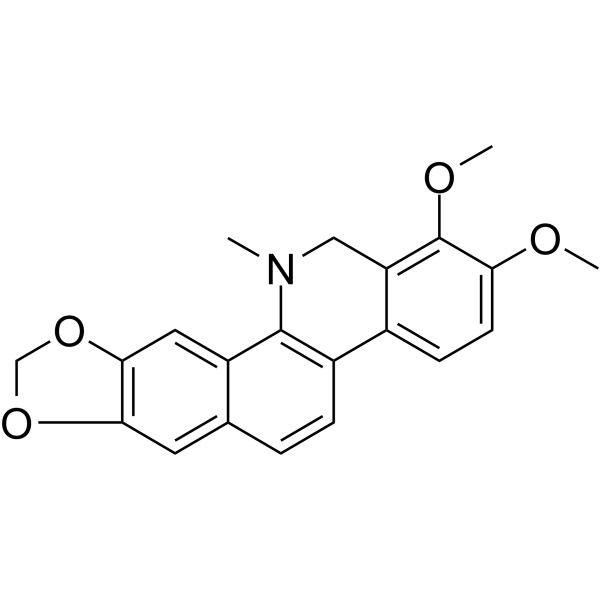 0 ImagesDihydrochelerythrine is a natural compound isolated from Corydalis yanhusuo; has antifungal activity.
-
Coumarin (Standard)
 0 ImagesCoumarin (Standard) is the analytical standard of Coumarin. This product is intended for research and analytical applications. Coumarin is a potent and orally active anti-inflammatory agent. Coumarin shows an antinociceptive effect. Coumarin shows antibacterial, antifungal and anticancer activity.
-
Triclosan-d3
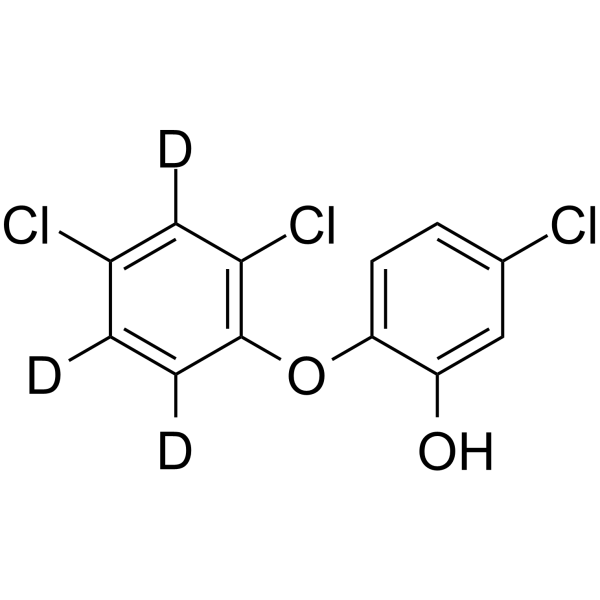 0 ImagesTriclosan-d3 is the deuterium labeled Triclosan. Triclosan is an antibacterial and antifungal agent found in consumer products, including soaps, detergents, toys, and surgical cleaning treatments.
-
Penthiopyrad
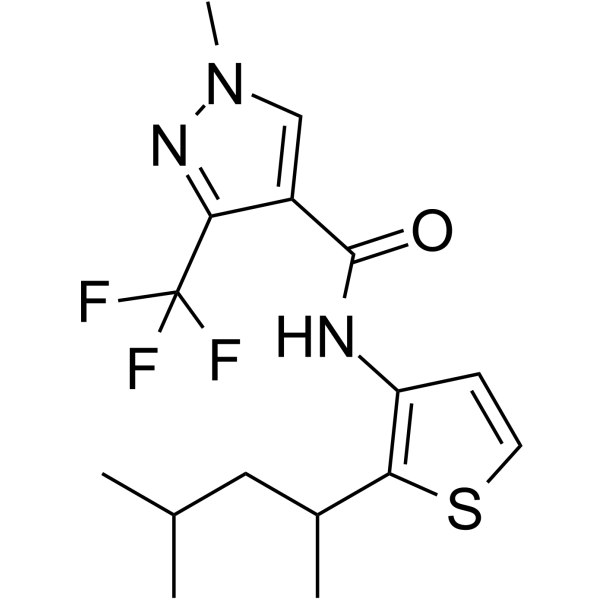 0 ImagesSynonyms: MTF-753Penthiopyrad (MTF-753) is a carboxamide Fungicide. Penthiopyrad inhibits SDH. Penthiopyrad exhibits broad-spectrum antifungal activity, being effective not only against Basidiomycetes, but also against Ascomycetes and Deuteromycetes. Penthiopyrad inhibits the mycelial growth of Alternaria mali, Botrytis cinerea, Monilinia mali, Rhizoctonia solani and Sclerotinia sclerotiorum on PDA medium, with EC50 values ranging from <0.4 ppm to 0.34 ppm and MIC values ranging from 6.6 ppm to 47.9 ppm.
-
(E,E)-Farnesol-d6
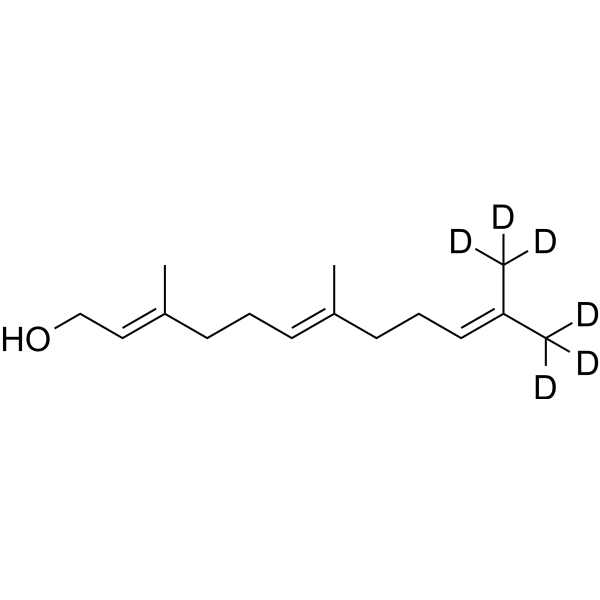 0 ImagesSynonyms: trans,trans-Farnesol-d6; (2E,6E)-Farnesol-d6(E,E)-Farnesol-d6 (trans,trans-Farnesol-d6) is deuterium labeled (E,E)-Farnesol (HY-Y0248). (E,E)-Farnesol (trans,trans-Farnesol) is a quorum-sensing molecule of Candida species. (E,E)-Farnesol can inhibit the growth, metabolism and biofilm formation of various Candida species, and affect their morphology and invasiveness.
-
Amphotericin B methyl ester
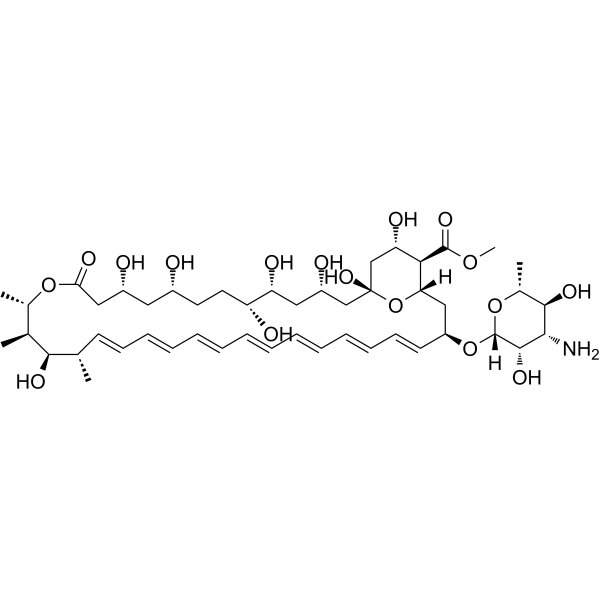 0 ImagesCat. No.: HY-135327CAS No.: 36148-89-7Amphotericin B methyl ester is the methyl ester derivative of the polyene antibiotic Amphotericin B (A634250). Amphotericin B methyl ester is the cholesterol-binding compound possesses significant antifungal activity. Amphotericin B methyl ester disrupts HIV-1 particle production and potently inhibits HIV-1 replication.
-
Iseganan
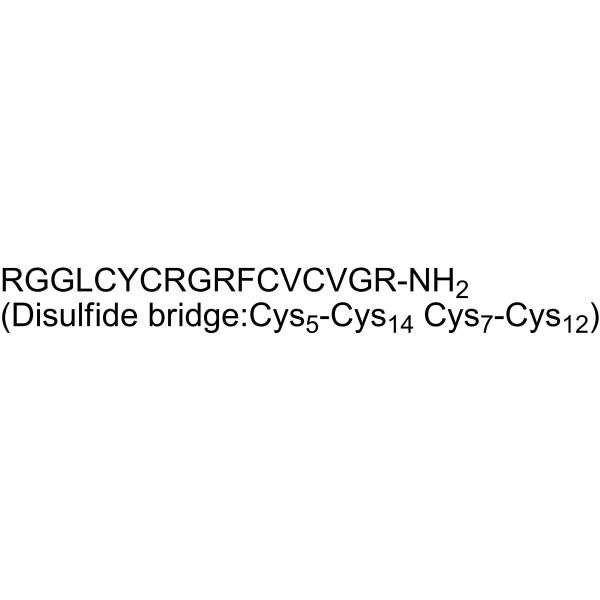 0 ImagesSynonyms: IB-367Iseganan is an anti-microbial peptide that is active against both Gram-positive and Gram-negative bacteria and fungi. Iseganan kills a broad-spectrum of bacteria and fungi by attaching to and destroying the integrity of the lipid cell membranes. Iseganan can be used for oral mucositis research.
-
Nebularine
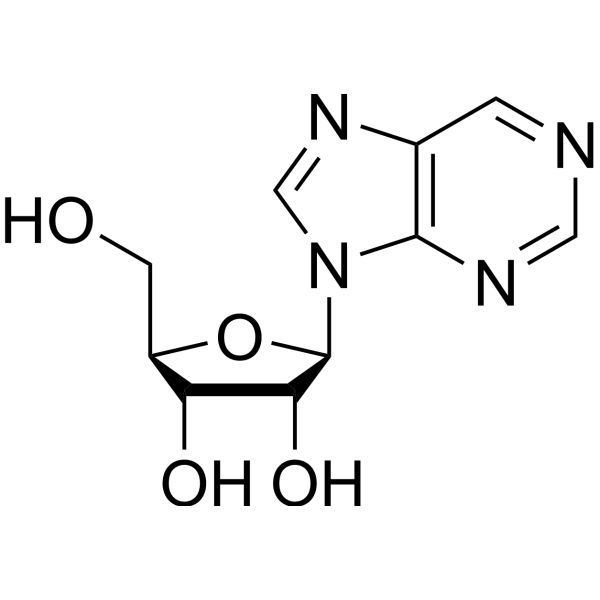 0 ImagesNebularine (9-β-D-Ribofuranosylpurine) is a naturally occurring cytotoxic purine riboside antibiotic. Nebularine competitively inhibits adenine deaminase and xanthine oxidase, and acts as a template for thymine insertion during DNA elongation and replication. Nebularine serves as a cytokinin antagonist and induces mitotic aberrations in plant cells. Nebularine exhibits cytotoxicity against plants, mammals, fungal organisms and cancer cells. Nebularine can be used in research related to fungal infections, plant growth, as well as chronic myeloid leukemia, acute lymphoblastic leukemia and breast cancer.
-
Isoprothiolane
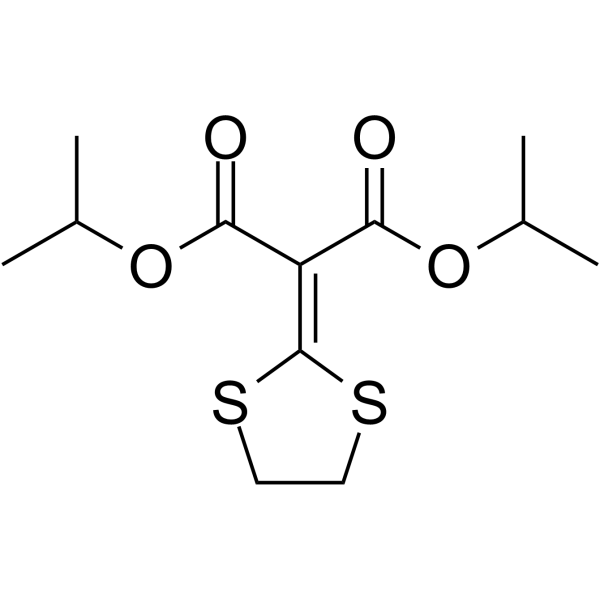 0 ImagesIsoprothiolane is a blast fungicide with antifungal, anti-inflammatory and insecticidal activities. Isoprothiolane primarily acts on fungi during the penetration and growth stages of infecting hyphae. Isoprothiolane can be used as an insecticide, pesticide, etc. In addition, Isoprothiolane can reduce serum phospholipid and total lipid concentrations, regulating lipid metabolism. Isoprothiolane is also used in the research of fatty liver.
-
Cauloside A
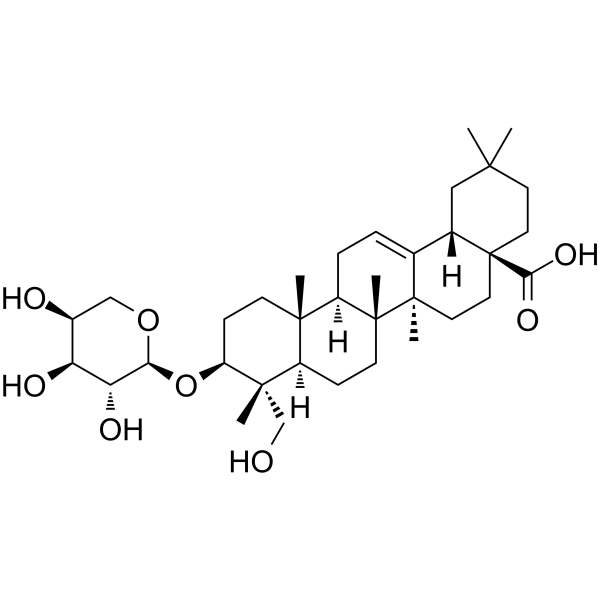 0 ImagesSynonyms: Leontoside ACauloside A (Leontoside A) is a saponin isolated from Dipsacus asper roots. Cauloside A has potent antifungal activity.
-
(E)-2-Octenal
 0 ImagesSynonyms: trans-2-Octenal(E)-2-Octenal is an Antifungal agent. (E)-2-Octenal disrupts cell membrane integrity and causes ROS accumulation. (E)-2-Octenal decreases the activities of phosphofructokinase and pyruvate kinase. (E)-2-Octenal inhibits Neofusicoccum parvum growth by disrupting mitochondrial energy metabolism. (E)-2-Octenal suppresses the growth of a Prochloraz (HY-B0845)-resistant Penicillium italicum strain. (E)-2-octenal exerts a broad-spectrum and potent inhibitory effect on various fungi, including Sclerotium rolfsii, Metarhizium anisopliae sensu lato, and Aspergillus flavus, etc. (E)-2-Octenal can be used for the research of citrus blue mold and mango stem-end rot.
-
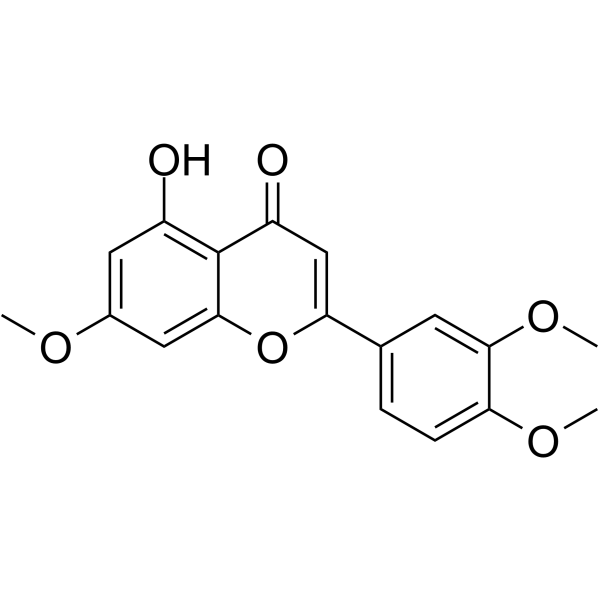
7,3',4'-Tri-O-methylluteolin
 0 ImagesSynonyms: 5-Hydroxy-3',4',7-trimethoxyflavone7,3',4'-Tri-O-methylluteolin (5-Hydroxy-3',4',7-trimethoxyflavone) is a flavonoid with multiple biological activities. 7,3',4'-Tri-O-methylluteolin inhibits soybean lipoxygenase (LOX), with an IC50 value of 23.97 µg/mL. 7,3',4'-Tri-O-methylluteolin possesses anti-inflammatory effects in Lipopolysaccharides (HY-D1056) (LPS)-induced RAW 264.7 macrophages. 7,3',4'-Tri-O-methylluteolin inhibits the binding of MDM2 with p53 and induces apoptosis in MCF-7 breast cancer cells. 7,3',4'-Tri-O-methylluteolin also has antioxidant, antifungal and antitrypanosomal activities.




