Glycosidase
Glycosidase
Glycosidase are a class of enzymes which catalyze the hydrolysis of glycosidic bonds. In living organisms, Glycosidase are involved in carbohydrate metabolism. They can degrade polysaccharides such as starch and glycogen into monosaccharides, providing energy for cells. Glycosidase also participate in the synthesis and modification of biological macromolecules such as glycoproteins and glycolipids, playing a crucial role in cell recognition and signal transduction. Additionally, in plants and microorganisms, Glycosidase are involved in the metabolism of cell wall polysaccharide components, affecting cell growth, differentiation, and morphogenesis. Gene mutations of Glycosidase can trigger genetic diseases, leading to abnormal metabolism in the body and damage to organ functions. Changes in their activity are associated with various diseases such as diabetes, infectious diseases, and tumors, and can influence the occurrence and development of diseases[1][2].
References:
- [1]. Wang X, et al. Metabolites extracted from microorganisms as potential inhibitors of glycosidases (α-glucosidase and α-amylase): A review. Front Microbiol. 2022 Nov 17;13:1050869.
- [2]. Ohtsubo K, et al. Glycosylation in cellular mechanisms of health and disease. Cell. 2006 Sep 8;126(5):855-67. [Content Brief]
All Product Categories
-
Glycosidase Inhibitors
(448)
View all products
-
Glycosidase Antagonist
(1)
View all products
-
Glycosidase Activators
(20)
View all products
-
Glycosidase Modulators
(8)
View all products
-
Glycosidase Chemical
(1)
View all products
-
Glycosidase Inducers
(2)
View all products
-
Glycosidase Degrader
(1)
View all products
-
Glycosidase Controls
(5)
View all products
-
Glycosidase Substrates
(23)
View all products
-
Glycosidase Ligands
(3)
View all products
-
Glycosidase Related Products (688)
Related Products (688)

-
Antibodies (3)
-
AMP-Deoxynojirimycin
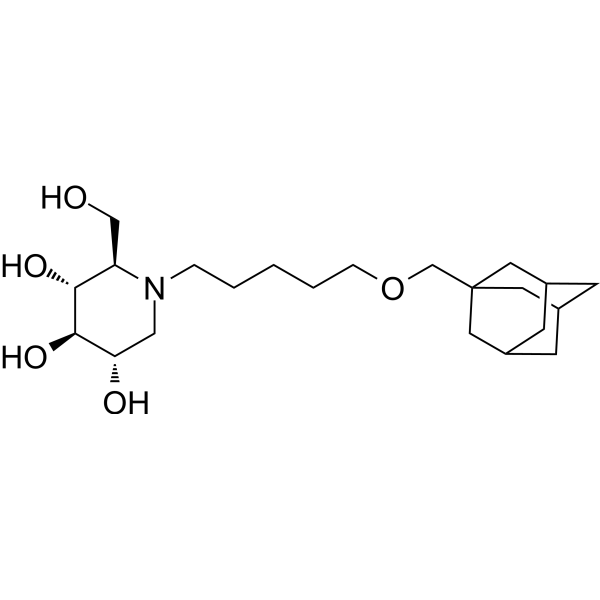 0 ImagesSynonyms: AMP-DNMAMP-Deoxynojirimycin (AMP-DNM) is a potent ceramide glucosyltransferase and GCase 2 inhibitor. AMP-Deoxynojirimycin also is a GlcCer biosynthesis inhibitor.
-
α-1,6-Fucosidase, lactobacillus casei
 0 ImagesCat. No.: HY-E70029alpha-1,6-Fucosidase (LpAlfC(E274A)) (EC 3.2.1.51) cleaves branched non-reducing terminal fucose, linked α(1-6) to the core N-acetylglucosamine of N-linked oligosaccharides. alpha-1,6-Fucosidase (LpAlfC(E274A)) is useful for determining core fucosylation.
-
β1-4 Galactosidase, E. coli
 0 Imagesβ1-4 Galactosidase, E. coli is a highly specific exoglycosidase that catalyzes the hydrolysis of terminal, non-reducing β1-4 linked galactose residues from oligosaccharides.
-
Magnoloside B
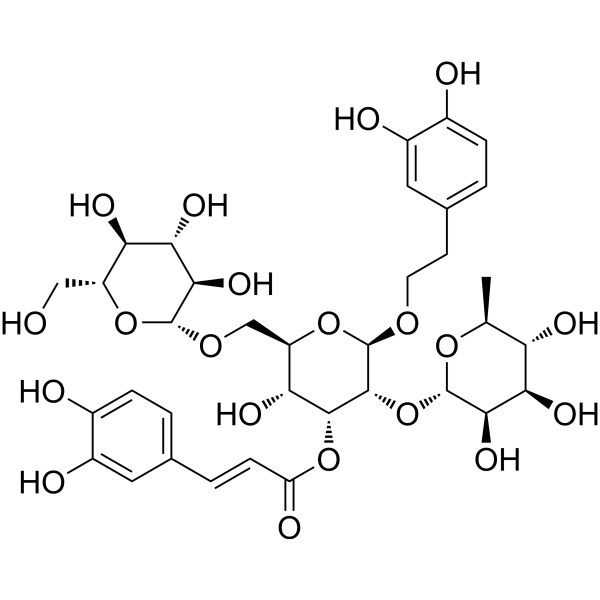 0 ImagesMagnoloside B is a phenylethanoid glycoside found in the bark of Magnolia officinalis. Magnoloside B exhibits DPPH radical scavenging activity. Magnoloside B can be used in research related to liver cancer and gastric cancer.
-
D-Threitol
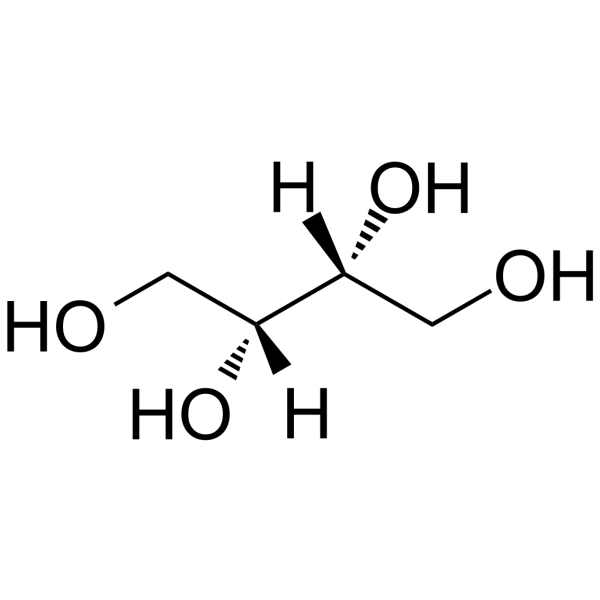 0 ImagesD-Threitol is a naturally occurring four-carbon sugar alcohol and an α-glucosidase (α‑glucosidase) inhibitor with an IC50 of 49 mM against yeast α-glucosidase, and it is orally active. D-Threitol modulates gut microbiota composition, increases microbial diversity, enriches beneficial bacterial genera, and restores fecal short-chain fatty acid levels. D-Threitol reduces body weight gain and fat accumulation, improves glucose tolerance and insulin sensitivity, and alleviates liver, kidney, and pancreatic tissue damage. D-Threitol inhibits hepatic accumulation of ceramides and diacylglycerols. D-Threitol preserves glomerular morphology and islet structure in diabetes models. D-Threitol is also a low-calorie sweetener. D-Threitol serves as a cryoprotective polyol that stabilizes protein structure at low temperatures. D-Threitol is used in research on type 2 diabetes and as an antifreeze agent for the Alaskan beetle.
-
Lariciresinol
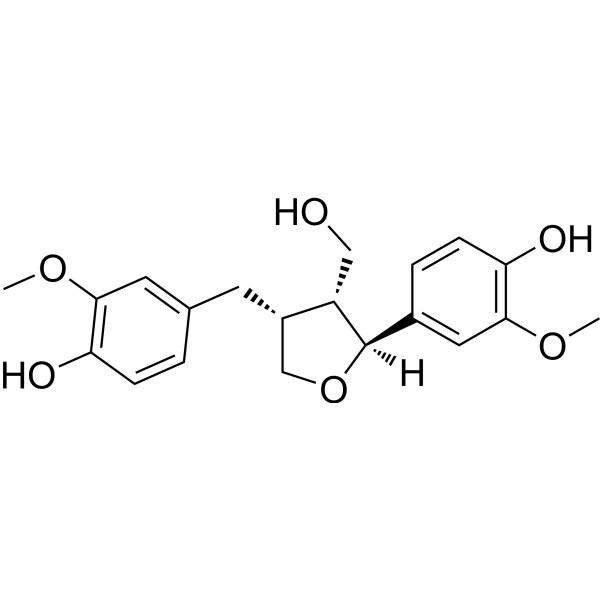 0 ImagesLariciresinol is an orally active ingredient. Lariciresinol can be isolated from Arabidopsis thaliana. Lariciresinol inhibits α-glucosidase activity (IC50 of 6.97 μM; Ki of 0.046 μM). Lariciresinol dereases Bcl-2, upregulates Bax and induces Apoptosis. Lariciresinol regulates TGF-β and NF-κB pathways. Lariciresinol has antitumor activity against liver cancer, gastric cancer, and breast cancer. Lariciresinol shows antifungal activity and anti-diabetic activity.
-
N-Nonyldeoxynojirimycin
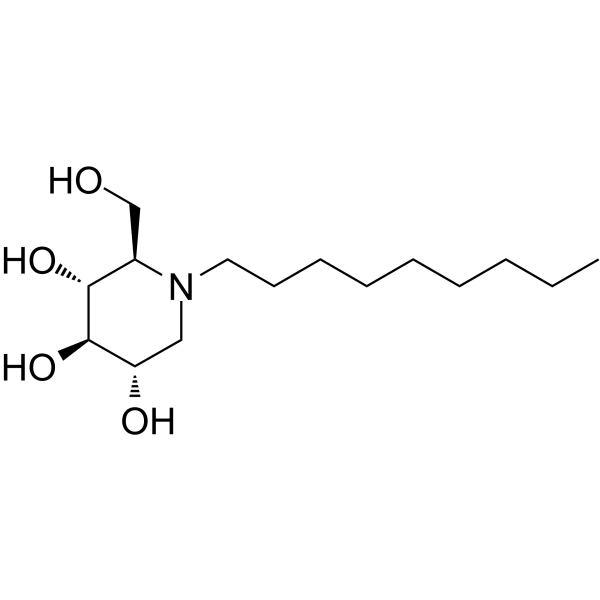 0 ImagesSynonyms: NN-DNJ; Nonyl-DNJN-Nonyldeoxynojirimycin (NN-DNJ) is a deoxynojirimycin derivative with a hydrophobic long chain. N-Nonyldeoxynojirimycin is an orally active inhibitor of acid α-glucosidase (IC50: 0.42 μM) and α-1,6-glucosidase (IC50: 8.4 μM). N-Nonyldeoxynojirimycin has activities of inhibiting glycogen breakdown, anti-virus and anti-tumor. N-Nonyldeoxynojirimycin also has insecticidal effects, with an LD50 of 5 mM for adults of Bemisia tabaci.
-
NCGC 607
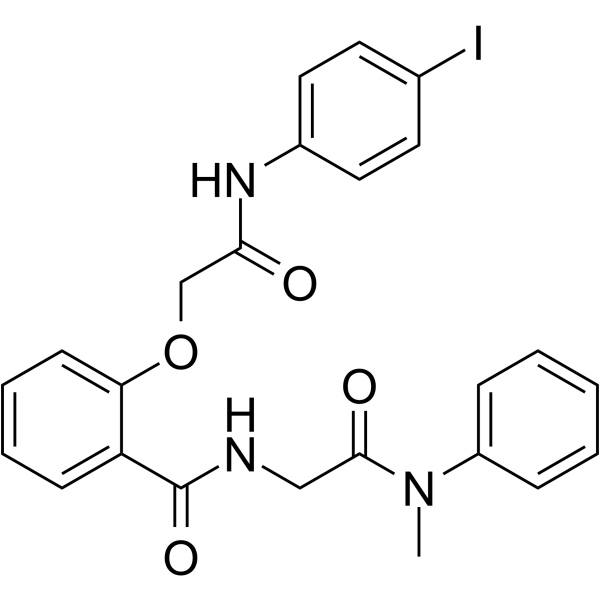 0 ImagesNCGC 607 is a noninhibitory small-molecule chaperone of glucocerebrosidase (GCase). NCGC 607 can increase GCase activity, reduce α-synuclein levels, and decrease glycolipid levels. NCGC 607 can be used in the research of Gaucher disease and Parkinson's disease.
-
β1-3 Galactosidase
 0 Imagesβ1-3 Galactosidase is a GH42 exoglycosidase that specifically hydrolyzes terminal β1-3-linked galactose. β1-3 Galactosidase uses Glu164 as the acid/base catalyst and Glu324 as the catalytic nucleophile to hydrolyze β1-3 galactosidic linkages. β1-3 Galactosidase can be used for research on galactoside metabolism.
-
4-Methylumbelliferyl α-L-arabinofuranoside
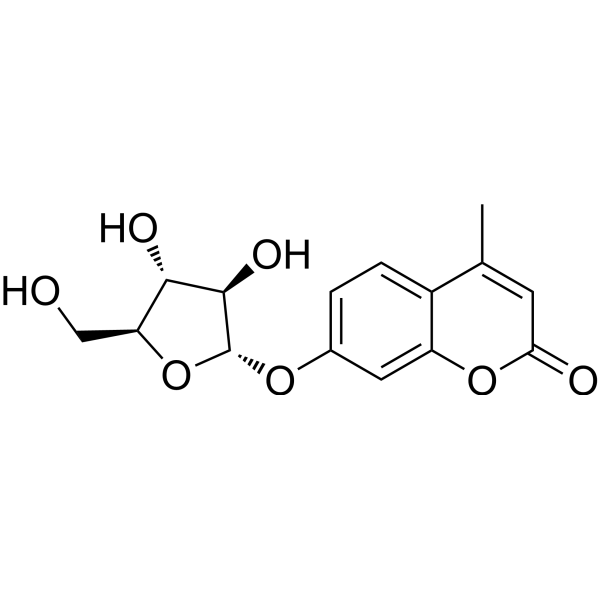 0 Images4-Methylumbelliferyl α-L-arabinofuranoside is the glycosidase substrate.
-
Glucosylceramide (gaucher's spleen)
 0 ImagesSynonyms: Glucocerebrosides; Gaucher cerebroside; GluCers (gaucher's spleen)Glucosylceramide (Glucocerebrosides) (gaucher's spleen) is a glycosphingolipid and primary substrate of acid β-glycosidase, suppresses tyrosine phosphorylation of insulin receptor and IRS-1, disrupts insulin signaling cascade and triggers pancreatic β-cell dysfunction. Glucosylceramide (Gaucher's spleen) accumulates in rodents and induces obesity and insulin resistance, restores systemic glucose homeostasis and insulin sensitivity when synthesis is suppressed. Glucosylceramide (Gaucher's spleen) accumulates in the brain of chronic neuronopathic Gaucher disease mice with age and can be applied for research on insulin resistance, type 2 diabetes mellitus and chronic neuronopathic Gaucher disease.
-
Kaempferol 3-O-gentiobioside
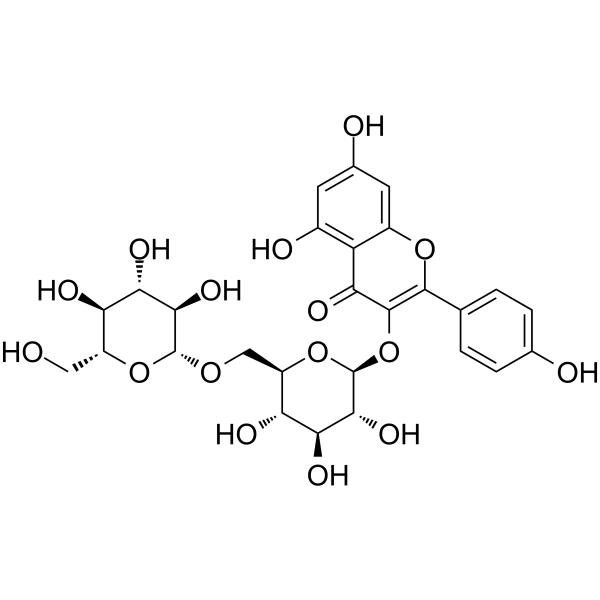 0 ImagesKaempferol 3-O-gentiobioside is an orally active flavonoid, with a Ka value of 57 µM against human NOTCH1 and an IC50 value of 50 μM against α-glucosidase. Kaempferol 3-O-gentiobioside inhibits the NOTCH signaling pathway. It downregulates the expression of TLR4 and NLRP3, and suppresses the activation and nuclear translocation of NF-κB. Kaempferol 3-O-gentiobioside inhibits the expression of MUC5AC, reduces nitrite and ROS levels, and attenuates excessive mucus secretion. It exhibits antibacterial activity, reducing the formation and growth of MRSA biofilms. Kaempferol 3-O-gentiobioside blocks the TGF-β/ALK5/Smad signaling pathway and inhibits epithelial-mesenchymal transition. It suppresses the proliferation, migration, invasion and metastatic growth of tumor cells. Kaempferol 3-O-gentiobioside alleviates airway inflammation and mucus hypersecretion in mice with allergic asthma. It reduces the volume of ovarian cancer xenografts in mice. Kaempferol 3-O-gentiobioside can be used in research related to allergic asthma, diabetes, MRSA infection, breast cancer, gastric cancer and ovarian cancer.
-
α-Rhamnosidase
 0 ImagesCat. No.: HY-E70104CAS No.: 37288-35-0Synonyms: α-L-Rhamnosidaseα-Rhamnosidase (α-L-Rhamnosidase) is a kind of glycoside hydrolase. α-Rhamnosidase exhibits activity against Naringin (HY-N0153), 4-NRP, flavonoid glycosides and flavanone rhamnosides, and can hydrolyze the corresponding glycosidic bonds to release L-Rhamnose (Rhamnose) (HY-N1420) and other products. α-Rhamnosidase promotes the release of total flavonoids, ginkgolides and aroma components from ginkgo tea, while also enhancing the free radical scavenging capacity of the leachate, inhibiting inflammatory cell activation and increasing its cytotoxicity against tumor cells. α-Rhamnosidase can be used in research related to bacillary dysentery and cancer.
-
Anti-CHI3L1 Antibody
 0 ImagesCat. No.: HY-P990366Purity: 99.49%The Anti-CHI3L1 Antibody is a human antibody expressed in CHO that targets CHI3L1. The Anti-CHI3L1 Antibody contains huIgG1 type heavy chain and huκ type light chain, with a predicted molecular weight (MW) of 150 kDa. The isotype control for the Anti-CHI3L1 Antibody can be referenced as Human IgG1 kappa, Isotype Control (HY-P99001).
-
Afegostat D-Tartrate
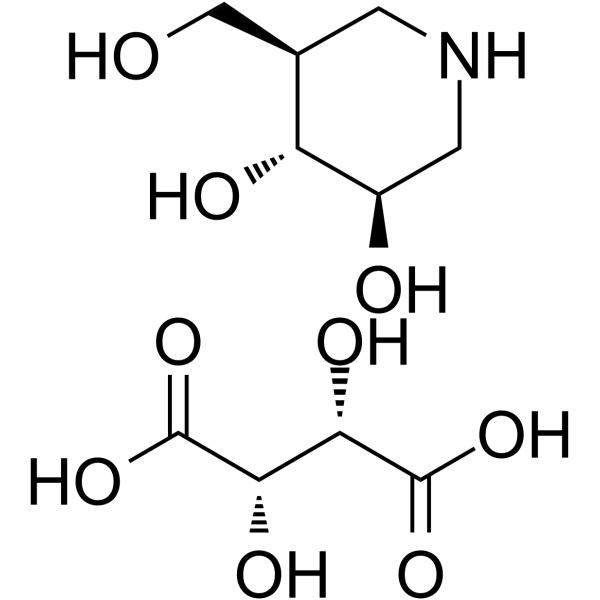 0 ImagesSynonyms: D-Isofagomine D-Tartrate; Isofagomine D-TartrateAfegostat D-Tartrate is a pharmacological chaperone, which specifically and reversibly binds acid-β-glucosidase (GCase) in the endoplasmic reticulum (ER) with high affinity.
-
Pinoresinol 4-O-β-D-glucopyranoside
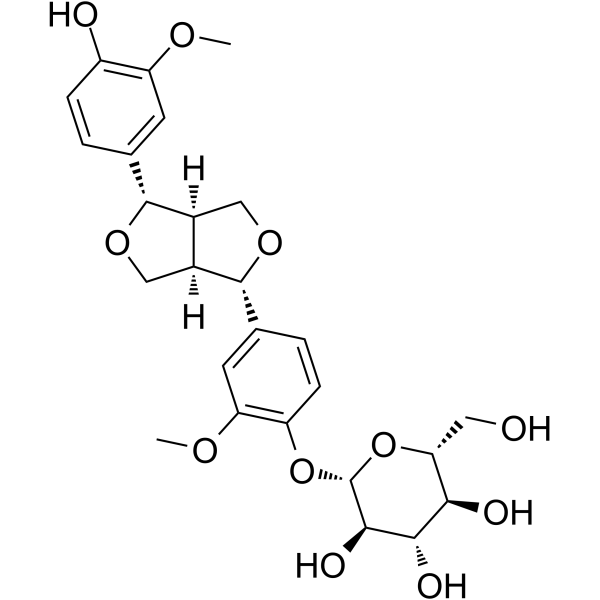 0 ImagesSynonyms: (+)-Pinoresinol 4-O-β-D-glucopyranosidePinoresinol 4-O-β-D-glucopyranoside ((+)-Pinoresinol 4-O-β-D-glucopyranoside) is an orally active α-glucosidase inhibitor, with an IC50 of 48.13 μg/mL. Pinoresinol 4-O-β-D-glucopyranoside binds to estrogen receptors. Pinoresinol 4-O-β-D-glucopyranoside inhibits phosphodiesterase. Pinoresinol 4-O-β-D-glucopyranoside exhibits various activities such as antioxidant, anti-inflammatory, anti-hyperglycemic, hepatoprotective and anti-epileptic effects.
-
p-Nitrophenyl α-L-fucoside
 0 ImagesSynonyms: PNP α-L-Fucp-Nitrophenyl α-L-fucoside (PNP α-L-Fuc) is a specific substrate of Pecten maximus α-L-fucosidase, with a Km value of 650 µM. p-Nitrophenyl α-L-fucoside serves as a substrate for ClAgl29A and ClAgl29B. Enzymatic hydrolysis of p-Nitrophenyl α-L-fucoside releases p-nitrophenol and α-L-fucose, where the latter undergoes mutarotation over time to form β-L-fucose. p-Nitrophenyl α-L-fucoside is not the preferred substrate for ClAgl29A and ClAgl29B.
-
2-Hydroxyquinoline
 0 Images2-Hydroxyquinoline is an α-glucosidase inhibitor (IC50 = 64.4 µg/mL) and an α-amylase inhibitor (IC50 = 130.5 µg/mL). 2-Hydroxyquinoline inhibits α-glucosidase and α-amylase activities. 2-Hydroxyquinoline exhibits antidiabetic effects. 2-Hydroxyquinoline can be used for research on diabetes.
-
Benzophenone-2
 0 ImagesSynonyms: 2,2′,4,4′-TetrahydroxybenzophenoneBenzophenone-2 (2,2',4,4'-Tetrahydroxybenzophenone) is an organic ultraviolet absorber that is widely used in personal care products and industrial products such as plastics and coatings. Benzophenone-2 is an endocrine disruptor that can interfere with estrogen receptors (ERα receptor) and pregnane X receptor (PXR receptor) activity, leading to reproductive toxicity, immune disorders, and metabolic abnormalities. Benzophenone-2 can inhibit the activity of α-glucosidase (IC50 = 49.72 μM), and can be used for research on diabetes.