



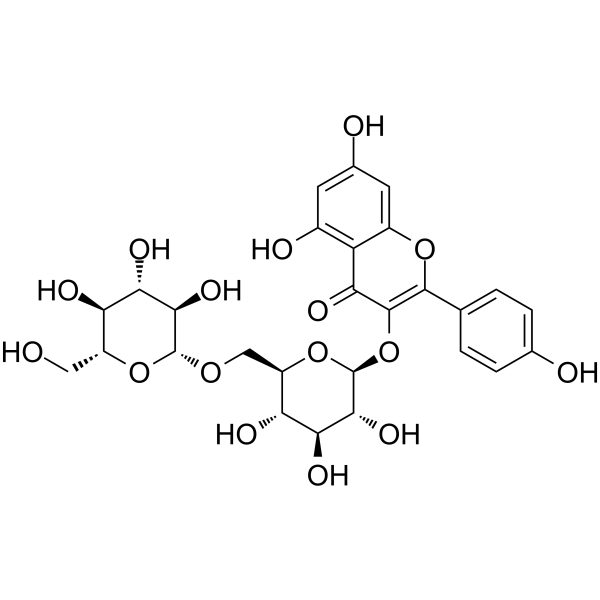
Kaempferol 3-O-gentiobioside

Based on 1 Customer Validation
Kaempferol 3-O-gentiobioside is an orally active flavonoid, with a Ka value of 57 µM against human NOTCH1 and an IC50 value of 50 μM against α-glucosidase. Kaempferol 3-O-gentiobioside inhibits the NOTCH signaling pathway. It downregulates the expression of TLR4 and NLRP3, and suppresses the activation and nuclear translocation of NF-κB. Kaempferol 3-O-gentiobioside inhibits the expression of MUC5AC, reduces nitrite and ROS levels, and attenuates excessive mucus secretion. It exhibits antibacterial activity, reducing the formation and growth of MRSA biofilms. Kaempferol 3-O-gentiobioside blocks the TGF-β/ALK5/Smad signaling pathway and inhibits epithelial-mesenchymal transition. It suppresses the proliferation, migration, invasion and metastatic growth of tumor cells. Kaempferol 3-O-gentiobioside alleviates airway inflammation and mucus hypersecretion in mice with allergic asthma. It reduces the volume of ovarian cancer xenografts in mice. Kaempferol 3-O-gentiobioside can be used in research related to allergic asthma, diabetes, MRSA infection, breast cancer, gastric cancer and ovarian cancer.
For research use only. We do not sell to patients.
- Purity : 99.88%
- CAS No.: 22149-35-5
- Formula: C27H30O16
- Molecular Weight:610.52
-
Storage:
4°C, protect from light
* In solvent : -80°C, 6 months; -20°C, 1 month (protect from light)

To place orders, for customer services and technical support, please contact: MedChemExpress USA
Tel: 609-228-6898 E-mail: [email protected] [email protected]


-
 Biological Activity
-
Chemical Information
-
Solvent & Solubility
- Protocols
- Purity & Documentation
- References
-
 Help & FAQs


-
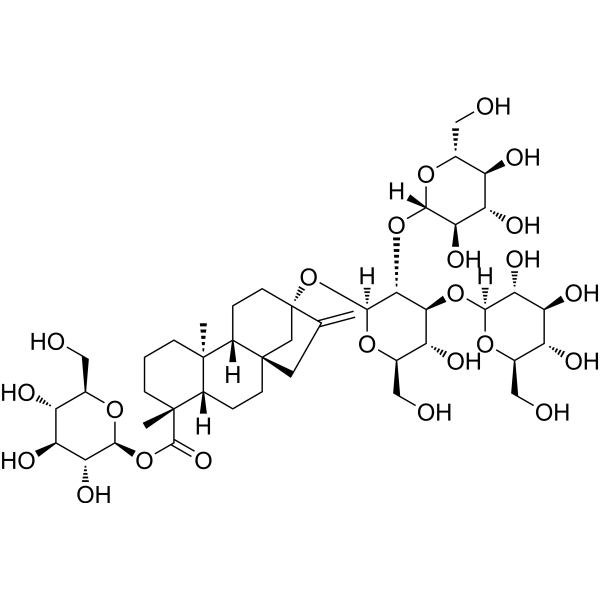
HY-N0466
Rebaudioside Aα-Glucosidase Inhibitor -
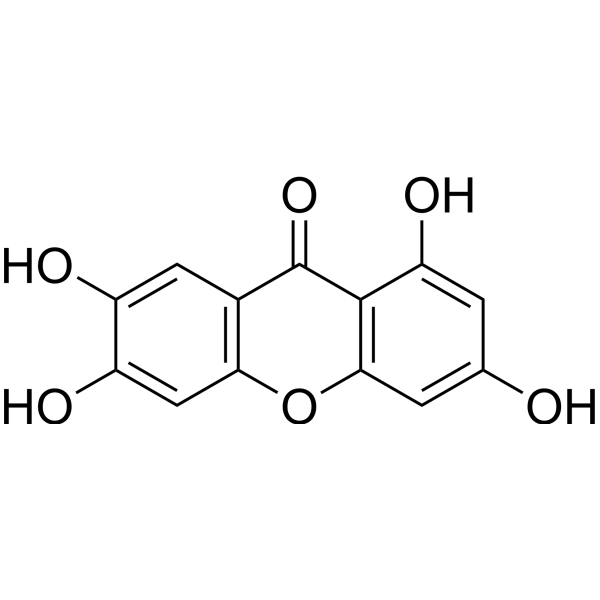
HY-N1029
NorathyriolAnti-Inflammatory/Cancer Agent -
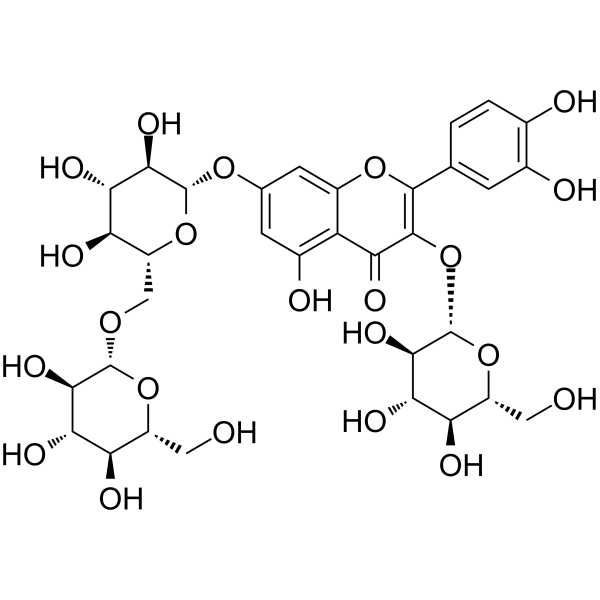
HY-N1968
Quercetin-3-O-β-D-glucose-7-O-β-D-gentiobiosidenNatural Product -
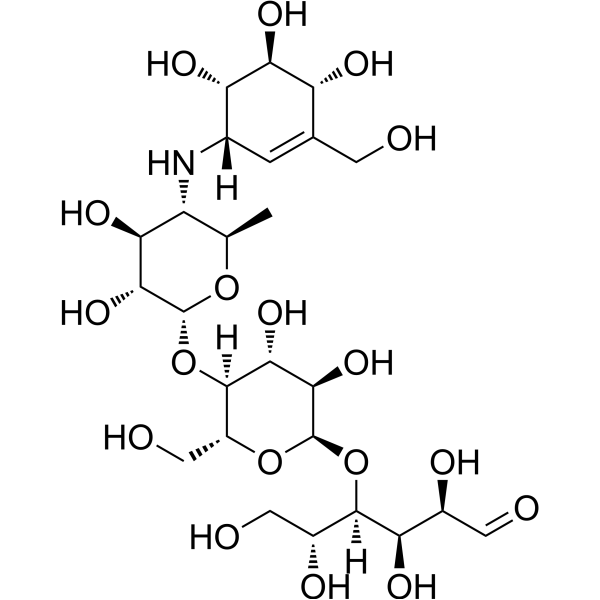
HY-B0089
AcarboseAlpha-Glucosidase Inhibitor -
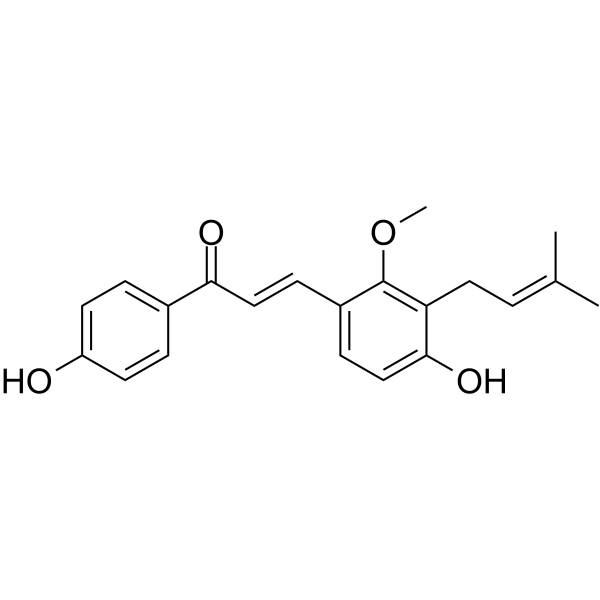
HY-N0374
Licochalcone Cα-Glucosidase Inhibitor -
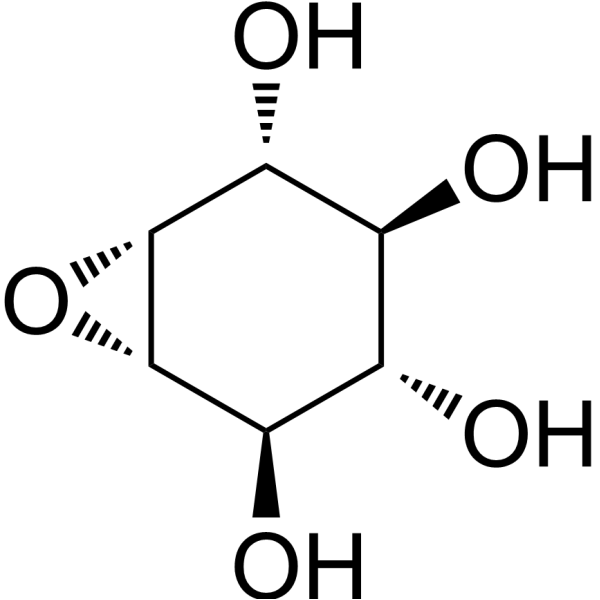
HY-100944
Conduritol B epoxideGcase Inhibitor -
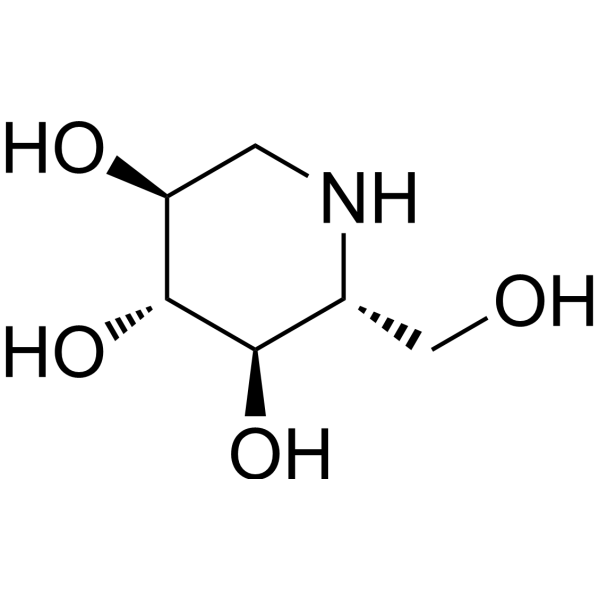
HY-14860
1-Deoxynojirimycinα-glucosidase Inhibitor -
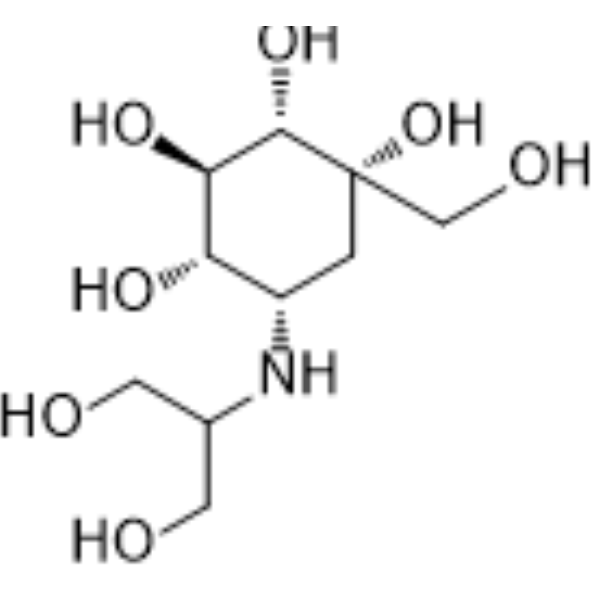
HY-B0025
VogliboseGlucosidase Inhibitor -

HY-B0089R
Acarbose (Standard)Alpha-Glucosidase Inhibitor -

HY-N1510R
Kaempferol 3-O-gentiobioside (Standard)Glucosidase Inhibitor -
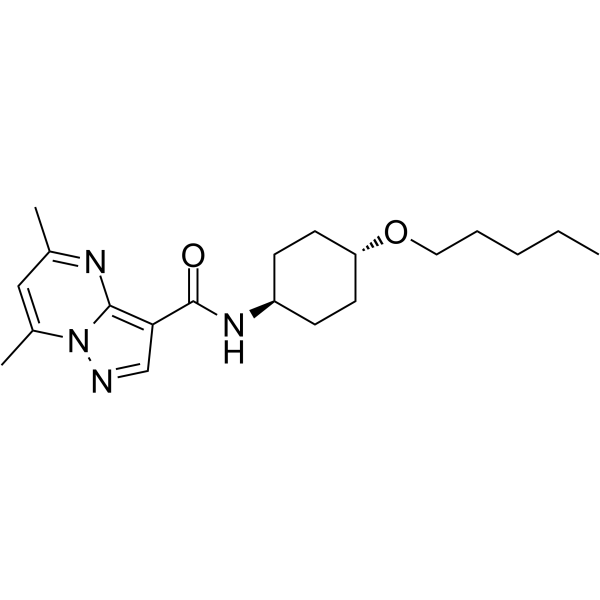
HY-104038
PariceractGCase Activator -
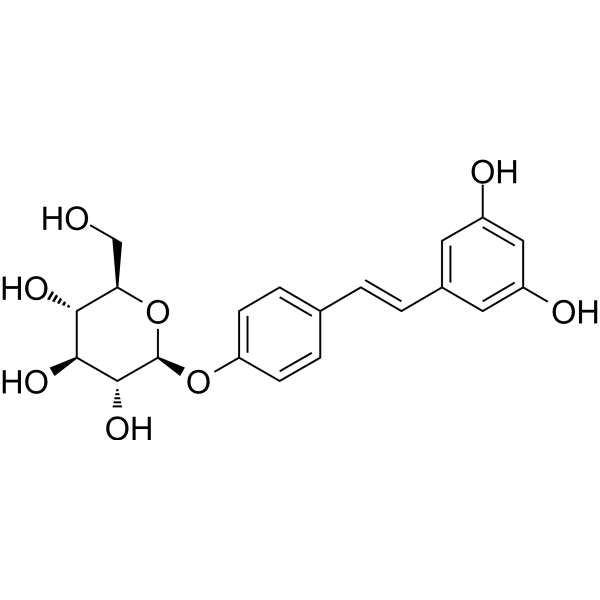
HY-N4195
Resveratrolosideα-Glucosidase Inhibitior


Biological Activity
Description
In Vitro
Kaempferol 3-O-gentiobioside binds to recombinant human NOTCH1 with a Kd value of 57 µM[1].
Kaempferol 3-O-gentiobioside (0-100 µM; 24-72 h) exhibits dose- and time-dependent cytotoxicity in 16HBE cells, while concentrations of 5, 25 and 50 µM show no cytotoxicity at 24 h[1].
Kaempferol 3-O-gentiobioside (0-50 µM; 1 h pretreatment, followed by 24 h IL-13 stimulation) dose-dependently reduces nitrite production, decreases ROS levels, inhibits the secretion of IgE, TNF-α, histamine, IL-1β, IL-6 and IL-8, and suppresses the mRNA and protein expression of MUC5AC in IL-13-stimulated 16HBE cells[1].
Kaempferol 3-O-gentiobioside (0-50 µM; administered 24 h after IL-13 stimulation) dose-dependently inhibits IL-13-induced activation of the NOTCH pathway, including downregulating the expression of NOTCH1, NOTCH2, NOTCH3 and DLL4 in 16HBE cells, while also reducing the basal expression levels of these components[1].
Kaempferol 3-O-gentiobioside (0-50 µM; administered 24 h after IL-13 stimulation) inhibits IL-13-induced activation of the TLR4/NF-κB/NLRP3 pathway in 16HBE cells, including downregulating the expression of TLR4, NLRP3, p-IκBα and p-P65, as well as suppressing the activation of NF-κB/P65[1].
Kaempferol 3-O-gentiobioside moderately inhibits yeast α-glucosidase (derived from Saccharomyces cerevisiae) with an IC50 value of 50 μM[2].
Kaempferol 3-O-gentiobioside (0-100 μM; 24 h) exhibits concentration-dependent antibacterial activity against methicillin-resistant *Staphylococcus aureus* (ATCC 43300), with an MIC of 8.3 μM and an MBC of 16.5 μM, and inhibits biofilm formation[3].
Kaempferol 3-O-gentiobioside (pretreated for 2 h, followed by stimulation with TGFβ1 for 24 h) potently inhibits the TGF-β/ALK5/Smad signaling pathway in HACAT cells, with an IC50 of 2.589 μM[4].
Kaempferol 3-O-gentiobioside (0-4 μM; 2 h) inhibits the TGF-β/ALK5/Smad signaling pathway in MDA-MB-231, AGS and SKOV3IP1 cells in a concentration-dependent manner by reducing the levels of p-Smad2 and Smad4[4].
Kaempferol 3-O-gentiobioside (24 h) inhibits the proliferation of MDA-MB-231, AGS and SKOV3IP1 cells, with IC50 values of 6.83 μM, 9.6 μM and 11.12 μM, respectively[4].
Kaempferol 3-O-gentiobioside (0-4 μM; 24 h) reduces the colony-forming ability of MDA-MB-231, AGS and SKOV3IP1 cells in a concentration-dependent manner[4].
Kaempferol 3-O-gentiobioside (2 μM; 24 h) inhibits TGFβ-induced migration and invasion of MDA-MB-231, AGS and SKOV3IP1 cells[4].
Kaempferol 3-O-gentiobioside (0-4 μM; 2 h) concentration-dependently reverses TGFβ-induced epithelial-mesenchymal transition (EMT) in MDA-MB-231, AGS and SKOV3IP1 cells by restoring E-cadherin levels and reducing the levels of N-cadherin, vimentin and snail transcription factor (snail)[4].
MedChemExpress (MCE) has not independently confirmed the accuracy of these methods. They are for reference only. Further protocols information, click here.
-
Cell Line:human bronchial epithelial 16HBE cells
-
Concentration:0,5, 25, 50, 100 µM
-
Incubation Time:24 h; 48 h; 72 h
-
Result:Did not cause significant cytotoxicity at 50 µM at 24 h, while 100 µM significantly reduced cell viability.
Reduced cell viability in a dose-dependent manner at 48 h and 72 h.
-
Cell Line:IL-13-stimulated human bronchial epithelial 16HBE cells
-
Concentration:0, 5, 25, 50 µM
-
Incubation Time:treatment after 24 h IL-13 stimulation
-
Result:Reduced IL-13-induced levels of IgE, TNF-α, histamine, IL-1β, IL-6, and IL-8 in a dose-dependent manner, with the most significant reductions seen at 50 µM.
-
Cell Line:MDA-MB-231 (breast cancer), AGS (gastric cancer), SKOV3IP1 (ovarian cancer) cells
-
Concentration:0, 0.5, 1, 2, 4 μM
-
Incubation Time:2 hr pretreatment, followed by 24 hr TGFβ stimulation
-
Result:Concentration-dependently suppressed TGF-β-induced phosphorylation of Smad2 and downregulated Smad4 expression in all three cell lines, with no obvious effect on total Smad2 expression.
-
Cell Line:MDA-MB-231, AGS, SKOV3IP1 cells
-
Concentration:2 μM
-
Incubation Time:2 hr pretreatment, followed by 24 hr TGFβ stimulation
-
Result:Significantly reduced the fluorescence intensity of p-Smad2 and Smad4 in all three cell lines compared to DMSO-treated controls.
-
Cell Line:SKOV3IP1 cells
-
Concentration:2 μM
-
Incubation Time:2 h pretreatment, followed by 24 hr TGFβ stimulation
-
Result:Failed to further reduce TGFβ-induced p-Smad2 expression compared to ALK5 knockdown alone.
Left total Smad2 expression unchanged across groups.
-
Cell Line:SKOV3IP1 cells
-
Concentration:2 μM
-
Incubation Time:30 hr incubation with TGFβ stimulation
-
Result:Showed inhibitory effects on TGFβ-induced wound closure similar to ALK5 knockdown.
Produced no significant additional reduction in wound closure when co-treated with ALK5 siRNA compared to ALK5 siRNA alone.
-
Cell Line:MDA-MB-231, AGS, SKOV3IP1 cells
-
Concentration:0.5-4 μM
-
Incubation Time:2 hr pretreatment, followed by 24 hr TGFβ stimulation
-
Result:Restored TGFβ-reduced E-cadherin expression and downregulated TGFβ-increased N-cadherin, vimentin, and snail expression in a concentration-dependent manner across all three cell lines.
-
Cell Line:MDA-MB-231, AGS, SKOV3IP1 cells
-
Concentration:4 μM
-
Incubation Time:2 hr pretreatment, followed by 24 hr TGFβ stimulation
-
Result:Increased TGFβ-reduced E-cadherin fluorescence intensity and decreased TGFβ-increased N-cadherin and snail fluorescence intensity in all three cell lines.
Reduced TGFβ-induced nuclear localization of snail.
In Vivo
Kaempferol 3-O-gentiobioside (40 mg/kg; p.o.; once daily; for 30 consecutive days) reduces the average volume of ovarian cancer xenograft tumors to 584 mm3[4].
MedChemExpress (MCE) has not independently confirmed the accuracy of these methods. They are for reference only.
-
Animal Model:BALB/c (female, 4 weeks old, 18-20 g, OVA-induced allergic asthma model)[1]
-
Dosage:10 mg/kg; 20 mg/kg; 40 mg/kg
-
Administration:p.o.; daily; 7 days
-
Result:Lowered lung inflammation score to ~2.5 (10 mg/kg), ~1.5 (20 mg/kg), and ~1.2 (40 mg/kg) compared to OVA-only group score of ~3.7.
Reduced lung tissue levels of TNF-α to ~120 pg/mL, histamine to ~1200 ng/mL, IL-1β to ~950 pg/mL, IL-6 to ~1200 pg/mL, IL-8 to ~1200 pg/mL at 40 mg/kg dose compared to OVA-only group levels of ~550 pg/mL, ~1800 ng/mL, ~1500 pg/mL, ~1600 pg/mL, ~1800 pg/mL respectively.
Lowered PAS-positive area percentage to ~14% (10 mg/kg), ~9% (20 mg/kg), ~6% (40 mg/kg) compared to OVA-only group ~23%.
Lowered MUC5AC mRNA relative level to ~1.2 (10 mg/kg), ~0.8 (20 mg/kg), ~0.6 (40 mg/kg) compared to OVA-only group ~2.4.
Lowered MUC5AC protein concentration to ~350 pg/mL (10 mg/kg), ~300 pg/mL (20 mg/kg), ~250 pg/mL (40 mg/kg) compared to OVA-only group ~550 pg/mL.
Lowered NOTCH1/β-actin ratio to ~0.45, NOTCH2/β-actin ratio to ~0.1, NOTCH3/β-actin ratio to ~0.45, DLL4/β-actin ratio to ~0.6 at 40 mg/kg dose compared to OVA-only group ratios of ~0.8, ~0.9, ~0.9, ~1.2 respectively.
-
Animal Model:BALB/c nude (female, 5 weeks old, 16 g)[4]
-
Dosage:40 mg/kg
-
Administration:p.o.; daily; 30 days
-
Result:Reduced mean tumor volume to 584 mm3 on day 30 (vs.
1210 mm3 in vehicle control).
Significantly lowered mean tumor weight relative to vehicle control.
Downregulated expression of p-Smad2 and Smad4 in tumor tissue compared to vehicle control.
Showed no significant difference in mouse body weight vs.
vehicle control.
Caused no detectable abnormalities in heart, liver, spleen, and kidney via H&E staining.


Chemical Information
-
CAS No. 22149-35-5
-
Appearance Solid
-
Molecular Weight 610.52
-
Formula C27H30O16
-
Color White to yellow
-
SMILES
O=C1C(O[C@H]2[C@@H]([C@H]([C@@H]([C@@H](CO[C@H]3[C@@H]([C@H]([C@@H]([C@@H](CO)O3)O)O)O)O2)O)O)O)=C(C4=CC=C(O)C=C4)OC5=CC(O)=CC(O)=C15
-
Structure Classification
-
Initial Source
-
Shipping
Room temperature in continental US; may vary elsewhere.
-
Storage
4°C, protect from light
* In solvent : -80°C, 6 months; -20°C, 1 month (protect from light)


Solvent & Solubility
In Vitro:
DMSO : 50 mg/mL (81.90 mM; Need ultrasonic; Hygroscopic DMSO has a significant impact on the solubility of product, please use newly opened DMSO)
Please refer to the solubility information to select the appropriate solvent. Once prepared, please aliquot and store the solution to prevent product inactivation from repeated freeze-thaw cycles.
Storage method and period of stock solution: -80°C, 6 months; -20°C, 1 month (protect from light). When stored at -80°C, please use it within 6 months. When stored at -20°C, please use it within 1 month.
Please refer to the solubility information to select the appropriate solvent. Once prepared, please aliquot and store the solution to prevent product inactivation from repeated freeze-thaw cycles.
Storage method and period of stock solution: -80°C, 6 months; -20°C, 1 month (protect from light). When stored at -80°C, please use it within 6 months. When stored at -20°C, please use it within 1 month.
Concentration (start) × Volume (start) = Concentration (final) × Volume (final)
In Vivo:
Select the appropriate dissolution method based on your experimental animal and administration route.
- For the following dissolution methods, please ensure to first prepare a clear stock solution using an In Vitro approach and then sequentially add co-solvents:
- To ensure reliable experimental results, the clarified stock solution can be appropriately stored based on storage conditions. As for the working solution for In Vivo experiments, it is recommended to prepare freshly and use it on the same day.
- The percentages shown for the solvents indicate their volumetric ratio in the final prepared solution. If precipitation or phase separation occurs during preparation, heat and/or sonication can be used to aid dissolution.
Add each solvent one by one: 10% DMSO 90% (20% SBE-β-CD in Saline)
Solubility: ≥ 2.5 mg/mL (4.09 mM); Clear solution
This protocol yields a clear solution of ≥ 2.5 mg/mL (saturation unknown).
Taking 1 mL working solution as an example, add 100 μL DMSO stock solution (25.0 mg/mL) to 900 μL 20% SBE-β-CD in Saline, and mix evenly.
Preparation of 20% SBE-β-CD in Saline (4°C, storage for one week): 2 g SBE-β-CD powder is dissolved in 10 mL Saline, completely dissolve until clear.
In Vivo Dissolution Calculator
Please enter the basic information of animal experiments:
-
-
-
-
Recommended: Prepare an additional quantity of animals to account for potential losses during experiments.
Please enter your animal formula composition:
-
%DMSO +
Recommended: Keep the proportion of DMSO in working solution below 2% if your animal is weak.
-
%+
-
+%Tween-80 + +
-
%Saline +
The co-solvents required include: DMSO, . All of co-solvents are available by MedChemExpress (MCE). , Tween 80. All of co-solvents are available by MedChemExpress (MCE).
Working solution concentration: 0.22 mg/mL
Method for preparing stock solution: mg drug dissolved in μL DMSO. Stock solution concentration: mg/mL. * In solvent : -80°C, 6 months; -20°C, 1 month (protect from light)
1. Take μL DMSO stock solution;
2. Add μL .
μL , mix evenly;
3. Then add μL Tween 80, mix evenly;
4. Then add μL
Please ensure that the stock solution in the first step is dissolved to a clear state, and add co-solvents in sequence. You can use ultrasonic heating (ultrasonic cleaner, recommended frequency 20-40 kHz), vortexing, etc. to assist dissolution.

Protocols
-
RNA extraction experimental
By lysing cells, releasing RNA, and removing impurities such as proteins and DNA, high-purity RNA products are finally obtained. The commonly used traditional method is the guanidine isothiocyanate/phenol/chloroform method (Trizol), which is suitable for a variety of animal materials including animal tissues, microorganisms, cultured cells, etc., and most plant materials.
-
Research Protocol for Infectious Diseases
Infectious-disease experiments test how pathogens interact with host barriers, innate immune receptors, inflammatory signaling, pathogen replication, and tissue injury; pattern-recognition receptors such as TLRs, RIG-I-like receptors, NOD-like receptors, and inflammasomes detect microbial molecules and activate NF-κB, interferon, and cytokine responses. The central hypothesis is that infection severity reflects the balance between pathogen burden and host response: protective inflammation restricts pathogen growth, whereas excessive or mislocalized inflammation contributes to tissue damage and disease phenotype. Unresolved questions include which host pathways are protective versus pathogenic, why some infection models fail to translate to human disease, and which combined readouts best predict clinically relevant infection outcomes.
-
ROS/oxidative-stress fluorescent staining
ROS/oxidative-stress fluorescent staining uses cell-permeant fluorogenic probes that become fluorescent after oxidation inside cells or tissues; commonly used examples include DCFH-DA/DCFDA for broad cellular oxidant detection, DHE for superoxide-related signal detection, MitoSOX for mitochondrial superoxide-related signal detection, and CellROX probes for oxidative-stress-associated fluorescence readouts. The assay detects probe oxidation rather than a single ROS species unless the probe and analysis method have been chemically validated for that species. DCFH-DA enters cells, is deacetylated by intracellular esterases to DCFH, and produces fluorescent DCF after oxidation, so the readout is used as an operational measure of total cellular oxidative stress rather than a species-specific ROS measurement. DHE and MitoSOX can report superoxide-related oxidation, but red fluorescence alone can include non-specific ethidium-like oxidation products; HPLC or optimized spectral approaches are
-
Cell migration
Cell migration is a method that plays an important role in wound healing, cell differentiation, embryonic development, etc.
-
Ovalbumin-Induced Allergic Airway Inflammation
Ovalbumin-induced allergic airway inflammation is a mouse model in which systemic sensitization to ovalbumin, usually with aluminum hydroxide adjuvant, is followed by airway ovalbumin challenge to induce allergic airway inflammation, eosinophil recruitment, mucus production, serum antigen-specific IgE, Th2 cytokine responses, and airway hyperresponsiveness to methacholine. The model is used to study allergen-driven airway inflammation and asthma-like immune responses, but it does not reproduce every feature of human asthma. The main readouts are bronchoalveolar lavage fluid cellularity, lung histopathology, airway hyperresponsiveness, serum OVA-specific IgE, and cytokines such as IL-4, IL-5, and IL-13 in bronchoalveolar lavage fluid or lung samples. Eosinophilia and Th2 cytokines reflect allergic type 2 inflammation, while methacholine responsiveness provides a functional airway-reactivity endpoint.
-
Research Protocol for Inflammation-related Diseases
The NLRP3 inflammasome is a cytosolic innate immune signaling platform that integrates priming signals and danger-signal activation to promote caspase-1 activation, maturation of IL-1β and IL-18, and gasdermin D-mediated pyroptotic cell death. The core experimental logic is to determine whether inflammatory disease phenotypes are driven by increased NLRP3 expression, ASC-containing inflammasome assembly, caspase-1 cleavage, GSDMD cleavage, and extracellular release of IL-1β/IL-18 rather than by nonspecific cell injury alone. The pathway is strongly linked to inflammation-related disease phenotypes because monosodium urate crystals activate NALP3/NLRP3 inflammasome signaling in gout-like crystal inflammation, cholesterol crystals activate NLRP3 inflammasomes in atherogenesis models, and DSS-induced intestinal inflammation has been reported to involve NLRP3 inflammasome activity. However, experimental colitis studies also show context-dependent protective effects of NLRP3 inflammasome co
-
Bacterial live/dead nucleic-acid viability staining
The LIVE/DEAD bacterial viability staining method is based on differential permeability of nucleic-acid-binding fluorescent dyes, most commonly SYTO 9 and propidium iodide (PI), which enables discrimination of bacterial populations with intact versus compromised cytoplasmic membranes. SYTO 9 penetrates both intact and damaged bacterial membranes and binds nucleic acids to produce green fluorescence, whereas propidium iodide penetrates only cells with compromised membranes and fluoresces red while also reducing SYTO 9 signal through competitive binding and fluorescence interactions. The resulting fluorescence pattern is interpreted as a proxy for membrane integrity, which is widely used as an indicator of bacterial viability in microscopy, flow cytometry, and spectroscopic platforms. However, mechanistic studies show that SYTO 9 and PI interactions involve displacement and fluorescence resonance energy transfer effects, which can influence signal interpretation depending on dye ratios a
-
Research Protocol for Metabolic Diseases
AMP-activated protein kinase, AMPK, is a conserved cellular energy sensor that responds to reduced cellular energy status and coordinates metabolism by increasing ATP-generating catabolic pathways while suppressing ATP-consuming anabolic processes. In metabolic disease research, the AMPK pathway is experimentally relevant because it regulates hepatic lipid synthesis, fatty acid oxidation, glucose production, skeletal-muscle glucose disposal, mTORC1-linked biosynthesis, autophagy, mitochondrial homeostasis, and whole-body energy balance. The central pathway logic is that energy stress, metformin, exercise-like stimulation, or direct AMPK activators increase AMPKα Thr172 phosphorylation and downstream substrate phosphorylation, including ACC and RAPTOR. Phosphorylation of ACC suppresses lipogenesis and supports fatty acid oxidation, whereas phosphorylation of RAPTOR suppresses mTORC1 signaling and links cellular energy status to growth and protein synthesis control. The pathway is linked
-
Breast Cancer Modeling
Breast cancer is a heterogeneous cancer, and it has been distinguished into four subtypes: luminal A, luminal B, HER2-positive and basal-like. Molecular mutations, epigenetic alterations, hormone exposure and immune microenvironment are related to the progression of breast cancer.
-
Cell Viability Determination by MTT Colorimetric Assay
The following protocol uses the MTT colorimetric assay as a classic literature-established method for assessing cell viability/metabolic activity in cultured mammalian cells. MTT[3-(4,5-dimethylthiazol-2-yl)-2,5-diphenyltetrazolium bromide] is reduced by metabolically active cells to a colored formazan product; the amount of formazan is quantified spectrophotometrically and provides an indirect measure of metabolically active viable cells. Importantly, MTT reduction reflects cellular oxidoreductase/metabolic activity rather than an absolute direct count of living cells, so changes in cellular metabolism can alter the signal independently of cell number.
-
Cytoplasmic-Nuclear Fractionated Protein Extraction
Cytoplasmic-nuclear fractionated protein extraction separates soluble cytoplasmic proteins from nuclear-enriched proteins by mild plasma-membrane permeabilization, differential centrifugation, washing of nuclei, and extraction of nuclear proteins for downstream immunoblotting or related molecular analysis. The readout is the relative abundance of a protein in cytoplasmic and nuclear fractions, commonly assessed by western blotting together with compartment markers such as tubulin or pyruvate kinase for cytoplasm and lamin, nucleoporin, hnRNP, H2AX, or Lamin B for nuclear fractions.
-
Cell Cytotoxicity Assay
Cytotoxicity assays are usually based on the assessment of cell membrane damage, which can also be indirectly detected by measuring cell viability. Detection methods include MTT assay, CKK-8 assay, LDH assay and ATP assay, etc.
-
Notch Pathway Solutions
The Notch pathway is a contact-dependent signaling pathway that controls cell-fate decisions, differentiation, proliferation, and tissue patterning through interactions between membrane-bound Notch receptors and membrane-bound ligands on neighboring cells. Canonical Notch signaling is activated when ligand engagement triggers proteolytic release of the Notch intracellular domain, which enters the nucleus and regulates transcription together with DNA-binding transcriptional complexes. In the canonical mechanism, ligand-dependent Notch activation leads to release of the intracellular Notch domain, and presenilin-dependent γ-secretase activity is required for production of the active intracellular signaling fragment. The released intracellular domain functions as a nuclear signal that converts Notch receptor activation at the membrane into transcriptional regulation of target programs such as HES/HEY-family genes and other context-dependent downstream targets. The literature links Notch p
-
Cell invasion
Cell invasion is the ability of cells to migrate from one area to another via the extracellular matrix. Cell invasion is the response of normal and cancer cells to chemical and mechanical stimuli. Before migrating to a new region, the extracellular matrix is degraded by proteases within the cell. Cell invasion often occurs during wound repair, vascularization and inflammation, abnormal tissue invasion, and tumor cell metastasis.


Purity & Documentation
-
Data Sheet (293 KB)
-
SDS (252 KB)
- English - EN (252 KB)
- Français - FR (252 KB)
- Deutsch - DE (252 KB)
- Norwegian - NO (252 KB)
- Español - ES (252 KB)
- Swedish - SV (252 KB)
- Italian - IT (252 KB)
- Korean - KR (252 KB)
- Portuguese - PT (252 KB)
-
Handling Instructions (2659 KB)
References
[1]. Wu Y, et al. NOTCH pathway was involved in Kaempferol 3-O-gentiobioside attenuated airway inflammation and mucus hypersecretion. Sci Rep. 2025;15(1):10383. Published 2025 Mar 26. [Content Brief]
[2]. Varghese GK, et al. Antidiabetic components of Cassia alata leaves: identification through α-glucosidase inhibition studies. Pharm Biol. 2013;51(3):345-349. [Content Brief]
[3]. Samir S, et al. Antibacterial efficacy of Solanum muricatum aiton metabolites against methicillin-resistant staphylococcus aureus: Insights into bioactive compounds and molecular mechanisms. PLoS One. 2025;20(12):e0338733. Published 2025 Dec 26. [Content Brief]
[4]. Zhang Z, et al. Kaempferol 3-O-gentiobioside, an ALK5 inhibitor, affects the proliferation, migration, and invasion of tumor cells via blockade of the TGF-β/ALK5/Smad signaling pathway. Phytother Res. 2021;35(11):6310-6323. [Content Brief]


Complete Stock Solution Preparation Table
Please refer to the solubility information to select the appropriate solvent. Once prepared, please aliquot and store the solution to prevent product inactivation from repeated freeze-thaw cycles.
Storage method and period of stock solution: -80°C, 6 months; -20°C, 1 month (protect from light). When stored at -80°C, please use it within 6 months. When stored at -20°C, please use it within 1 month.
| Optional Solvent | Concentration Solvent Mass | 1 mg | 5 mg | 10 mg | 25 mg |
|---|---|---|---|---|---|
| DMSO | 1 mM | 1.6379 mL | 8.1897 mL | 16.3795 mL | 40.9487 mL |
| 5 mM | 0.3276 mL | 1.6379 mL | 3.2759 mL | 8.1897 mL | |
| 10 mM | 0.1638 mL | 0.8190 mL | 1.6379 mL | 4.0949 mL | |
| 15 mM | 0.1092 mL | 0.5460 mL | 1.0920 mL | 2.7299 mL | |
| 20 mM | 0.0819 mL | 0.4095 mL | 0.8190 mL | 2.0474 mL | |
| 25 mM | 0.0655 mL | 0.3276 mL | 0.6552 mL | 1.6379 mL | |
| 30 mM | 0.0546 mL | 0.2730 mL | 0.5460 mL | 1.3650 mL | |
| 40 mM | 0.0409 mL | 0.2047 mL | 0.4095 mL | 1.0237 mL | |
| 50 mM | 0.0328 mL | 0.1638 mL | 0.3276 mL | 0.8190 mL | |
| 60 mM | 0.0273 mL | 0.1365 mL | 0.2730 mL | 0.6825 mL | |
| 80 mM | 0.0205 mL | 0.1024 mL | 0.2047 mL | 0.5119 mL |


Kaempferol 3-O-gentiobioside Related Classifications
HY-N1510 Related Classifications
 Powered by Bioz
Keywords
- Kaempferol 3-O-gentiobioside
- 22149-35-5
- Glycosidase
- Notch
- Toll-like Receptor (TLR)
- NF-κB
- Mucin
- Reactive Oxygen Species (ROS)
- Bacterial
- TGF-beta/Smad
- Anaplastic lymphoma kinase (ALK)
- ALK5
- TGF-β/ALK5/Smad signaling
- NLRP3
- MUC5AC
- MRSA
- NOTCH signaling
- yeast α-glucosidase
- TLR4
- NOTCH1
- flavonoid
- allergic asthma
- diabetes
- MRSA infection
- breast cancer
- gastric cancer
- ovarian cancer
- Inhibitor
- inhibitor
- inhibit