



Allergic Asthma
-
Allergic Asthma (73)


Ovalbumins are the major proteins in egg white. Ovalbumins act as an allergen and inducer, and can be applied to mouse models of allergic diseases. Ovalbumins can induce allergic rhinitis in mice via sensitization and nasal challenge. Ovalbumins can be used to establish asthma models.
Ovalbumin, low endotoxin (HY-W250978A) is recommended for model establishment.
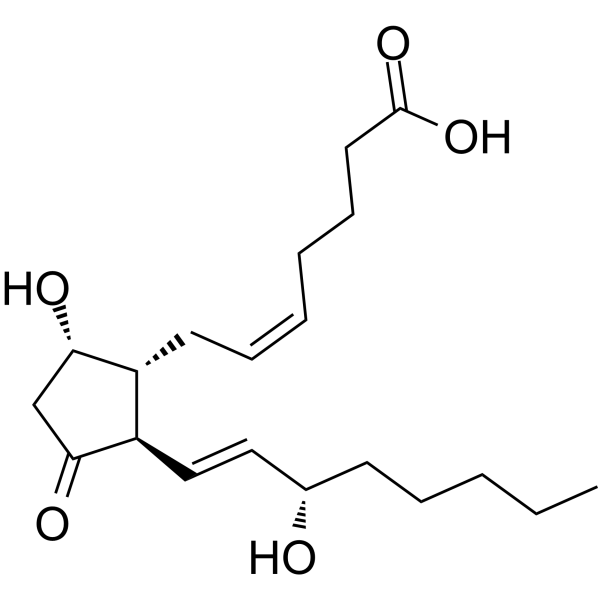
- Formula: C20H32O5
- Molecular Weight: 352.47
Prostaglandin D2 (PGD2) is one of the major PGs actively produced in the brain of various mammals. Prostaglandin D2 is one of the most potent endogenous sleep promoting substances. PGD2 plays a protective role by suppressing inflammation.

- Molecular Weight: 145.318 kDa
Lebrikizumab (TNX-650) is an IgG4 humanized anti-interleukin-13 (IL-13) mAb with anti-itch effects that specifically binds to IL-13 in a non-receptor binding domain and inhibits its function. Lebrikizumab inhibits the IL-13 driven Th2 inflammatory response and blocks the signaling of IL-4Rα/IL-13Rα1. Lebrikizumab can be used for the research of asthma, atopic dermatitis and neuroinflammatory diseases.

- Formula: C19H24N2O4·1/2C4H4O4
- Molecular Weight: 402.45
Formoterol fumarate ((±)Formoterol fumarate) is a selective β2-adrenoceptor agonist. Formoterol fumarate is at least as β2-adrenoceptor selective as Salbutamol (HY-B1037) and Terbutaline (HY-B0802A). Formoterol fumarate abolishs the contraction induced by Acetylcholine in bronchioles. Formoterol fumarate can be used for the research of chronic obstructive pulmonary disease and bronchial asthma.
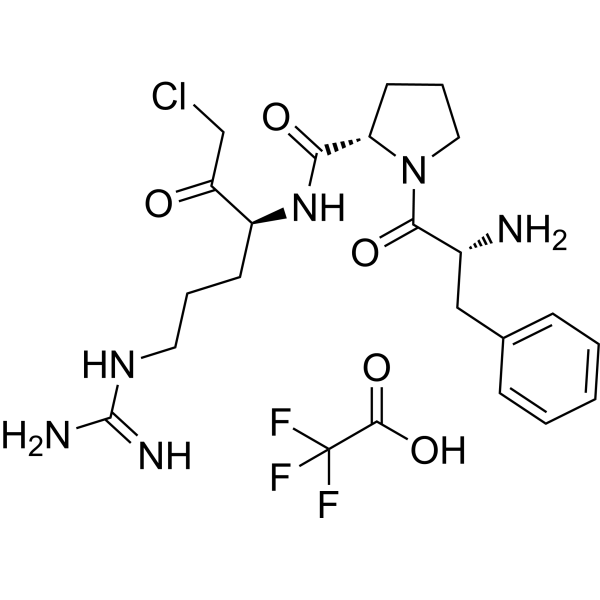
- Formula: C23H32ClF3N6O5
- Molecular Weight: 564.99
PPACK TFA is a potent, peptidic inhibitor targeting thrombin and granzyme GZMK. PPACK TFA specifically blocks the activities of thrombin and GZMK, thereby inhibiting thrombin-mediated PAR-1 cleavage, as well as downstream inflammatory and procoagulant signaling pathways. Through stabilizing IκB proteins, blocking NF-κB activation and reducing systemic levels of proinflammatory/procoagulant biomarkers, PPACK TFA exerts multiple effects including anti-inflammatory, antithrombotic, barrier repair, and inhibition of atherosclerotic plaque progression. PPACK TFA binds to platelets without interference from kininogen, effectively limiting acute thrombus growth and reducing eosinophil infiltration and goblet cell hyperplasia in asthma models. PPACK TFA is an important tool molecule for investigating the mechanisms of atherosclerosis, asthma and related thromboinflammatory diseases.
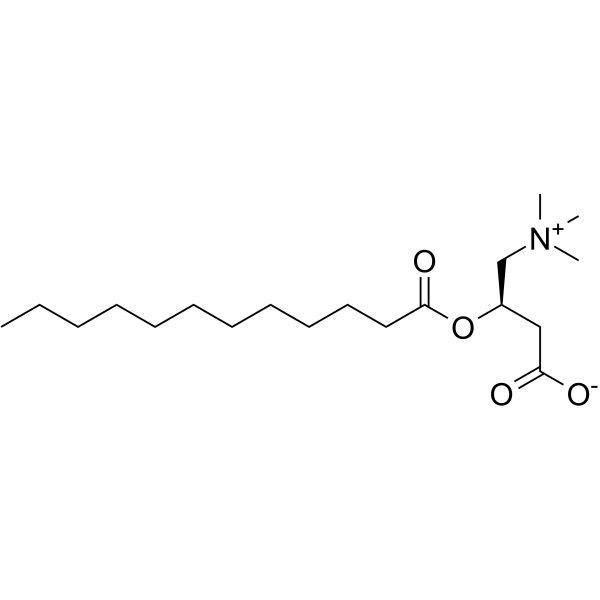
- Formula: C19H37NO4
- Molecular Weight: 343.50
Dodecanoylcarnitine ((-)-Lauroylcarnitine) is a medium long-chain acylcarnitine, an intermediate product in key energy metabolic pathways of fatty acid β-oxidation and amino acids catabolism. The abnormal decrease in the Dodecanoylcarnitine levels indicats that mitochondrial fuel metabolism, including fatty acid oxidation is significantly disturbed. Changes in plasma concentrations of Dodecanoylcarnitine are not only associated with type II diabetes, but also with pre-diabetes status. Dodecanoylcarnitine is present in fatty acid oxidation disorders such as long-chain acyl CoA dehydrogenase deficiency, carnitine palmitoyltransferase I/II deficiency, and is also associated with celiac disease. Dodecanoylcarnitine deomonstrates high sensitivities and specificities in predicting asthma. Combined model of Decanoylcarnitine (HY-113069), Dodecanoylcarnitine, PC (16:0/0:0), and Asp Arg Pro can be used as a potential biomarker for the diagnosis of Yin-deficiency-heat syndrome.
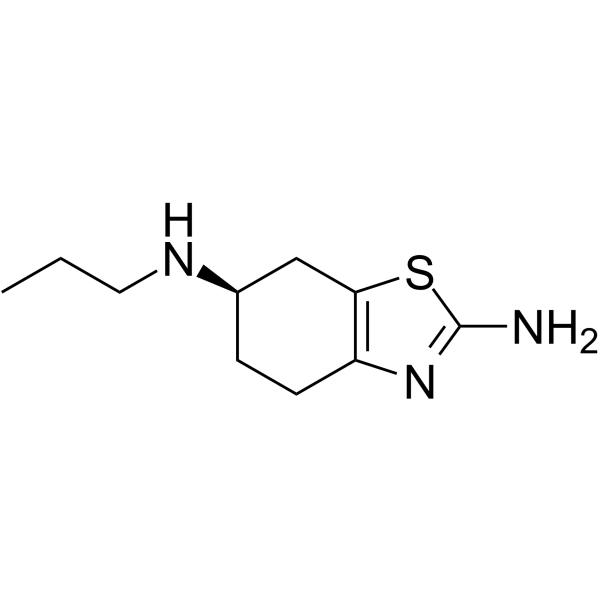
- Formula: C10H17N3S
- Molecular Weight: 211.33
Dexpramipexole ((R)-Pramipexole) is an orally active, blood-brain barrier permeable mitochondrial protective agent. Dexpramipexole upregulates the expression of Parkin, PINK1, GPX4 and FSP1; binds to mitochondrial F1/Fo-ATP synthase; blocks the Nav1.8 sodium channel; and inhibits the activation of the NLRP3 inflammasome. Dexpramipexole induces mitophagy, inhibits ferroptosis, pyroptosis, apoptosis, neuroinflammation and eosinophilopoiesis; maintains mitochondrial function and redox homeostasis; reduces reactive oxygen species production; and decreases myocardial infarct size. Dexpramipexole is applicable to studies on eosinophilic asthma, myocardial ischemia/reperfusion injury, sepsis-associated encephalopathy, analgesia, and more.

- Formula: C18H15NO4S
- Molecular Weight: 341.38
TSLP-IN-1 is a potent thymic stromal lymphopoietin (TSLP) inhibitor. TSLP-IN-1 disrupts TSLP-TSLPR protein-protein interaction, and downregulates IL-4 and IL-13. TSLP-IN-1 can be used for the research of inflammation diseases, such as skin disease, asthma, and allergies.
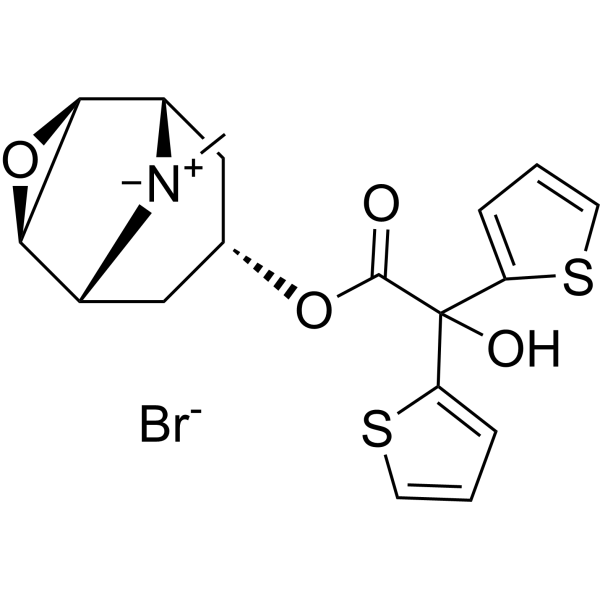
- Formula: C19H22BrNO4S2
- Molecular Weight: 472.42
Tiotropium bromide (BA-679 BR) is a long-acting anticholinergic bronchodilator. Tiotropium bromide blocks the action of acetylcholine at muscarinic M1, M2, and M3 receptors, prevents bronchoconstriction, and dilates bronchial airways. Tiotropium bromide is applicable to research related to chronic obstructive pulmonary disease and asthma.
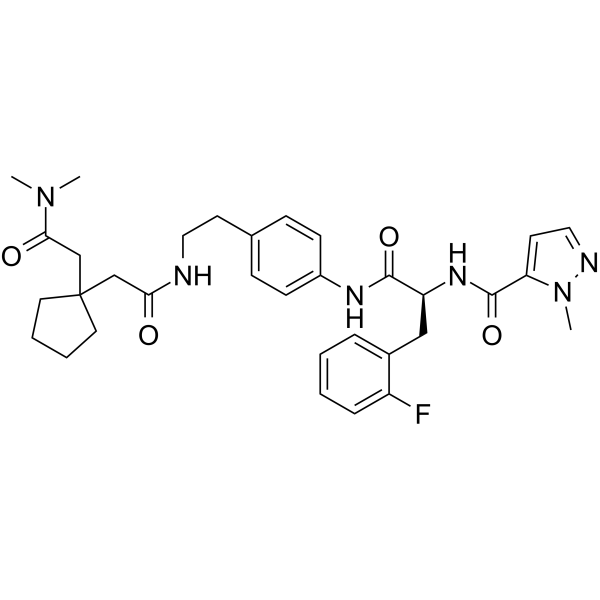
- Formula: C33H41FN6O4
- Molecular Weight: 604.71
IL-17A antagonist 1 is an interleukin-17A (IL-17A) antagonist with an IC50 of 1.14 μM and a Kd of 0.66 μM. IL-17A antagonist 1 binds specifically and exclusively to the IL-17A homodimer at its central dimer interface pocket, induces a large conformational change that widens the pocket, and disrupts the IL-17A/IL-17RA interaction. IL-17A antagonist 1 does not bind to IL-17F or IL-17RA.
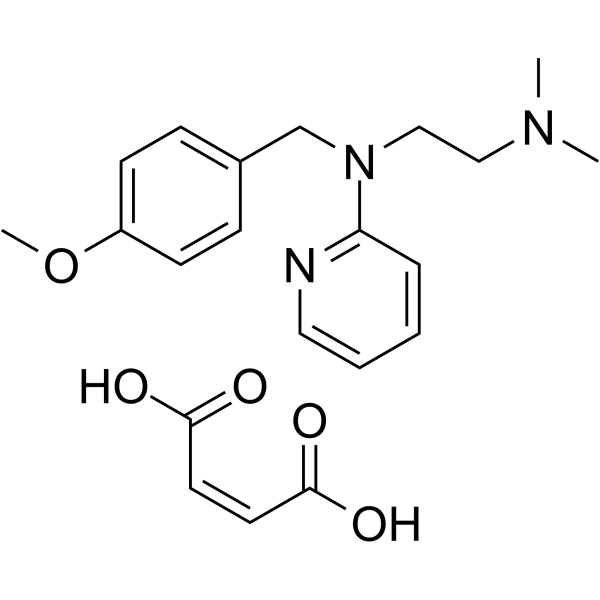
- Formula: C21H27N3O5
- Molecular Weight: 401.46
Mepyramine maleate (Pyrilamine maleate) is a selective histamine H1 receptor antagonist and KCNQ channel inhibitor, with an IC50 of 12.5 μM against KCNQ2/Q3. Mepyramine maleate shows no activity against allergic asthma in mice when used alone, but modulates the effect of JNJ 7777120 (HY-13508) on allergic asthma in mice; it inhibits the development of morphine physical dependence and increases histamine levels in mouse brains. Mepyramine maleate can be used in studies related to seizures, convulsions, allergic asthma and morphine physical dependence.

- Molecular Weight: 146.32 kDa
Ligelizumab (QGE 031) is a humanized high-affinity anti-immunoglobulin IgE monoclonal antibody. Ligelizumab selectively inhibits the binding of IgE to the high-affinity receptor FcεRI, while the inhibitory effect on the low-affinity receptor CD23 is weak. Ligelizumab can inhibit the activation of effector cells such as mast cells and Basophil, while reducing the production of IgE by B cells, and restoring the IFN-α production and regulatory T cell (Treg) induction function of plasmacytoid dendritic cells (pDC). Ligelizumab can be used in the study of allergic diseases (such as chronic spontaneous urticaria, allergic asthma).
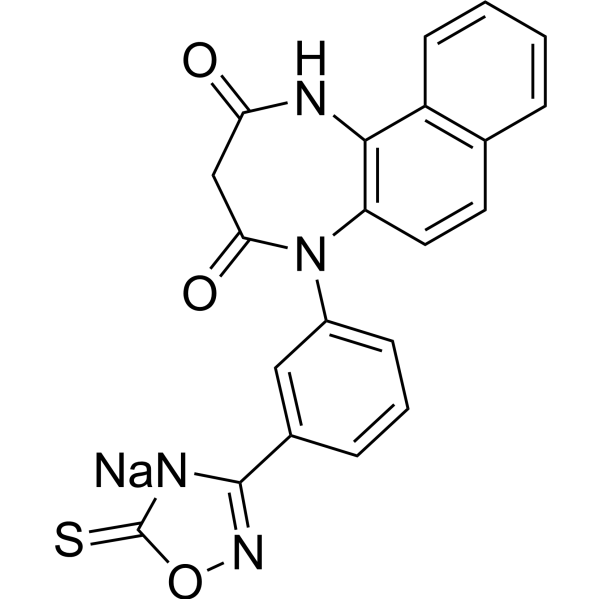
- Formula: C21H13N4NaO3S
- Molecular Weight: 424.41
NP-1815-PX sodium is an orally active dual inhibitor of P2X4 and prostaglandin TP receptors, with an IC50 of 0.26 μM against human P2X4 receptors. NP-1815-PX sodium specifically inhibits ATP-mediated prostaglandin production, TP receptor-induced calcium elevation, and the canonical/non-canonical NLRP3 inflammasome signaling pathway. NP-1815-PX sodium selectively blocks smooth muscle contractions induced by ATP, U46619 (HY-108566) and prostaglandin F2α. NP-1815-PX sodium not only produces anti-allodynic effects in vivo, but also significantly alleviates symptoms of DNBS (HY-W324435)-induced colitis (such as weight loss and tissue damage). NP-1815-PX sodium exerts anti-inflammatory effects by downregulating IL-1β levels and Caspase-1 activity. NP-1815-PX sodium is used in studies related to asthma and inflammatory bowel disease (colitis).

House Dust Mite Extract, from D.farinae is a house dust mite allergen extract derived from Dermatophagoides farinae. House Dust Mite Extract, from D.farinae significantly increases the levels of cytokines (IL-4, IL-5, IL-6) in bronchoalveolar lavage fluid. House Dust Mite Extract, from D.farinae upregulates the overexpression of MUC5AC. House Dust Mite Extract, from D.farinae induces allergic asthma and pulmonary inflammation.

- Formula: C21H33Cl3N6O3
- Molecular Weight: 523.88
PPACK dihydrochloride is a potent, peptidic inhibitor targeting thrombin and granzyme GZMK. PPACK dihydrochloride specifically blocks the activities of thrombin and GZMK, thereby inhibiting thrombin-mediated PAR-1 cleavage, as well as downstream inflammatory and procoagulant signaling pathways. Through stabilizing IκB proteins, blocking NF-κB activation and reducing systemic levels of proinflammatory/procoagulant biomarkers, PPACK dihydrochloride exerts multiple effects including anti-inflammatory, antithrombotic, barrier repair, and inhibition of atherosclerotic plaque progression. PPACK dihydrochloride binds to platelets without interference from kininogen, effectively limiting acute thrombus growth and reducing eosinophil infiltration and goblet cell hyperplasia in asthma models. PPACK dihydrochloride is an important tool molecule for investigating the mechanisms of atherosclerosis, asthma and related thromboinflammatory diseases.

- Formula: C19H24N2O4
- Molecular Weight: 344.40
Formoterol ((±)Formoterol) is a selective β2-adrenoceptor agonist. Formoterol is at least as β2-adrenoceptor selective as Salbutamol (HY-B1037) and Terbutaline (HY-B0802A). Formoterol abolishs the contraction induced by Acetylcholine in bronchioles. Formoterol can be used for the research of chronic obstructive pulmonary disease and bronchial asthma.

Bovine Factor Xa is a serine protease that plays a central role in blood coagulation, with prothrombin as its physiological substrate. Bovine Factor Xa catalyzes the conversion of prothrombin to thrombin, activates factor VIII, and hydrolyzes peptide, thioester, and amide substrates. Bovine Factor Xa cleaves protease-activated receptors 1 and 2 to activate intracellular signal transduction. Bovine Factor Xa regulates multiple cellular pathways, mediates various cellular activities, tissue remodeling and cancer cell migration, and inhibits apoptosis in some cancer cells. Bovine Factor Xa protects hippocampal neurons against glutamate-induced damage. Bovine Factor Xa participates in embryonic vascular development and regulates immune hematopoiesis; its activity is inhibited by soybean trypsin inhibitor, and cannot be enhanced by phospholipids. Bovine Factor Xa regulates immune responses and macrophage polarization, and participates in fibrosis, vascular remodeling and tumor progression through non-coagulant effects. Bovine Factor Xa can be used in research related to atherosclerosis, fibrosis, asthma, cancer, thromboinflammation, sepsis, etc.

- Formula: C9H8O3
- Molecular Weight: 164.16
Himic anhydride is an acid anhydride compound and sensitizer. Himic anhydride with cross-reactivity to hexahydrophthalic anhydride. Himic anhydride induces immunoglobulin E (IgE)-mediated sensitization and allergic immune responses. Himic anhydride can be used for the research of occupational asthma.
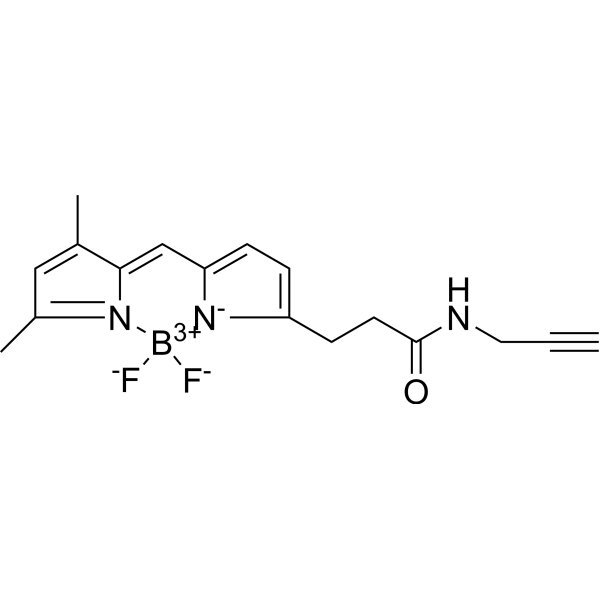
- Formula: C17H18BF2N3O
- Molecular Weight: 329.15
BODIPY (BOD) FL alkyne is an alkyne-containing BODIPY fluorophore derivative. BODIPY FL alkyne is a bioorthogonal labeling reagent with low toxicity and extremely low non-specific reactivity, and it is widely used in fluorescent bioimaging. BODIPY FL alkyne specifically labels azide groups on intracellular glycoconjugates mainly via strain-promoted azide-alkyne cycloaddition (SPAAC), or mediates site-specific conjugation with proteins such as IL-33, and supports positive cross-linking with other probes (e.g., DBCO-SCy5) for dual labeling. With the advantages of high specificity and low background interference, BODIPY FL alkyne can be used in the research of related diseases such as asthma, atopic dermatitis and inflammatory bowel disease.

House Dust Mite Extract, from D. pteronyssinus is a house dust mite allergenic extract derived from Dermatophagoides pteronyssinus. House Dust Mite Extract, from D. pteronyssinus increases serum IgE, IgG1 and IgG2a levels, and elevates the levels of Interleukins 4, 5, 6, 10, 13 and 17. House Dust Mite Extract, from D. pteronyssinus induces significant asthmatic pathological changes. House Dust Mite Extract, from D. pteronyssinus can be used in studies related to asthma and allergic conjunctivitis.



