



LTB4
Leukotriene B4 (LTB4) is a potent pro-inflammatory lipid mediator derived from arachidonic acid via the 5-lipoxygenase (5-LO) pathway[1][2]. It functions primarily as a chemoattractant for neutrophils, macrophages, and other immune cells, facilitating their migration to sites of tissue injury or infection[2][3]. Mechanistically, LTB4 binds to two G-protein-coupled receptors, BLT1 and BLT2, which mediate downstream signaling involving MAPKs, PI3K/Akt, and NF-κB activation[4][5][3]. In disease models, LTB4 contributes to the pathogenesis of inflammatory conditions including rheumatoid arthritis, experimental autoimmune uveitis, atherosclerosis, and chronic neonatal lung injury[6][7][8][5]. Compared with its high-affinity receptor BLT1, BLT2 exhibits lower affinity for LTB4 and shows tissue-specific expression in keratinocytes and intestinal epithelium[9][10]. Selective agonists, such as Compound A, activate BLT2 without affecting BLT1, whereas metabolites like 20-hydroxy-LTB4 act as weak agonists but can desensitize neutrophils by downregulating receptor expression[9][11][3]. Pharmacologic inhibition of LTB4 signaling using receptor antagonists (e.g., BIIL 284) or 5-LO inhibitors (e.g., zileuton) effectively reduces neutrophil recruitment, macrophage influx, and downstream inflammatory responses in preclinical models[12][8][7]. Therefore, the LTB4-BLT axis represents a mechanistic target for experimental interventions in immune-mediated inflammation and related pathologies[13].
References:
- [1]. Eskandarpour M, et al. Leukotriene B4 and Its Receptor in Experimental Autoimmune Uveitis and in Human Retinal Tissues: Clinical Severity and LTB4 Dependence of Retinal Th17 Cells. Am J Pathol. 2021 Feb;191(2):320-334. [Content Brief]
- [2]. Iizuka Y, et al. Characterization of a mouse second leukotriene B4 receptor, mBLT2: BLT2-dependent ERK activation and cell migration of primary mouse keratinocytes. J Biol Chem. 2005 Jul 1;280(26):24816-23. [Content Brief]
- [3]. Gaber F, et al. Assessment of in vivo 5-lipoxygenase activity by analysis of leukotriene B4 in saliva: effects of treatment with zileuton. J Allergy Clin Immunol. 2007 May;119(5):1267-8. [Content Brief]
- [4]. Pettipher ER, et al. Specific inhibition of leukotriene B4 (LTB4)-induced neutrophil emigration by 20-hydroxy LTB4: implications for the regulation of inflammatory responses. Br J Pharmacol. 1993 Sep;110(1):423-7. [Content Brief]
- [5]. Ee MT, et al. Leukotriene B4 mediates macrophage influx and pulmonary hypertension in bleomycin-induced chronic neonatal lung injury. Am J Physiol Lung Cell Mol Physiol. 2016 Aug 1;311(2):L292-302. [Content Brief]
- [6]. Cruz A, et al. Theoretical study of the arachidonic acid conversion into leukotriene A4 catalyzed by human 5-lipoxygenase: hydroperoxidation and epoxidation mechanisms and arachidonic acid active site access. ACS Catal. 2024;14(2):637-656.
- [7]. Serezani CH, et al. Leukotriene B4 amplifies NF-κB activation in mouse macrophages by reducing SOCS1 inhibition of MyD88 expression. J Clin Invest. 2011 Feb;121(2):671-82. [Content Brief]
- [8]. Nunes VS, et al. Leukotriene B4 receptor 1 (BLT1) activation by leukotriene B4 (LTB4 ) and E resolvins (RvE1 and RvE2). Comput Biol Chem. 2024 Dec;113:108236. [Content Brief]
- [9]. Le Bel M, et al. Leukotriene B4, an endogenous stimulator of the innate immune response against pathogens. J Innate Immun. 2014;6(2):159-68. [Content Brief]
- [10]. Alten R, et al. Inhibition of leukotriene B4-induced CD11B/CD18 (Mac-1) expression by BIIL 284, a new long acting LTB4 receptor antagonist, in patients with rheumatoid arthritis. Ann Rheum Dis. 2004 Feb;63(2):170-6. [Content Brief]
- [11]. Sánchez-Galán E, et al. Leukotriene B4 enhances the activity of nuclear factor-kappaB pathway through BLT1 and BLT2 receptors in atherosclerosis. Cardiovasc Res. 2009 Jan 1;81(1):216-25. [Content Brief]
- [12]. Di Gennaro A, et al. Targeting leukotriene B4 in inflammation. Expert Opin Ther Targets. 2014 Jan;18(1):79-93. [Content Brief]
- [13]. Eun JC, et al. Leukotriene b4 and its metabolites prime the neutrophil oxidase and induce proinflammatory activation of human pulmonary microvascular endothelial cells. Shock. 2011 Mar;35(3):240-4. [Content Brief]
-
LTB4 Related Products (39)
Related Products (39)

- 1
- 2
-
CP-105696
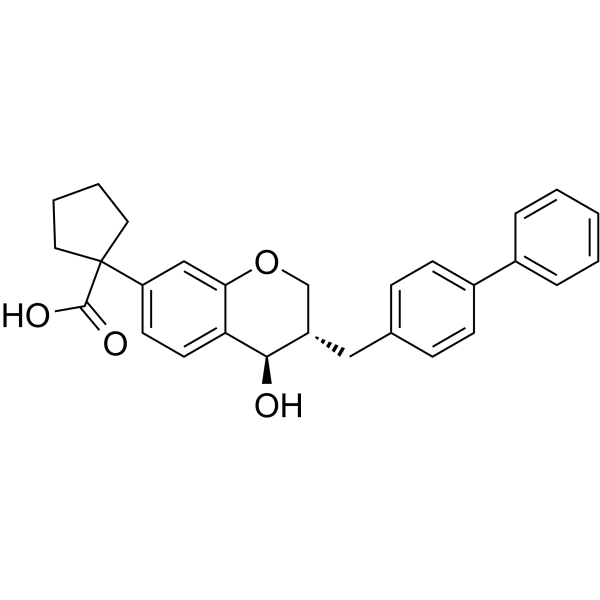 0 ImagesSynonyms: Pfizer 105696CP-105696 is a potent and selective Leukotriene B4 Receptor antagonist, with an IC50 of 8.42 nM.
-
LY255283
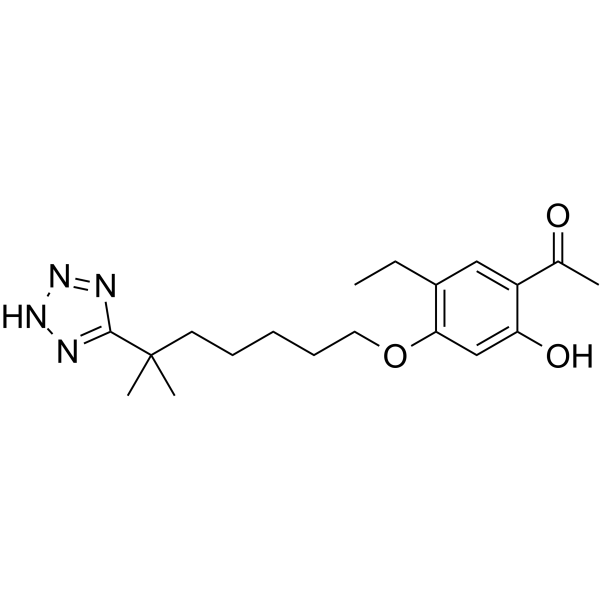 0 ImagesLY255283 is a LTB4 receptor (BLT2) antagonist, with an IC50 of ~100 nM for [3H]LTB4 binding to guinea pig lung membranes.
-
Fiboflapon
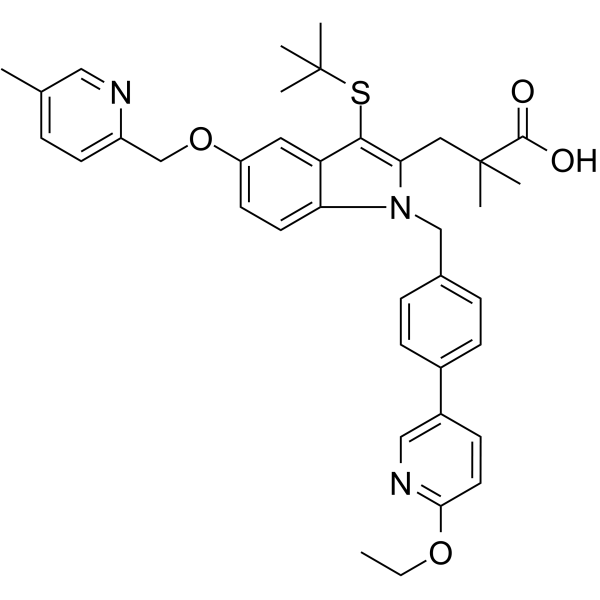 0 ImagesSynonyms: GSK2190915; AM-803
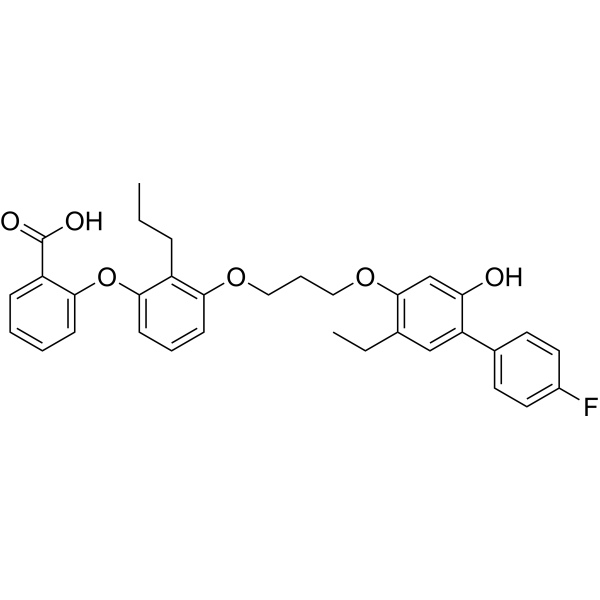
-
BIIL-260 hydrochloride
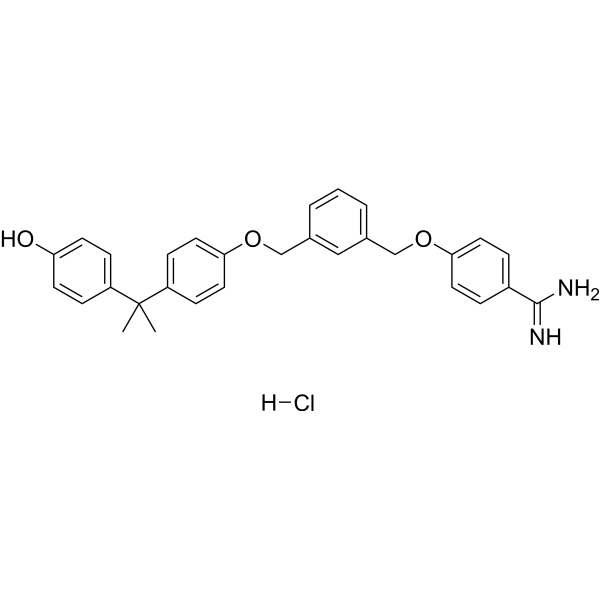 0 ImagesBIIL-260 hydrochloride is a potent and long-acting orally active leukotriene B(4) receptor LTB4 antagonist, with anti-inflammatory activity. BIIL-260 hydrochloride interacts with the LTB4 receptor in a saturable, reversible, and competitive manner, has high affinity to the LTB4 receptor on isolated human neutrophil cell membranes with Ki values of 1.7 nM.
-
CGS 23885
 0 ImagesCat. No.: HY-182422CAS No.: 134822-78-9CGS 23885 is an orally active 5-lipoxygenase (5-lipoxygenase) inhibitor. CGS 23885 reduces the production of 5-hydroxyeicosatetraenoic acid (5-hydroxyeicosatetraenoic acid), LTB4, and LTC4/D4/E4. CGS 23885 inhibits cell infiltration in rat pleurisy. CGS 23885 can be used in pleurisy-related research.
-
12S-HHT
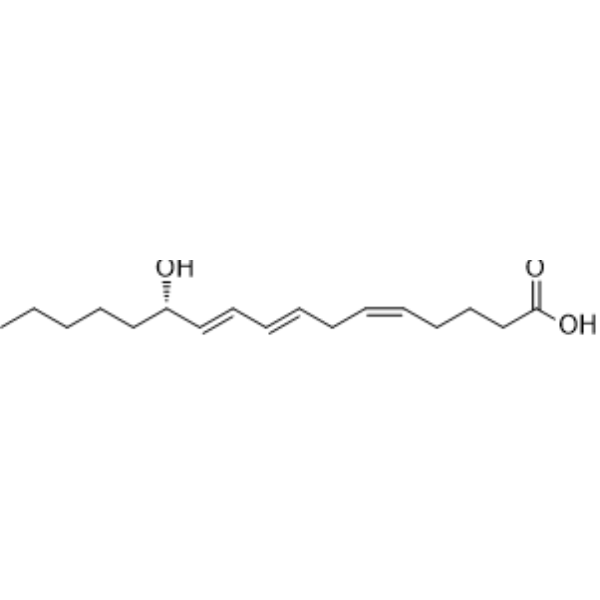 0 ImagesSynonyms: 12(S)-HHTrE12S-HHT (12(S)-HHTrE) is an enzymatic product of prostaglandin H2 (PGH2) derived from cyclooxygenase (COX)-mediated arachidonic acid metabolism. 12S-HHT is an endogenous ligand for BLT2 that fully activates BLT2 in vivo. 12S-HHT suppresses UV-induced IL-6 synthesis in keratinocytes, exerting an anti-inflammatory activity.
-
3,7,4'-Trihydroxyflavone
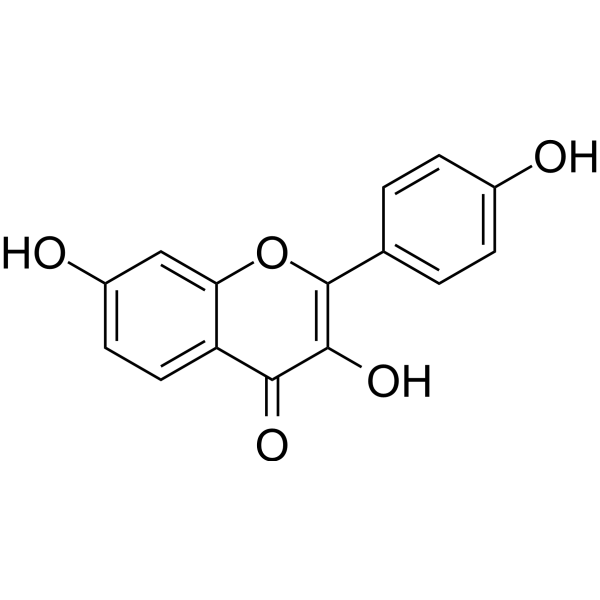 0 Images3,7,4'-Trihydroxyflavone (5-Deoxykampferol) is a flavonoid compound that can be isolated from the stems of Rhus javanica var. roxburghiana. 3,7,4'-Trihydroxyflavone has the effect of cleaving DNA in the presence of copper ions. 3,7,4'-Trihydroxyflavone also has anti-inflammatory and antioxidant activities and can scavenge various reactive oxygen species (ROS) and reactive nitrogen species (RNS).
-
LY223982
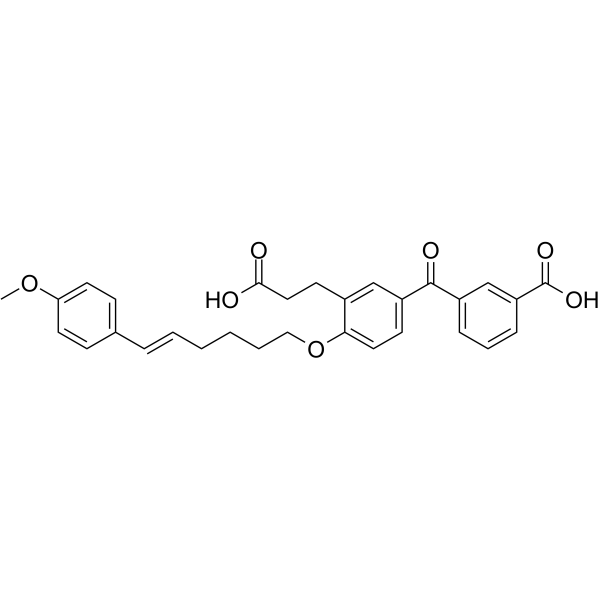 0 ImagesSynonyms: CGS23131; SKF107324LY223982 is a potent and specific inhibitor of leukotriene B4 receptor, with an IC50 of 13.2 nM against [3H]LTB4 binding to LTB4 receptor.
-
Amelubant
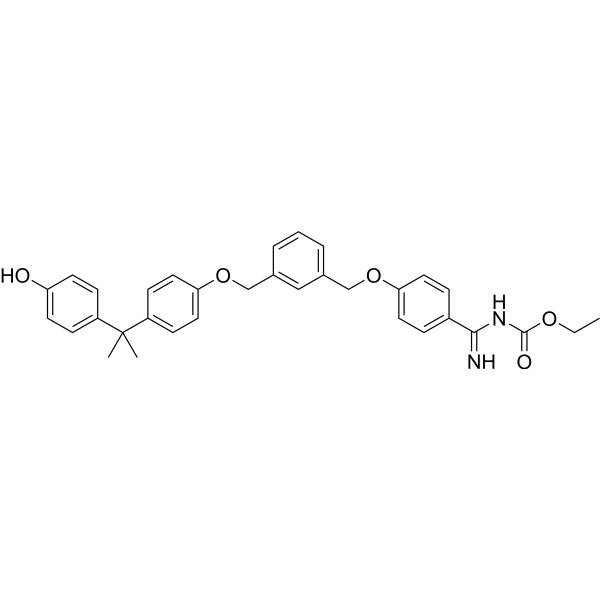 0 ImagesSynonyms: BIIL 284Amelubant (BIIL 284) is a potent, oral and long acting LTB4 receptor antagonist, negligibly binds to LTB4 receptor, with Kis of 221 nM and 230 nM in vital cells and membranes. Amelubant (BIIL 284) is a proagent of active metabolites BIIL 260 and BIIL 315. Anti-inflammatory activity.
-
Fiboflapon sodium
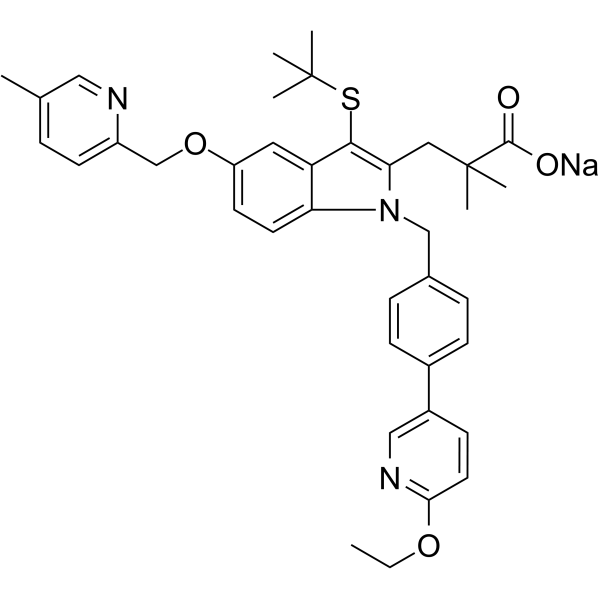 0 ImagesSynonyms: GSK2190915 sodium salt; AM-803 sodium
-
20-Carboxy-Leukotriene B4
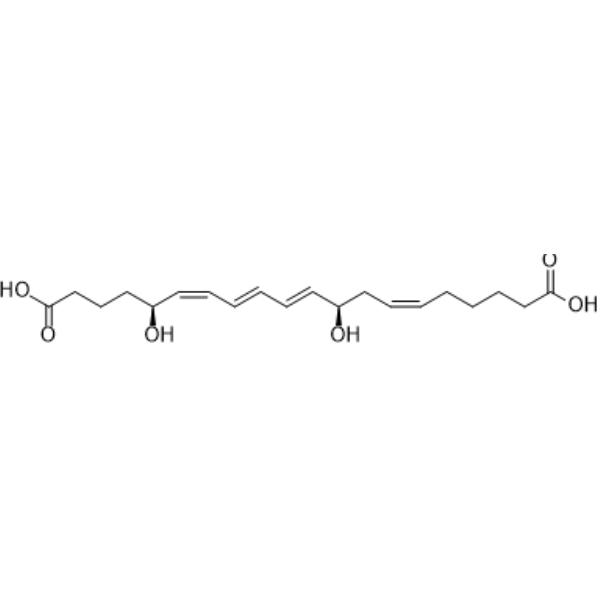 0 ImagesSynonyms: 20-COOH LTB420-Carboxy-Leukotriene B4 (20-COOH LTB4) is a metabolite of Leukotriene B4 (LTB4; HY-107608). 20-Carboxy-Leukotriene B4 binds to the BLT1 receptor with high affinity. 20-Carboxy-Leukotriene B4 inhibits LTB4-mediated neutrophil responses (migration, degranulation, leukotriene biosynthesis).
-
Veliflapon
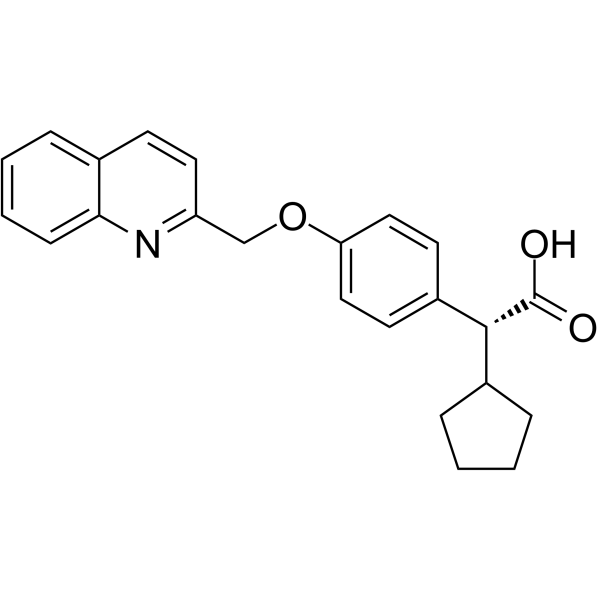 0 ImagesSynonyms: BAY X 1005; DG-031Veliflapon (BAY X 1005; DG-031) is an orally active and selective 5-lipoxygenase activating protein (FLAP) inhibitor. Veliflapon inhibits the synthesis of the leukotrienes B4 and C4.
-
CAY10583
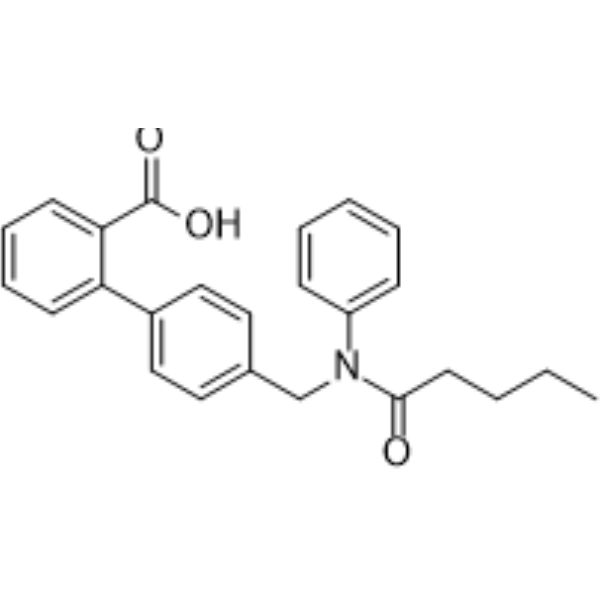 0 ImagesCAY10583 is a potent and selective full Leukotriene B4 receptor type 2 (BLT2) agonist. CAY10583 directly promotes keratinocyte migration in vitro and accelerates wound closure in vivo. CAY10583 is a promising pharmaceutical agent for diabetic wounds.

-
CP-195543
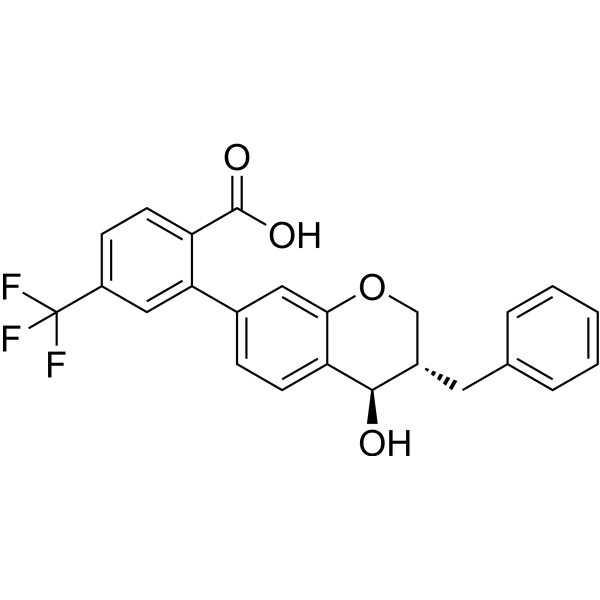 0 ImagesCP-195543 is a potent, selective and orally active leukotriene B4 (LTB4) receptor antagonist with IC50s of 6.8, 37.0 nM for human neutrophils and murine spleen membranes, respectively. CP-195543 blocks CD11b up-regulation. CP-195543 inhibits LTB4-mediated neutrophil infiltration.
-
Halometasone
 0 ImagesCat. No.: HY-W341962CAS No.: 50629-82-8Halometasone is a corticosteroid compound that can reduce the expression of serum leukotriene B4 (LTB4) and thymic stromal lymphopoietin (TSLP). Halometasone can be used in research on psoriasis and eczematous skin diseases.
-
ONO4057
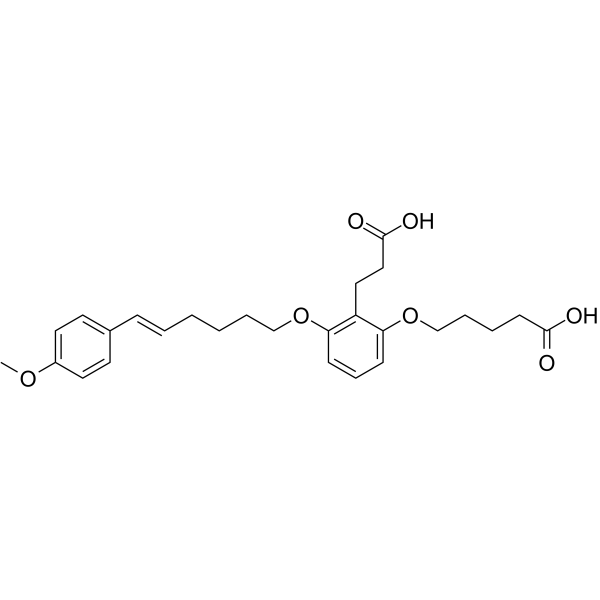 0 ImagesSynonyms: ONO-LB457ONO4057 is a Leukotriene B4 receptor antagonist, with an IC50 of 0.7±0.3 μM.
-
Yangambin
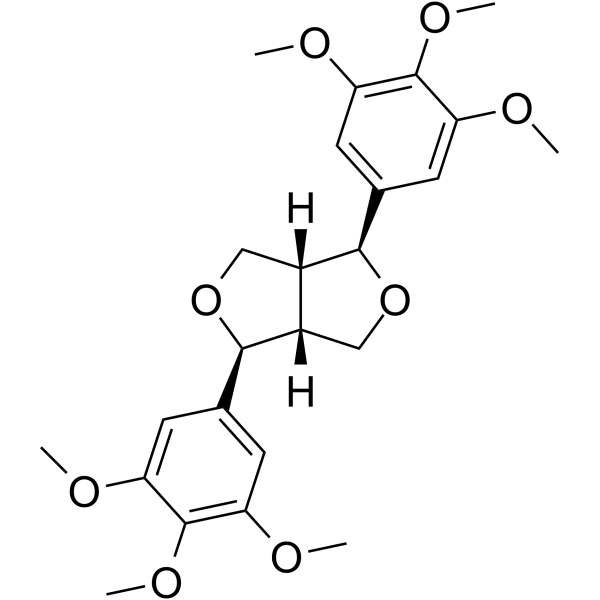 0 ImagesYangambin is a PAF receptor antagonist and UGT1A1/UGT1A3 inhibitor, with an IC50 of 29.7 μM and a Ki of 17.1 μM against human UGT1A1, and an IC50 of 56.5 μM and a Ki of 66.8 μM against human UGT1A3. Yangambin blocks PAF-mediated responses, inhibits LTB4-mediated neutrophil infiltration, and suppresses inflammatory events and anaphylactic contraction. Yangambin acts as a central nervous system inhibitor to reduce spontaneous activity, and also exhibits analgesic, anticonvulsant, antileishmanial, vasodilatory and hypotensive effects. Yangambin blocks voltage-gated Ca2+ channels, reduces the production of NO, TNF-α, IL-6 and PGE2 in cells, increases the production of IL-10, and exerts a protective effect against cardiovascular injury. Yangambin can be used in research related to allergies, cutaneous leishmaniasis, central nervous system diseases and cardiovascular diseases.
-
Darbufelone mesylate
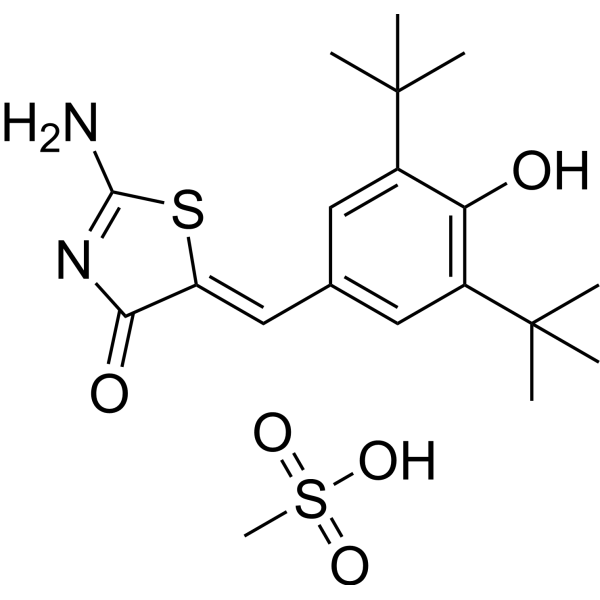 0 ImagesSynonyms: CI-1004 mesylateDarbufelone mesylate (CI-1004 mesylate) is a dual inhibitor of cellular PGF2α and LTB4 production. Darbufelone potently inhibits PGHS-2 (IC50 = 0.19 μM) but is much less potent with PGHS-1 (IC50= 20 μM).
- 1
- 2



