



12S-HHT
Based on 1 publication(s) in Google Scholar
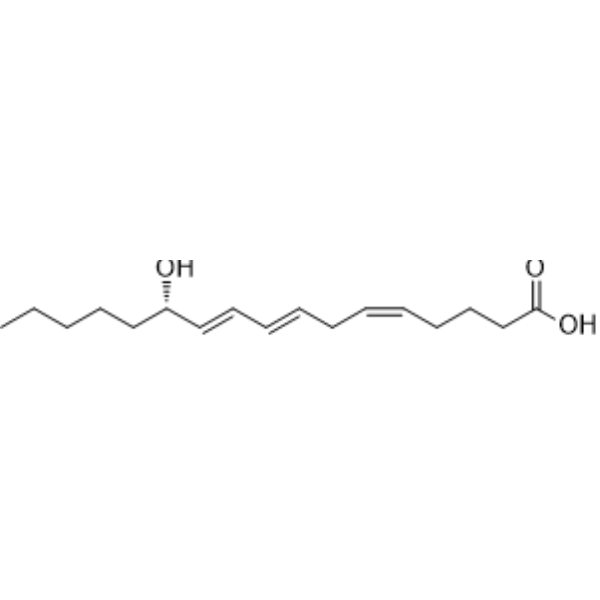
12S-HHT (12(S)-HHTrE) is an enzymatic product of prostaglandin H2 (PGH2) derived from cyclooxygenase (COX)-mediated arachidonic acid metabolism. 12S-HHT is an endogenous ligand for BLT2 that fully activates BLT2 in vivo. 12S-HHT suppresses UV-induced IL-6 synthesis in keratinocytes, exerting an anti-inflammatory activity.
For research use only. We do not sell to patients.
- Purity : 98.45%
- CAS No.: 54397-84-1
- Formula: C17H28O3
- Molecular Weight:280.40
-
Storage:
Solution, -20°C, 2 years

To place orders, for customer services and technical support, please contact: MedChemExpress USA
Tel: 609-228-6898 E-mail: [email protected] [email protected]


-
 Biological Activity
-
Chemical Information
- Protocols
- Purity & Documentation
- References
-
 Help & FAQs


-
HY-107608
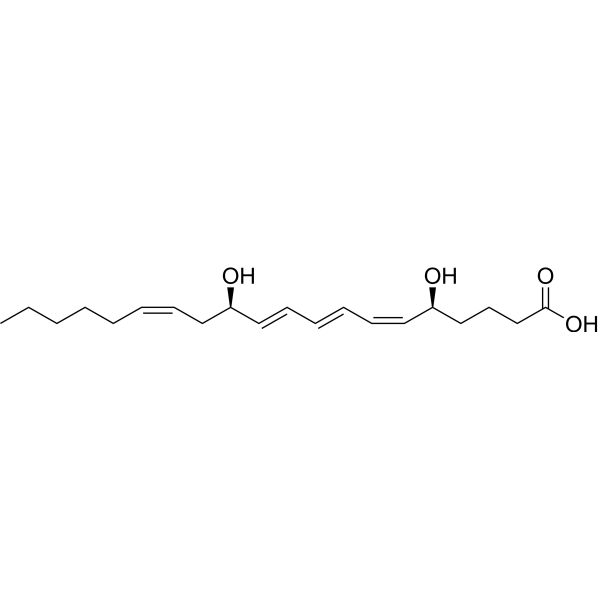
Leukotriene B4PROTAC linker -
HY-15744
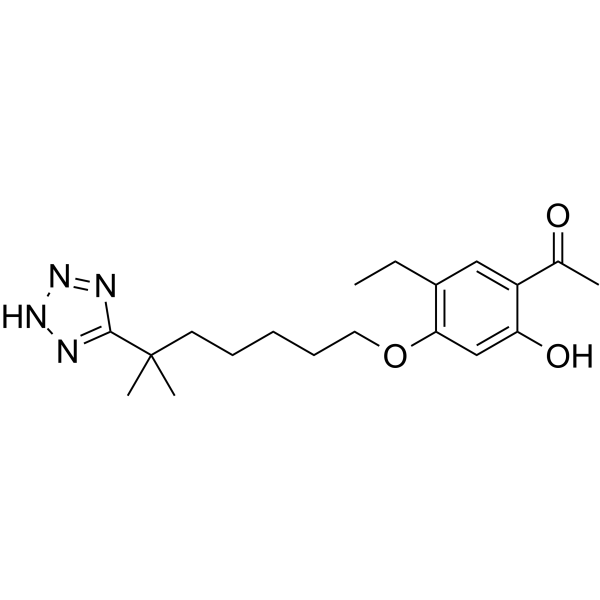
LY255283LTB4 Receptor Antagonist -
HY-17492
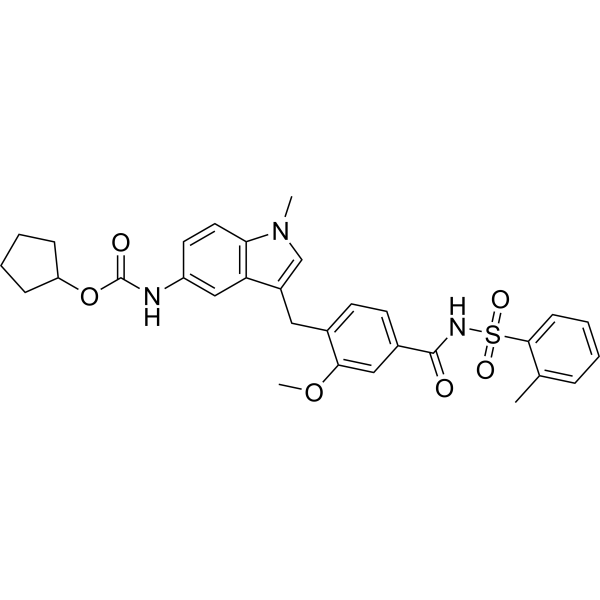
ZafirlukastLeukotriene Receptor Antagonist -
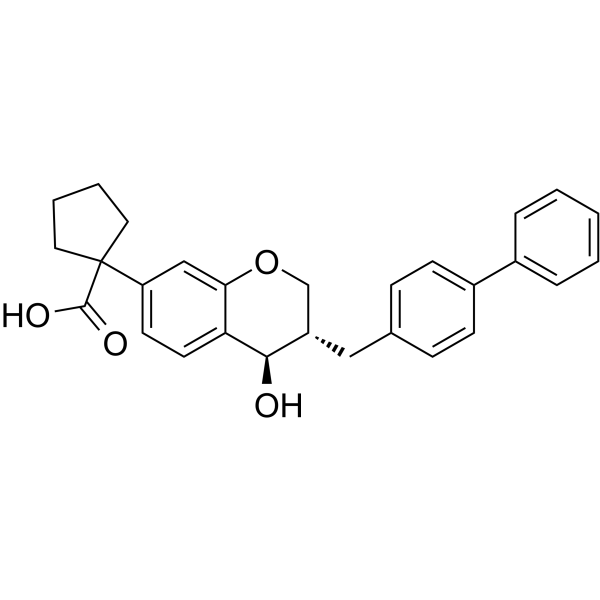
HY-19193
CP-105696LTB4 Receptor Antagonist -
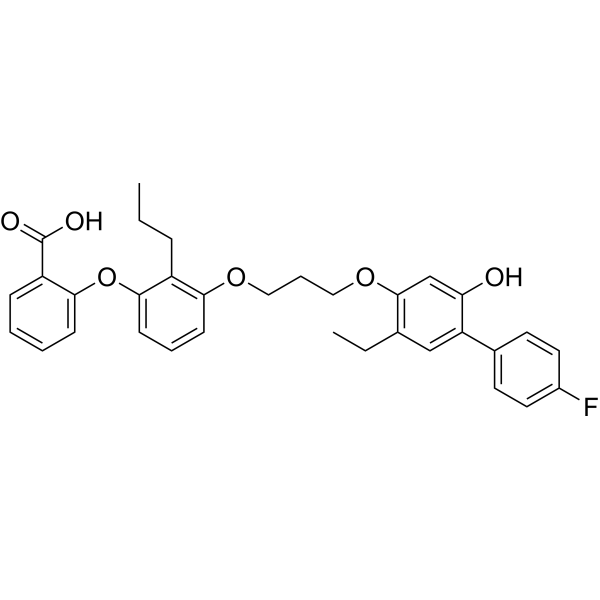
HY-13628
EtalocibLTB4 Receptor Antagonist -

HY-17492R
Zafirlukast (Standard)Leukotriene Receptor Antagonist -
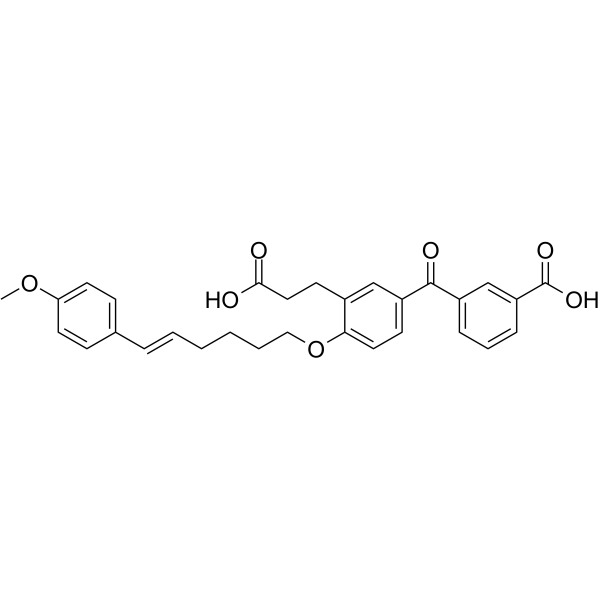
HY-112737
LY223982Leukotriene B4R Inhbitor -
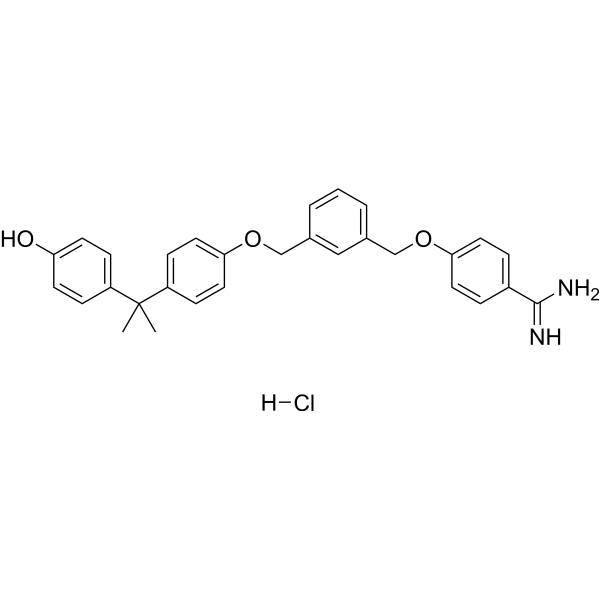
HY-114641A
BIIL-260 hydrochlorideLeukotriene Receptor Antagonist -

HY-B0290AR
Pranlukast hemihydrate (Standard)Leukotriene Antagonist -
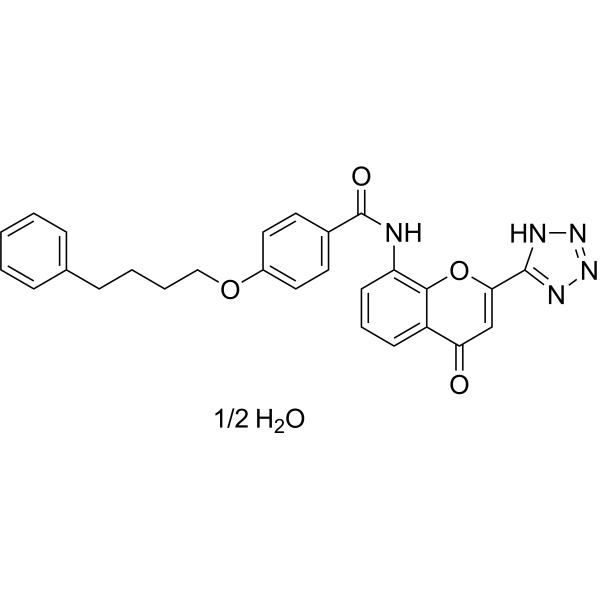
HY-B0290A
Pranlukast hemihydrateLeukotriene Antagonist -
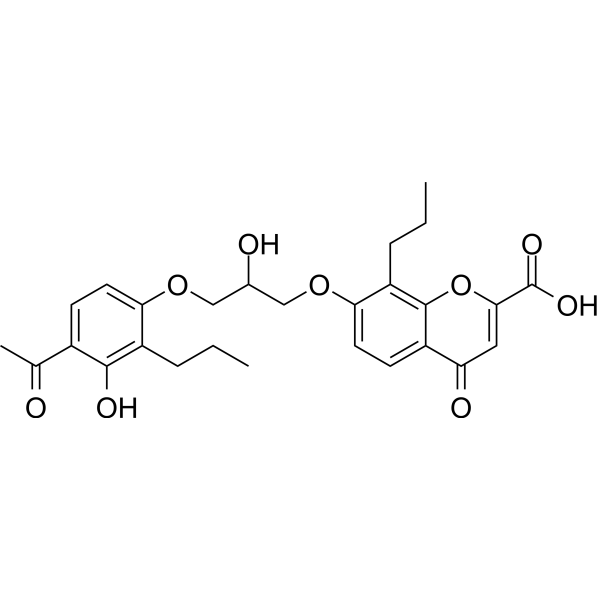
HY-107607
FPL-55712 free baseleukotriene Receptor Antagonist -
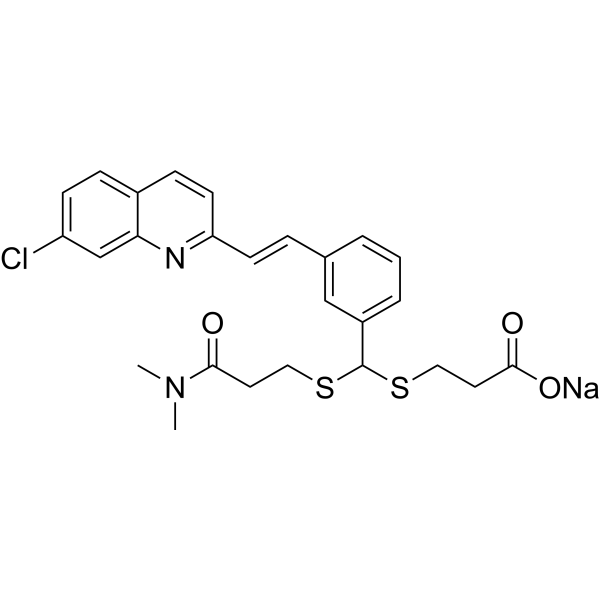
HY-19989A
MK-571 sodiumABCC1/MRP4 Inhibitor
Publications Citing Use of MedChemExpress (MCE) 12S-HHT
MoreAll Leukotriene Receptor Isoforms
MoreAll Endogenous Metabolite Isoforms
More

Biological Activity
Description
IC50 & Target
|
Human Endogenous Metabolite |
BLT2 |
In Vitro
12S-HHT (0-150 nM; 3 hours) has anti-inflammatory activity by attenuating the UVB-induced IL-6 synthesis in HaCaT cells[2].
12S-HHT inhibits the UVB-stimulated p38 MAPK/NF-κB pathway by up-regulating MKP-1, which leads to the suppression of IL-6 synthesis[2].
12S-HHT is an endogenous agonist for BLT2[3].
MedChemExpress (MCE) has not independently confirmed the accuracy of these methods. They are for reference only.
-
Cell Line:HaCaT cells
-
Concentration:0, 12.5, 25, 75 or 150 nM
-
Incubation Time:3 hours
-
Result:UVB (5 mJ/cm2) irradiation markedly up-regulated IL-6 synthesis and release, which was suppressed by the treatment with 12-HHT in a concentration-dependent manner.


Chemical Information
-
CAS No. 54397-84-1
-
Appearance Liquid
-
Molecular Weight 280.40
-
Formula C17H28O3
-
Color Colorless to light yellow
-
SMILES
CCCCC[C@H](O)/C=C/C=C/C/C=C\CCCC(O)=O
-
Synonyms
12(S)-HHTrE
-
Structure Classification
-
Initial Source
-
Shipping
Room temperature in continental US; may vary elsewhere.
-
Storage
Solution, -20°C, 2 years


Publications (1)
-
Journal Impact Factor
-
Most Recent
-
Cell Rep Med
2023 Jun 20;4(6):101061. PMID: 37267943


Purity & Documentation
-
Data Sheet (267 KB)
-
SDS (394 KB)
- English - EN (394 KB)
- Français - FR (394 KB)
- Deutsch - DE (394 KB)
- Norwegian - NO (394 KB)
- Español - ES (394 KB)
- Swedish - SV (394 KB)
- Italian - IT (394 KB)
- Korean - KR (394 KB)
- Portuguese - PT (394 KB)
-
Handling Instructions (2659 KB)
References
[1]. Saeki K, et al. Identification, signaling, and functions of LTB4 receptors. Semin Immunol. 2017;33:30-36. [Content Brief]
[2]. Lee JW, et al. 12(S)-Hydroxyheptadeca-5Z,8E,10E-trienoic acid suppresses UV-induced IL-6 synthesis in keratinocytes, exerting an anti-inflammatory activity. Exp Mol Med. 2012;44(6):378-386. [Content Brief]
[3]. Okuno T, et al. Metabolism and biological functions of 12(S)-hydroxyheptadeca-5Z,8E,10E-trienoic acid. Prostaglandins Other Lipid Mediat. 2021;152:106502. [Content Brief]

Calculators
Concentration (start) × Volume (start) = Concentration (final) × Volume (final)


12S-HHT Related Classifications
HY-113330 Related Classifications
 Powered by Bioz