



LTC4/CysLT2
LTC4/CysLT2 (CYSLTR2) is a cysteinyl leukotriene signaling axis that regulates inflammatory and vascular responses through a G protein-coupled receptor predominantly coupled to Gq/11-dependent signaling pathways[3][4]. CysLT2 functions as a receptor for cysteinyl leukotrienes and contributes to leukotriene-induced modulation of smooth muscle contraction, vascular permeability, and leukocyte activation, placing this pathway at the center of allergic and inflammatory biology[3]. Mechanistically, LTC4 activates CysLT2-dependent cellular responses, including calcium signaling in endothelial cells and cytokine-associated inflammatory programs in immune cells and platelets[5][6][1]. In disease settings, CysLT2 signaling has been linked to eosinophilic type 2 immunopathology, aspirin-exacerbated respiratory disease-like inflammation, dermatitis-associated itch responses, and allergic airway disorders[1][2][7]. Compared with the closely related CysLT1 receptor, CysLT2 displays distinct pharmacological and biological properties; CysLT2 can negatively regulate CysLT1-dependent pulmonary Th2 inflammation, and several classical CysLT1 antagonists, including montelukast, show little or no activity at CysLT2[3][6]. This functional divergence is important for experimental design because receptor-selective signaling may influence inflammatory outcomes independently of CysLT1 pathways[6]. For research applications, selective CysLT2 antagonists have been reported to block vascular permeability and myocardial ischemia/reperfusion injury in experimental models, providing useful tools for mechanistic studies of leukotriene biology and inflammatory disease processes[3].
References:
- [1]. Liu T, et al. Cysteinyl leukotriene receptor 2 drives lung immunopathology through a platelet and high mobility box 1-dependent mechanism. Mucosal Immunol. 2019 May;12(3):679-690. [Content Brief]
- [2]. Voisin T, et al. The CysLT2 R receptor mediates leukotriene C4 -driven acute and chronic itch. Proc Natl Acad Sci U S A. 2021 Mar 30;118(13):e2022087118. [Content Brief]
- [3]. Guide to pharmacology. Database.
- [4]. Sarau HM, et al. Identification, molecular cloning, expression, and characterization of a cysteinyl leukotriene receptor. Mol Pharmacol. 1999 Sep;56(3):657-63. [Content Brief]
- [5]. Sjöström M, et al. Dominant expression of the CysLT2 receptor accounts for calcium signaling by cysteinyl leukotrienes in human umbilical vein endothelial cells. Arterioscler Thromb Vasc Biol. 2003 Aug 1;23(8):e37-41. [Content Brief]
- [6]. Yokomizo T, et al. Leukotriene receptors as potential therapeutic targets. J Clin Invest. 2018;128(7):2691-2701.
- [7]. Neves JS, et al. Cysteinyl Leukotrienes in Eosinophil Biology: Functional Roles and Therapeutic Perspectives in Eosinophilic Disorders. Front Med (Lausanne). 2017;4:106.
-
LTC4/CysLT2 Related Products (24)
Related Products (24)

- 1
- 2
-
HAMI 3379
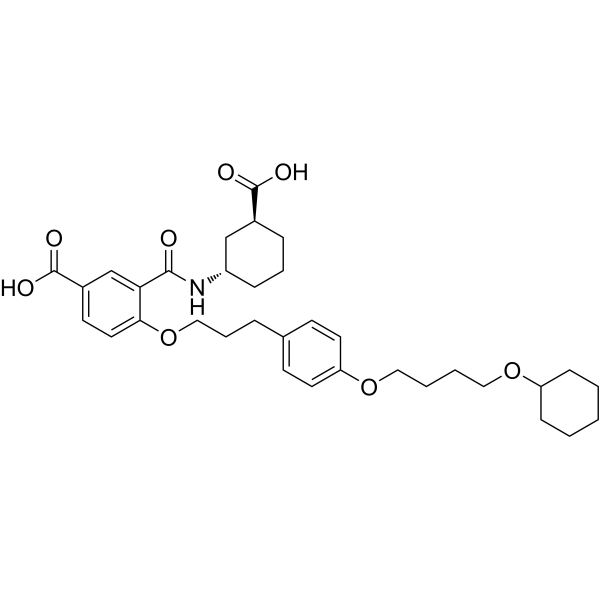 0 ImagesHAMI 3379 is a potent and selective CysLT2 receptor antagonist. HAMI 3379 has a protective effect on acute and subacute ischemic brain injury, and attenuates microglia-related inflammation.
-
Pranlukast
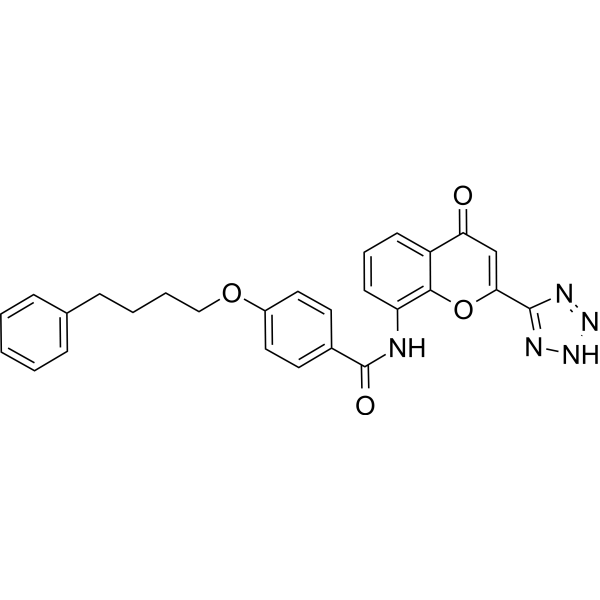 0 ImagesSynonyms: ONO-1078Pranlukast is a highly potent, selective and competitive antagonist of peptide leukotrienes. Pranlukast inhibits [3H]LTE4, [3H]LTD4, and [3H]LTC4 bindings to lung membranes with Kis of 0.63±0.11, 0.99±0.19, and 5640±680 nM, respectively.
-
(S)-Verapamil hydrochloride
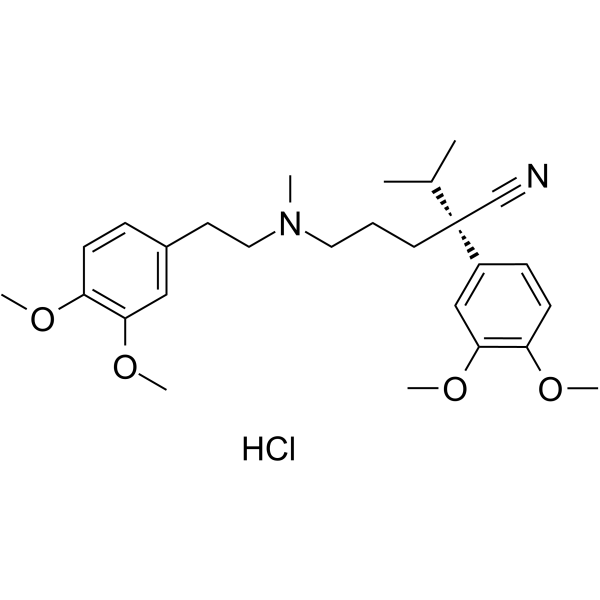 0 ImagesSynonyms: (S)-(-)-Verapamil hydrochloride(S)-Verapamil hydrochloride (S(-)-Verapamil hydrochloride) inhibits leukotriene C4 (LTC4) and calcein transport by MRP1. (S)-Verapamil hydrochloride leads to the death of potentially resistant tumor cells.
-
Nedocromil
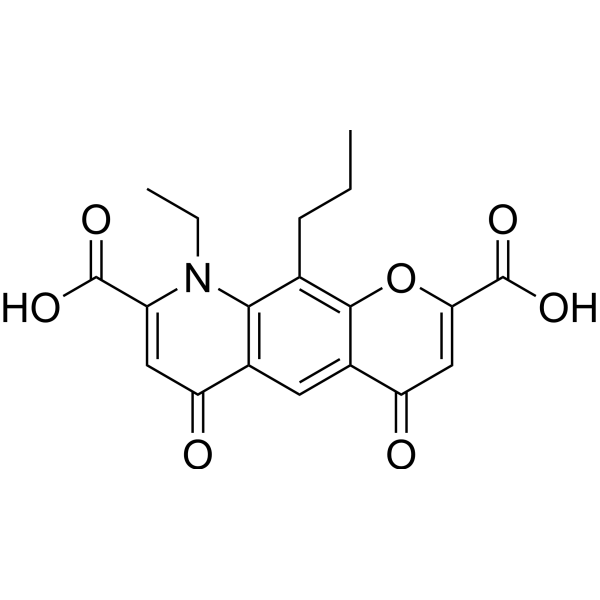 0 ImagesSynonyms: FPL 59002Nedocromil suppresses the action or formation of multiple mediators, including histamine, leukotriene C4 (LTC4), and prostaglandin D2 (PGD2).
-
Gemilukast
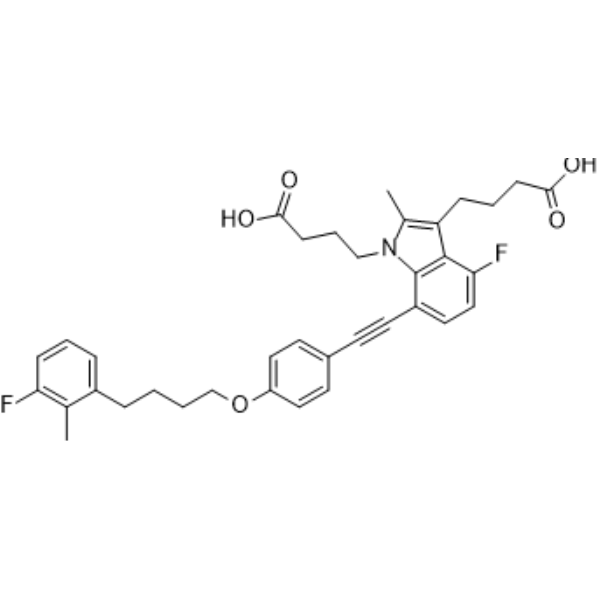 0 ImagesSynonyms: ONO-6950Gemilukast is an orally active and potent dual cysteinyl leukotriene 1 and 2 receptors (CysLT1 and CysLT2) antagonist, with IC50s of 1.7, 25 nM for human CysLT1 and CysLT2, respectively. Gemilukast is a click chemistry reagent, it contains an Alkyne group and can undergo copper-catalyzed azide-alkyne cycloaddition (CuAAc) with molecules containing Azide groups.
-
Pranlukast hemihydrate
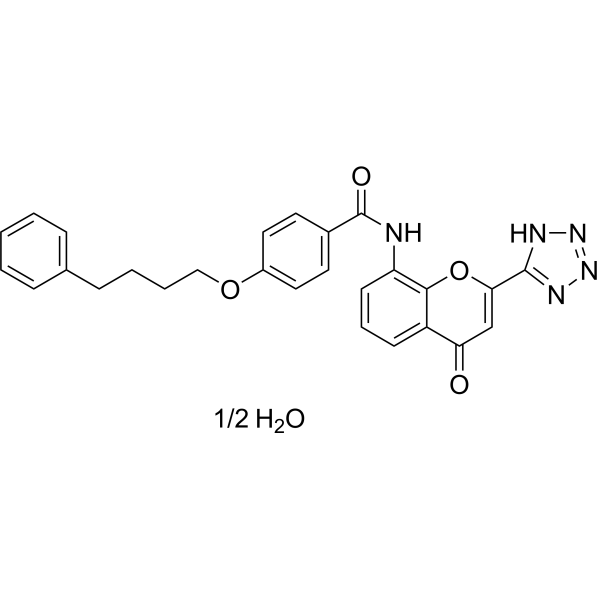 0 ImagesSynonyms: ONO-1078 hemihydratePranlukast hemihydrate is a highly potent, selective and competitive antagonist of peptide leukotrienes. Pranlukast inhibits [3H]LTE4, [3H]LTD4, and [3H]LTC4 bindings to lung membranes with Kis of 0.63±0.11, 0.99±0.19, and 5640±680 nM, respectively.
-
N-Methyl Leukotriene C4
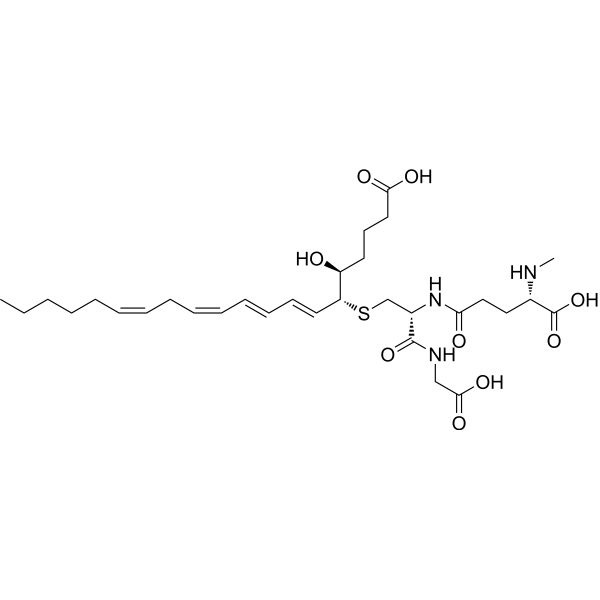 0 ImagesSynonyms: N-Methyl-LTC4N-Methyl Leukotriene C4 (N-Methyl-LTC4) is a non-metabolizable LTC4 analog and a selective cysteinyl leukotriene receptor 2 (CysLT2) agonist, with an EC50 of 46.1 nM for mouse CysLT2 and an EC50 value of 122.3 nM for human CysLT2. N-Methyl Leukotriene C4 shows low potency against CysLT1. N-Methyl Leukotriene C4 activates human and mouse CysLT2 receptors, triggering calcium signaling, β-arrestin-2 binding to phosphorylated receptors, vascular leakage, hypotension, tachycardia, contraction of guinea pig ileum and trachea, mild bronchoconstriction, as well as hypertension associated with peripheral vasoconstriction. N-Methyl Leukotriene C4 can be used in research on asthma, rhinitis, sinusitis, cerebral inflammation and edema, pulmonary arterial hypertension, and cardiovascular diseases.
-
5-O-Demethylnobiletin
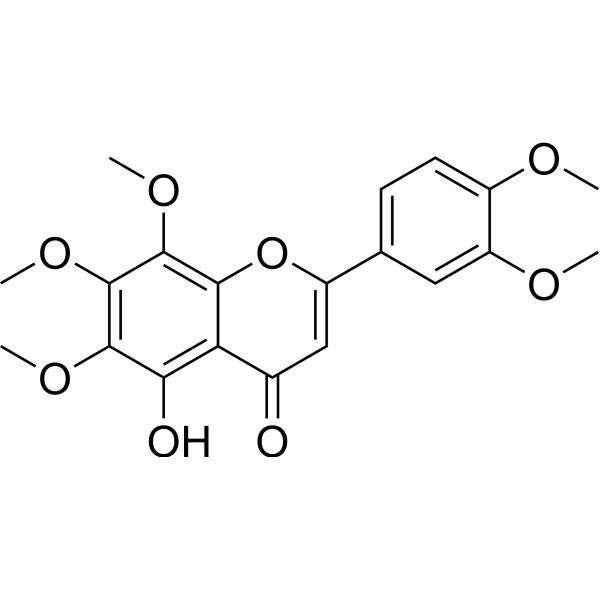 0 Images5-O-Demethylnobiletin (5-Demethylnobiletin), a polymethoxyflavone isolated from Citrus jambhiri Lush., is a direct inhibition of 5-LOX (IC50=0.1 μM), without affecting the expression of COX-2. 5-O-Demethylnobiletin (5-Demethylnobiletin) has anti-inflammatory activity, inhibits leukotriene B (4)(LTB4) formation in rat neutrophils and elastase release in human neutrophils with an IC50 of 0.35 μM.
-
Quinotolast sodium
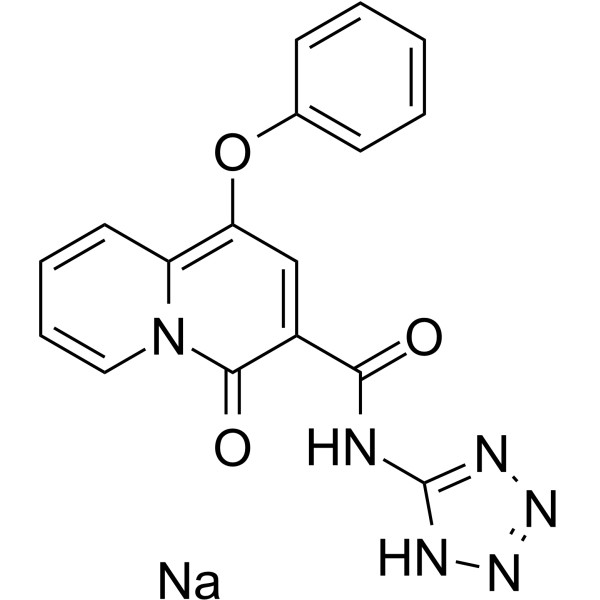 0 ImagesSynonyms: FR71021Quinotolast sodium in the concentration range of 1-100 μg/mL inhibits histamine, LTC4 and PGD2 release in a concentration-dependent manner.
-
Veliflapon
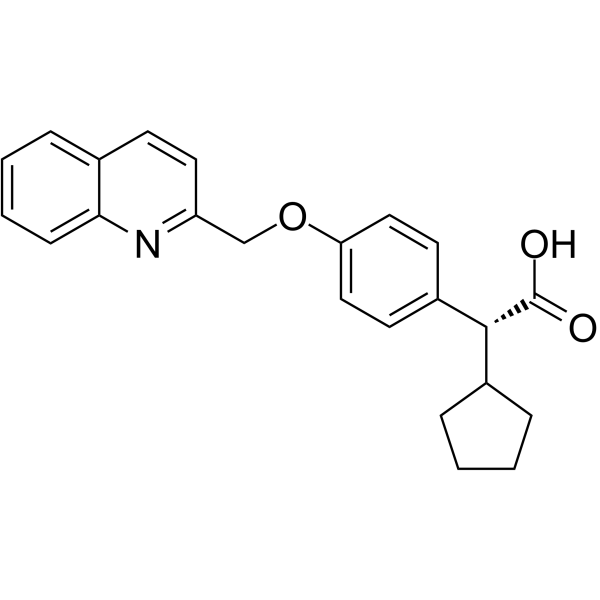 0 ImagesSynonyms: BAY X 1005; DG-031Veliflapon (BAY X 1005; DG-031) is an orally active and selective 5-lipoxygenase activating protein (FLAP) inhibitor. Veliflapon inhibits the synthesis of the leukotrienes B4 and C4.
-
BAY-u 9773
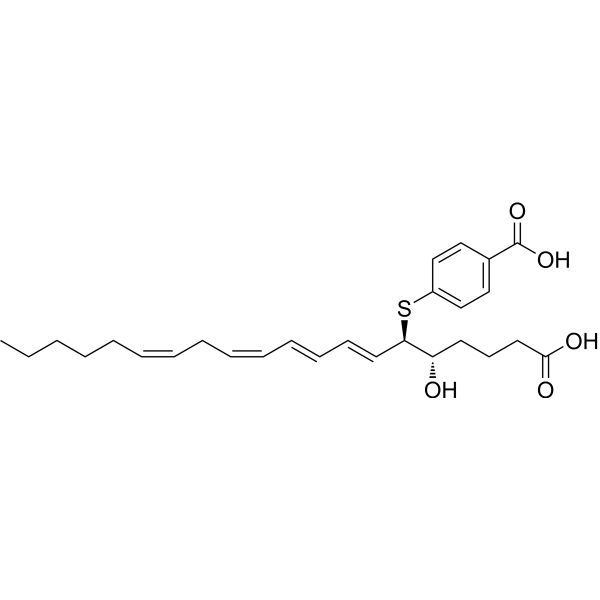 0 ImagesCat. No.: HY-107609CAS No.: 154978-38-8BAY-u 9773 is a selective cysteinyl-leukotriene receptor antagonist. BAY-u 9773 competitively antagonizes cysteinyl-leukotriene-induced contractions at typical and atypical cysteinyl-leukotriene receptors with comparable activity. BAY-u 9773 can be used for the research of trichomoniasis.
-
Nedocromil sodium
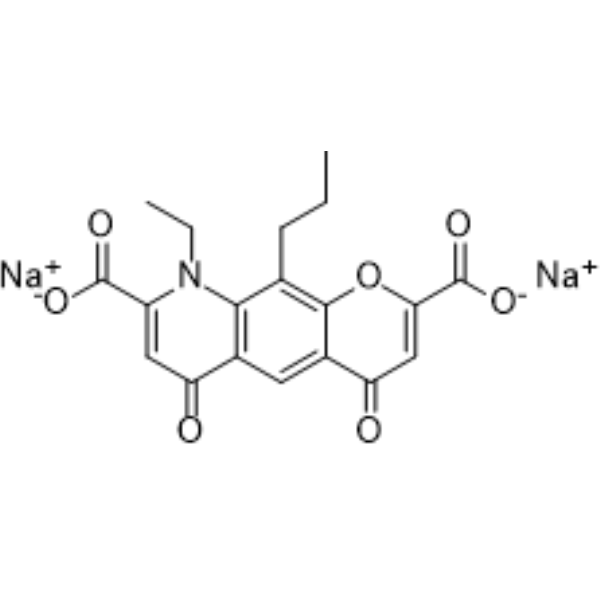 0 ImagesCat. No.: HY-16344CAS No.: 69049-74-7Synonyms: FPL 59002KP; Nedocromil disodium saltNedocromil sodium suppresses the action or formation of multiple mediators, including histamine, leukotriene C4 (LTC4), and prostaglandin D2 (PGD2).
-
(Rac)-HAMI 3379
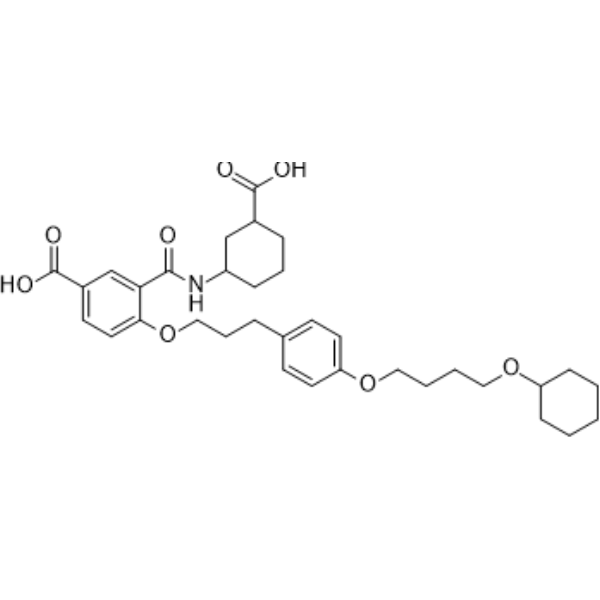 0 ImagesCat. No.: HY-112248CAS No.: 712313-35-4(Rac)-HAMI 3379 is the racemate of HAMI 3379. HAMI 3379 is a potent and selective Cysteinyl leukotriene (CysLT2) receptor antagonist.
-
AS-35
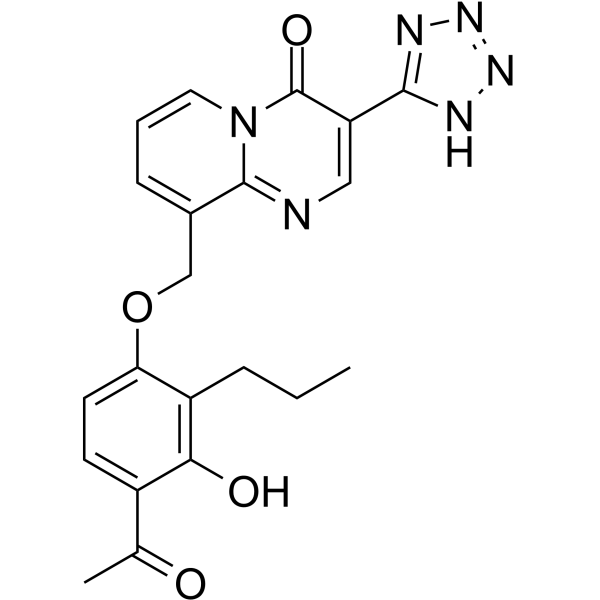 0 ImagesCat. No.: HY-101946CAS No.: 108427-72-1AS-35 is an orally effective, potent and selective antagonist of leukotrienes, antagonizes LTC4-, LTD4 and LTE4-induced contractions of the ileum with IC50 values of 8 nM, 4 nM and 3 nM, respectively, and has antiallergic activities.
-
Quininib
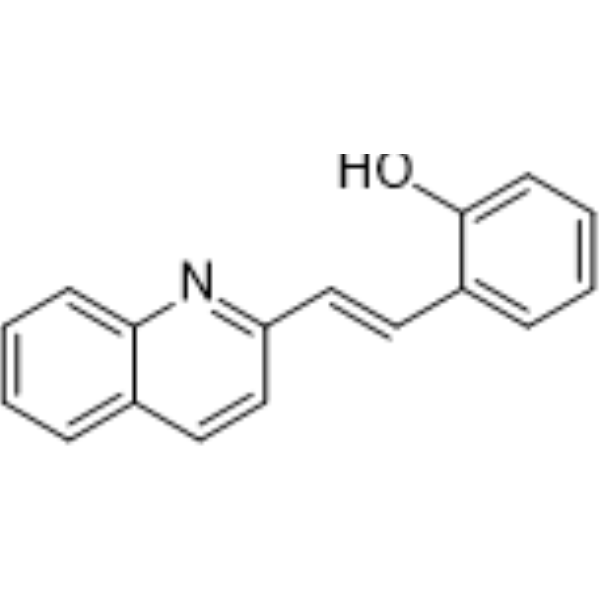 0 ImagesQuininib is a cysteinyl leukotriene 1 and 2 receptor antagonist with IC50s of 1.2 and 52 μM for CysLT1R and CysLT2R, respectively. Quininib is a potent inhibitor of developmental angiogenesis in the zebrafish eye. Quininib can be used for the research of ocular neovascular pathologies and may complement current anti-VEGF biological agents.
-
ONO 2050297
 0 ImagesCat. No.: HY-123816CAS No.: 847655-65-6ONO 2050297 (Compound 19) is a selective Cysteinyl leukotriene (CysLT) antagonist with IC50s of 17 and 0.87 nM for CysLT1 and CysLT2, respectively. ONO 2050297 can be used for bronchial asthma research.
-
2-ARA-LysoPtdEtn
 0 ImagesCat. No.: HY-185709CAS No.: 53847-31-7Synonyms: 1-Lyso-2-arachidonoyl-sn-glycero-3-phosphoethanolamine2-ARA-LysoPtdEtn (1-Lyso-2-arachidonoyl-sn-glycero-3-phosphoethanolamine) is an orally active polyunsaturated acyl lysophosphatidylethanolamine. 2-ARA-LysoPtdEtn diminishes formation of LTC4, LTB4, and 12-HETE. 2-ARA-LysoPtdEtn lowers levels of IL-1β, IL-6, TNF-α, and NO. 2-ARA-LysoPtdEtn augments IL-10 levels and upgrades formation of 15-HETE and LXA4. 2-ARA-LysoPtdEtn can be used for the research of peritonitis.
-
E 6080
 0 ImagesCat. No.: HY-180363CAS No.: 120164-49-0E 6080 is an orally active and selective 5-lipoxygenase (5-LOX) inhibitor with an IC50 of 0.2 μM in rat basophilic leukemia cell. E 6080 shows potent inhibitory effects on the release of leukotrienes. E 6080 inhibits the bronchospasm induced by antigen (ovalbumin) inhalation in sensitized conscious guinea pigs. E 6080 can be used for the study of asthma.
-
CysLT1/2 receptor antagonist-1
 0 ImagesCat. No.: HY-184812CAS No.: 1637756-67-2CysLT1/2 receptor antagonist-1 is a dual CysLT1 and CysLT2 receptor antagonist with IC50 values of 0.044 μM (CysLT1) and 0.17 μM (CysLT2). CysLT1/2 receptor antagonist-1 can be used for the research of bronchial asthma.

- 1
- 2



