



ROR
RAR-related orphan receptor
Retinoic acid receptor-related orphan receptors (RORs) are a subfamily of the thyroid hormone receptor, which is a subfamily of the nuclear receptors and belonging to the orphan nuclear receptor family. The ROR subfamily contains three members: RORα (NR1F1), RORβ (NR1F2), and RORγ (NR1F3) and function as ligand-dependent transcription factors.
RORs are reported to activate transcription through ligand-dependent interactions with co-regulators and are involved in the development of secondary lymphoid tissues, autoimmune diseases, inflammatory diseases, the circadian rhythm, and metabolism homeostasis.
RORα and RORγ are important regulators of the immune system. The development and differentiation of Th17 cells are dependent on these factors. RORγ is expressed in lymphoid tissue inducer cells, innate lymphoid cells, invariant natural killer T cells, and γδ T cells, which contribute to inflammation and autoimmune disease.
ROR Isoform Specific Products
All Product Categories
-
ROR Inhibitors
(59)
View all products
-
ROR Agonists
(29)
View all products
-
ROR Antagonists
(37)
View all products
-
ROR Activators
(2)
View all products
-
ROR Modulators
(8)
View all products
-
ROR Inducer
(1)
View all products
-
ROR Degraders
(2)
View all products
-
ROR Control
(1)
View all products
-
ROR Ligands
(3)
View all products
-
ROR Related Products (148)
Related Products (148)

-
Antibodies (5)
-
ROR Isoform Comparison
-
7ß,27-Dihydroxycholesterol
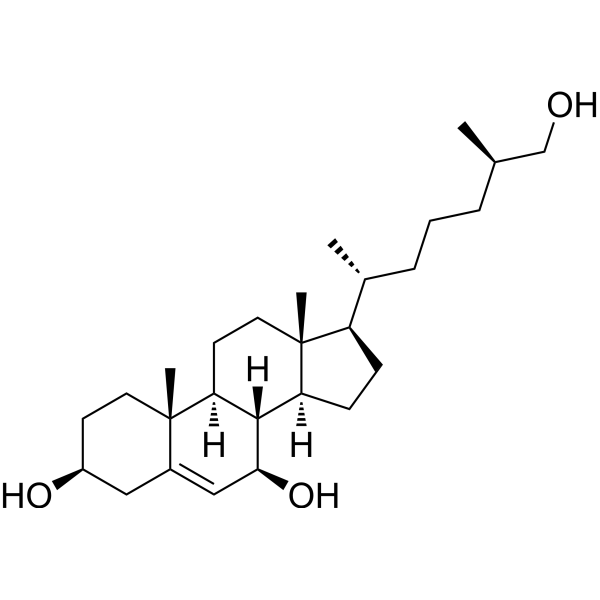 0 ImagesSynonyms: 7β, 27-OHC
-
Strictinin
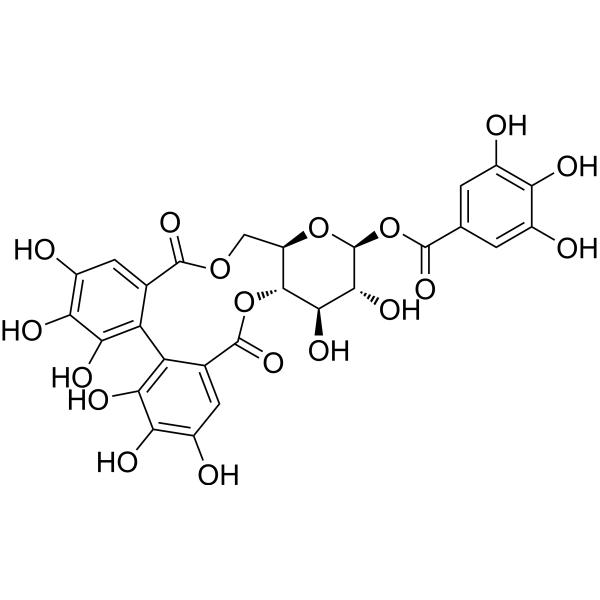 0 ImagesStrictinin is an orally active phenolic compound. Strictinin reduces xanthine oxidase activity, uric acid production, and the activation of ERK1/2, JNK, NF-κB, and NLRP3 inflammasome components in hepatocytes treated with Xanthine (HY-W017389). Strictinin decreases elevated serum uric acid levels and enhanced xanthine oxidase activity in mice treated with potassium oxonate. Strictinin acts as a ROR1 inhibitor and exhibits anticancer activity against highly aggressive non-androgen-dependent prostate cancer. Strictinin induces cancer cell apoptosis (apoptosis), arrests cell cycle, and inhibits cancer cell migration, invasion, and epithelial-mesenchymal transition. Strictinin modulates gut microbiota, inhibits bacterial growth and biofilm formation, accelerates small intestinal transit, and blocks viral entry and replication. Strictinin can be used in research related to hyperuricemia, androgen receptor-negative non-androgen-dependent prostate cancer, triple-negative breast cancer, bacterial infections, constipation, coronavirus infections, dental caries, and infections caused by influenza A, influenza B, and human parainfluenza virus type 1.
-
JTE-151
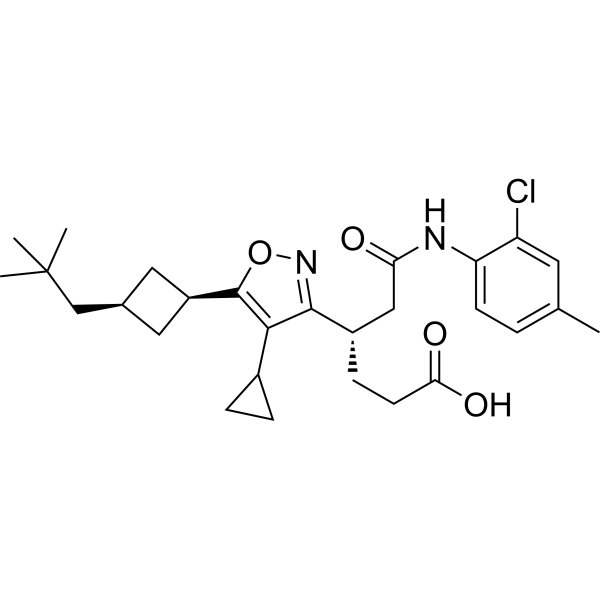 0 ImagesJTE-151 is an orally active, selective RORγ antagonist with IC50 values of 20.6 nM, 41.8 nM and 32.2 nM against hRORγ, rRORγ and mRORγ, respectively. JTE-151 reduces the production of IL-17. JTE-151 alleviates paw swelling and bone destruction in arthritis models. JTE-151 can be used in research related to rheumatoid arthritis, collagen-induced arthritis, experimental autoimmune encephalomyelitis, psoriasis, multiple sclerosis and inflammatory bowel disease.
-
Cedirogant
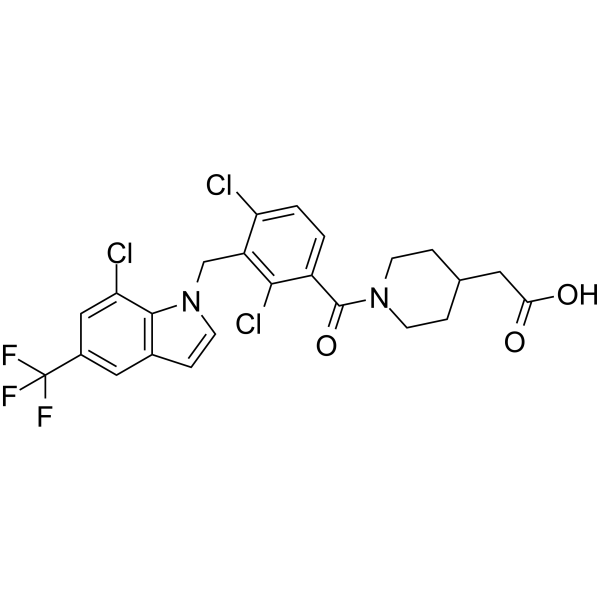 0 ImagesSynonyms: ABBV-157Cedirogant (ABBV-157) is an orally active RORγt inverse agonist. Cedirogant can be used for psoriasis research.
-
RORγt inverse agonist 13
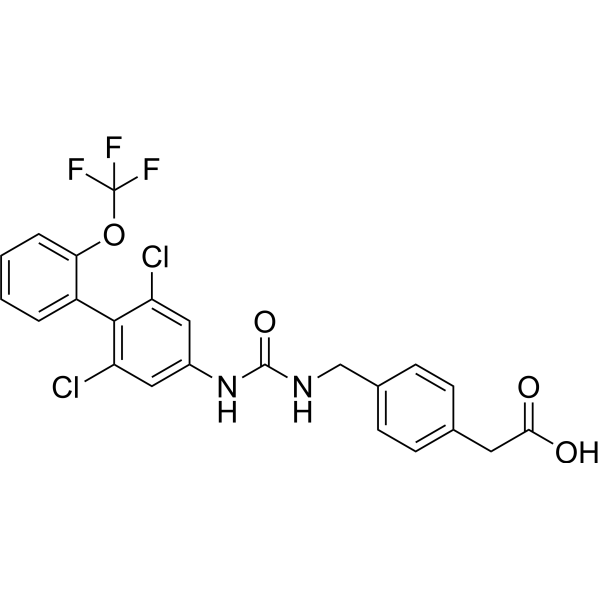 0 ImagesRORγt inverse agonist 13 (Compound 3i) is a potent, orally active and selective RORγt inverse agonist, with improved agent-like properties, with an IC50 of 63.8 nM.
-
SR1555
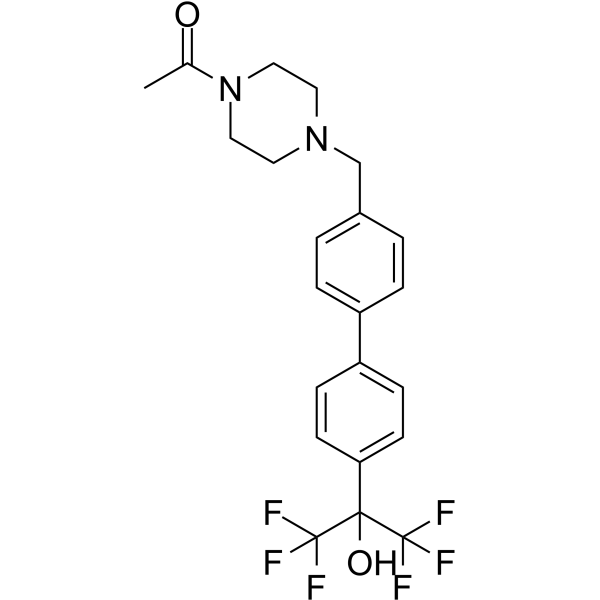 0 ImagesSR1555 is a specific retinoic acid receptor-related orphan nuclear receptor γ (RORγ) inverse agonist with an IC50 value of 1 μM. SR1555 not only inhibits TH17 cell development and function but also increases the frequency of T regulatory cells, as well as inhibits the expression of IL-17. SR1555 can be used for researching autoimmune diseases.
-
GNE-3500
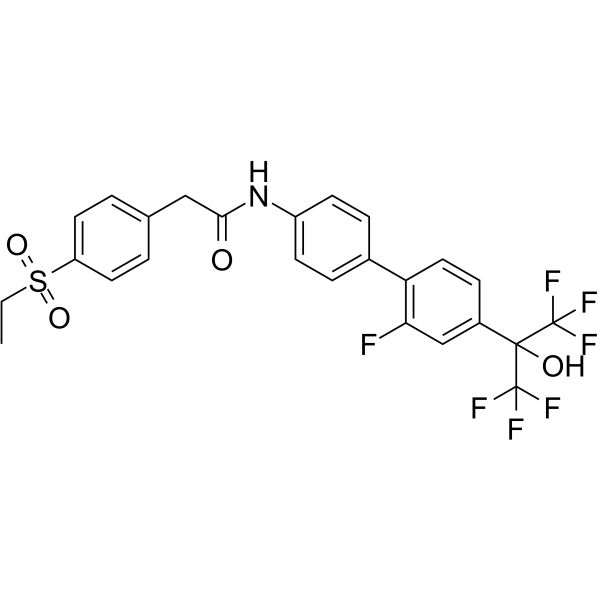
 0 ImagesGNE-3500 is a selective, orally active antagonist for Retinoic Acid Receptor-Related Orphan Receptor C (RORc, also known as RORγ or NR1F3) with an EC50 of 12 nM. GNE-3500 exhibits good pharmacokinetic characteristics in rats.
-
Vimirogant hydrochloride
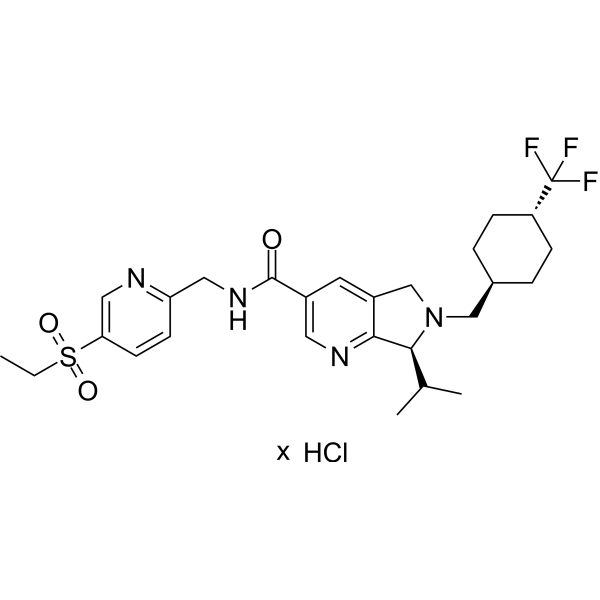 0 ImagesSynonyms: VTP-43742 hydrochlorideVimirogant (VTP-43742) hydrochloride is a potent, selective, and orally active RORγt inhibitor (Ki=3.5 nM; IC50=17 nM). Vimirogant hydrochloride exhibits >1000-fold selectivity versus the RORα and RORβ isotypes. Vimirogant hydrochloride inhibits Th17 differentiation and IL-17A secretion from mouse splenocytes (IC50=57 nM) without affecting Th1, Th2, or Treg cell differentiation. Vimirogant hydrochloride has the potential for autoimmune disorders research.
-
RORγt Inverse agonist 10
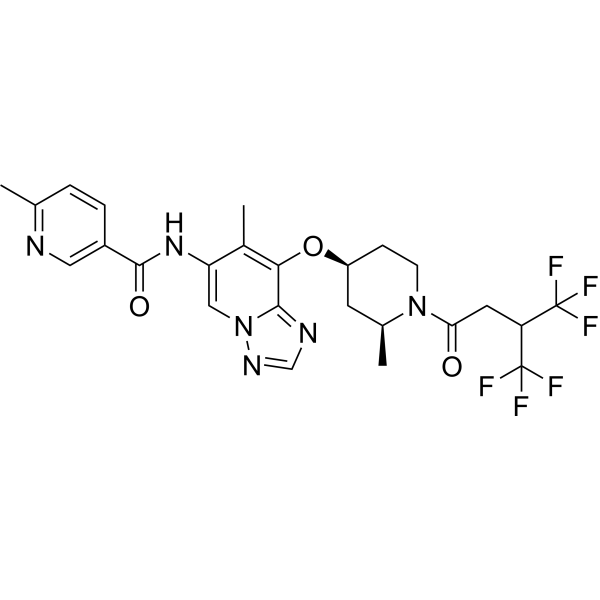 0 ImagesRORγt Inverse agonist 10 is a potent and orally bioavailable RORγt (retinoic acid receptor-related orphan nuclear receptor gamma t) inverse agonist, with an IC50 of 51 nM. RORγt is a major transcription factor of genes related to psoriasis pathogenesis such as IL-17A, IL-22, and IL-23R
-
S18-000003
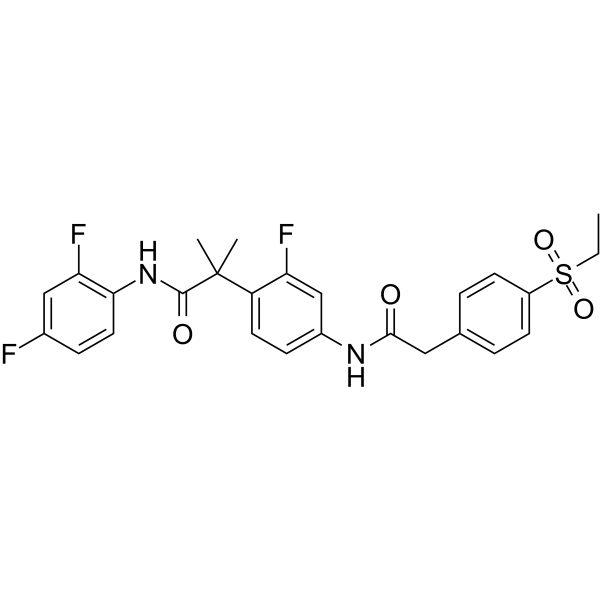 0 ImagesS18-000003 is a potent, selective and orally active inhibitor of retinoic acid receptor-related orphan receptor-gamma-t (RORγt), with an IC50 of <30 nM towards human RORγt in competitive binding assays. S18-000003 shows selectivity for RORγt over other ROR family members (IC50>10 μM). S18-000003 can be used for the research of psoriasis with low risk of thymic aberrations.
-
RORγt inverse agonist 23
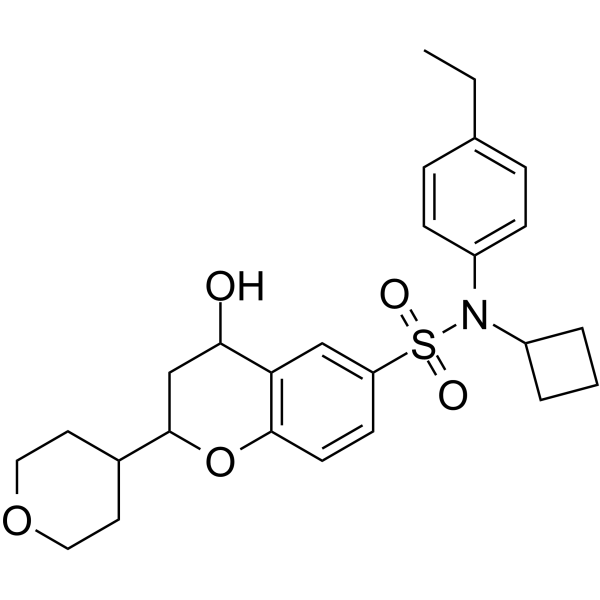 0 ImagesRORγt inverse agonist 23 is a potent, selective, and orally available novel retinoic acid receptor-related orphan receptor γt inverse agonist.
-
RORγt agonist 3
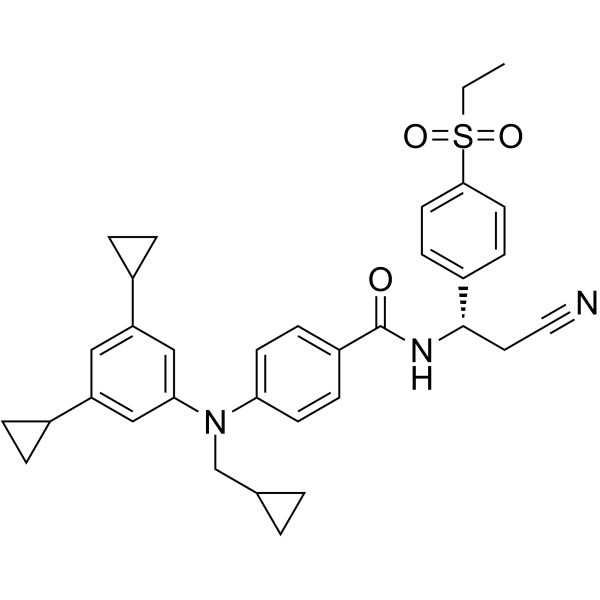 0 ImagesRORγt agonist 3 is a potent agonist of RORγt. RORγt agonist 3 promotes the differentiation of Th17 cells and enhances the levels of pro-inflammatory cytokines, thereby increasing the cytotoxicity of lymphocytes. RORγt agonist 3 inhibits the production of regulatory T cells, which suppresses the immune response (extracted from patent WO2021136326A1, compound 23).
-
RORC Human Pre-designed siRNA Set A
 0 ImagesCat. No.: HY-RS12132
RORC Human Pre-designed siRNA Set A contains three designed siRNAs for RORC gene (Human), as well as a negative control, a positive control, and a FAM-labeled negative control.
-
Hexyl 4-hydroxybenzoate
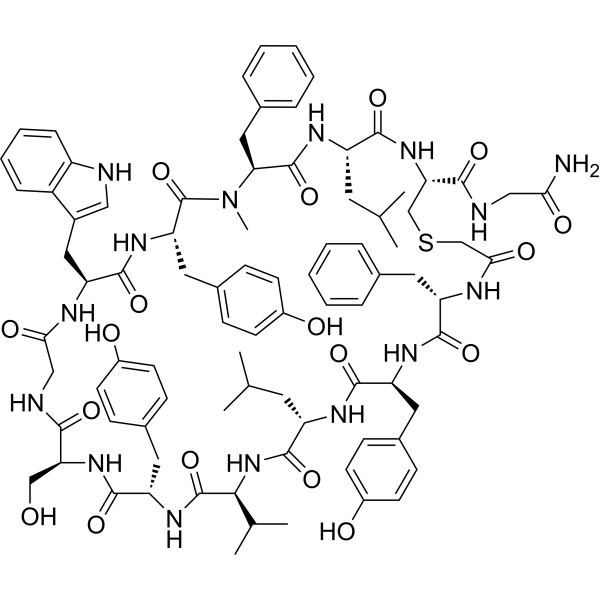
 0 ImagesSynonyms: HexylparabenHexyl 4-hydroxybenzoate (Hexylparaben) is a retinoic acid-related orphan receptor RORγ(t) agonist with an EC50 of 144 nM. Hexyl 4-hydroxybenzoate is used in the study of autoimmune diseases.
-
Desethyl-SID 7969543
 0 ImagesCat. No.: HY-402601Purity: 98.83%Desethyl-SID 7969543 is an isoquinolinone analog of SID 7969543 (HY-107404) and a selective SF-1 (NR5A1) inhibitor. Desethyl-SID 7969543 shows no activity against RORA, VP16 and LRH-1, and exhibits no cytotoxicity at concentrations close to its SF-1 IC50 value.
-
BMS-986251
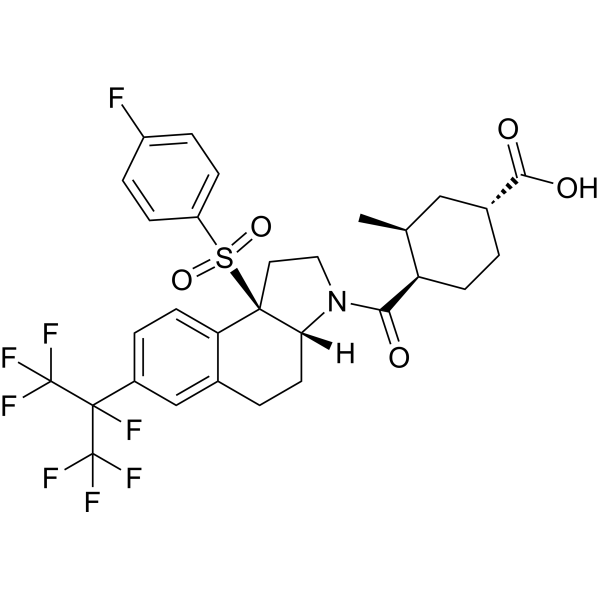 0 ImagesCat. No.: HY-136527CAS No.: 2460133-35-9BMS-986251 is an orally active and selective RORγt inverse agonist with an EC50 of 12 nM for RORγt GAL4. BMS-986251 inhibits IL-17 with an EC50 of 24 nM in human whole blood assay. BMS-986251 demonstrates robust efficacy in mouse acanthosis and Imiquimod-induced (HY-B0180) models (preclinical models of psoriasis).
-
RORγt inhibitor 1
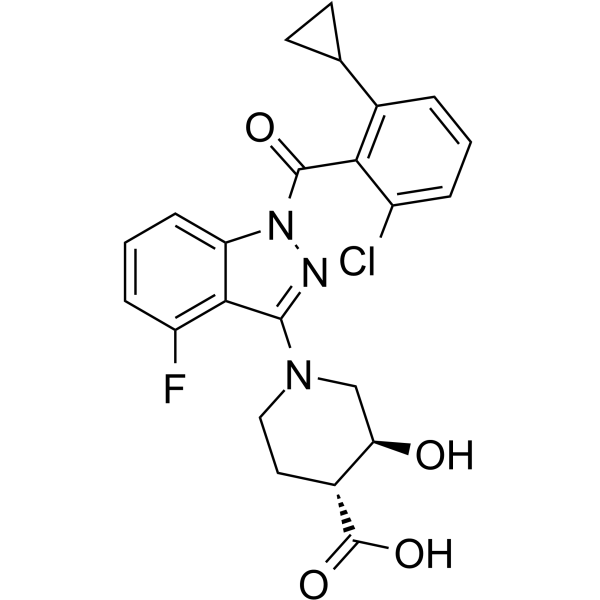 0 ImagesCat. No.: HY-142296CAS No.: 1561770-72-6RORγt inhibitor 1 is a RORγt allosteric inhibitor with an IC50 value of 1 nM.
-
W6134
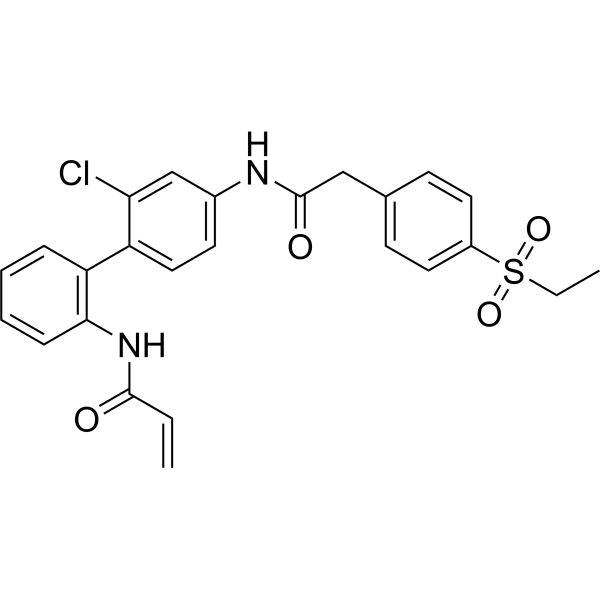 0 ImagesW6134 is highly potent and selective RORγ covalent inhibitor with an IC50 of 0.21 μM. W6134 exhibits excellent selectivity for RORγ over RORα, RXRγ, and ERRγ. W6134 significantly inhibits RORγ transcriptional activity W6134 inhibits the proliferation and colony formation and induces apoptosis in castration-resistant prostate cancer cells (CRPC). W6134 can be used for the research of castration-resistant prostate cancers (CRPC).




