



ROR Agonist
- 1
- 2
-
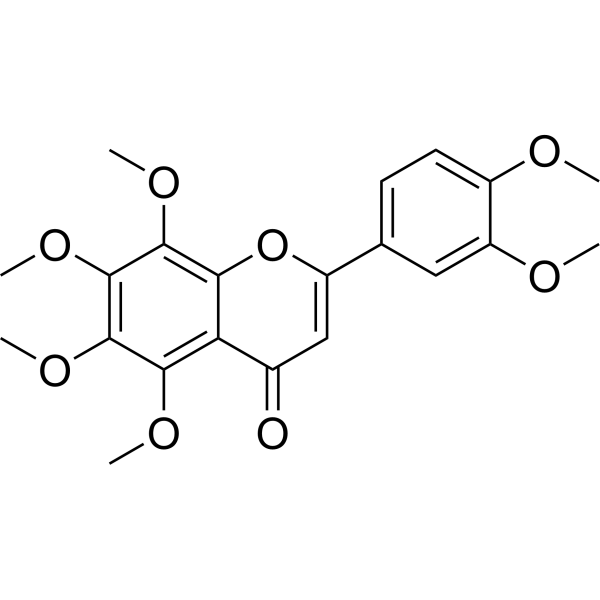
Nobiletin
 0 Images
Nobiletin is a poly-methoxylated flavone from the citrus peel that improves memory loss. Nobiletin is a retinoid acid receptor-related orphan receptors (RORs) agonist. Nobiletin can reduce reactive oxygen species (ROS) levels in differentiated C2C12 myotubes and has anti-inflammation and anti-cancer properties, including anti-angiogenesis, anti-proliferation, anti-metastasis and induced apoptosis.
-
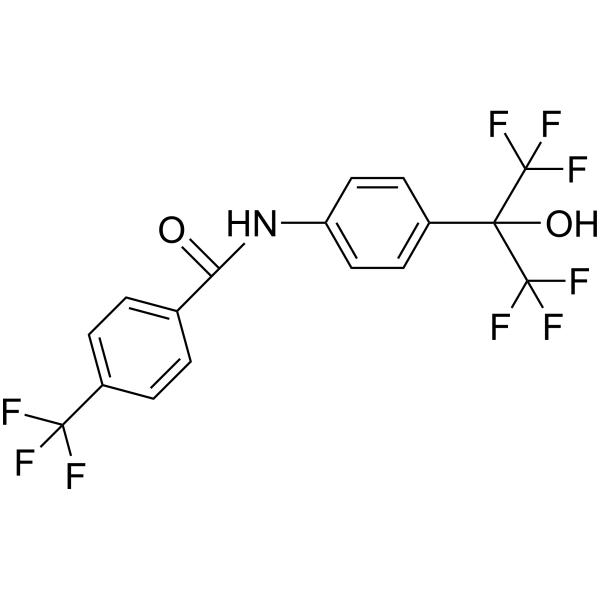
SR1078
 0 Images
SR1078 is a selective agonist of retinoic acid receptor-related orphan receptor α/γ (RORα/RORγ). SR1078 directly binds to the ligand binding domain of RORα and RORγ and increases the transcriptional activity of these receptors, leading to stimulation of RORα/γ target gene transcription.
-
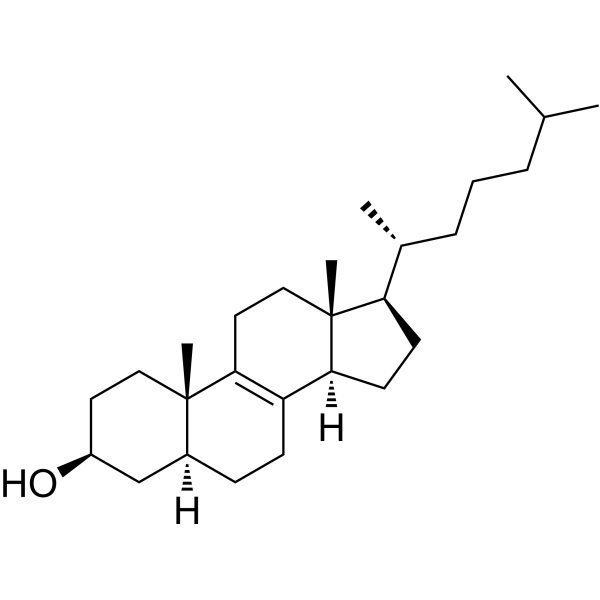
Zymostenol
 0 Images
Zymostenol (5a-Cholest-8-en-3b-ol) is a late-stage precursor in the biosynthesis of cholesterol. Zymostenol is a RORγ agonist (EC50: 1 μM).
-
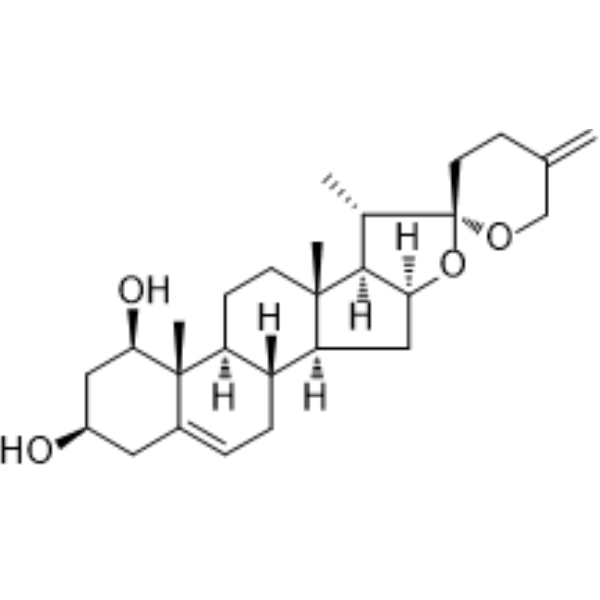
Cintirorgon
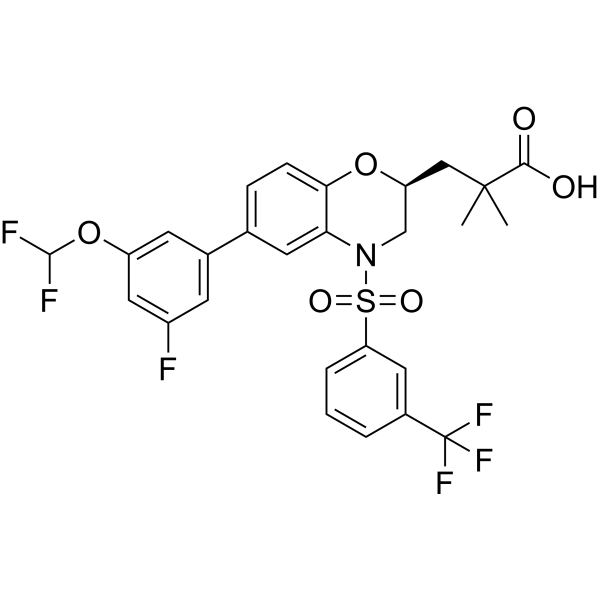 0 ImagesSynonyms: LYC-55716
Cintirorgon (LYC-55716) is a first-in-class, selective and orally bioavailable RORγ agonist. Cintirorgon (LYC-55716) modulates gene expression of RORγ expressing T lymphocyte immune cells, resulting in enhanced effector function, as well as decreased immunosuppression, resulting in decreased tumor growth, and improved survival.
-
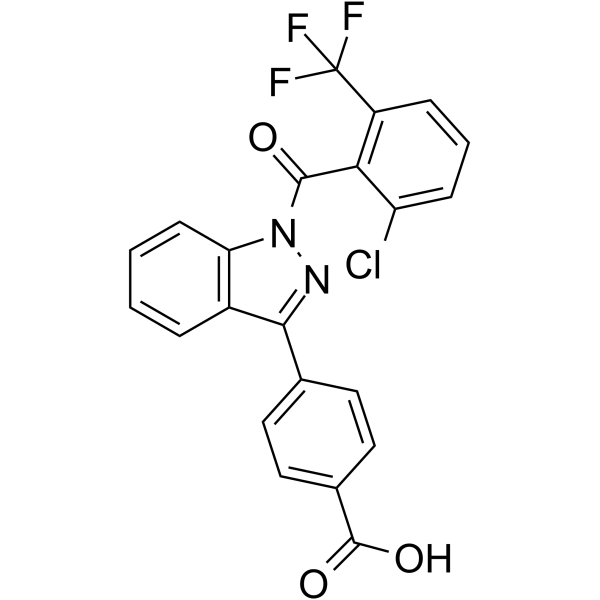
MRL-871
 0 Images
MRL-871 (compound 3) is a potent and allosteric retinoic acid receptor-related orphan receptor γt (RORγt) inverse agonists with an IC50 of 12.7 nM. MRL-871 has a distinct isoxazole chemotype and effectively reduces IL-17a mRNA production in EL4 cells.
-
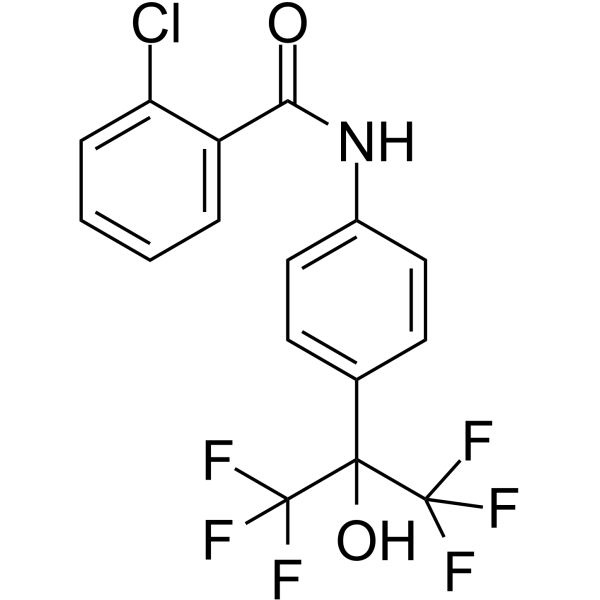
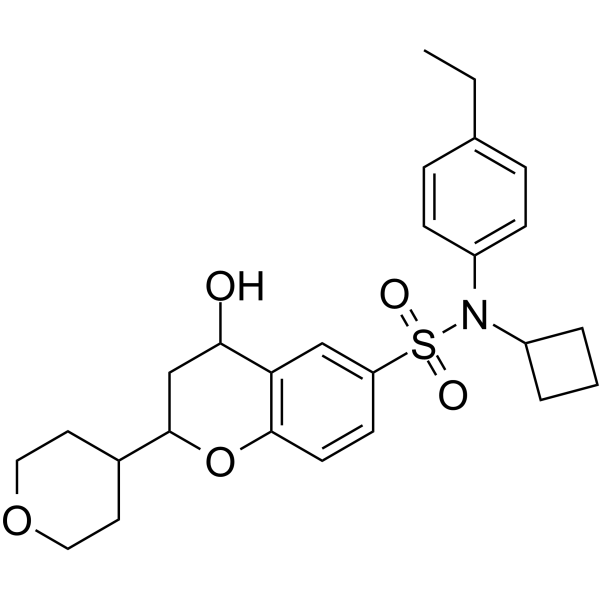
RORγt inverse agonist 23
 0 Images
RORγt inverse agonist 23 is a potent, selective, and orally available novel retinoic acid receptor-related orphan receptor γt inverse agonist.
-
RORγt agonist 3
 0 Images
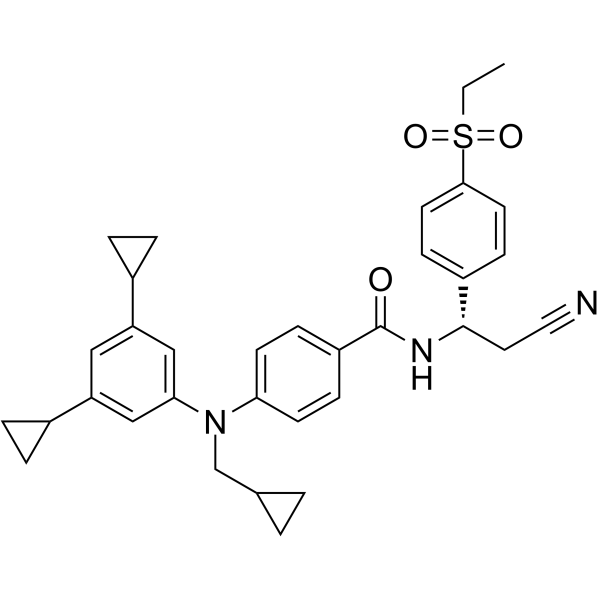
RORγt agonist 3 is a potent agonist of RORγt. RORγt agonist 3 promotes the differentiation of Th17 cells and enhances the levels of pro-inflammatory cytokines, thereby increasing the cytotoxicity of lymphocytes. RORγt agonist 3 inhibits the production of regulatory T cells, which suppresses the immune response (extracted from patent WO2021136326A1, compound 23).
-
Hexyl 4-hydroxybenzoate
 0 ImagesSynonyms: Hexylparaben
Hexyl 4-hydroxybenzoate (Hexylparaben) is a retinoic acid-related orphan receptor RORγ(t) agonist with an EC50 of 144 nM. Hexyl 4-hydroxybenzoate is used in the study of autoimmune diseases.
-
RORγt agonist 1
 0 ImagesCat. No.: HY-126321CAS No.: 2377378-89-5
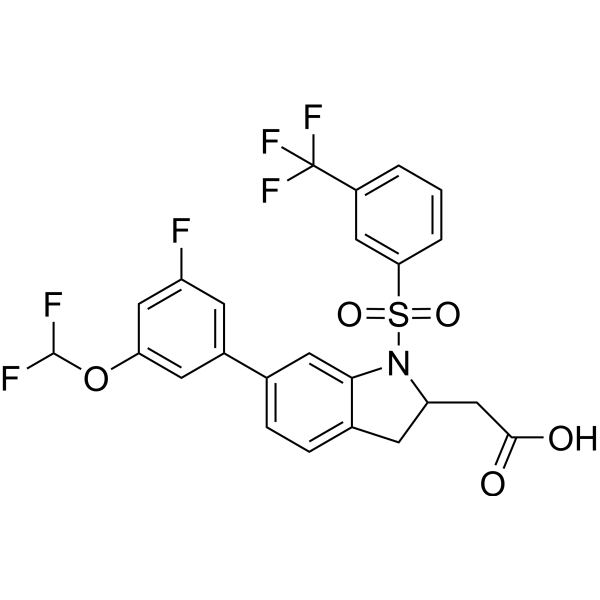
RORγt agonist 1 (compound 14) is a potent, orally bioavailable RORγt agonist with an EC50 of 20.8 nM. RORγt agonist 1 showes high metabolic stability, improved aqueous solubility and excellent mouse PK profile. RORγt agonist 1 is a potential candidate of RORγt agonist for cancer immunotherapy.
-
RORγ agonist 1
 0 ImagesCat. No.: HY-132900CAS No.: 2260631-91-0
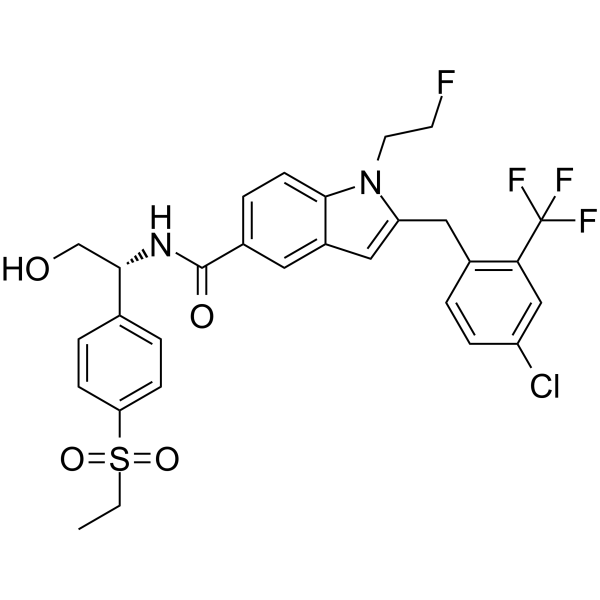
RORγ agonist 1 is a potent and orally bioavailable RORγ agonist (EC50 = 21 nM) with antitumor activity.
-
ARN-6039
 0 ImagesCat. No.: HY-115777CAS No.: 1675206-11-7
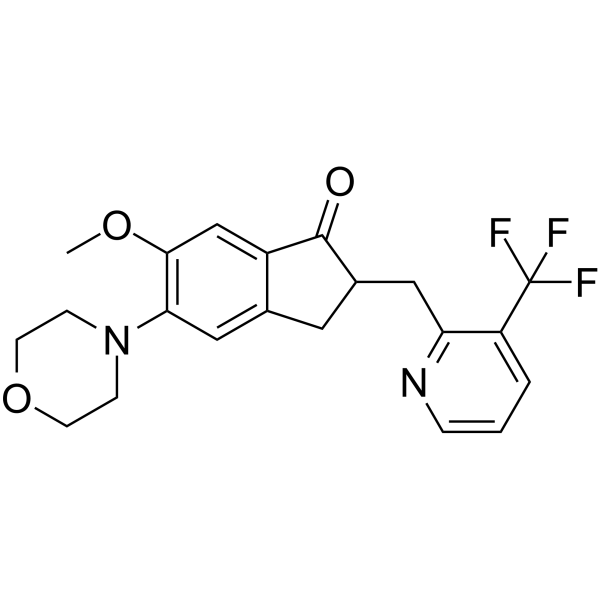
ARN-6039 is an orally available inverse agonist of RORγ for autoimmune demyelinating disease.
-
RORγt inverse agonist 35
 0 ImagesCat. No.: HY-176273
RORγt inverse agonist 35 (Compound 22) is a RORγt inverse agonist with an IC50 of 1.51 μM. RORγt inverse agonist 35 significantly inhibits Th17 differentiation and proinflammatory properties in human CD4+ T cells. RORγt inverse agonist 35 can be used for research of Th17-driven autoimmune diseases, such as psoriasis, multiple sclerosis, and inflammatory bowel disease (IBD).

-
RORγt agonist 2
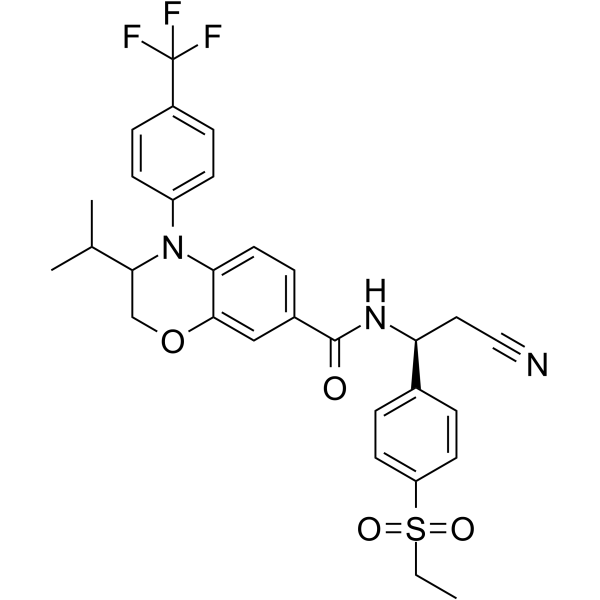 0 ImagesCat. No.: HY-142937CAS No.: 2663787-92-4
RORγt agonist 2 is a potent agonist of RORγt. RORγt agonist 2 promotes the differentiation of Th17 cells and enhances the levels of pro-inflammatory cytokines, thereby increasing the cytotoxicity of lymphocytes. RORγt agonist 2 inhibits the production of regulatory T cells, which suppresses the immune response (extracted from patent WO2021136339A1, compound 17).
-
RS-2982
 0 Images
RS-2982 is a retinoic acid receptor-related orphan receptor A (RORA) agonist. RS-2982 enhances the promoter activity of MIR122 via the RORA binding site, and promotes the expression and secretion of MIR122. RS-2982 reduces the expression of hepatic triglyceride biosynthetic enzymes, hepatic lipotoxicity, hepatic fibrosis and body weight in diet-fed mice, while improving insulin resistance. RS-2982 can be used in the research of non-alcoholic steatohepatitis.
-
XY039
 0 ImagesCat. No.: HY-163611CAS No.: 2118967-75-0
-
AZ-5104 (GMP)
 0 ImagesCat. No.: HY-B0793GCAS No.: 1421373-98-9
AZ-5104 GMP is a GMP-grade form of AZ-5104 (HY-B0793). AZ-5104 is an orally active RORγ receptor-active compound, and also a circulating metabolite of AZD9291. AZ-5104 inhibits sensitizing EGFR mutants, EGFRT790M drug-resistant EGFR mutants and wild-type EGFR, while showing no activity against the IGF-1R family. AZ-5104 can be used in the research of non-small cell lung cancer.
-
RORγ agonist 2
 0 ImagesCat. No.: HY-175361
RORγ agonist 2 (Compound 34) is a selective RORγ agonist with an EC50 of 0.03 μM for hRORγ. RORγ agonist 2 significantly inhibits tumors growth in syngeneic MC38 tumor mice model.
- 1
- 2



