



GCGR
Glucagon Receptor
GCGR (glucagon receptor) is in the G protein-coupled receptor family, that is important in controlling blood glucose levels. The glucagon receptor is a 62 kDa protein that is activated by glucagon and is a member of the class B G-protein coupled family of receptors, coupled to G alpha i, Gs and to a lesser extent G alpha q. Stimulation of the receptor results in activation of adenylate cyclase and increased levels of intracellular cAMP. In humans, the glucagon receptor is encoded by the GCGR gene. Glucagon receptors are mainly expressed in liver and in kidney with lesser amounts found in heart, adipose tissue, spleen, thymus, adrenal glands, pancreas, cerebral cortex, and gastrointestinal tract.
All Product Categories
-
GCGR Related Products (198)
Related Products (198)

-
Recombinant Proteins (15)
-
Antibodies (3)

-
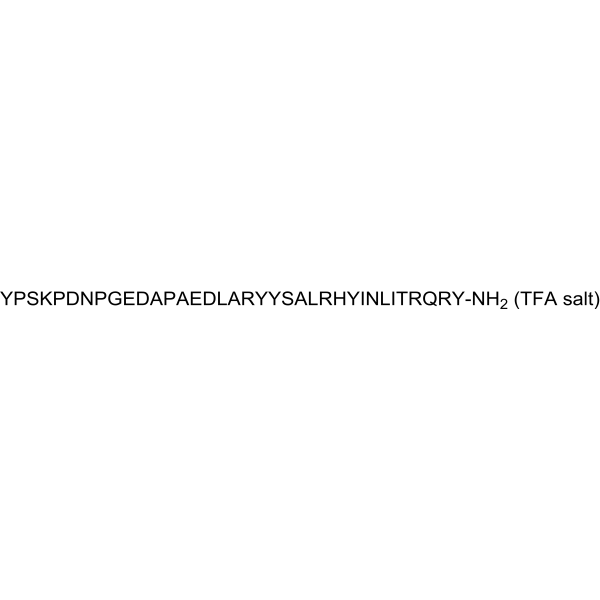
GLP-1R agonist 7
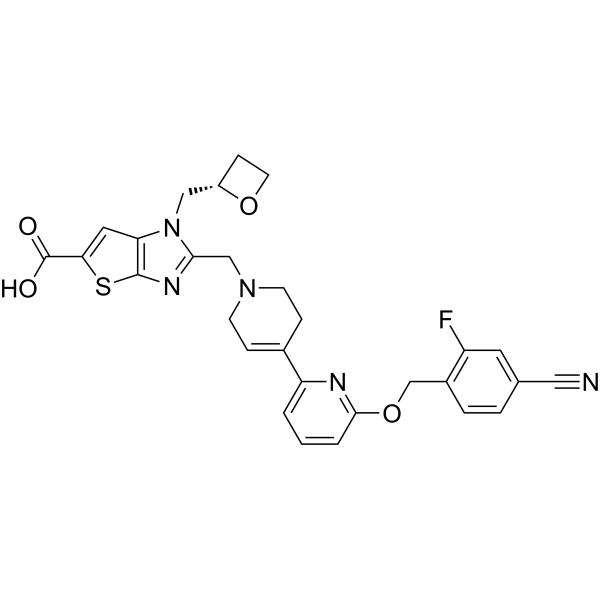 0 ImagesCat. No.: HY-144135CAS No.: 2749608-65-7GLP-1R agonist 7 is a potent GLP-1R agonist with an EC50 of 0.67 µM (WO2021244645A1, compound WXA001).
-
Des His1, Glu8 Exendin-4
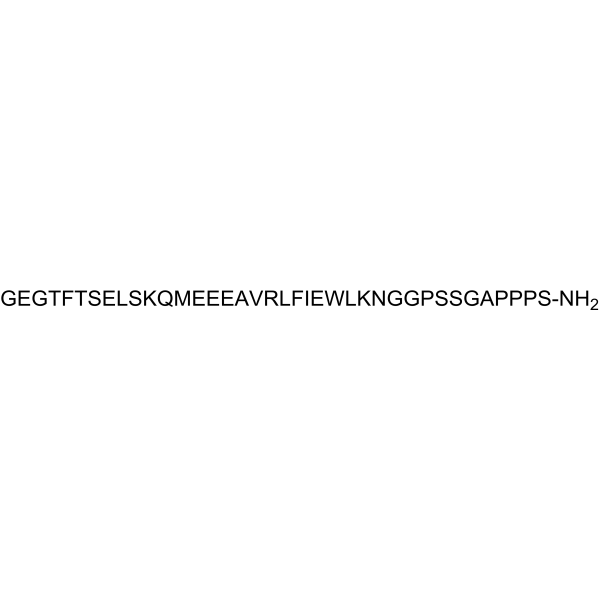 0 ImagesCat. No.: HY-P3542Des His1, Glu8 Exendin-4 is a potent glucagon-like peptide-1 receptor (GLP-1-R) antagonist. Des His1, Glu8 Exendin-4 improves glucose homeostasis by regulating both insulin secretion and glucose production. Des His1, Glu8 Exendin-4 can be used for the research of type 2 diabetic and gastrointestinal.
-
FC382K10W15 TFA
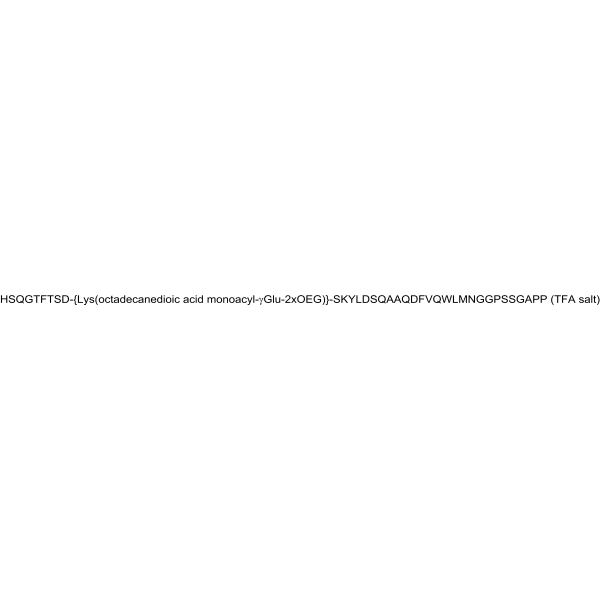 0 ImagesCat. No.: HY-P5161AFC382K10W15 TFA is a glucagon analogue and GLP-1R/GCGR agonist. FC382K10W15 TFA can be used in type 2 diabetes research.
-
Exendin-4 (3-39)
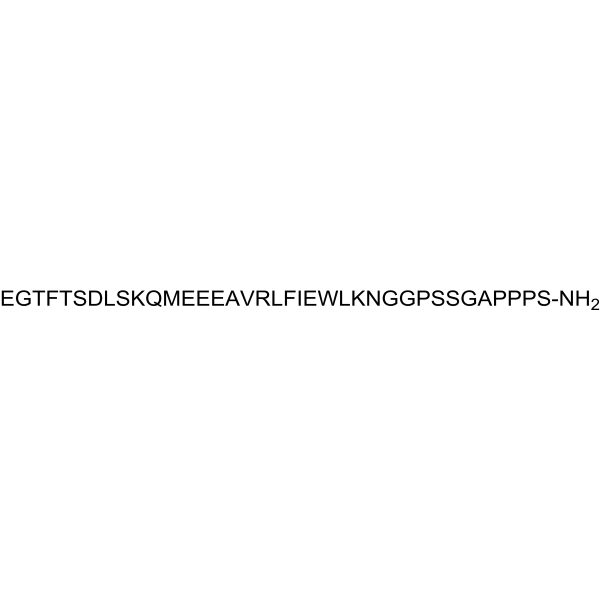 0 ImagesCat. No.: HY-P3539CAS No.: 196109-31-6Exendin-4 (3-39) is a peptide. Exendin-4 (3-39) is a truncated form of Exendin-4 (HY-13443) that lacks the first two amino acids. Exendin-4 is a potent Glucagon-like peptide-1 receptor (GLP-1r) agonist. Exendin-4 (3-39) and Exendin-4 can be used for the research of diabetic and hypothalamic-pituitary-adrenal (HPA) axis.
-
(D-His1)-Exenatide
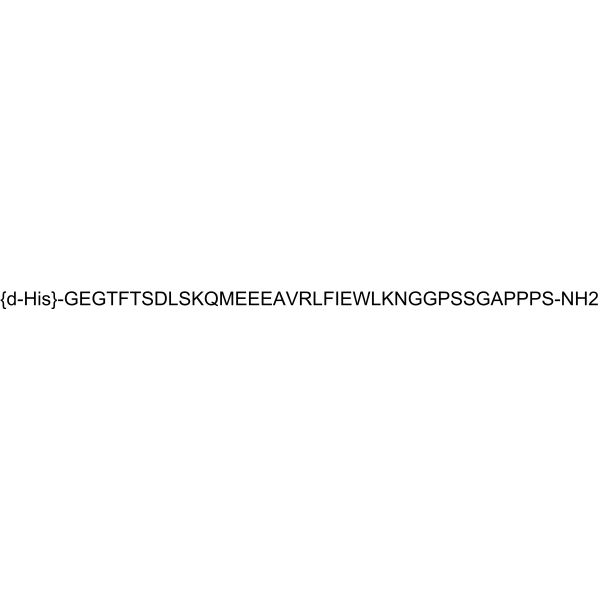 0 ImagesCat. No.: HY-P4503CAS No.: 1678417-09-8(D-His1)-Exenatide is one od impurities of Exenatide.
-
Retatrutide, Phe22(13C9,15N) TFA
 0 ImagesCat. No.: HY-P3506S1Synonyms: LY3437943, Phe22(13C9,15N) TFARetatrutide, Phe22(13C9,15N) (LY3437943, Phe22(13C9,15N) TFA is the 13C, 15N-labeled Retatrutide (HY-P3506). Retatrutide (LY3437943) is a triple agonist peptide of the glucagon receptor (GCGR), glucosedependent insulinotropic polypeptide receptor (GIPR), and glucagon-like peptide-1 receptor (GLP-1R). Retatrutide binds human GCGR, GIPR, and GLP-1R with EC50 values of 5.79, 0.0643 and 0.775 nM, respectively. Retatrutide can be used for the research of obesity.
-
Anti-Glucagon Antibody
 0 ImagesCat. No.: HY-P992006
-
Glybuzole
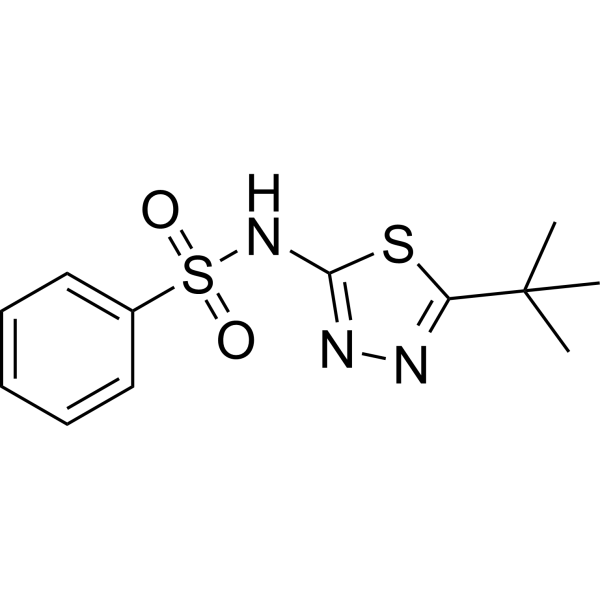 0 ImagesGlybuzole (Desaglybuzole) is an orally effective hypoglycemic agent. Glybuzole promotes insulin secretion by pancreatic β cells and inhibits glucagon secretion by pancreatic α cells. Glybuzole reduces blood glucose levels as well as arginine-stimulated plasma glucagon levels. Glybuzole can be used in diabetes-related research.
-
GLP-1R agonist 6
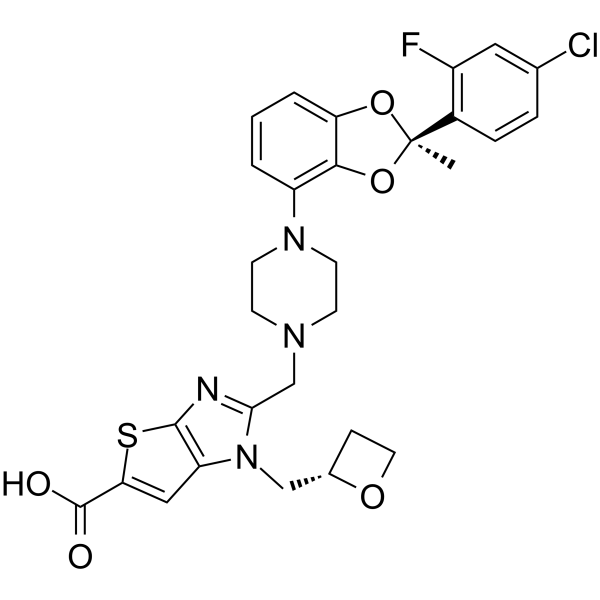 0 ImagesCat. No.: HY-144134CAS No.: 2755653-78-0GLP-1R agonist 6 is a potent GLP-1R agonist with an EC50 of 0.15 nM for human GLP-1R (WO2021249492A1, compound 005A or 005B).
-
Retatrutide (crude)
 0 ImagesCat. No.: HY-P3506CPCAS No.: 2381089-83-2Synonyms: LY3437943 (crude)Retatrutide (LY3437943) (crude) is the crude form of Retatrutide (HY-P3506). Retatrutide is a triple agonist peptide of the glucagon receptor (GCGR), glucosedependent insulinotropic polypeptide receptor (GIPR), and glucagon-like peptide-1 receptor (GLP-1R). Retatrutide binds human GCGR, GIPR, and GLP-1R with EC50 values of 5.79, 0.0643 and 0.775 nM, respectively. Retatrutide can be used for the research of obesity.
-
MK-3577
 0 ImagesCat. No.: HY-107129CAS No.: 1019112-29-8MK-3577 is an orally effective glucagon receptor (GCGR) antagonist that reduces hepatic glucose production and lowers blood glucose levels by blocking glucagon receptors on target organs, primarily the liver. Pharmacokinetic analysis in domestic cats indicates that MK-3577 reaches peak levels 3 to 4 hours after oral administration, with a half-life of approximately 15 hours. MK-3577 can be used in diabetes research.
-
Glucagon receptor antagonist-8
 0 ImagesCat. No.: HY-177156CAS No.: 208182-31-4Glucagon receptor antagonist-8 (Compound 1) is a human glucagon receptor and p38 mitogen-activated protein (MAP) kinase antagonist, with IC50s of 0.27 μM and 0.16 μM, respectively.
-
GLP-2(3-33) (Leu-13C6,15NN) TFA
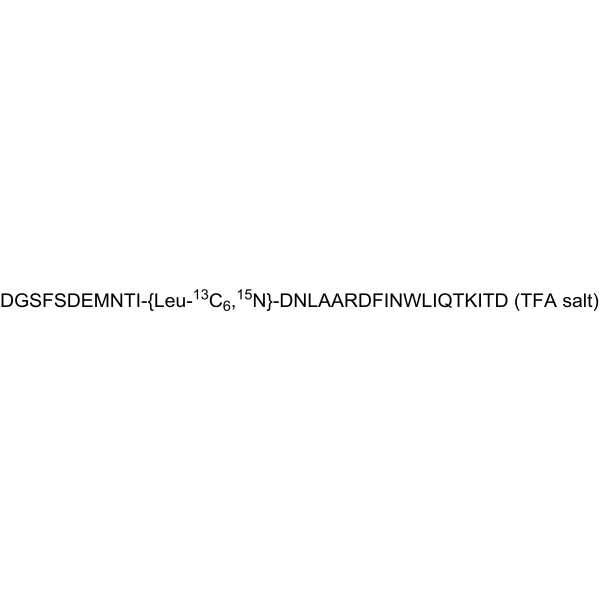 0 ImagesCat. No.: HY-P2625S1GLP-2(3-33) (Leu-13C6,15N) TFA is 13C and 15N labeled GLP-2(3-33) (HY-P2625). GLP-2(3-33), generated naturally by dipeptidylpeptidase IV (DPPIV), acts as a partial agonist on GLP-2 receptor (EC50=5.8 nM).
-
ISIS 449884
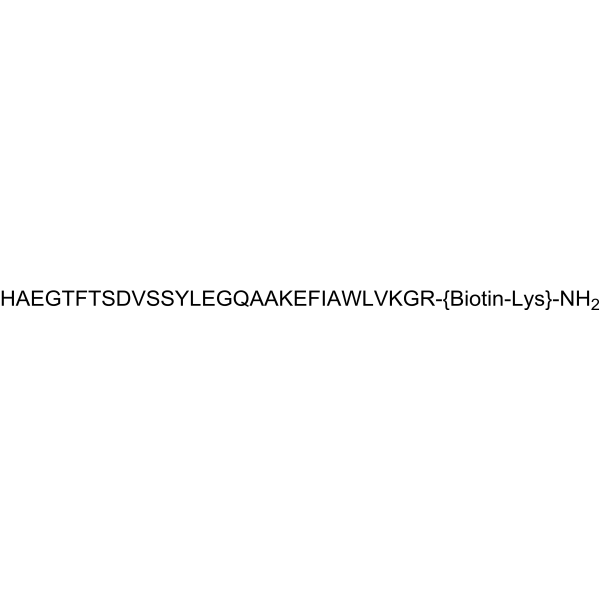
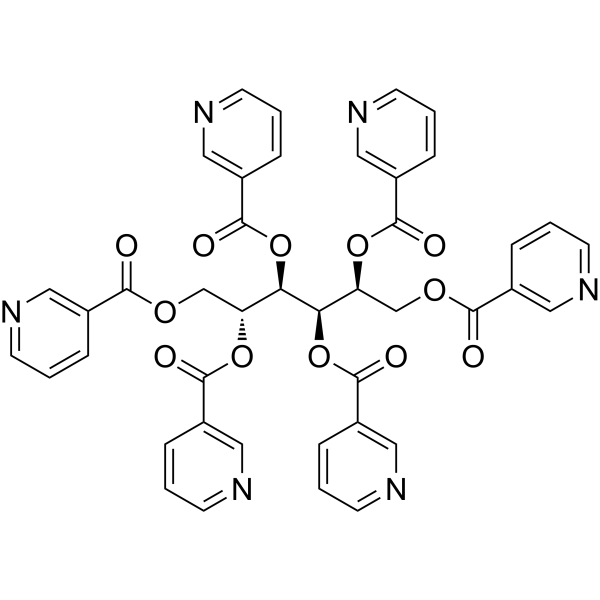
 0 ImagesCat. No.: HY-159696CAS No.: 1428588-67-3ISIS 449884 is a 2'-O-methoxyethyl antisense oligonucleotide that targets GCGR. ISIS 449884 has an ability to reduce hepatic glucose output and lower the blood glucose level. ISIS 449884 can be used for the study of type 2 diabetes mellitus (T2DM).
-
PHI-27 (porcine)
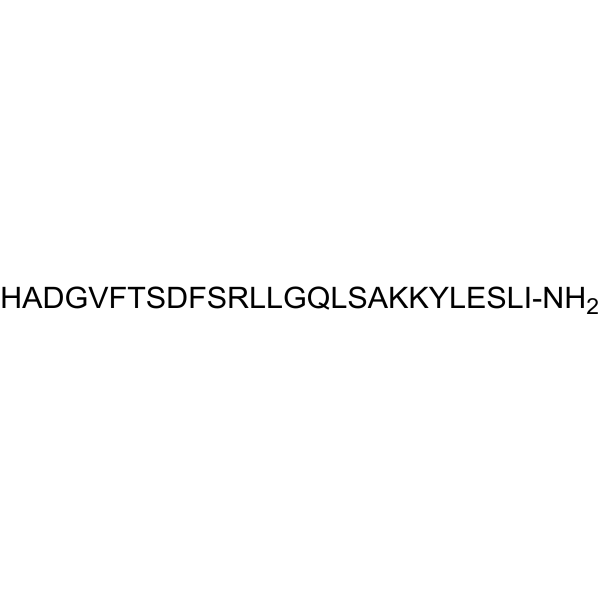 0 ImagesCat. No.: HY-P2880CAS No.: 80458-29-3
-
GLP-1 receptor agonist 3
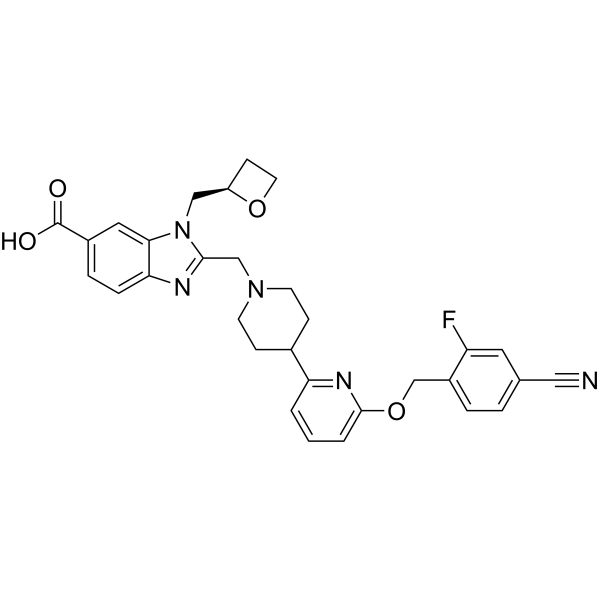 0 ImagesCat. No.: HY-129656CAS No.: 2230200-09-4GLP-1 receptor agonist 3 (compound (R)-4A-1) is a GLP-1 receptor agonist (WO2018109607A1), used for diabetes research. compound (S)-4A-1 shows EC50s of 1.1 nM and 13 nM in Clone H6 and Clone C6 cell lines assay, respectively.




