iGluR
Ionotropic glutamate receptors
iGluR (ionotropic glutamate receptor) is a ligand-gated ion channel that is activated by the neurotransmitter glutamate. iGluR are integral membrane proteins compose of four large subunits that form a central ion channel pore. Sequence similarity among all known glutamate receptor subunits, including the AMPA, kainate, NMDA, and δ receptors.
AMPA receptors are the main charge carriers during basal transmission, permitting influx of sodium ions to depolarise the postsynaptic membrane. NMDA receptors are blocked by magnesium ions and therefore only permit ion flux following prior depolarisation. This enables them to act as coincidence detectors for synaptic plasticity. Calcium influx through NMDA receptors leads to persistent modifications in the strength of synaptic transmission.
iGluR Isoform Specific Products
All Product Categories
-
iGluR Inhibitors
(132)
View all products
-
iGluR Agonists
(128)
View all products
-
iGluR Antagonists
(347)
View all products
-
iGluR Activators
(35)
View all products
-
iGluR Modulators
(94)
View all products
-
iGluR MDM2 Inhibitor
(1)
View all products
-
iGluR Controls
(5)
View all products
-
iGluR Ligands
(3)
View all products
-
iGluR Related Products (828)
Related Products (828)

-
Antibodies (11)
-
iGluR Isoform Comparison
-
L-701252
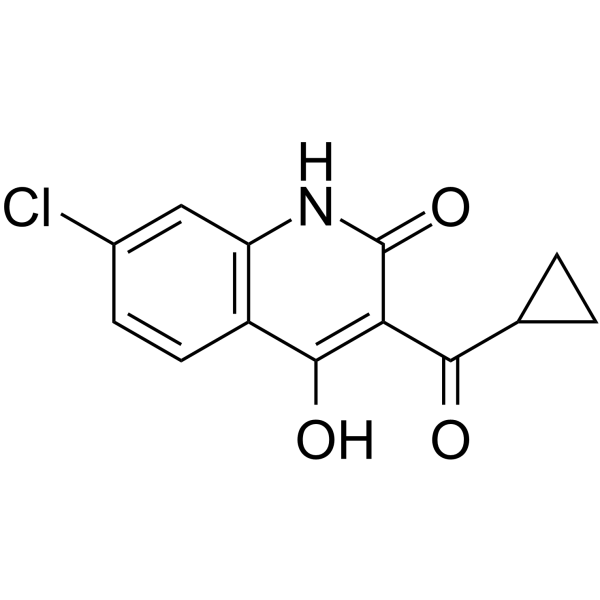 0 ImagesL-701252 is a potent antagonist of glycine site NMDA receptor with an IC50 of 420 nM. L-701252 provides a small degree of neuroprotection in global cerebral ischaemia.
-
GluR6 antagonist-1
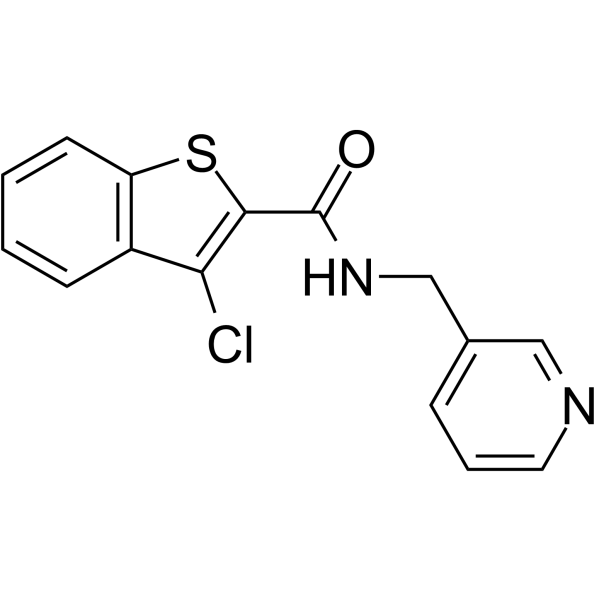 0 ImagesGluR6 antagonist-1 is a benzothiophene derivative, acting as a GluR6 antagonist. GluR6 antagonist-1 can be used for researching acute and chronic neurological disorders.
-
N-Methyl-DL-aspartic acid
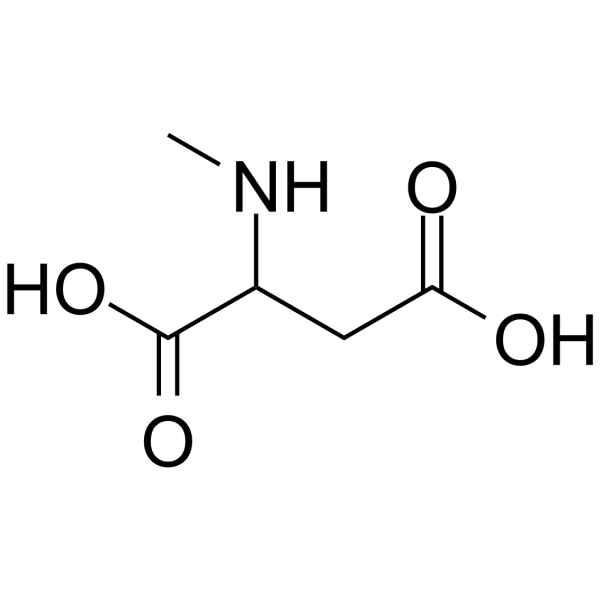 0 ImagesN-Methyl-DL-aspartic acid acts as an agonist for N-methyl-D-aspartic acid receptors and D-isomer-specific aspartate receptors. N-Methyl-DL-aspartic acid activates hypothalamic neurons that regulate gonadotropin-releasing hormone secretion, and stimulates prepubertal male rhesus monkeys to produce sustained intermittent gonadotropin-releasing hormone secretion and pulsatile luteinizing hormone secretion. N-Methyl-DL-aspartic acid activates excitatory effects mediated by N-methyl-D-aspartic acid receptors. N-Methyl-DL-aspartic acid exhibits convulsant effects, inducing clonic convulsions with loss of righting reflex, generalized tonic-clonic seizures or persistent clonic seizures. N-Methyl-DL-aspartic acid causes precocious puberty. N-Methyl-DL-aspartic acid can be used in studies related to convulsions and seizures.
-
UCM-A86
 0 ImagesUCM-A86 is a selective positive allosteric modulator of GluN1/GluN3 NMDA receptors with EC50 values of 21 µM and 19 µM at GluN1/GluN3A and GluN1/GluN3B receptors, respectively. UCM-A86 selectively potentiates responses from GluN1/GluN3A/B over GluN1/GluN2A-D receptors. UCM-A86 can be used in the research of central nervous system diseases.
-
Epiallopregnanolone
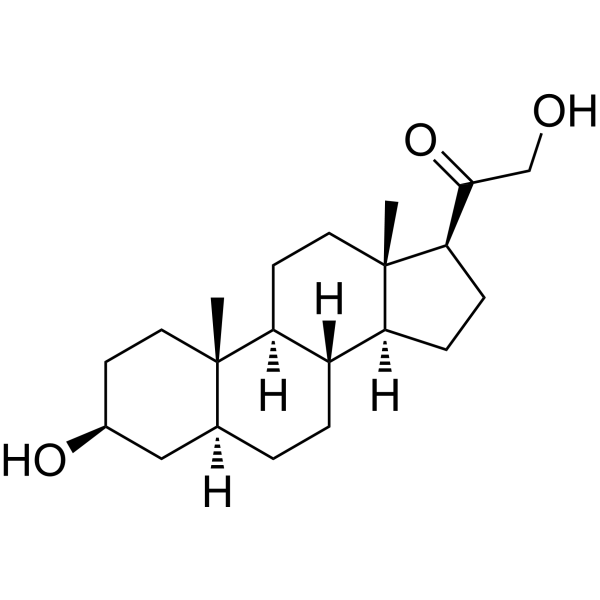 0 ImagesEpiallopregnanolone (5α,3β-THDOC), a 3β-hydroxy neurosteroid, an antagonist at GABAA receptors and a NMDA receptor enhancer.
-
Quinolinic acid-13C4,15N
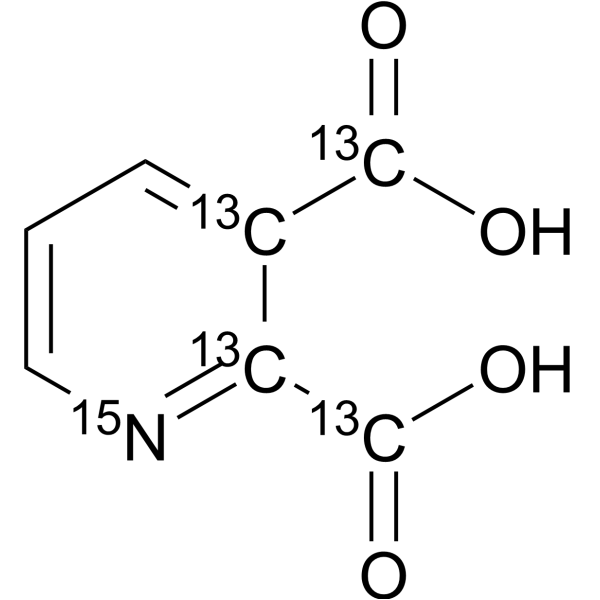 0 ImagesCat. No.: HY-100807S2Purity: 98.80%Quinolinic acid-13C4, 15N is an isotopic labeled Quinolinic acid (HY-100807). Quinolinic acid, an endogenous metabolite of tryptophan, is a N-methyl-D-aspartate receptor (NMDA receptor) agonist. Quinolinic acid increases glutamate efflux, induces the generation of ROS, activates nitric oxide synthase, produces excessive NO, leading to calcium ion influx and neuronal apoptosis.
-
GNE 6901
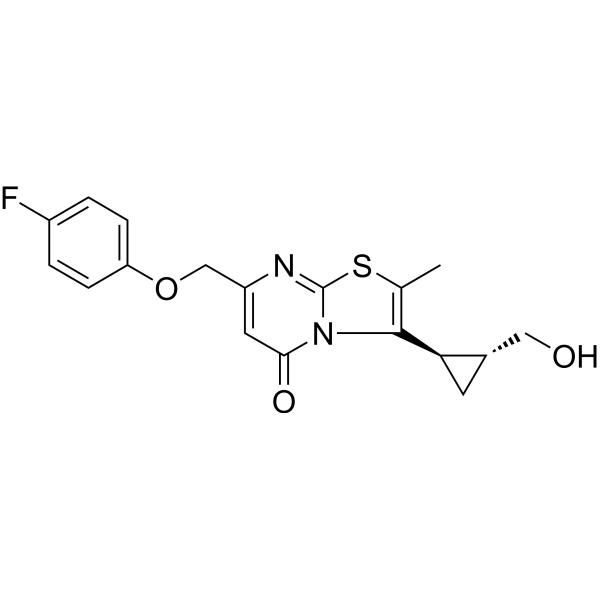 0 ImagesGNE 6901 (compound 40) is a potent GluN2A-selective NMDAR positive allosteric modulator (PAM) with an EC50 of 382 nM.
-
TCS 46b
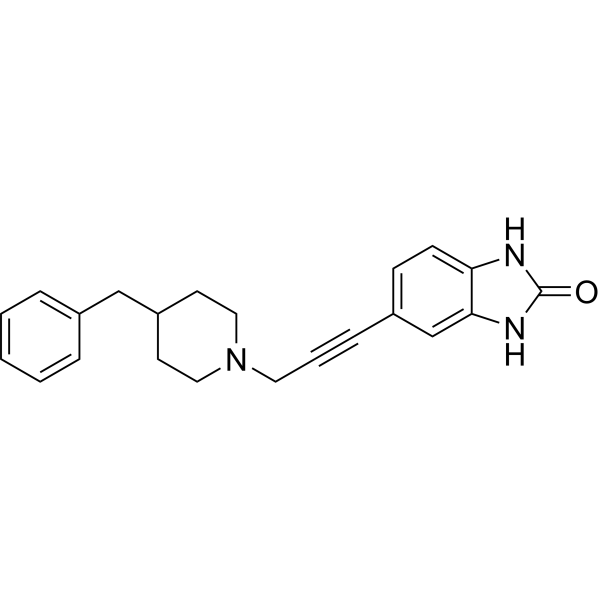 0 ImagesTCS 46b (Compound 46b) is a potent, selective and orally active NMDA NR1A/2B receptor antagonist with an IC50 of 5.3 nM. TCS 46b is a click chemistry reagent, it contains an Alkyne group and can undergo copper-catalyzed azide-alkyne cycloaddition (CuAAc) with molecules containing Azide groups.
-
SYM2206
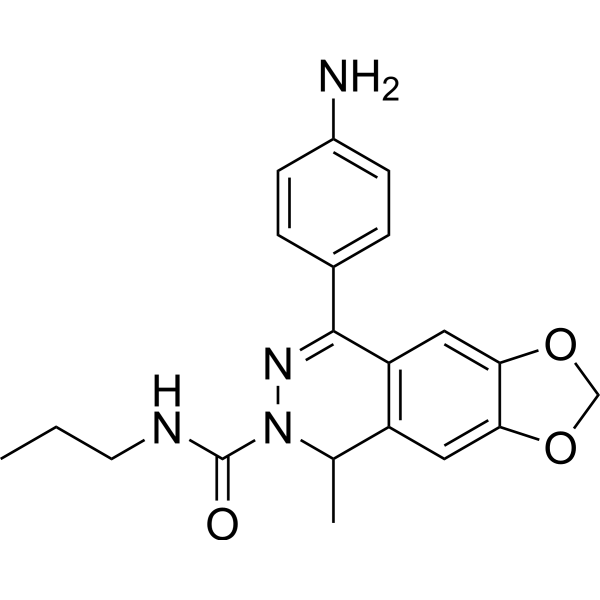 0 ImagesSYM2206 is a potent and non-competitive AMPA receptor antagonist, with an IC50 of 1.6 μM. SYM2206 blocks Nav1.6-mediated persistent currents.
-
N,N-Dimethylglycine (Standard)
 0 ImagesSynonyms: Dimethylglycine (Standard); DMG (Standard); N-Methylsarcosine (Standard)N,N-Dimethylglycine (Dimethylglycine) (Standard) is the analytical standard of N,N-Dimethylglycine (HY-Y0511). This product is intended for research and analytical applications. N,N-Dimethylglycine (Dimethylglycine), a natural N-methylated glycine, is a nutrient supplement and acts as an NMDAR glycine site partial agonist. N,N-Dimethylglycine is a methyl donor that can improve immunity, act as an antioxidant to prevent oxidative stress, and scavenge excess free radicals. N,N-Dimethylglycine has antidepressant-like and surfactant effects.
-
Felbamate-d4
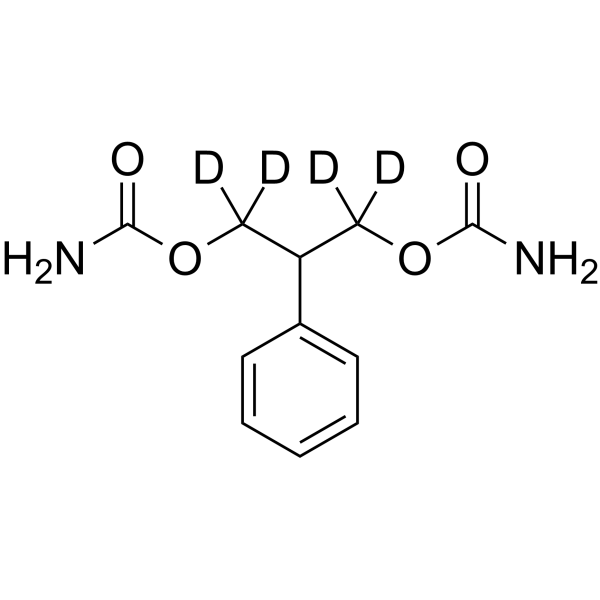 0 ImagesCat. No.: HY-B0184SCAS No.: 106817-52-1Felbamate-d4 (W-554-d4) is the deuterium labeled Felbamate. Felbamate (W-554) is a potent anticonvulsant whose clinical effect may be related to the inhibition of N-methyl-D-aspartate (NMDA).
-
Onfasprodil
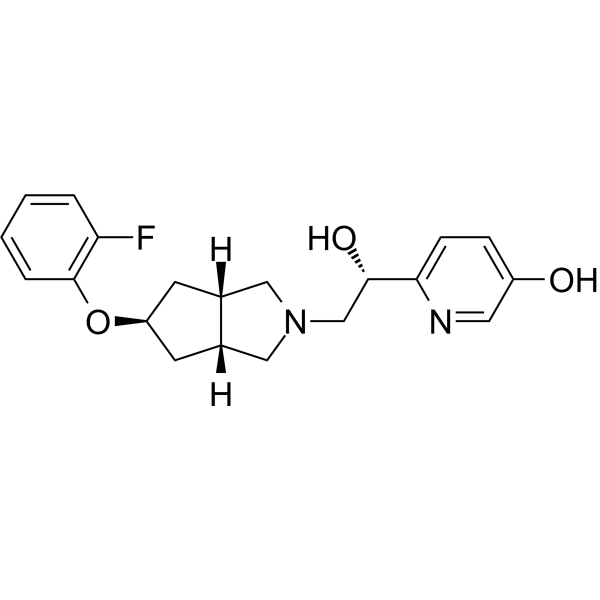 0 ImagesCat. No.: HY-145585CAS No.: 1892581-29-1Synonyms: MIJ-821Onfasprodil (MIJ-821) is a selective intravenous NMDA receptor NR2B subunit negative allosteric modulator (NAM). Onfasprodil inhibits the activity of NR2B-NMDA receptors. Onfasprodil has a rapid antidepressant effect. Onfasprodil can be used for the research of treatment-resistant depression (TRD).
-
Acamprosate
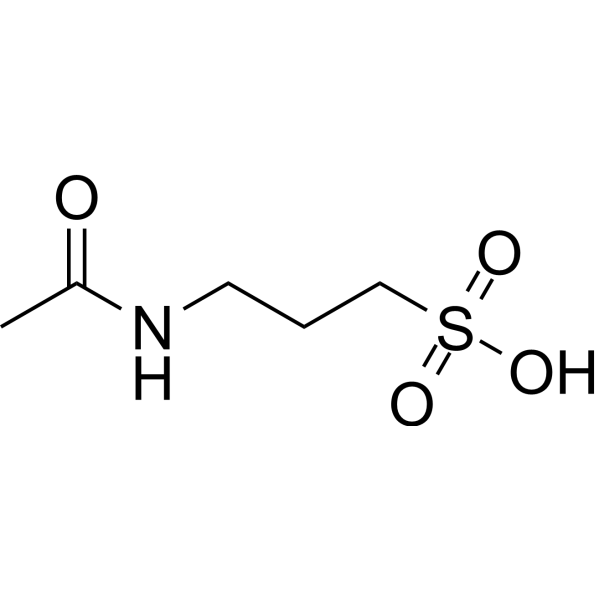 0 ImagesAcamprosate is an orally active prototypic neuromodulator. Acamprosate can be used for the research of alcohol dependence and alcoholism.
-
Nelonemdaz potassium
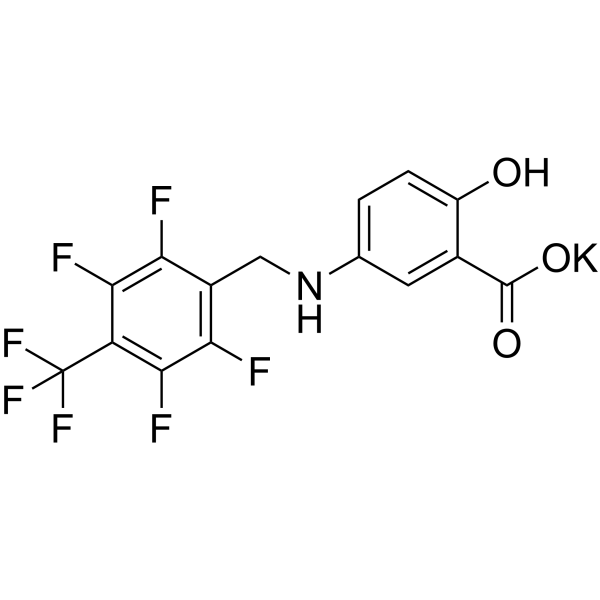 0 ImagesSynonyms: Salfaprodil; Neu2000 potassiumNelonemdaz (Salfaprodil) potassium is an NR2B-selective and uncompetitive antagonist of N-methyl-D-aspartate (NMDA). Nelonemdaz potassium is also a free radical scavenger. Nelonemdaz potassium has excellent neuroprotection against NMDA- and free radical-induced cell death.
-
Crocetin (Standard)
 0 ImagesCat. No.: HY-N2072RCAS No.: 27876-94-4Synonyms: Transcrocetin (Standard); trans-Crocetin (Standard)Crocetin (Standard) (TransCrocetin (Standard) ) is an aglycone of crocin. Crocetin (Standard) is orally active and brain-penetrant. Crocetin (Standard) shows strong NMDA receptor affinity and channel opening activity. Crocetin (Standard) can downregulate the proinflammatory cytokines and COX-2 exoression. Crocetin (Standard) can inhibit apoptosis and activation of MAPK. Crocetin (Standard) can delay delays brain and body aging. Crocetin (Standard) can be used for the researches of cancer, neurological disease and inflammation, such as cervical cancer and ischemia.
-
PPDA
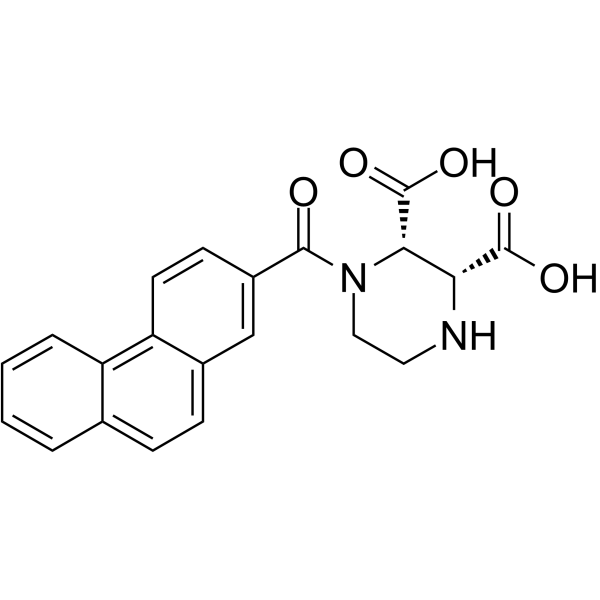 0 ImagesPPDA is a subtype-selective NMDA receptor antagonist that preferentially binds to NR2C/NR2D containing receptors.
-
(Rac)-NMDAR antagonist 1
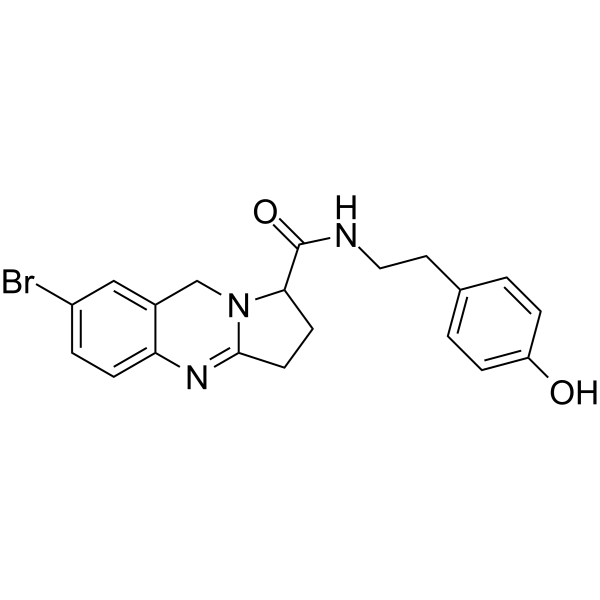 0 Images(Rac)-NMDAR antagonist 1 is the racemate of NMDAR antagonist 1. NMDAR antagonist 1 is a potent and orally bioavailable NR2B-selective NMDAR antagonist.
-
(RS)-AMPA monohydrate
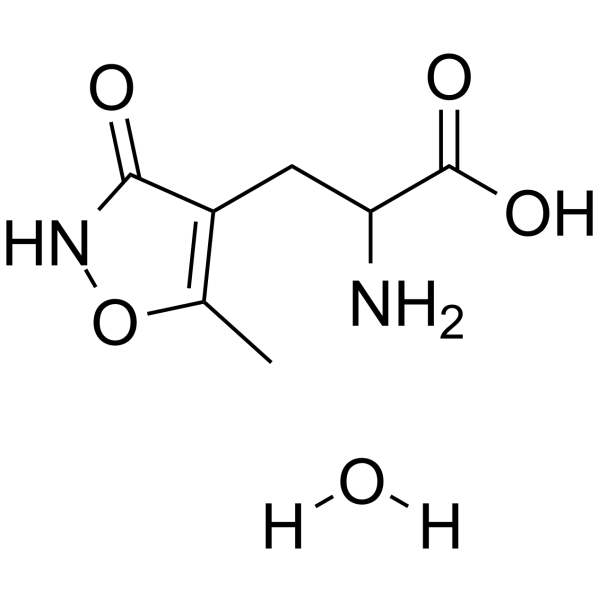 0 ImagesSynonyms: (±)-AMPA monohydrate(RS)-AMPA monohydrate ((±)-AMPA monohydrate) is a glutamate analogue and a potent and selective excitatory neurotransmitter L-glutamic acid agonist. (RS)-AMPA monohydrate does not interfere with binding sites for kainic acid or NMDA receptors.