



iGluR
-
iGluR Related Products (456)
Related Products (456)

-
Evans Blue
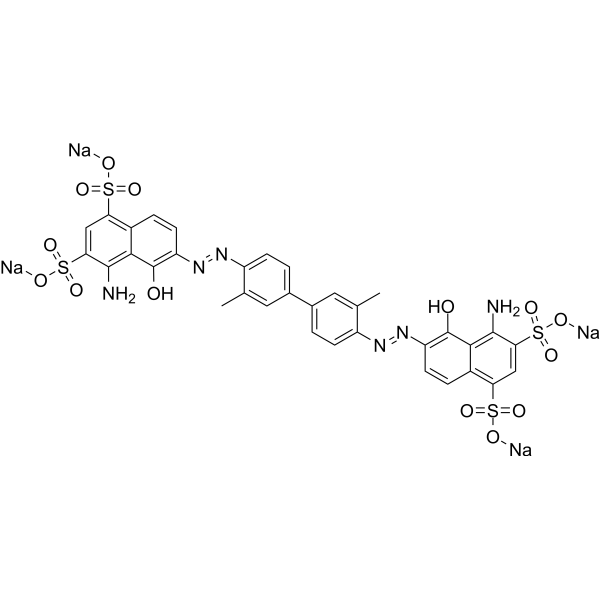 0 ImagesEvans Blue (Direct Blue 53; T-1824; C.I. 23860) is a potent inhibitor of L-glutamate uptake via the membrane bound excitatory amino acid transporter (EAAT). Evans Blue is a L-glutamate and kainate receptor-mediated currents inhibitor. Evans Blue has a strong affinity towards serum albumin, making it a high molecular weight protein tracer. Evans Blue is also used to study BBB (blood-brain barrier) permeability.
-
GluN1(356-385)
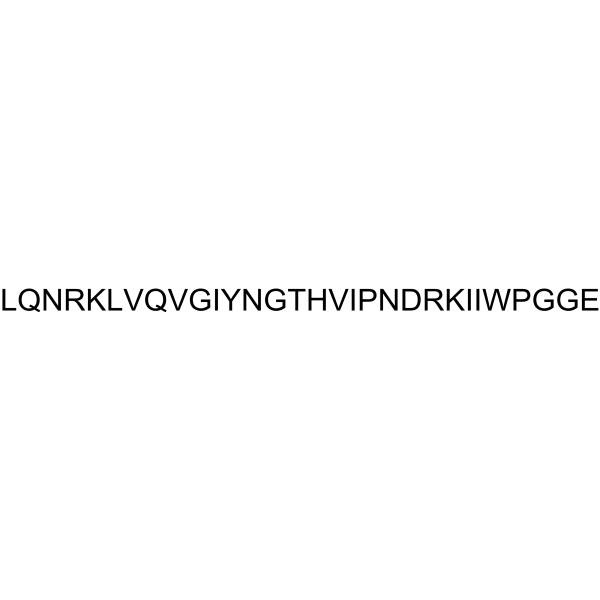 0 ImagesCat. No.: HY-P5912Purity: 99.95%GluN1 (356-385) is a polypeptide targeting NMDAR GluN1. GluN1 (356-385) induces the production of autoantibodies, which reduce the density of cell surface NMDAR clusters, impair long-term potentiation, and decrease NMDAR-mediated Ca2+ influx. As an immunogen, GluN1 (356-385) induces symptoms similar to anti-NMDAR encephalitis, including memory loss, in mice. GluN1 (356-385) can be used to establish a mouse model that mimics the pathogenesis of anti-NMDAR encephalitis. GluN1 (356-385) is applicable to research related to anti-NMDAR encephalitis.
-
Creatinine-d3
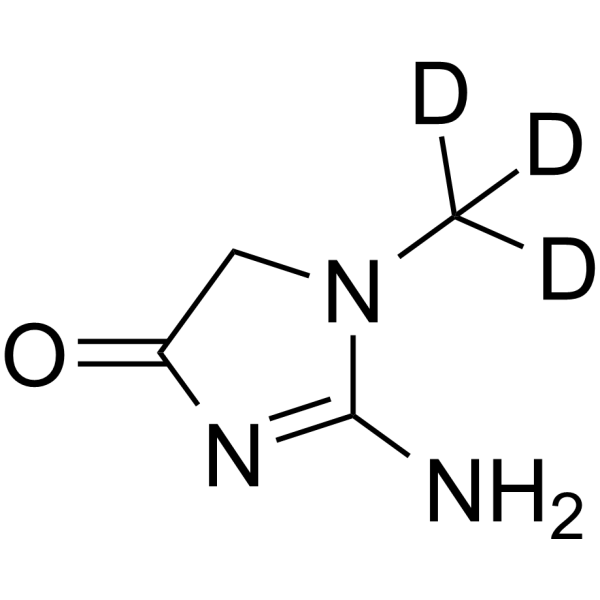 0 ImagesSynonyms: NSC13123-d3Creatinine-d3 is a deuterium labeled Creatinine. Creatinine (NSC13123) is an orally active, blood-brain barrier-permeable modulator of GABAA and NMDA receptors, with activities of antioxidation and metabolic regulation. Creatinine is generated via non-enzymatic conversion of creatine and phosphocreatine in muscle. Creatinine serum levels correlate with muscle mass, glomerular filtration rate, and extrarenal clearance, serving as an evaluation biomarker for renal function, muscle mass, and clinical outcomes, and used for perioperative renal risk assessment. In addition, Creatinine can induce specific Cryptococcus species to produce creatinine deiminase and act as their nitrogen source, while it can be secreted via renal tubules. Creatinine is widely used in research related to various diseases such as neurodegenerative diseases, psychiatric disorders, acute kidney injury, chronic kidney disease, and renal failure.
-
L-Glutamic acid (Standard)
 0 ImagesL-Glutamic acid (Standard) is the analytical standard of L-Glutamic acid. This product is intended for research and analytical applications. L-Glutamic acid is an excitatory amino acid neurotransmitter that acts as an agonist for all subtypes of glutamate receptors (metabolic rhodophylline, NMDA, and AMPA). L-Glutamic acid has an agonist effect on the release of DA from dopaminergic nerve endings. L-Glutamic acid can be used in the study of neurological diseases. IC50 & Target:DA. In Vitro: L-Glutamic acid (120, 500, 750, 1000 mg/dL) can reduce the harmful effect of lithium on the embryonic development of Xenopus Xenopus.
L-Glutamic acid (2, 5, 10, 20 mM, 24-48 h) can induce neuroexcitotoxicity in neuroblastoma.
In Vivo: L-Glutamic acid (3 g/kg, subcutaneous injection) can promote excitotoxic degeneration of retinal ganglion cells in mice.
L-Glutamic acid (750 mg/kg, intraperitoneal injection) can reduce and inhibit oxidative stress induced by chlorpyrifos (CPF) in rats.
-
Kynurenic acid (Standard)
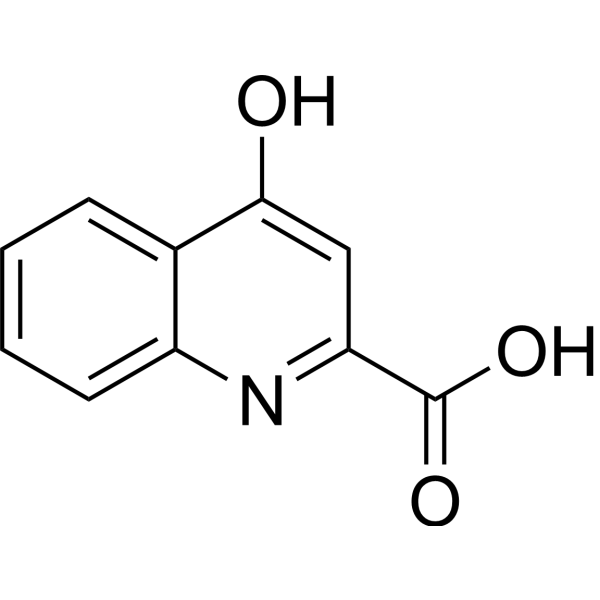 0 ImagesSynonyms: Quinurenic acid (Standard); Fibrostop 2 (Standard)Kynurenic acid (Standard) is the analytical standard of Kynurenic acid. This product is intended for research and analytical applications. Kynurenic acid, an endogenous tryptophan metabolite, is a broad-spectrum antagonist targeting NMDA, glutamate, α7 nicotinic acetylcholine receptor. Kynurenic acid is also an agonist of GPR35/CXCR8.
-
Trofinetide
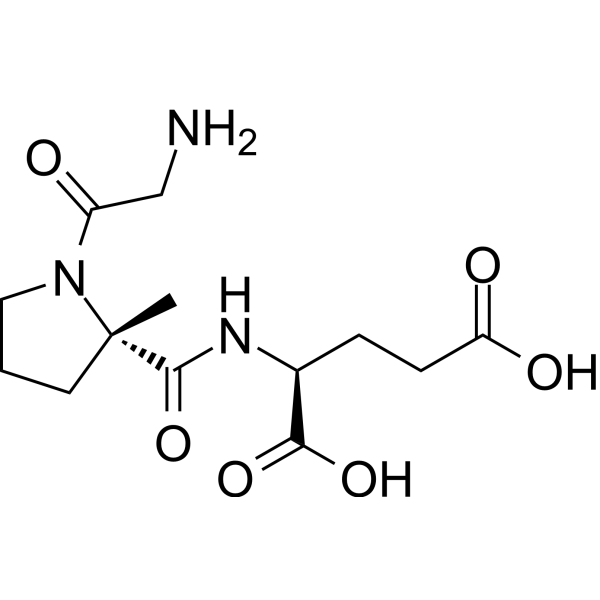 0 ImagesSynonyms: NNZ-2566Trofinetide (NNZ-2566), a synthetic analogue of the endogenous N-terminus tripeptide, Glycine-Proline-Glutamate (GPE), has been shown to be neuroprotective in animal models of brain injury.
-
Quinolinic acid (Standard)
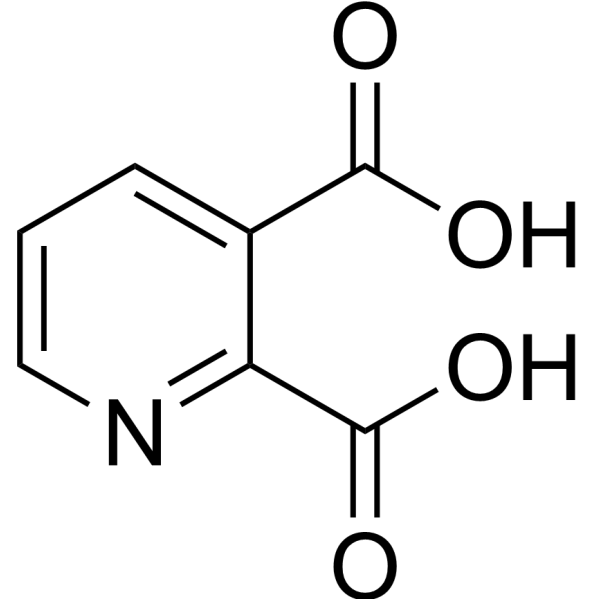 0 ImagesQuinolinic acid (Standard) is the analytical standard of Quinolinic acid. This product is intended for research and analytical applications. Quinolinic acid, an endogenous metabolite of tryptophan, is a N-methyl-D-aspartate receptor (NMDA receptor) agonist. Quinolinic acid increases glutamate efflux, induces the generation of ROS, activates nitric oxide synthase, produces excessive NO, leading to calcium ion influx and neuronal apoptosis.
-
Creatinine-d5
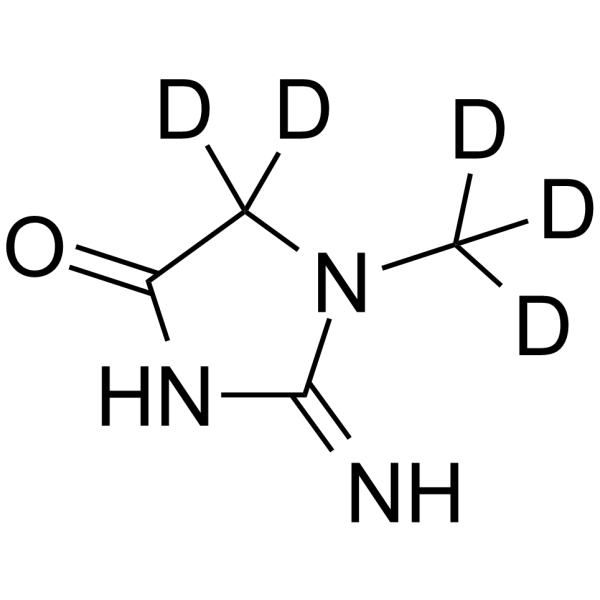 0 ImagesCat. No.: HY-B0504S2Purity: 99.93%Synonyms: NSC13123-d5Creatinine-d5 is the deuterium labeled Creatinine. Creatinine (NSC13123) is an orally active, blood-brain barrier-permeable modulator of GABAA and NMDA receptors, with activities of antioxidation and metabolic regulation. Creatinine is generated via non-enzymatic conversion of creatine and phosphocreatine in muscle. Creatinine serum levels correlate with muscle mass, glomerular filtration rate, and extrarenal clearance, serving as an evaluation biomarker for renal function, muscle mass, and clinical outcomes, and used for perioperative renal risk assessment. In addition, Creatinine can induce specific Cryptococcus species to produce creatinine deiminase and act as their nitrogen source, while it can be secreted via renal tubules. Creatinine is widely used in research related to various diseases such as neurodegenerative diseases, psychiatric disorders, acute kidney injury, chronic kidney disease, and renal failure.
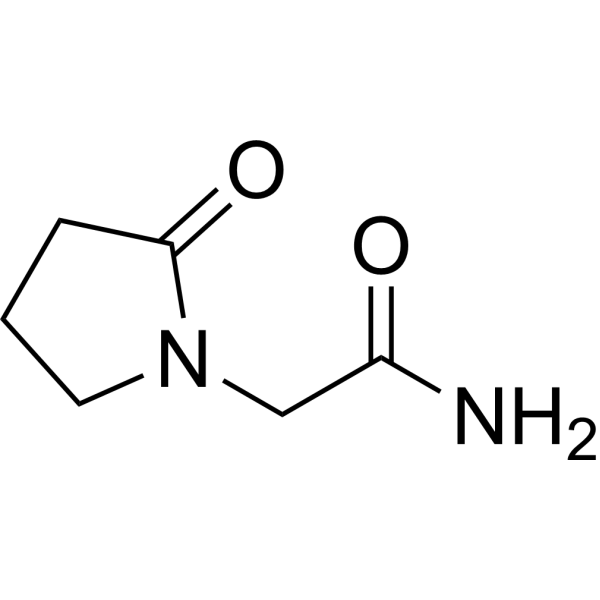
-
GluN1(359-378)
 0 ImagesCat. No.: HY-P5911Purity: 99.48%GluN1 (359-378) is an anti-N-methyl-D-aspartate receptor (NMDAR) peptide. GluN1 (359-378) can cross the blood-brain barrier. GluN1 (359-378) can be used to study anti-NMDAR encephalitis therapy targeting the immune system.
-
Phenylpiracetam
 0 ImagesSynonyms: Carphedon; Fonturacetam; (rac)-MRZ 9547Phenylpiracetam (Carphedon) is a positive allosteric modulator of nicotinic acetylcholine receptors (nAChR) with an IC50 of 5.86 μM. Phenylpiracetam is applicable to studies on scopolamine (Scopolamine) (HY-N0296)-induced amnesia, depression and immune stress.
-
Omberacetam
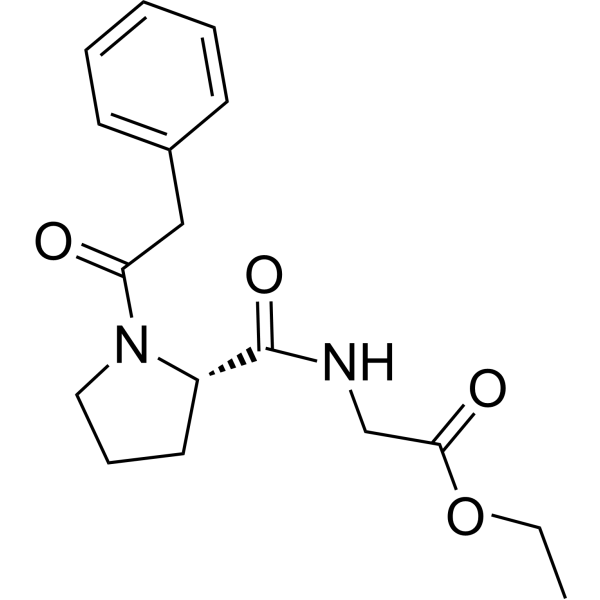 0 ImagesSynonyms: GVS-111; SGS-111Omberacetam (GVS-111) is a medication promoted and prescribed in Russia and neighbouring countries as a nootropic.
-
Acamprosate calcium
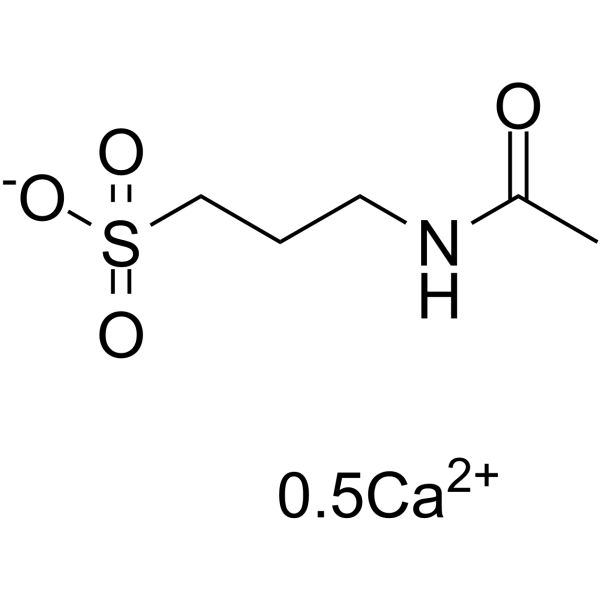 0 ImagesSynonyms: Calcium N-acetylhomotaurinateAcamprosate calcium(Campral EC) is a GABA receptor agonist and modulator of glutamatergic systems; reduces alcohol consumption in animal models of alcohol addiction.
-
Creatinine (Standard)
 0 ImagesCreatinine (Standard) is the analytical standard of Creatinine. This product is intended for research and analytical applications. Creatinine (NSC13123) is an orally active, blood-brain barrier-permeable modulator of GABAA and NMDA receptors, with activities of antioxidation and metabolic regulation. Creatinine is generated via non-enzymatic conversion of creatine and phosphocreatine in muscle. Creatinine serum levels correlate with muscle mass, glomerular filtration rate, and extrarenal clearance, serving as an evaluation biomarker for renal function, muscle mass, and clinical outcomes, and used for perioperative renal risk assessment. In addition, Creatinine can induce specific Cryptococcus species to produce creatinine deiminase and act as their nitrogen source, while it can be secreted via renal tubules. Creatinine is widely used in research related to various diseases such as neurodegenerative diseases, psychiatric disorders, acute kidney injury, chronic kidney disease, and renal failure.
-
L-Glutamic acid monosodium hydrate
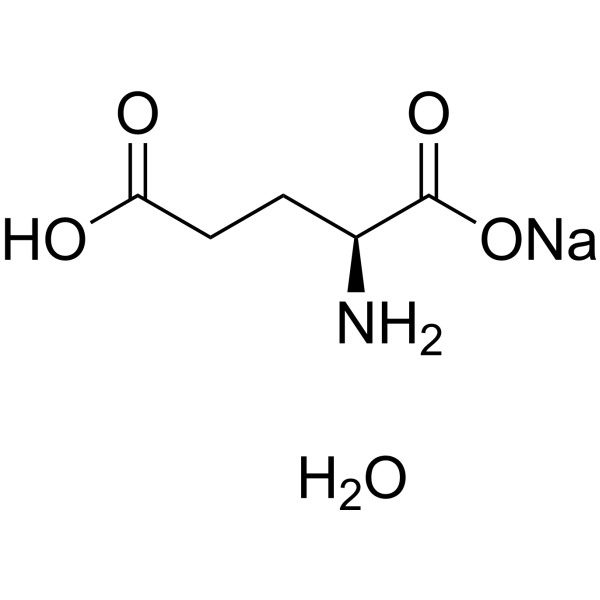 0 ImagesL-Glutamic acid monosodium hydrate is an excitatory amino acid neurotransmitter that acts as an agonist for all subtypes of glutamate receptors (metabolic rhodophylline, NMDA, and AMPA). L-Glutamic acid monosodium hydrate has an agonist effect on the release of DA from dopaminergic nerve endings. L-Glutamic acid monosodium hydrate can be used in the study of neurological diseases. L-Glutamic acid monosodium hydrate acts at ionotropic and?metabotropic glutamate receptors.
-
Glycine (Standard)
 0 ImagesGlycine (Standard) is the analytical standard of Glycine. This product is intended for research and analytical applications. Glycine is an inhibitory neurotransmitter in the CNS and also acts as a co-agonist along with glutamate, facilitating an excitatory potential at the glutaminergic N-methyl-D-aspartic acid (NMDA) receptors. Glycine is orally active. Glycine can be used to study cell protection, cancer, neurological diseases, and angiogenesis.
-
L-Phenylalanine (Standard)
 0 ImagesSynonyms: (S)-2-Amino-3-phenylpropionic acid (Standard)L-Phenylalanine (Standard) is the analytical standard of L-Phenylalanine. This product is intended for research and analytical applications. L-Phenylalanine ((S)-2-Amino-3-phenylpropionic acid) is an essential amino acid isolated from Escherichia coli. L-Phenylalanine is a α2δ subunit of voltage-dependent Ca+ channels antagonist with a Ki of 980 nM. L-phenylalanine is a competitive antagonist for the glycine- and glutamate-binding sites of N-methyl-D-aspartate receptors (NMDARs) (KB of 573 μM ) and non-NMDARs, respectively. L-Phenylalanine is widely used in the production of food flavors and pharmaceuticals.
-
Radiprodil
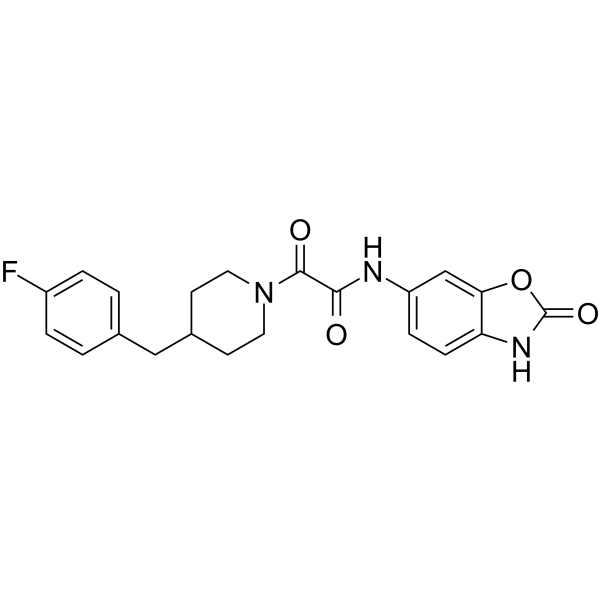 0 ImagesSynonyms: RGH-896Radiprodil (RGH-896) is an orally active and selective NMDA NR2B antagonist. A potential therapeutic agent in treatment of neuropathic pain and possibly other chronic pain conditions.



