



iGluR Agonist
-
L-Glutamic acid (Standard)
 0 Images
L-Glutamic acid (Standard) is the analytical standard of L-Glutamic acid. This product is intended for research and analytical applications. L-Glutamic acid is an excitatory amino acid neurotransmitter that acts as an agonist for all subtypes of glutamate receptors (metabolic rhodophylline, NMDA, and AMPA). L-Glutamic acid has an agonist effect on the release of DA from dopaminergic nerve endings. L-Glutamic acid can be used in the study of neurological diseases. IC50 & Target:DA. In Vitro: L-Glutamic acid (120, 500, 750, 1000 mg/dL) can reduce the harmful effect of lithium on the embryonic development of Xenopus Xenopus.
L-Glutamic acid (2, 5, 10, 20 mM, 24-48 h) can induce neuroexcitotoxicity in neuroblastoma.
In Vivo: L-Glutamic acid (3 g/kg, subcutaneous injection) can promote excitotoxic degeneration of retinal ganglion cells in mice.
L-Glutamic acid (750 mg/kg, intraperitoneal injection) can reduce and inhibit oxidative stress induced by chlorpyrifos (CPF) in rats.
-
Omberacetam
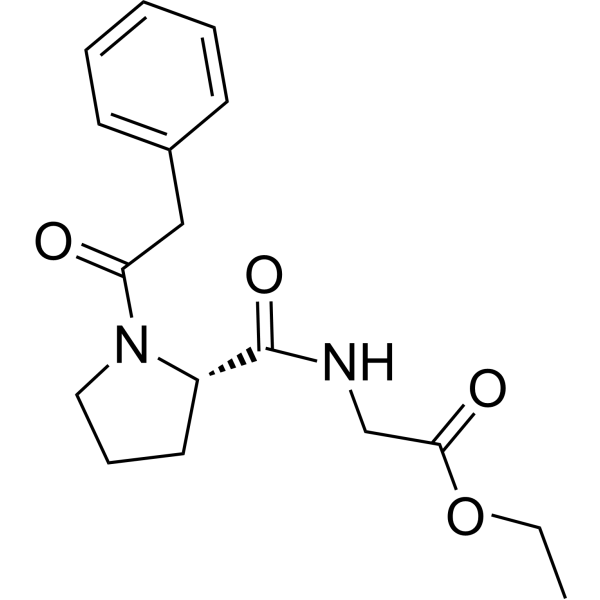 0 ImagesSynonyms: GVS-111; SGS-111
Omberacetam (GVS-111) is a medication promoted and prescribed in Russia and neighbouring countries as a nootropic.
-
Quinolinic acid (Standard)
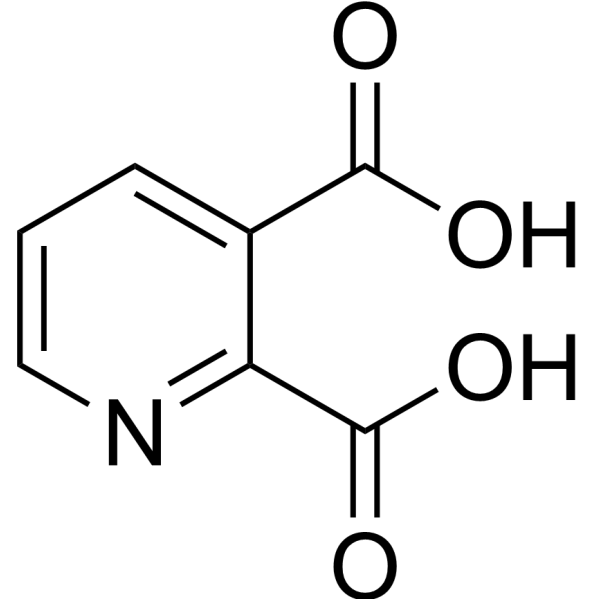 0 Images
Quinolinic acid (Standard) is the analytical standard of Quinolinic acid. This product is intended for research and analytical applications. Quinolinic acid, an endogenous metabolite of tryptophan, is a N-methyl-D-aspartate receptor (NMDA receptor) agonist. Quinolinic acid increases glutamate efflux, induces the generation of ROS, activates nitric oxide synthase, produces excessive NO, leading to calcium ion influx and neuronal apoptosis.
-
L-Glutamic acid monosodium hydrate
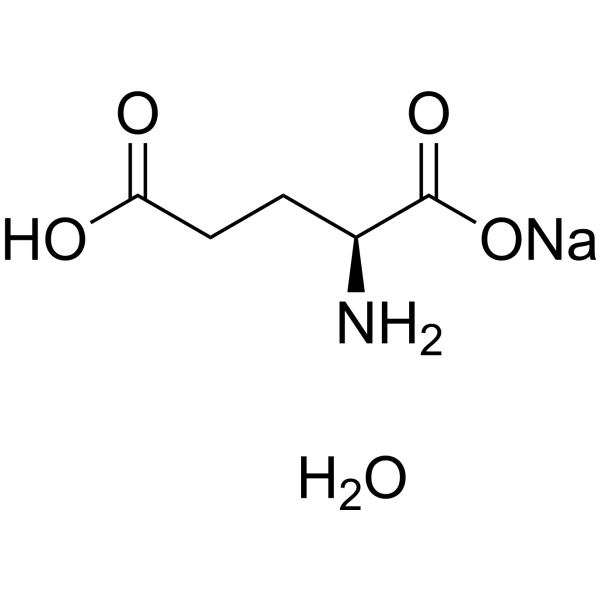 0 Images
L-Glutamic acid monosodium hydrate is an excitatory amino acid neurotransmitter that acts as an agonist for all subtypes of glutamate receptors (metabolic rhodophylline, NMDA, and AMPA). L-Glutamic acid monosodium hydrate has an agonist effect on the release of DA from dopaminergic nerve endings. L-Glutamic acid monosodium hydrate can be used in the study of neurological diseases. L-Glutamic acid monosodium hydrate acts at ionotropic and?metabotropic glutamate receptors.
-
L-Glutamic acid ammonium
 0 Images
L-Glutamic acid ammonium is an excitatory amino acid neurotransmitter that acts as an agonist for all subtypes of glutamate receptors (metabolic rhodophylline, NMDA, and AMPA). L-Glutamic acid ammonium has an agonist effect on the release of DA from dopaminergic nerve endings. L-Glutamic acid can be used in the study of neurological diseases. L-Glutamic acid ammonium acts at ionotropic and?metabotropic glutamate receptors.
-
N,N-Dimethylglycine-d6 hydrochloride
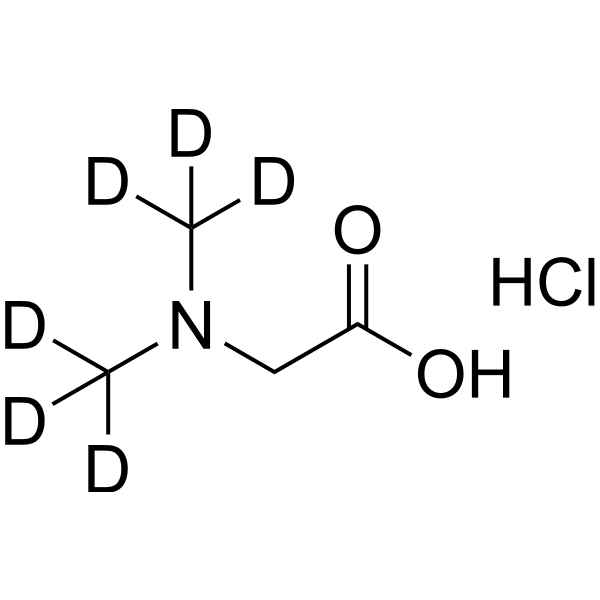 0 ImagesSynonyms: Dimethylglycine-d6 hydrochloride; DMG-d6 hydrochloride; N-Methylsarcosine-d6 hydrochloride
N,N-Dimethylglycine-d6 (Dimethylglycine-d6) hydrochloride is the deuterium labeled N,N-Dimethylglycine hydrochloride (HY-W001158). N,N-Dimethylglycine (Dimethylglycine) hydrochloride, a natural N-methylated glycine, is a nutrient supplement and acts as an NMDAR glycine site partial agonist. N,N-Dimethylglycine hydrochloride is a methyl donor that can improve immunity, act as an antioxidant to prevent oxidative stress, and scavenge excess free radicals. N,N-Dimethylglycine hydrochloride has antidepressant-like and surfactant effects.
-
Apimostinel
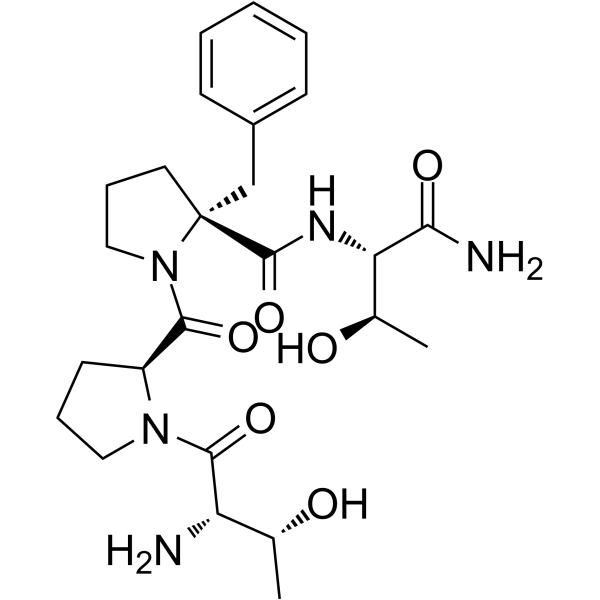 0 ImagesSynonyms: NRX-1074; AGN-241660
Apimostinel (NRX-1074; AGN-241660) is an orally active NMDA receptor partial agonist.
-
BPAM344
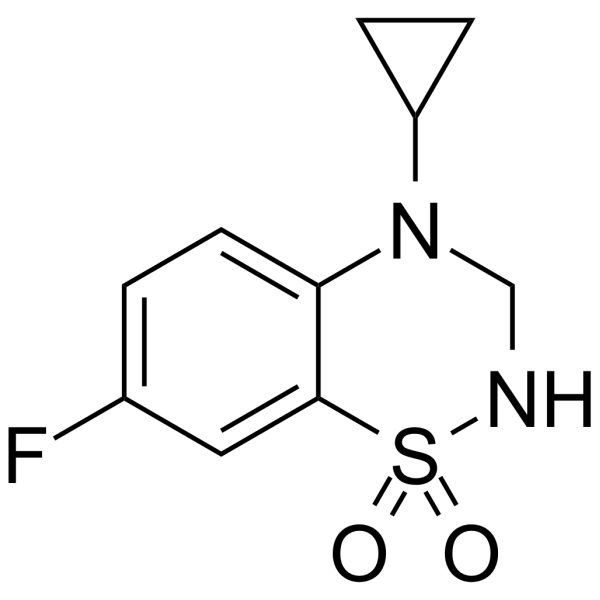 0 Images
BPAM344 is a kainate receptor (KAR) subunits GluK1b, GluK2a, and GluK3a positive allosteric modulator (PAM).
-
cis-Piperidine-2,3-dicarboxylic acid
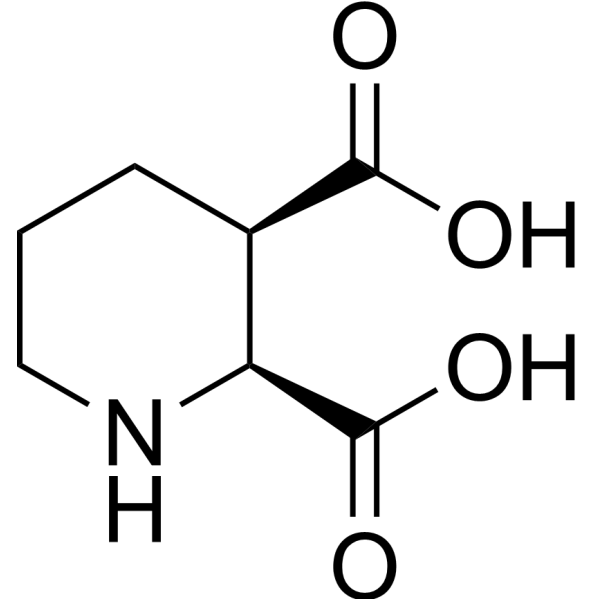 0 ImagesCat. No.: HY-121964CAS No.: 46026-75-9
Cis-piperidine-2,3-dicarboxylic acid is a non-specific antagonist of NMDA, AMPA and kainate ionotropic receptors and a partial agonist for NMDA receptors. Cis-piperidine-2,3-dicarboxylic acid can be used in blocking general excitatory synaptic transmissions.
-
D-Serine-d3
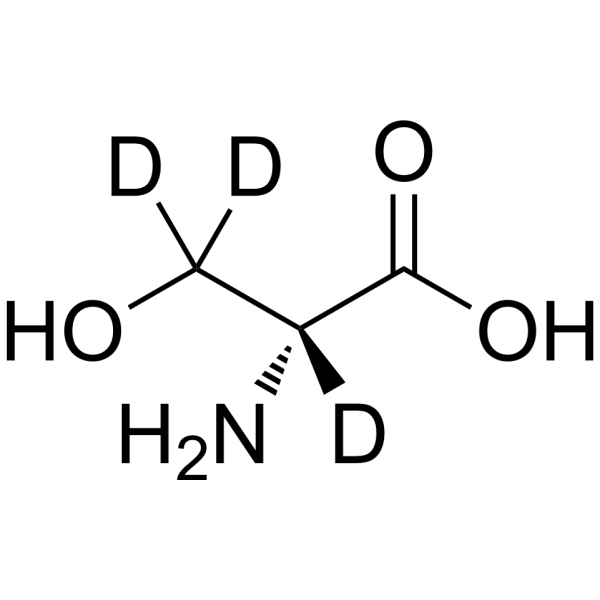 0 ImagesSynonyms: (R)-Serine-d3
D-Serine-d3 ((R)-Serine-d3) is a deuterium labeled D-Serine (HY-100808). D-Serine ((R)-Serine), an endogenous amino acid involved in glia-synapse interactions that has unique neurotransmitter characteristics, is a potent co-agonist at the NMDA glutamate receptor. D-Serinee has a cardinal modulatory role in major NMDAR-dependent processes including NMDAR-mediated neurotransmission, neurotoxicity, synaptic plasticity, and cell migration.
-
ATPA
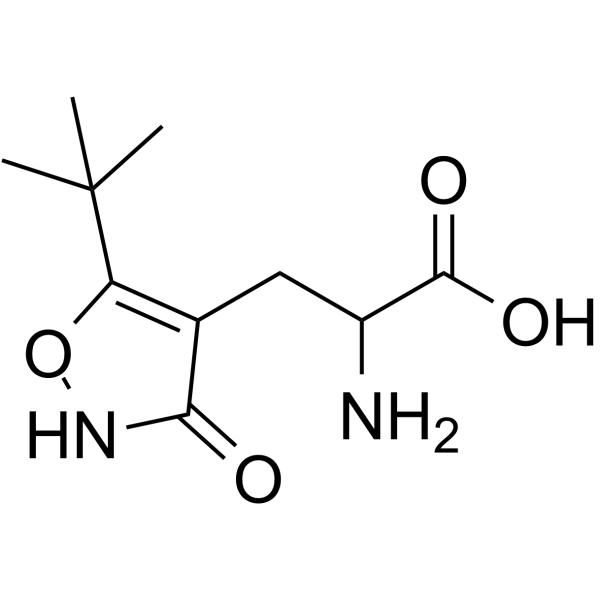 0 Images
ATPA is a selective glutamate receptor GluR5 activator with EC50s of 0.66, 9.5, 1.4, 23, 32, 18, and 14 μM for GluR5wt, GluR5(S741M), GluR5(S721T), GluR5(S721T, S741M), GluR5(S741A), GluR5(S741L), and GluR5(S741V), respectively.
-
Ibotenic acid (Standard)
 0 ImagesSynonyms: (RS)-Ibotenic acid (Standard); DL-Ibotenic acid (Standard)
Sulfiram (Standard) is the analytical standard of Sulfiram. This product is intended for research and analytical applications. Sulfiram, an ectoparasiticide, is a agent applied topically to treat scabies.
-
(RS)-AMPA hydrobromide
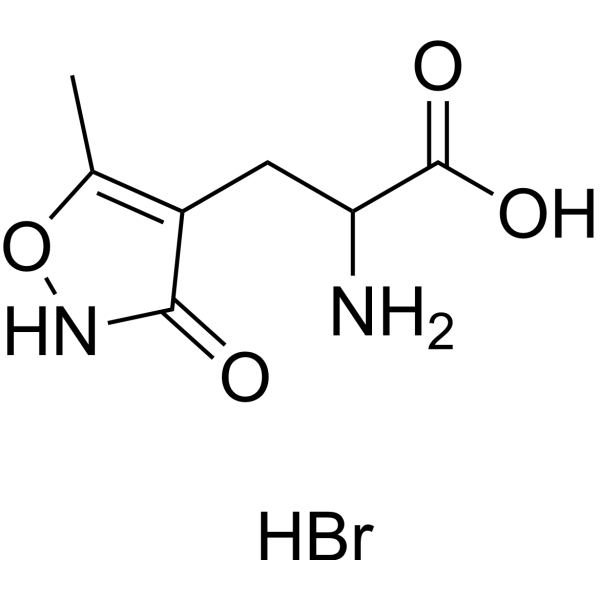 0 ImagesSynonyms: (±)-AMPA hydrobromide
(RS)-AMPA hydrobromide ((±)-AMPA hydrobromide) is a glutamate analogue and a potent and selective excitatory neurotransmitter L-glutamic acid agonist. (RS)-AMPA hydrobromide does not interfere with binding sites for kainic acid or NMDA receptors.
-
Epiallopregnanolone
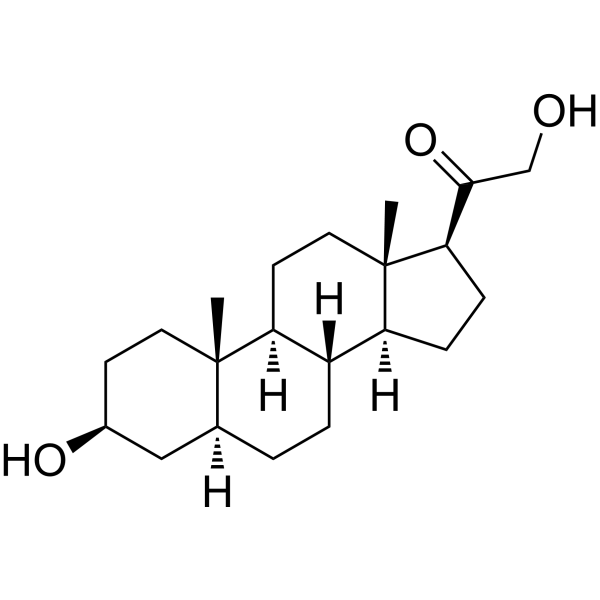 0 Images
Epiallopregnanolone (5α,3β-THDOC), a 3β-hydroxy neurosteroid, an antagonist at GABAA receptors and a NMDA receptor enhancer.
-
Quinolinic acid-13C4,15N
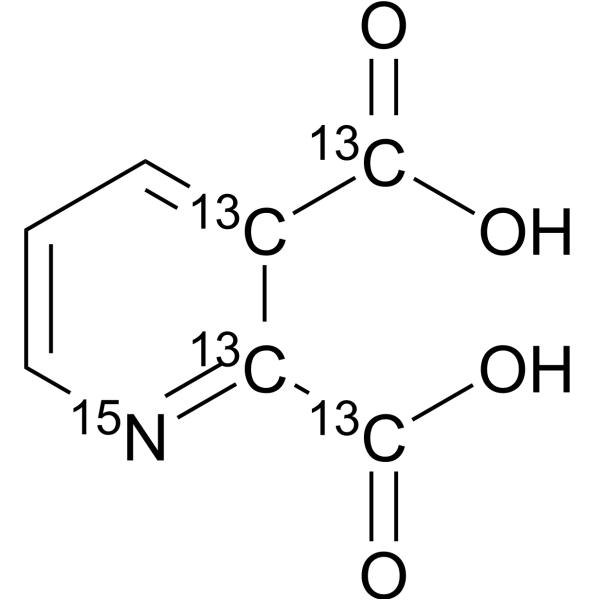 0 ImagesCat. No.: HY-100807S2Purity: 98.80%
Quinolinic acid-13C4, 15N is an isotopic labeled Quinolinic acid (HY-100807). Quinolinic acid, an endogenous metabolite of tryptophan, is a N-methyl-D-aspartate receptor (NMDA receptor) agonist. Quinolinic acid increases glutamate efflux, induces the generation of ROS, activates nitric oxide synthase, produces excessive NO, leading to calcium ion influx and neuronal apoptosis.
-
N,N-Dimethylglycine (Standard)
 0 ImagesSynonyms: Dimethylglycine (Standard); DMG (Standard); N-Methylsarcosine (Standard)
N,N-Dimethylglycine (Dimethylglycine) (Standard) is the analytical standard of N,N-Dimethylglycine (HY-Y0511). This product is intended for research and analytical applications. N,N-Dimethylglycine (Dimethylglycine), a natural N-methylated glycine, is a nutrient supplement and acts as an NMDAR glycine site partial agonist. N,N-Dimethylglycine is a methyl donor that can improve immunity, act as an antioxidant to prevent oxidative stress, and scavenge excess free radicals. N,N-Dimethylglycine has antidepressant-like and surfactant effects.
-
Caramboxin
 0 Images
Caramboxin is a phenylalanine-like α-amino acid neurotoxin found in star fruit (Averrhoa carambola) with glutamatergic ionotropic action. Caramboxin activates NMDA, AMPA, and kainate receptors while inhibiting GABA binding to synaptic membranes, shifting the CNS toward an excitatory state and exerting neurotoxic effects linked to star fruit ingestion. Caramboxin can be used for research on neurotoxicity and as a reference standard for toxicological studies.
-
Sepimostat trifluoroacetate
 0 ImagesCat. No.: HY-136299BPurity: 99.86%Synonyms: FUT-187 trifluoroacetate
Sepimostat (FUT-187) trifluoroacetate exhibits neuroprotective activity via NR2B N-methyl-D-aspartate receptor antagonism at the Ifenprodil-binding site of the NR2B subunit. Sepimostat trifluoroacetate inhibits the Ifenprodil binding with a Ki value of 27.7 μM.
-
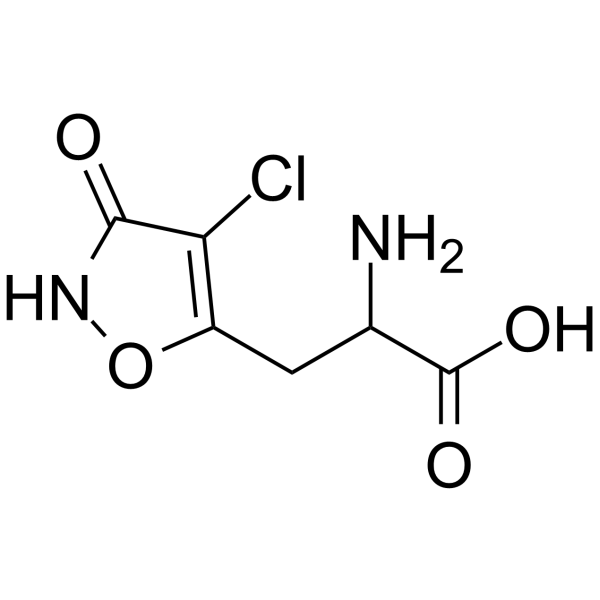
Cl-HIBO
 0 Images
Cl-HIBO is a highly subtype-selective GluR1/2 agonist (EC50=4.7 and 1.7 μM, respectively). Cl-HIBO is a potent AMPA receptor agonist (IC50=0.22 μM). Cl-HIBO has desensitizing properties.




