



Quinolinic acid
Based on 8 publication(s) in Google Scholar
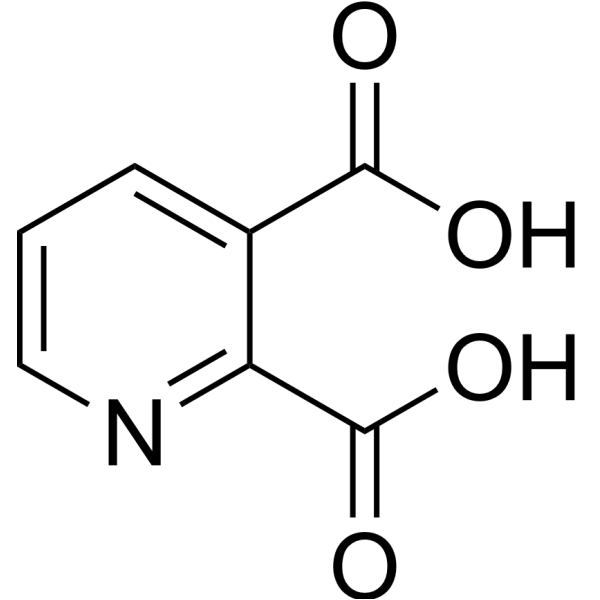
Quinolinic acid, an endogenous metabolite of tryptophan, is a N-methyl-D-aspartate receptor (NMDA receptor) agonist. Quinolinic acid increases glutamate efflux, induces the generation of ROS, activates nitric oxide synthase, produces excessive NO, leading to calcium ion influx and neuronal apoptosis.
Nur für Forschungszwecke. Wir verkaufen nicht an Patienten.
- Reinheit : 99.97%
- CAS. Nr.: 89-00-9
- Formel: C7H5NO4
- Molecular Weight:167.12
-
Speicherung:Powder -20°C, 3 years , 4°C, 2 years ; In solvent -80°C, 6 months , -20°C, 1 month

To place orders, for customer services and technical support, please contact: MedChemExpress USA
Tel: 609-228-6898 E-mail: [email protected] [email protected]


-
 Biologische Aktivität
-
Chemical Information
-
Lösungsmittel & Löslichkeit
- Protokoll
- Reinheit & Dokumentation
- Verweise
-
 Help & FAQs


-
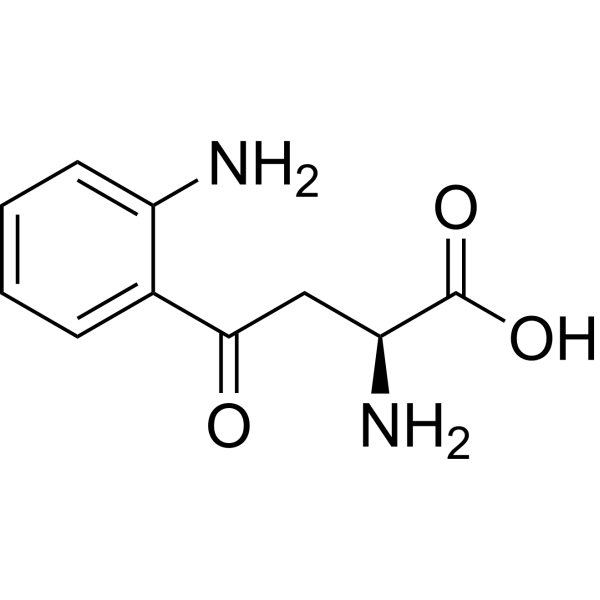
HY-104026
L-KynurenineAryl Hydrocarbon Receptor Agonist -
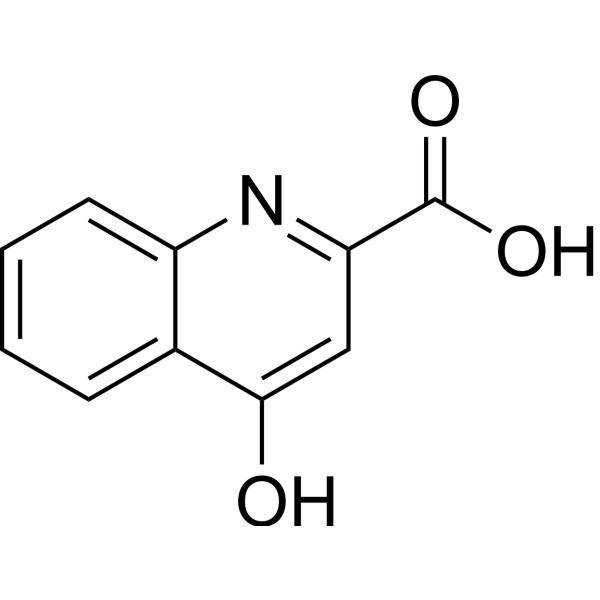
HY-100806
Kynurenic acidiGluR/α7 nAChR Antagonist -
HY-W014666
Xanthurenic acid -
HY-W001171
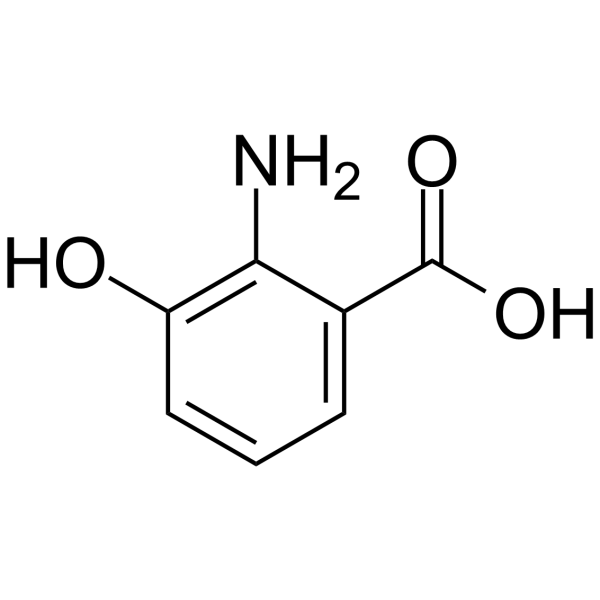
3-Hydroxyanthranilic acidTryptophan Metabolite -
HY-113294
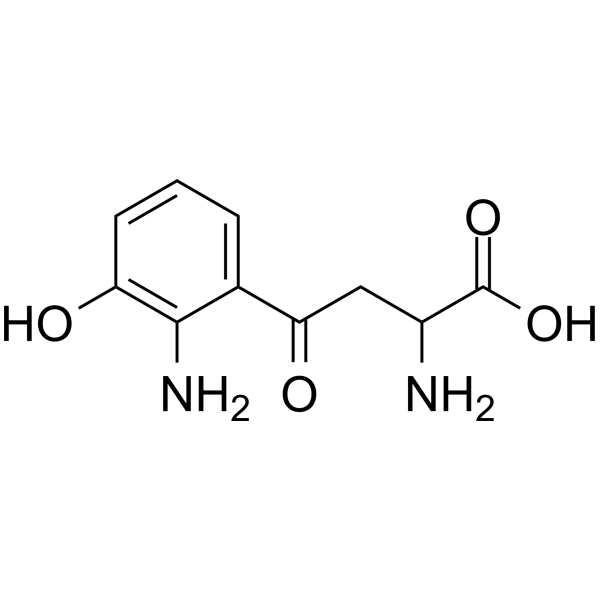
3-HydroxykynurenineEndogenous Neurotoxin -
HY-100807R
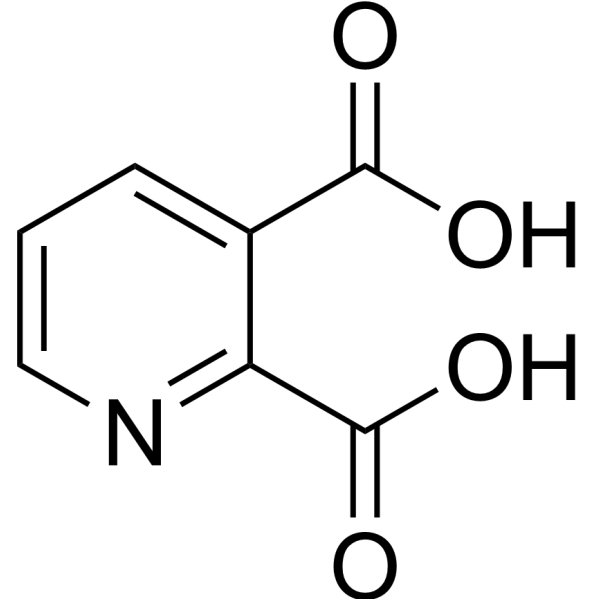
Quinolinic acid (Standard)Standard of Quinolinic acid -
HY-I0660
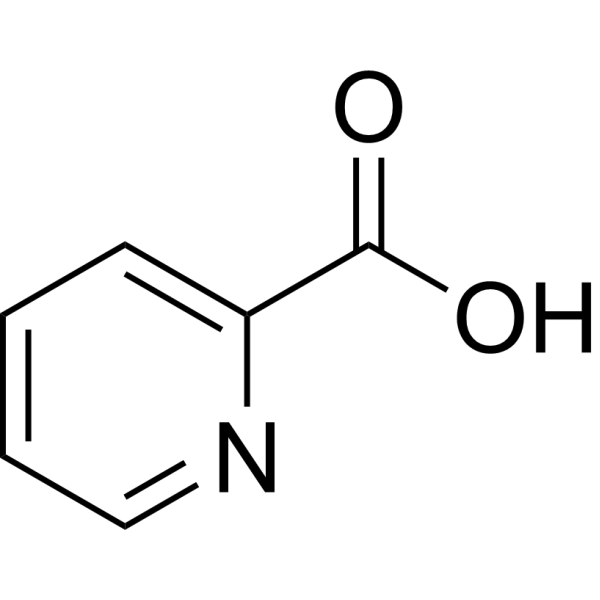
Picolinic acidEndogenous Metabolite -
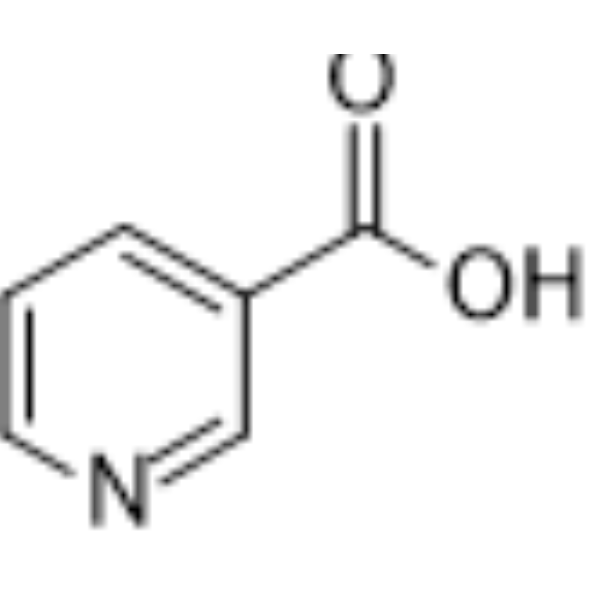
HY-B0143
NiacinB3 vitamin -
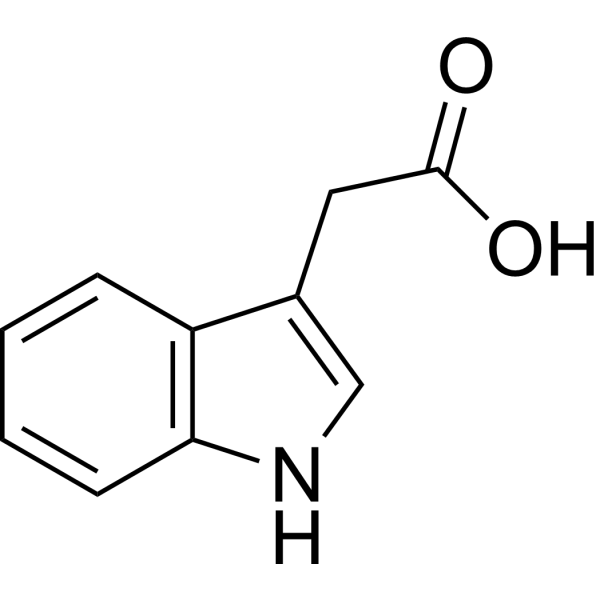
HY-18569
3-Indoleacetic acidPlant Growth Regulator -
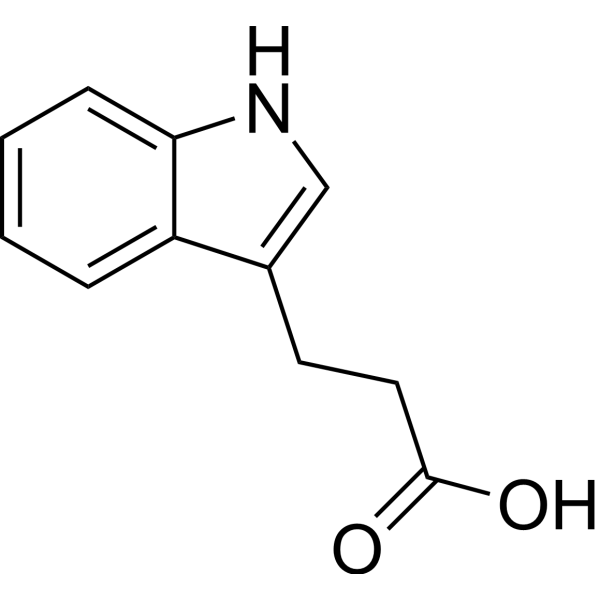
HY-W015229
3-Indolepropionic acid -
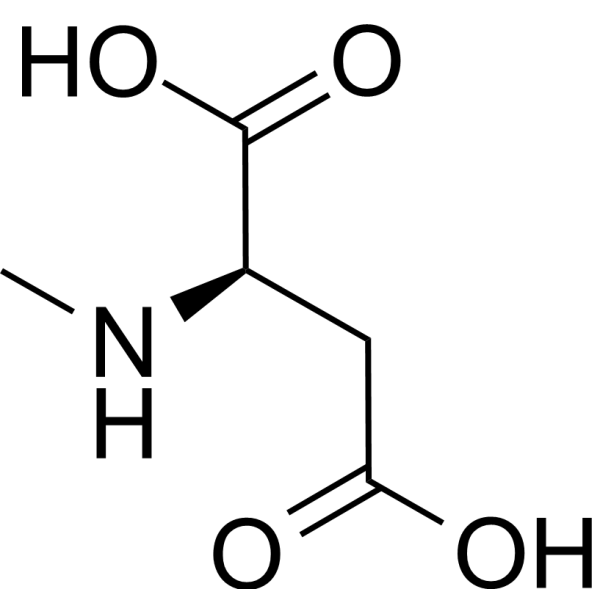
HY-17551
NMDAEndogenous Metabolite -
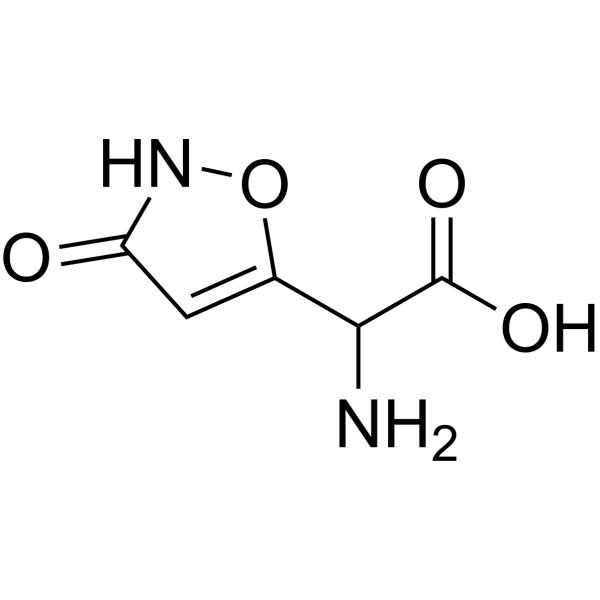
HY-N2311
Ibotenic acidiGluR Agonist
Publications Citing Use of MedChemExpress (MCE) Quinolinic acid
More- Cell Metab. 2025 Oct 7;37(10):1998-2013.e7. [Abstract]
- Adv Sci (Weinh). 2024 Nov;11(43):e2403445. [Abstract]
- Cell Rep. 2022 Mar 8;38(10):110462. [Abstract]
- Commun Biol. 2025 Apr 2;8(1):545. [Abstract]
- Int J Tryptophan Res. 2026 Feb 23:19:11786469261423809. [Abstract]
- J Inflamm Res. 2026 Aug 13:19:595022.
- ACS Chem Neurosci. 2025 Mar 5;16(5):908-919. [Abstract]
- Metabolites. 2023 Dec 12;13(12):1196. [Abstract]
 Customer Validation & Images

-
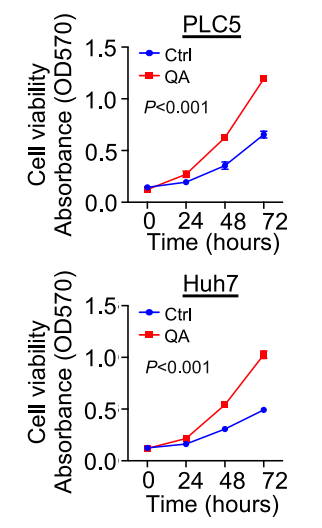
Cell Proliferation/Viability Assay
-
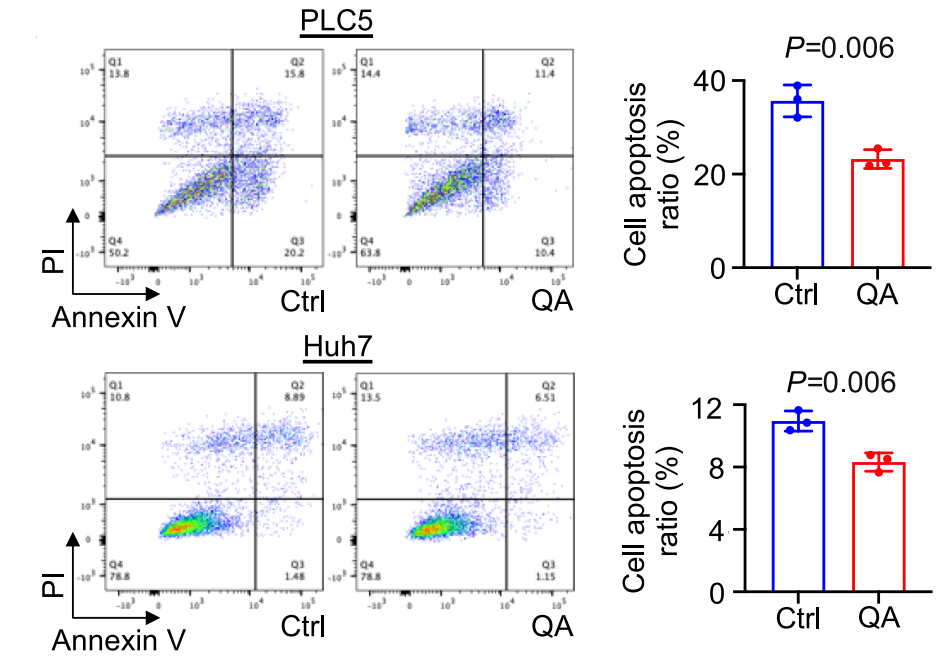
Flow Cytometry
-
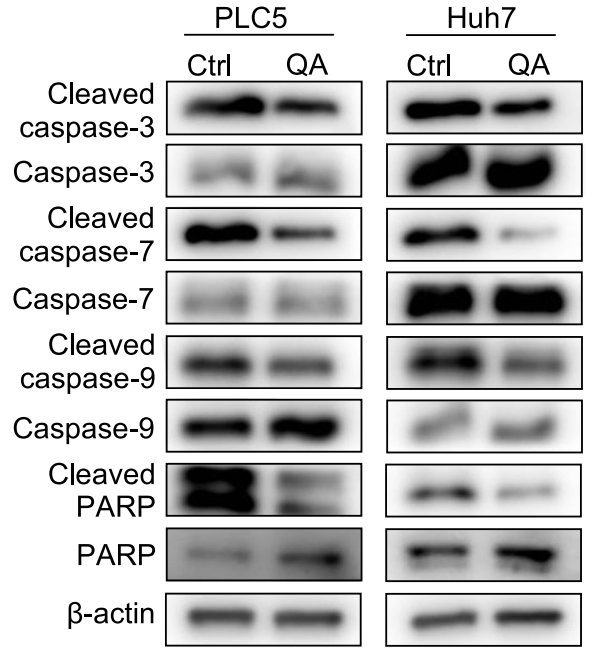
WB
-
2D/3D Cell Culture and Differentiation
-
WB
Alle iGluR Isoform-spezifische Produkte anzeigen
MoreAlle Endogenous Metabolite Isoform-spezifische Produkte anzeigen
More

Biologische Aktivität
Beschreibung
IC50 & Target
|
Human Endogenous Metabolite |
NMDA Receptor |
Microbial Metabolite |
In Vitro
Quinolinic acid (0-50 mM, 24 h) decreases the percentage of survival cells ranging from 100% at 5 mM to 45.23% at 50 mM in N18D3 cells[2].
Quinolinic acid (1 mM, 0-0.5 h) rapidly increased [Ca²⁺]i in N18D3 cells, inducing an increase in NO production[2].
Quinolinic acid (30 mM, 6 h) upregulated the expression of the pro-apoptotic gene Caspase-9 in N18D3 cells and inhibited the phosphorylation of PI3K and GSK-3β[2].
Quinolinic acid (1-10 μM, 24 h) significantly antagonized Ro in hippocampal slices Neuroprotective effects of 61-8048 (HY-12347)[3].
Quinolinic acid (25-300 μM, 24 h) induced isolated neuronal death in rat brain tissue in a concentration-dependent manner[3][4].
MedChemExpress (MCE) has not independently confirmed the accuracy of these methods. They are for reference only.
-
Cell Line:N18D3 cells
-
Concentration:0, 10, 20, 30, 40, 50 mM
-
Incubation Time:24 h
-
Result:Showed a corresponding decrease in the percentage of survival cells ranging from 100% at 5 mM to 45.23% at 50 mM.
-
Cell Line:N18D3 cells
-
Concentration:30 mM
-
Incubation Time:24 h
-
Result:Led to nuclear condensation and DNA fragmentation in the cells, and the number of apoptotic cells significantly increased.
-
Cell Line:N18D3 cells
-
Concentration:30 mM
-
Incubation Time:6 h
-
Result:Upregulated the expression of the pro-apoptotic gene Caspase-9.
-
Cell Line:N18D3 cells
-
Concentration:30 mM
-
Incubation Time:6 h
-
Result:Inhibited the phosphorylation of PI3K and GSK-3β.
Induced Disease Models
Please do not refer to only one article to determine the experimental conditions. It is recommended to determine the optimal experimental conditions (animal strain, age, dosage, frequency and cycle, detection time and indicators, etc.) through preliminary experiments before the formal experiment.
Quinolinic acid (0.2-50 μg per mouse, intracerebroventricular injection; or 300-600 mg/kg, i.p., single dose) causes excitement of movement, clonic convulsions, a decrease in body temperature, and at high doses, severe convulsions and death[5].
Administration method: 240 nmol, dissolved in physiological saline, total volume 1 μL • Injection into the right striatum • Single dose
Mice: C57BL6/J (WT) mice • Female • 10-12 weeks old
Administration method: 30 nmol, dissolved in isotonic saline, total volume 1 μL • Injection into the right striatum • Single dose
Zebrafish: 3-4 month old adult zebrafish (Danio rerio) • Male and female • 450 mg
Administration method: 15 mM, 2.5 μL per fish • Intracerebroventricular injection (i.c.v.) • Single dose<>br
(2) After anesthetizing zebrafish with cold water, they are fixed on a sponge bed. The needle is inserted vertically into the right cerebral hemisphere (about 3 mm deep), and then the fish is returned to the aquarium to recover after the injection.
Molecular changes: Lipid peroxidation products (MDA), nitrite (metabolites), pro-inflammatory cytokines and NF-κB, increased reactive oxygen species, decreased levels of antioxidant enzymes (SOD, Catalase) and reduced glutathione (GSH), mitochondrial dysfunction, etc.
Histological analysis: A large number of apoptotic cells (nuclear pyknosis) and vacuolation were observed in the striatum.
MedChemExpress (MCE) has not independently confirmed the accuracy of these methods. They are for reference only.


Chemical Information
-
CAS. Nr. 89-00-9
-
Appearance Solid
-
Molecular Weight 167.12
-
Formel C7H5NO4
-
Color White to off-white
-
SMILES
O=C(C1=NC=CC=C1C(O)=O)O
-
Structure Classification
-
Initial Source
-
Versand
Room temperature in continental US; may vary elsewhere.
-
Speicherung
Powder -20°C 3 years 4°C 2 years In solvent -80°C 6 months -20°C 1 month


Publications (8)
-
Journal Impact Factor
-
Most Recent
-
Cell Metab
Catenibacteriummitsuokai promotes hepatocellular carcinogenesis by binding to hepatocytes and generating quinolinic acid. [Abstract]2025 Oct 7;37(10):1998-2013.e7. PMID: 41005296
Quinolinic acid purchased from MedChemExpress. Usage Cited in: Cell Metab. 2025 Oct 7;37(10):1998-2013.e7. [Abstract]
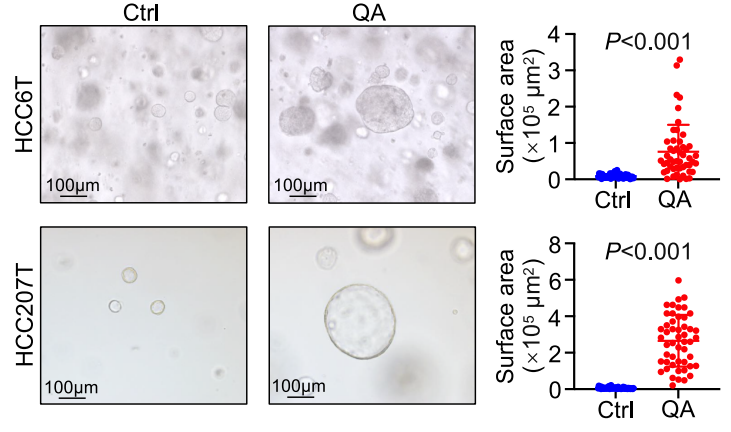
Human HCC (PLC5 and Huh7) cell growth was promoted by Quinolinic acid (QA).
Quinolinic acid purchased from MedChemExpress. Usage Cited in: Cell Metab. 2025 Oct 7;37(10):1998-2013.e7. [Abstract]
Quinolinic acid (QA, 24 h) suppressed HCC cell apoptosis.
Quinolinic acid purchased from MedChemExpress. Usage Cited in: Cell Metab. 2025 Oct 7;37(10):1998-2013.e7. [Abstract]
Quinolinic acid (QA) decreased HCC cell apoptosis by downregulation of cleaved caspase-3, cleaved caspase-7, cleaved caspase-9, and cleaved PARP expression.
Quinolinic acid purchased from MedChemExpress. Usage Cited in: Cell Metab. 2025 Oct 7;37(10):1998-2013.e7. [Abstract]
Quinolinic acid (QA) promoted the growth of primary HCC organoids.
-
Adv Sci (Weinh)
2024 Nov;11(43):e2403445. PMID: 39316379 -
Cell Rep
Nociceptor-derived Reg3γ prevents endotoxic death by targeting kynurenine pathway in microglia. [Abstract]2022 Mar 8;38(10):110462. PMID: 35263589 -
Commun Biol
De novo NAD+ synthesis is ineffective for NAD+ supply in axenically cultured Caenorhabditis elegans. [Abstract]2025 Apr 2;8(1):545. PMID: 40175694 -
Int J Tryptophan Res
Accumulation of Quinolinic Acid Modulates the Pulmonary Immune Response During Influenza Infection. [Abstract]2026 Feb 23:19:11786469261423809. PMID: 41743581 -
-
ACS Chem Neurosci
UPF 648, a Selective KMO Inhibitor, Attenuates Psychomotor and Cognitive Impairment in Chronic Kidney Disease. [Abstract]2025 Mar 5;16(5):908-919. PMID: 39961731
Quinolinic acid purchased from MedChemExpress. Usage Cited in: ACS Chem Neurosci. 2025 Mar 5;16(5):908-919. [Abstract]
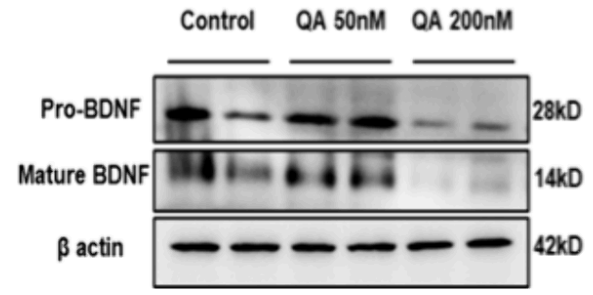
Quinolinic acid (QA, 200 nM) reduced BDNF levels in N2A cells.
-
Metabolites
2023 Dec 12;13(12):1196. PMID: 38132878


Lösungsmittel & Löslichkeit
In Vitro:
DMSO : 33.33 mg/mL (199.44 mM; Need ultrasonic; Hygroscopic DMSO has a significant impact on the solubility of product, please use newly opened DMSO)
H2O : 3.33 mg/mL (19.93 mM; Need ultrasonic)
Please refer to the solubility information to select the appropriate solvent. Once prepared, please aliquot and store the solution to prevent product inactivation from repeated freeze-thaw cycles.
Storage method and period of stock solution: -80°C, 6 months; -20°C, 1 month. When stored at -80°C, please use it within 6 months. When stored at -20°C, please use it within 1 month.
* Note: If you choose water as the stock solution, please dilute it to the working solution, then filter and sterilize it with a 0.22 μm filter before use.
Please refer to the solubility information to select the appropriate solvent. Once prepared, please aliquot and store the solution to prevent product inactivation from repeated freeze-thaw cycles.
Storage method and period of stock solution: -80°C, 6 months; -20°C, 1 month. When stored at -80°C, please use it within 6 months. When stored at -20°C, please use it within 1 month.
* Note: If you choose water as the stock solution, please dilute it to the working solution, then filter and sterilize it with a 0.22 μm filter before use.
Konzentration (Stammlösung) × Volumen (Stammlösung) = Konzentration (Ziellösung) × Volumen (Ziellösung)
In Vivo:
Select the appropriate dissolution method based on your experimental animal and administration route.
- For the following dissolution methods, please ensure to first prepare a clear stock solution using an In Vitro approach and then sequentially add co-solvents:
- To ensure reliable experimental results, the clarified stock solution can be appropriately stored based on storage conditions. As for the working solution for In Vivo experiments, it is recommended to prepare freshly and use it on the same day.
- The percentages shown for the solvents indicate their volumetric ratio in the final prepared solution. If precipitation or phase separation occurs during preparation, heat and/or sonication can be used to aid dissolution.
Add each solvent one by one: 10% DMSO 40% PEG300 5% Tween-80 45% Saline
Solubility: ≥ 2.5 mg/mL (14.96 mM); Clear solution
This protocol yields a clear solution of ≥ 2.5 mg/mL (saturation unknown).
Taking 1 mL working solution as an example, add 100 μL DMSO stock solution (25.0 mg/mL) to 400 μL PEG300, and mix evenly; then add 50 μL Tween-80 and mix evenly; then add 450 μL Saline to adjust the volume to 1 mL.
Preparation of Saline: Dissolve 0.9 g sodium chloride in ddH₂O and dilute to 100 mL to obtain a clear Saline solution.
Add each solvent one by one: 10% DMSO 90% (20% SBE-β-CD in Saline)
Solubility: ≥ 2.5 mg/mL (14.96 mM); Clear solution
This protocol yields a clear solution of ≥ 2.5 mg/mL (saturation unknown).
Taking 1 mL working solution as an example, add 100 μL DMSO stock solution (25.0 mg/mL) to 900 μL 20% SBE-β-CD in Saline, and mix evenly.
Preparation of 20% SBE-β-CD in Saline (4°C, storage for one week): 2 g SBE-β-CD powder is dissolved in 10 mL Saline, completely dissolve until clear.
For the following dissolution methods, please prepare the working solution directly:
It is recommended to prepare fresh solutions and use them promptly within a short period of time.
The percentages shown for the solvents indicate their volumetric ratio in the final prepared solution. If precipitation or phase separation occurs during preparation, heat and/or sonication can be used to aid dissolution.
Add each solvent one by one: PBS
Solubility: 9.09 mg/mL (54.39 mM); Clear solution; Need ultrasonic and warming and heat to 60°C
In Vivo Dissolution Calculator
Please enter the basic information of animal experiments:
-
-
-
-
Recommended: Prepare an additional quantity of animals to account for potential losses during experiments.
Please enter your animal formula composition:
-
%DMSO +
Recommended: Keep the proportion of DMSO in working solution below 2% if your animal is weak.
-
%+
-
+%Tween-80 + +
-
%Saline +
The co-solvents required include: DMSO, . All of co-solvents are available by MedChemExpress (MCE). , Tween 80. All of co-solvents are available by MedChemExpress (MCE).
Working solution concentration: 0.22 mg/mL
Method for preparing stock solution: mg drug dissolved in μL DMSO. Stock solution concentration: mg/mL.
1. Take μL DMSO stock solution;
2. Add μL .
μL , mix evenly;
3. Then add μL Tween 80, mix evenly;
4. Then add μL
Please ensure that the stock solution in the first step is dissolved to a clear state, and add co-solvents in sequence. You can use ultrasonic heating (ultrasonic cleaner, recommended frequency 20-40 kHz), vortexing, etc. to assist dissolution.


Reinheit & Dokumentation
-
Data Sheet (291 KB)
-
SDS (394 KB)
- English - EN (394 KB)
- Français - FR (394 KB)
- Deutsch - DE (394 KB)
- Norwegian - NO (394 KB)
- Español - ES (394 KB)
- Swedish - SV (394 KB)
- Italian - IT (394 KB)
- Korean - KR (394 KB)
- Portuguese - PT (394 KB)
-
Handling Instructions (2659 KB)
Verweise
[1]. Heyes MP, et al. Quinolinic acid and kynurenine pathway metabolism in inflammatory and non-inflammatory neurological disease. Brain. 1992 Oct;115 ( Pt 5):1249-73. [Content Brief]
[2]. Jang S, et al. Neuroprotective effects of (-)-epigallocatechin-3-gallate against quinolinic acid-induced excitotoxicity via PI3K pathway and NO inhibition. Brain Res. 2010 Feb 8;1313:25-33. [Content Brief]
[3]. Sugisawa E, et al. Nociceptor-derived Reg3γ prevents endotoxic death by targeting kynurenine pathway in microglia. Cell Rep. 2022 Mar 8;38(10):110462. [Content Brief]
[4]. Lisak RP, et al. Melanocortin receptor agonist ACTH 1-39 protects rat forebrain neurons from apoptotic, excitotoxic and inflammation-related damage. Exp Neurol. 2015 Nov;273:161-7. [Content Brief]
[5]. Lapin IP. Stimulant and convulsive effects of kynurenines injected into brain ventricles in mice. J Neural Transm. 1978;42(1):37-43. [Content Brief]
[6]. Bains M, et al. Anti-inflammatory effects of ellagic acid and vanillic acid against quinolinic acid-induced rat model of Huntington's disease by targeting IKK-NF-κB pathway. Eur J Pharmacol. 2022 Nov 5;934:175316. [Content Brief]
[7]. Goel F, et al. Protective effects of diacerein against quinolinic acid-induced Huntington's disease-like symptoms in adult zebrafish by targeting GSK-3β signalling. Naunyn Schmiedebergs Arch Pharmacol. 2025 Aug;398(8):10799-10821. [Content Brief]
[8]. Martínez-Gopar PE, et al. Mast cells and histamine are involved in the neuronal damage observed in a quinolinic acid-induced model of Huntington's disease. J Neurochem. 2022 Jan;160(2):256-270. [Content Brief]


Complete Stock Solution Preparation Table
Please refer to the solubility information to select the appropriate solvent. Once prepared, please aliquot and store the solution to prevent product inactivation from repeated freeze-thaw cycles.
Storage method and period of stock solution: -80°C, 6 months; -20°C, 1 month. When stored at -80°C, please use it within 6 months. When stored at -20°C, please use it within 1 month.
| Optional Solvent | Concentration Solvent Mass | 1 mg | 5 mg | 10 mg | 25 mg |
|---|---|---|---|---|---|
| H2O / DMSO | 1 mM | 5.9837 mL | 29.9186 mL | 59.8372 mL | 149.5931 mL |
| 5 mM | 1.1967 mL | 5.9837 mL | 11.9674 mL | 29.9186 mL | |
| 10 mM | 0.5984 mL | 2.9919 mL | 5.9837 mL | 14.9593 mL | |
| 15 mM | 0.3989 mL | 1.9946 mL | 3.9891 mL | 9.9729 mL | |
| DMSO | 20 mM | 0.2992 mL | 1.4959 mL | 2.9919 mL | 7.4797 mL |
| 25 mM | 0.2393 mL | 1.1967 mL | 2.3935 mL | 5.9837 mL | |
| 30 mM | 0.1995 mL | 0.9973 mL | 1.9946 mL | 4.9864 mL | |
| 40 mM | 0.1496 mL | 0.7480 mL | 1.4959 mL | 3.7398 mL | |
| 50 mM | 0.1197 mL | 0.5984 mL | 1.1967 mL | 2.9919 mL | |
| 60 mM | 0.0997 mL | 0.4986 mL | 0.9973 mL | 2.4932 mL | |
| 80 mM | 0.0748 mL | 0.3740 mL | 0.7480 mL | 1.8699 mL | |
| 100 mM | 0.0598 mL | 0.2992 mL | 0.5984 mL | 1.4959 mL |
* Note: If you choose water as the stock solution, please dilute it to the working solution, then filter and sterilize it with a 0.22 μm filter before use.


Quinolinic acid Related Classifications
HY-100807 Related Classifications
 Powered by Bioz