



3-Indolepropionic acid
Based on 15 publication(s) in Google Scholar
3-Indolepropionic acid is shown to be a powerful antioxidant and has potential in the treatment for Alzheimer’s disease.
Nur für Forschungszwecke. Wir verkaufen nicht an Patienten.
- Reinheit : 99.84%
- CAS. Nr.: 830-96-6
- Formel: C11H11NO2
- Molecular Weight:189.21
-
Speicherung:Powder -20°C, 3 years , 4°C, 2 years ; In solvent -80°C, 2 years , -20°C, 1 year

To place orders, for customer services and technical support, please contact: MedChemExpress USA
Tel: 609-228-6898 E-mail: [email protected] [email protected]


-
 Biologische Aktivität
-
Chemical Information
-
Lösungsmittel & Löslichkeit
- Reinheit & Dokumentation
- Verweise
-
 Help & FAQs


-
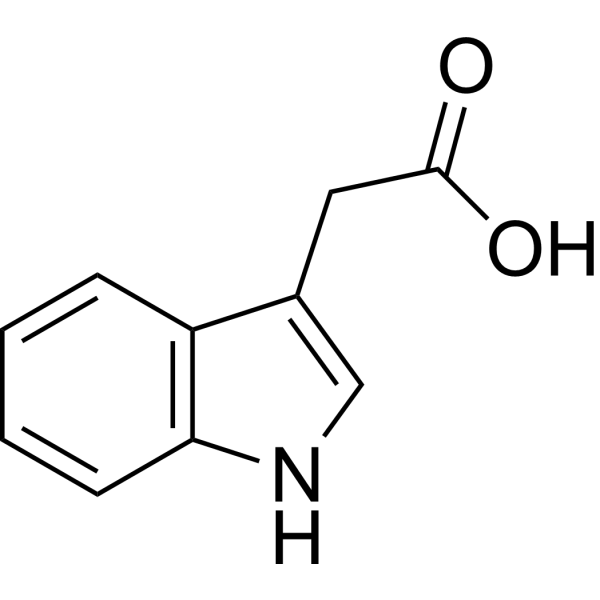
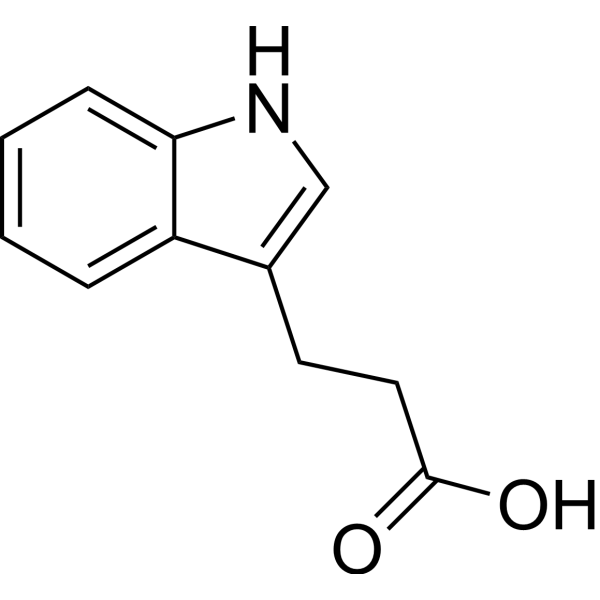
HY-18569
3-Indoleacetic acidPlant Growth Regulator -
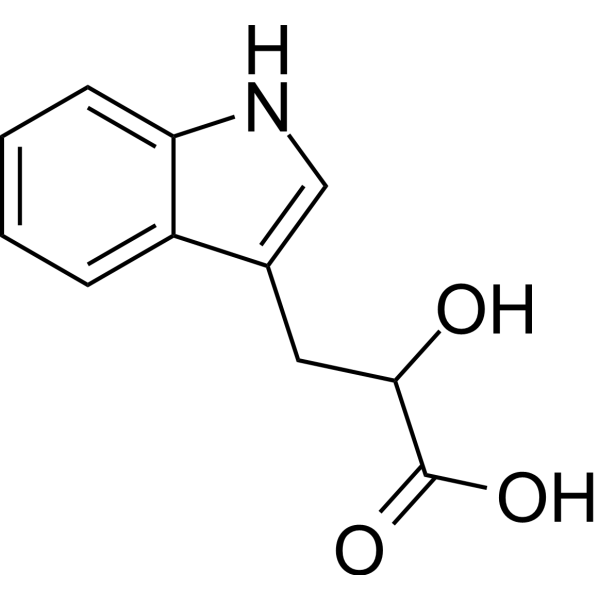
HY-113099
Indolelactic acidTryptophan Catabolite -
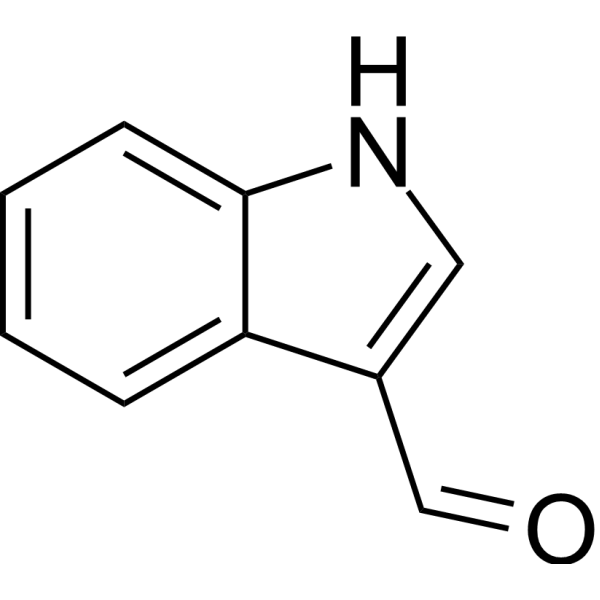
HY-W007376
Indole-3-carboxaldehydeEndogenous Metabolite -
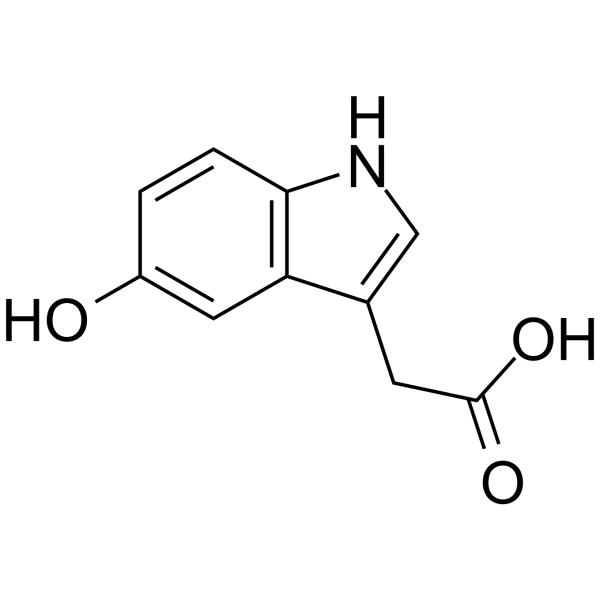
HY-W008253
5-Hydroxyindole-3-acetic acid -
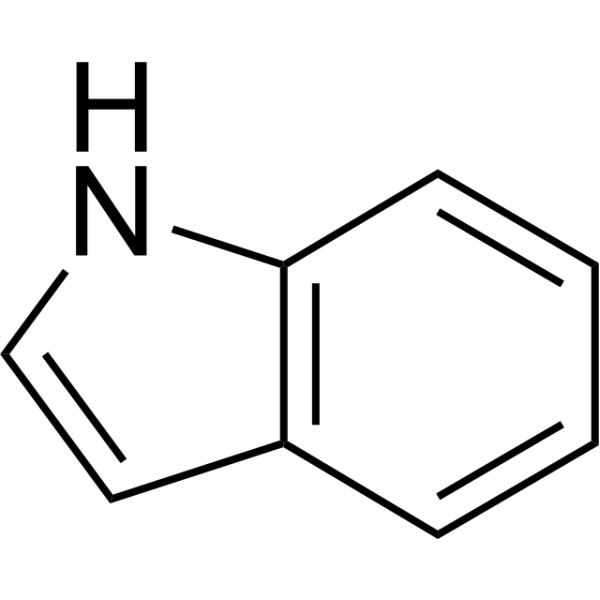
HY-W001132
Indole -
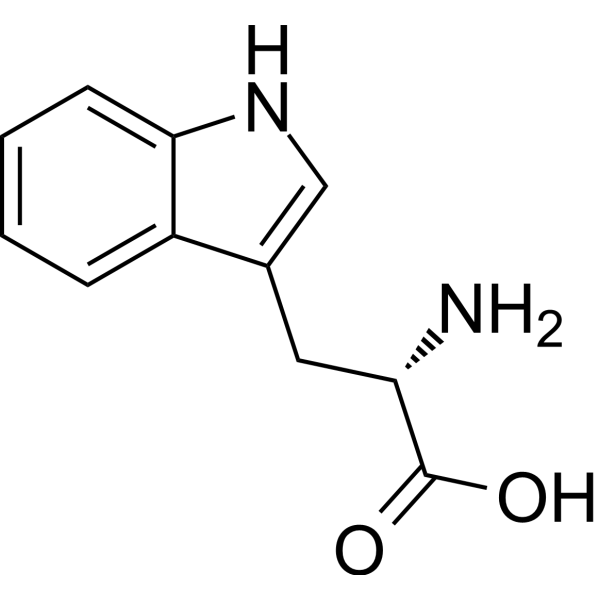
HY-N0623
L-TryptophanEssential Amino Acid -
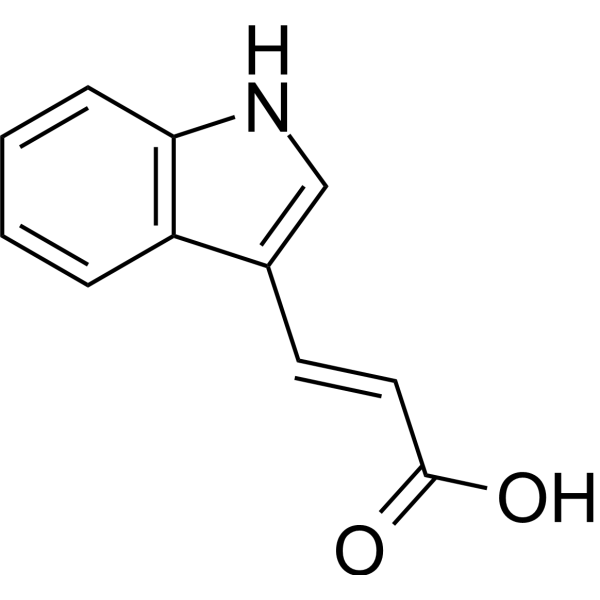
HY-W015273
3-Indoleacrylic acidAntialgal Agent -
HY-N0186
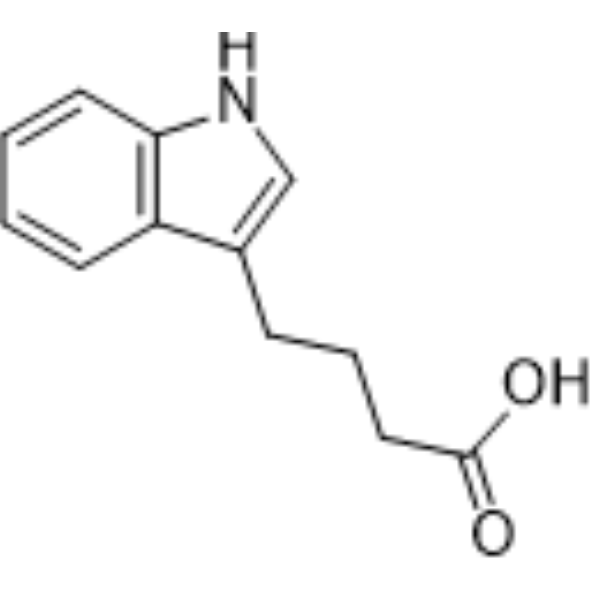
Indole-3-butyric acidEndogenous Metabolite -

HY-W015229R
3-Indolepropionic acid (Standard) -
HY-W028393
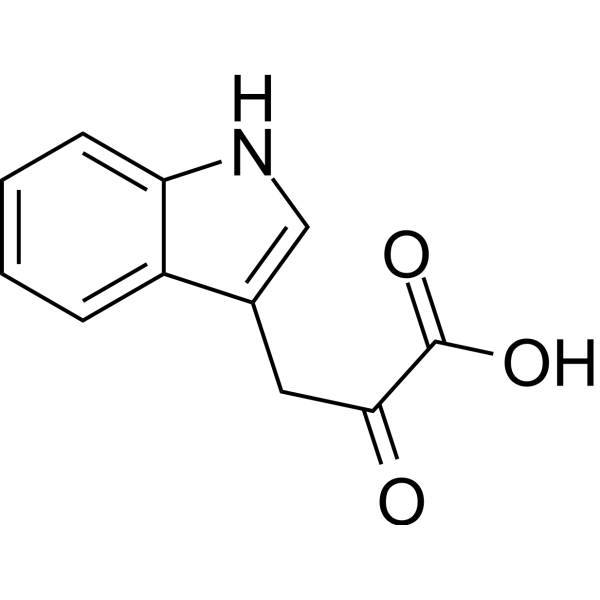
Indole-3-pyruvic acidAHR Agonist -
HY-N0593
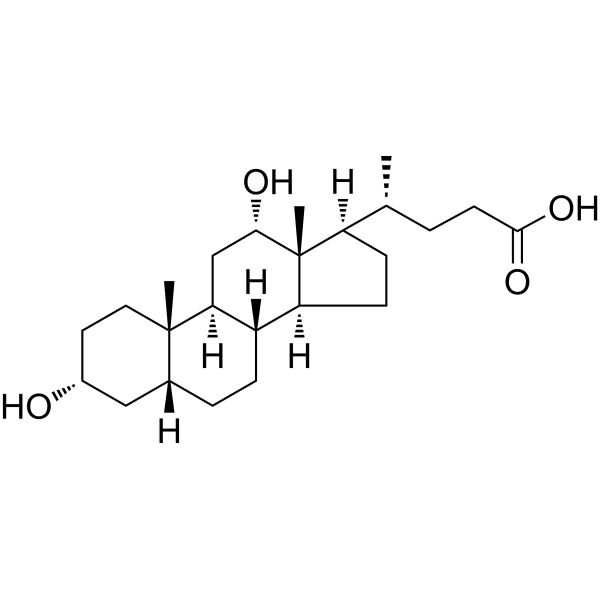
Deoxycholic acidBile Acid Receptor Activator -
HY-W015273A
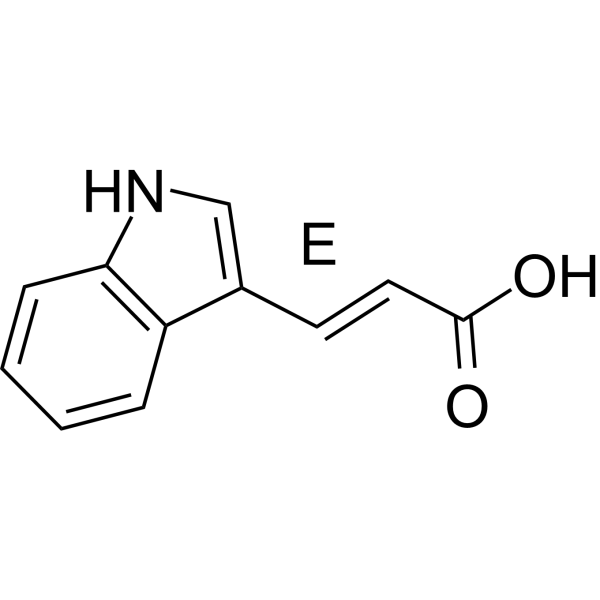
trans-3-Indoleacrylic acidFerroptosis inhibitor
Publications Citing Use of MedChemExpress (MCE) 3-Indolepropionic acid
More- Nat Commun. 2025 Mar 19;16(1):2651. [Abstract]
- J Nanobiotechnology. 2025 Feb 28;23(1):152. [Abstract]
- Interdiscip Med. 2026 Jul 2.
- Cell Rep Med. 2026 Jun 23:102882. [Abstract]
- NPJ Biofilms Microbiomes. 2025 May 23;11(1):86. [Abstract]
- Phytomedicine. 2026 Nov:161:158722.
- Phytomedicine. 2026 Jun 6:159:158396. [Abstract]
- EBioMedicine. 2025 Dec:122:106037. [Abstract]
- J Agric Food Chem. 2025 Mar 5;73(9):5208-5222. [Abstract]
- Int Immunopharmacol. 2026 Nov 1:188:117320.
- Chem Biol Interact. 2025 Jun 1:414:111495. [Abstract]
- ACS Chem Neurosci. 2022 Oct 5;13(19):2897-2912. [Abstract]
- Metab Brain Dis. 2026 Feb 5;41(1):28. [Abstract]
- Mol Immunol. 2025 Dec 22:189:192-205. [Abstract]
- Research Square Preprint. 2023 Oct 31.
 Customer Validation & Images

-
In Vivo Efficacy Study
-
WB
-
RT-PCR
-
Histological Imaging/Staining
-
RT-PCR
Alle Endogenous Metabolite Isoform-spezifische Produkte anzeigen
More

Biologische Aktivität
Beschreibung
IC50 & Target
|
Microbial Metabolite |
Human Endogenous Metabolite |
Cellular Effect
|
Cell Line

|
Type | Value | Description | References |
|---|---|---|---|---|
| HepG2 | CC50 |
>1000 μM
Compound: IPA
|
Cytotoxicity against human HepG2 cells after 24 hrs by CellTiter 96 AQueous One Solution Cell Proliferation assay
Cytotoxicity against human HepG2 cells after 24 hrs by CellTiter 96 AQueous One Solution Cell Proliferation assay
|
[PMID: 31627992] |
| Sf9 | IC50 |
0.14 mM
Compound: 3-indolepropionicacid
|
Inhibition of human recombinant KAT1 expressed in Sf9 cells
Inhibition of human recombinant KAT1 expressed in Sf9 cells
|
[PMID: 19338303] |
In Vitro
3-Indolepropionic acid is shown to be a powerful antioxidant and has potential in the treatment for Alzheimer’s disease[1]. 3-Indolepropionic acid is a more potent scavenger of hydroxyl radicals than melatonin. Similar to melatonin but unlike other antioxidants, 3-Indolepropionic acid scavenges radicals without subsequently generating reactive and pro-oxidant intermediate compounds[2]. It is also suggested that indolepropionic acid, a gut microbiota-produced metabolite, is a potential biomarker for the development of type 2 diabetes (T2D) that may mediate its protective effect by preservation of β-cell function[3].
MedChemExpress (MCE) has not independently confirmed the accuracy of these methods. They are for reference only. .
Clinical Trial
| NCT Number | Sponsor | Condition | Start Date |
Phase
|
|---|---|---|---|---|
| NCT01329991 | Plexxikon| | 2011-05 | PHASE1 |


Chemical Information
-
CAS. Nr. 830-96-6
-
Appearance Solid
-
Molecular Weight 189.21
-
Formel C11H11NO2
-
Color Off-white to yellow
-
SMILES
C1=CC=CC2=C1C(=C[NH]2)CCC(O)=O
-
Synonyms
Indole-3-propionic acid; 3-IPA
-
Structure Classification
-
Initial Source
-
Versand
Room temperature in continental US; may vary elsewhere.
-
Speicherung
Powder -20°C 3 years 4°C 2 years In solvent -80°C 2 years -20°C 1 year


Publications (15)
-
Journal Impact Factor
-
Most Recent
-
Nat Commun
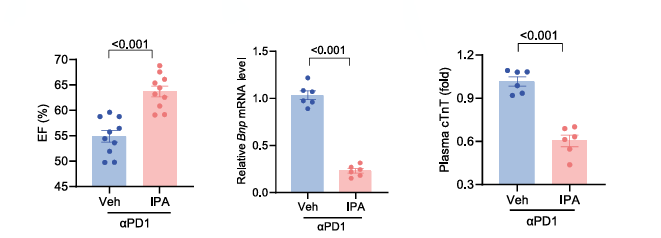
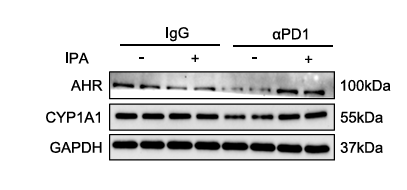
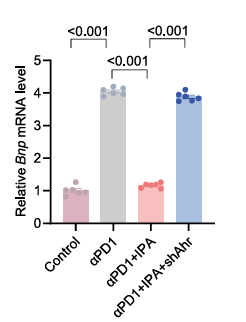
Microbiota-indole-3-propionic acid-heart axis mediates the protection of leflunomide against αPD1-induced cardiotoxicity in mice. [Abstract]2025 Mar 19;16(1):2651. PMID: 40108157
3-Indolepropionic acid purchased from MedChemExpress. Usage Cited in: Nat Commun. 2025 Mar 19;16(1):2651. [Abstract]
Mice were treated with 40 mg/kg 3-Indolepropionic acid by gavage for a fortnight. J Ejection fraction (EF) was measured. K Relative mRNA levels of Bnp were determined. L Plasma biomarker assessments revealed levels of cardiac troponin T (cTnT).
3-Indolepropionic acid purchased from MedChemExpress. Usage Cited in: Nat Commun. 2025 Mar 19;16(1):2651. [Abstract]
Mice were treated with 40 mg/kg 3-indolepropionic acid by gavage for a fortnight. Representative western blots of AhR and CYP1A1 after deficiency of IPA receptor AhR were shown.
3-Indolepropionic acid purchased from MedChemExpress. Usage Cited in: Nat Commun. 2025 Mar 19;16(1):2651. [Abstract]
Mice were treated with 40 mg/kg 3-indolepropionic acid by gavage for a fortnight. Relative mRNA levels of Bnp (n = 6) were measured.
-
J Nanobiotechnology
Pectin-Zein-IPA nanoparticles promote functional recovery and alleviate neuroinflammation after spinal cord injury. [Abstract]2025 Feb 28;23(1):152. PMID: 40016738 -
-
Cell Rep Med
Commensal Cutibacterium acnes-derived indolelactic acid safeguards skin barrier function through the aryl hydrocarbon receptor. [Abstract]2026 Jun 23:102882. PMID: 42335903 -
NPJ Biofilms Microbiomes
Akkermansia muciniphila ameliorates doxorubicin-induced cardiotoxicity by regulating PPARα-dependent mitochondrial biogenesis. [Abstract]2025 May 23;11(1):86. PMID: 40410194 -
-
Phytomedicine
Psoralen ameliorates sepsis-induced acute lung injury by regulating microbiota-dependent tryptophan metabolism. [Abstract]2026 Jun 6:159:158396. PMID: 42335643 -
EBioMedicine
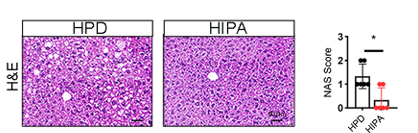
Periodontitis exacerbates metabolic dysfunction-associated steatotic liver disease via the gut microbiota-derived tryptophan metabolism-AHR axis in obesity. [Abstract]2025 Dec:122:106037. PMID: 41274019
3-Indolepropionic acid purchased from MedChemExpress. Usage Cited in: EBioMedicine. 2025 Dec:122:106037. [Abstract]
3-Indolepropionic acid was administered to mice by oral gavage at a dosage of 50 mg/kg, and representative images of H&E-stained liver sections with NAS scores were obtained.
3-Indolepropionic acid purchased from MedChemExpress. Usage Cited in: EBioMedicine. 2025 Dec:122:106037. [Abstract]
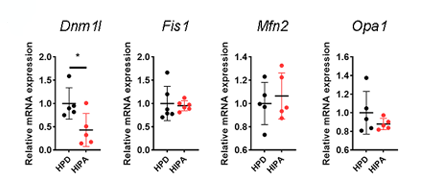
3-Indolepropionic acid was administered to mice by oral gavage at a dosage of 50 mg/kg, and relative Dnm1l, Fis1, Mfn2, and Opa1 mRNA expression in the liver was measured.
-
J Agric Food Chem
Indole-3-Propionic Acid Attenuates Neuroinflammation and Cognitive Deficits by Inhibiting the RAGE-JAK2-STAT3 Signaling Pathway. [Abstract]2025 Mar 5;73(9):5208-5222. PMID: 39992888 -
-
Chem Biol Interact
Fusobacterium nucleatum-derived 3-indolepropionic acid promotes colorectal cancer progression via aryl hydrocarbon receptor activation in macrophages. [Abstract]2025 Jun 1:414:111495. PMID: 40174685 -
ACS Chem Neurosci
Indole-3-propionic Acid Attenuates HI-Related Blood-Brain Barrier Injury in Neonatal Rats by Modulating the PXR Signaling Pathway. [Abstract]2022 Oct 5;13(19):2897-2912. PMID: 36129348 -
Metab Brain Dis
Exploring the therapeutic potential of the gut microbiota metabolite 3‑indolepropionic acid in parkinson's disease: a network pharmacology, molecular docking and cell viability study. [Abstract]2026 Feb 5;41(1):28. PMID: 41642359 -
Mol Immunol
Indole-3-propionic acid exerts radio-protective effects by modulating Wnt1/STAT3 pathway to alleviate oxidative stress and neuroinflammation in microglia. [Abstract]2025 Dec 22:189:192-205. PMID: 41435624 -


Lösungsmittel & Löslichkeit
In Vitro:
DMSO : ≥ 100 mg/mL (528.51 mM; Hygroscopic DMSO has a significant impact on the solubility of product, please use newly opened DMSO)
H2O : 1 mg/mL (5.29 mM; ultrasonic and warming and heat to 80°C)
* "≥" means soluble, but saturation unknown.
Please refer to the solubility information to select the appropriate solvent. Once prepared, please aliquot and store the solution to prevent product inactivation from repeated freeze-thaw cycles.
Storage method and period of stock solution: -80°C, 2 years; -20°C, 1 year. When stored at -80°C, please use it within 2 years. When stored at -20°C, please use it within 1 year.
* Note: If you choose water as the stock solution, please dilute it to the working solution, then filter and sterilize it with a 0.22 μm filter before use.
Please refer to the solubility information to select the appropriate solvent. Once prepared, please aliquot and store the solution to prevent product inactivation from repeated freeze-thaw cycles.
Storage method and period of stock solution: -80°C, 2 years; -20°C, 1 year. When stored at -80°C, please use it within 2 years. When stored at -20°C, please use it within 1 year.
* Note: If you choose water as the stock solution, please dilute it to the working solution, then filter and sterilize it with a 0.22 μm filter before use.
Konzentration (Stammlösung) × Volumen (Stammlösung) = Konzentration (Ziellösung) × Volumen (Ziellösung)
In Vivo:
Select the appropriate dissolution method based on your experimental animal and administration route.
- For the following dissolution methods, please ensure to first prepare a clear stock solution using an In Vitro approach and then sequentially add co-solvents:
- To ensure reliable experimental results, the clarified stock solution can be appropriately stored based on storage conditions. As for the working solution for In Vivo experiments, it is recommended to prepare freshly and use it on the same day.
- The percentages shown for the solvents indicate their volumetric ratio in the final prepared solution. If precipitation or phase separation occurs during preparation, heat and/or sonication can be used to aid dissolution.
Add each solvent one by one: 10% DMSO 40% PEG300 5% Tween-80 45% Saline
Solubility: ≥ 2.5 mg/mL (13.21 mM); Clear solution
This protocol yields a clear solution of ≥ 2.5 mg/mL (saturation unknown).
Taking 1 mL working solution as an example, add 100 μL DMSO stock solution (25.0 mg/mL) to 400 μL PEG300, and mix evenly; then add 50 μL Tween-80 and mix evenly; then add 450 μL Saline to adjust the volume to 1 mL.
Preparation of Saline: Dissolve 0.9 g sodium chloride in ddH₂O and dilute to 100 mL to obtain a clear Saline solution.
Add each solvent one by one: 10% DMSO 90% (20% SBE-β-CD in Saline)
Solubility: ≥ 2.5 mg/mL (13.21 mM); Clear solution
This protocol yields a clear solution of ≥ 2.5 mg/mL (saturation unknown).
Taking 1 mL working solution as an example, add 100 μL DMSO stock solution (25.0 mg/mL) to 900 μL 20% SBE-β-CD in Saline, and mix evenly.
Preparation of 20% SBE-β-CD in Saline (4°C, storage for one week): 2 g SBE-β-CD powder is dissolved in 10 mL Saline, completely dissolve until clear.
For the following dissolution methods, please prepare the working solution directly:
It is recommended to prepare fresh solutions and use them promptly within a short period of time.
The percentages shown for the solvents indicate their volumetric ratio in the final prepared solution. If precipitation or phase separation occurs during preparation, heat and/or sonication can be used to aid dissolution.
Add each solvent one by one: 50% PEG300 50% Saline
Solubility: 10 mg/mL (52.85 mM); Clear solution; Need ultrasonic
Add each solvent one by one: 15% Cremophor EL 85% Saline
Solubility: 10 mg/mL (52.85 mM); Clear solution; Need ultrasonic
In Vivo Dissolution Calculator
Please enter the basic information of animal experiments:
-
-
-
-
Recommended: Prepare an additional quantity of animals to account for potential losses during experiments.
Please enter your animal formula composition:
-
%DMSO +
Recommended: Keep the proportion of DMSO in working solution below 2% if your animal is weak.
-
%+
-
+%Tween-80 + +
-
%Saline +
The co-solvents required include: DMSO, . All of co-solvents are available by MedChemExpress (MCE). , Tween 80. All of co-solvents are available by MedChemExpress (MCE).
Working solution concentration: 0.22 mg/mL
Method for preparing stock solution: mg drug dissolved in μL DMSO. Stock solution concentration: mg/mL.
1. Take μL DMSO stock solution;
2. Add μL .
μL , mix evenly;
3. Then add μL Tween 80, mix evenly;
4. Then add μL
Please ensure that the stock solution in the first step is dissolved to a clear state, and add co-solvents in sequence. You can use ultrasonic heating (ultrasonic cleaner, recommended frequency 20-40 kHz), vortexing, etc. to assist dissolution.


Reinheit & Dokumentation
-
Data Sheet (277 KB)
-
SDS (396 KB)
- English - EN (396 KB)
- Français - FR (396 KB)
- Deutsch - DE (396 KB)
- Norwegian - NO (396 KB)
- Español - ES (396 KB)
- Swedish - SV (396 KB)
- Italian - IT (396 KB)
- Korean - KR (396 KB)
- Portuguese - PT (396 KB)
-
Handling Instructions (2659 KB)
Verweise
[1]. Wikoff WR, et al. Metabolomics analysis reveals large effects of gut microflora on mammalian blood metabolites. Proc Natl Acad Sci U S A. 2009 Mar 10;106(10):3698-703. [Content Brief]
[2]. Reiter RJ, et al. Reactive oxygen intermediates, molecular damage, and aging. Relation to melatonin. Ann N Y Acad Sci. 1998 Nov 20;854:410-24. [Content Brief]
[3]. de Mello VDet al. Indolepropionic acid and novel lipid metabolites are associated with a lower risk of type 2 diabetes in the Finnish Diabetes Prevention Study. Sci Rep. 2017 Apr 11;7:46337. doi: 10.1038/srep46337. [Content Brief]


Complete Stock Solution Preparation Table
Please refer to the solubility information to select the appropriate solvent. Once prepared, please aliquot and store the solution to prevent product inactivation from repeated freeze-thaw cycles.
Storage method and period of stock solution: -80°C, 2 years; -20°C, 1 year. When stored at -80°C, please use it within 2 years. When stored at -20°C, please use it within 1 year.
| Optional Solvent | Concentration Solvent Mass | 1 mg | 5 mg | 10 mg | 25 mg |
|---|---|---|---|---|---|
| H2O / DMSO | 1 mM | 5.2851 mL | 26.4257 mL | 52.8513 mL | 132.1283 mL |
| 5 mM | 1.0570 mL | 5.2851 mL | 10.5703 mL | 26.4257 mL | |
| DMSO | 10 mM | 0.5285 mL | 2.6426 mL | 5.2851 mL | 13.2128 mL |
| 15 mM | 0.3523 mL | 1.7617 mL | 3.5234 mL | 8.8086 mL | |
| 20 mM | 0.2643 mL | 1.3213 mL | 2.6426 mL | 6.6064 mL | |
| 25 mM | 0.2114 mL | 1.0570 mL | 2.1141 mL | 5.2851 mL | |
| 30 mM | 0.1762 mL | 0.8809 mL | 1.7617 mL | 4.4043 mL | |
| 40 mM | 0.1321 mL | 0.6606 mL | 1.3213 mL | 3.3032 mL | |
| 50 mM | 0.1057 mL | 0.5285 mL | 1.0570 mL | 2.6426 mL | |
| 60 mM | 0.0881 mL | 0.4404 mL | 0.8809 mL | 2.2021 mL | |
| 80 mM | 0.0661 mL | 0.3303 mL | 0.6606 mL | 1.6516 mL | |
| 100 mM | 0.0529 mL | 0.2643 mL | 0.5285 mL | 1.3213 mL |
* Note: If you choose water as the stock solution, please dilute it to the working solution, then filter and sterilize it with a 0.22 μm filter before use.


3-Indolepropionic acid Related Classifications
HY-W015229 Related Classifications
 Powered by Bioz