



Orthopoxvirus
Orthopoxvirus is a genus of viruses in the family Poxviridae and subfamily Chordopoxvirinae. The orthopoxvirus genus consists of 12 viruses including variola virus, vaccinia virus (VV), cowpox viruses (CV), monkeypox virus, and camelpox virus.
There are not many drugs available for orthopoxvirus treatment. The only product currently available for treatment of complications of Orthopoxvirus infection is vaccinia immunoglobulin (VIG). In 2021, brincidofovir was approved by FDA for the treatment of smallpox and tecovirimat was approved by EMA for the treatment of monkeypox in 2022. A few active compounds including interferon and interferon inducers, and a variety of nucleosides or nucleotides have been reported to have activity against orthopoxvirus.
All Product Categories
-
Orthopoxvirus Related Products (140)
Related Products (140)

-
Tiazofurin
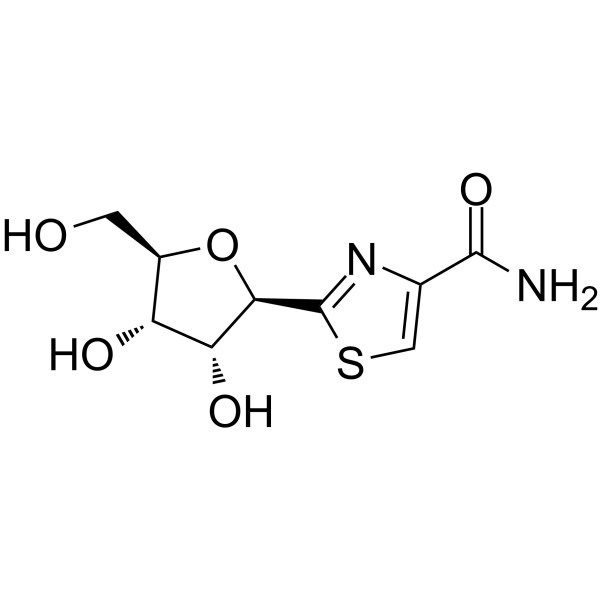 0 ImagesSynonyms: NSC 286193; RiboxamideTiazofurin (NSC 286193) is a synthetic nucleoside analogue with antineoplastic activity. Tiazofurin is anabolized intracellularly to tiazole-4-carboxamide adenine dinucleotide (TAD), a potent inhibitor of IMP dehydrogenase (IMPDH). Tiazofurin enhances the autosecretion of IL-6 in K562 cells. Tiazofurin also has anti-orthopoxvirus and anti-variola activities. Tiazofurin can be used for the study of leukemia and lung cancer.
-
Ancitabine hydrochloride
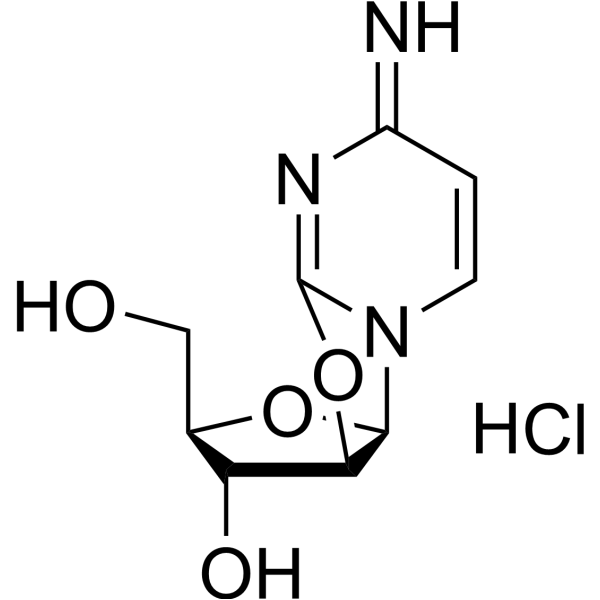 0 ImagesSynonyms: Cyclocytidine hydrochloride; Cyclo-CMP hydrochloride; Cyclo-CAncitabine (Cyclocytidine) hydrochloride is a cytarabine derivative that inhibits viral replication. Ancitabine hydrochloride blocks vaccinia virus DNA replication, the progression of viral protein synthesis from early to late stages, and one-step growth of vaccinia virus. Ancitabine hydrochloride is applicable to research related to vaccinia virus infection, leukemia, human cytomegalovirus infection and colorectal cancer.
-
3'-O-Methylguanosine
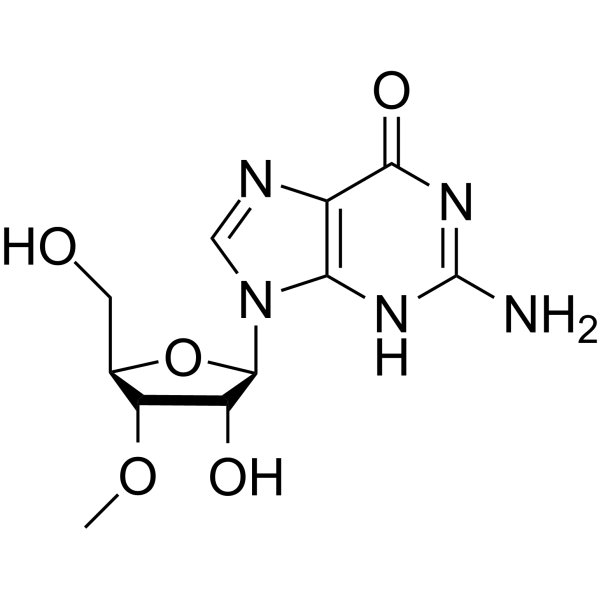 0 Images3'-O-Methylguanosine is a methylated nucleoside analog and RNA chain terminator. 3'-O-Methylguanosine can inhibit the synthesis of early vaccinia virus-specific RNA.
-
BEPP hydrochloride
 0 ImagesBEPP hydrochloride is a double-stranded RNA-dependent protein kinase (PKR) modulator. BEPP hydrochloride enhances the phosphorylation levels of PKR and eIF2α, activates caspase-3, upregulates the pro-apoptotic protein BAX, and downregulates the anti-apoptotic protein Bcl-2. BEPP hydrochloride inhibits vaccinia virus replication and exhibits selective cytotoxicity in cells expressing PKR. BEPP hydrochloride can be used in research related to cancer and viral infections.
-
Neplanocin A
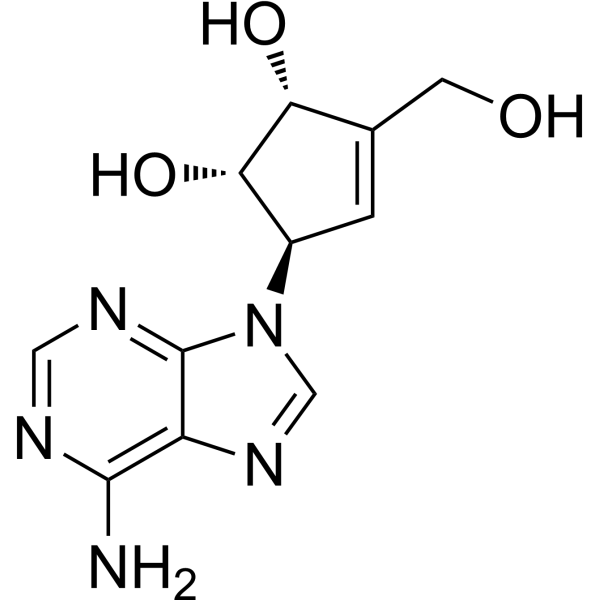 0 ImagesSynonyms: (-)-Neplanocin ANeplanocin A ((-)-Neplanocin A) is an antitumor antibiotic with significant antitumor activity against murine L1210 leukemia. Neplanocin A is also an irreversible inhibitor of AdoHcy hydrolase (Ki=8.39 nM). Neplanocin A also has antiviral activity and is effective against vaccinia virus. Neplanocin A is obtained from Ampulariella regularis.
-
Thiosemicarbazide
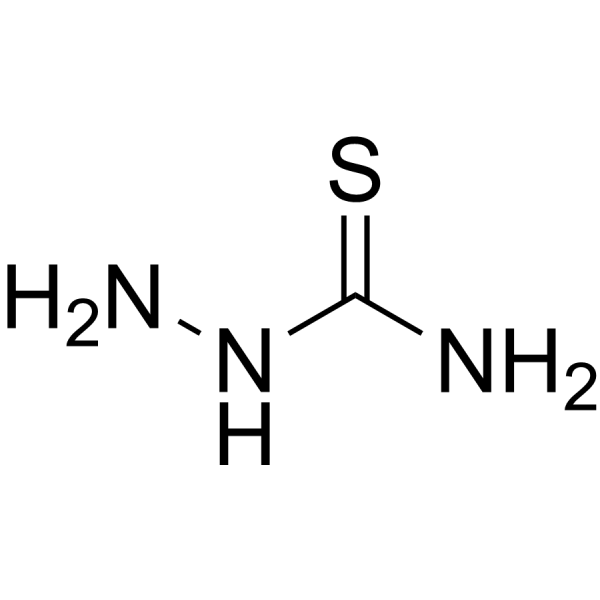 0 ImagesThiosemicarbazide is a vitamin B6 antagonist with anti-acne activity. Thiosemicarbazide is also a well-known source in the synthesis of heterocycles, and its derivatives have potential anticancer activity. Thiosemicarbazide (TSC: HL1) reacts with metal salts, urea (U), to prepare Co(II) and Cu(I) metal complexes. Thiosemicarbazide is also used in the fields of media communications and optical storage, and in the spectrophotometric detection of metals.
-
Eicosatetraynoic acid
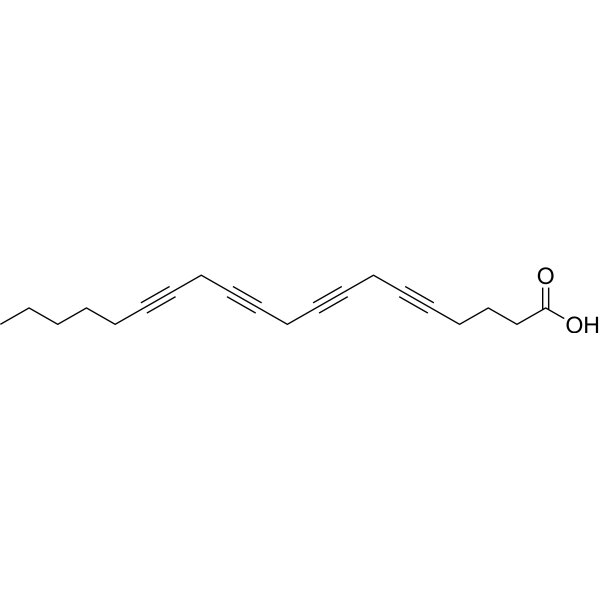 0 ImagesEicosatetraynoic acid (ETYA) is a non-metabolizable analog of Arachidonic acid (HY-109590) and also an inhibitor of the lipoxygenase (LOX)/cyclooxygenase (COX) pathway (ID50 = 8 μM and 4 μM). Eicosatetraynoic acid acts as a suicide substrate to inhibit the production of inflammatory mediators such as leukotrienes and prostaglandins. Eicosatetraynoic acid acts directly on cell membranes and membrane proteins to exert a wide range of effects, including blocking potassium channels, increasing cell membrane fluidity, elevating intracellular calcium levels, inhibiting DNA synthesis in tumor cells, inducing differentiation of certain cells, and specifically inhibiting the assembly and replication of orthopoxviruses. Eicosatetraynoic acid alleviates acute lung injury induced by chemicals such as phosgene.
-
2-Aminoquinoline
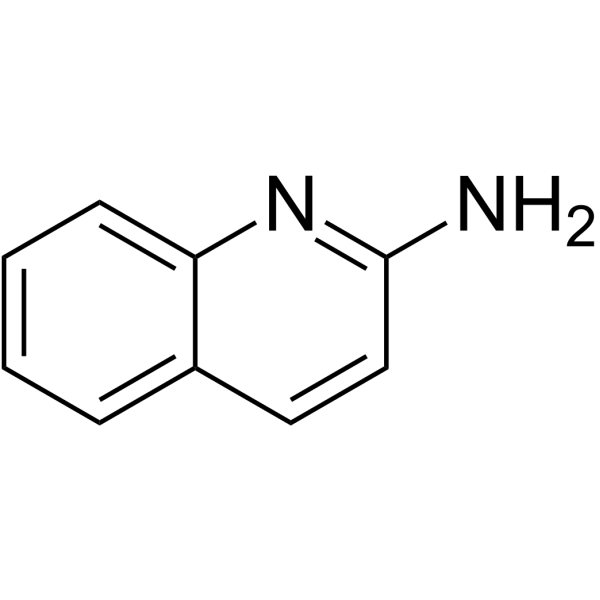 0 ImagesSynonyms: 2-Quinolinamine2-Aminoquinoline (2-Quinolinamine) is a promising compound as bioavailable nNOS inhibitor but suffers from low human nNOS inhibition, low selectivity versus human eNOS, and significant binding to other CNS targets. 2-Aminoquinoline exhibits antiviral activity against the vaccinia virus. 2-Aminoquinoline has the potential for the research of antineurodegenerative agents.
-
Enrofloxacin (Standard)
 0 ImagesSynonyms: BAY Vp 2674 (Standard); PD160788 (Standard)Enrofloxacin (Standard) is the analytical standard of Enrofloxacin. This product is intended for research and analytical applications. Enrofloxacin (BAY Vp 2674) is an effective antibiotic with an MIC90 of 0.312 μg/mL for Mycoplasma bovis.
-
Thymidine-13C10,15N2
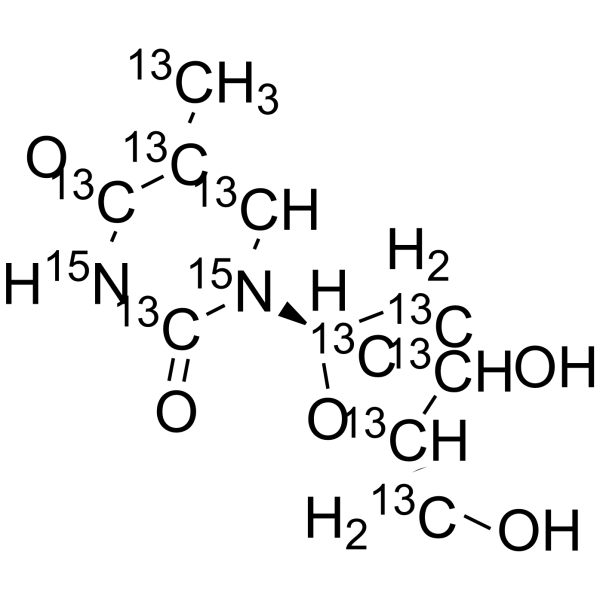 0 ImagesSynonyms: DThyd-13C10,15N2; NSC-13C10,15N2
-
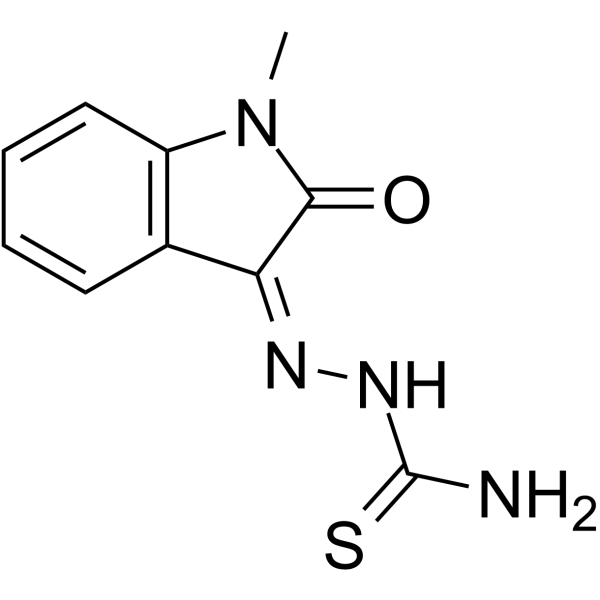
Isatin-β-thiosemicarbazone
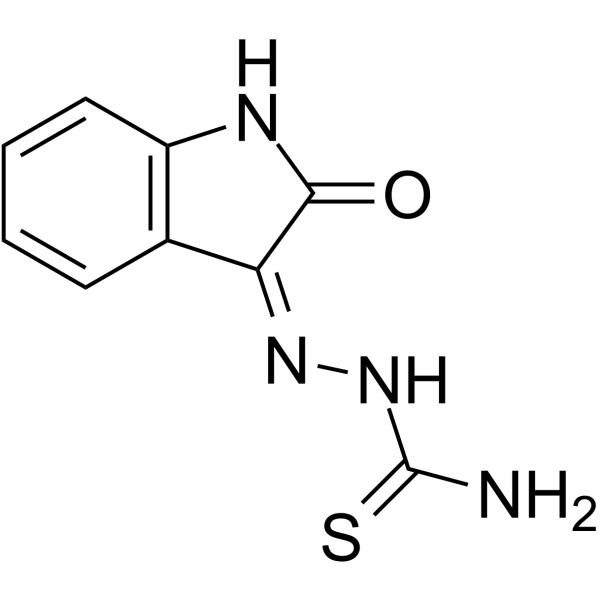 0 ImagesSynonyms: IBTIsatin-β-thiosemicarbazone is a potent anti-poxvirus agent (including monkeypox virus, orthopoxvirus, vaccinia virus, etc). Isatin-β-thiosemicarbazone also is a potent herpes simplex virus (HSV) inhibitor. Isatin-β-thiosemicarbazone exhibits
-
ITGB3-IN-1
 0 ImagesITGB3-IN-1 is an orally active integrin subunit beta 3 ITGB3 inhibitor with a Kd of 7.26 μM. ITGB3-IN-1 exhibits potent anti-orthopoxvirus effects with an EC50 for vaccinia virus (VACV) of 1.82 μM. ITGB3-IN-1 inhibits hERG with an IC50 of 1.13 μM. ITGB3-IN-1 can be used for the study of orthopoxvirus.
-
Ribavirin (Standard)
 0 ImagesSynonyms: Ribasphere (Standard)Ribavirin (Standard) is the analytical standard of Ribavirin. This product is intended for research and analytical applications. Ribavirin (ICN-1229) is an antiviral agent against a broad spectrum of viruses including HCV, HIVl, and RSV. Ribavirin also has anti-orthopoxvirus and anti-variola activities.
-
Amantadine-d15
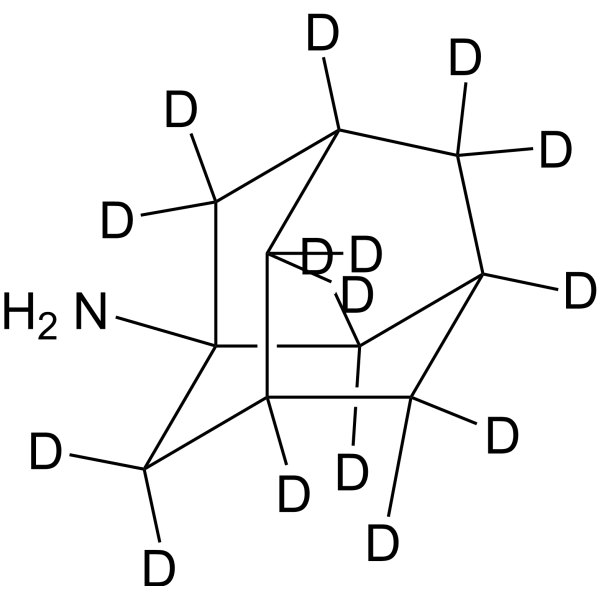 0 ImagesSynonyms: 1-Adamantanamine-d15; 1-Aminoadamantane-d15Amantadine-d15 is the deuterium labeled Amantadine. Amantadine (1-Adamantanamine) is an antiviral agent with activity against influenza A viruses. Amantadine blocks the proton flow through the M2 ion channel (M2 proton channel of influenza A) and thus prevents the release of viral RNA into the cytoplasm of the infected cells. Amantadine is an antiparkinsonian agent.
-
Tecovirimat monohydrate
 0 ImagesSynonyms: ST-246 monohydrateTecovirimat (ST-246) monohydrate is the monohydrate form of Tecovirimat (HY-14805). Tecovirimat monohydrate is an orally bioavailable and selective compound against orthopoxviruses [including vaccinia, monkeypox, camelpox, cowpox, ectromelia (mousepox), smallpox and variola viruses]. Tecovirimat monohydrate is evaluated against vaccinia, cowpox virus, ectromelia virus with EC50 values of 0.01 μM, 0.48 μM and 0.05 μM, respectively. Tecovirimat monohydrate targets the orthopoxvirus protein VP37 which is necessary for membrane envelopment of intracellular mature virus particles to form enveloped virus. Tecovirimat monohydrate exerts antiviral activity on the target of the cowpox virus V061 gene, which is homologous to vaccinia virus F13L, encoding a major envelope protein (p37) required for production of extracellular virus. Tecovirimat monohydrate could be used in the study for orthopoxvirus-induced diseases.

-
Thymidine-13C5
 0 ImagesSynonyms: DThyd-13C5; NSC 21548-13C5
-
Thymidine-13C10
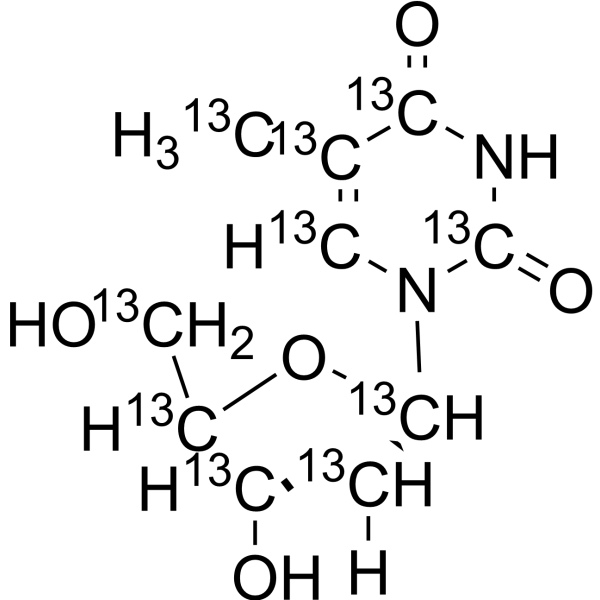 0 ImagesCat. No.: HY-N1150S11Synonyms: DThyd-13C10; NSC 21548-13C10
-
Thymidine-15N2
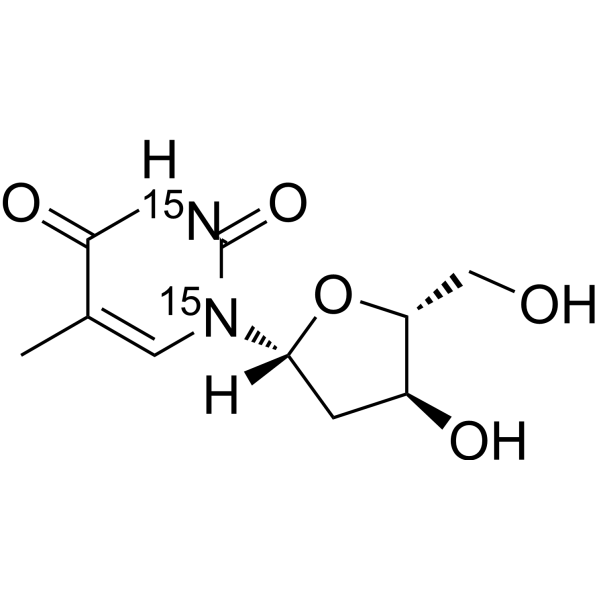 0 ImagesCat. No.: HY-N1150S9Purity: 99.0%Synonyms: DThyd-15N2; NSC-15N2



