



Quinone Reductase
Quinone Reductase
Quinones, a class of organic compounds, are formally derived from aromatic compounds and are a subset of the quinoid family which also contains the quinone imines and the quinone methides. NQO1 (QR1, EC 1.6.99.2), also referred to as DT-diaphorase (formerly), nicotinamide quinone oxidoreductase 1, quinone reductase type 1, or menadione reductase, is a cytosolic flavoenzyme. Another member of the quinone oxidoreductases family is NQO2 (QR2, EC 1.10.99.2) which is also a FAD bound protein (25 kDa) and closely related to NQO1. In addition to NQO1 and NQO2 found in humans, an ancient NQO3 subfamily exists in eubacteria, NQO4 subfamily in fungi, and NQO5 subfamily in archaebacteria[1][2].
References:
- [1]. Rashid MH, et al. Interactions of the antioxidant enzymes NAD(P)H: Quinone oxidoreductase 1 (NQO1) and NRH: Quinone oxidoreductase 2 (NQO2) with pharmacological agents, endogenous biochemicals and environmental contaminants. Chem Biol Interact. 2021 Aug 25;345:109574.
- [2]. Cuendet M, et al. Quinone reductase induction as a biomarker for cancer chemoprevention. J Nat Prod. 2006 Mar;69(3):460-3.
All Product Categories
-
Quinone Reductase Inhibitors
(27)
View all products
-
Quinone Reductase Activators
(28)
View all products
-
Quinone Reductase Modulator
(1)
View all products
-
Quinone Reductase Inducers
(9)
View all products
-
Quinone Reductase Control
(1)
View all products
-
Quinone Reductase Substrates
(7)
View all products
-
Quinone Reductase Related Products (78)
Related Products (78)

-
Bisindolylmaleimide III
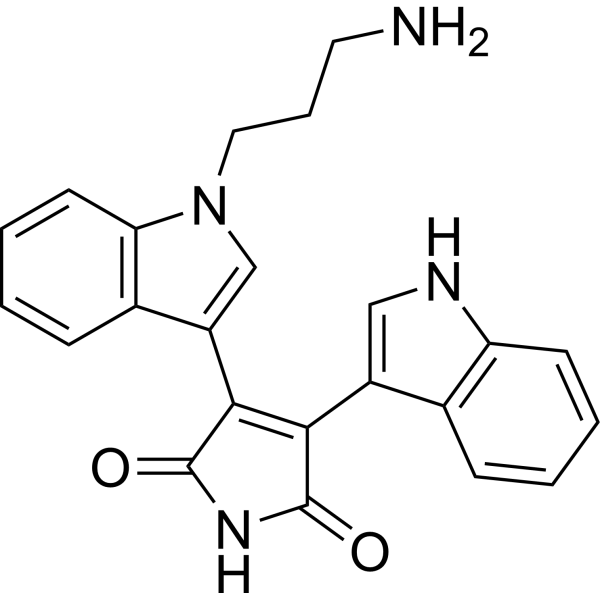 0 ImagesBisindolylmaleimide III is a protein kinase C (PKC) inhibitor with IC50 values of 0.26, 5.7, and 6 μM against PKCα, PKCδ, and PKCμ, respectively. Bisindolylmaleimide III also exhibits inhibitory activity against other off-targets, with IC50 values of 0.17, 1, and 2 μM against SLK, adenosine kinase (AK), and CDK2, respectively; its Ki for NQO2 is 16.5 μM. Bisindolylmaleimide III selectively binds to activated Rsk1 following EGF stimulation, and serves as a tool for detecting the activation status of intracellular Rsk1 and PKCα, as well as for functional analysis of SLK. Bisindolylmaleimide III can be used in studies of signal transduction and colorectal cancer.
-
Nrf2 activator-6
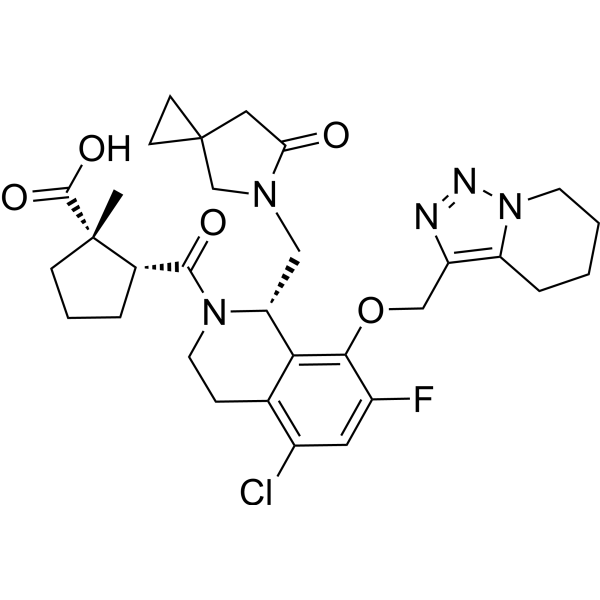 0 ImagesCat. No.: HY-148480CAS No.: 2728780-74-1Nrf2 activator-6, a tetrahydroisoquinoline compound, is a Nrf2 activator. Nrf2 activator-6 has an IC50 of 5 nM for inhibiting the Kelch domain-Nrf2 interaction (WO2021214470A1; Example 4).
-
Diminutol
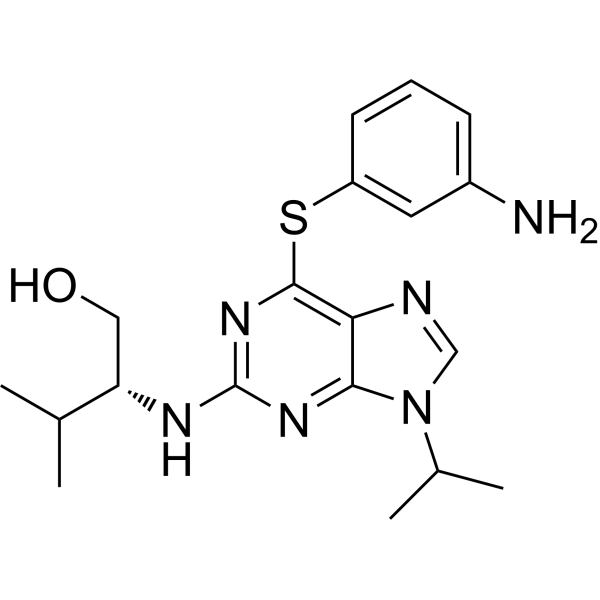 0 ImagesDiminutol is an inhibitor for NADP-dependent quinone oxidoreductase (NQO1), that is involved in microtubule morphogenesis and cell devision.
-
Neochlorogenic acid methyl ester
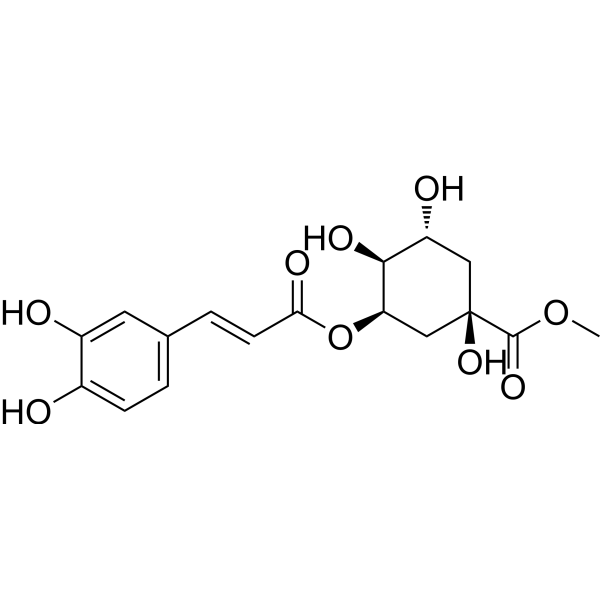 0 ImagesSynonyms: 5-O-Caffeoylquinic acid methyl esterNeochlorogenic acid (5-O-Caffeoylquinic) methyl ester is a selective quinone reductase inducer (EC50 = 6.7 μM) and also exhibits hydroxyl radical scavenging activity (EC50 = 0.81 μM). Neochlorogenic acid methyl ester scavenges hydroxyl radicals by donating electrons or hydrogen atoms, while simultaneously inducing quinone reductase expression to enhance carcinogen detoxification, thus exerting antioxidant and cancer chemopreventive activities. Neochlorogenic acid methyl ester is used in research on antioxidant damage and promoting detoxification metabolism, primarily in the fields of cancer chemotherapy and antioxidant-related diseases. Neochlorogenic acid methyl ester is also an HBV inhibitor and can be isolated from the flower buds of *L. japonica*.
-
NQO1 substrate
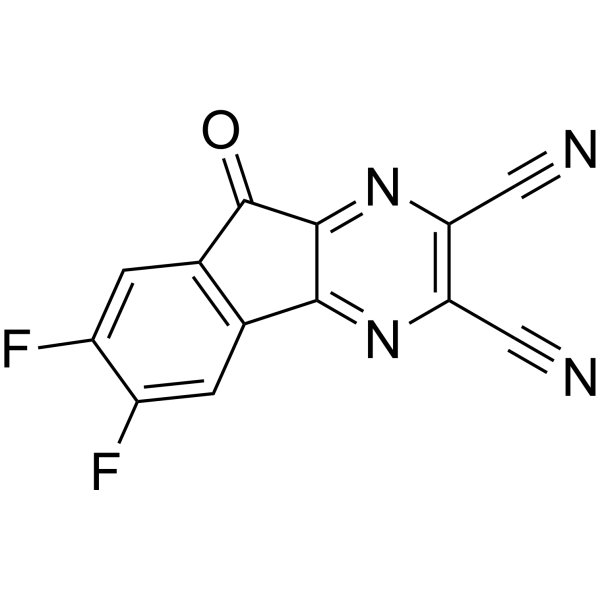 0 ImagesNQO1 substrate acts as an efficient NQO1 substrate and may be a new option for the treatment of NQO1-overexpresssing drug-resistant NSCLC.
-
NQO1 Human Pre-designed siRNA Set A
 0 ImagesCat. No.: HY-RS09523
NQO1 Human Pre-designed siRNA Set A contains three designed siRNAs for NQO1 gene (Human), as well as a negative control, a positive control, and a FAM-labeled negative control.
-
4′-Bromoflavone
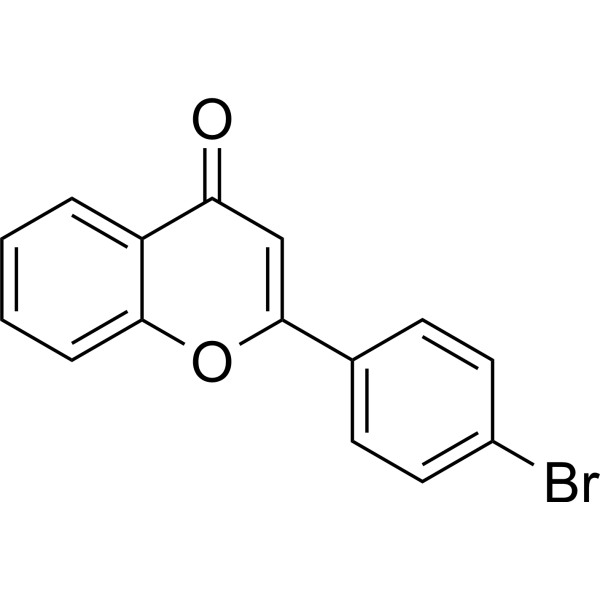 0 ImagesCat. No.: HY-115772CAS No.: 20525-20-6
-
Multiflorin A
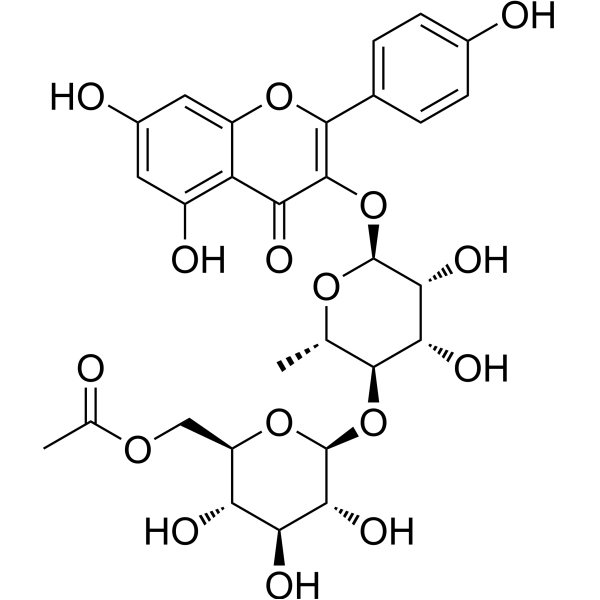 0 ImagesCat. No.: HY-N12326CAS No.: 1350028-90-8Multiflorin A is an orally active active ingredient of traditional herbal laxative, Pruni semen. Multiflorin A inhibits aromatase enzyme activity with an IC50 of 15.5 μM. Multiflorin A also inhibits quinone reductase 2 (QR2) and COX-2 enzyme. Multiflorin A has purgative activity and reduces postprandial blood glucose in mice. Multiflorin A modulates intestinal glucose transporters, tight junction proteins, and aquaporins, reshapes gut microbiota, and alters faecal metabolites. Multiflorin A can be used for the research of constipation and diabetes.
-
Nqo1 Mouse Pre-designed siRNA Set A
 0 ImagesCat. No.: HY-RS16549
Nqo1 Mouse Pre-designed siRNA Set A contains three designed siRNAs for Nqo1 gene (Mouse), as well as a negative control, a positive control, and a FAM-labeled negative control.
-
Nrf2 activator-7
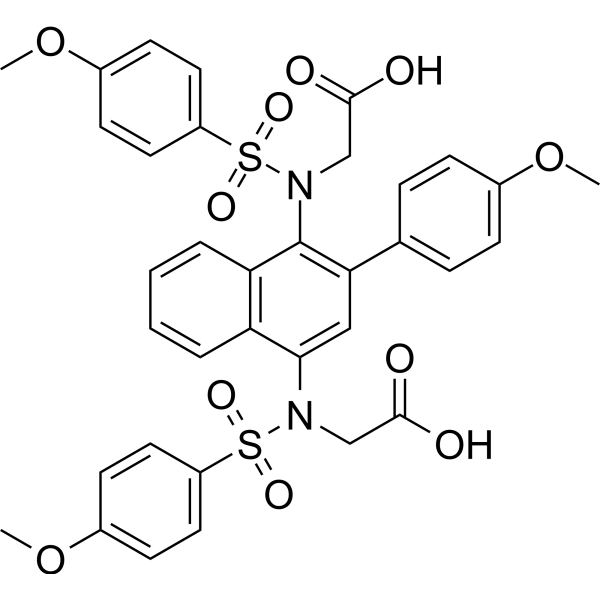 0 ImagesCat. No.: HY-149244CAS No.: 2456295-39-7Nrf2 activator-7 (Compound 12b) is a potent Nrf2 activator and significantly activates the Nrf2 signaling pathway.
-
NIR-ASM
 0 ImagesCat. No.: HY-D3209CAS No.: 2646628-35-3NIR-ASM is a near-infrared fluorescent probe that can cross cell membranes and be activated by NQO1. NIR-ASM can distinguish NQO1-expressing cancer cells from normal cells via fluorescence microscopy and flow cytometry. NIR-ASM generates near-infrared fluorescence with a high signal-to-noise ratio in tumor models with NQO1 activity, enabling the detection of endogenous NQO1 activity in vivo. NIR-ASM is applicable to the research of lung cancer and breast cancer.
-
Keap1-IN-1
 0 ImagesCat. No.: HY-170301Keap1-IN-1 (Compound 27) is the inhibitor for Keap1, that covalently modifys the Cys151 site in the BTB domain of KEAP1, and interfers with the interaction between Keap-Nrf. Keap1-IN-1 upregulates the mRNA expression of the antioxidant stress element (ARE)-dependent gene NQO1 with an EC50 of 160 nM. Keap1-IN-1 exhibits cytotoxicity in cell U2OS with an EC50 of 527 nM.
-
GSK3227634
 0 ImagesCat. No.: HY-189367CAS No.: 1799977-30-2GSK3227634 is a non-covalent inhibitor of the KEAP1-NRF2 protein-protein interaction. GSK3227634 binds to the Kelch domain of KEAP1, disrupts the KEAP1-NRF2 protein-protein interaction, and thereby activates the NRF2 antioxidant cytoprotective pathway. In a rat model of acute lung injury, intratracheal administration of GSK3227634 dose-dependently upregulates the expression of NRF2 downstream target genes such as NQO1, TXNRD1, and SRXN1, and elevates glutathione levels in lung tissue. GSK3227634 can be used for research on chronic obstructive pulmonary disease.
-
Casimiroin
 0 ImagesCasimiroin is a QR2 and Aromatase inhibitor, with an IC50 of 54.1 μM against QR2 and an IC50 of 3.92 μM against aromatase. Casimiroin exhibits antimutagenic activity and inhibits DMBA (HY-W011845)-induced mutations in Salmonella typhimurium. Casimiroin suppresses DMBA-induced precancerous lesions in mouse mammary organ cultures. Casimiroin can be used in breast cancer-related research.
-
Pronqodine A
 0 ImagesCat. No.: HY-N16372CAS No.: 1424195-39-0Pronqodine A is an Indoleamine 2,3-Dioxygenase (IDO) inhibitor, with an IC50 of 131.5 nM. Pronqodine A inhibits bradykinin-induced release of PGE2, 6-keto-prostaglandin F1α, PGD2 and induces the production of reactive oxygen species (ROS) in human synovial sarcoma SW982 cells. Pronqodine A is a good substrate for human quinone reductase NQO1. Pronqodine A can be used for the study of inflammation.
-
threo-Guaiacylglycerol β-coniferyl ether
 0 ImagesCat. No.: HY-N9765CAS No.: 168393-18-8threo-Guaiacylglycerol β-coniferyl ether (compound 9) is a potentially active compound, but its inhibitory activity against NF-κB, nitric oxide production, aromatase, quinone reductase 2, and cyclooxygenase (COX-1/-2) is not significant. threo-Guaiacylglycerol β-coniferyl ether can be naturally extracted from the 95% ethanol extract of the whole plant of Lepisorus contortus (Christ) Ching (a plant of the Polypodiaceae family).
-
FXR agonist 18
 0 ImagesCat. No.: HY-183692CAS No.: 3061938-00-6FXR agonist 18 is an orally active FXR agonist, with an EC50 of 10 nM against human FXR and an EC50 of 1360 nM against human TGR5. FXR agonist 18 inhibits inflammatory responses by reducing nitrite production, downregulating the expression of pro-inflammatory genes (Tnf, Adgre1, Cyp8b1, upregulating the expression of FXR, Hmox1, Nqo1, Nrf2, and enhancing antioxidant responses. FXR agonist 18 ameliorates liver fibrosis in mice, exhibits protective effects in mice with cholestatic liver injury, and shows anti-MASH efficacy. FXR agonist 18 can be used in studies of metabolic dysfunction-associated steatohepatitis.
-
Ola-NC-SS-PEG-Lap
 0 ImagesCat. No.: HY-181017Ola-NC-SS-PEG-Lap is a selective immunogenic cell death inducer. Ola-NC-SS-PEG-Lap exploits the synergistic interplay between an NQO1-bioactivated compound and a PARP inhibitor to selectively induce immunogenic cell death in tumor cells without harming normal cells. Ola-NC-SS-PEG-Lap induces ROS accumulation, increases DNA damage. Ola-NC-SS-PEG-Lap can be activated by GSH and release Ola, ultimately producing the synergistic antitumor effect with the Lap portion. Ola-NC-SS-PEG-Lap has anti-cancer activity against colon cancer.
-
KL1333 hydrochloride
 0 ImagesCat. No.: HY-128895ACAS No.: 1800406-26-1KL1333 hydrochloride is an orally active NAD+ modulator that reacts with NAD(P)H:quinone oxidoreductase 1 (NQO1) as a substrate, leading to increased intracellular NAD+ levels through NADH oxidation. Elevated NAD+ levels trigger activation of SIRT1 and AMPK, and subsequently activate PGC-1α. KL1333 hydrochloride improves energy metabolism and mitochondrial dysfunction in mitochondrial encephalomyopathy, lactic acidosis, and stroke-like episodes (MELAS) fibroblasts. KL1333 hydrochloride protects against cisplatin-induced ototoxicity in mouse cochlear cultures.
-
Antiproliferative agent-62
 0 ImagesCat. No.: HY-167694CAS No.: 856435-40-0Antiproliferative agent-62 (compound 5) is a functionalized benzylidene-indolin-2-one with notable antiproliferative activity and NQO1 activity induciton funciton, particularly in inducing NQO1 expression in murine Hepa1c1c7 cells and demonstrating effectiveness against human cancer cell lines, including MCF-7 and HCT116.



