Delivery of temperature sensitive items including proteins and kits will be paused on 6/19 for the Juneteenth holiday. For urgent orders please contact customer service.
Tumour Necrosis Factor alpha (TNF alpha) is a homotrimer protein consisting of 157 amino acids, is a potent pro-inflammatory cytokine[1]. TNF alpha binds to its receptors, mainly TNFR1 and TNFR2, and then transmits molecular signals for biological functions such as inflammation and cell death[2]. TNF alpha stimulates NF-κB pathway via TNFR2 promotes cancer growth, invasion, and metastasis. Anti-TNF-α MAb significantly suppresses the tumor development in colitis-associated cancer (CAC) mouse[3]. TNF alpha as a proneurogenic factor activates the SAPK/JNK Pathway and can facilitate neuronal replacement and brain repair in response to brain injury[4].
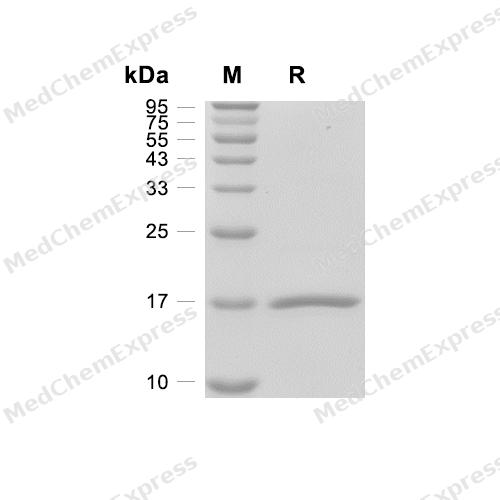
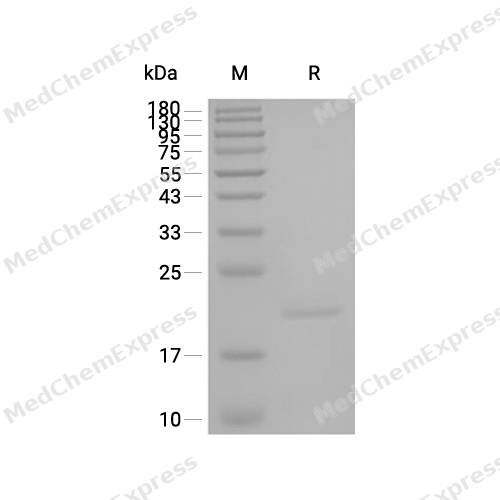
Tumour Necrosis Factor alpha (TNF alpha) is a potent pro-inflammatory cytokine. TNF alpha binds to its receptors, mainly TNFR1 and TNFR2, and then transmits molecular signals for biological functions such as inflammation and cell death. TNF alpha stimulates NF-κB pathway via TNFR2 promotes cancer growth, invasion, and metastasis. Anti-TNF-α MAb significantly suppresses the tumor development in colitis-associated cancer (CAC) mouse. TNF alpha as a proneurogenic factor activates the SAPK/JNK Pathway and can facilitate neuronal replacement and brain repair in response to brain injury. TNF-alpha/TNFSF2 Protein, Human is a recombinant protein consisting of 157 amino acids (V77-L233) and is produced in E. coli.
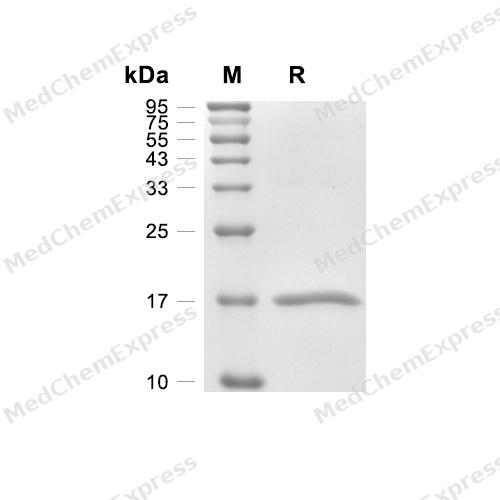
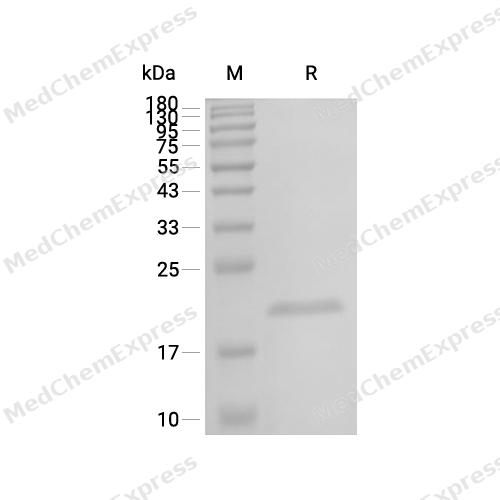
Tumour Necrosis Factor alpha (TNF alpha) is a potent pro-inflammatory cytokine. TNF alpha binds to its receptors, mainly TNFR1 and TNFR2, and then transmits molecular signals for biological functions such as inflammation and cell death. TNF alpha stimulates NF-κB pathway via TNFR2 promotes cancer growth, invasion, and metastasis. Anti-TNF-α MAb significantly suppresses the tumor development in colitis-associated cancer (CAC) mouse. TNF alpha as a proneurogenic factor activates the SAPK/JNK Pathway and can facilitate neuronal replacement and brain repair in response to brain injury. TNF-alpha/TNFSF2 Protein, Mouse (156a.a) is a recombinant protein consisting of 156 amino acids (L80-L235) and is produced in E. coli.
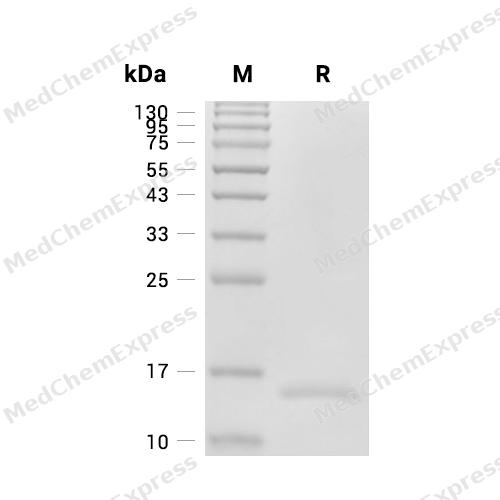
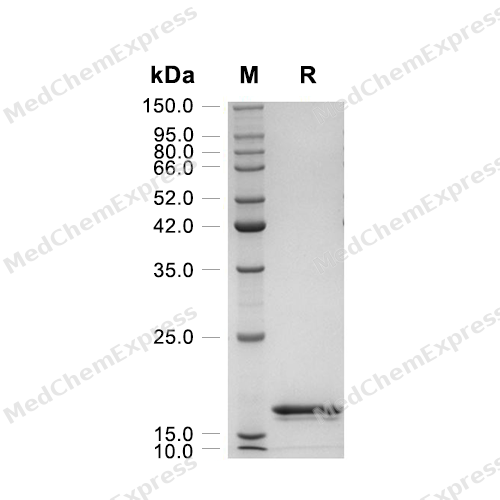
Tumour Necrosis Factor alpha (TNF alpha) is a potent pro-inflammatory cytokine. TNF alpha binds to its receptors, mainly TNFR1 and TNFR2, and then transmits molecular signals for biological functions such as inflammation and cell death. TNF alpha stimulates NF-κB pathway via TNFR2 promotes cancer growth, invasion, and metastasis. Anti-TNF-α MAb significantly suppresses the tumor development in colitis-associated cancer (CAC) mouse. TNF alpha as a proneurogenic factor activates the SAPK/JNK Pathway and can facilitate neuronal replacement and brain repair in response to brain injury. GMP TNF-alpha/TNFSF2 Protein, Human is a recombinant protein consisting of 157 amino acids (V77-L233) and is produced in E. coli.
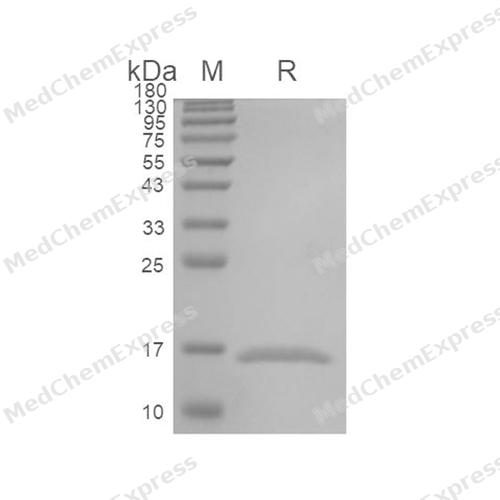
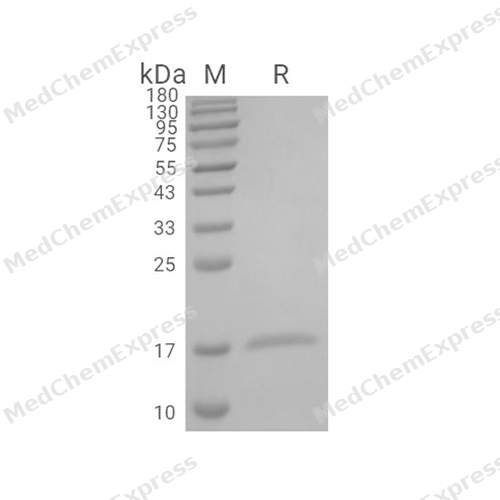
Tumour Necrosis Factor alpha (TNF alpha) is a potent pro-inflammatory cytokine. TNF alpha binds to its receptors, mainly TNFR1 and TNFR2, and then transmits molecular signals for biological functions such as inflammation and cell death. TNF alpha stimulates NF-κB pathway via TNFR2 promotes cancer growth, invasion, and metastasis. Anti-TNF-α MAb significantly suppresses the tumor development in colitis-associated cancer (CAC) mouse. TNF alpha as a proneurogenic factor activates the SAPK/JNK Pathway and can facilitate neuronal replacement and brain repair in response to brain injury.TNF-alpha/TNFSF2 Protein, Mouse is a recombinant protein consisting of 147 amino acids (D89-L235) and is produced in E. coli.
Tumour Necrosis Factor alpha (TNF alpha) is a potent pro-inflammatory cytokine. TNF alpha binds to its receptors, mainly TNFR1 and TNFR2, and then transmits molecular signals for biological functions such as inflammation and cell death. TNF alpha stimulates NF-κB pathway via TNFR2 promotes cancer growth, invasion, and metastasis. Anti-TNF-α MAb significantly suppresses the tumor development in colitis-associated cancer (CAC) mouse. TNF alpha as a proneurogenic factor activates the SAPK/JNK Pathway and can facilitate neuronal replacement and brain repair in response to brain injury .
Tumour Necrosis Factor alpha (TNF alpha) is a potent pro-inflammatory cytokine. TNF alpha binds to its receptors, mainly TNFR1 and TNFR2, and then transmits molecular signals for biological functions such as inflammation and cell death. TNF alpha stimulates NF-κB pathway via TNFR2 promotes cancer growth, invasion, and metastasis. Anti-TNF-α MAb significantly suppresses the tumor development in colitis-associated cancer (CAC) mouse. TNF alpha as a proneurogenic factor activates the SAPK/JNK Pathway and can facilitate neuronal replacement and brain repair in response to brain injury. TNF-alpha/TNFSF2 Protein, Human (Biotinylated, HEK293, His-Avi) is a biotinylated recombinant protein with C-Terminal Avi and His label, It consists of 157 amino acids (V77-L233) and is produced in HEK293 cells.
Tumour Necrosis Factor alpha (TNF alpha) is a potent pro-inflammatory cytokine. TNF alpha binds to its receptors, mainly TNFR1 and TNFR2, and then transmits molecular signals for biological functions such as inflammation and cell death. TNF alpha stimulates NF-κB pathway via TNFR2 promotes cancer growth, invasion, and metastasis. Anti-TNF-α MAb significantly suppresses the tumor development in colitis-associated cancer (CAC) mouse. TNF alpha as a proneurogenic factor activates the SAPK/JNK Pathway and can facilitate neuronal replacement and brain repair in response to brain injury. TNF-alpha/TNFSF2 Protein, Human (HEK293, His-Avi) is a recombinant protein with a C-Terminal Avi and a His label, It consists of 157 amino acids (V77-L233) and is produced in HEK293 cells.
TNF-α/TNFSF2 protein is a macrophage-secreted cytokine that binds to TNFRSF1A/TNFR1 and TNFRSF1B/TNFBR, inducing tumor cell death and acting as a pyrogen. It is associated with cachexia and stimulates cell proliferation and differentiation. Animal-Free TNF-alpha/TNFSF2 Protein, Human (His) is the recombinant human-derived animal-FreeTNF-alpha/TNFSF2 protein, expressed by E. coli , with C-His labeled tag. This product is for cell culture use only.
Tumour Necrosis Factor alpha (TNF alpha) is a potent pro-inflammatory cytokine. TNF alpha binds to its receptors, mainly TNFR1 and TNFR2, and then transmits molecular signals for biological functions such as inflammation and cell death. TNF alpha stimulates NF-κB pathway via TNFR2 promotes cancer growth, invasion, and metastasis. Anti-TNF-α MAb significantly suppresses the tumor development in colitis-associated cancer (CAC) mouse. TNF alpha as a proneurogenic factor activates the SAPK/JNK Pathway and can facilitate neuronal replacement and brain repair in response to brain injury. TNF-alpha/TNFSF2 Protein, Mouse (P. pastoris) is a recombinant protein and is produced in P. pastoris.
TNF-alpha/TNFSF2 Protein, Mouse (His) is recombinant mouse tumor necrosis factor alpha (TNF-α) with his tag.TNF-alpha/TNFSF2 Protein, a major mediator of inflammation, is involved in a number of infectious and parasitic diseases.
Tumour Necrosis Factor alpha (TNF alpha) is a potent pro-inflammatory cytokine. TNF alpha binds to its receptors, mainly TNFR1 and TNFR2, and then transmits molecular signals for biological functions such as inflammation and cell death. TNF alpha stimulates NF-κB pathway via TNFR2 promotes cancer growth, invasion, and metastasis. Anti-TNF-α MAb significantly suppresses the tumor development in colitis-associated cancer (CAC) mouse. TNF alpha as a proneurogenic factor activates the SAPK/JNK Pathway and can facilitate neuronal replacement and brain repair in response to brain injury. TNF-alpha/TNFSF2 Protein, Human (P.pastoris) is a recombinant protein consisting of 157 amino acids (V77-L233) and is produced in P. pastoris.
Tumour Necrosis Factor alpha (TNF alpha) is a potent pro-inflammatory cytokine. TNF alpha binds to its receptors, mainly TNFR1 and TNFR2, and then transmits molecular signals for biological functions such as inflammation and cell death. TNF alpha stimulates NF-κB pathway via TNFR2 promotes cancer growth, invasion, and metastasis. Anti-TNF-α MAb significantly suppresses the tumor development in colitis-associated cancer (CAC) mouse. TNF alpha as a proneurogenic factor activates the SAPK/JNK Pathway and can facilitate neuronal replacement and brain repair in response to brain injury. TNF-alpha/TNFSF2 Protein, Rat (P.pastoris) is a recombinant protein and is produced in P. pastoris.
Tumour Necrosis Factor alpha (TNF alpha) is a potent pro-inflammatory cytokine. TNF alpha binds to its receptors, mainly TNFR1 and TNFR2, and then transmits molecular signals for biological functions such as inflammation and cell death. TNF alpha stimulates NF-κB pathway via TNFR2 promotes cancer growth, invasion, and metastasis. Anti-TNF-α MAb significantly suppresses the tumor development in colitis-associated cancer (CAC) mouse. TNF alpha as a proneurogenic factor activates the SAPK/JNK Pathway and can facilitate neuronal replacement and brain repair in response to brain injury. TNF-alpha/TNFSF2 Protein, Canine is a recombinant protein produced in E. coli.
Tumour Necrosis Factor alpha (TNF alpha) is a potent pro-inflammatory cytokine. TNF alpha binds to its receptors, mainly TNFR1 and TNFR2, and then transmits molecular signals for biological functions such as inflammation and cell death. TNF alpha stimulates NF-κB pathway via TNFR2 promotes cancer growth, invasion, and metastasis. Anti-TNF-α MAb significantly suppresses the tumor development in colitis-associated cancer (CAC) mouse. TNF alpha as a proneurogenic factor activates the SAPK/JNK Pathway and can facilitate neuronal replacement and brain repair in response to brain injury. TNF-alpha/TNFSF2 Protein, Cynomolgus is a recombinant protein consisting of 157 amino acids (V77-L233) and is produced in E. coli.
TNF-alpha/TNFSF2 protein binds to TNFRSF1A/TNFR1 and TNFRSF1B/TNFBR. It induces tumor cell death, fever, cachexia, cell proliferation, and cell differentiation. It also causes insulin resistance and GKAP42 protein degradation in adipocytes. Additionally, it plays a role in angiogenesis, osteoclastogenesis, and IL12 production in dendritic cells. TNF-alpha/TNFSF2 Protein, Cynomolgus (N-His) is the recombinant cynomolgus-derived TNF-alpha/TNFSF2 protein, expressed by E. coli , with N-6*His labeled tag.
TNF-α/TNFSF2 protein is secreted by macrophages, binds to TNFRSF1A/TNFR1 and TNFRSF1B/TNFBR, induces tumor cell death and acts as a pyrogen.It is associated with cachexia, stimulates cell proliferation and differentiation, and induces insulin resistance in adipocytes, leading to TNF-induced insulin resistance.Animal-Free TNF-alpha/TNFSF2 Protein, Mouse (His) is the recombinant mouse-derived animal-FreeTNF-alpha/TNFSF2 protein, expressed by E.coli , with C-His, C-His labeled tag.This product is for cell culture use only.
Tumour Necrosis Factor alpha (TNF alpha) is a potent pro-inflammatory cytokine. TNF alpha binds to its receptors, mainly TNFR1 and TNFR2, and then transmits molecular signals for biological functions such as inflammation and cell death. TNF alpha stimulates NF-κB pathway via TNFR2 promotes cancer growth, invasion, and metastasis. Anti-TNF-α MAb significantly suppresses the tumor development in colitis-associated cancer (CAC) mouse. TNF alpha as a proneurogenic factor activates the SAPK/JNK Pathway and can facilitate neuronal replacement and brain repair in response to brain injury. TNF-alpha/TNFSF2 Protein, Bovine is produced in E. coli.
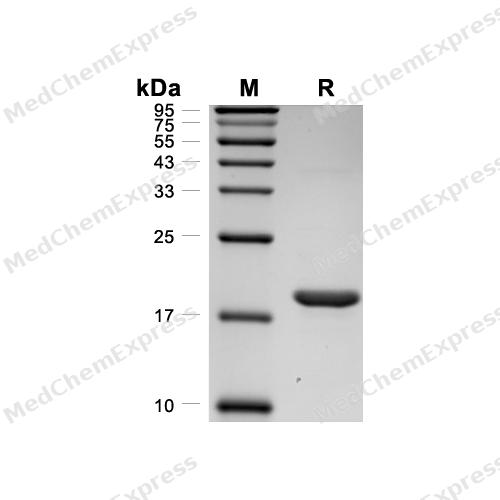
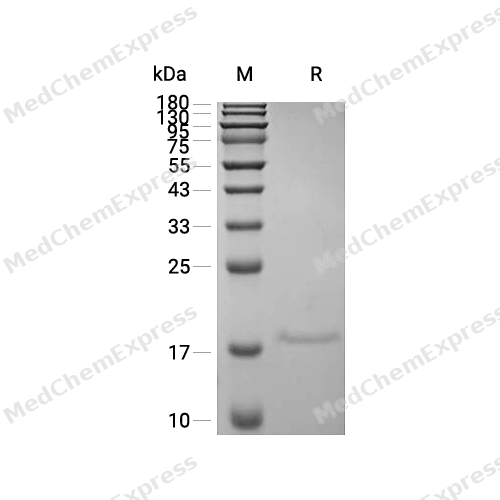
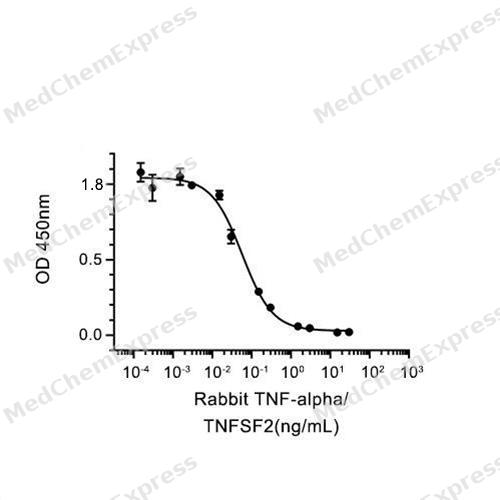
Tumour Necrosis Factor alpha (TNF alpha) is a potent pro-inflammatory cytokine. TNF alpha binds to its receptors, mainly TNFR1 and TNFR2, and then transmits molecular signals for biological functions such as inflammation and cell death. TNF alpha stimulates NF-κB pathway via TNFR2 promotes cancer growth, invasion, and metastasis. Anti-TNF-α MAb significantly suppresses the tumor development in colitis-associated cancer (CAC) mouse. TNF alpha as a proneurogenic factor activates the SAPK/JNK Pathway and can facilitate neuronal replacement and brain repair in response to brain injury. TNF-alpha/TNFSF2 protein, Rabbit is a recombinant protein consisting of 158 amino acids (V78-L235) and is produced in E. coli.
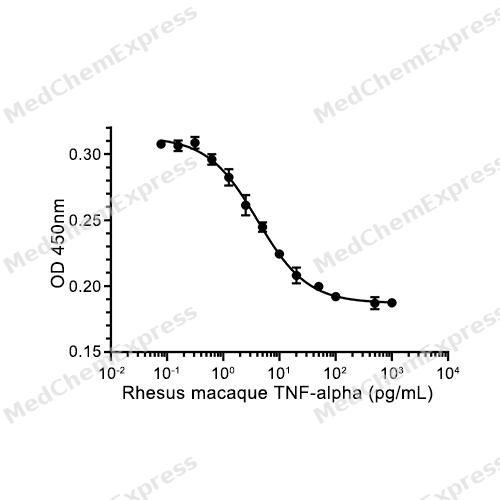
Tumour Necrosis Factor alpha (TNF alpha) is a potent pro-inflammatory cytokine. TNF alpha binds to its receptors, mainly TNFR1 and TNFR2, and then transmits molecular signals for biological functions such as inflammation and cell death. TNF alpha stimulates NF-κB pathway via TNFR2 promotes cancer growth, invasion, and metastasis. Anti-TNF-α MAb significantly suppresses the tumor development in colitis-associated cancer (CAC) mouse. TNF alpha as a proneurogenic factor activates the SAPK/JNK Pathway and can facilitate neuronal replacement and brain repair in response to brain injury. TNF-alpha/TNFSF2 Protein, Rhesus macaque is a recombinant protein consisting of 157 amino acids (V77-L233) and is produced in E. coli.
Tumour Necrosis Factor alpha (TNF alpha) is a potent pro-inflammatory cytokine. TNF alpha binds to its receptors, mainly TNFR1 and TNFR2, and then transmits molecular signals for biological functions such as inflammation and cell death. TNF alpha stimulates NF-κB pathway via TNFR2 promotes cancer growth, invasion, and metastasis. Anti-TNF-α MAb significantly suppresses the tumor development in colitis-associated cancer (CAC) mouse. TNF alpha as a proneurogenic factor activates the SAPK/JNK Pathway and can facilitate neuronal replacement and brain repair in response to brain injury. TNF-alpha/TNFSF2 Protein, Ferret is a recombinant protein consisting of 157 amino acids (V77-L233) and is produced in E. coli.
Western blot analysis of extracts from THP-1(lane 2(20μg), Jurkat (lane 3(20μg) and NIH3T3(lane 4(20μg) using FOXO1A (HY-P80132) Rabbit mAb. Proteins were transferred
to a PVDF membrane and blocked with 5% non-fat milk in TBST for 2 hour at room temperature. The primary antibody (1/1000) and Loading control antibody (Beta Actin, HY-P80438, 1/10000) was
used in 5% non-fat milk in TBST at 4°C overnight. Goat Anti-Mouse/Rabbit IgG-HRP Secondary Antibody (1/10000) was used for 1 hour at room temperature.
Western blot analysis of extracts from THP-1(lane 2(20μg), Jurkat (lane 3(20μg) and NIH3T3(lane 4(20μg) using FOXO1A (HY-P80132) Rabbit mAb. Proteins were transferred
to a PVDF membrane and blocked with 5% non-fat milk in TBST for 2 hour at room temperature. The primary antibody (1/1000) and Loading control antibody (Beta Actin, HY-P80438, 1/10000) was
used in 5% non-fat milk in TBST at 4°C overnight. Goat Anti-Mouse/Rabbit IgG-HRP Secondary Antibody (1/10000) was used for 1 hour at room temperature.
Western blot analysis of extracts from THP-1(lane 2(20μg), Jurkat (lane 3(20μg) and NIH3T3(lane 4(20μg) using FOXO1A (HY-P80132) Rabbit mAb. Proteins were transferred
to a PVDF membrane and blocked with 5% non-fat milk in TBST for 2 hour at room temperature. The primary antibody (1/1000) and Loading control antibody (Beta Actin, HY-P80438, 1/10000) was
used in 5% non-fat milk in TBST at 4°C overnight. Goat Anti-Mouse/Rabbit IgG-HRP Secondary Antibody (1/10000) was used for 1 hour at room temperature.
MedChemExpress values your privacy and your trust is important to us. We use cookies to enhance your website experience. Some cookies are necessary to run the website.
Privacy and Cookie Policy