



TNF-alpha/TNFSF2 Protein, Mouse (156a.a)
Based on 42 publication(s) in Google Scholar
Tumour Necrosis Factor alpha (TNF alpha) is a potent pro-inflammatory cytokine. TNF alpha binds to its receptors, mainly TNFR1 and TNFR2, and then transmits molecular signals for biological functions such as inflammation and cell death. TNF alpha stimulates NF-κB pathway via TNFR2 promotes cancer growth, invasion, and metastasis. Anti-TNF-α MAb significantly suppresses the tumor development in colitis-associated cancer (CAC) mouse. TNF alpha as a proneurogenic factor activates the SAPK/JNK Pathway and can facilitate neuronal replacement and brain repair in response to brain injury. TNF-alpha/TNFSF2 Protein, Mouse (156a.a) is a recombinant protein consisting of 156 amino acids (L80-L235) and is produced in E. coli.
- Species: Mouse
- Source: E. coli
-
Storage:Stored at -20°C for 2 years from date of receipt. After reconstitution, it is stable at 4°C for 1 week or -20°C for longer (with carrier protein). It is recommended to freeze aliquots at -20°C or -80°C for extended storage.


To place orders, for customer services and technical support, please contact: MedChemExpress USA
Tel: 609-228-6898 E-mail: [email protected] [email protected]


-
 Biological Activity
-
Technical Parameters
-
Product Properties
- Documentation
- References
- Help & FAQs


-

HY-P7071
IFN-gamma Protein, Mouse -
HY-P7073
IL-1 beta Protein, Mouse -
HY-P7063
IL-6 Protein, Mouse -
HY-P7058
TNF-alpha/TNFSF2 Protein, Human -
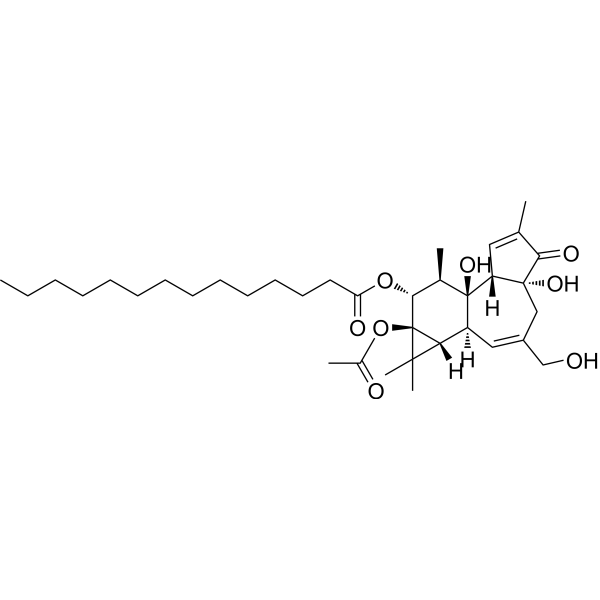
HY-18739
Phorbol 12-myristate 13-acetate -
HY-P7085
M-CSF Protein, Mouse -

HY-D1056
Lipopolysaccharides, from E. coli O55:B5 -
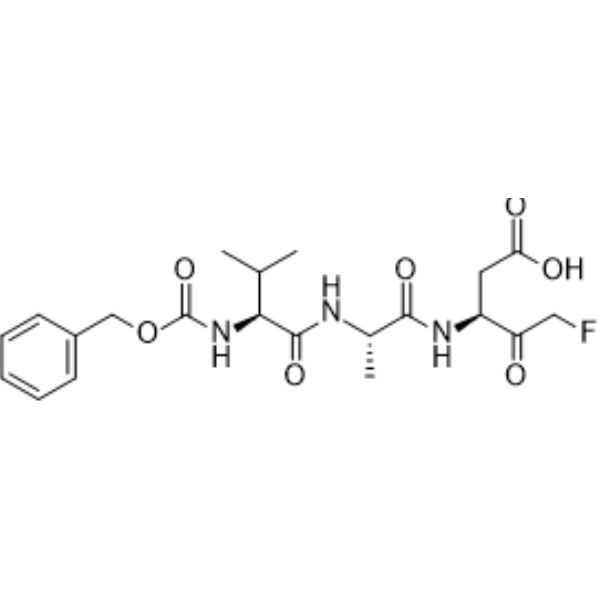
HY-16658B
Z-VAD-FMK -
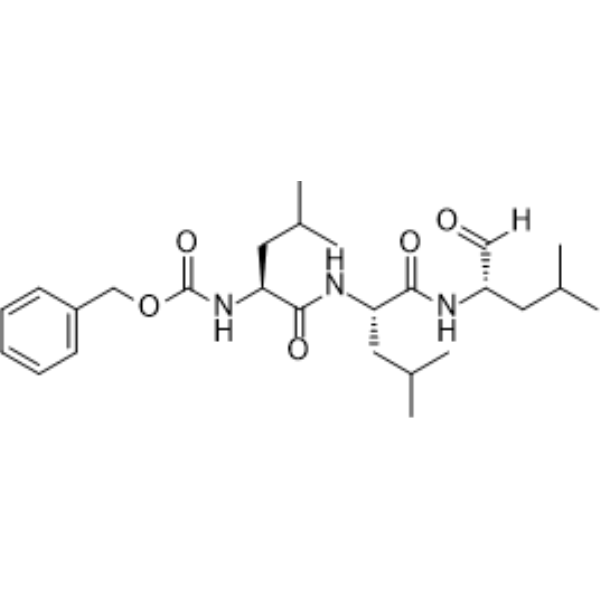
HY-13259
MG-132 -
HY-P7117
TGF beta 1/TGFB1 Protein, Mouse/Rat (HEK293, Tag Free) -
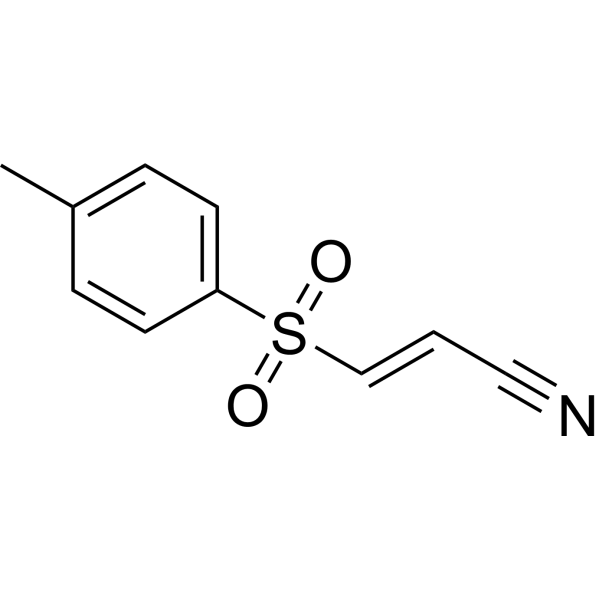
HY-13453
BAY 11-7082 -
HY-P7072
IL-1 alpha Protein, Mouse


Biological Activity
Description
Tumour Necrosis Factor alpha (TNF alpha) is a potent pro-inflammatory cytokine[1]. TNF alpha binds to its receptors, mainly TNFR1 and TNFR2, and then transmits molecular signals for biological functions such as inflammation and cell death[2]. TNF alpha stimulates NF-κB pathway via TNFR2 promotes cancer growth, invasion, and metastasis. Anti-TNF-α MAb significantly suppresses the tumor development in colitis-associated cancer (CAC) mouse[3]. TNF alpha as a proneurogenic factor activates the SAPK/JNK Pathway and can facilitate neuronal replacement and brain repair in response to brain injury[4]. TNF-alpha/TNFSF2 Protein, Mouse (156a.a) is a recombinant protein consisting of 156 amino acids (L80-L235) and is produced in E. coli.
Background
TNF alpha is produced by various types of cells including macrophages, monocytes, neutrophils, T cells, and NK-cells[2].
The amino acid sequence of human TNF alpha protein has low homology between mouse, rat, bovine, cynomolgus TNF alpha protein. While, human TNF alpha shares 94.85% aa sequence identity with cynomolgus TNF alpha protein, mouse TNF alpha shares 94.47% aa sequence identity with rat TNF alpha protein.
TNF alpha exists in two forms; a type II transmembrane protein (tmTNF-α) and a mature soluble protein (sTNF-α). TNF-α binds to its receptors, mainly TNFR1 and TNFR2, and then transmits molecular signals for biological functions such as inflammation and cell death. Both sTNF-α and tmTNF-α activate TNFR1, and process a death domain (DD) that interacts with the TNFR1-associated death domain (TRADD) adaptor protein. The TNFR2 signaling pathway is mainly activated by tmTNF-α. TNFR1 signaling tends to be pro-inflammatory and apoptotic. TNFR2 results in NF-κB and MAPKs and AKT activation, TNFR2 activation is associated with homeostatic bioactivities such as tissue regeneration, cell proliferation, and cell survival, as well as host defense and inflammation[1].
TNF-alpha is critical for normal immune response, abnormal secretion TNF alpha activates synovial fibroblasts, keratinocytes, osteoclasts, induces rheumatoid arthritis, inflammatory bowel disease, psoriatic arthritis (PsA), and noninfectious uveitis (NIU)[3]. TNF alpha positively regulates endogenous TNF-α expression levels independently of Pgp efflux activity, induces IHF cells proliferation[4]. TNF alpha in tissues may promote cancer growth, invasion, and metastasis. Besides, TNF alpha stimulates NF-κB pathway via TNFR2 and anti-TNF-α MAb significantly suppresses the tumor development in colitis-associated cancer (CAC) mouse[5]. TNF alpha as a proneurogenic factor activates the SAPK/JNK pathway and can facilitate neuronal replacement and brain repair in response to brain injury[6].
In Vitro
TNF alpha (mouse) (0, 2.5, 5, 10, 20, 40 ng/ml; 5 min) stimulates NF-κB Pathway and upregulates the phosphorylation of p65 and IκBα in CT26 cells in a dose-dependent manner[5].
TNF alpha (mouse) (1, 10 ng/mL; 7 days) induces neuronal differentiation in SVZ cells via TNFR1 activation[6].
TNF alpha (mouse) (1, 10; 100 ng/mL; 48 h) induces cell proliferation at 1 ng/mL and at high concentrations (10 and 100 ng/ml) TNF-α induces cell apoptosis in SVZ cells[6].
Verified Bioactivity
The ED50 is <0.1 ng/mL as measured by murine L-929 cells, corresponding to a specific activity of >1.0 × 10⁷ units/mg.
MCE Validation Data
-
Purity - SDS-PAGE
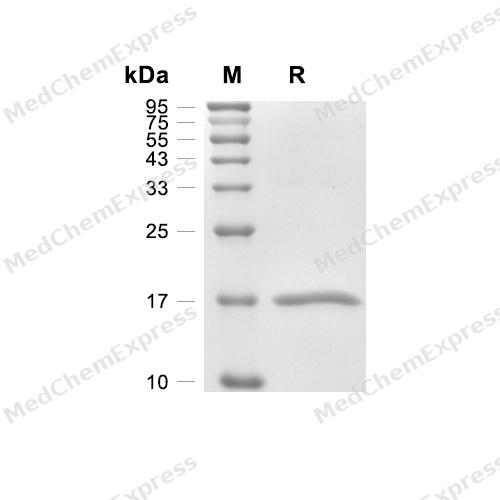
Purity - SDS-PAGE
-
Bioactivity - Cell-Based Assay
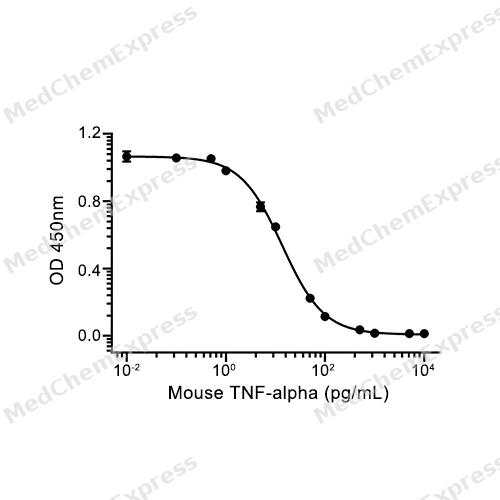
Bioactivity - Cell-Based Assay


Publications (42)
-
Journal Impact Factor
-
Most Recent
-
ACS Nano
An Engineered Bionic Nanoparticle Sponge as a Cytokine Trap and Reactive Oxygen Species Scavenger to Relieve Disc Degeneration and Discogenic Pain. [Abstract]2024 Jan 30;18(4):3053-3072. PMID: 38237054 -
J Adv Res
Portulaca oleracea L. polysaccharide alleviates colitis-associated bone loss through Muribaculaceae-enriched gut microbiota and elevated colonic melatonin. [Abstract]2026 Apr 13:S2090-1232(26)00337-1. PMID: 41980626 -
J Nanobiotechnology
MSCs-EVs harboring OA immune memory reprogram macrophage phenotype via modulation of the mt-ND3/NADH-CoQ axis for OA treatment. [Abstract]2025 Feb 25;23(1):140. PMID: 40001168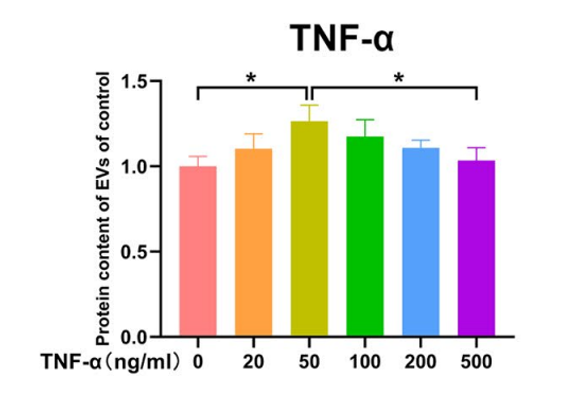
TNF-alpha/TNFSF2 Protein, Mouse (156a.a) purchased from MedChemExpress. Usage Cited in: J Nanobiotechnology. 2025 Feb 25;23(1):140. [Abstract]
MSCs-EVs protein content under different concentrations of inflammatory factors (TNF-α-EV (0, 20, 50, 100, 200, and 500 ng/mL for 48 h)) pretreatment.
-
J Nanobiotechnology
A novel spherical GelMA-HAMA hydrogel encapsulating APET×2 polypeptide and CFIm25-targeting sgRNA for immune microenvironment modulation and nucleus pulposus regeneration in intervertebral discs. [Abstract]2024 Sep 12;22(1):556. PMID: 39267105 -
-
Adv Sci (Weinh)
IL-3 Modulates Microglia Polarization and Attenuates Neuroinflammation in Traumatic Brain Injury. [Abstract]2026 May;13(29):e04511. PMID: 41915872 -
Cell Rep Med
Dual-system engineered bacteria and dendritic cells enable precise intratumoral IL-12 delivery and potent antitumor immunity. [Abstract]2026 Jun 16;7(6):102801. PMID: 42105768 -
Sci Adv
Projections from subfornical organ to bed nucleus of the stria terminalis modulate inflammation-induced anxiety-like behaviors in mice. [Abstract]2024 Nov 29;10(48):eadp9413. PMID: 39602546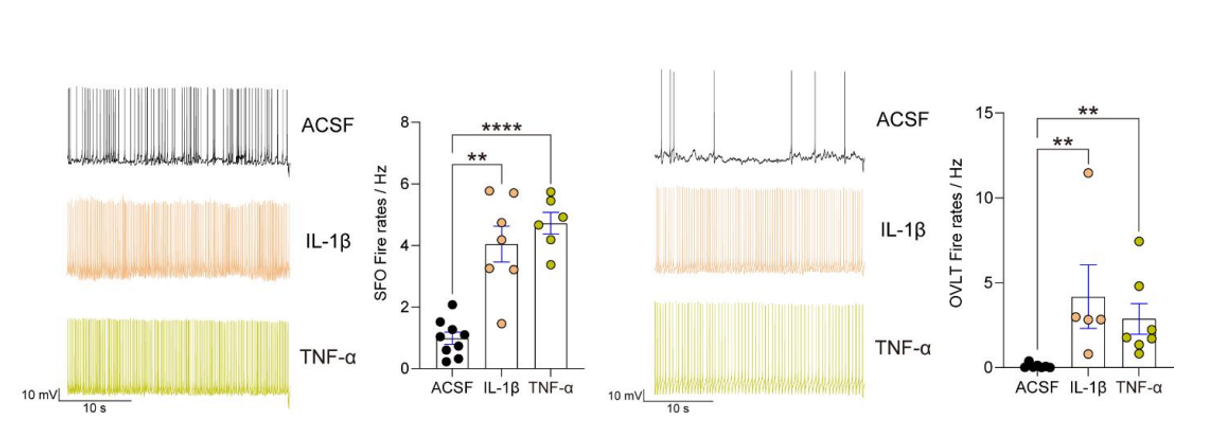
TNF-alpha/TNFSF2 Protein, Mouse (156a.a) purchased from MedChemExpress. Usage Cited in: Sci Adv. 2024 Nov 29;10(48):eadp9413. [Abstract]
Changes in fire rates of SFO and OVLT neurons in response to 1nM IL-1β or TNF-α(a half hour in regular ACSF at 30°C)
-
J Control Release
"Cytokine-microfactories" recruit DCs and deliver tumor antigens via gap junctions for immunotherapy. [Abstract]2021 Sep 10:337:417-430. PMID: 34324896 -
Pharmacol Res
Neutralizing LFA-1 alleviates acute lung injury by diminishing pulmonary retention of CAR-T cells. [Abstract]2026 Jun 12:230:108292. PMID: 42285385 -
Mol Ther
PAD4 promotes macrophage migration to aggravate tubulointerstitial injury in diabetic kidney disease. [Abstract]2025 Oct 6:S1525-0016(25)00830-5. PMID: 41054305 -
Adv Healthc Mater
Silicate Nanoplatelets Promotes Neuronal Differentiation of Neural Stem Cells and Restoration of Spinal Cord Injury. [Abstract]2023 Jul;12(19):e2203051. PMID: 37141006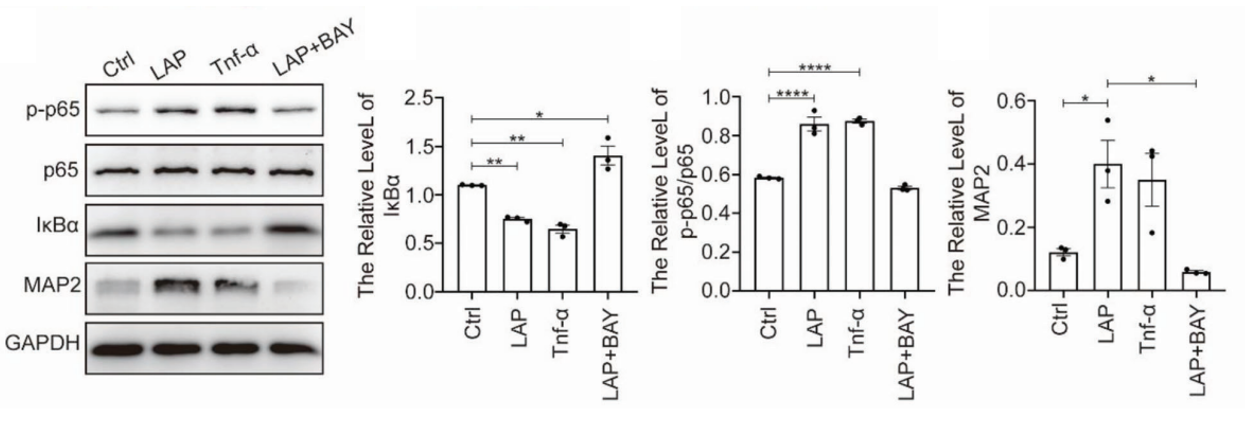
TNF-alpha/TNFSF2 Protein, Mouse (156a.a) purchased from MedChemExpress. Usage Cited in: Adv Healthc Mater. 2023 Jul;12(19):e2203051. [Abstract]
Western blot images of p-p65, p65, IκBα, and MAP2 in NSCs co-cultured with 0 µg mL−1 Laponite nanoplatelets (Ctrl), 10 µg mL−1 Laponite nanoplatelets (LAP), 10 ng mL−1 TNF-α (TNF-α) (2 h), 10 µg mL−1 Laponite nanoplatelets, or 10 µm BAY11-7082 (2 h) (LAP+BAY) on day 5.
-
NPJ Sci Food
Effects of Mytilus edulis derived plasmalogens against atherosclerosis via lipid metabolism and MAPK signaling pathway. [Abstract]2025 Aug 18;9(1):178. PMID: 40826004 -
Proc Natl Acad Sci U S A
Peptide-based allosteric inhibitor targets TNFR1 conformationally active region and disables receptor-ligand signaling complex. [Abstract]2024 Apr 2;121(14):e2308132121. PMID: 38551841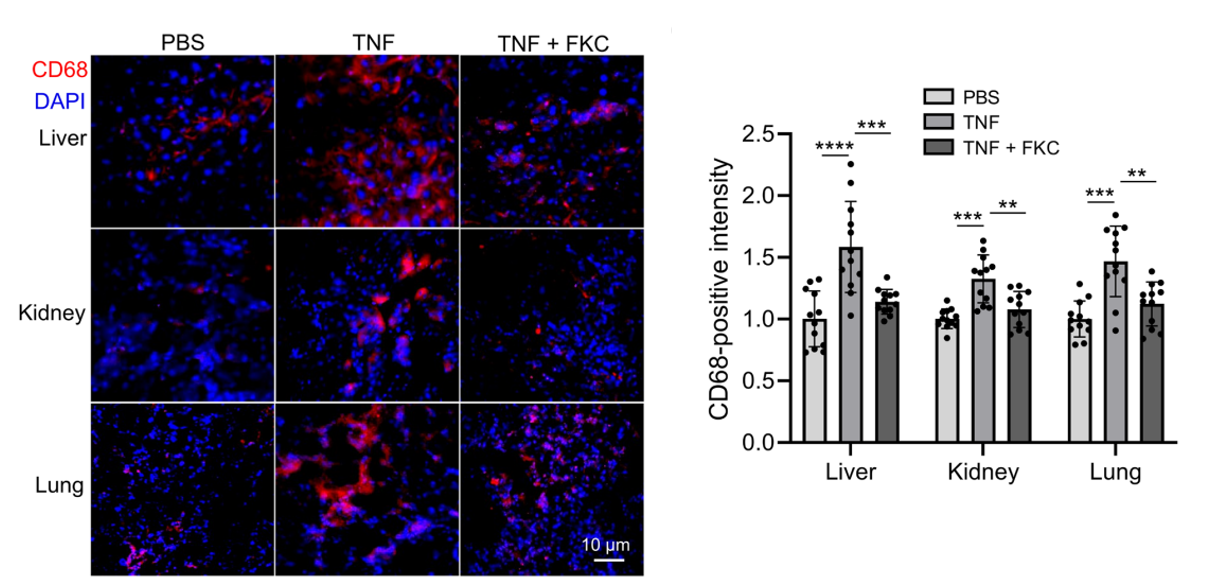
TNF-alpha/TNFSF2 Protein, Mouse (156a.a) purchased from MedChemExpress. Usage Cited in: Proc Natl Acad Sci U S A. 2024 Apr 2;121(14):e2308132121. [Abstract]
TNF: i.p., 50 µg/kg, once. Immunostaining of liver, kidney, and lung tissues and image quantification illustrating the effect of FKC (40 mg/kg) in reducing macrophage activation in both male and female mice as characterized through CD68-positive signals.
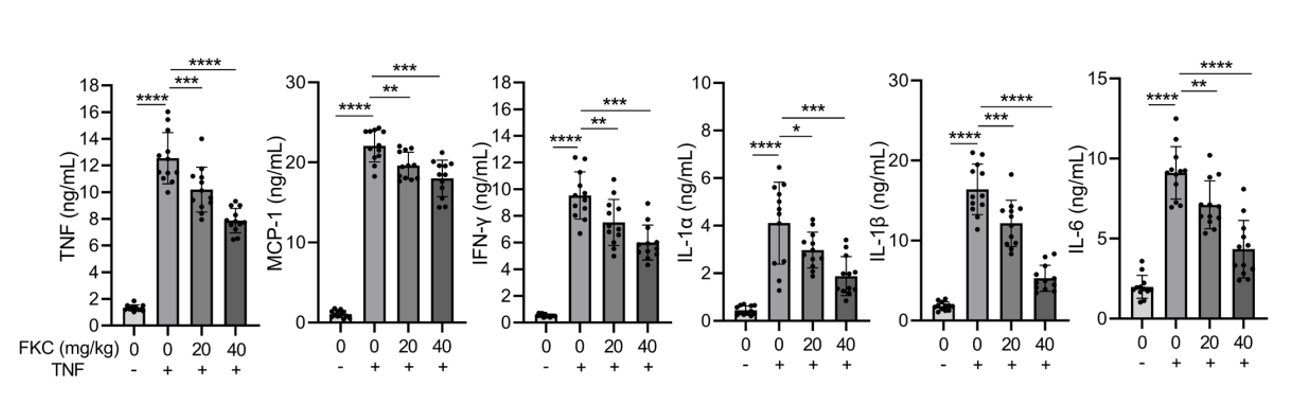
TNF-alpha/TNFSF2 Protein, Mouse (156a.a) purchased from MedChemExpress. Usage Cited in: Proc Natl Acad Sci U S A. 2024 Apr 2;121(14):e2308132121. [Abstract]
TNF (i.p., 0-40 mg/kg, once) induces an increase in the plasma cytokines levels of TNF, MCP-1, IFN-γ, IL-1α, IL-1β, and IL-6 in both male and female mice, and FKC reduces all cytokine levels in a dose-dependent manner.
-
Food Res Int
Various bioactive peptides in collagen hydrolysate from salmo salar skin and the combined inhibitory effects on atherosclerosis in vitro and in vivo. [Abstract]2022 Jul:157:111281. PMID: 35761591 -
Int J Biol Macromol
FES suppresses macrophage-mediated inflammation and atherosclerotic plaque formation by modulating the PU.1/Arg1 axis. [Abstract]2026 Jun 26:373:153133. PMID: 42361942 -
JHEP Rep
2025 Apr 15;7(8):101418. PMID: 40677688 -
-
ACS Appl Mater Interfaces
Disrupting Neutrophil Extracellular Traps with Targeted Cerium Oxide Nanoparticles Ameliorates Diabetic Periodontitis. [Abstract]2026 Apr 22;18(15):21604-21621. PMID: 41972905 -
Cell Prolif
2023 Sep;56(9):e13442. PMID: 37086012 -
Inflamm Res
Cynarin inhibits microglia-induced pyroptosis and neuroinflammation via Nrf2/ROS/NLRP3 axis after spinal cord injury. [Abstract]2024 Nov;73(11):1981-1994. PMID: 39340662 -
Int Immunopharmacol
The protective role of TRIM16 in rheumatoid arthritis: mechanisms of modulating ferroptosis. [Abstract]2025 Sep 23:166:115573. PMID: 40991993 -
Int Immunopharmacol
Rapamycin regulates osteogenic differentiation through Parkin-mediated mitophagy in rheumatoid arthritis. [Abstract]2022 Dec;113(Pt B):109407. PMID: 36379150 -
Int Immunopharmacol
Geniposide restricts angiogenesis in experimentary arthritis via inhibiting Dnmt1-mediated PTEN hypermethylation. [Abstract]2022 Oct:111:109087. PMID: 35908504 -
Int Immunopharmacol
AZ-628 delays osteoarthritis progression via inhibiting the TNF-α-induced chondrocyte necroptosis and regulating osteoclast formation. [Abstract]2022 Oct:111:109085. PMID: 35952515 -
J Nutr Biochem
Ursolic acid attenuates sarcopenia through IL-17a-related gut-muscle axis in senile diabetic mice and myotube model. [Abstract]2025 Sep:143:109940. PMID: 40294722 -
J Cell Mol Med
Dihydromyricetin resists inflammation-induced muscle atrophy via ryanodine receptor-CaMKK-AMPK signal pathway. [Abstract]2021 Nov;25(21):9953-9971. PMID: 34676967 -
J Inflamm Res
Cell Death-Related Genesets Activity Improved Clinical Concordance and Intrinsically Associated with Alterations in Ulcerative Colitis: Mucosal Healing at Molecular Depth. [Abstract]2025 Jul 19:18:9587-9608. PMID: 40708727 -
J Inflamm Res
Downregulation of Circular RNA Gla Reduced Astrocyte Inflammatory Status by Regulating miR-488/MEKK1 Levels and Promoted Functional Recovery After Spinal Cord Injury. [Abstract]2024 Oct 9:17:7123-7139. PMID: 39398229 -
-
J Virol
Pseudorabies virus induces natural killer cell depletion by GSDMD-mediated inflammation and pyroptosis to promote infection and lung injury. [Abstract]2025 Aug 19;99(8):e0041525. PMID: 40704967 -
J Virol
2025 Mar 18;99(3):e0198024. PMID: 39976465 -
Biochem Biophys Res Commun
Dihydroartemisinin restrains angiogenesis through the TNF-α pathway to enhance the efficacy of anti-PD-1 immunotherapy in breast cancer. [Abstract]2025 Aug 30:776:152171. PMID: 40527175 -
-
-
-
-
-
-
-
-
Oxid Med Cell Longev
Dihydromyricetin Ameliorates Inflammation-Induced Insulin Resistance via Phospholipase C-CaMKK-AMPK Signal Pathway. [Abstract]2021 Oct 5:2021:8542809. PMID: 34650665


Technical Parameters
-
Species Mouse
-
Source E. coli
-
Tag Tag Free
-
Accession
P06804 (L80-L235)
-
Molecular Construction
-
N-term
-
TGF-α (L80-L235)
Accession # P06804 -
C-term
-
-
Protein Length
Full Length of TNF, soluble form
-
Synonyms
TNF; Tumor Necrosis Factor (TNF Superfamily, Member 2); Prev. TNFA; Tumor Necrosis Factor-Alpha; TNF-Alpha; Tumor Necrotic Factor Alpha; TNFSF2; TNF Superfamily, Member 2; Tumor Necrosis Factor Ligand Superfamily Member 2; TNF, Macrophage-Derived; TNF-A;
-
AA Sequence
LRSSSQNSSDKPVAHVVANHQVEEQLEWLSQRANALLANGMDLKDNQLVVPADGLYLVYSQVLFKGQGCPDYVLLTHTVSRFAISYQEKVNLLSAVKSPCPKDTPEGAELKPWYEPIYLGGVFQLEKGDQLSAEVNLPKYLDFAESGQVYFGVIAL
-
Predicted Molecular Mass
17.3 kDa
-
Molecular Weight
Approximately 17 kDa, based on SDS-PAGE under reducing conditions.
-
Purity
≥ 95%, as determined by reducing SDS-PAGE.


Product Properties
Lyophilized powder
1.Lyophilized from a 0.22 μm filtered solution of PBS.
2.Lyophilized from a 0.22 μm filtered solution of PBS, pH 7.4.
3.Lyophilized from a 0.22 μm filtered solution of PBS, pH 7.4, 8% trehalose.
Please refer to the lot-specific COA for specific buffer information.
<0.2 EU/μg, determined by LAL method.
It is not recommended to reconstitute to a concentration less than 100 μg/mL in ddH2O. For long term storage it is recommended to add a carrier protein (0.1% BSA, 5% HSA, 10% FBS or 5% Trehalose).
Stored at -20°C for 2 years from date of receipt. After reconstitution, it is stable at 4°C for 1 week or -20°C for longer (with carrier protein). It is recommended to freeze aliquots at -20°C or -80°C for extended storage.
Room temperature in continental US; may vary elsewhere.


Documentation
-
Data Sheet (266 KB)
-
SDS (252 KB)
- English - EN (252 KB)
- Français - FR (252 KB)
- Deutsch - DE (252 KB)
- Norwegian - NO (252 KB)
- Español - ES (252 KB)
- Swedish - SV (252 KB)
- Italian - IT (252 KB)
- Korean - KR (252 KB)
- Portuguese - PT (252 KB)
-
Handling Instructions (2659 KB)


References
[1]. Horiuchi T, et al. Transmembrane TNF-alpha: structure, function and interaction with anti-TNF agents. Rheumatology (Oxford). 2010 Jul;49(7):1215-28. [Content Brief]
[2]. Zelová H, et al. TNF-α signalling and inflammation: interactions between old acquaintances. Inflamm Res. 2013 Jul;62(7):641-51. [Content Brief]
[3]. El-Tahan RR, et al. TNF-α gene polymorphisms and expression. Springerplus. 2016 Sep 7;5(1):1508. [Content Brief]
[4]. Jang DI, et al. The Role of Tumor Necrosis Factor Alpha (TNF-α) in Autoimmune Disease and Current TNF-α Inhibitors in Therapeutics. Int J Mol Sci. 2021 Mar 8;22(5):2719. [Content Brief]
[5]. Berguetti T, et al. TNF-α Modulates P-Glycoprotein Expression and Contributes to Cellular Proliferation via Extracellular Vesicles. Cells. 2019 May 24;8(5):500. [Content Brief]
[6]. Onizawa M, et al. Signaling pathway via TNF-alpha/NF-kappaB in intestinal epithelial cells may be directly involved in colitis-associated carcinogenesis. Am J Physiol Gastrointest Liver Physiol. 2009 Apr;296(4):G850-9. [Content Brief]
[7]. Bernardino L, et al. Tumor necrosis factor-alpha modulates survival, proliferation, and neuronal differentiation in neonatal subventricular zone cell cultures. Stem Cells. 2008 Sep;26(9):2361-71. [Content Brief]
[8]. Matsuno H, et al. The role of TNF-alpha in the pathogenesis of inflammation and joint destruction in rheumatoid arthritis (RA): a study using a human RA/SCID mouse chimera. Rheumatology (Oxford). 2002 Mar;41(3):329-37. [Content Brief]

Calculators
Concentration (start) × Volume (start) = Concentration (final) × Volume (final)


 Powered by Bioz

