



IL-1 beta Protein, Mouse
Based on 47 publication(s) in Google Scholar
IL-1 beta is a potent proinflammatory cytokine expressed by monocytes, macrophages, and dendritic cells. IL-1 beta plays a key role in inflammation and immunologic reactions. IL-1 beta Protein, Mouse consists of 152 amino acids (V118-S269) and is expressed in E. coli.
- Species: Mouse
- Source: E. coli
-
Storage:Stored at -20°C for 2 years from date of receipt. After reconstitution, it is stable at 4°C for 1 week or -20°C for longer (with carrier protein). It is recommended to freeze aliquots at -20°C or -80°C for extended storage.


To place orders, for customer services and technical support, please contact: MedChemExpress USA
Tel: 609-228-6898 E-mail: [email protected] [email protected]


-
 Biological Activity
-
Technical Parameters
-
Product Properties
- Documentation
- References
- Help & FAQs


-

HY-P7090
TNF-alpha/TNFSF2 Protein, Mouse (156a.a) -
HY-P7063
IL-6 Protein, Mouse -
HY-P7071
IFN-gamma Protein, Mouse -
HY-P7028
IL-1 beta Protein, Human -
HY-P7117
TGF beta 1/TGFB1 Protein, Mouse/Rat (HEK293, Tag Free) -
HY-10431
SB-431542 -

HY-D1056
Lipopolysaccharides, from E. coli O55:B5 -

HY-108841
Raleukin -
HY-P7072
IL-1 alpha Protein, Mouse -
HY-P7077
IL-2 Protein, Mouse -
HY-P70709
IL-23 Protein, Mouse (HEK293) -
HY-P70648
TGF beta 1/TGFB1 Protein, Mouse/Rat (HEK293)


Biological Activity
Description
IL-1 beta is a potent proinflammatory cytokine expressed by monocytes, macrophages, and dendritic cells. IL-1 beta plays a key role in inflammation and immunologic reactions[1][2]. IL-1 beta Protein, Mouse consists of 152 amino acids (V118-S269) and is expressed in E. coli.
Background
Interleukin-1β (IL-1β) is one of the pro-inflammatory cytokines and is produced and secreted by a variety of cell types although the vast majority of studies have focussed on its production within cells of the innate immune system, such as monocytes and macrophages[1][2].
IL-1β is produced as inactive pro-IL-1β (encoded by pro-Il-1b) in response to inflammatory stimuli, including both microbial products and endogenous danger-associated molecules. IL-1β gene expression and synthesis of pro-IL-1β occurs after activation of pattern recognition receptors (PRRs). Inflammatory stimuli also drive activation of cytosolic CARD and PYHIN domain-containing PRRs that recruit ASC and caspase-1 (Casp-1) to assemble into the multiprotein complex inflammasome. Pro-Casp-1 (encoded by pro-Casp-1), activated by the inflammasome, cleaves pro-IL-1β into the bioactive IL-1β. IL-1β acts in an autocrine/paracrine manner via the type I IL-1 receptor (IL-1R1)[1][2][3].
IL-1β could regulate the inflammatory response, and is involved in a variety of cellular activities, including cell proliferation, differentiation, and apoptosis. IL-1β also plays a significant regulator of reproduction in females[1][2][3].
In Vitro
IL-1β (1-15625 pg/mL; 12 hours) dose-dependently increases production of the NF-κB-dependent inflammatory cytokine TNF-α, and a significant effect of IL-1β is observed at concentrations as low as 5 pg/mL in immortalized murine RAW264.7 macrophages[1].
IL-1β (1, 10 and 100 ng/mL; 24 hours) results in a dose-dependent increase of cell proliferation in pig heart cells. IL-1β increases the gene expression of caspase-3, and increases the enzymatic activities of MMP-2 and MMP-9[2].
In Vivo
IL-1β (8 ng; i.p.; daily; for 3 days) rescues Casp1−/− mice, restores survival and reduces lung bacterial load (i.e. days 0, 1, and 2 post-infection) in Chlamydia pneumoniae infected Casp1−/− mice. Yet, mice treated later (days 2, 3 and 4 post-infection) shows significantly increased bacterial counts relative to early-treated mice[3].
Verified Bioactivity
1. The ED50 is <10 pg/mL as measured by the dose-dependent stimulation of mouse D10.G4.1 helper T cells, corresponding to a specific activity of 1.0 × 10⁸ IU/mg.
2. Measured in a proliferation assay using CTLL-2 Mouse Embryonic Fibroblasts Cells. The ED50 is 1.802-2.776 pg/mL, corresponding to a specific activity is >3.602×10⁸ units/mg.
3. Measured in a cell proliferation assay using D10.G4.1 mouse helper T cells. The ED50 for this effect is 2-10 pg/mL.
MCE Validation Data
-
Purity - SDS-PAGE
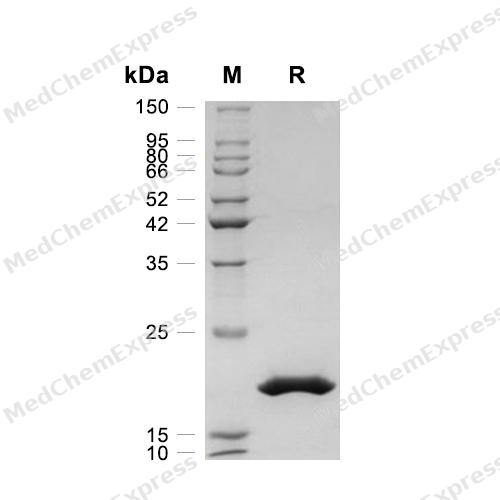
Purity - SDS-PAGE
-
Bioactivity - Cell-Based Assay
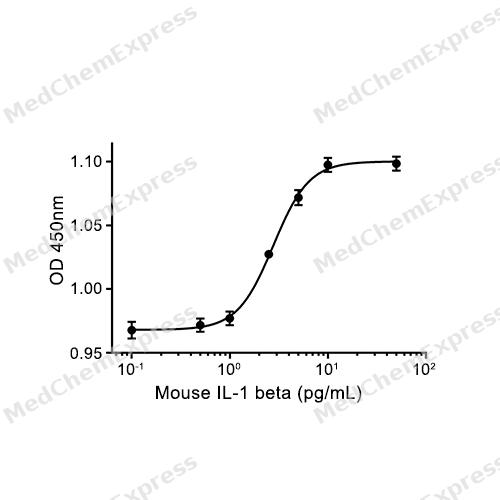
Bioactivity - Cell-Based Assay


Publications (47)
-
Journal Impact Factor
-
Most Recent
-
Cell Res
Nonenzymatic lysine D-lactylation induced by glyoxalase II substrate SLG dampens inflammatory immune responses. [Abstract]2025 Feb;35(2):97-116. PMID: 39757301 -
Immunity
Disruption of the Na+/K+-ATPase-purinergic P2X7 receptor complex in microglia promotes stress-induced anxiety. [Abstract]2024 Mar 12;57(3):495-512.e11. PMID: 38395698 -
Adv Mater
A Biologically Lubricating Allicin-Based Nanoplatform for Remodeling the Inflammation-Senescence Axis in the Treatment of Periodontitis. [Abstract]2026 Apr;38(19):e23197. PMID: 41787647 -
Mil Med Res
Propionate and butyrate attenuate macrophage pyroptosis and osteoclastogenesis induced by CoCrMo alloy particles. [Abstract]2022 Aug 23;9(1):46. PMID: 35996168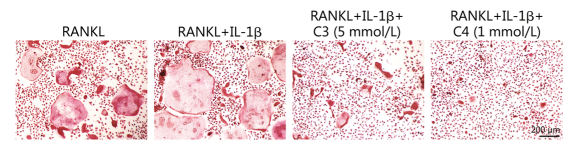
IL-1 beta Protein, Mouse purchased from MedChemExpress. Usage Cited in: Mil Med Res. 2022 Aug 23;9(1):46. [Abstract]
Pre-osteoclasts were cultured in the presence of C3 or C4 with IL-1β (40 ng/mL; 5 days) . Mature osteoclasts were harvested for TRAP staining.
-
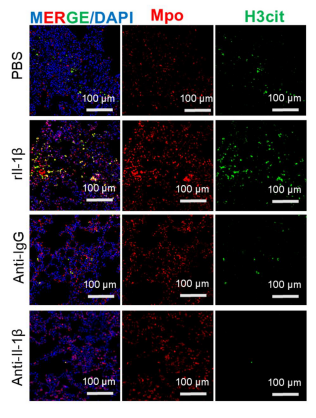
IL-1 beta Protein, Mouse purchased from MedChemExpress. Usage Cited in: Cancer Commun (Lond). 2025 Dec 15.
Representative immunofluorescence micrographs showing NET formation at the MACRO stages of lung tissue with PBS, rIl-1β(8 ng; ip), anti-IgG, and anti-Il-1β antibody treatment, respectively. NETs were stained with antibodies against Mpo (red) and H3cit (green), and nuclei were counterstained with DAPI (blue).
-
Sci Bull
Mitochondria serve as a source of mineral precursors initiating early cartilage calcification in osteoarthritis. [Abstract]2026 Feb 28:S2095-9273(26)00201-X. PMID: 41864783 -
Nat Commun
10-hydroxy-2-decenoic acid prevents osteoarthritis by targeting aspartyl β hydroxylase and inhibiting chondrocyte senescence in male mice preclinically. [Abstract]2024 Sep 4;15(1):7712. PMID: 39231947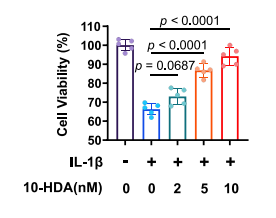
IL-1 beta Protein, Mouse purchased from MedChemExpress. Usage Cited in: Nat Commun. 2024 Sep 4;15(1):7712. [Abstract]
Cell viability of mouse primary chondrocytes treated with interleukin-1β (10 ng/mL; 48 h) in the absence or presence of 0, 2, 5, 10 nM 10-HDA .
-
ACS Nano
An Engineered Bionic Nanoparticle Sponge as a Cytokine Trap and Reactive Oxygen Species Scavenger to Relieve Disc Degeneration and Discogenic Pain. [Abstract]2024 Jan 30;18(4):3053-3072. PMID: 38237054 -
-
J Nanobiotechnology
A novel spherical GelMA-HAMA hydrogel encapsulating APET×2 polypeptide and CFIm25-targeting sgRNA for immune microenvironment modulation and nucleus pulposus regeneration in intervertebral discs. [Abstract]2024 Sep 12;22(1):556. PMID: 39267105 -
-
Adv Sci (Weinh)
IL-3 Modulates Microglia Polarization and Attenuates Neuroinflammation in Traumatic Brain Injury. [Abstract]2026 May;13(29):e04511. PMID: 41915872 -
Adv Sci (Weinh)
Neutrophil Mobilization Triggers Microglial Functional Change to Exacerbate Cerebral Ischemia-Reperfusion Injury. [Abstract]2025 Sep;12(36):e03722. PMID: 40557450 -
Sci Adv
2026 May 15;12(20):eaeb6961. PMID: 42139357 -
Sci Adv
Projections from subfornical organ to bed nucleus of the stria terminalis modulate inflammation-induced anxiety-like behaviors in mice. [Abstract]2024 Nov 29;10(48):eadp9413. PMID: 39602546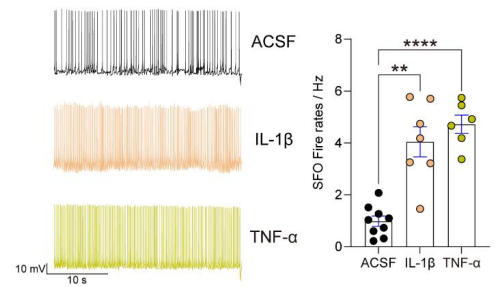
IL-1 beta Protein, Mouse purchased from MedChemExpress. Usage Cited in: Sci Adv. 2024 Nov 29;10(48):eadp9413. [Abstract]
Expression in SFO after LPS treatment. Changes in fire rates of SFO in response to IL-1β (1 nM) or TNF-α.
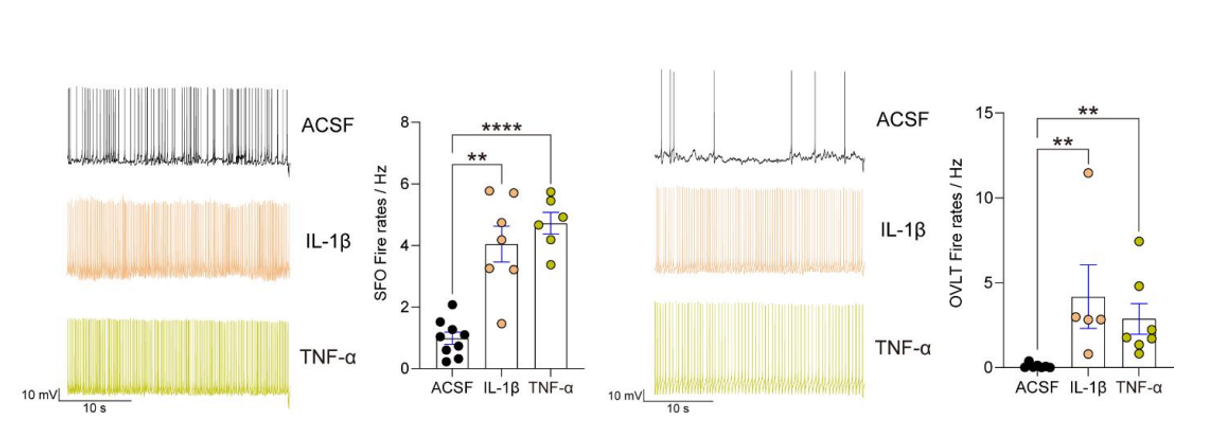
IL-1 beta Protein, Mouse purchased from MedChemExpress. Usage Cited in: Sci Adv. 2024 Nov 29;10(48):eadp9413. [Abstract]
Changes in fire rates of SFO and OVLT neurons in response to 1nM IL-1β or TNF-α (a half hour in regular ACSF at 30°C)
-
Sci Adv
Epitranscriptomic m5C methylation of SARS-CoV-2 RNA regulates viral replication and the virulence of progeny viruses in the new infection. [Abstract]2024 Aug 9;10(32):eadn9519. PMID: 39110796 -
Cell Commun Signal
IL-1β stimulates ADAMTS9 expression and contributes to preterm prelabor rupture of membranes. [Abstract]2025 Mar 8;23(1):127. PMID: 40057799 -
Phytomedicine
Alisol A 24-acetate protects against NASH-associated fibrosis via suppression of Kupffer cell-derived SPHK1/S1P axis. [Abstract]2025 Sep 19:148:157271. PMID: 40992063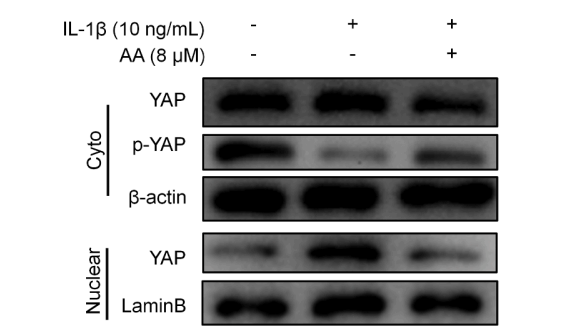
IL-1 beta Protein, Mouse purchased from MedChemExpress. Usage Cited in: Phytomedicine. 2025 Sep 19:148:157271. [Abstract]
WB analysis of YAP, p-YAP, and nuclear versus cytoplasmic YAP levels in HSCs treated with CM from KCs stimulated with IL-1β (10 ng/mL; 6 h) , with or without AA (8 µM).
-
Mater Today Bio
Membrane biomimetic nanoenzyme-incorporated hybrid glycyrrhizic acid hydrogel for precise mitochondrial ROS scavenging for osteoarthritis treatment. [Abstract]2025 Apr 17:32:101778. PMID: 40290887 -
Acta Pharmacol Sin
Microglial NLRP3-dependent pyroptosis promotes cognitive dysfunction of diabetic encephalopathy by inhibiting adult hippocampal neurogenesis through the release of IL-1β. [Abstract]2026 Mar 20. PMID: 41862685 -
-
Arterioscler Thromb Vasc Biol
Caspase-8 Promotes Pulmonary Hypertension by Activating Macrophage-Associated Inflammation and IL-1β (Interleukin 1β) Production. [Abstract]2022 May;42(5):613-631. PMID: 35387479 -
Free Radic Biol Med
Theaflavin-3,3'-digallate attenuates chondrocyte senescence via modulating FGF7 and KEAP1/NRF2 signaling pathway. [Abstract]2026 Sep:253:1-17. PMID: 42162842 -
-
Cell Rep
Cannabinoid CB2 receptor controls chronic itch by regulating spinal microglial activation and synaptic transmission. [Abstract]2025 Apr 11;44(4):115559. PMID: 40222011 -
J Pineal Res
Melatonin Alleviates Osteoarthritis by Regulating NADPH Oxidase 4-Induced Ferroptosis and Mitigating Mitochondrial Dysfunction. [Abstract]2024 Sep;76(6):e12992. PMID: 39228264 -
Biochem Pharmacol
PD184352 exerts anti-inflammatory and antioxidant effects by promoting activation of the Nrf2/HO-1 axis. [Abstract]2023 May:211:115542. PMID: 37028460 -
Biochem Pharmacol
Gelsevirine improves age-related and surgically induced osteoarthritis in mice by reducing STING availability and local inflammation. [Abstract]2022 Apr:198:114975. PMID: 35202579 -
Inflammopharmacology
The sesquiterpene lactone components of Cichorium glandulosum suppress both in vitro and in vivo inflammatory responses by reducing IL-1β levels. [Abstract]2025 Dec 2. PMID: 41329398 -
Cells
Chemerin-Induced Down-Regulation of Placenta-Derived Exosomal miR-140-3p and miR-574-3p Promotes Umbilical Vein Endothelial Cells Proliferation, Migration, and Tube Formation in Gestational Diabetes Mellitus. [Abstract]2022 Nov 1;11(21):3457. PMID: 36359855 -
Bioorg Chem
PD0325901, an ERK inhibitor, attenuates RANKL-induced osteoclast formation and mitigates cartilage inflammation by inhibiting the NF-κB and MAPK pathways. [Abstract]2023 Mar:132:106321. PMID: 36642020 -
-
FASEB J
Phellopterin Inhibits Inflammation and Relieves Cartilage Degradation by Suppressing MAPK Signaling in Osteoarthritis. [Abstract]2026 Mar 31;40(6):e71698. PMID: 41870411 -
Biology
2025 May 25;14(6):604. PMID: 40563856 -
Microbiol Spectr
Pseudomonas aeruginosa Induces Interferon-β Production to Promote Intracellular Survival. [Abstract]2022 Oct 26;10(5):e0155022. PMID: 36190409 -
-
Toxicol Appl Pharmacol
Fangchinoline alleviates the progression of osteoarthritis through the nuclear factor kappa B signaling pathway. [Abstract]2025 Mar:496:117241. PMID: 39894170 -
Cytokine
Calcipotriol suppresses GPX4-mediated ferroptosis in OA chondrocytes by blocking the TGF-β1 pathway. [Abstract]2023 Nov:171:156382. PMID: 37782985 -
Mol Biol Rep
A SASP-related four-gene signature associated with intervertebral disc degeneration: integrated bioinformatics analysis and validation of pinocembrin as a therapeutic candidate. [Abstract]2026 Mar 21;53(1):528. PMID: 41863700 -
Adv Biol (Weinh)
New-QiangGuYin-Containing Serum Inhibits Osteoclast-Derived Exosome Secretion and Down-Regulates Notum to Promote Osteoblast Differentiation. [Abstract]2025 Mar;9(3):e2400166. PMID: 38935529 -
Med Microbiol Immunol
Effects of acetate-producing Blautia wexlerae on oxidative stress and NLRP3 inflammasome in obesity-associated male infertility. [Abstract]2024 Jun 28;213(1):11. PMID: 38940844 -
Cereb Cortex
Sirt1 Attenuates Astrocyte Activation Via Modulating Dnajb1 and Chaperone-Mediated Autophagy After Closed Head Injury. [Abstract]2022 Nov 9;32(22):5191-5205. PMID: 35106540 -
J Cardiovasc Transl Res
Bufalin Ameliorates Myocardial Ischemia/Reperfusion Injury by Suppressing Macrophage Pyroptosis via P62 Pathway. [Abstract]2025 Apr;18(2):221-236. PMID: 39733202 -
Mod Rheumatol
MiR-144-3p Aggravated Cartilage Injury in Rheumatoid Arthritis by Regulating BMP2/PI3K/Akt Axis. [Abstract]2022 Oct 15;32(6):1064-1076. PMID: 34850093 -
bioRxiv
Encoded cell-material interactions to reroute cytokine signaling for regenerative medicine. [Abstract]2025 Oct 25:2025.10.24.684449. PMID: 41280063 -
-


Technical Parameters
-
Species Mouse
-
Source E. coli
-
Tag Tag Free
-
Accession
P10749 (V118-S269)
-
Molecular Construction
-
N-term
-
IL-1β (V118-S269)
Accession # P10749 -
C-term
-
-
Protein Length
Full Length of Mature Protein
-
Synonyms
IL1B; IL-1B; Interleukin 1 Beta; Multifunctional Fusion Protein; IL1F2; Pro-Interleukin-1-Beta; Interleukin-1 Beta; Preinterleukin 1 Beta; IL1-BETA; Interleukin 1beta; IL-1 Beta; IL1beta; Catabolin; IL-1
-
AA Sequence
VPIRQLHYRLRDEQQKSLVLSDPYELKALHLNGQNINQQVIFSMSFVQGEPSNDKIPVALGLKGKNLYLSCVMKDGTPTLQLESVDPKQYPKKKMEKRFVFNKIEVKSKVEFESAEFPNWYISTSQAEHKPVFLGNNSGQDIIDFTMESVSS
-
Predicted Molecular Mass
17.4 kDa
-
Molecular Weight
Approximately 16-18 kDa, based on SDS-PAGE under reducing conditions, due to the glycosylation.
-
Purity
≥ 95%, as determined by reducing SDS-PAGE.


Product Properties
Lyophilized powder
1.Lyophilized from a 0.22 μm filtered solution of 50 mM Tris, 50 mM NaCl, pH 8.0.
Note: For SPR assay, please replace the buffer. Primary amine components (e.g., Tris, imidazole) can affect protein-coupled chips.
2.Lyophilized from a 0.22 μm filtered solution of PBS.
3.Lyophilized from a 0.22 μm filtered solution of 20 mM PB, 150 mM NaCl, pH 6.8.
4.Lyophilized from a 0.22 μm filtered solution of PBS, pH 6.8, 8% trehalose.
Please refer to the lot-specific COA for specific buffer information.
<1 EU/μg, determined by LAL method.
It is not recommended to reconstitute to a concentration less than 100 μg/mL in ddH2O. For long term storage it is recommended to add a carrier protein (0.1% BSA, 5% HSA, 10% FBS or 5% Trehalose).
Stored at -20°C for 2 years from date of receipt. After reconstitution, it is stable at 4°C for 1 week or -20°C for longer (with carrier protein). It is recommended to freeze aliquots at -20°C or -80°C for extended storage.
Room temperature in continental US; may vary elsewhere.


Documentation
-
Data Sheet (264 KB)
-
SDS (252 KB)
- English - EN (252 KB)
- Français - FR (252 KB)
- Deutsch - DE (252 KB)
- Norwegian - NO (252 KB)
- Español - ES (252 KB)
- Swedish - SV (252 KB)
- Italian - IT (252 KB)
- Korean - KR (252 KB)
- Portuguese - PT (252 KB)
-
Handling Instructions (2659 KB)


References
[1]. Jan Petrasek, et al. IL-1 receptor antagonist ameliorates inflammasome-dependent alcoholic steatohepatitis in mice. J Clin Invest. 2012 Oct;122(10):3476-89. [Content Brief]
[2]. Karina Zitta, et al. Interleukin-1beta regulates cell proliferation and activity of extracellular matrix remodelling enzymes in cultured primary pig heart cells. Biochem Biophys Res Commun. 2010 Sep 3;399(4):542-7. [Content Brief]
[3]. Kenichi Shimada, et al. Caspase-1 dependent IL-1β secretion is critical for host defense in a mouse model of Chlamydia pneumoniae lung infection. PLoS One. 2011;6(6):e21477. [Content Brief]

Calculators
Concentration (start) × Volume (start) = Concentration (final) × Volume (final)


 Powered by Bioz

