1. Search Result
Search Result
Isoforms Recommended: α adrenergic receptor
Results for "

α1A-Adrenergic receptor

" in MedChemExpress (MCE) Product Catalog:

42

Inhibitors & Agonists

1

Peptides

2

Natural
Products

3

Isotope-Labeled Compounds

3

Antibodies

Cat. No. 상품명 Target 연구분야 Chemical Structure
  • HY-10122
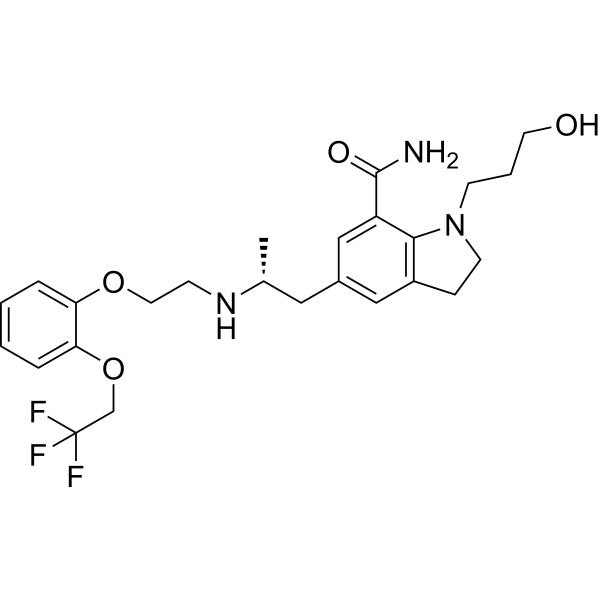
    Silodosin
    5 Publications Verification

    KAD 3213; KMD 3213

    Adrenergic Receptor Bacterial Endocrinology Cancer
    Silodosin (KAD 3213; KMD 3213) is a potent, selective and orally active α1A-adrenergic receptor (α1A-AR) blocker. Silodosin exhibits high affinity for α1A-AR (Ki=0.036 nM), over 162-fold and 50-fold than for α1B-AR and α1D-AR with Ki values of 21 nM and 2.0 nM, respectively. Silodosin is an effective and well-tolerated agent, it can be used for the investigation of LUTS/BPH .
    Silodosin
  • HY-A0077
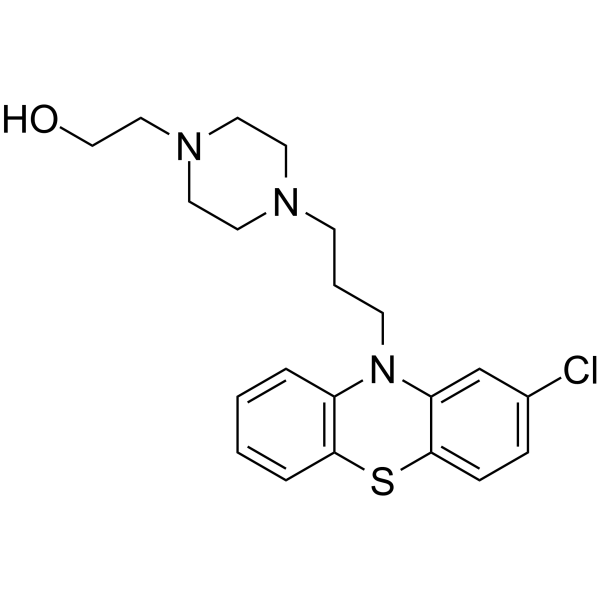
    Perphenazine
    3 Publications Verification

    Dopamine Receptor Histamine Receptor 5-HT Receptor Adrenergic Receptor Apoptosis Autophagy Neurological Disease Inflammation/Immunology Endocrinology Cancer
    Perphenazine is an orally active dopamine receptor and histamine-1 receptor antagonist, with Ki values of 0.56 nM (D2), 0.43 nM (D3), 6 nM (5-HT2A), respectively. Perphenazine also binds to Alpha-1A adrenergic receptor. Perphenazine inhibits cancer cell proliferation, and induces apoptosis. Perphenazine can be used in the research of mental disease, cancer, inflammation .
    Perphenazine
  • HY-N1255

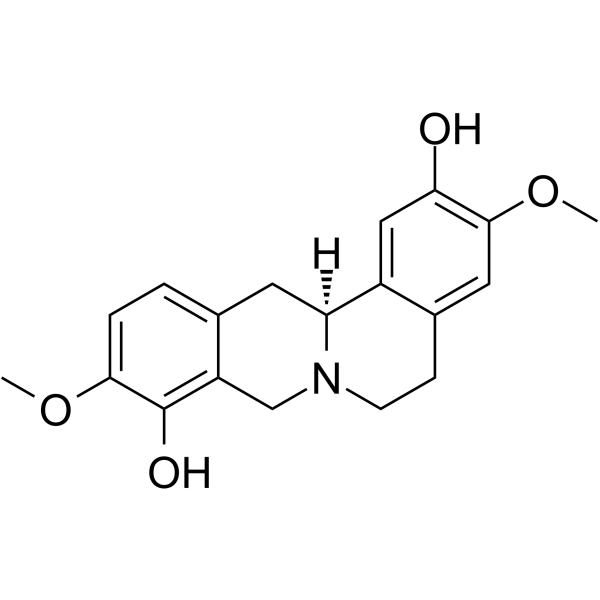
    (-)-Scoulerine; Discretamine

    Bcl-2 Family Apoptosis mTOR GABA Receptor PI3K Adrenergic Receptor Beta-secretase Akt Cancer
    Scoulerine ((-)-Scoulerine; Discretamine) hydrochloride is a multi-target inhibitor with anti-tumor and antioxidant activities. Scoulerine mainly targets the PI3K/Akt/mTOR signaling axis and α1D-adrenergic receptor, disrupts microtubule structure, and induces cell cycle arrest and apoptosis. Scoulerine effectively inhibits mitochondrial dehydrogenase activity, targets GABA receptors and BACE1, and suppresses the proliferation, migration, invasion, epithelial-mesenchymal transition and stem cell properties of cancer cells. Scoulerine also exhibits multiple pharmacological activities including anti-Plasmodium falciparum, antibacterial, antiemetic and antitussive effects, and regulates endoplasmic reticulum stress and mitochondrial function (modulates Bax, Bcl-2 and cytochrome c). Scoulerine is applicable to research related to leukemia, ovarian cancer, and colorectal cancer .
    Scoulerine
  • HY-B1435

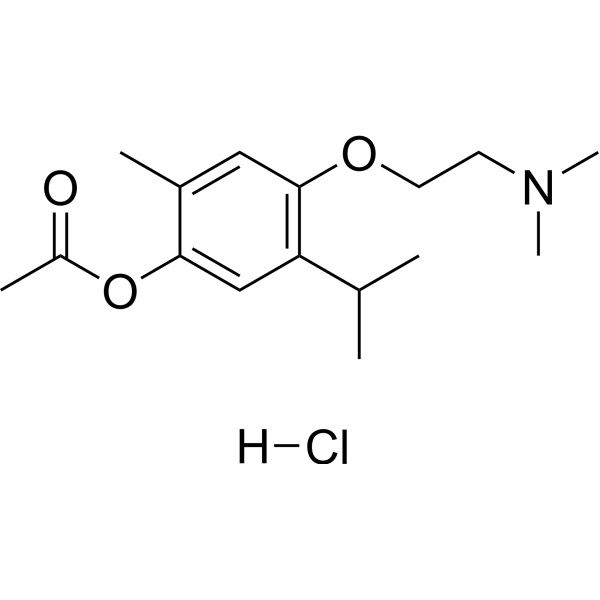
    Thymoxamine hydrochloride

    Adrenergic Receptor Cardiovascular Disease Neurological Disease Metabolic Disease
    Moxisylyte (Thymoxamine) hydrochloride is a selective α1A-adrenergic receptor antagonist. Moxisylyte hydrochloride competitively antagonizes the activation mediated by norepinephrine. Moxisylyte hydrochloride relaxes penile cavernous smooth muscle and aids erectile function. Moxisylyte hydrochloride is applicable to research related to erectile dysfunction and multiple system atrophy .
    Moxisylyte hydrochloride
  • HY-101300

    LD 3098 hydrochloride

    Adenosine Receptor Neurological Disease
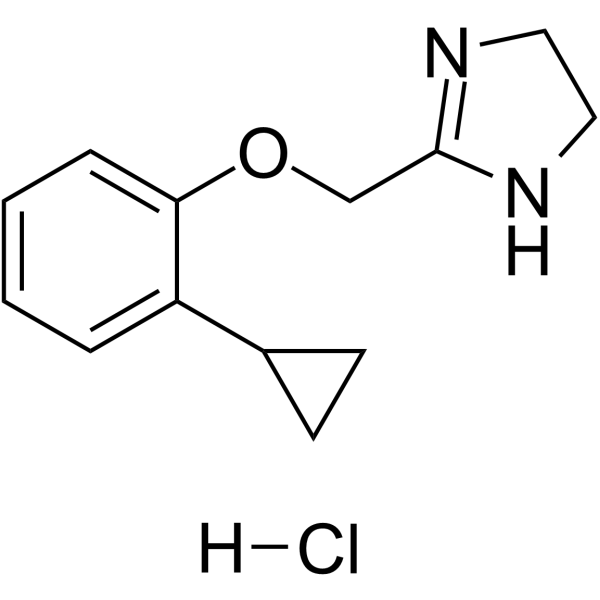
    Cirazoline hydrochloride (LD 3098 hydrochloride) is a potent competitive full α1A-adrenergic receptor (α1A-AR) agonist (Ki=120 nM) and only a partial agonist at α1B-AR (Ki= 960 nM) and α1D-AR (Ki=660 nM) .
    Cirazoline hydrochloride
  • HY-101385
    L-765314
    2 Publications Verification

    Adrenergic Receptor Cardiovascular Disease Endocrinology
    L-765314 is a potent and selective α1b adrenergic receptor antagonist with Kis of 5.4 nM and 2.0 nM for rat and human α1b adrenergic receptor, respectively.
    L-765314
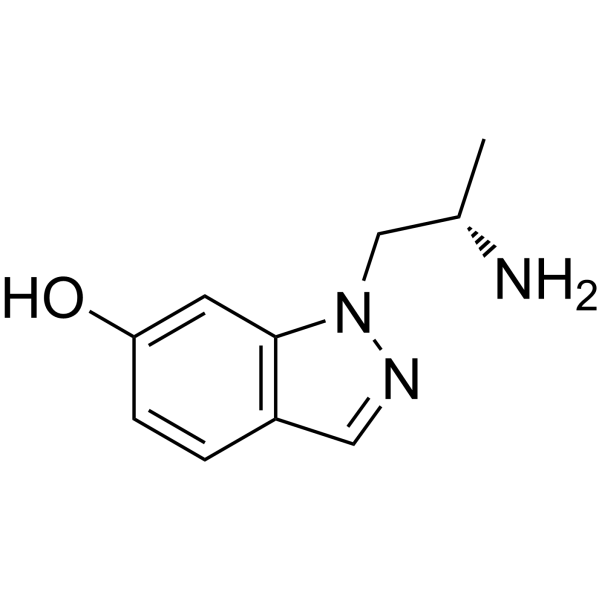
  • HY-117071

    Ro 115-1240

    Adrenergic Receptor Apoptosis Cardiovascular Disease Endocrinology
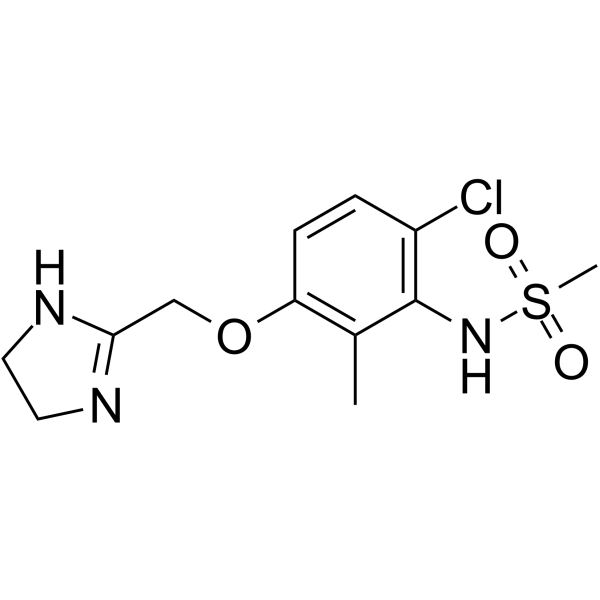
    Dabuzalgron (Ro 115-1240) is an orally active and selective α-1A adrenergic receptor agonist for the treatment of urinary incontinence. Dabuzalgron protects against Doxorubicin-induced cardiotoxicity by preserving mitochondrial function .
    Dabuzalgron
  • HY-101366

    Adrenergic Receptor Endocrinology
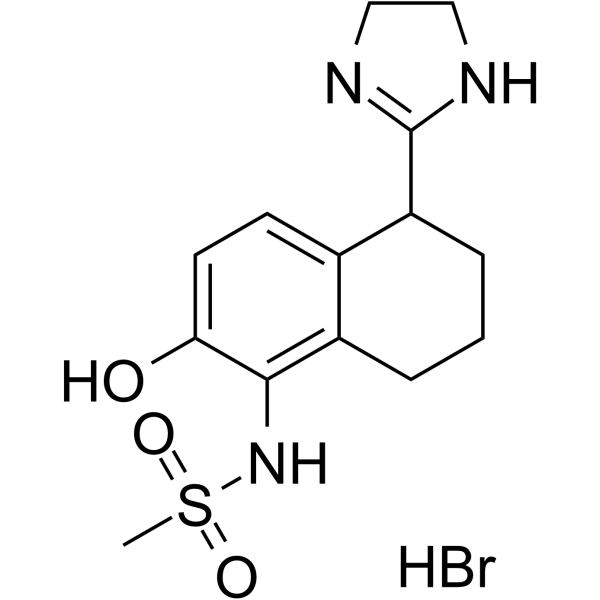
    A-61603 is a selective α1A/α1a-adrenergic receptor agonist with Ki of 8.89 nM for rat submaxillary gland α1A, Ki of 30.5 nM for cloned bovine α1a. A-61603 potentiates Ca 2+ transients with EC50 of 6.9 nM. A-61603 stimulates phosphoinositide hydrolysis, induces contractile responses in vas deferens, prostate strips, and spleen strips, and exhibits low activity in aortic rings. A-61603 can be used for research on adrenergic function .
    A-61603
  • HY-147100

    PROTACs Adrenergic Receptor Cancer
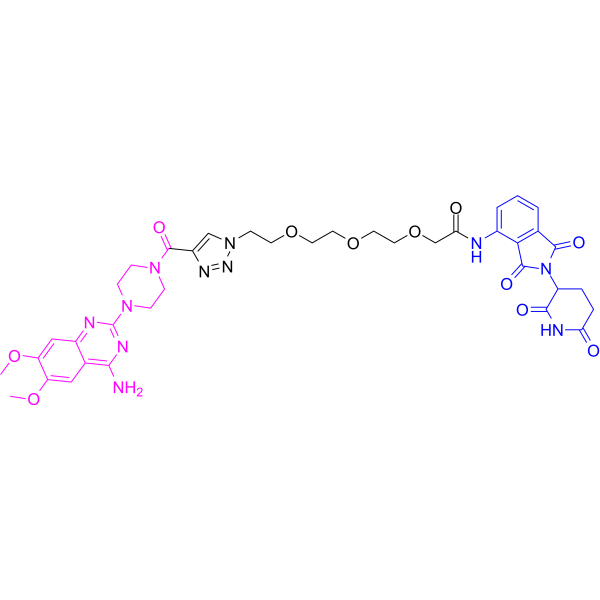
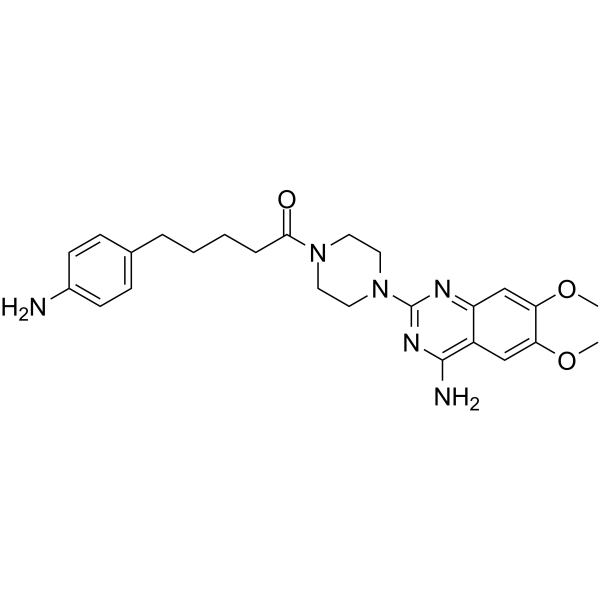
    α1A-AR Degrader 9c (compound 9c) is a potent, selective and reversible α1A-AR (Adrenergic receptor) PROTAC degrader, with a DC50 of 2.86 μM. α1A-AR Degrader 9c induces α1A-AR degradation can be attributed to proteasomal degradation. α1A-AR Degrader 9c inhibits the proliferation of PC-3 cells, with an IC50 of 6.12 μM. α1A-AR Degrader 9c shows antitumor activity, and can be used for prostate cancer research .
    α1A-AR Degrader 9c
  • HY-106954

    Rec 15/2739; Recordati 15/2739; SB 216469

    Adrenergic Receptor Inflammation/Immunology
    Upidosin (Rec 15/2739) is an α-1 adrenoceptor (α-1 AR) antagonist. Upidosin shows moderate selectivity for the α-1A AR subtype. Upidosin shows uroselectivity in urethra and prostate with a Kb value of 2-3 nM higher than in ear artery and aorta with a Kb value of 20-100 nM. Upidosin inhibits [3H]prazosin binding to cloned human α-1A adrenergic receptor. Upidosin can be used for the research of urethral obstruction .
    Upidosin
  • HY-101755

    Lu AA24530 hydrobromide

    5-HT Receptor Adrenergic Receptor Neurological Disease Endocrinology
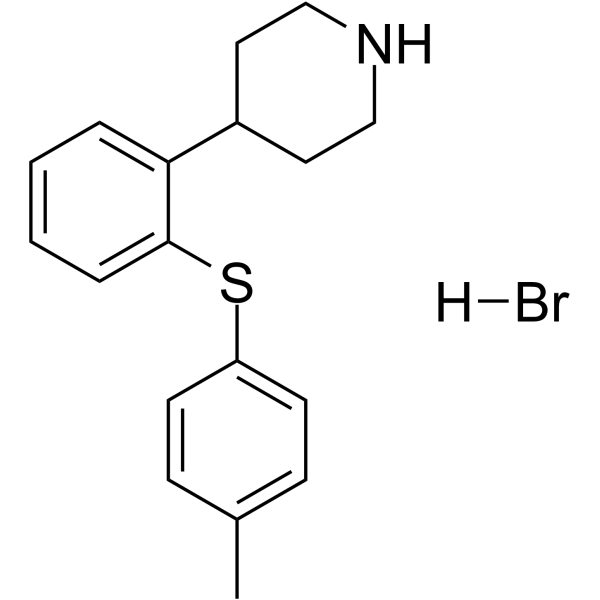
    Tedatioxetine (Lu AA24530) hydrobromide acts as a serotonin and norepinephrine (NE)-preferring triple reuptake inhibitor (TRI) and 5-HT2A, 5-HT2C, 5-HT3 and α1A-adrenergic receptor antagonist . ,
    Tedatioxetine hydrobromide
  • HY-A0077S1

    5-HT Receptor Adrenergic Receptor Apoptosis Autophagy Dopamine Receptor Histamine Receptor Neurological Disease Endocrinology
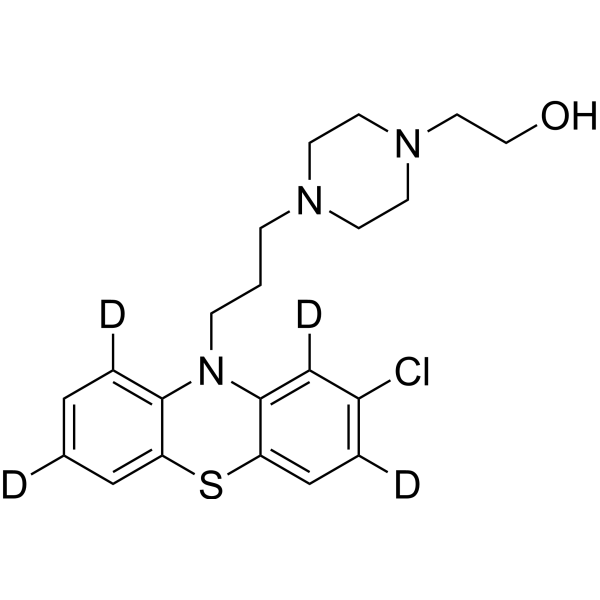
    Perphenazine-d4 is the deuterium labeled Perphenazine. Perphenazine is a typical antipsychotic agent, inhibits 5-HT2Areceptor, Alpha-1A adrenergic receptor, Dopamine receptor D2/D3, D2L receptor, and Histamine H1 receptor, with Ki values of 5.6, 10, 0.765/0.13, 3.4, and 8 nM, respectively.
    Perphenazine-d4
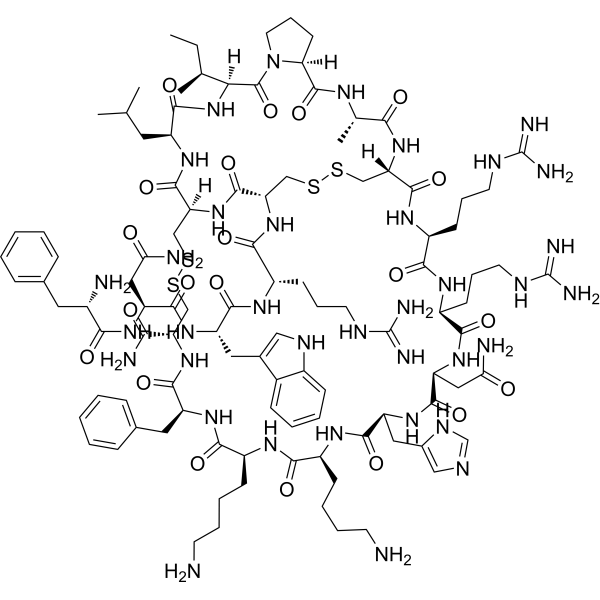
  • HY-P5158

    Adrenergic Receptor Others
    Conopeptide rho-TIA is a peptide derived from the venom contained in the predatory sea snail Conus tulipa, has highly selective and noncompetitive inhibitor at human α1B-Adrenergic Receptor. Conopeptide rho-TIA acts a competitive inhibitor at human α1A-Adrenergic Receptor and α1D-Adrenergic Receptor. Conopeptide rho-TIA binds to each subtype and may provide useful information for the development of novel α1-Adrenergic Receptor subtype-selective drugs .
    Conopeptide rho-TIA
  • HY-W103372

    Adrenergic Receptor Cardiovascular Disease
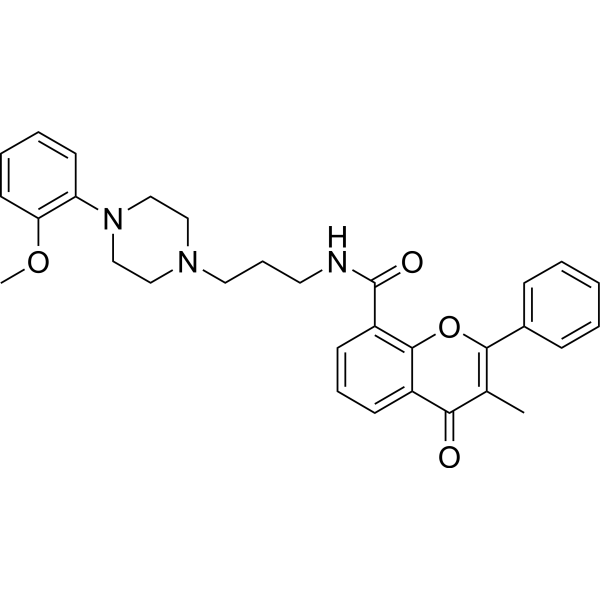
    Vasorelaxant agent-2 (Compound 8h) targets α1A-adrenergic receptor with an affinity of pD2=5.4. Vasorelaxant agent-2 exhibits vasodilator activity in rats aortic rings with an EC50 of 0.79 μM .
    Vasorelaxant agent-2
  • HY-123044

    Lu AA24530

    5-HT Receptor Adrenergic Receptor Neurological Disease
    Tedatioxetine (Lu AA24530) acts as a serotonin and norepinephrine (NE)-preferring triple reuptake inhibitor (TRI) and 5-HT2A, 5-HT2C, 5-HT3 and α1A-adrenergic receptor antagonist .
    Tedatioxetine
  • HY-120473

    Adrenergic Receptor Metabolic Disease
    TAK-259 is an orally active α1D-adrenergic receptor antagonist with a Ki value of 1.1 nM for human α1D-adrenergic receptors. TAK-259 can inhibit the contraction of isolated bladder strips in rats with bladder outlet obstruction, reduce non-voiding bladder contractions, and improve urinary frequency symptoms. TAK-259 can be used in research related to overactive bladder .
    TAK-259
  • HY-A0077A

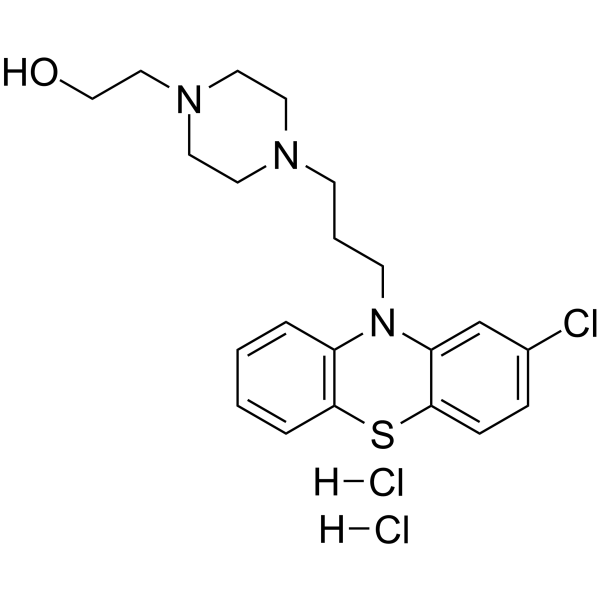
    Dopamine Receptor Histamine Receptor 5-HT Receptor Adrenergic Receptor Apoptosis Autophagy Neurological Disease Inflammation/Immunology Endocrinology Cancer
    Perphenazine dihydrochloride is an orally active dopamine receptor and histamine-1 receptor antagonist, with Ki values of 0.56 nM (D2), 0.43 nM (D3), 6 nM (5-HT2A), respectively. Perphenazine dihydrochloride also binds to Alpha-1A adrenergic receptor. Perphenazine dihydrochloride inhibits cancer cell proliferation, and induces apoptosis. Perphenazine dihydrochloride can be used in the research of mental disease, cancer, inflammation .
    Perphenazine dihydrochloride
  • HY-125641

    5-HT Receptor Adrenergic Receptor Cardiovascular Disease
    AL-34662 is a selective 5-HT2A receptoragonist (IC50: 0.77 nM and 1.5 nM for rat and human 5-HT2 receptor). AL-34662 is also a weak α-1D adrenergic agonist activity (EC50:0.4 μM). AL-34662 is an ocular hypotensive agent .
    AL-34662
  • HY-145480

    Silodosin β-D-glucuronide sodium

    Drug Metabolite Others
    Silodosin Glucuronide sodium (Silodosin β-D-glucuronide sodium) is the metabolite of Silodosin (HY-10122). Silodosin is a selective and orally active antagonist for α1A-adrenergic receptor (α1A-AR) with Ki of 0.036 nM .
    Silodosin Glucuronide sodium
  • HY-B1435A

    Thymoxamine

    Adrenergic Receptor Cardiovascular Disease Neurological Disease Metabolic Disease
    Moxisylyte (Thymoxamine) is a selective α1A-adrenergic receptor antagonist. Moxisylyte competitively antagonizes the activation mediated by norepinephrine. Moxisylyte relaxes penile cavernous smooth muscle and aids erectile function. Moxisylyte is applicable to research related to erectile dysfunction and multiple system atrophy .
    Moxisylyte
  • HY-U00237B

    Adrenergic Receptor Others
    L-771688 hydrochloride is a potent and highly selective α1A-adrenoceptor antagonist (Kd=43-90 pM). L-771688 hydrochloride is effective against cloned human, rat and dog α1A-adrenergic receptors. L-771688 exhibits high affinity (Ki ≤ 1 nM) and over 500-fold selectivity over the α1B and α1D isoforms. L-771688 potently antagonizes norepinephrine-induced responses at these receptors. Inhibits contractions induced by phenylephrine or A-61603 in rat, dog, human and monkey models .
    L-771688 hydrochloride
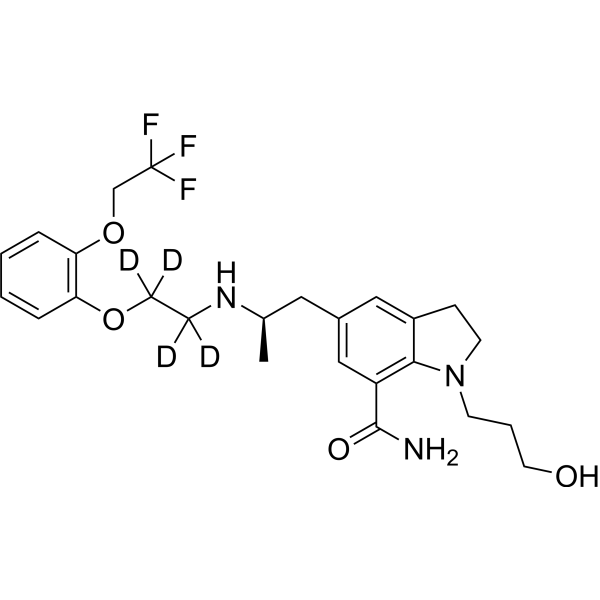
  • HY-10122S

    Isotope-Labeled Compounds Adrenergic Receptor Endocrinology Cancer
    Silodosin-d4 is the deuterium labeled Silodosin. Silodosin (KAD 3213) is a potent, selective and orally active α1A-adrenergic receptor (α1A-AR) blocker. Silodosin exhibits high affinity for α1A-AR (Ki=0.036 nM), over 162-fold and 50-fold than for α1B-AR and α1D-AR with Ki values of 21 nM and 2.0 nM, respectively. Silodosin is an effective and well-tolerated agent, it can be used for the investigation of LUTS/BPH .
    Silodosin-d4
  • HY-10122R

    KAD 3213 (Standard); KMD 3213 (Standard)

    Reference Standards Adrenergic Receptor Bacterial Endocrinology Cancer
    Silodosin (Standard) is the analytical standard of Silodosin. This product is intended for research and analytical applications. Silodosin (KAD 3213; KMD 3213) is a potent, selective and orally active α1A-adrenergic receptor (α1A-AR) blocker. Silodosin exhibits high affinity for α1A-AR (Ki=0.036 nM), over 162-fold and 50-fold than for α1B-AR and α1D-AR with Ki values of 21 nM and 2.0 nM, respectively. Silodosin is an effective and well-tolerated agent, it can be used for the investigation of LUTS/BPH .
    Silodosin (Standard)
  • HY-103202

    Adrenergic Receptor Cardiovascular Disease
    SNAP5089 (hydrochloride) is a selective α1A adrenergic receptor antagonist. SNAP5089 (hydrochloride) can be used in the research of hypertension and benign prostatic hyperplasia .
    SNAP5089 hydrochloride
  • HY-101390

    (S)-Niguldipine hydrochloride

    Calcium Channel Adrenergic Receptor Cardiovascular Disease
    (+)-Niguldipine hydrochloride is a 1,4-DHP receptor ligand associated with L-type Ca 2+ channels (with Ki values of 85 pmol/L in guinea pig skeletal muscle, 140 pmol/L in brain, and 45 pmol/L in heart) as well as an α1-adrenergic receptor ligand (with a Ki value of 78 nmol/L). (+)-Niguldipine hydrochloride shows much higher binding selectivity for α-adrenergic receptors than for α1B-adrenergic receptors. (+)-Niguldipine hydrochloride can be used in studies related to hypertension .
    (+)-Niguldipine hydrochloride
  • HY-118039

    UK-52046 methylsulfate

    Adrenergic Receptor Cardiovascular Disease
    Abanoquil methylsulfate (UK-52046 methylsulfate) is an alpha-1 family adrenergic receptor antagonist. Abanoquil methylsulfate can be used in research on cardiovascular diseases such as arrhythmias and erectile dysfunction .
    Abanoquil methylsulfate
  • HY-117071A

    Ro 115-1240 hydrochloride

    Adrenergic Receptor Apoptosis Cardiovascular Disease Endocrinology
    Dabuzalgron (Ro 115-1240) hydrochloride is an orally active and selective α-1A adrenergic receptor agonist for the treatment of urinary incontinence. Dabuzalgron hydrochloride protects against Doxorubicin-induced cardiotoxicity by preserving mitochondrial function .
    Dabuzalgron hydrochloride
  • HY-111188

    Adrenergic Receptor Others
    A55453 is a prazosin analogue and a potent α1-adrenergic antagonist. 125I-A55453 is a high-affinity alpha 1-adrenergic receptor probe .
    A55453
  • HY-133214

    Adrenergic Receptor Cardiovascular Disease
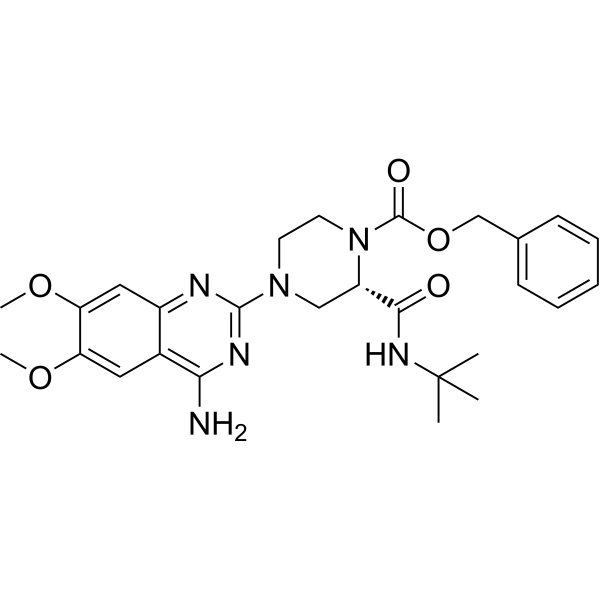
    Cyclazosin hydrochloride is an α1B-adrenergic receptor antagonist. Cyclazosin hydrochloride has high specificity for α-adrenergic receptors, with pKi values of 9.23-9.57 and 8.18-8.41 for O/1A (O/la) and OflB (alb) adrenergic receptors, respectively. However, Cyclazosin hydrochloride cannot distinguish between cloned alb and alo adrenergic receptors, which have pKi values of 9.23 and 9.28, respectively .
    Cyclazosin hydrochloride
  • HY-B0661C

    YM12617 hydrochloride; LY253351 hydrochloride

    Adrenergic Receptor Endocrinology
    Tamsolusin (YM12617) hydrochloride is a highly selective alpha-1A adrenergic receptor antagonist used in the treatment of benign prostatic hypertrophy, demonstrating effective biological activity in alleviating associated symptoms. Tamsolusin hydrochloride can also be quantified using a validated spectrofluorimetric method, showcasing its potential for routine quality control analysis in pharmaceutical formulations.
    Tamsolusin hydrochloride
  • HY-A0077S2

    Isotope-Labeled Compounds Histamine Receptor Autophagy Adrenergic Receptor Apoptosis Dopamine Receptor 5-HT Receptor Cancer
    Perphenazine-d6 (fumarate) is a deuterated labeled Perphenazine . Perphenazine is an orally active dopamine receptor and histamine-1 receptor antagonist, with Ki values of 0.56 nM (D2), 0.43 nM (D3), 6 nM (5-HT2A), respectively. Perphenazine also binds to Alpha-1A adrenergic receptor. Perphenazine inhibits cancer cell proliferation, and induces apoptosis. Perphenazine can be used in the research of mental disease, cancer, inflammation .
    Perphenazine-d6 fumarate
  • HY-183177

    Adrenergic Receptor Cardiovascular Disease
    Zolertine is an α-adrenergic receptor antagonist, with a pKi of 6.35 for rabbit α1A-adrenergic receptor and a pKi of 6.81 for rat α1B-adrenergic receptor. Zolertine competitively blocks α1D-adrenergic receptor-mediated vasoconstriction and α1A-adrenergic receptor-mediated vasoconstriction in arteries. Zolertine can be used in the research of hypertension .
    Zolertine
  • HY-A0077R

    Reference Standards Dopamine Receptor Histamine Receptor 5-HT Receptor Adrenergic Receptor Apoptosis Autophagy Neurological Disease Inflammation/Immunology Endocrinology Cancer
    Perphenazine (Standard) is the analytical standard of Perphenazine. This product is intended for research and analytical applications. Perphenazine is an orally active dopamine receptor and histamine-1 receptor antagonist, with Ki values of 0.56 nM (D2), 0.43 nM (D3), 6 nM (5-HT2A), respectively. Perphenazine also binds to Alpha-1A adrenergic receptor. Perphenazine inhibits cancer cell proliferation, and induces apoptosis. Perphenazine can be used in the research of mental disease, cancer, inflammation .
    Perphenazine (Standard)
  • HY-101300R

    LD 3098 hydrochloride (Standard)

    Reference Standards Adenosine Receptor Neurological Disease
    Cirazoline (hydrochloride) (Standard) is the analytical standard of Cirazoline (hydrochloride). This product is intended for research and analytical applications. Cirazoline hydrochloride (LD 3098 hydrochloride) is a potent competitive full?α1A-adrenergic receptor (α1A-AR) agonist (Ki=120 nM) and only a partial agonist at α1B-AR (Ki= 960 nM) and α1D-AR (Ki=660 nM) .
    Cirazoline hydrochloride (Standard)
  • HY-10122A

    (Rac)-KAD 3213; (Rac)-KMD 3213

    Adrenergic Receptor Endocrinology
    (Rac)-Silodosin ((Rac)-KAD 3213) is the racemate of Silodosin (HY-10122). Silodosin is a potent, selective and orally active α1A-adrenergic receptor (α1A-AR) blocker .
    (Rac)-Silodosin
  • HY-B1435R

    Thymoxamine hydrochloride (Standard)

    Adrenergic Receptor Reference Standards Cardiovascular Disease Neurological Disease Metabolic Disease
    Moxisylyte (Thymoxamine) hydrochloride Standard is the analytical standard of Moxisylyte hydrochloride (HY-B1435). This product is intended for research and analytical applications. Moxisylyte (Thymoxamine) hydrochloride is a selective α1A-adrenergic receptor antagonist. Moxisylyte hydrochloride competitively antagonizes the activation mediated by norepinephrine. Moxisylyte hydrochloride relaxes penile cavernous smooth muscle and aids erectile function. Moxisylyte hydrochloride is applicable to research related to erectile dysfunction and multiple system atrophy.
    Moxisylyte hydrochloride (Standard)
  • HY-101755R

    Lu AA24530 hydrobromide (Standard)

    Reference Standards 5-HT Receptor Adrenergic Receptor Neurological Disease Endocrinology
    Tedatioxetine hydrobromide (Standard) (Lu AA24530 hydrobromide (Standard)) is the analytical standard of Tedatioxetine hydrobromide (HY-101755). This product is intended for research and analytical applications. Tedatioxetine (Lu AA24530) hydrobromide acts as a serotonin and norepinephrine (NE)-preferring triple reuptake inhibitor (TRI) and 5-HT2A, 5-HT2C, 5-HT3 and α1A-adrenergic receptor antagonist . ,
    Tedatioxetine hydrobromide (Standard)
  • HY-101385R

    Adrenergic Receptor Reference Standards Cardiovascular Disease Endocrinology
    L-765314 (Standard) is the analytical standard of L-765314 (HY-101385). This product is intended for research and analytical applications. L-765314 is a potent and selective α1b adrenergic receptor antagonist with Kis of 5.4 nM and 2.0 nM for rat and human α1b adrenergic receptor, respectively.
    L-765314 (Standard)
  • HY-120473A

    Adrenergic Receptor Metabolic Disease
    TAK-259 hydrochloride is an orally active α1D-adrenergic receptor antagonist with a Ki value of 1.1 nM for human α1D-adrenergic receptors. TAK-259 hydrochloride can inhibit the contraction of isolated bladder strips in rats with bladder outlet obstruction, reduce non-voiding bladder contractions, and improve urinary frequency symptoms. TAK-259 hydrochloride can be used in research related to overactive bladder .
    TAK-259 hydrochloride
  • HY-W783844

    Drug Isomer Neurological Disease
    (R)-Nantenine ((R)-(-)-nantenine) is the levorotatory isomer of Nantenine (HY-N9141). (R)-Nantenine has high affinity and selectivity for the α1A adrenergic receptor. (R)-Nantenine can block the behavioral suppression induced by MDMA. (R)-Nantenine is mainly used for the research related to diseases caused by MDMA abuse .
    (R)-Nantenine
  • HY-N1255A

    (-)-Scoulerine hydrochloride; Discretamine hydrochloride

    Apoptosis PI3K Akt mTOR Adrenergic Receptor GABA Receptor Beta-secretase Bcl-2 Family Cancer
    Scoulerine ((-)-Scoulerine; Discretamine) hydrochloride is a multi-target inhibitor with anti-tumor and antioxidant activities. Scoulerine hydrochloride mainly targets the PI3K/Akt/mTOR signaling axis and α1D-adrenergic receptor, disrupts microtubule structure, and induces cell cycle arrest and apoptosis. Scoulerine hydrochloride effectively inhibits mitochondrial dehydrogenase activity, targets GABA receptors and BACE1, and suppresses the proliferation, migration, invasion, epithelial-mesenchymal transition and stem cell properties of cancer cells. Scoulerine hydrochloride also exhibits multiple pharmacological activities including anti-Plasmodium falciparum, antibacterial, antiemetic and antitussive effects, and regulates endoplasmic reticulum stress and mitochondrial function (modulates Bax, Bcl-2 and cytochrome c). Scoulerine hydrochloride is applicable to research related to leukemia, ovarian cancer, and colorectal cancer .
    Scoulerine hydrochloride
  • HY-106954R

    Rec 15/2739 (Standard); Recordati 15/2739 (Standard); SB 216469 (Standard)

    Reference Standards Adrenergic Receptor Inflammation/Immunology
    Upidosin (Standard) (Rec 15/2739 (Standard)) is the analytical standard of Upidosin (HY-106954). This product is intended for research and analytical applications. Upidosin (Rec 15/2739) is an α-1 adrenoceptor (α-1 AR) antagonist. Upidosin shows moderate selectivity for the α-1A AR subtype. Upidosin shows uroselectivity in urethra and prostate with a Kb value of 2-3 nM higher than in ear artery and aorta with a Kb value of 20-100 nM. Upidosin inhibits [3H]prazosin binding to cloned human α-1A adrenergic receptor. Upidosin can be used for the research of urethral obstruction .
    Upidosin (Standard)

온라인 문의

Your information is safe with us. * Required Fields.

호칭


Country or Region *

고객명 *


회사명 *

Department *


메일주소 *


상품명 *

Cat. No.


Requested quantity *

전화번호 *


비고

온라인 문의

Inquiry Information

상품명:
Cat. No.:
수량:
MCE Japan Authorized Agent: