1. Search Result
Search Result
Results for "

Oxidative+Metabolism

" in MedChemExpress (MCE) Product Catalog:

23

Inhibitors & Agonists

9

Natural
Products

1

Isotope-Labeled Compounds

Cat. No. Product Name Target Research Areas Chemical Structure
  • HY-Y0445A
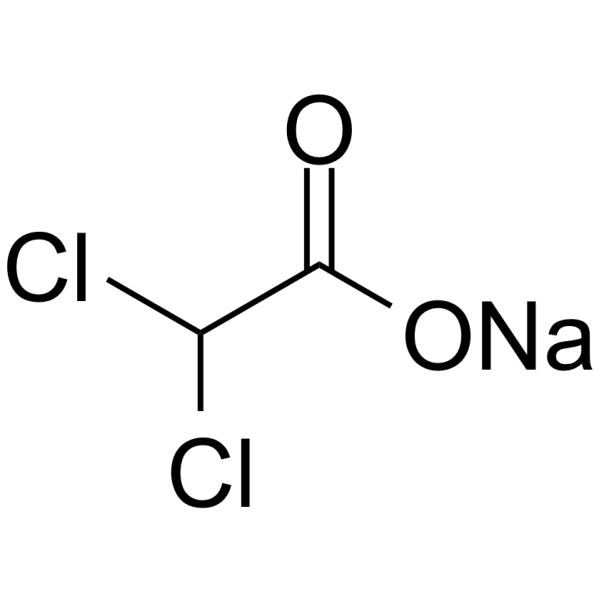
    Sodium dichloroacetate
    Maximum Cited Publications
    26 Publications Verification

    PDK-1 NKCC PDHK Reactive Oxygen Species (ROS) Apoptosis Cancer
    Sodium dichloroacetate is an orally active pyruvate dehydrogenase kinase (PDK) inhibitor. Sodium dichloroacetate also stimulates pyruvate dehydrogenase (PDH) activity and works as a Na +-K +-2Cl cotransporter (NKCC) inhibitor. Sodium dichloroacetate prevents the phosphorylation of the E1α subunit of PDC, promoting the entry of pyruvate into the mitochondria for oxidative metabolism, reducing lactate production, and simultaneously increasing the production of reactive oxygen species (ROS). Sodium dichloroacetate inhibits tumor cell proliferation and induces apoptosis. Sodium dichloroacetate is promising for research of cancers .
    Sodium dichloroacetate
  • HY-123033A
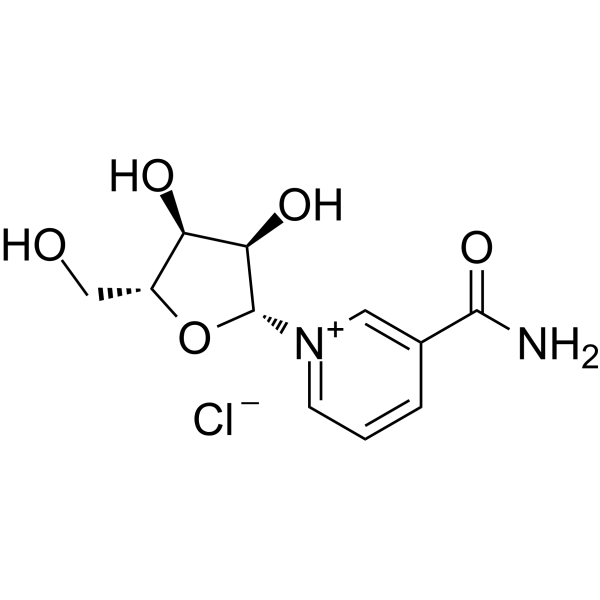
    Nicotinamide riboside chloride
    Maximum Cited Publications
    25 Publications Verification

    Sirtuin Endogenous Metabolite Neurological Disease Metabolic Disease Cancer
    Nicotinamide riboside Chloride, an orally active NAD + precursor, increases NAD + levels and activates SIRT1 and SIRT3. Nicotinamide riboside Chloride is a source of vitamin B3 (niacin) and enhances oxidative metabolism, protection against high fat diet-induced metabolic abnormalities . Nicotinamide riboside Chloride reduces cognitive deterioration in a transgenic mouse model of Alzheimer’s disease .
    Nicotinamide riboside chloride
  • HY-13409
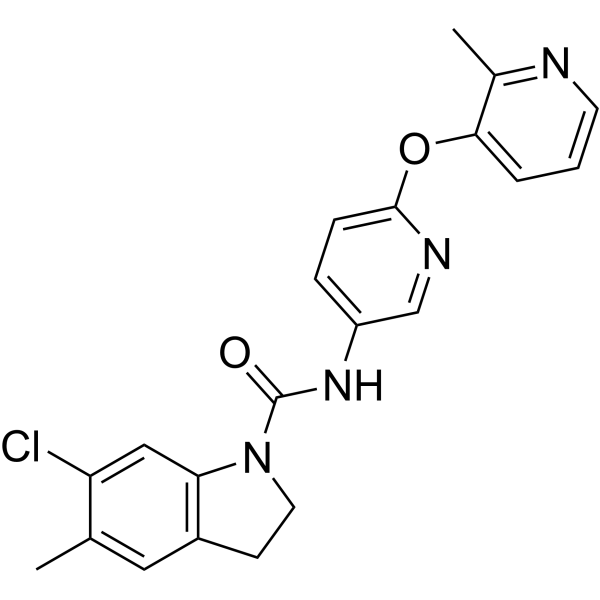
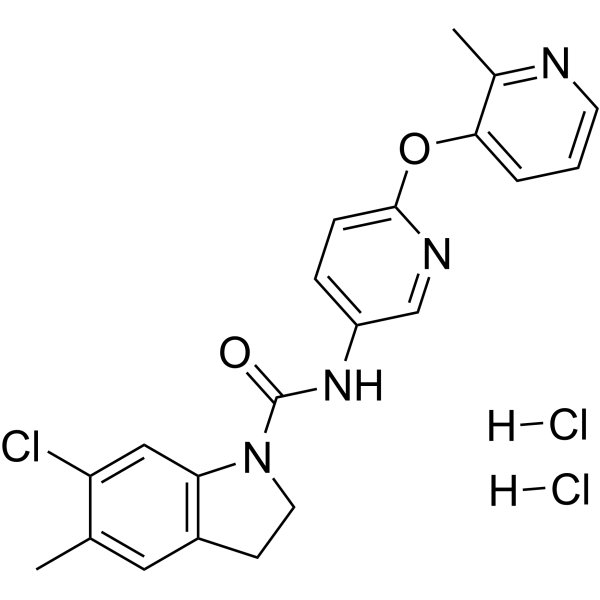
    SB 242084
    5+ Cited Publications

    5-HT Receptor Neurological Disease Metabolic Disease
    SB 242084 is a selective, competitive and high-affinity (pKi=9.0) 5-HT2C receptor antagonist (crosses the blood-brain barrier). SB 242084 increases basal activity of dopaminergic neurons in the ventral tegmental area (VTA) of the midbrain and dopamine release in the vomeronasal nucleus. SB 242084 also increases mitochondrial gene expression and oxidative metabolism via 5-HT2A receptor. SB 242084 has good research potential in the negative symptoms of anxiety, depression and schizophrenia, as well as in acute organ damage .
    SB 242084
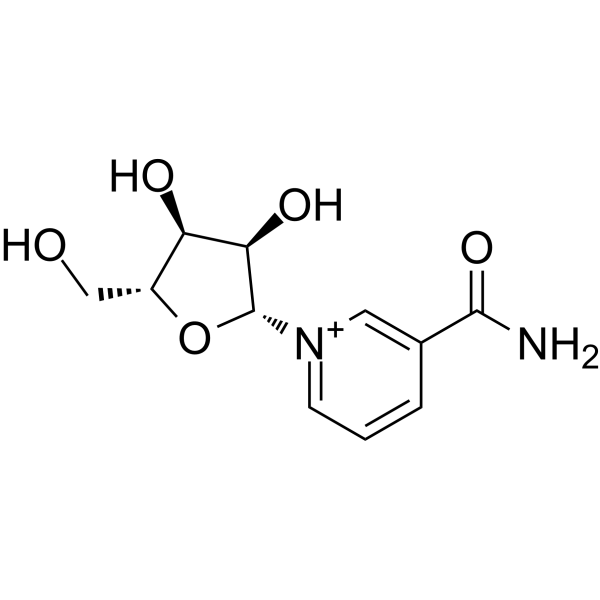
  • HY-123033

    Sirtuin Endogenous Metabolite Neurological Disease Metabolic Disease Cancer
    Nicotinamide riboside, an orally active NAD + precursor, increases NAD + levels and activates SIRT1 and SIRT3. Nicotinamide riboside is a source of vitamin B3 (niacin) and enhances oxidative metabolism, protection against high fat diet-induced metabolic abnormalities . Nicotinamide riboside reduces cognitive deterioration in a transgenic mouse model of Alzheimer’s disease .
    Nicotinamide riboside
  • HY-13409A
    SB 242084 dihydrochloride
    5+ Cited Publications

    5-HT Receptor Neurological Disease Metabolic Disease
    SB 242084 dihydrochloride is a selective, competitive and high-affinity (pKi=9.0) 5-HT2C receptor antagonist (crosses the blood-brain barrier). SB 242084 dihydrochloride increases basal activity of dopaminergic neurons in the ventral tegmental area (VTA) of the midbrain and dopamine release in the vomeronasal nucleus. SB 242084 dihydrochloride also increases mitochondrial gene expression and oxidative metabolism via 5-HT2A receptor. SB 242084 dihydrochloride has good research potential in the negative symptoms of anxiety, depression and schizophrenia, as well as in acute organ damage .
    SB 242084 dihydrochloride
  • HY-B1016

    AR-12008

    PDGFR Phosphodiesterase (PDE) Prostaglandin Receptor Cardiovascular Disease Neurological Disease
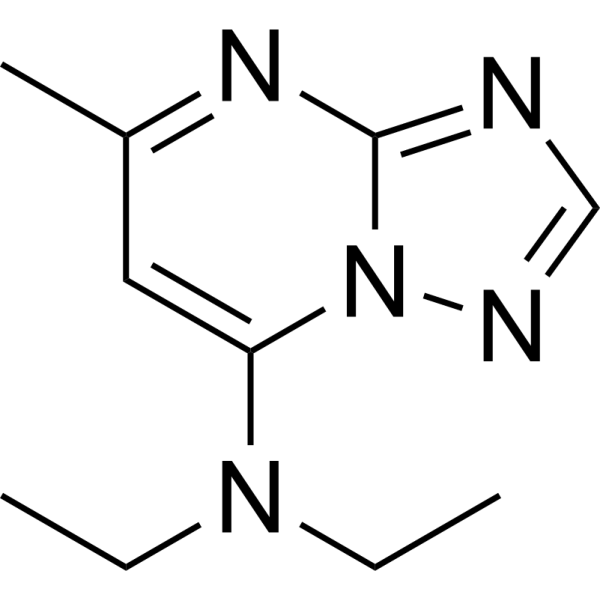
    Trapidil (AR-12008) is an orally active vasodilator and antiplatelet agent. Trapidil antagonizes platelet-derived growth factor (PDGF), inhibits phosphodiesterase, thromboxane A2 synthesis and pro-inflammatory cytokine production. Trapidil promotes prostacyclin biosynthesis, reduces lipid peroxidation, regulates nitric oxide metabolism, and inhibits cell proliferation and migration. Trapidil exerts tissue-protective effects, regulates bone turnover, and inhibits pyroptosis via the GPX3/Nrf2 pathway. Trapidil is applicable to research related to renal ischemia-reperfusion injury, chronic stable angina, restenosis, meningioma, diabetic cardiomyopathy and peripheral nerve crush injury .
    Trapidil
  • HY-123033C
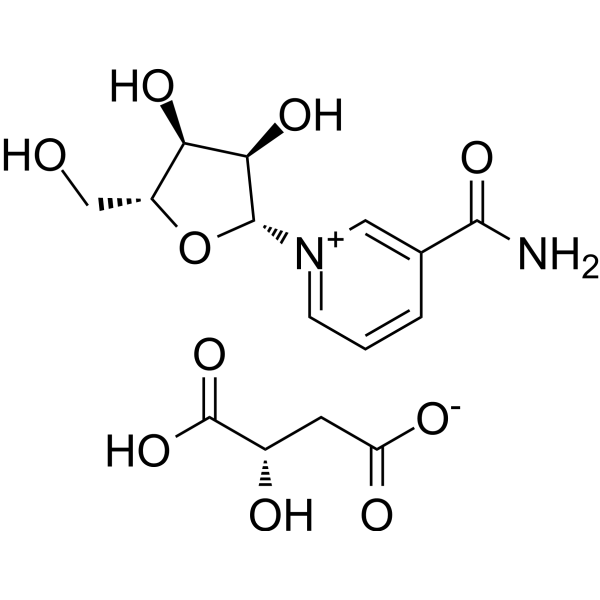
    Nicotinamide riboside malate
    Maximum Cited Publications
    25 Publications Verification

    Sirtuin Endogenous Metabolite Neurological Disease Metabolic Disease Cancer
    Nicotinamide riboside malate, an orally active NAD + precursor, increases NAD + levels and activates SIRT1 and SIRT3. Nicotinamide riboside malate is a source of vitamin B3 (niacin) and enhances oxidative metabolism, protection against high fat diet-induced metabolic abnormalities . Nicotinamide riboside malate reduces cognitive deterioration in a transgenic mouse model of Alzheimer’s disease .
    Nicotinamide riboside malate
  • HY-123033AR

    Reference Standards Sirtuin Endogenous Metabolite Neurological Disease Metabolic Disease Cancer
    Nicotinamide riboside (chloride) (Standard) is the analytical standard of Nicotinamide riboside (chloride). This product is intended for research and analytical applications. Nicotinamide riboside Chloride, an orally active NAD+ precursor, increases NAD+ levels and activates SIRT1 and SIRT3. Nicotinamide riboside Chloride is a source of vitamin B3 (niacin) and enhances oxidative metabolism, protection against high fat diet-induced metabolic abnormalities[1]. Nicotinamide riboside Chloride reduces cognitive deterioration in a transgenic mouse model of Alzheimer’s disease[2].
    Nicotinamide riboside chloride (Standard)
  • HY-122940

    Ageratochromene

    Endogenous Metabolite Metabolic Disease
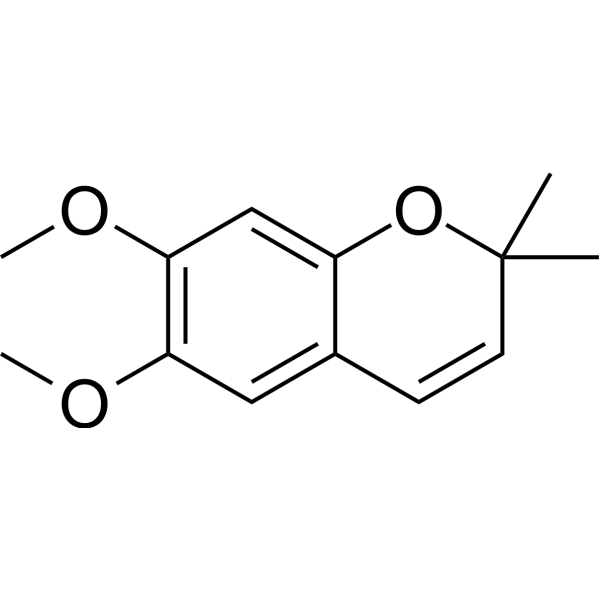
    Precocene II (Ageratochromene) is a plant larva hormone antagonists that inhibits the biosynthesis of juvenile hormone. Precocene II inhibits corpora allata function and downregulates juvenile hormone levels, while exerting multiple effects including inducing precocious metamorphosis, forming macropterous morphs, inhibiting ovarian growth, producing cytotoxicity, disrupting insect development, and causing sterility and kidney damage. Precocene II blocks normal nymphal development, causes renal tubular damage and increases blood urea nitrogen levels, and also blocks juvenile hormone biosynthesis in vitro. Precocene II undergoes oxidative metabolism catalyzed by NADPH-dependent monooxygenase to generate a variety of metabolites. Precocene II can be applied in studies related to insect growth regulation and nephrotoxicity .
    Precocene II
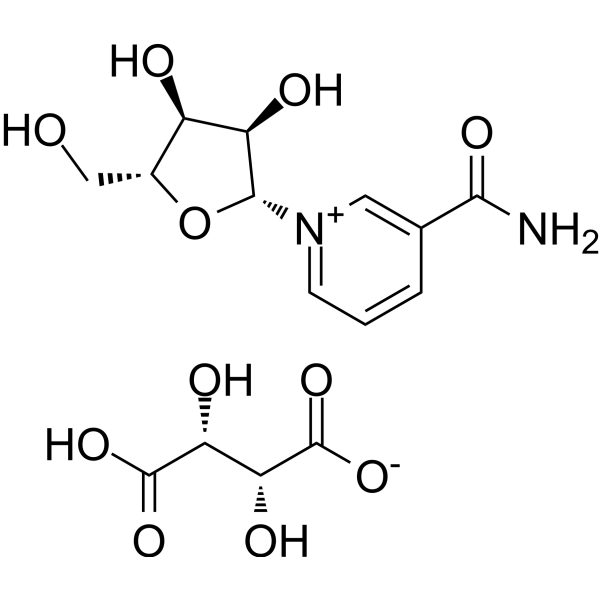
  • HY-123033B
    Nicotinamide riboside tartrate
    Maximum Cited Publications
    25 Publications Verification

    Sirtuin Endogenous Metabolite Neurological Disease Metabolic Disease Cancer
    Nicotinamide riboside tartrate, an orally active NAD + precursor, increases NAD + levels and activates SIRT1 and SIRT3. Nicotinamide riboside tartrate is a source of vitamin B3 (niacin) and enhances oxidative metabolism, protection against high fat diet-induced metabolic abnormalities . Nicotinamide riboside tartrate reduces cognitive deterioration in a transgenic mouse model of Alzheimer’s disease .
    Nicotinamide riboside tartrate
  • HY-123033D

    Endogenous Metabolite Sirtuin Neurological Disease Metabolic Disease Cancer
    Nicotinamide riboside triflate, an orally active NAD + precursor, increases NAD + levels and activates SIRT1 and SIRT3. Nicotinamide riboside triflate is a source of vitamin B3 (niacin) and enhances oxidative metabolism, protection against high fat diet-induced metabolic abnormalities . Nicotinamide riboside triflate reduces cognitive deterioration in a transgenic mouse model of Alzheimer’s disease .
    Nicotinamide riboside triflate
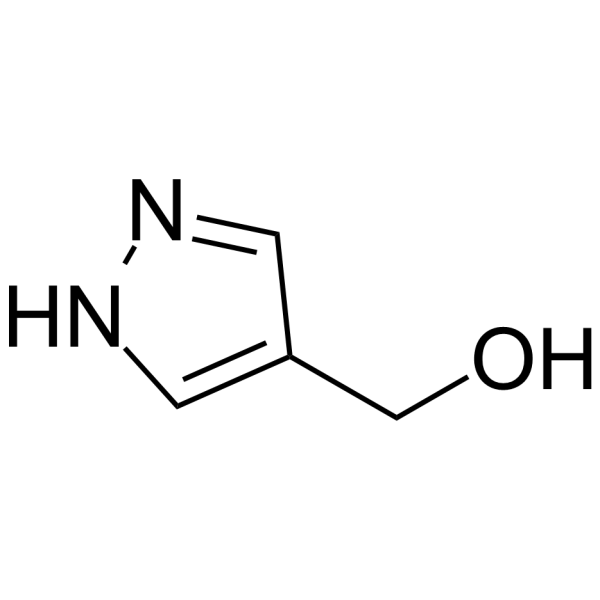
  • HY-33914

    Drug Metabolite Metabolic Disease
    4-Hydroxymethylpyrazole is the primary metabolite of Fomepizole (HY-B0876) produced through hepatic oxidative metabolism. 4-Hydroxymethylpyrazole exhibits a plasma concentration that is positively correlated with the administered dosage of Fomepizole, and it demonstrates a relatively short half-life. 4-Hydroxymethylpyrazole demonstrates inhibitory effects on alcohol dehydrogenase (ADH) in both humans and monkeys, but its inhibition constant is significantly higher than that of Fomepizole, rendering its in vivo impact negligible .
    4-Hydroxymethylpyrazole
  • HY-B1016R

    AR-12008 (Standard)

    Reference Standards PDGFR Phosphodiesterase (PDE) Prostaglandin Receptor Cardiovascular Disease Cancer
    Trapidil (Standard) (AR-12008 (Standard)) is the analytical standard of Trapidil (HY-B1016R). This product is intended for research and analytical applications. Trapidil (AR-12008) is an orally active vasodilator and antiplatelet agent. Trapidil antagonizes platelet-derived growth factor (PDGF), inhibits phosphodiesterase, thromboxane A2 synthesis and pro-inflammatory cytokine production. Trapidil promotes prostacyclin biosynthesis, reduces lipid peroxidation, regulates nitric oxide metabolism, and inhibits cell proliferation and migration. Trapidil exerts tissue-protective effects, regulates bone turnover, and inhibits pyroptosis via the GPX3/Nrf2 pathway. Trapidil is applicable to research related to renal ischemia-reperfusion injury, chronic stable angina, restenosis, meningioma, diabetic cardiomyopathy and peripheral nerve crush injury.
    Trapidil (Standard)
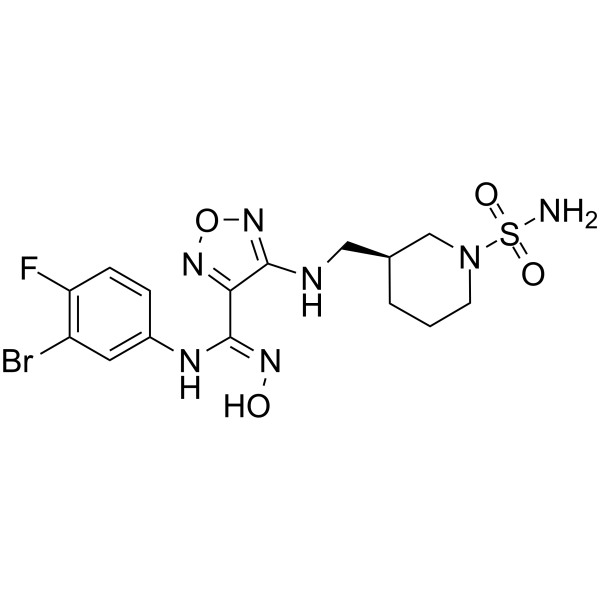
  • HY-146215

    Indoleamine 2,3-Dioxygenase (IDO) Cancer
    Hy-146215 is an enzyme that catalyzes the oxidative metabolism of tryptophan. It can immunosuppress tumors in the tumor microenvironment.

    IDO1-IN-20
  • HY-W019720

    Endogenous Metabolite Inflammation/Immunology
    1-Methylguanidine hydrochloride is a uremic toxin, which accumulate in dogs with renal failure and chronic kidney disese. 1-Methylguanidine hydrochloride enhances the oxidative metabolism and induces apoptosis in neutrophils .
    1-Methylguanidine hydrochloride
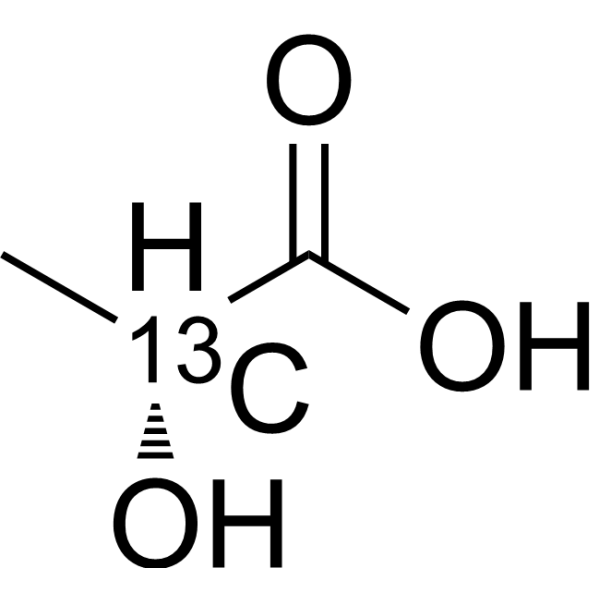
  • HY-111095S2

    (R)-2-Hydroxypropionic acid-13C-1; D-Lactic acid-13C-1

    Endogenous Metabolite Others
    D-(-)-Lactic acid- 13C-1 is the 13C labeled D-(-)-Lactic acid. D-(-)-Lactic acid is a normal intermediate in the fermentation (oxidation, metabolism) of sugar. D-(-)-Lactic acid is identified to be a competitive inhibitor of ProDH (proline dehydrogenase) in plants .

    D-(-)-Lactic acid-13C-1
  • HY-13409B

    5-HT Receptor Neurological Disease Metabolic Disease
    SB 242084 monohydrochloride is a selective, competitive and high-affinity (pKi=9.0) 5-HT2C receptor antagonist (crosses the blood-brain barrier). SB 242084 monohydrochloride increases basal activity of dopaminergic neurons in the ventral tegmental area (VTA) of the midbrain and dopamine release in the vomeronasal nucleus. SB 242084 also increases mitochondrial gene expression and oxidative metabolism via 5-HT2A receptor. SB 242084 monohydrochloride has good research potential in the negative symptoms of anxiety, depression and schizophrenia, as well as in acute organ damage .
    SB 242084 monohydrochloride
  • HY-13409AR

    5-HT Receptor Neurological Disease Metabolic Disease
    SB 242084 (dihydrochloride) (Standard) is the analytical standard of SB 242084 (dihydrochloride). This product is intended for research and analytical applications. SB 242084 dihydrochloride is a selective, competitive and high-affinity (pKi=9.0) 5-HT2C receptor antagonist (crosses the blood-brain barrier). SB 242084 dihydrochloride increases basal activity of dopaminergic neurons in the ventral tegmental area (VTA) of the midbrain and dopamine release in the vomeronasal nucleus. SB 242084 dihydrochloride also increases mitochondrial gene expression and oxidative metabolism via 5-HT2A receptor. SB 242084 dihydrochloride has good research potential in the negative symptoms of anxiety, depression and schizophrenia, as well as in acute organ damage .
    SB 242084 dihydrochloride (Standard)
  • HY-13409R

    5-HT Receptor Neurological Disease Metabolic Disease
    SB 242084 (Standard) is the analytical standard of SB 242084. This product is intended for research and analytical applications. SB 242084 is a selective, competitive and high-affinity (pKi=9.0) 5-HT2C receptor antagonist (crosses the blood-brain barrier). SB 242084 increases basal activity of dopaminergic neurons in the ventral tegmental area (VTA) of the midbrain and dopamine release in the vomeronasal nucleus. SB 242084 also increases mitochondrial gene expression and oxidative metabolism via 5-HT2A receptor. SB 242084 has good research potential in the negative symptoms of anxiety, depression and schizophrenia, as well as in acute organ damage .
    SB 242084 (Standard)
  • HY-E70923

    Biochemical Assay Reagents Metabolic Disease
    Xanthine dehydrogenase, Microorganism (EC 1.17.1.4) belongs to the molybdenum-containing hydroxylase family and participates in the oxidative metabolism of purines. Xanthine dehydrogenase, Microorganism (EC 1.17.1.4) is a homodimer and can be converted into xanthine oxidase through reversible thiol oxidation or irreversible proteolytic modification.
    Xanthine dehydrogenase, Microorganism
  • HY-180434

    Bombesin Receptor Cancer
    GRPR antagonist-3 (compound (S)-1m) is a potent GRPR antagonist with an IC50 of 121 nM. GRPR antagonist-3 is stable in rat plasma and towards microsomal oxidative metabolism in vitro. GRPR antagonist-3 can be radiolabeled with fluorine-18 for PET imaging .
    GRPR antagonist-3
  • HY-33914R

    Drug Metabolite Reference Standards Metabolic Disease
    4-Hydroxymethylpyrazole (Standard) is an analytical standard for 4-Hydroxymethylpyrazole (HY-33914). This product is intended for research and analytical applications. 4-Hydroxymethylpyrazole is the primary metabolite of fomepizole (HY-B0876) via hepatic oxidative metabolism. 4-Hydroxymethylpyrazole exhibits a plasma concentration that is positively correlated with the administered dosage of Fomepizole, and it demonstrates a relatively short half-life. 4-Hydroxymethylpyrazole inhibits alcohol dehydrogenase (ADH) in humans and monkeys, but the inhibition constant is much higher than that of fomepizole and is therefore negligible in vivo
    4-Hydroxymethylpyrazole (Standard)
  • HY-122940R

    Ageratochromene (Standard)

    Others Reference Standards Metabolic Disease
    Precocene II (Standard) is the analytical standard of Precocene II (HY-122940). This product is intended for research and analytical applications. Precocene II (Ageratochromene) is a plant larva hormone antagonists that inhibits the biosynthesis of juvenile hormone. Precocene II inhibits corpora allata function and downregulates juvenile hormone levels, while exerting multiple effects including inducing precocious metamorphosis, forming macropterous morphs, inhibiting ovarian growth, producing cytotoxicity, disrupting insect development, and causing sterility and kidney damage. Precocene II blocks normal nymphal development, causes renal tubular damage and increases blood urea nitrogen levels, and also blocks juvenile hormone biosynthesis in vitro. Precocene II undergoes oxidative metabolism catalyzed by NADPH-dependent monooxygenase to generate a variety of metabolites. Precocene II can be applied in studies related to insect growth regulation and nephrotoxicity .
    Precocene II (Standard)

Inquiry Online

Your information is safe with us. * Required Fields.

Salutation


Country or Region *

Applicant Name *


Organization Name *

Department *


Email Address *


Product Name *

Cat. No.


Requested quantity *

Phone Number *


Remarks

Inquiry Online

Inquiry Information

Product Name:
Cat. No.:
Quantity:
MCE Japan Authorized Agent: