



Trapidil

Based on 1 Customer Validation
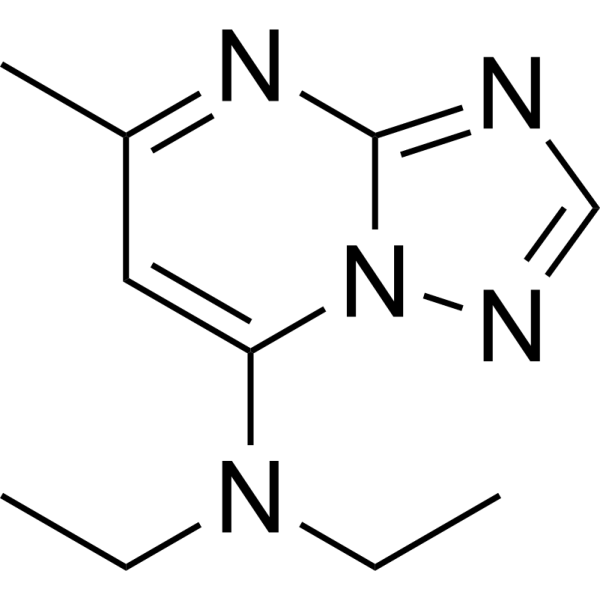
Trapidil (AR-12008) is an orally active vasodilator and antiplatelet agent. Trapidil antagonizes platelet-derived growth factor (PDGF), inhibits phosphodiesterase, thromboxane A2 synthesis and pro-inflammatory cytokine production. Trapidil promotes prostacyclin biosynthesis, reduces lipid peroxidation, regulates nitric oxide metabolism, and inhibits cell proliferation and migration. Trapidil exerts tissue-protective effects, regulates bone turnover, and inhibits pyroptosis via the GPX3/Nrf2 pathway. Trapidil is applicable to research related to renal ischemia-reperfusion injury, chronic stable angina, restenosis, meningioma, diabetic cardiomyopathy and peripheral nerve crush injury.
For research use only. We do not sell to patients.
- Purity : 98.0%
- CAS No.: 15421-84-8
- Formula: C10H15N5
- Molecular Weight:205.26
-
Storage:Powder -20°C, 3 years , 4°C, 2 years ; In solvent -80°C, 2 years , -20°C, 1 year

To place orders, for customer services and technical support, please contact: MedChemExpress USA
Tel: 609-228-6898 E-mail: [email protected] [email protected]


-
 Biological Activity
-
Chemical Information
-
Solvent & Solubility
- Protocols
- Purity & Documentation
- References
-
 Help & FAQs


-
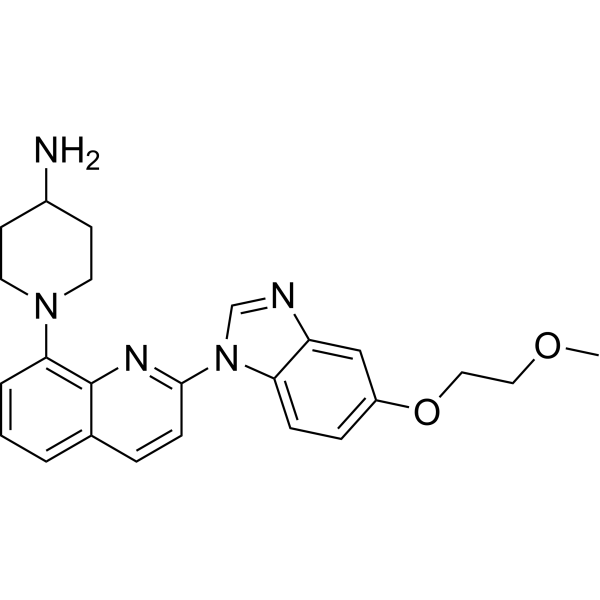
HY-12050
CP-673451PDGFR Inhibitor -
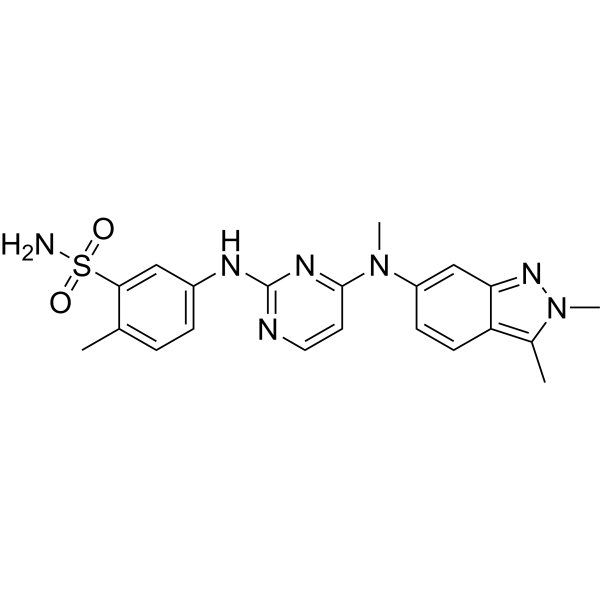
HY-10208
PazopanibVEGFR Inhibitor -
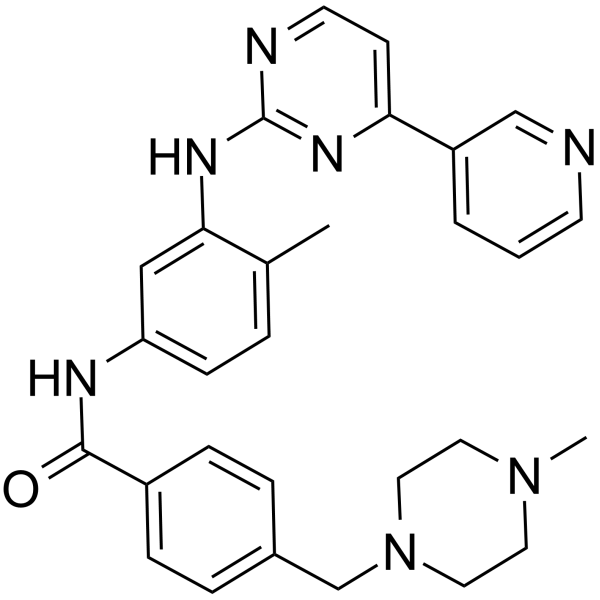
HY-15463
ImatinibTyrosine Kinases Inhibitor -

HY-B1016R
Trapidil (Standard)Analytical Standard -
HY-13894
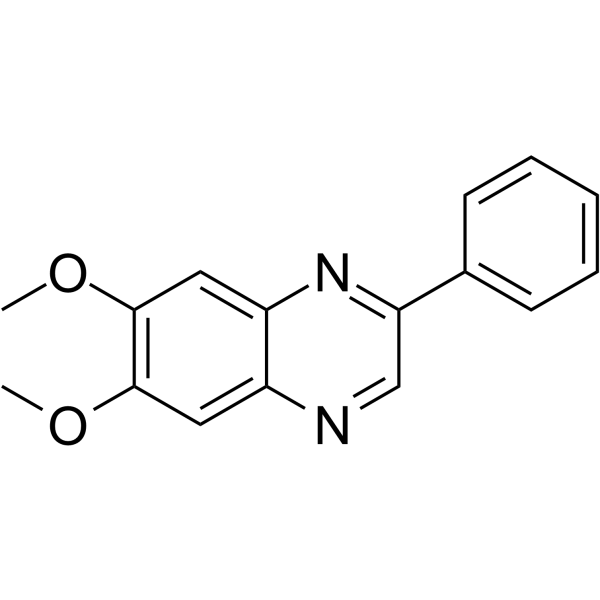
Tyrphostin AG1296PDGFR Inhibitor -
HY-10065
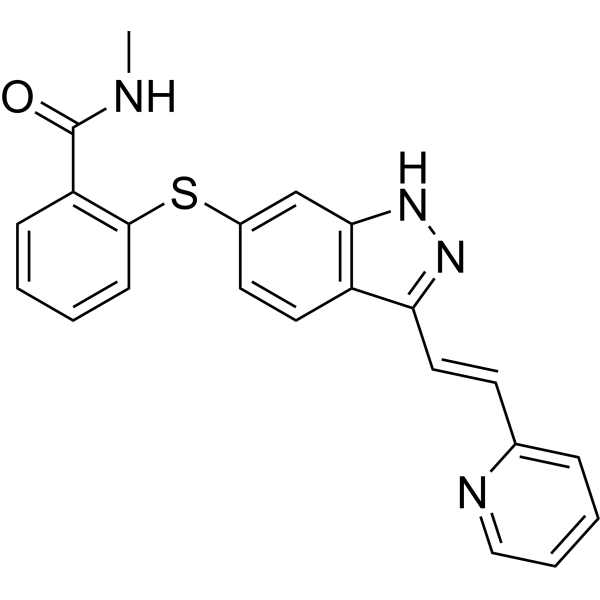
AxitinibTyrosine Kinase Inhibitor -
HY-10407
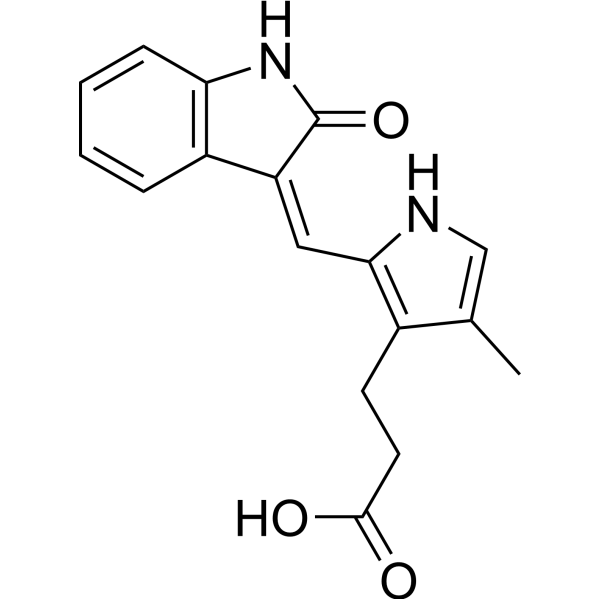
SU 5402Tyrosine Kinase Inhibitor -
HY-11106
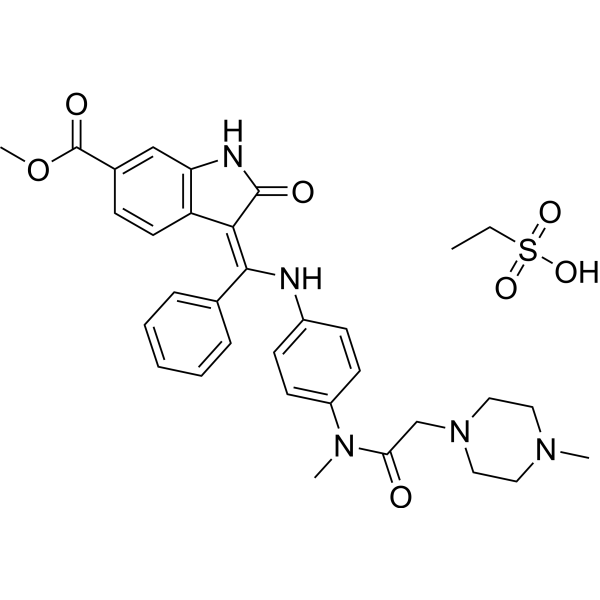
Nintedanib esylatePDGFR/VEGFR/FGFR Inhibitor -
HY-50904
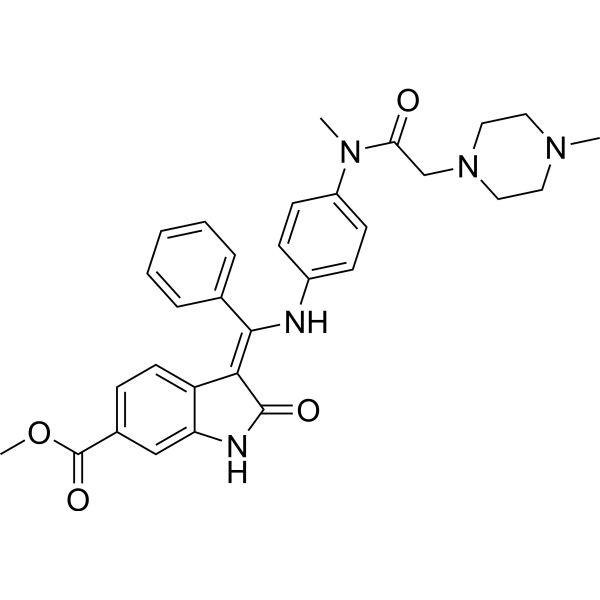
NintedanibPDGFR/VEGFR/FGFR Inhibitor -
HY-109019
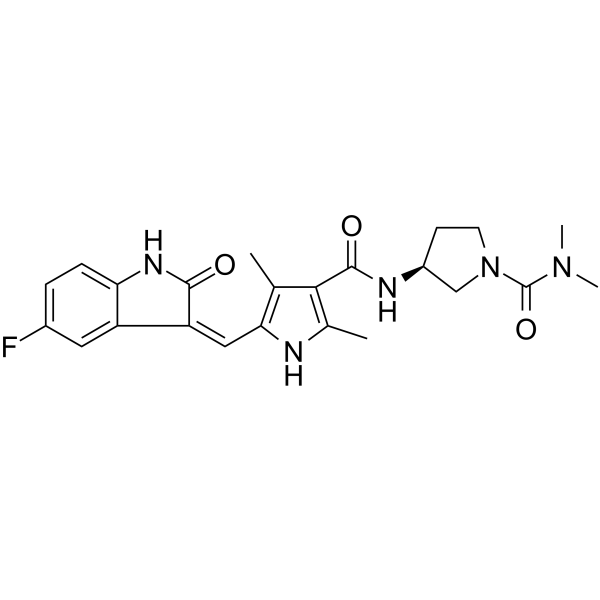
VorolanibVEGFR/PDGFR Inhibitor -
HY-10205
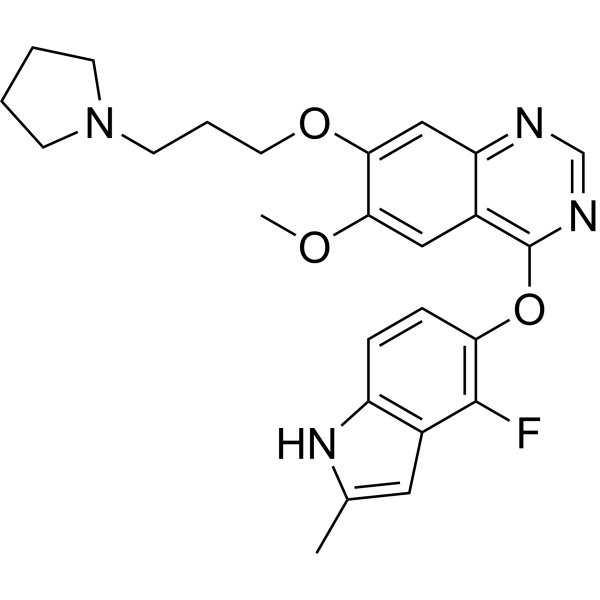
CediranibVEGFR2 Inhibitor -
HY-10209
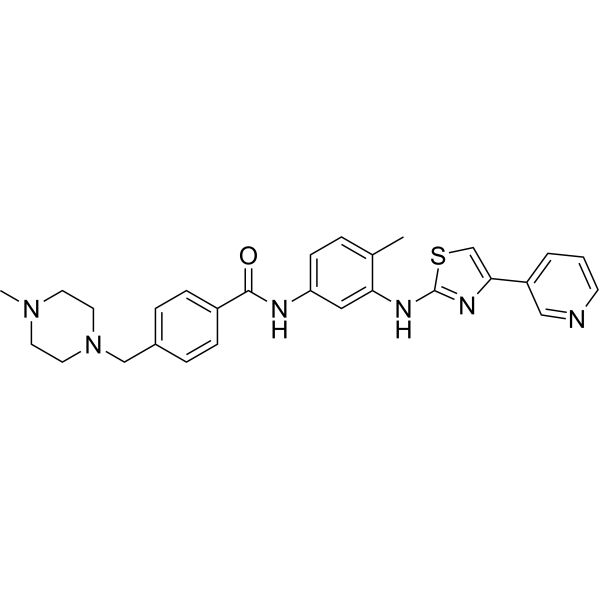
Masitinibc-Kit Inhibitor


Biological Activity
Description
IC50 & Target
|
Thromboxane A2 |
In Vitro
Trapidil inhibits the CD40/CD40L pathway of human monocytes and macrophages, reducing production of the proinflammatory cytokines TNF-α, IL-6, and IL-12[2].
Trapidil increases intracellular cyclic adenosine monophosphate in human neutrophilic granulocytes, inhibiting their adherence, phagocytosis, and migration[2].
Trapidil inhibits arachidonic acid liberation and thromboxane formation in thrombin-stimulated human platelets[2].
Trapidil directly stimulates prostacyclin generation from arterial wall endothelial cells[2].
Trapidil inhibits human mesangial cell proliferation in vitro via competitive antagonism of PDGF-BB binding to its surface receptors and modulation of β-receptor transcription[7].
Trapidil decreases collagen synthesis in intimal cells cultured from human atherosclerotic plaques[8].
Trapidil enhances cAMP levels and reduces cGMP levels in intimal cells cultured from human atherosclerotic plaques[8].
Trapidil inhibits arachidonic acid- and U46619-induced platelet aggregation in human platelet-rich plasma with IC50 values of 147 μM and 150 μM, respectively[8].
Trapidil inhibits thromboxane B2 formation in intact human platelets with an IC50 of 224 μmol/L[8].
Trapidil (10-100 μg/mL; 8 to 14 days) dose-dependently inhibits proliferation of low-passage human benign meningioma cells in vitro, with maximum inhibition (16% to 54% decrease) at 100 μg/mL, while 1 μg/mL trapidil has no significant effect after 8 to 14 days of treatment[9].
Trapidil (10-100 μg/mL; 24 h total incubation) dose-dependently inhibits basal DNA synthesis in 3 of 7 low-passage human meningioma cell cultures in vitro, with maximum inhibition (36% to 53% decrease) at 100 μg/mL[9].
Trapidil (100 μg/mL; 14 days) almost completely abolishes EGF-stimulated proliferation of human pituitary adenoma-derived fibroblasts in vitro, with no effect on basal proliferation[9].
Trapidil (10-100 μM; 18 h) inhibits procoagulant activity induction in human peripheral blood mononuclear cells during allo-MLR, with significant inhibition at 10 μM and near-complete inhibition at 100 μM after 18 h of incubation[11].
Trapidil (100 μM; 18 h) inhibits allo-MLR-induced tissue factor and CD40 expression on human monocytes, as well as allo-MLR-induced MCP-1 and MMP-9 production by human peripheral blood mononuclear cells[11].
Trapidil (100 μM; 1 day) reduces CD40 expression on isolated human CD14+ monocytes stimulated with interferon-γ plus GM-CSF[11].
Trapidil (3-100 μM; 1 day priming + 18 h co-culture) inhibits interferon-γ and CD154-induced MCP-1 production in human monocytic leukemia THP-1 cells with an IC50 of 13.6 μM, when present during interferon-γ priming[11].
Trapidil (10-100 μg/mL; 2-6 days) potently inhibits PDGF-dependent U251MG glioma cell proliferation (reducing growth to 46% of control at 100 μg/mL after 4 days) but has minimal effect on PDGF-independent U105MG glioma cells, and enhances the antiproliferative effect of ACNU on U251MG cells[12].
Trapidil inhibits PDGF-induced proliferation of BALB/c 3T3 fibroblasts[13].
Trapidil (400 μg/mL; 3 h) inhibits PDGF-stimulated migration of rat aortic VSMCs to 20 ± 2% of PDGF-only levels, with residual inhibitory activity retained even after PKA inhibition, and equivalent antimigratory activity to forskolin when both PKA and ROCK are inhibited[15].
Trapidil (400 μg/mL; 1 h) completely inhibits PDGF-stimulated RhoA activation in rat aortic VSMCs[15].
Trapidil (400 μg/mL; 16 h) completely inhibits PDGF-stimulated RhoA translocation from the soluble to the particulate fraction in rat aortic VSMCs[15].
Trapidil (1-100 μM; 2 min preincubation, then 10 min PDGF-BB stimulation) concentration-dependently inhibits PDGF-BB-, PMA-, thrombin-, and LPS-induced MAP kinase phosphorylation in bovine coronary artery smooth muscle cells[16].
Trapidil (1-100 μM; preincubation prior to 10-min PDGF-BB stimulation) concentration-dependently inhibits PDGF-BB-induced Raf-1 kinase activity in bovine coronary artery smooth muscle cells, with significant inhibition at 100 μM[16].
Trapidil (0.1-100 μM; 10 min) concentration-dependently stimulates PKA activity in bovine coronary artery smooth muscle cells, with significant effects at 10 and 100 μM, reaching a maximal effect comparable to 10 nM PGE1[16].
Trapidil (5-500 μM; 16 h) dose-dependently reduces S-phase distribution and mitotic activity (S+G2/M phase) in serum-stimulated primary cultured rat aortic VSMCs, with 500 μM producing the largest reductions of 58.6% and 49.6% respectively, but has no effect on cell cycle in quiescent, non-serum-stimulated VSMCs[17].
Trapidil (5-500 μM; 10 min) inhibits serum-stimulated MAPK activity in primary cultured rat aortic VSMCs at 50 μM (59.3% inhibition) and 500 μM (80.9% inhibition) after 10 min of treatment, and also reduces basal MAPK activity by 72.0% at 500 μM in quiescent VSMCs[17].
Trapidil (400 μg/mL; 18 h) increases PDGF β-receptor protein levels by 28±8% in rat aortic vascular smooth muscle cells[18].
Trapidil (400 μg/mL; 18 h) increases MAP kinase phosphatase-1 protein expression by approximately 40% in rat aortic vascular smooth muscle cells[18].
Trapidil (200-800 μg/mL; 30 min) does not affect in vitro PDGF β-receptor tyrosine kinase activity in preparations from rat aortic vascular smooth muscle cells[18].
Trapidil (400 μg/mL; 18 h pre-incubation, 10 min PDGF stimulation) does not affect PDGF-stimulated tyrosine phosphorylation or protein levels of PLCγ, Ras GAP, PI3K p85 subunit, or Shc in rat aortic vascular smooth muscle cells[18].
Trapidil (400 μg/mL; 18 h pre-incubation, 10 min/6 h PDGF stimulation) inhibits PDGF-stimulated MAP kinase activity by 35±7% at 10 minutes and 32% at 6 hours, and attenuates PDGF-induced Raf-1 hyperphosphorylation in rat aortic vascular smooth muscle cells[18].
Trapidil (400 μg/mL; 18 h pre-incubation, 10 min/6 h PDGF stimulation) increases baseline cellular cAMP generation by 1.9-fold in rat aortic vascular smooth muscle cells, with cAMP levels remaining 1.3- to 1.5-fold higher than controls after PDGF stimulation for 10 minutes or 6 hours[18].
Trapidil (50-400 μM; 2-14 days) dose-dependently promotes osteogenic differentiation of primary mouse calvarial osteoblast precursors without reducing cell viability, with maximal effects observed at 400 μM[20].
Trapidil (50-400 μM; 5 min-24 h) activates BMP receptor signaling in primary mouse calvarial osteoblast precursors, which is required for its pro-osteogenic effects, as demonstrated by increased Smad1/5/9 phosphorylation, Id1 expression, and Id1 promoter activity[20].
Trapidil (400 μM; 5 min-14 days) requires ALK3 to activate BMP signaling and promote osteogenic differentiation of primary mouse calvarial osteoblast precursors, as trapidil's effects are abolished by ALK3 depletion[20].
Trapidil (400 μM; 5 min-14 days) requires autocrine BMP signaling to activate BMP receptors and promote osteogenic differentiation of primary mouse calvarial osteoblast precursors, and exhibits a synergistic pro-osteogenic effect with exogenous BMP2[20].
Trapidil (50 μM, 200 μM, 400 μM; 2 days, 3 days, 14 days) dose-dependently promotes osteogenic differentiation of primary mouse calvarial osteoblast precursors, with 400 μM trapidil increasing ALP activity to 370 nmol/μg/min at 3 days and Tnap mRNA expression to 3.5-fold at 2 days, without affecting cell viability[21].
Trapidil (50-400 μM; 4 days) dose-dependently inhibits RANKL + M-CSF-induced osteoclast formation in mouse bone marrow-derived macrophages, with no associated cellular toxicity[22].
Trapidil (400 μM; 1 h pre-incubation) specifically inhibits RANKL-induced CREB activation, without affecting MAPK, Akt, or NF-κB pathways, in mouse bone marrow-derived macrophages[22].
Trapidil (400 μM; 1 or 2 days) inhibits RANKL-induced NFATc1 mRNA and protein expression, without altering c-Fos expression, in mouse bone marrow-derived macrophages[22].
Trapidil (12.5-200 μM; 48 h) enhances the viability of HG-treated primary NMCMs, with the optimal protective effect observed at 50 μM after 48 h of treatment[23].
Trapidil (50 μM; 48 h) inhibits pyroptosis in HG-treated primary NMCMs when administered at 50 μM for 48 h[23].
Trapidil (50 μM; 48 h) inhibits oxidative stress, reduces ROS levels, and restores mitochondrial membrane potential in HG-treated primary NMCMs when administered at 50 μM for 48 h[23].
Trapidil (50 μM; 48 h) upregulates the GPX3/Nrf2 pathway by increasing GPX3 (protein and mRNA) and activated Nrf2 protein levels in HG-treated primary NMCMs when administered at 50 μM for 48 h[23].
Trapidil (50 μM; 48 h)’s inhibitory effects on pyroptosis and oxidative stress, and its activating effect on Nrf2, are dependent on GPX3 in HG-treated primary NMCMs when administered at 50 μM for 48 h[23].
Trapidil (48 h) increases PDGF β-receptor mRNA levels by approximately threefold in cultured mesangial cells[24].
Trapidil attenuates PDGF-induced activation of extracellular signal-regulated protein kinases (ERKs) in cultured vascular smooth muscle cells[24].
Trapidil (139 μM; 1 min) inhibits the secondary phase of ADP-induced aggregation of guinea-pig platelets with an IC50 of 139 μM[25].
Trapidil (146 μM; 1 min) inhibits ADP-induced ATP release from guinea-pig platelets with an IC50 of 146 μM[25].
Trapidil (251 μM; 1 min) inhibits arachidonic acid-induced aggregation of rabbit platelets with an IC50 of 251 μM[25].
Trapidil (121 μM; 1 min) inhibits arachidonic acid-induced ATP release from rabbit platelets with an IC50 of 121 μM[25].
Trapidil (226 μM; 1 min) inhibits thrombin-induced aggregation of washed rabbit platelets with an IC50 of 226 μM[25].
Trapidil (252 μM; 1 min) inhibits thrombin-induced ATP release from washed rabbit platelets with an IC50 of 252 μM[25].
Trapidil (203 μM; 1 min) inhibits TXA2 mixture-induced aggregation of rat platelets with an IC50 of 203 μM[25].
Trapidil (150-1500 μM; 3 min) inhibits rabbit platelet thromboxane synthetase activity in a concentration-dependent manner, with 50% inhibition at 450 μM[25].
Trapidil (122 μM; 30 min) inhibits low Km phosphodiesterase activity in rabbit platelets with an IC50 of 122 μM[25].
Trapidil (100-400 μg/mL; 96 h) dose-dependently inhibits proliferation of primary human mesangial cells stimulated by FBS, PDGF-BB, bFGF, or EGF, with maximum 65.3% inhibition of PDGF-BB-stimulated proliferation at 100 μg/mL for 96 hours, and no cytotoxic effects at tested concentrations[27].
Trapidil (100-400 μg/mL; 96 h) dose-dependently inhibits proliferation of NIH 3T3 fibroblasts stimulated by FBS, PDGF-BB, or bFGF, with the greatest effect on PDGF-BB-stimulated cells at tested concentrations for 96 hours[27].
Trapidil (400-800 μg/mL; 2 h) competitively inhibits specific 125I-PDGF-BB binding to primary human mesangial cells, with significant inhibition observed at 400 and 800 μg/mL during 2-hour coincubation at 4°C[27].
Trapidil (400-800 μg/mL; 2 h) directly interacts with PDGF receptors on NIH 3T3 fibroblasts to inhibit specific 125I-PDGF-BB binding, with significant inhibition observed at 400 and 800 μg/mL after 2-hour preincubation at 37°C[27].
Trapidil (400 μg/mL; 48 h) induces a 150% increase in specific 125I-PDGF-BB binding via receptor upregulation in primary human mesangial cells after 48-hour incubation at 37°C[27].
Trapidil (400 μg/mL; 24-48 h) modulates PDGF β-receptor mRNA levels in primary human mesangial cells treated with 20 ng/mL PDGF-BB, causing a 30% decrease after 24 hours and a threefold increase after 48 hours[27].
MedChemExpress (MCE) has not independently confirmed the accuracy of these methods. They are for reference only.
-
Cell Line:low-passage human benign meningioma cells
-
Concentration:10, 20, 50, 100 μg/mL; 1 μg/mL (no significant effect)
-
Incubation Time:8 to 14 days
-
Result:Caused dose-dependent inhibition of cell proliferation.
Decreased cell proliferation by 16% to 54% at 100 μg/mL compared to control.
Showed no significant effect at 1 μg/mL.
-
Cell Line:low-passage human benign meningioma cells treated with meningioma-derived conditioned medium
-
Concentration:10, 100 μg/mL
-
Incubation Time:13 days
-
Result:Caused dose-dependent inhibition of conditioned medium-stimulated cell proliferation.
Decreased cell number by 25% to 48% at 100 μg/mL compared to conditioned medium alone.
Completely abolished the stimulatory effect of conditioned medium in one specimen.
-
Cell Line:Human monocytic leukemia THP-1 cells
-
Concentration:3 μM, 10 μM, 30 μM, 100 μM
-
Incubation Time:1 day (priming); 18 h (co-culture)
-
Result:Inhibited MCP-1 production in a concentration-dependent manner when added during interferon-γ priming, with an IC50 value of 13.6 μM (95% reliable range: 5.6-26.1 μM).
Had no effect when added only during CD154 co-culture, after interferon-γ priming was complete.
-
Cell Line:rat aortic vascular smooth muscle cells (VSMCs)
-
Concentration:400 μg/mL
-
Incubation Time:3 h
-
Result:Inhibited PDGF-stimulated VSMC migration to 20 ± 2% of the PDGF-only control.
Inhibited migration to 52 ± 4% of the PDGF-only control in the presence of PKA inhibitor H89.
Inhibited migration to 40 ± 3% of the PDGF-only control in the presence of both H89 and ROCK inhibitor Y-27632.
-
Cell Line:bovine coronary artery smooth muscle cells
-
Concentration:1-100 μM
-
Incubation Time:2 min preincubation, then 10 min PDGF-BB stimulation
-
Result:Caused concentration-dependent inhibition of PDGF-BB-stimulated p44 and p42 MAP kinase phosphorylation.
Inhibited MAP kinase phosphorylation in cells stimulated with PMA, thrombin, or LPS.
-
Cell Line:bovine coronary artery smooth muscle cells
-
Concentration:1-100 μM
-
Incubation Time:10 min
-
Result:Caused concentration-dependent phosphorylation of VASP, as evidenced by a shift in molecular weight from 46 kDa (dephospho-VASP) to 50 kDa (phospho-VASP).
In Vivo
Trapidil (8 mg/kg; i.v.; single dose immediately before sham surgical procedure) does not induce measurable renal dysfunction, oxidative stress, inflammation, or histopathological changes in healthy Wistar rats[1].
Trapidil (8 mg/kg; i.v.; single dose just prior to reperfusion) significantly reduces lipid peroxidation, intestinal mucosal damage, and bacterial translocation in a rat model of intestinal ischemia-reperfusion injury, with median bacterial colony counts reduced to 0.0 CFU/g in all assessed organs and a 20% bacterial translocation incidence[2].
Trapidil (8 mg/kg; i.v.; single dose during sham surgery) does not significantly alter lipid peroxidation, intestinal mucosal integrity, or bacterial translocation rates in healthy rats[2].
Trapidil (40 mg/kg; i.p.; single dose; 1 hour prior to ischemia-reperfusion procedure) protects against lung injury by increasing NO levels, reducing lipid peroxidation (MDA), and decreasing PMN infiltration in New Zealand albino rabbits[3].
Trapidil (14 mg/kg; p.o.; daily; 7 days) protects against renal ischemia-reperfusion-induced acute hepatorenal dysfunction in rats by significantly reversing pathological changes in renal and hepatic function biomarkers, oxidative stress markers, inflammatory mediators, and tissue histology[4].
Trapidil (8 mg/kg; i.v.; single dose) provides marked protection against peripheral nerve ischemia/reperfusion injury, as evidenced by significantly decreased MDA levels, increased nitrite and nitrate levels, and reduced histological damage[5].
Trapidil (40 mg/kg; i.p.; single dose 1 hour post-injury) significantly reduces esophageal tissue MDA and NO levels, ulcer depth grade, and PMN infiltration to levels comparable to uninjured sham controls in a rat model of corrosive esophageal burn[6].
Trapidil (5 mg/kg body weight/day; p.o.; daily; up to 10 days) suppresses anti-thymocyte serum-induced mesangial-cell proliferation in Wistar rats, with glomerular nuclear counts remaining stable at 43.9 (day 3) and 45 (day 10) nuclei per glomerulus, matching control levels[7].
Trapidil (20 mg/kg; i.p.; daily; 3 weeks) produces an 83.3% survival rate, reduces serum total cholesterol, increases HDL cholesterol, lowers aortic thromboxane B2 formation, and elevates liver cholesterol levels in cholesterol-fed hypercholesterolemic guinea pigs[8].
Trapidil (50 mg/kg; i.v.; single dose) significantly inhibits arachidonic acid-induced in vivo platelet aggregation in rabbits[8].
Trapidil (20 mg/kg; i.v.; single dose) produces an approximately 20-25% inhibition of arachidonic acid-induced thromboxane B2 production in rats[8].
Trapidil (4-20 mg/kg; i.p.; daily; 10 days) at 20 mg/kg daily significantly reduces gentamicin-induced nephrotoxicity in female Wistar rats, as evidenced by lowered serum urea and creatinine levels and preserved renal architecture, while trapidil at 4 mg/kg daily provides no nephroprotection and trapidil alone at either dose is renally safe and increases serum nitrite/nitrate levels[10].
Trapidil (40 mg/kg BW/d; s.c.; daily; 8 days) selectively antagonizes the detrimental skeletal effects of continuous PTH in rats, reducing PTH-induced osteoclast perimeter by 73% and peritrabecular fibrosis by 63% without affecting PTH-induced bone formation[13].
Trapidil (40 mg/kg BW/d; s.c.; daily; 8 days) has no pharmacodynamic effect on bone turnover, serum chemistry, or PDGF-A signaling in normal rats[13].
Trapidil prevents restenosis in a rabbit iliac artery balloon angioplasty model[14].
Trapidil prevents vascular smooth muscle cell proliferation in an in vivo rat vascular injury model[14].
Trapidil suppresses neointimal hyperplasia in an in vivo rat vascular injury model[14].
Trapidil (4 mg per absorbable collagen sponge scaffold; local implantation; single dose; 3 weeks) delivered via a collagen sponge scaffold significantly promotes bone regeneration in a rat critical-size calvarial defect model, increasing mean bone volume to ~17 mm3 and mean calvarial thickness to ~18 mm relative to controls[19].
Trapidil (5-20 mg/kg; i.p.; twice daily; 7 days) potently prevents IL-1-induced inflammatory bone destruction in mice, with the 20 mg/kg dose reducing osteoclast number by ~67% and osteoclast surface by ~67% compared to IL-1-only treated mice[22].
Trapidil (25 mg/kg; oral gavage; daily; 8 weeks) ameliorates cardiac dysfunction, reduces myocardial pathology and pyroptosis, and upregulates the GPX3/Nrf2 pathway in male C57BL/6 mice with streptozotocin-induced diabetic cardiomyopathy[23].
Trapidil (30 mg/kg/day; 100 mg/kg; oral gavage; daily; days -2 to +14 relative to injury; topical application; single dose; immediately after injury) potently suppresses vascular neointima formation in balloon-injured rat carotid arteries, reducing the I/M ratio by up to 91% and nearly eliminating injury-induced PDGF receptor tyrosine phosphorylation, via downregulation of PDGF ligand and receptor expression[24].
Trapidil (30-100 mg/kg; p.o.; single dose; 1 hour pre-surgery) at an oral dose of 100 mg/kg significantly prevents arterial thrombosis in male Wistar rats via an arteriovenous shunt model, reducing thrombosed tubing length to 5.5 cm and limiting obstruction to 2/8 animals[25].
Trapidil (10 mg/kg/day; daily; 28 days) improves cardiac function, reduces pulmonary arterial pressure and right ventricular remodeling, inhibits endoplasmic reticulum stress, and decreases right ventricular cardiomyocyte apoptosis in Monocrotaline (HY-N0750)-induced right heart failure rats[26].
Trapidil (8 mg/kg; i.v.; single dose) significantly reduces intestinal ischemia-reperfusion injury in male Wistar rats, as evidenced by a 40.9% reduction in mean malondialdehyde levels and a 26.8% increase in mean nitrite plus nitrate levels, alongside improved histopathological mucosal integrity[28].
Trapidil (8 mg/kg; i.v.; single dose) in sham-operated male Wistar rats does not cause intestinal mucosal damage but significantly increases mean nitrite plus nitrate levels by 57.1% compared to untreated sham-operated rats[28].
Trapidil (8 mg/kg; i.p.; single dose; immediately after injury) reduces histopathological damage to myelinated axons, endoneural edema, and mitochondrial swelling at the sciatic nerve crush site on the 7th and 15th days post-injury, though it does not produce statistically significant changes in serum NO, MDA, or TGF-β2 levels relative to crush-only controls[29].
MedChemExpress (MCE) has not independently confirmed the accuracy of these methods. They are for reference only.
-
Animal Model:Wistar rats (200-250 g, unspecified gender, left renal pedicle occlusion for 45 minutes followed by 60 minutes of reperfusion, contralateral nephrectomy)[1]
-
Dosage:8 mg/kg
-
Administration:i.v.; single dose (immediately before reperfusion phase)
-
Result:Reduced serum urea levels to 51.8.
Reduced serum AST levels to 250.
Lowered renal tissue myeloperoxidase activity, malondialdehyde levels, and 3-nitrotyrosine levels relative to untreated I/R group.
Reduced the proportion of rats with positive serum TNF-α levels to 33.3% (2 out of 6 rats).
Attenuated renal histopathological injury, with reduced focal tubular necrosis, dilatation, and cast formation.
-
Animal Model:Wistar rats (adult male, 240-260 g; intestinal ischemia-reperfusion injury model via superior mesenteric artery clamped for 40 minutes followed by 12 hours of reperfusion)[2]
-
Dosage:8 mg/kg
-
Administration:i.v.; single dose (administered just prior to reperfusion)
-
Result:Reduced mean blood malondialdehyde (MDA) level to 3.88 (0.18) nmol/mL, a significant reduction compared to the untreated ischemia-reperfusion group.
Reduced median histopathologic mucosal damage grade to 1.5 (0.0-2.0), a significant reduction compared to the untreated ischemia-reperfusion group.
Reduced incidence of bacterial translocation to 20% (2/10 rats), a significant reduction compared to the 100% incidence in the untreated ischemia-reperfusion group; liver bacterial translocation incidence was specifically reduced.
Reduced median colony count of translocated bacteria to 0.0 CFU/g (0.0-0.0 CFU/g) in mesenteric lymph nodes, liver, spleen, and peritoneum, a significant reduction compared to the untreated ischemia-reperfusion group.
Preserved intestinal mucosal integrity, with minimal histologic changes, reduced capillary congestion, and sparse inflammatory cell infiltration observed.
-
Animal Model:Wistar rats (adult male, 240-260 g; sham surgery model via superior mesenteric artery separated without clamping followed by 12-hour sham reperfusion)[2]
-
Dosage:8 mg/kg
-
Administration:i.v.; single dose (administered during sham surgery)
-
Result:Resulted in mean blood MDA level of 3.01 (0.08) nmol/mL, which was not statistically significantly different from the sham surgery group receiving only saline.
Resulted in median histopathologic mucosal damage grade of 0.0 (0.0-0.0), identical to the sham surgery group receiving only saline.
Resulted in incidence of bacterial translocation of 10% (1/10 rats), identical to the sham surgery group receiving only saline.
Resulted in median colony count of translocated bacteria of 0.0 CFU/g (0.0-0.0 CFU/g) in mesenteric lymph nodes, liver, spleen, and peritoneum, identical to the sham surgery group receiving only saline.
-
Animal Model:New Zealand albino rabbits (2.5-3 kg, unspecified gender)[3]
-
Dosage:40 mg/kg
-
Administration:i.p.; single dose; 1 hour prior to ischemia-reperfusion procedure
-
Result:Increased mean NO level to 62.05 μmol/g protein.
Decreased mean MDA level to 57.70 nmol/g protein.
Reduced mean PMN infiltration score to 1.33.
Resulted in mean interstitial edema score of 1.16 and mean hemorrhage score of 1.16.
-
Animal Model:Wistar Albino rats (male, 250-290g)[4]
-
Dosage:14 mg/kg
-
Administration:p.o.; daily; 7 days
-
Result:Significantly decreased AST to 100.93 U/mL, ALT to 39.97 U/mL, blood urea nitrogen to 39.1 mg/dl, serum creatinine to 0.49 mg/dl, TNF-α to 9.1 ng/L, and MCP-1 to 47.9 pg/mL compared to renal I/R group.
Significantly increased total antioxidant capacity to 1.22 mM/L and serum NO to 23.2 uM compared to renal I/R group.
Significantly increased liver GPx to 0.34 nmol/gm tissue protein and kidney GPx to 0.50 nmol/gm tissue protein compared to renal I/R group.
Significantly decreased liver MDA to 11.63 nmol/gm tissue protein, renal MDA to 5.21 nmol/gm tissue, liver MPO to 34.55 u/gm tissue protein, and renal MPO to 11.07 u/gm tissue protein compared to renal I/R group.
Showed liver histology with normal hepatocytes, slightly dilated central vein and blood sinusoids; showed kidney histology with mild tubular damage and normal glomeruli.
-
Animal Model:albino rats (male, 250-275 g)[5]
-
Dosage:8 mg/kg
-
Administration:i.v.; single dose (administered either before ischemia initiation or immediately before reperfusion)
-
Result:Significantly decreased MDA levels compared with untreated control nerves at all reperfusion time points except 2 hours (P < 0.05) when administered before ischemia; significantly decreased MDA levels compared with untreated control nerves at all reperfusion time points (P < 0.05) when administered before reperfusion.
Significantly elevated nitrite levels compared with control nerves at all reperfusion time points except 2 hours and 1 week when administered before ischemia; significantly elevated nitrite levels compared with control nerves at the 2-hour reperfusion time point when administered before reperfusion.
Significantly elevated nitrate levels compared with control nerves at all reperfusion time points when administered either before ischemia or before reperfusion.
Showed near-normal histological appearance with preserved myelin layers, intact vessel endothelium, and unmyelinated fibers after 24 hours and 1 week of reperfusion when administered before ischemia; showed mild myelin layer edema and moderate endoneural tissue swelling but intact axons after 24 hours and 1 week of reperfusion when administered before reperfusion.
-
Animal Model:Wistar albino rats (190-210 g)[6]
-
Dosage:40 mg/kg
-
Administration:i.p.; single dose (1 hour post-injury)
-
Result:Reduced esophageal tissue malondialdehyde (MDA) levels to 1.50 nmol/g protein.
Reduced nitric oxide (NO) levels to 3.32 μmol/g protein.
Reduced mean ulcer depth grade to 0.40.
Reduced polymorphonuclear leukocyte (PMN) infiltration to 20% (2/10) of treated rats.
-
Animal Model:Wistar rats (male, 6 weeks old)[7]
-
Dosage:5 mg/kg body weight/day
-
Administration:p.o.; daily; up to 10 days
-
Result:Maintained average glomerular nuclear count at 43.9 on day 3.
Maintained average glomerular nuclear count at 45 on day 10.
Prevented significant mesangial alterations, marked inflammatory cell infiltration, intraglomerular fibrin deposition, or periglomerular fibrosis.
-
Animal Model:unstated specific strain[8]
-
Dosage:20 mg/kg
-
Administration:i.p.; daily; 3 weeks
-
Result:Achieved an 83.3% survival rate (10/12 animals).
Reduced serum total cholesterol levels to 85.0 mg/dl.
Increased HDL cholesterol levels to 13.7 mg/dl.
Lowered β-migrating lipoprotein cholesterol levels to 57.4 mg/dl.
Elevated liver free cholesterol levels to 2.50 mg/g fresh weight.
Elevated liver cholesteryl ester levels to 8.30 mg/g fresh weight.
Reduced aorta thromboxane B2 formation capacity to 408 pg/g fresh weight.
Increased aorta 6-keto-PGF1α formation capacity to 2,319 pg/g fresh weight.
-
Animal Model:Wistar rats (female, 160-180 g, adult)[9]
-
Dosage:4 mg/kg (alone; co-administered with gentamicin, no nephroprotection); 20 mg/kg (alone; co-administered with gentamicin, nephroprotection)
-
Administration:i.p.; daily; 10 days
-
Result:Reduced serum urea level to 91.00 ± 17.20 mg/100 mL (P = 0.022) and serum creatinine level to 1.13 ± 0.16 mg/100 mL (P = 0.047) when co-administered with gentamicin at 20 mg/kg daily.
Showed nearly normal renal architecture with only rare tubular dilatation/casts and minor perinuclear edema, and no tubular necrosis when co-administered with gentamicin at 20 mg/kg daily.
Failed to reduce serum urea (236.20 mg/100 mL) or creatinine (3.93 mg/100 mL) levels relative to gentamicin-only group when co-administered with gentamicin at 4 mg/kg daily.
Showed severe tubular necrosis, desquamation, and cytoplasmic vacuolization indistinguishable from gentamicin-only treatment when co-administered with gentamicin at 4 mg/kg daily.
Resulted in serum urea level of 40.60 mg/100 mL, serum creatinine level of 0.56 mg/100 mL, and serum nitrite/nitrate level of 20.12 μmol/L with no abnormal renal histology when administered alone at 4 mg/kg daily.
Resulted in serum urea level of 38.60 mg/100 mL, serum creatinine level of 0.58 mg/100 mL, and serum nitrite/nitrate level of 13.62 μmol/L with no abnormal renal histology when administered alone at 20 mg/kg daily.
-
Animal Model:Sprague Dawley rats (3-month-old female, implanted with osmotic pumps delivering continuous human PTH-(1-34) for 1 week)[13]
-
Dosage:40 mg/kg BW/d
-
Administration:s.c.; daily; 8 days
-
Result:Slightly increased body weight.
Reduced serum calcium.
Prevented the PTH-induced increase in PDGF-A and PDGF-α receptor mRNA levels.
Decreased PTH-induced osteoclast perimeter by 73% and peritrabecular fibrosis by 63%.
Did not alter PTH-induced increases in bone formation or osteoblast surface.
- BrdU Incorporation Assay
- Cell migration
- Somatic Cell Culture
- CFSE Dye Dilution Proliferation Assay
- Dye-dilution cell tracking and proliferation staining
- CCK-8/WST-8 Cell Proliferation Assay
- Protocol for Cell Cycle
- Research Protocol for Inflammation-related Diseases
- Cell Counting-Based Growth Curve Assay
- Colony Formation (Clonogenic) Assay
- Cell Viability Determination by MTT Colorimetric Assay
- EdU Incorporation Assay (Click Chemistry-Based DNA Synthesis Measurement)
- Ki-67 Immunostaining Proliferation Assay
- PCNA Immunodetection Proliferation Assay
- Protocol for Cell Counting and Cell Density Analysis
- Ferroptosis Solutions
- MTT Cell Proliferation Assay
- Pyroptosis Solutions
Clinical Trial
| NCT Number | Sponsor | Condition | Start Date |
Phase

|
|---|---|---|---|---|
| NCT01329991 | 2011-05 | PHASE1 |


Chemical Information
-
CAS No. 15421-84-8
-
Appearance Solid
-
Molecular Weight 205.26
-
Formula C10H15N5
-
Color White to off-white
-
SMILES
CC1=NC2=NC=NN2C(N(CC)CC)=C1
-
Synonyms
AR-12008
-
Shipping
Room temperature in continental US; may vary elsewhere.
-
Storage
Powder -20°C 3 years 4°C 2 years In solvent -80°C 2 years -20°C 1 year


Solvent & Solubility
In Vitro:
H2O : ≥ 105 mg/mL (511.55 mM)
DMSO : 100 mg/mL (487.19 mM; Need ultrasonic; Hygroscopic DMSO has a significant impact on the solubility of product, please use newly opened DMSO)
* "≥" means soluble, but saturation unknown.
Please refer to the solubility information to select the appropriate solvent. Once prepared, please aliquot and store the solution to prevent product inactivation from repeated freeze-thaw cycles.
Storage method and period of stock solution: -80°C, 2 years; -20°C, 1 year. When stored at -80°C, please use it within 2 years. When stored at -20°C, please use it within 1 year.
* Note: If you choose water as the stock solution, please dilute it to the working solution, then filter and sterilize it with a 0.22 μm filter before use.
Please refer to the solubility information to select the appropriate solvent. Once prepared, please aliquot and store the solution to prevent product inactivation from repeated freeze-thaw cycles.
Storage method and period of stock solution: -80°C, 2 years; -20°C, 1 year. When stored at -80°C, please use it within 2 years. When stored at -20°C, please use it within 1 year.
* Note: If you choose water as the stock solution, please dilute it to the working solution, then filter and sterilize it with a 0.22 μm filter before use.
Concentration (start) × Volume (start) = Concentration (final) × Volume (final)
In Vivo:
For the following dissolution methods, please prepare the working solution directly:
It is recommended to prepare fresh solutions and use them promptly within a short period of time.
The percentages shown for the solvents indicate their volumetric ratio in the final prepared solution. If precipitation or phase separation occurs during preparation, heat and/or sonication can be used to aid dissolution.
Add each solvent one by one: PBS
Solubility: 100 mg/mL (487.19 mM); Clear solution; Need ultrasonic


Purity & Documentation
-
Data Sheet (331 KB)
-
SDS (396 KB)
- English - EN (396 KB)
- Français - FR (396 KB)
- Deutsch - DE (396 KB)
- Norwegian - NO (396 KB)
- Español - ES (396 KB)
- Swedish - SV (396 KB)
- Italian - IT (396 KB)
- Korean - KR (396 KB)
- Portuguese - PT (396 KB)
-
Handling Instructions (2659 KB)
References
[1]. Avlan D, et al. Effects of trapidil on renal ischemia-reperfusion injury. J Pediatr Surg. 2006;41(10):1686-1693. [Content Brief]
[2]. Colak T, et al. Effects of trapidil on intestinal mucosal barrier function and bacterial translocation after intestinal ischemia and reperfusion in an experimental rat model. Curr Ther Res Clin Exp. 2003;64(6):355-366. [Content Brief]
[3]. Somuncu S, et al. Protective effects of trapidil in lung after abdominal aorta induced ischemia-reperfusion injury: an experimental study. Pediatr Surg Int. 2005;21(12):983-988. [Content Brief]
[5]. Bagdatoglu C, et al. Effect of trapidil in ischemia/reperfusion injury of peripheral nerves. Neurosurgery. 2002;51(1):212-220. [Content Brief]
[6]. Somuncu S, et al. Trapidil, an inhibitor for phosphodiesterase and platelet-derived-growth factor, ameliorates corrosive esophageal burn in rats. Tohoku J Exp Med. 2005;207(3):203-208. [Content Brief]
[7]. Razzaque MS, et al. Suppression of mesangial-cell proliferation by trapidil in glomerulonephritis induced by anti-thymocyte serum in rats. J Int Med Res. 1995 Nov-Dec;23(6):458-66. [Content Brief]
[9]. Todo T, et al. Inhibitory effect of trapidil on human meningioma cell proliferation via interruption of autocrine growth stimulation. J Neurosurg. 1993;78(3):463-469. [Content Brief]
[10]. Büyükafşar K, et al. Effect of trapidil, an antiplatelet and vasodilator agent on gentamicin-induced nephrotoxicity in rats. Pharmacol Res. 2001;44(4):321-328. [Content Brief]
[11]. Kato Y, et al. Effect of trapidil on effector functions of monocytes related to atherosclerotic plaque. Eur J Pharmacol. 2001;428(3):371-379. [Content Brief]
[12]. Kuratsu J, et al. Antiproliferative effect of trapidil, a platelet-derived growth factor antagonist, on a glioma cell line in vitro. J Neurosurg. 1990;73(3):436-440. [Content Brief]
[13]. Lotinun S, et al. Triazolopyrimidine (trapidil), a platelet-derived growth factor antagonist, inhibits parathyroid bone disease in an animal model for chronic hyperparathyroidism. Endocrinology. 2003;144(5):2000-2007. [Content Brief]
[14]. Maresta A, et al. Trapidil (triazolopyrimidine), a platelet-derived growth factor antagonist, reduces restenosis after percutaneous transluminal coronary angioplasty. Results of the randomized, double-blind STARC study. Studio Trapidil versus Aspirin nella Restenosi Coronarica. Circulation. 1994 Dec;90(6):2710-5. [Content Brief]
[15]. Ishikura K, et al. Trapidil inhibits platelet-derived growth factor-induced migration via protein kinase A and RhoA/Rho-associated kinase in rat vascular smooth muscle cells. Eur J Pharmacol. 2005;515(1-3):28-33. [Content Brief]
[16]. Bönisch D, et al. Antimitogenic effects of trapidil in coronary artery smooth muscle cells by direct activation of protein kinase A. Mol Pharmacol. 1998;54(2):241-248. [Content Brief]
[17]. Kim SD, et al. Trapidil, a platelet-derived growth factor antagonist, inhibits osteoclastogenesis by down-regulating NFATc1 and suppresses bone loss in mice. Biochem Pharmacol. 2013 Sep 15;86(6):782-90. [Content Brief]
[18]. Hoshiya M, et al. Trapidil inhibits platelet-derived growth factor-stimulated mitogen-activated protein kinase cascade. Hypertension. 1998;31(2):665-671. [Content Brief]
[19]. Kim B, et al. Trapidil induces osteogenesis by upregulating the signaling of bone morphogenetic proteins. Cell Signal. 2018;49:68-78. [Content Brief]
[20]. Kim SD, et al. Trapidil, a platelet-derived growth factor antagonist, inhibits osteoclastogenesis by down-regulating NFATc1 and suppresses bone loss in mice. Biochem Pharmacol. 2013;86(6):782-790. [Content Brief]
[21]. Wang Z, et al. Trapidil attenuates diabetic cardiomyopathy via GPX3/Nrf2-mediated inhibition of myocardial pyroptosis. Front Pharmacol. 2025;16:1566622. Published 2025 Jun 3. [Content Brief]
[22]. Deguchi J, et al. Inhibitory effects of trapidil on PDGF signaling in balloon-injured rat carotid artery. Life Sci. 1999;65(26):2791-2799. [Content Brief]
[23]. Suzuki Y, et al. Antithrombotic activity and the mechanism of action of trapidil (Rocornal). Prostaglandins Leukot Med. 1982 Dec;9(6):685-95. [Content Brief]
[24]. Wang Y, et al. Trapidil determines the fate of RHF rats through inhibition of ER stress. Arch Pharm Res. 2020;43(4):409-420. [Content Brief]
[25]. Gesualdo L, et al. Trapidil inhibits human mesangial cell proliferation: effect on PDGF beta-receptor binding and expression. Kidney Int. 1994;46(4):1002-1009. [Content Brief]
[26]. Colak T, et al. Effect of trapidil in ischemia/reperfusion injury on rat small intestine. J Invest Surg. 2003;16(3):167-176. [Content Brief]
[27]. Kurtoglu Z, et al. Effects of trapidil after crush injury in peripheral nerve. Acta Med Okayama. 2005;59(2):37-44. [Content Brief]


Complete Stock Solution Preparation Table
Please refer to the solubility information to select the appropriate solvent. Once prepared, please aliquot and store the solution to prevent product inactivation from repeated freeze-thaw cycles.
Storage method and period of stock solution: -80°C, 2 years; -20°C, 1 year. When stored at -80°C, please use it within 2 years. When stored at -20°C, please use it within 1 year.
| Optional Solvent | Concentration Solvent Mass | 1 mg | 5 mg | 10 mg | 25 mg |
|---|---|---|---|---|---|
| DMSO / H2O | 1 mM | 4.8719 mL | 24.3593 mL | 48.7187 mL | 121.7967 mL |
| 5 mM | 0.9744 mL | 4.8719 mL | 9.7437 mL | 24.3593 mL | |
| 10 mM | 0.4872 mL | 2.4359 mL | 4.8719 mL | 12.1797 mL | |
| 15 mM | 0.3248 mL | 1.6240 mL | 3.2479 mL | 8.1198 mL | |
| 20 mM | 0.2436 mL | 1.2180 mL | 2.4359 mL | 6.0898 mL | |
| 25 mM | 0.1949 mL | 0.9744 mL | 1.9487 mL | 4.8719 mL | |
| 30 mM | 0.1624 mL | 0.8120 mL | 1.6240 mL | 4.0599 mL | |
| 40 mM | 0.1218 mL | 0.6090 mL | 1.2180 mL | 3.0449 mL | |
| 50 mM | 0.0974 mL | 0.4872 mL | 0.9744 mL | 2.4359 mL | |
| 60 mM | 0.0812 mL | 0.4060 mL | 0.8120 mL | 2.0299 mL | |
| 80 mM | 0.0609 mL | 0.3045 mL | 0.6090 mL | 1.5225 mL | |
| 100 mM | 0.0487 mL | 0.2436 mL | 0.4872 mL | 1.2180 mL |
* Note: If you choose water as the stock solution, please dilute it to the working solution, then filter and sterilize it with a 0.22 μm filter before use.


Trapidil Related Classifications
HY-B1016 Related Classifications
 Powered by Bioz
Keywords
- Trapidil
- 15421-84-8
- AR-12008
- AR12008
- AR 12008
- PDGFR
- Phosphodiesterase (PDE)
- Prostaglandin Receptor
- platelet-derived growth factor
- human monocytes
- rat vascular smooth muscle cell
- mouse bone marrow-derived macrophages
- primary mouse calvarial osteoblast precursors
- BALB/c 3T3 cell
- rabbit platelet phosphodiesterase
- rabbit thromboxane synthetase
- GPX3/Nrf2 pathway
- human macrophages
- Inhibitor
- inhibitor
- inhibit