1. Search Result
Search Result
Results for "

allergic symptom

" in MedChemExpress (MCE) Product Catalog:

28

Inhibitors & Agonists

1

Peptides

1

Inhibitory Antibodies

1

Natural
Products

4

Isotope-Labeled Compounds

Cat. No. Nombre del producto Target Áreas de investigación Chemical Structure
  • HY-B0539
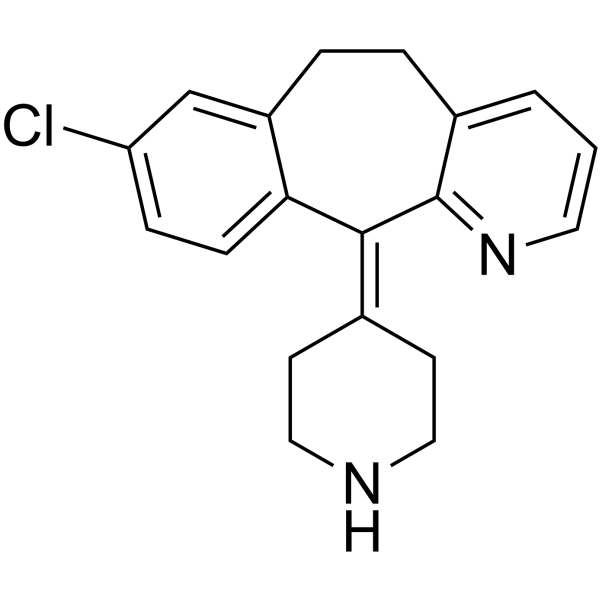
    Desloratadine
    10+ Cited Publications

    Sch34117

    Histamine Receptor TNF Receptor Leukotriene Receptor Inflammation/Immunology
    Desloratadine (Sch34117) is an orally active and selective H1 receptor antagonist (Ki=0.9 nM) with anti-inflammatory and anti-allergic activities. Desloratadine inhibits the release of histamine and LTC4 from human basophils and targets the regulatory signals of IL-4 and IL-13 production in basophils. Desloratadine significantly alleviates SAR symptoms in patients with concurrent asthma and can be used in the study of seasonal allergic rhinitis and chronic idiopathic urticaria .
    Desloratadine
  • HY-100001
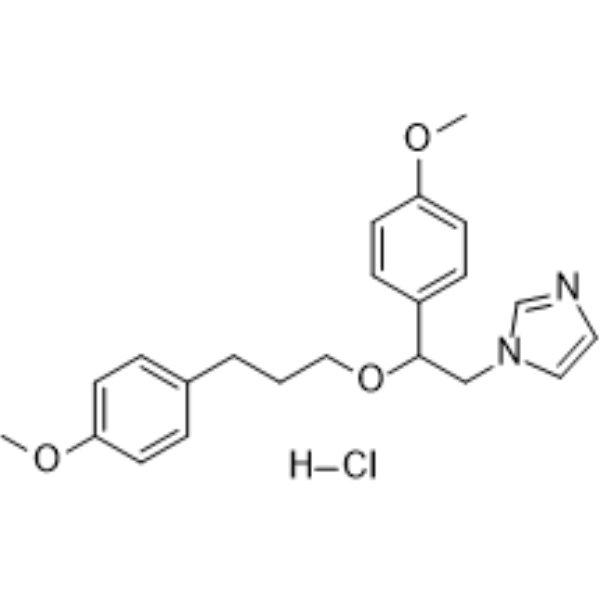
    SKF-96365 (hydrochloride)
    Maximum Cited Publications
    27 Publications Verification

    TRP Channel CRAC Channel Autophagy CaMK Akt Apoptosis Na+/Ca2+ Exchanger Calcium Channel Neurological Disease Inflammation/Immunology Cancer
    SKF-96365 hydrochloride is a TRPC channel antagonist and store-operated calcium entry (SOCE) inhibitor. SKF-96365 hydrochloride reduces calcium ion influx by inhibiting the activity and expression of TRPC6, STIM1 and Orai1. SKF-96365 hydrochloride inhibits voltage-gated sodium current (cardiac INa/NaV1.5) and slows myocardial conduction. SKF-96365 hydrochloride inhibits phosphorylation/activation of CaMKIIγ and suppresses the downstream AKT signaling pathway. SKF-96365 hydrochloride induces G2/M phase cell cycle arrest, apoptosis and cytoprotective autophagy in colorectal cancer cells. SKF-96365 hydrochloride alleviates allergic rhinitis symptoms by reducing inflammatory cytokine levels. SKF-96365 hydrochloride reduces intracellular calcium overload, inhibits Homer1 expression, prevents nuclear damage and suppresses apoptosis. SKF-96365 hydrochloride inhibits the growth of colorectal cancer xenografts in nude mice . SKF-96365 hydrochloride is applicable to research related to allergic rhinitis, colorectal cancer, Parkinson's disease, persistent spontaneous nociception and hyperalgesia .
    SKF-96365 (hydrochloride)
  • HY-B0674
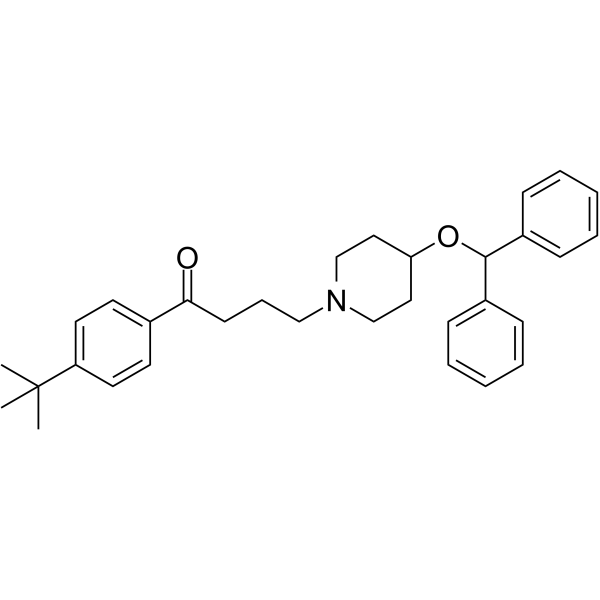
    Ebastine
    1 Publications Verification

    LAS-W 090; RP64305

    Histamine Receptor Inflammation/Immunology Endocrinology
    Ebastine (LAS-W 090) is an orally active, second-generation histamine H1 receptor antagonist. Ebastine can be used for the symptoms of allergic rhinitis and chronic idiopathic urticaria research .
    Ebastine
  • HY-12532
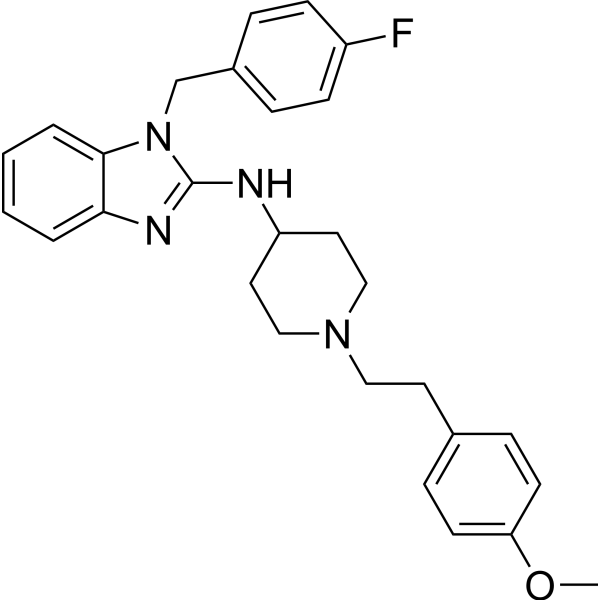
    Astemizole
    5+ Cited Publications

    R 43512

    Histamine Receptor Potassium Channel Inflammation/Immunology Endocrinology
    Astemizole (R 43512), a second-generation antihistamine agent to diminish allergic symptoms with a long duration of action, is a histamine H1-receptor antagonist, with an IC50 of 4 nM. Astemizole also shows potent hERG K + channel blocking activity with an IC50 of 0.9 nM. Astemizole has antipruritic effects .
    Astemizole
  • HY-B1589A
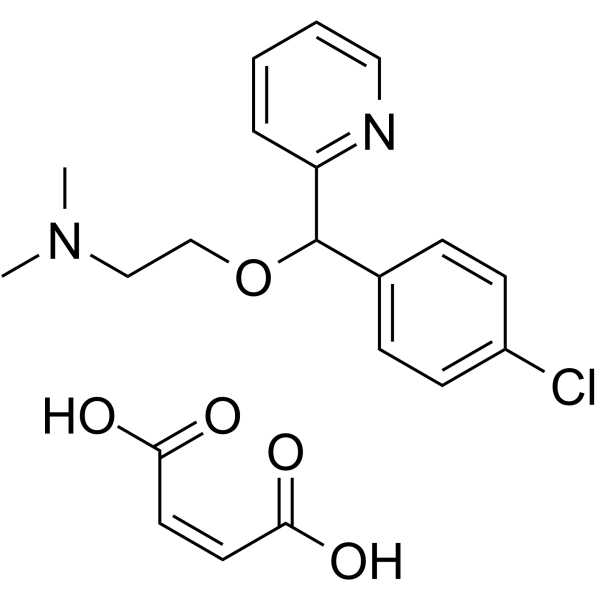
    Carbinoxamine maleate salt
    1 Publications Verification

    Histamine Receptor Influenza Virus Infection Inflammation/Immunology
    Carbinoxamine maleate salt is a blood-brain barrier-permeable histamine H1 receptor antagonist. Carbinoxamine maleate salt blocks the action of histamine on H1 receptors, reducing symptoms such as sneezing, rhinitis, rhinorrhea, erythema, pruritus and urticaria. Carbinoxamine maleate salt inhibits influenza virus entry into cells via endocytosis, targets the early stage of the viral life cycle, and simultaneously reduces viral replication levels in the lungs, alleviating pathological damage and inflammatory responses in lung tissues. Carbinoxamine maleate salt can be used in research on allergic rhinitis, influenza, etc.
    Carbinoxamine maleate salt
  • HY-P99148

    TNF Receptor Metabolic Disease Inflammation/Immunology
    Anti-Mouse TNF alpha Antibody (TN3-19.12) is an anti-mouse TNF alpha IgG antibody inhibitor derived from host Armenian Hamster. Anti-Mouse TNF alpha Antibody (TN3-19.12) neutralizes cytotoxic activity in supernatants obtained from LNC-8 cells. Anti-Mouse TNF alpha Antibody (TN3-19.12) reduces the symptoms and severity of EAE (experimental allergic encephalomyelitis) in LNC-8 cells xenograft mice models. Anti-Mouse TNF alpha Antibody (TN3-19.12) prevents diabetes in NOD mice. Anti-Mouse TNF alpha Antibody (TN3-19.12) shows apparent radiosensitizing effect in CD2F1 mice .
    Anti-Mouse/Rat/Rabbit TNF alpha Antibody (TN3-19.12)
  • HY-156959

    JAK TRP Channel MetAP Infection Inflammation/Immunology
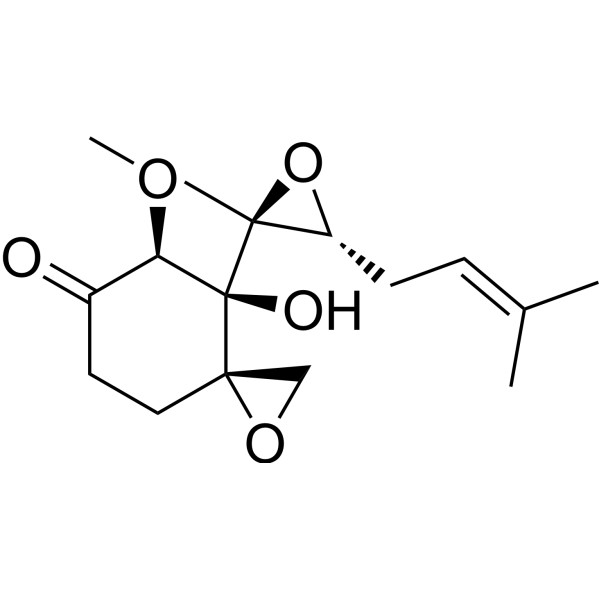
    Ovalicin is a multi-target inhibitor that targets MetAP2, HRH2, JAK2 and TRPV1, with anti-inflammatory and anti-atopic dermatitis activities. Ovalicin covalently binds to MetAP2 to inhibit its function, thereby blocking the replication of Enterocytozoon bieneusi and Vittaforma corneae. Ovalicin alleviates intestinal injury and prolongs survival in infected mouse models, without showing obvious hepatorenal toxicity. Ovalicin attenuates LPS-induced calcium influx, reduces the infiltration of macrophages and mast cells in the skin, and regulates the expression of inflammation-related genes such as IL-31, effectively relieving allergic symptoms in mouse models. Ovalicin can be used for the research of microsporidiosis and atopic dermatitis .
    Ovalicin
  • HY-125942
    SKF-96365
    Maximum Cited Publications
    27 Publications Verification

    CRAC Channel TRP Channel CaMK Akt Apoptosis Autophagy Na+/Ca2+ Exchanger Calcium Channel Neurological Disease Inflammation/Immunology Cancer
    SKF-96365 is a TRPC channel antagonist and store-operated calcium entry (SOCE) inhibitor. SKF-96365 reduces calcium ion influx by inhibiting the activity and expression of TRPC6, STIM1 and Orai1. SKF-96365 inhibits voltage-gated sodium current (cardiac INa/NaV1.5) and slows myocardial conduction. SKF-96365 inhibits phosphorylation/activation of CaMKIIγ and suppresses the downstream AKT signaling pathway. SKF-96365 induces G2/M phase cell cycle arrest, apoptosis and cytoprotective autophagy in colorectal cancer cells. SKF-96365 alleviates allergic rhinitis symptoms by reducing inflammatory cytokine levels. SKF-96365 reduces intracellular calcium overload, inhibits Homer1 expression, prevents nuclear damage and suppresses apoptosis. SKF-96365 inhibits the growth of colorectal cancer xenografts in nude mice . SKF-96365 is applicable to research related to allergic rhinitis, colorectal cancer, Parkinson's disease, persistent spontaneous nociception and hyperalgesia .
    SKF-96365
  • HY-12532S

    Isotope-Labeled Compounds Histamine Receptor Potassium Channel Inflammation/Immunology Endocrinology
    Astemizole-d3 is the deuterium labeled Astemizole. Astemizole (R 43512), a second-generation antihistamine drug to diminish allergic symptoms with a long duration of action, is a histamine H1-receptor antagonist, with an IC50 of 4 nM. Astemizole also shows potent hERG K+ channel blocking activity with an IC50 of 0.9 nM. Astemizole has antipruritic effects .
    Astemizole-d3
  • HY-11045

    Histamine Receptor Neurological Disease Inflammation/Immunology Endocrinology
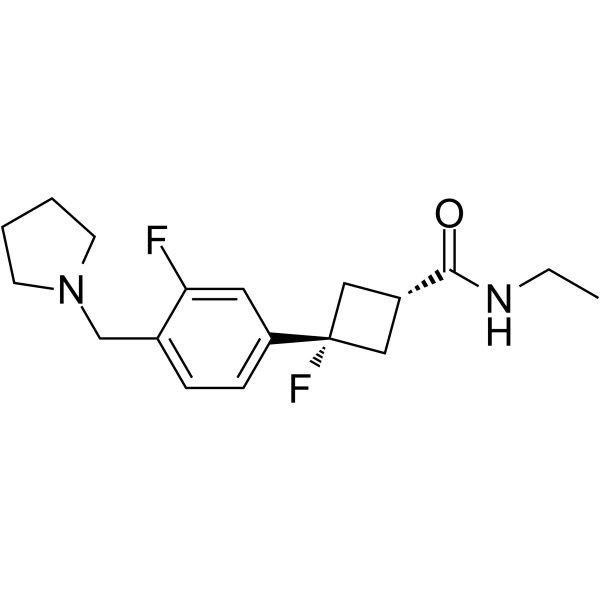
    PF-03654746 is a potent and selective histamine H3 receptor antagonist with high brain penetration. PF-03654746 reduces allergen-induced nasal symptoms, might be a novel therapeutic strategy to further explore allergic rhinitis . PF-03654746 improves cognitive efficacy and disease-modifying effects in Alzheimer's disease (AD) .
    PF-03654746
  • HY-12532R

    R 43512 (Standard)

    Reference Standards Histamine Receptor Potassium Channel Inflammation/Immunology Endocrinology
    Astemizole (Standard) is the analytical standard of Astemizole. This product is intended for research and analytical applications. Astemizole (R 43512), a second-generation antihistamine agent to diminish allergic symptoms with a long duration of action, is a histamine H1-receptor antagonist, with an IC50 of 4 nM. Astemizole also shows potent hERG K + channel blocking activity with an IC50 of 0.9 nM. Astemizole has antipruritic effects .
    Astemizole (Standard)
  • HY-W795993

    Transmembrane Glycoprotein Inflammation/Immunology
    TJU103 is a CD4 inhibitor. TJU103 inhibits autoreactive CD4 + T cells by disrupting the function of the CD4 during activation. TJU103 decreases mononuclear cell infiltration in brain and spinal cord tissue of experimental allergic encephalomyelitis (EAE) mice model. TJU103 downregulates Th1 and Th2 cytokine levels in response to proteolipid protein epitope 139-151 (PLPe) and exhibits inhibitory effects both after the appearance of EAE symptoms and upon rechallenge with Ag. TJU103 can be used for autoimmune diseases like EAE and sclerosis (MS) research .
    TJU103
  • HY-W281862

    Histamine Receptor Inflammation/Immunology
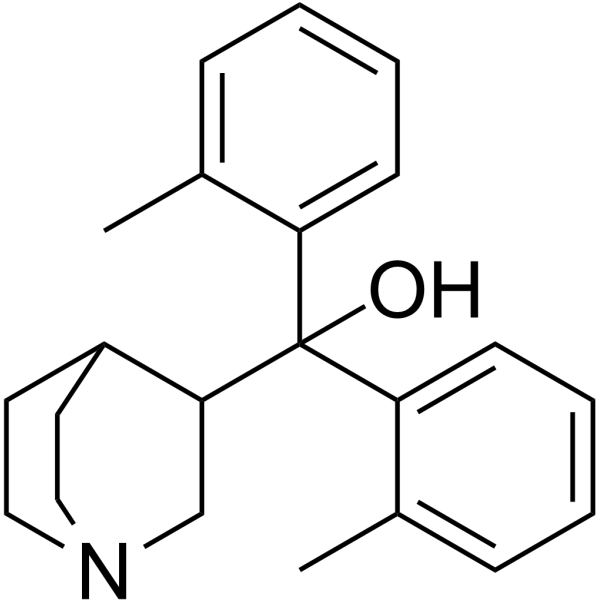
    Sequifenadine is a H1-antihistamine. Sequifenadine has the potential for the research of inflammatory eye disease with allergic symptoms .
    Sequifenadine
  • HY-152862

    Drug Intermediate Adrenergic Receptor Inflammation/Immunology
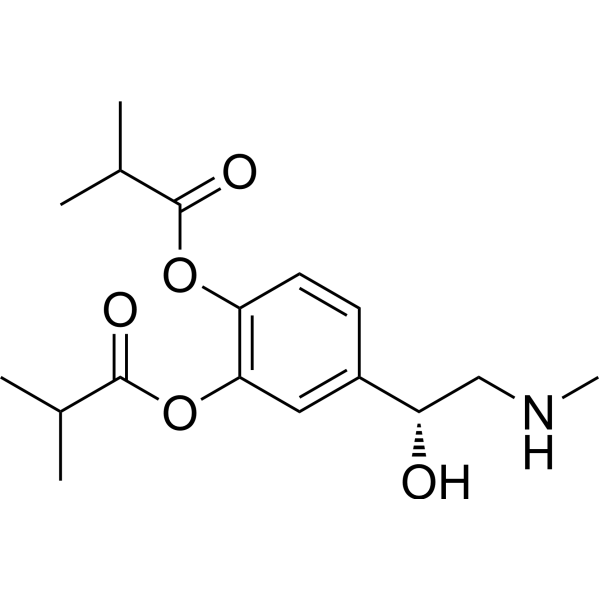
    Dibutepinephrine is an orally active adrenergic prodrug. Dibutepinephrine rapidly alleviates allergic symptoms. Dibutepinephrine can be used for the research of severe allergic reactions .
    Dibutepinephrine
  • HY-127040

    Histamine Receptor Inflammation/Immunology
    Talastine hydrochloride is an antihistamine with antiallergic activity. Talastine hydrochloride is used to relieve allergic symptoms. Talastine hydrochloride may cause adverse reactions such as rash, indicating differences in individual sensitivity. Talastine hydrochloride is considered a potential option for inhibiting allergic reactions .
    Talastine hydrochloride
  • HY-B0674S

    Isotope-Labeled Compounds Histamine Receptor Inflammation/Immunology Endocrinology
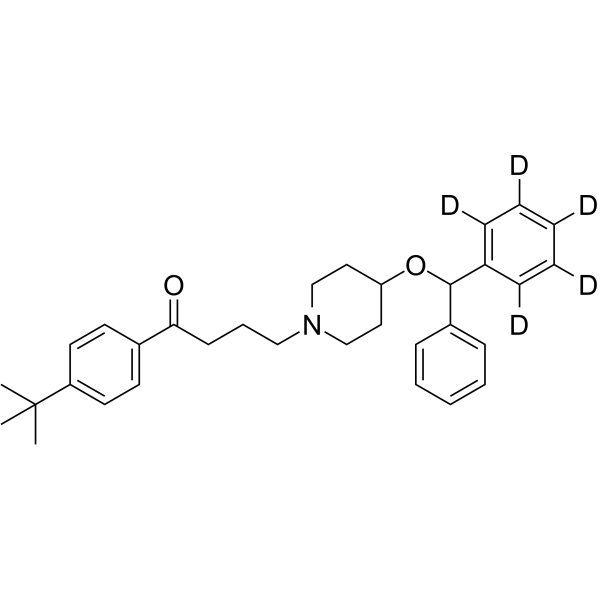
    Ebastine-d5 is the deuterium labeled Ebastine. Ebastine (LAS-W 090) is an orally active, second-generation histamine H1 receptor antagonist. Ebastine can be used for the symptoms of allergic rhinitis and chronic idiopathic urticaria research .
    Ebastine-d5
  • HY-B0674R

    LAS-W 090 (Standard); RP64305 (Standard)

    Reference Standards Histamine Receptor Inflammation/Immunology Endocrinology
    Ebastine (Standard) is the analytical standard of Ebastine. This product is intended for research and analytical applications. Ebastine (LAS-W 090) is an orally active, second-generation histamine H1 receptor antagonist. Ebastine can be used for the symptoms of allergic rhinitis and chronic idiopathic urticaria research .
    Ebastine (Standard)
  • HY-P2113

    Melanocortin Receptor Neurological Disease
    ORG-2766 is an adrenocorticotropic hormone ACTH 4-9 analog and neurotrophic peptide. ORG-2766 affects behavioral processes such as memory and attention in animals, improving symptoms in rats with experimental allergic neuritis. ORG-2766 has a neuroprotective effect .
    ORG-2766
  • HY-B0674S1

    LAS-W 090-d6; RP64305-d6

    Histamine Receptor Isotope-Labeled Compounds Inflammation/Immunology Endocrinology
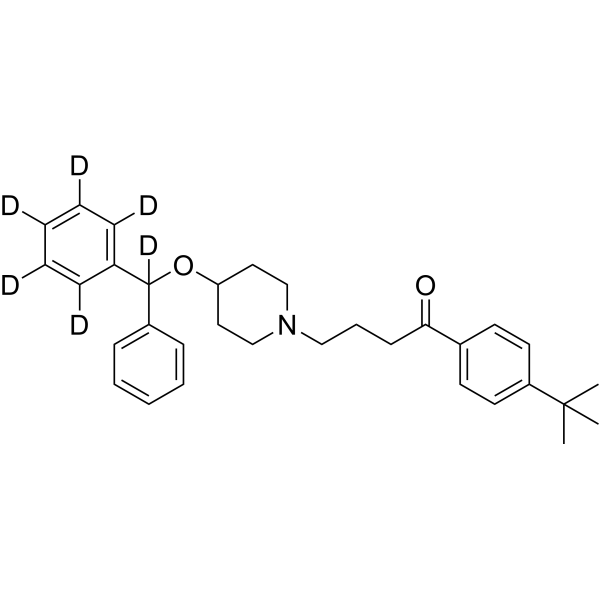
    Ebastine-d6 is deuterated labeled Ebastine (HY-B0674). Ebastine (LAS-W 090) is an orally active, second-generation histamine H1 receptor antagonist. Ebastine can be used for the symptoms of allergic rhinitis and chronic idiopathic urticaria research .
    Ebastine-d6
  • HY-19472A

    Ser/Thr Protease Inflammation/Immunology
    RWJ-58643 hydrochloride is a β-trypsin inhibitor that inhibits allergic inflammation. RWJ-58643 hydrochloride (100 mg) significantly reduces nasal allergy symptoms, eosinophil infiltration, and IL-5 levels at low doses. RWJ-58643 hydrochloride causes late eosinophilia and elevated IL-5 levels at high doses (300 mg and 600 mg). RWJ-58643 hydrochloride modulates allergic reactions by inhibiting the release of β-trypsin from mast cells.
    RWJ-58643 hydrochloride
  • HY-19472

    Ser/Thr Protease Inflammation/Immunology
    RWJ-58643 is a β-trypsin inhibitor that suppresses allergic inflammation. RWJ-58643 (100 mg) significantly reduced nasal allergy symptoms, eosinophil infiltration, and IL-5 levels at low doses. RWJ-58643 resulted in late eosinophilia and elevated IL-5 levels at high doses (300 mg and 600 mg). RWJ-58643 modulates allergic responses by inhibiting the release of β-trypsin from mast cells .
    RWJ-58643
  • HY-Z6838

    Drug Intermediate Inflammation/Immunology
    1-[3-(4-tert-Butylbenzoyl)propyl]-4-hydroxypiperidine is an intermediate of Ebastine (HY-B0674). Ebastine is an orally active, second-generation histamine H1 receptor antagonist. Ebastine can be used for the symptoms of allergic rhinitis and chronic idiopathic urticaria research.
    1-[3-(4-tert-Butylbenzoyl)propyl]-4-hydroxypiperidine
  • HY-B1589

    Histamine Receptor Infection Inflammation/Immunology
    (±)-Carbinoxamine is a blood-brain barrier-permeable histamine H1 receptor antagonist. (±)-Carbinoxamine blocks the action of histamine on H1 receptors, reducing symptoms such as sneezing, rhinitis, rhinorrhea, erythema, pruritus and urticaria. (±)-Carbinoxamine inhibits influenza virus entry into cells via endocytosis, targets the early stage of the viral life cycle, and simultaneously reduces viral replication levels in the lungs, alleviating pathological damage and inflammatory responses in lung tissues. (±)-Carbinoxamine can be used in research on allergic rhinitis, influenza, etc.
    (±)-Carbinoxamine
  • HY-138110

    4-Methyldiphenhydramine

    Endogenous Metabolite iGluR Histamine Receptor Neurological Disease Inflammation/Immunology
    Toladryl is a derivative of Diphenhydramine (HY-B0303), capable of penetrating the blood-brain barrier and possessing oral activity, as well as antihistamine and anticholinergic activities. The anticholinergic activity of Toladryl is approximately one-tenth that of Diphenhydramine (HY-B0303), and its protective effect against lethal doses of histamine in guinea pigs is 2 to 4 times that of Diphenhydramine (HY-B0303). The side effects of Toladryl are fewer and milder than those of Diphenhydramine (HY-B0303), but at higher doses, it may cause central nervous system symptoms such as insomnia, agitation, and disorientation. Toladryl can be used for research in allergic diseases .
    Toladryl
  • HY-B1589AR

    Reference Standards Histamine Receptor Influenza Virus Infection Inflammation/Immunology
    Carbinoxamine maleate salt (Standard) is the analytical standard of Carbinoxamine maleate salt (HY-B1589A). This product is intended for research and analytical applications. Carbinoxamine maleate salt is a blood-brain barrier-permeable histamine H1 receptor antagonist. Carbinoxamine maleate salt blocks the action of histamine on H1 receptors, reducing symptoms such as sneezing, rhinitis, rhinorrhea, erythema, pruritus and urticaria. Carbinoxamine maleate salt inhibits influenza virus entry into cells via endocytosis, targets the early stage of the viral life cycle, and simultaneously reduces viral replication levels in the lungs, alleviating pathological damage and inflammatory responses in lung tissues. Carbinoxamine maleate salt can be used in research on allergic rhinitis, influenza, etc.
    Carbinoxamine maleate salt (Standard)
  • HY-138110R

    4-Methyldiphenhydramine (Standard)

    Reference Standards Endogenous Metabolite iGluR Histamine Receptor Neurological Disease Inflammation/Immunology
    Toladryl (Standard) is the analytical standard of Toladryl. This product is intended for research and analytical applications. Toladryl is a derivative of Diphenhydramine (HY-B0303), capable of penetrating the blood-brain barrier and possessing oral activity, as well as antihistamine and anticholinergic activities. The anticholinergic activity of Toladryl is approximately one-tenth that of Diphenhydramine (HY-B0303), and its protective effect against lethal doses of histamine in guinea pigs is 2 to 4 times that of Diphenhydramine (HY-B0303). The side effects of Toladryl are fewer and milder than those of Diphenhydramine (HY-B0303), but at higher doses, it may cause central nervous system symptoms such as insomnia, agitation, and disorientation. Toladryl can be used for research in allergic diseases .
    Toladryl (Standard)
  • HY-182439

    Histamine Receptor CCR Inflammation/Immunology
    AZD3778 (Compound 8) is an inhibitor of CCR3 and histamine H1 receptor (histamine H1 receptor), with IC50 values of 8.1 nM and 40 nM, respectively. AZD3778 inhibits the binding of eosinophil chemokines to CCR3, as well as the binding of histamine to histamine H1 receptor. AZD3778 exhibits anti-eosinophilic activity. AZD3778 alleviates symptoms associated with allergic rhinitis. AZD3778 can be used in research related to allergic rhinitis and asthma .
    AZD3778
  • HY-B1589S

    Isotope-Labeled Compounds Histamine Receptor Influenza Virus Infection Inflammation/Immunology
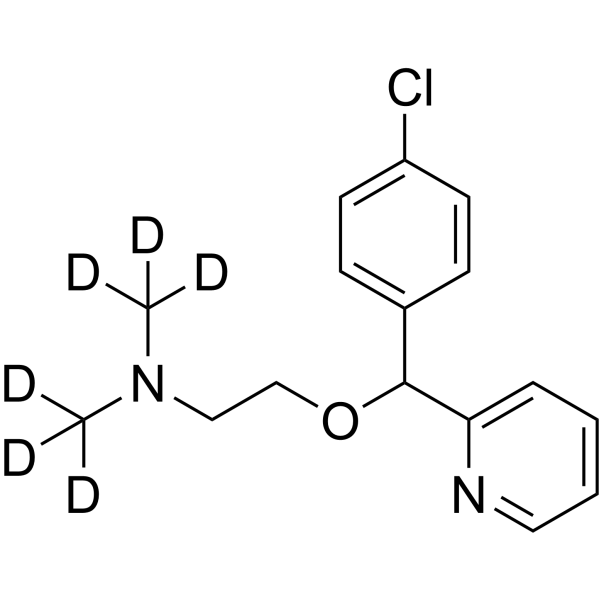
    (±)-Carbinoxamine-d6 is the deuterium labeled (±)-Carbinoxamine (HY-B1589) . (±)-Carbinoxamine is a blood-brain barrier-permeable histamine H1 receptor antagonist. (±)-Carbinoxamine blocks the action of histamine on H1 receptors, reducing symptoms such as sneezing, rhinitis, rhinorrhea, erythema, pruritus and urticaria. (±)-Carbinoxamine inhibits influenza virus entry into cells via endocytosis, targets the early stage of the viral life cycle, and simultaneously reduces viral replication levels in the lungs, alleviating pathological damage and inflammatory responses in lung tissues. (±)-Carbinoxamine can be used in research on allergic rhinitis, influenza, etc.
    (±)-Carbinoxamine-d6

Consulta en línea

Your information is safe with us. * Required Fields.

Saludo


Country or Region *

Nombre del solicitante *


Nombre de la Organizaciòn *

Department *


Direcciòn del E-mail *


Nombre del producto *

Cat. No.


Requested quantity *

Número de teléfono *


Observaciones

Consulta en línea

Inquiry Information

Nombre del producto:
Cat. No.:
Cantidad:
MCE Japan Authorized Agent: