



Astemizole (Standard)
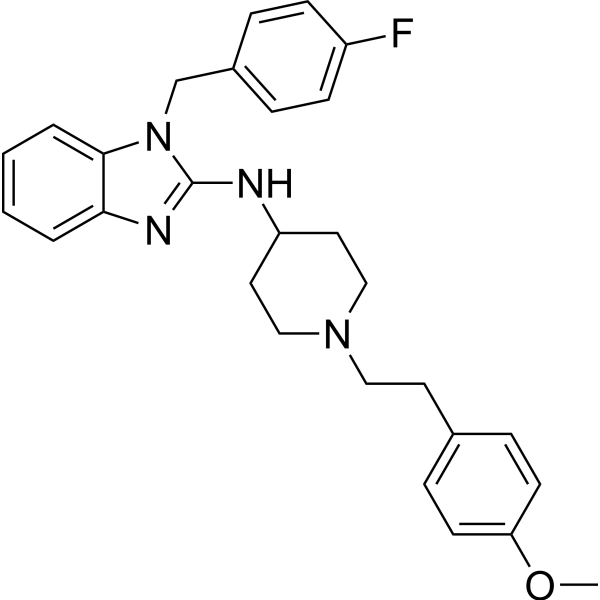
Astemizole (Standard) is the analytical standard of Astemizole. This product is intended for research and analytical applications. Astemizole (R 43512), a second-generation antihistamine agent to diminish allergic symptoms with a long duration of action, is a histamine H1-receptor antagonist, with an IC50 of 4 nM. Astemizole also shows potent hERG K+ channel blocking activity with an IC50 of 0.9 nM. Astemizole has antipruritic effects.
For research use only. We do not sell to patients.
- Purity : 98%
- CAS No.: 68844-77-9
- Formula: C28H31FN4O
- Molecular Weight:458.57
-
Storage:
Please store the product under the recommended conditions in the Certificate of Analysis.


To place orders, for customer services and technical support, please contact: MedChemExpress USA
Tel: 609-228-6898 E-mail: [email protected] [email protected]


-
 Product Information
-
Chemical Information
- Purity & Documentation
-
 Help & FAQs


-
HY-12532
AstemizoleH1 Receptor Antagonist -
HY-17043
LoratadineInfluenza Virus Inhibitor -
HY-B1204
HistamineNeurotransmitter -
HY-I0021
BepotastineHistamine H1 Receptor Antagonist -
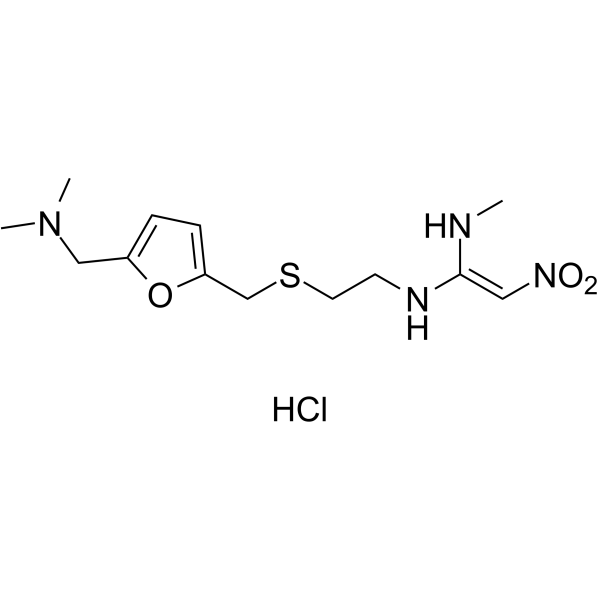
HY-B0281A
Ranitidine hydrochlorideHistamine H2-Receptor Antagonist -
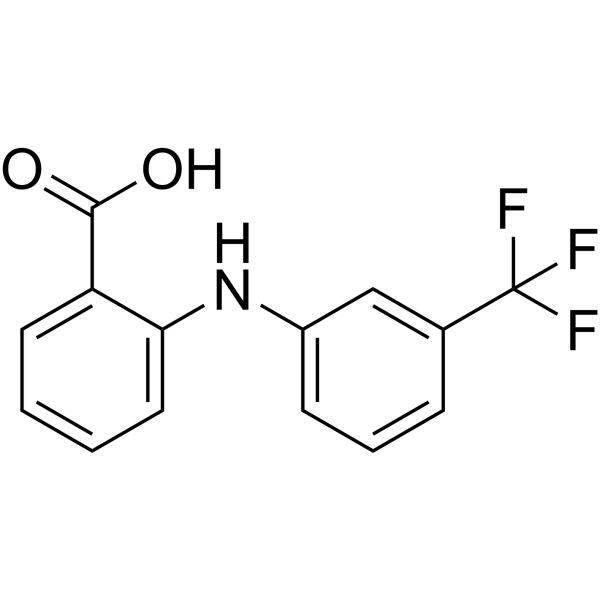
HY-B1221
Flufenamic acidCOX Inhibitor -
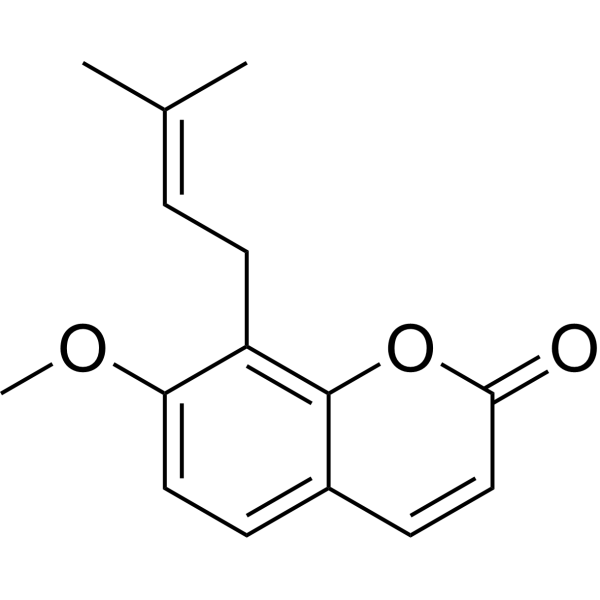
HY-N0054
OstholeApoptosis Inducer -
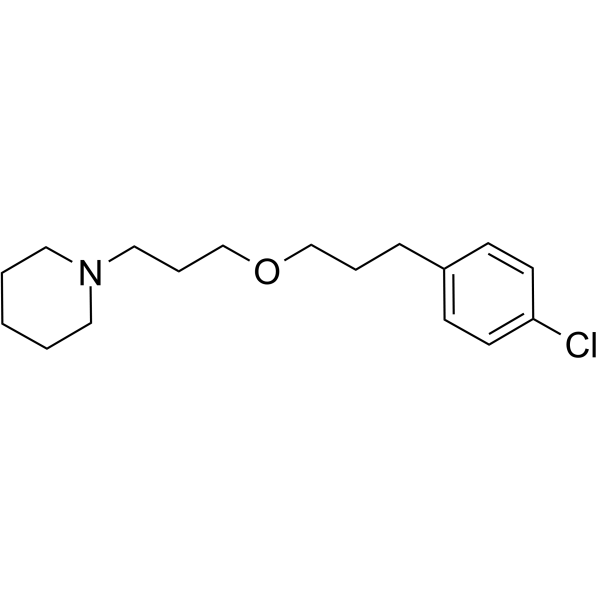
HY-12199
PitolisantH3 Receptor Antagonist -
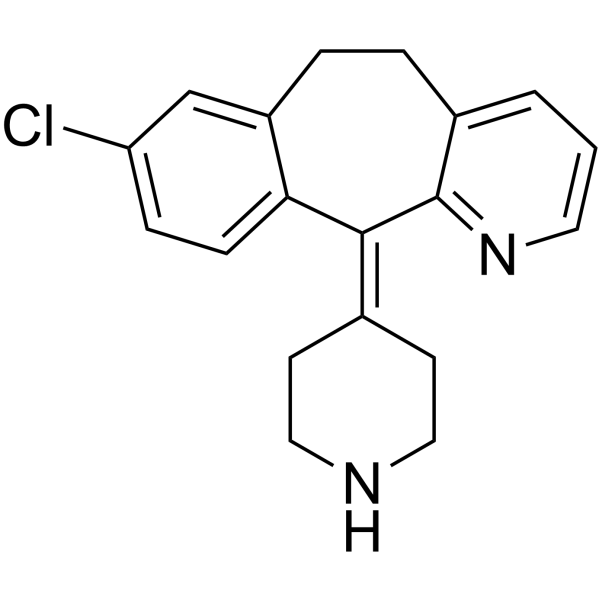
HY-B0539
DesloratadineH1-Receptor Antagonist -
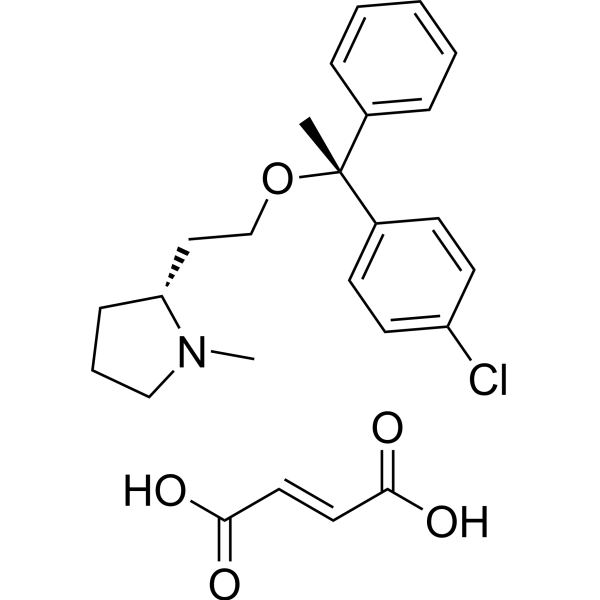
HY-B0298A
Clemastine fumarateH1 Receptor Antagonist -
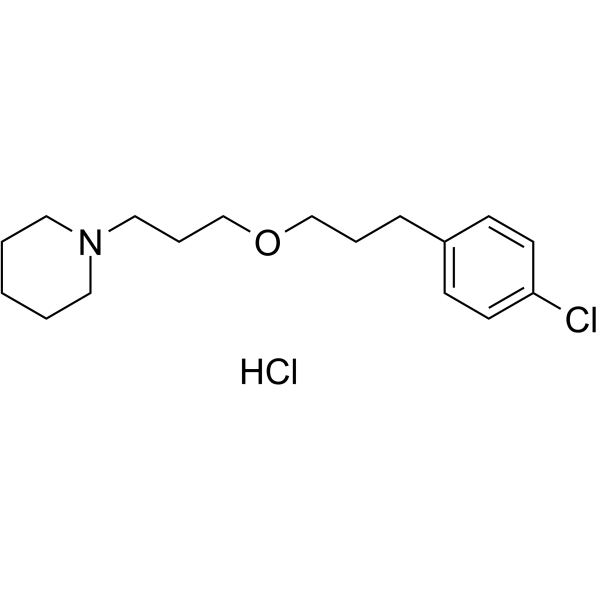
HY-12199B
Pitolisant hydrochlorideH3 Receptor Antagonist -
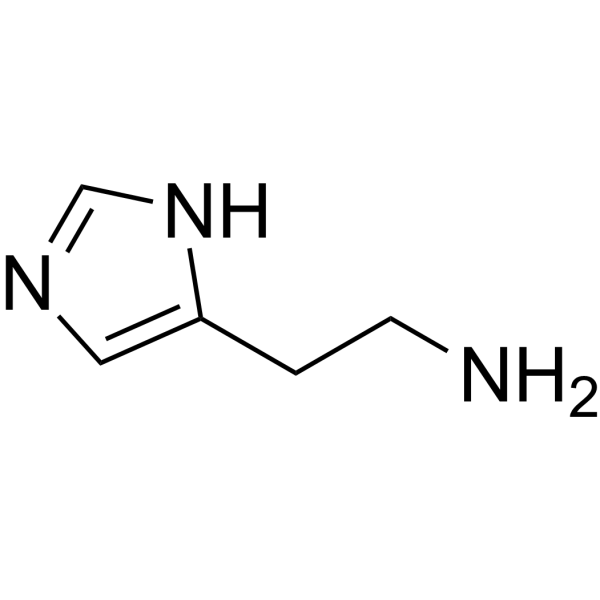
HY-B1204R
Histamine (Standard)Neurotransmitter


Product Information
Information
Application
The compound is the grade of analytical standard, which is the reference standard supplied assay. It is commonly used in qualitative, quantitative and methodological research experiments in HPLC, GC and MS.


Chemical Information
-
CAS No. 68844-77-9
-
Molecular Weight 458.57
-
Formula C28H31FN4O
-
SMILES
COC1=CC=C(CCN2CCC(NC3=NC4=CC=CC=C4N3CC5=CC=C(F)C=C5)CC2)C=C1
-
Synonyms
R 43512 (Standard)
-
Shipping
Room temperature in continental US; may vary elsewhere.
-
Storage
Please store the product under the recommended conditions in the Certificate of Analysis.


Purity & Documentation
References
[1]. Laduron PM, et al. In vitro and in vivo binding characteristics of a new long-acting histamine H1 antagonist, astemizole. Mol Pharmacol. 1982 Mar;21(2):294-300. [Content Brief]
[2]. Richards DM, et al. Astemizole. A review of its pharmacodynamic properties and therapeutic efficacy. Drugs. 1984 Jul;28(1):38-61. [Content Brief]
[3]. Ikuo Horii, et al. Development of telemetry system in the common marmoset--cardiovascular effects of astemizole and nicardipine. J Toxicol Sci. 2002 May;27(2):123-30. [Content Brief]
[4]. Hiroko Izumi-Nakaseko, et al. Possibility as an anti-cancer drug of astemizole: Evaluation of arrhythmogenicity by the chronic atrioventricular block canine model. J Pharmacol Sci. 2016 Jun;131(2):150-3. [Content Brief]

Calculators
Concentration (start) × Volume (start) = Concentration (final) × Volume (final)


Astemizole (Standard) Related Classifications
HY-12532R Related Classifications
 Powered by Bioz