Search Result
Results for "
cell culture media
" in MedChemExpress (MCE) Product Catalog:
11
Biochemical Assay Reagents
3
Isotope-Labeled Compounds
| Cat. No. |
Product Name |
Target |
Research Areas |
Chemical Structure |
-
- HY-D0859
-
MOPS
1 Publications Verification
|
Biochemical Assay Reagents
|
Others
|
|
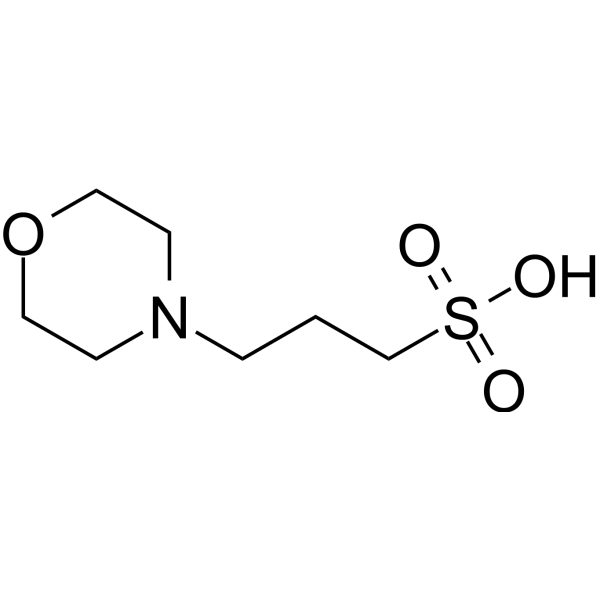
MOPS is a buffering agent used in biology. MOPS buffer maintains the pH of mammalian cell culture media. MOPS significantly improves the thermal stability of BSA (HY-D0842) .
|
-
-
- HY-150287
-
|
ITS-G
|
Biochemical Assay Reagents
|
Endocrinology
|
|
Insulin-Transferrin-Selenium, 100X (ITS-G) is a mixture of Insulin, transferrin, and sodium selenite that is a general supplement designed for use in classic media such as DMEM, RPMI-1640, and nutrient media such as Ham's F-12, DMEM/F-12. Insulin-Transferrin-Selenium is added to basal medium to reduce the amount of fetal calf serum required to culture cells .
|
-
-
- HY-W134423
-
|
|
Environmental Pollutants
Biochemical Assay Reagents
|
Others
Cancer
|
|
Agar, microbiology tested, for cell culture (powder) is a jelly like substance that contains agarose and agar gel. Agar, microbiology tested, for cell culture (powder) can be isolated from the cell walls of red algae species such as Gelidium and Gracilaria (Ogonori). The gelation and melting of Agar, microbiology tested, for cell culture (powder) is based on the hydrogen bridge (physical gels), so the gelation is reversible. Agar, microbiology tested, for cell culture (powder) is widely used in food additives, plant tissue culture, microorganisms culture media, fingerprint recognition, and medical fields .
|
-

-
- HY-W015240
-
|
|
Endogenous Metabolite
|
Metabolic Disease
Inflammation/Immunology
|
|
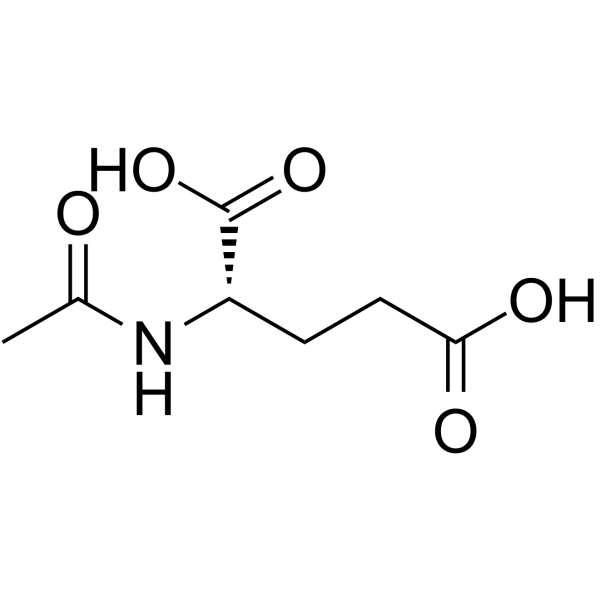
N-Acetyl-L-glutamic acid is a type of glutamic acid that can serve as a component of cell culture media. When combined with media containing inorganic salts, carbohydrates, vitamins, and amino acids, N-Acetyl-L-glutamic acid plays roles in promoting cell growth, enhancing antibody production, etc. N-Acetyl-L-glutamic acid is also an endogenous metabolite that can be found in the brain. Additionally, as an IgE blocker, N-Acetyl-L-glutamic acid can be used in the research of allergic diseases .
|
-
-
- HY-D0859A
-
|
|
Biochemical Assay Reagents
|
Others
|
|
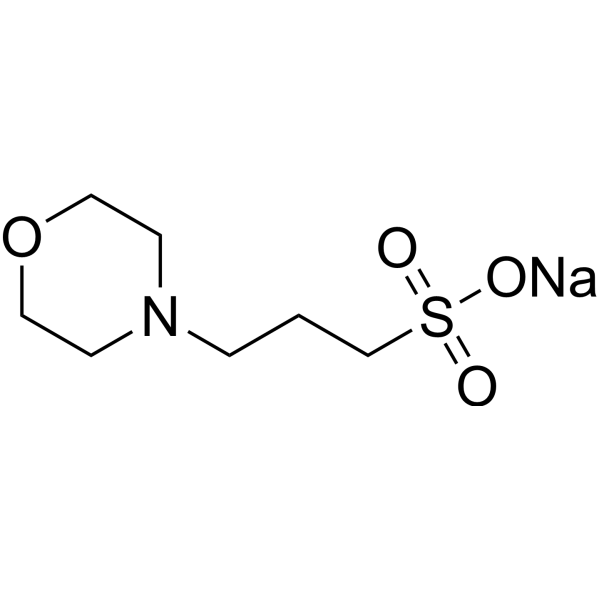
MOPS sodium salt is a buffering agent used in biology. MOPS buffer maintains the pH of mammalian cell culture media. MOPS sodium salt significantly improves the thermal stability of BSA (HY-D0842) .
|
-
-
- HY-116282I
-
|
DSS (MW>500000); DXS (MW>500000)
|
HSV
SARS-CoV
|
Inflammation/Immunology
|
|
Dextran sulfate sodium salt (MW>500000) (DSS (MW>500000)) is a negatively charged sulfated polysaccharide. Dextran sulfate sodium salt has antiviral, antibacterial, anti-inflammatory, antifibrotic, and wound-healing properties. Dextran sulfate sodium salt can be used as an additive in cell culture media for preventing cell aggregation and in cosmetics as a gel-forming agent .
|
-

-
- HY-116282M
-
|
|
Bacterial
|
Inflammation/Immunology
|
|
Dextran sulfate, low sulfate (MW 40000), a biopolymer, is a sulfated polysaccharide. Dextran sulfate, low sulfate (MW 40000) has antiviral, antibacterial, anti-inflammatory, antifibrotic, and wound-healing properties. Dextran sulfate can be used as an additive in cell culture media for preventing cell aggregation and in cosmetics as a gel-forming agent .
|
-

-
- HY-B0400B
-
|
Sorbito, for cell culture; D-Glucitol, for cell culture
|
Environmental Pollutants
Biochemical Assay Reagents
|
Others
|
|
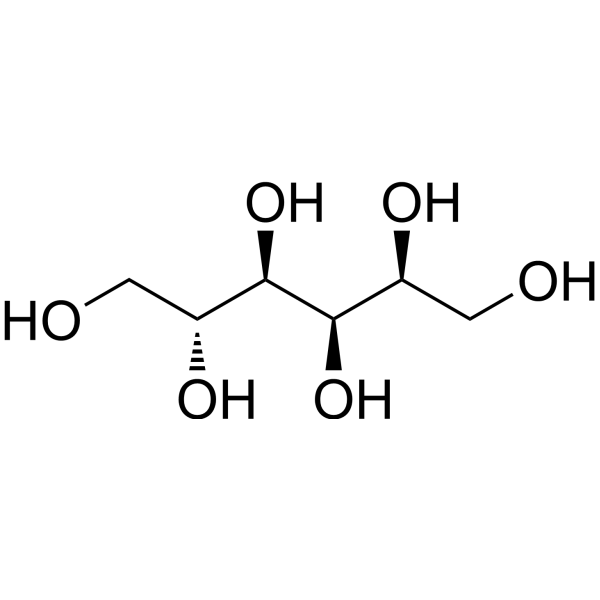
D-Sorbitol (D-Glucitol), for cell culture is a six-carbon sugar alcohol that can be used as a sugar substitute. D-Sorbitol, for cell culture serves as an osmotic regulator, cryoprotectant and carbon source in various plant and microbial cell culture media .
|
-
-
- HY-W088069
-
|
|
Biochemical Assay Reagents
|
Others
|
|
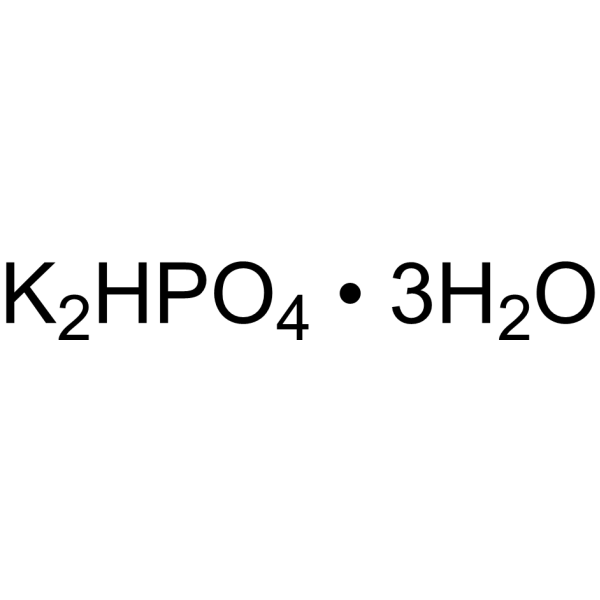
Dipotassium hydrogen phosphate trihydrate, which is commonly used as a buffer and source of phosphorus and potassium in various applications, such as fertilizers, food processing, and pharmaceuticals, in biochemistry and molecular biology, Dipotassium hydrogen phosphate trihydrate is used in the preparation of cell culture media And reagent buffer system, in addition, it has been used in analytical chemistry as a reagent for the determination of calcium and magnesium ions in water samples.
|
-
-
- HY-176862
-
|
|
FGFR
ERK
|
Inflammation/Immunology
|
|
TCB-32 (Compound I-1) is a FGFR1 agonist with an EC50 of 0.88 μM. TCB-32 significantly increases cell proliferation through activating FGFR1 signaling pathway as bFGF and its downstream ERK1/2 with excellent thermal stability. TCB-32 can replace bFGF in serum-free cell culture media. TCB-32 can be used for tissue repair and wound healing related diseases like psoriasis and eczema research .
|
-

-
- HY-116568
-
|
JAU-6476
|
Fungal
Cytochrome P450
Microtubule/Tubulin
Mitochondrial Metabolism
DNA/RNA Synthesis
Apoptosis
Fatty Acid Synthase (FASN)
|
Infection
Metabolic Disease
Endocrinology
|
|
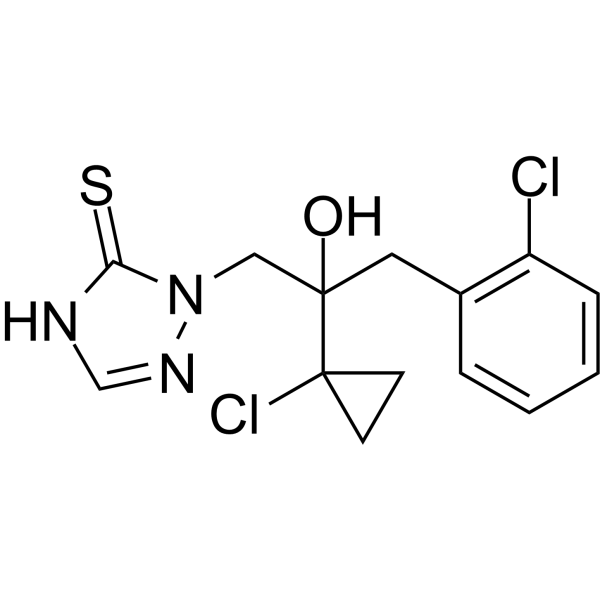
Prothioconazole is an orally active broad-spectrum fungicide. Prothioconazole weakly inhibits CaCYP51 activity in Candida albicans, with an apparent IC50 of approximately 120 μM. Prothioconazole disrupts Microtubule stability by reducing the acetylation level of α-tubulin. Prothioconazole induces Mitochondrial dysfunction, oxidative stress, DNA damage, and Apoptosis. Prothioconazole accumulates 14-methylated sterols and depletes ergosterol in cells, culture media, plants, and animals. Prothioconazole interferes with pyruvate metabolism and glycolysis/gluconeogenesis processes in mouse liver, downregulates Fasn mRNA expression, and induces hepatotoxicity and renal metabolic disorders. Prothioconazole reduces the fertility of female mice. Prothioconazole inhibits body weight gain and increases liver/kidney indices in mice. Prothioconazole can be used in studies related to candidiasis .
|
-
-
- HY-W134423A
-
|
|
Biochemical Assay Reagents
Bacterial
Fungal
|
Infection
|
|
Agar, microbiology tested, for cell culture (granular) is a hydrocolloid with gelling ability. Agar, microbiology tested, for cell culture (granular) can be used to prepare microbial culture media (for bacteria, yeasts and molds) .
|
-

-
- HY-116282J
-
|
|
Bacterial
|
Inflammation/Immunology
|
|
Dextran sulfate, low sulfate (MW 5000), a biopolymer, is a sulfated polysaccharide. Dextran sulfate, low sulfate (MW 5000) has antiviral, antibacterial, anti-inflammatory, antifibrotic, and wound-healing properties. Dextran sulfate can be used as an additive in cell culture media for preventing cell aggregation and in cosmetics as a gel-forming agent .
|
-

-
- HY-W015240S
-
|
|
Isotope-Labeled Compounds
Endogenous Metabolite
|
Metabolic Disease
Inflammation/Immunology
|
|
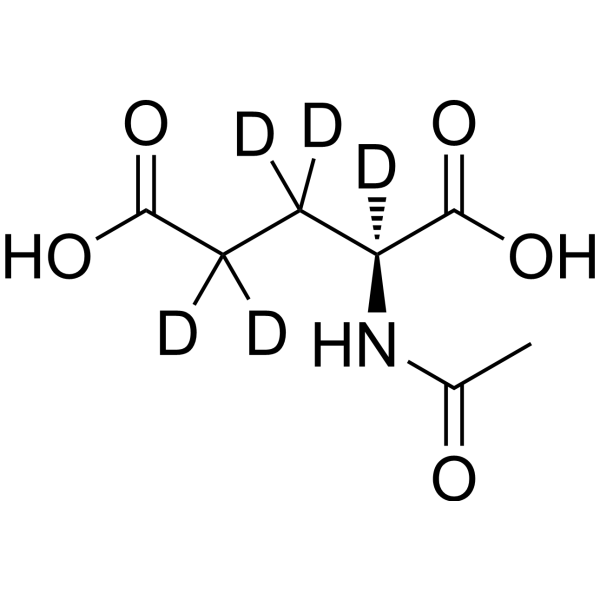
N-Acetyl-L-glutamic acid-d5 is the deuterium labeled N-Acetyl-L-glutamic acid (HY-W015240). N-Acetyl-L-glutamic acid is a type of glutamic acid that can serve as a component of cell culture media. When combined with media containing inorganic salts, carbohydrates, vitamins, and amino acids, N-Acetyl-L-glutamic acid plays roles in promoting cell growth, enhancing antibody production, etc. N-Acetyl-L-glutamic acid is also an endogenous metabolite that can be found in the brain. Additionally, as an IgE blocker, N-Acetyl-L-glutamic acid can be used in the research of allergic diseases .
|
-
-
- HY-16031
-
|
NSC710464 free base
|
Aryl Hydrocarbon Receptor
Integrin
Drug Intermediate
DNA/RNA Synthesis
|
Cancer
|
|
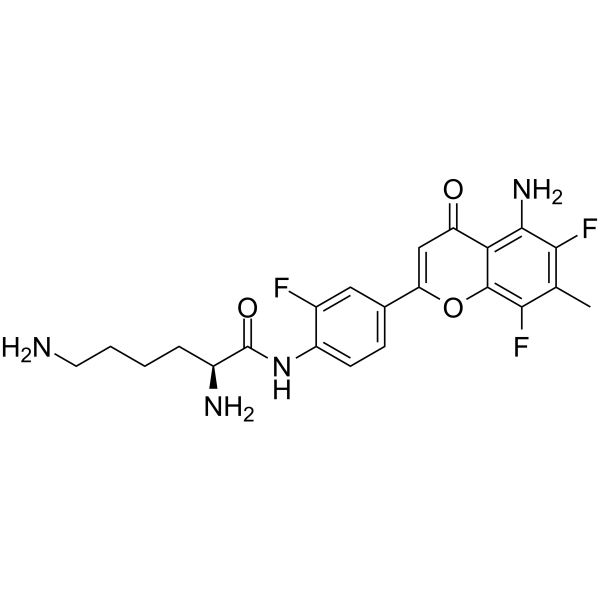
AFP464 (NSC710464) free base is a prodrug of Aminoflavone (HY-132974) and an agonist of the aryl hydrocarbon receptor (AhR). AFP464 free base downregulates the expression of α6-integrin (α6-integrin), inhibits breast tumor growth, reduces the population of tumor-initiating cells, disrupts mammosphere structure, induces the formation of mucin lake clusters, triggers DNA damage, and exerts antiproliferative activity. AFP464 free base is rapidly converted to Aminoflavone by nonspecific esterases in plasma and cell culture media. AFP464 free base is applicable to research related to breast cancer .
|
-
-
- HY-Y1083C
-
|
Salt of lemery, for cell culture
|
Biochemical Assay Reagents
|
Others
|
|
Potassium sulfate, for cell culture (Salt of lemery, for cell culture) can be used in plant cell culture and as a potassium source in media preparation, promoting cell growth and maintaining osmotic balance .
|
-

-
- HY-150287B
-
|
ITS-A
|
Biochemical Assay Reagents
|
Others
|
|
Insulin-Transferrin-Selenium-Sodium Pyruvate (ITS-A) is a basal media supplement used to reduce the amount of fetal bovine serum (FBS) used to culture cells.
|
-

-
- HY-16031B
-
|
NSC710464 dihydrochloride
|
Aryl Hydrocarbon Receptor
Integrin
Drug Intermediate
DNA/RNA Synthesis
|
Cancer
|
|
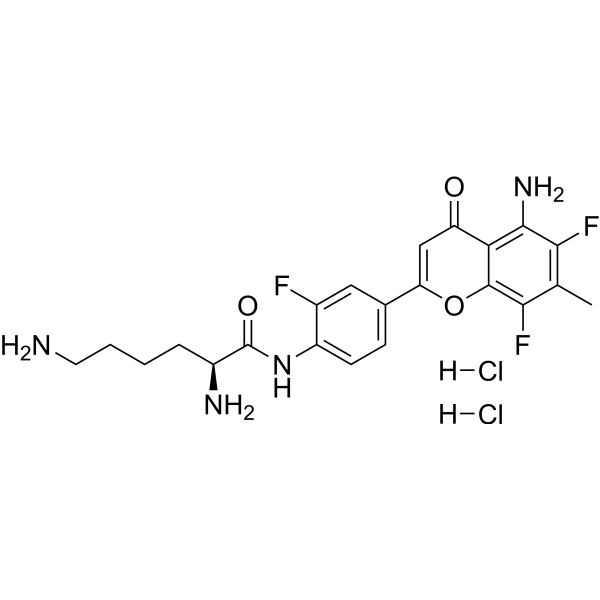
AFP464 (NSC710464) dihydrochloride is a prodrug of Aminoflavone (HY-132974) and an agonist of the aryl hydrocarbon receptor (AhR). AFP464 dihydrochloride downregulates the expression of α6-integrin (α6-integrin), inhibits breast tumor growth, reduces the population of tumor-initiating cells, disrupts mammosphere structure, induces the formation of mucin lake clusters, triggers DNA damage, and exerts antiproliferative activity. AFP464 dihydrochloride is rapidly converted to Aminoflavone by nonspecific esterases in plasma and cell culture media. AFP464 dihydrochloride is applicable to research related to breast cancer .
|
-
-
- HY-W705140A
-
|
Hydroxymelphalan hydrochloride
|
Drug Metabolite
|
Cancer
|
|
Monohydroxy melphalan hydrochloride (Hydroxymelphalan hydrochloride) is a degradation product of Melphalan (HY-17575), obtained through the hydrolysis of Melphalan in aqueous solutions (including cell culture media and human plasma) .
|
-

-
- HY-176862A
-
|
|
FGFR
ERK
|
Inflammation/Immunology
|
|
TCB-32 (Compound I-1) hydrochloride is a FGFR1 agonist with an EC50 of 0.88 μM. TCB-32 hydrochloride significantly increases cell proliferation through activating FGFR1 signaling pathway as bFGF and its downstream ERK1/2 with excellent thermal stability. TCB-32 hydrochloride can replace bFGF in serum-free cell culture media. TCB-32 hydrochloride can be used for tissue repair and wound healing related diseases like psoriasis and eczema research .
|
-

-
- HY-D0859S
-
|
|
Isotope-Labeled Compounds
|
Others
|
|
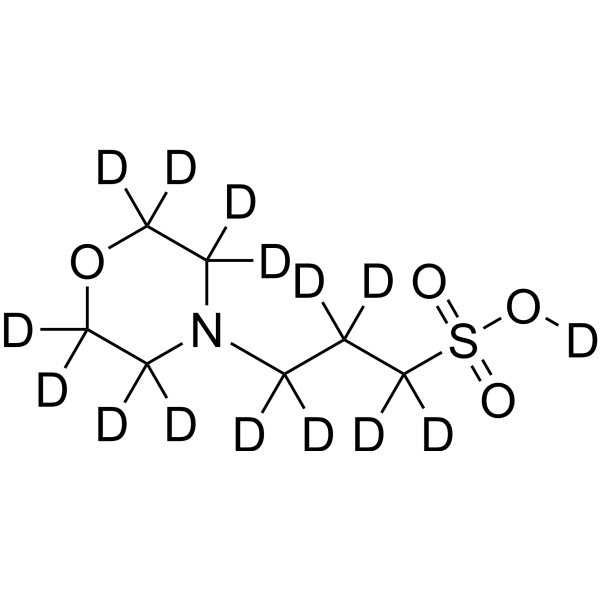
MOPS-d15 is the deuterium labeled MOPS (HY-D0859). MOPS is a buffering agent used in biology. MOPS buffer maintains the pH of mammalian cell culture media. MOPS significantly improves the thermal stability of BSA (HY-D0842) .
|
-
-
- HY-W015240S1
-
|
|
Isotope-Labeled Compounds
Endogenous Metabolite
|
Metabolic Disease
Inflammation/Immunology
|
|
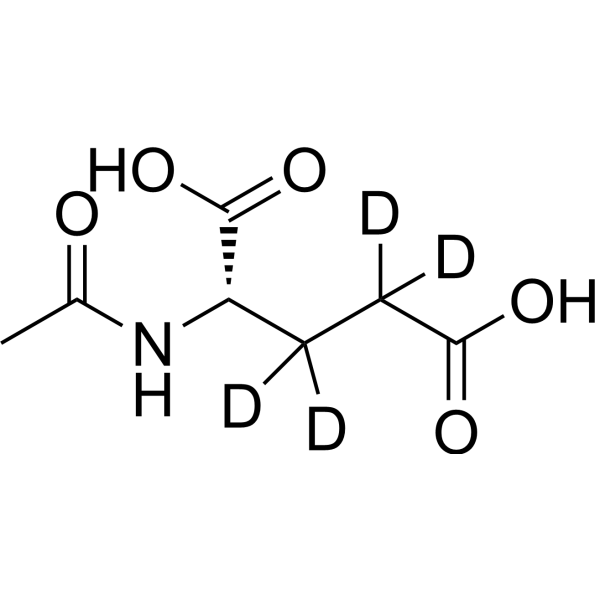
N-Acetyl-L-glutamic acid-d4 is the deuterium labeled N-Acetyl-L-glutamic acid (HY-W015240). N-Acetyl-L-glutamic acid is a type of glutamic acid that can serve as a component of cell culture media. When combined with media containing inorganic salts, carbohydrates, vitamins, and amino acids, N-Acetyl-L-glutamic acid plays roles in promoting cell growth, enhancing antibody production, etc. N-Acetyl-L-glutamic acid is also an endogenous metabolite that can be found in the brain. Additionally, as an IgE blocker, N-Acetyl-L-glutamic acid can be used in the research of allergic diseases .
|
-
-
- HY-W015240R
-
|
|
Reference Standards
Endogenous Metabolite
|
Metabolic Disease
Inflammation/Immunology
|
|
N-Acetyl-L-glutamic acid (Standard) is the analytical standard of N-Acetyl-L-glutamic acid (HY-W015240). This product is intended for research and analytical applications. N-Acetyl-L-glutamic acid is a type of glutamic acid that can serve as a component of cell culture media. When combined with media containing inorganic salts, carbohydrates, vitamins, and amino acids, N-Acetyl-L-glutamic acid plays roles in promoting cell growth, enhancing antibody production, etc. N-Acetyl-L-glutamic acid is also an endogenous metabolite that can be found in the brain. Additionally, as an IgE blocker, N-Acetyl-L-glutamic acid can be used in the research of allergic diseases .
|
-

-
- HY-B2203A
-
|
|
Biochemical Assay Reagents
|
Others
|
|
Calcium glycerophosphate is commonly used in cell culture research, typically as a supplement in growth media to enhance cell vitality and proliferation.
|
-

-
- HY-16031A
-
|
NSC710464
|
Aryl Hydrocarbon Receptor
Integrin
Drug Intermediate
DNA/RNA Synthesis
|
Cancer
|
|
AFP464 (NSC710464) is a prodrug of Aminoflavone (HY-132974) and an agonist of the aryl hydrocarbon receptor (AhR). AFP464 downregulates the expression of α6-integrin (α6-integrin), inhibits breast tumor growth, reduces the population of tumor-initiating cells, disrupts mammosphere structure, induces the formation of mucin lake clusters, triggers DNA damage, and exerts antiproliferative activity. AFP464 is rapidly converted to Aminoflavone by nonspecific esterases in plasma and cell culture media. AFP464 is applicable to research related to breast cancer .
|
-

| Cat. No. |
Product Name |
Type |
-
- HY-150287
-
|
ITS-G
|
Biochemical Assay Reagents
|
|
Insulin-Transferrin-Selenium, 100X (ITS-G) is a mixture of Insulin, transferrin, and sodium selenite that is a general supplement designed for use in classic media such as DMEM, RPMI-1640, and nutrient media such as Ham's F-12, DMEM/F-12. Insulin-Transferrin-Selenium is added to basal medium to reduce the amount of fetal calf serum required to culture cells .
|
-
- HY-W134423
-
|
|
Biochemical Assay Reagents
|
|
Agar, microbiology tested, for cell culture (powder) is a jelly like substance that contains agarose and agar gel. Agar, microbiology tested, for cell culture (powder) can be isolated from the cell walls of red algae species such as Gelidium and Gracilaria (Ogonori). The gelation and melting of Agar, microbiology tested, for cell culture (powder) is based on the hydrogen bridge (physical gels), so the gelation is reversible. Agar, microbiology tested, for cell culture (powder) is widely used in food additives, plant tissue culture, microorganisms culture media, fingerprint recognition, and medical fields .
|
-
- HY-D0859A
-
|
|
Biochemical Assay Reagents
|
|
MOPS sodium salt is a buffering agent used in biology. MOPS buffer maintains the pH of mammalian cell culture media. MOPS sodium salt significantly improves the thermal stability of BSA (HY-D0842) .
|
-
- HY-116282I
-
|
DSS (MW>500000); DXS (MW>500000)
|
Biochemical Assay Reagents
|
|
Dextran sulfate sodium salt (MW>500000) (DSS (MW>500000)) is a negatively charged sulfated polysaccharide. Dextran sulfate sodium salt has antiviral, antibacterial, anti-inflammatory, antifibrotic, and wound-healing properties. Dextran sulfate sodium salt can be used as an additive in cell culture media for preventing cell aggregation and in cosmetics as a gel-forming agent .
|
-
- HY-116282M
-
|
|
Biochemical Assay Reagents
|
|
Dextran sulfate, low sulfate (MW 40000), a biopolymer, is a sulfated polysaccharide. Dextran sulfate, low sulfate (MW 40000) has antiviral, antibacterial, anti-inflammatory, antifibrotic, and wound-healing properties. Dextran sulfate can be used as an additive in cell culture media for preventing cell aggregation and in cosmetics as a gel-forming agent .
|
-
- HY-B0400B
-
|
Sorbito, for cell culture; D-Glucitol, for cell culture
|
Biochemical Assay Reagents
|
|
D-Sorbitol (D-Glucitol), for cell culture is a six-carbon sugar alcohol that can be used as a sugar substitute. D-Sorbitol, for cell culture serves as an osmotic regulator, cryoprotectant and carbon source in various plant and microbial cell culture media .
|
-
- HY-W134423A
-
|
|
Biochemical Assay Reagents
|
|
Agar, microbiology tested, for cell culture (granular) is a hydrocolloid with gelling ability. Agar, microbiology tested, for cell culture (granular) can be used to prepare microbial culture media (for bacteria, yeasts and molds) .
|
-
- HY-116282J
-
|
|
Biochemical Assay Reagents
|
|
Dextran sulfate, low sulfate (MW 5000), a biopolymer, is a sulfated polysaccharide. Dextran sulfate, low sulfate (MW 5000) has antiviral, antibacterial, anti-inflammatory, antifibrotic, and wound-healing properties. Dextran sulfate can be used as an additive in cell culture media for preventing cell aggregation and in cosmetics as a gel-forming agent .
|
-
- HY-Y1083C
-
|
Salt of lemery, for cell culture
|
Biochemical Assay Reagents
|
|
Potassium sulfate, for cell culture (Salt of lemery, for cell culture) can be used in plant cell culture and as a potassium source in media preparation, promoting cell growth and maintaining osmotic balance .
|
-
- HY-150287B
-
|
ITS-A
|
Biochemical Assay Reagents
|
|
Insulin-Transferrin-Selenium-Sodium Pyruvate (ITS-A) is a basal media supplement used to reduce the amount of fetal bovine serum (FBS) used to culture cells.
|
-
- HY-B2203A
-
|
|
Biochemical Assay Reagents
|
|
Calcium glycerophosphate is commonly used in cell culture research, typically as a supplement in growth media to enhance cell vitality and proliferation.
|
-
- HY-K3019
-
|
|
|
MCE Lipid Concentrate (Chemically Defined) is a concentrated lipid solution with a clearly defined chemical composition, which can be added to cell culture media as an additive for serum-free or low-serum cell culture systems.
|
-
- HY-K3025
-
|
|
|
MCE D-Glucose Solution (200 g/L) can be used as a serum-free supplement for cell culture media and is suitable for a variety of culture systems, including but not limited to DMEM, RPMI 1640, DMEM/F-12, IMDM, and MEM.
|
-
- HY-K3027
-
|
|
|
Minimum Essential Medium (MEM), also known as Minimal Essential Medium, was developed by Harry Eagle based on Eagle’s Basal Medium (BME). It is a basic cell culture medium with a simple formulation and broad applicability, and is one of the most commonly used media in animal cell culture. MEM contains only 12 essential amino acids, L-glutamine, and 8 vitamins. It is primarily used for the culture of adherent cells. With appropriate formulation modifications, it can also be used for other types of cell culture.
|
-
- HY-K3026
-
|
|
|
MCE MEM Vitamin Solution (100×) contains eight vitamins, including choline chloride, D-calcium pantothenate, folic acid, nicotinamide, pyridoxal hydrochloride, riboflavin, thiamine hydrochloride, and inositol. It can be used as a serum-free supplement for cell culture media to enhance cell viability and promote cell growth.
|
-
- HY-K1062
-
2 Publications Verification
|
|
MCE Exosome Isolation and Purification Kit provides a simple and effective method to isolate and purify intact exosomes from cell culture media that can be used for electron microscope analysis, NTA analysis, WB, qPCR, etc.
|
-
- HY-K1046
-
|
|
|
L-glutamine is an important amino acid supplement commonly added to mammalian cell culture media. L-glutamine serves as an auxiliary energy source, especially when cells are rapidly dividing. L-glutamine is also important in the production of purine and pyrimidine nucleotides, amino sugars, glutathione, L-glutamate, other amino acids, and plays a role in protein synthesis and glucose production.
|
| Cat. No. |
Product Name |
Category |
Target |
Chemical Structure |
-
- HY-W015240
-
-
-
- HY-W015240R
-
|
|
Microorganisms
Amino acids
Endogenous metabolite
Source Classification
|
Reference Standards
Endogenous Metabolite
|
|
N-Acetyl-L-glutamic acid (Standard) is the analytical standard of N-Acetyl-L-glutamic acid (HY-W015240). This product is intended for research and analytical applications. N-Acetyl-L-glutamic acid is a type of glutamic acid that can serve as a component of cell culture media. When combined with media containing inorganic salts, carbohydrates, vitamins, and amino acids, N-Acetyl-L-glutamic acid plays roles in promoting cell growth, enhancing antibody production, etc. N-Acetyl-L-glutamic acid is also an endogenous metabolite that can be found in the brain. Additionally, as an IgE blocker, N-Acetyl-L-glutamic acid can be used in the research of allergic diseases .
|
-
| Cat. No. |
Product Name |
Chemical Structure |
-
- HY-W015240S
-
|
|
|
N-Acetyl-L-glutamic acid-d5 is the deuterium labeled N-Acetyl-L-glutamic acid (HY-W015240). N-Acetyl-L-glutamic acid is a type of glutamic acid that can serve as a component of cell culture media. When combined with media containing inorganic salts, carbohydrates, vitamins, and amino acids, N-Acetyl-L-glutamic acid plays roles in promoting cell growth, enhancing antibody production, etc. N-Acetyl-L-glutamic acid is also an endogenous metabolite that can be found in the brain. Additionally, as an IgE blocker, N-Acetyl-L-glutamic acid can be used in the research of allergic diseases .
|
-
-
- HY-D0859S
-
|
|
|
MOPS-d15 is the deuterium labeled MOPS (HY-D0859). MOPS is a buffering agent used in biology. MOPS buffer maintains the pH of mammalian cell culture media. MOPS significantly improves the thermal stability of BSA (HY-D0842) .
|
-
-
- HY-W015240S1
-
|
|
|
N-Acetyl-L-glutamic acid-d4 is the deuterium labeled N-Acetyl-L-glutamic acid (HY-W015240). N-Acetyl-L-glutamic acid is a type of glutamic acid that can serve as a component of cell culture media. When combined with media containing inorganic salts, carbohydrates, vitamins, and amino acids, N-Acetyl-L-glutamic acid plays roles in promoting cell growth, enhancing antibody production, etc. N-Acetyl-L-glutamic acid is also an endogenous metabolite that can be found in the brain. Additionally, as an IgE blocker, N-Acetyl-L-glutamic acid can be used in the research of allergic diseases .
|
-
| Cat. No. |
Product Name |
|
Classification |
-
- HY-W134423
-
|
|
|
Thickeners
|
|
Agar, microbiology tested, for cell culture (powder) is a jelly like substance that contains agarose and agar gel. Agar, microbiology tested, for cell culture (powder) can be isolated from the cell walls of red algae species such as Gelidium and Gracilaria (Ogonori). The gelation and melting of Agar, microbiology tested, for cell culture (powder) is based on the hydrogen bridge (physical gels), so the gelation is reversible. Agar, microbiology tested, for cell culture (powder) is widely used in food additives, plant tissue culture, microorganisms culture media, fingerprint recognition, and medical fields .
|
-
- HY-W088069
-
|
|
|
pH Modifiers
|
|
Dipotassium hydrogen phosphate trihydrate, which is commonly used as a buffer and source of phosphorus and potassium in various applications, such as fertilizers, food processing, and pharmaceuticals, in biochemistry and molecular biology, Dipotassium hydrogen phosphate trihydrate is used in the preparation of cell culture media And reagent buffer system, in addition, it has been used in analytical chemistry as a reagent for the determination of calcium and magnesium ions in water samples.
|
Your information is safe with us. * Required Fields.
Inquiry Information
- Product Name:
- Cat. No.:
- Quantity:
- MCE Japan Authorized Agent:








