Search Result
Results for "
epoxy compound
" in MedChemExpress (MCE) Product Catalog:
2
Biochemical Assay Reagents
11
Isotope-Labeled Compounds
| Cat. No. |
Product Name |
Target |
Research Areas |
Chemical Structure |
-
- HY-18260
-
|
|
Environmental Pollutants
Endogenous Metabolite
Apoptosis
Reactive Oxygen Species (ROS)
p38 MAPK
Akt
|
Cardiovascular Disease
Metabolic Disease
Endocrinology
Cancer
|
|
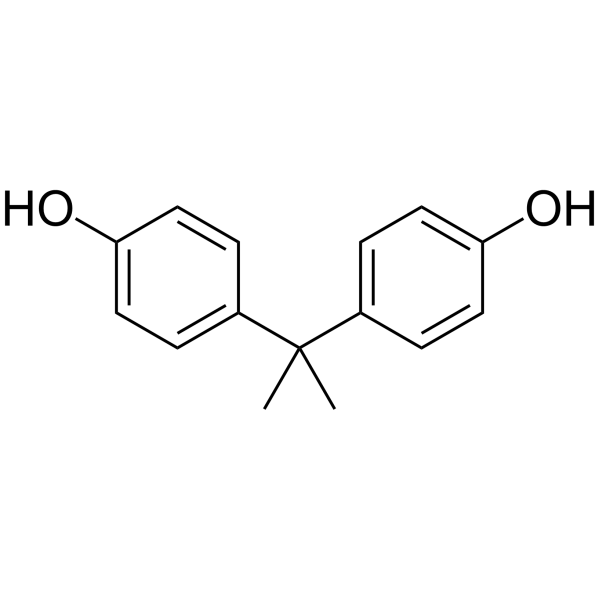
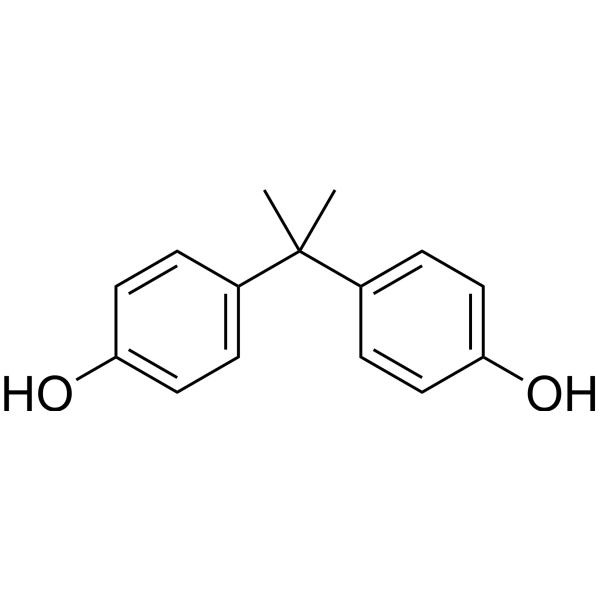
Bisphenol A is a phenolic, organic synthetic compound widely used in the production of polycarbonate plastics and epoxy resins. Bisphenol A is a reproductive, developmental, and systemic toxicant, often classified as an endocrine-disrupting compound (EDC). Bisphenol A is associated with many diseases, including cancers, cardiovascular diseases, respiratory diseases, diabetes, kidney diseases, obesity, and reproductivedisorders .
|
-
-
- HY-18260S2
-
|
|
Isotope-Labeled Compounds
Reactive Oxygen Species (ROS)
p38 MAPK
Apoptosis
Akt
Endogenous Metabolite
|
Metabolic Disease
|
|
Bisphenol A- 13C12 is the 13C-labeled Bisphenol A (HY-18260). Bisphenol A is a phenolic, organic synthetic compound widely used in the production of polycarbonate plastics and epoxy resins. Bisphenol A is a reproductive, developmental, and systemic toxicant, often classified as an endocrine-disrupting compound (EDC). Bisphenol A is associated with many diseases, including cancers, cardiovascular diseases, respiratory diseases, diabetes, kidney diseases, obesity, and reproductivedisorders .
|
-

-
- HY-18260S
-
|
|
Endogenous Metabolite
|
Metabolic Disease
|
|
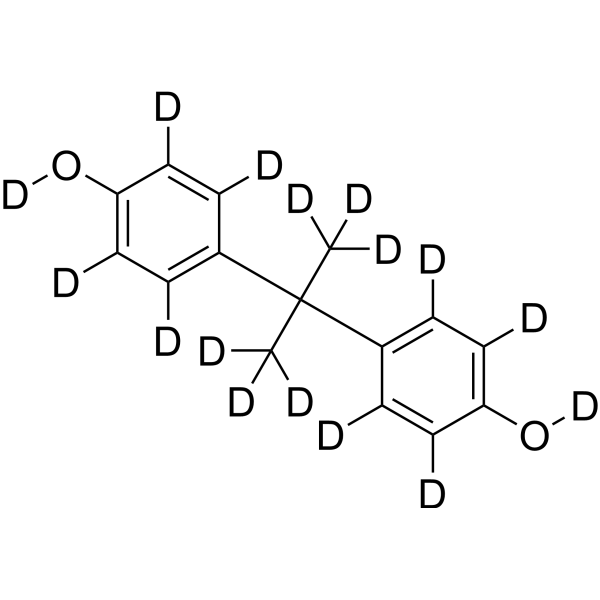
Bisphenol A-d16 is the deuterium labeled Bisphenol A . Bisphenol A is a phenolic, organic synthetic compound widely used in the production of polycarbonate plastics and epoxy resins. Bisphenol A is a reproductive, developmental, and systemic toxicant, often classified as an endocrine-disrupting compound (EDC). Bisphenol A is associated with many diseases, including cardiovascular diseases, respiratory diseases, diabetes, kidney diseases, obesity, and reproductivedisorders .
|
-
-
- HY-W093282
-
|
Soybean oil epoxide
|
Environmental Pollutants
Biochemical Assay Reagents
|
Others
|
|
Epoxidized soya bean oil (ESBO) is a vegetable oil-derived organic compound used as a plasticizer and stabilizer in various applications. It is produced by epoxidation of soybean oil, which introduces epoxy groups into the fatty acid chains of the oil. ESBO is a viscous, pale yellow liquid that is soluble in many organic solvents, such as chloroform and ethanol, but insoluble in water. It is commonly used as a plasticizer in polyvinyl chloride (PVC) products, including toys, food packaging materials and medical devices. In addition to its plasticizing properties, ESBO acts as an antioxidant and UV stabilizer, helping to prevent degradation and discoloration of PVC products over time. ESBOs have been investigated for their potential use in biodegradable plastics and as bio-based alternatives to traditional petroleum-derived plasticizers.
|
-
-
- HY-18260S1
-
|
|
Isotope-Labeled Compounds
Endogenous Metabolite
|
Endocrinology
|
|
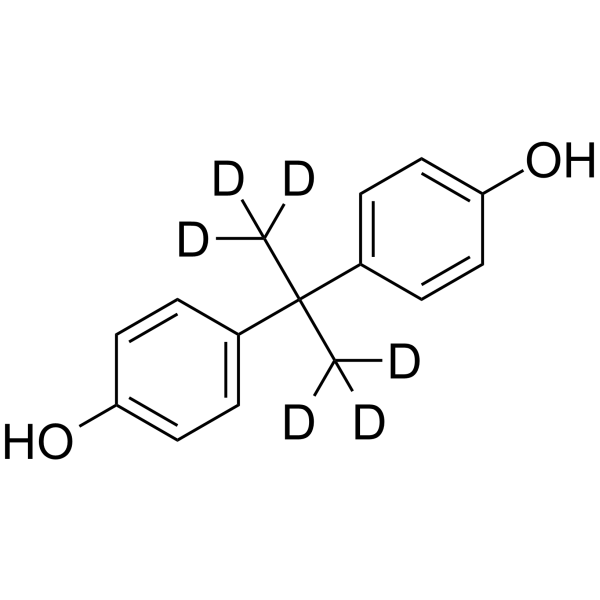
Bisphenol A-d6 is the deuterium labeled Bisphenol A. Bisphenol A is a phenolic, organic synthetic compound widely used in the production of polycarbonate plastics and epoxy resins. Bisphenol A is a reproductive, developmental, and systemic toxicant, often classified as an endocrine-disrupting compound (EDC). Bisphenol A is associated with many diseases, including cardiovascular diseases, respiratory diseases, diabetes, kidney diseases, obesity, and reproductivedisorders .
|
-
-
- HY-18260R
-
|
|
Endogenous Metabolite
Reference Standards
|
Metabolic Disease
|
|
Bisphenol A (Standard) is the analytical standard of Bisphenol A. This product is intended for research and analytical applications. Bisphenol A is a phenolic, organic synthetic compound widely used in the production of polycarbonate plastics and epoxy resins. Bisphenol A is a reproductive, developmental, and systemic toxicant, often classified as an endocrine-disrupting compound (EDC). Bisphenol A is associated with many diseases, including cardiovascular diseases, respiratory diseases, diabetes, kidney diseases, obesity, and reproductivedisorders .
|
-
-
- HY-W130074
-
|
|
Endogenous Metabolite
Drug Intermediate
Cytochrome P450
|
Metabolic Disease
|
|
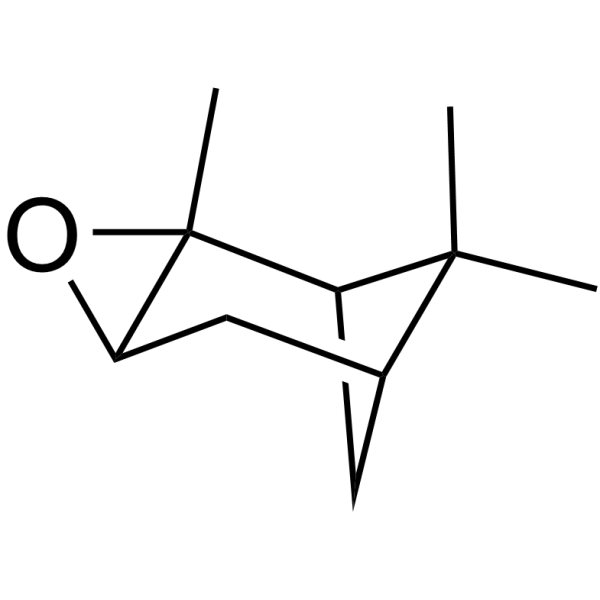
α-Pinene oxide is a type of monoterpene epoxidation intermediate. α-Pinene oxide is produced via the cytochrome P-450-mediated oxidation pathway in Dendroctonus terebrans body microsomes and rat liver microsomes, and can be further converted into alcohols, ketones and insect pheromone derivatives. α-Pinene oxide can generate the perfume intermediate myrtenal. α-Pinene oxide is used in studies related to terpenoid metabolism and perfume synthesis .
|
-
-
- HY-18260S6
-
|
|
Isotope-Labeled Compounds
Endogenous Metabolite
|
Metabolic Disease
|
|
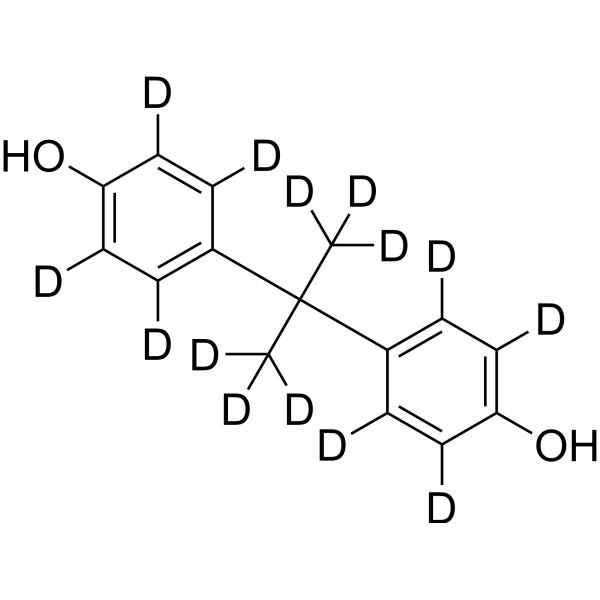
Bisphenol A-d14 is a deuterium labeled Bisphenol A (HY-18260). Bisphenol A is a phenolic, organic synthetic compound widely used in the production of polycarbonate plastics and epoxy resins. Bisphenol A is a reproductive, developmental, and systemic toxicant, often classified as an endocrine-disrupting compound (EDC). Bisphenol A is associated with many diseases, including cardiovascular diseases, respiratory diseases, diabetes, kidney diseases, obesity, and reproductivedisorders .
|
-
-
- HY-W051391
-
|
Me3TACN
|
Biochemical Assay Reagents
|
Others
|
|
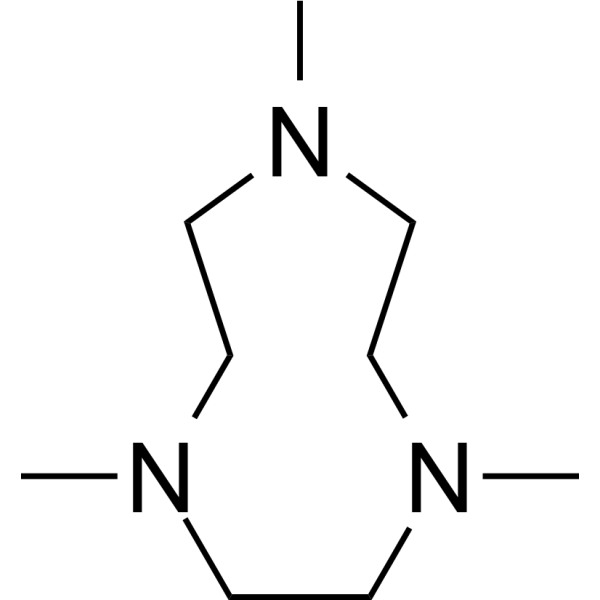
1,4,7-Trimethyl-1,4,7-triazonane, also known as TMT or trimethylenetris(aziridine), is a cyclic organic compound. TMT is commonly used as a crosslinking agent and a precursor for polymer and resin synthesis. In addition, it is used as a stabilizer in the production of polyurethane foam and as a curing agent for epoxy resins. Due to its high reactivity and stability, TMT is considered to be a versatile and efficient reagent in various applications.
|
-
-
- HY-W097753
-
|
4-Methoxydiphenylmethane
|
Aminopeptidase
|
Others
|
|
4-MDM (4-Methoxydiphenylmethane) is an orally active anti-inflammatory compound that selectively enhances the Leukotriene A4 Hydrolase (LTA4H) aminopeptidase enzyme activity. 4-MDM reduces the neutrophil recruitment in the lung by enhancing the degradation of proline-glycine-proline by LTA4H, thereby reducing inflammation, and does not affect the epoxy-hydrolase activity of LTA4H. 4-MDM can be used for research on lung diseases .
|
-

-
- HY-N10854
-
|
|
Others
|
Others
|
|
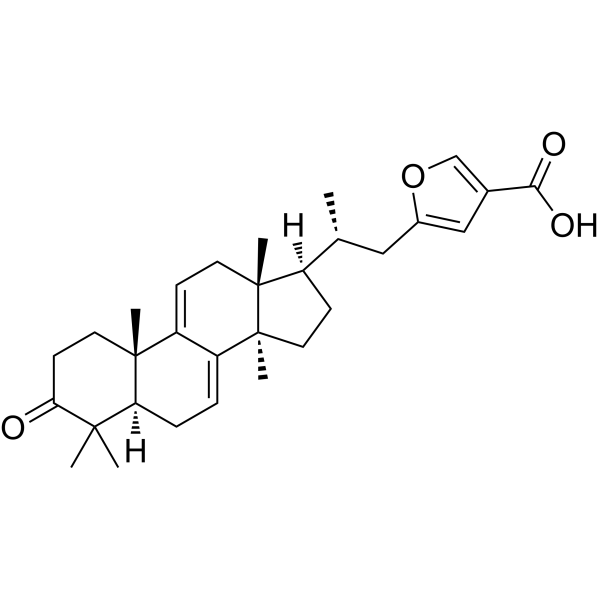
Lanosta-7,9(11),23,25(27)-tetraen-26-oic acid, 23,27-epoxy-3-oxo- is a lanosterane type compound. Lanosta-7,9(11),23,25(27)-tetraen-26-oic acid, 23,27-epoxy-3-oxo- can be isolated from Tu-Jin-Pi (the root bark of Pseudolarix kaempferi) .
|
-
-
- HY-18260S3
-
|
|
Endogenous Metabolite
|
Metabolic Disease
|
|
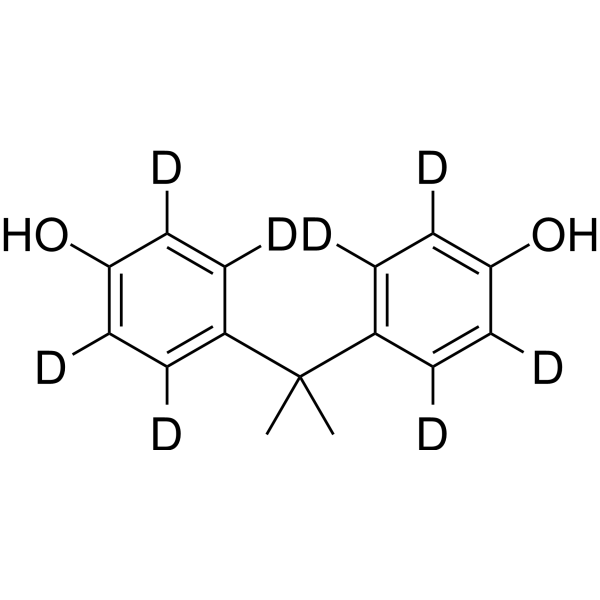
Bisphenol A-d8 is the deuterium labeled Bisphenol A . Bisphenol A is a phenolic, organic synthetic compound widely used in the production of polycarbonate plastics and epoxy resins. Bisphenol A is a reproductive, developmental, and systemic toxicant, often classified as an endocrine-disrupting compound (EDC). Bisphenol A is associated with many diseases, including cardiovascular diseases, respiratory diseases, diabetes, kidney diseases, obesity, and reproductivedisorders .
|
-
-
- HY-18260S4
-
|
|
Endogenous Metabolite
|
Metabolic Disease
|
|
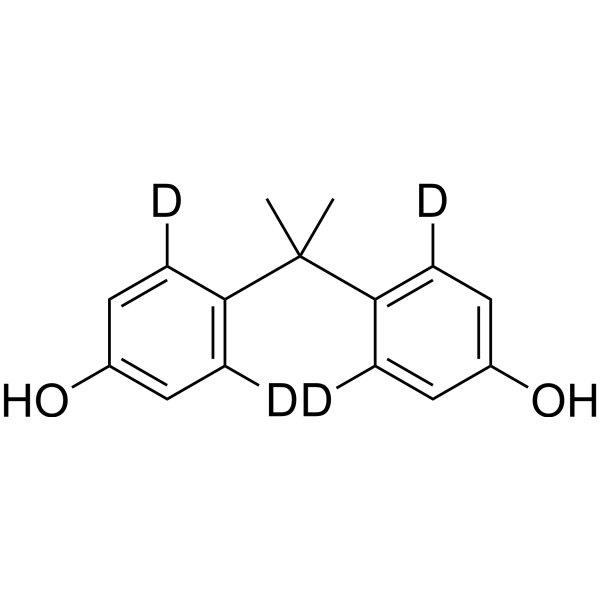
Bisphenol A-d4 is the deuterium labeled Bisphenol A . Bisphenol A is a phenolic, organic synthetic compound widely used in the production of polycarbonate plastics and epoxy resins. Bisphenol A is a reproductive, developmental, and systemic toxicant, often classified as an endocrine-disrupting compound (EDC). Bisphenol A is associated with many diseases, including cardiovascular diseases, respiratory diseases, diabetes, kidney diseases, obesity, and reproductivedisorders .
|
-
-
- HY-W111881
-
-

-
- HY-N8666
-
-
-
- HY-168364
-
|
|
Wnt
β-catenin
Drug Derivative
|
Neurological Disease
|
|
1(R),2(S)-epoxy Cannabidiol (Compound 2a) is a structural analogue of phytocannabinoidsphytocannabinoids. 1(R),2(S)-epoxy Cannabidiol exhibits potent inhibitory activity against Wnt/β-catenin pathway. 1(R),2(S)-epoxy Cannabidiol is promising for research of neuroprotective agents .
|
-

-
- HY-N16665
-
|
|
Bacterial
|
Infection
Inflammation/Immunology
|
|
6α,11,12-Trihydroxy-7β,20-epoxy-8,11,13-abietatriene (Compound 6) is a diterpenoid found in Premna obtusifolia with antibacterial activity. 6α,11,12-Trihydroxy-7β,20-epoxy-8,11,13-abietatriene can significantly inhibit the release of the inflammatory mediator NO, with an IC50 value of 29.1 μM. 6α,11,12-Trihydroxy-7β,20-epoxy-8,11,13-abietatriene can be used for the researches of infection and inflammation .
|
-

-
- HY-18260S5
-
|
|
Endogenous Metabolite
|
Metabolic Disease
|
|
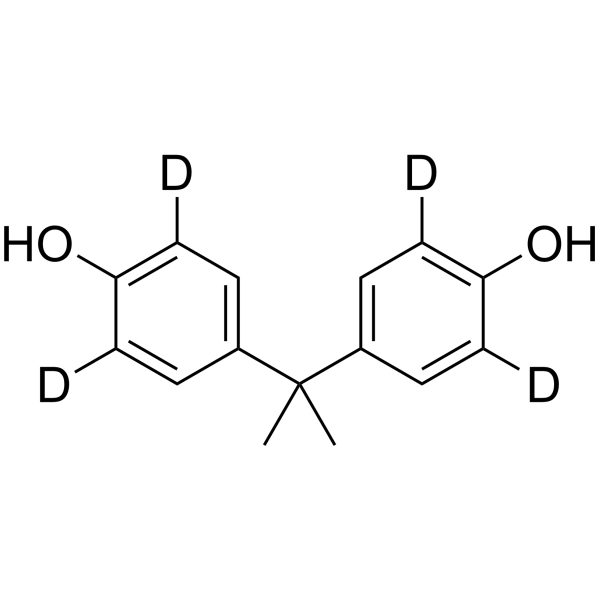
Bisphenol A-d4-1 is the deuterium labeled Bisphenol A . Bisphenol A is a phenolic, organic synthetic compound widely used in the production of polycarbonate plastics and epoxy resins. Bisphenol A is a reproductive, developmental, and systemic toxicant, often classified as an endocrine-disrupting compound (EDC). Bisphenol A is associated with many diseases, including cardiovascular diseases, respiratory diseases, diabetes, kidney diseases, obesity, and reproductivedisorders .
|
-
-
- HY-W011188S
-
|
|
Isotope-Labeled Compounds
Biochemical Assay Reagents
|
Others
|
|
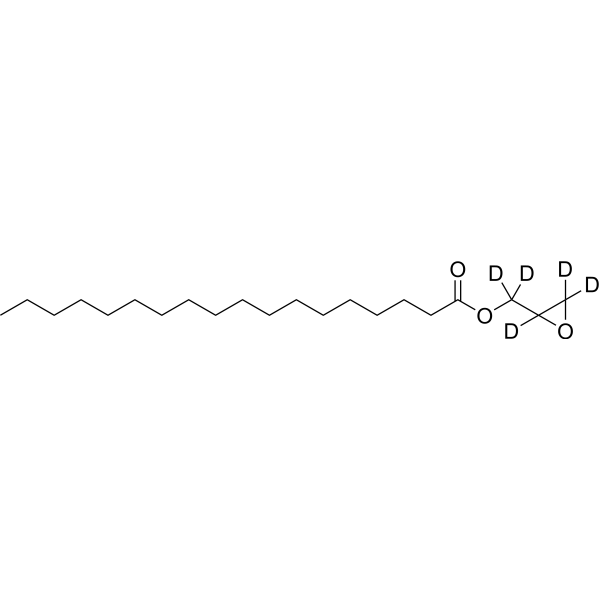
Glycidyl stearate-d5 is a deuterium labeled Glycidyl stearate (HY-W011188). Oxiran-2-ylmethyl stearate is a compound belonging to the class of esters. It contains reactive oxirane or epoxy groups that give the molecule its unique properties. Oxiran-2-ylmethyl stearate is derived from stearic acid and epichlorohydrin, which are naturally occurring substances. Glycidyl stearate is commonly used in various industrial applications such as the production of coatings, adhesives and surfactants. It can also be used as a crosslinking agent in the manufacture of polymers and resins.
|
-
-
- HY-W747639
-
|
|
Isotope-Labeled Compounds
Biochemical Assay Reagents
|
Others
|
|
Glycidyl Stearate- 13C3 is 13C labeled Glycidyl stearate. Oxiran-2-ylmethyl stearate is a compound belonging to the class of esters. It contains reactive oxirane or epoxy groups that give the molecule its unique properties. Oxiran-2-ylmethyl stearate is derived from stearic acid and epichlorohydrin, which are naturally occurring substances. Glycidyl stearate is commonly used in various industrial applications such as the production of coatings, adhesives and surfactants. It can also be used as a crosslinking agent in the manufacture of polymers and resins .
|
-

-
- HY-W701446
-
|
|
Isotope-Labeled Compounds
Biochemical Assay Reagents
|
Others
|
|
Oxiran-2-ylmethyl octadecanoate-d35 is the deuterium labeled Glycidyl stearate (HY-W011188). Oxiran-2-ylmethyl stearate is a compound belonging to the class of esters. It contains reactive oxirane or epoxy groups that give the molecule its unique properties. Oxiran-2-ylmethyl stearate is derived from stearic acid and epichlorohydrin, which are naturally occurring substances. Glycidyl stearate is commonly used in various industrial applications such as the production of coatings, adhesives and surfactants. It can also be used as a crosslinking agent in the manufacture of polymers and resins.
|
-

-
- HY-N9165
-
|
|
Others
|
Others
|
|
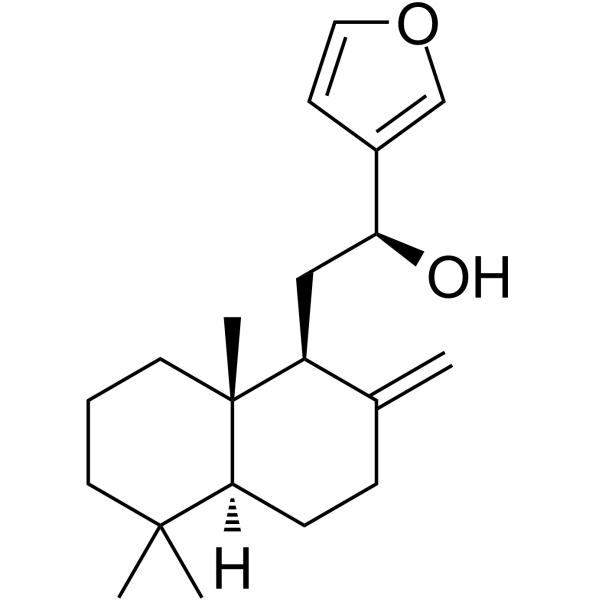
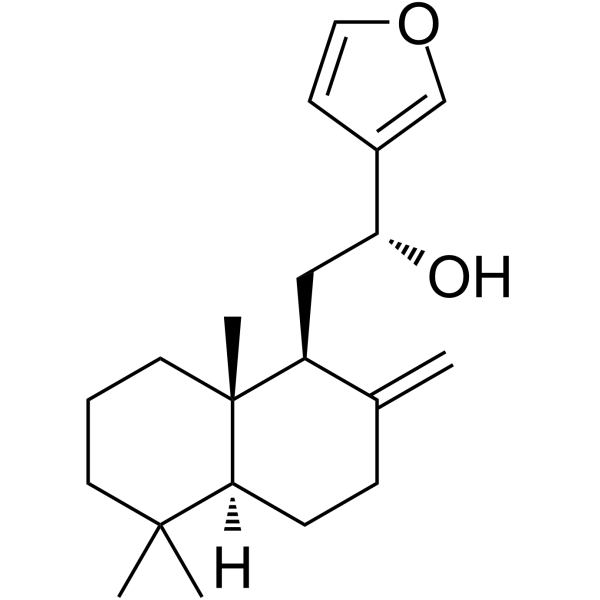
15,16-Epoxy-12R-hydroxylabda-8(17),13(16),14-triene is a compound isolated from the seeds of Aframomum aulacocarpos .
|
-
-
- HY-N17291
-
|
|
Drug Derivative
|
Others
|
|
2,6,2',6'-Tetramethoxy-4,4'-bis(2,3-epoxy-1-hydroxypropyl)biphenyl (compound 1) is a biphenylneolignan that can be found in the roots of Cynanchum atratum .
|
-

-
- HY-N16948
-
|
|
Drug Derivative
|
Others
|
|
1,5-Epoxy-3-hydroxy-1-(3,4-dihydroxy-5-methoxyphenyl)-7-(4-hydroxy-3-methoxyphenyl)heptane is a natural phenolic compound.
|
-

-
- HY-N17120
-
|
|
Drug Derivative
|
Others
|
|
1,5-Epoxy-3-hydroxy-1-(4-hydroxy-3,5-dimethoxyphenyl)-7-(4-hydroxy-3-methoxyphenyl)heptane is a natural phenolic compound.
|
-

-
- HY-N13704
-
|
|
Others
|
Others
|
|
(19S,23E)-5β,19-Epoxy-19-methoxycucurbita-6,23,25-trien-3β-ol is an active compound.
|
-

-
- HY-N9284
-
|
|
Others
|
Cancer
|
|
5,19-Epoxy-19R,25-dimethoxycucurbita-6,23-dien-3-ol is a triterpenoid compound derived from Momordica charantia with antitumor activity, exhibiting an IC50 of 32.52 μM against U937 cells. 5,19-Epoxy-19R,25-dimethoxycucurbita-6,23-dien-3-ol shows promise for research in the field of cancer .
|
-

-
- HY-N16948A
-
|
|
Drug Derivative
|
Others
|
|
(R)-1,5-Epoxy-3-hydroxy-1-(3,4-dihydroxy-5-methoxyphenyl)-7-(4-hydroxy-3-methoxyphenyl)heptane is a natural phenolic compound.
|
-

-
- HY-W401062
-
|
1,2-epoxytridecane
|
Biochemical Assay Reagents
|
Others
|
|
2-Undecyloxirane (1,2-Epoxytridecane) is a chemical reagent featuring an epoxy group on a C11 chain. The epoxy group undergoes ring opening in the presence of nucleophiles to form a branched structure containing a secondary alcohol. Compounds such as this may be used as intermediates in building lipids for use in lipid nanoparticles.
|
-

-
- HY-N16986
-
|
|
Others
|
Others
|
|
6α,7α-Epoxy-5β-hydroxy-12-deoxyphorbol-13-decanoate is a tigliane-type diterpene ester compound, and its series of compounds possess cytotoxic and antitumor biological activities. 6α,7α-Epoxy-5β-hydroxy-12-deoxyphorbol-13-decanoate can be naturally extracted from the dried roots of Pimelea elongata .
|
-

-
- HY-N16980
-
|
|
TGF-beta/Smad
|
Inflammation/Immunology
|
|
(7'E,8S)-2',4,8-Trihydroxy-3-methoxy-2,4'-epoxy-8,5'-neolign-7'-en-7-one (compound 4) is a novel neolignan anti-inflammatory agent. (7'E,8S)-2',4,8-Trihydroxy-3-methoxy-2,4'-epoxy-8,5'-neolign-7'-en-7-one has an IC50 of 25.2 μM against TGF-β-induced hepatic stellate cells (HSC-T6). (7'E,8S)-2',4,8-Trihydroxy-3-methoxy-2,4'-epoxy-8,5'-neolign-7'-en-7-one may be related to blocking excessive cell proliferation in the process of liver fibrosis and can be used in the study of liver fibrosis-related diseases. (7'E,8S)-2',4,8-Trihydroxy-3-methoxy-2,4'-epoxy-8,5'-neolign-7'-en-7-one can be naturally extracted from the dried aerial parts of Penthorum chinense Pursh .
|
-

-
- HY-W587442
-
|
|
Estrogen Receptor/ERR
|
Cancer
|
|
3-Chlorobisphenol A, a chlorinated derivatives of bisphenol A, is an endocrine-disrupting compound. It binds to estrogen receptors, causing disorders in hormone signaling pathways. Bisphenol A is an industrial chemical used in the production of polycarbonate plastics and epoxy resin.
|
-

-
- HY-W778391
-
|
|
Isotope-Labeled Compounds
Endogenous Metabolite
|
Cardiovascular Disease
Endocrinology
|
|
Bisphenol A- 13C2 is 13C labeled Bisphenol A. Bisphenol A is a phenolic, organic synthetic compound widely used in the production of polycarbonate plastics and epoxy resins. Bisphenol A is a reproductive, developmental, and systemic toxicant, often classified as an endocrine-disrupting compound (EDC). Bisphenol A is associated with many diseases, including cardiovascular diseases, respiratory diseases, diabetes, kidney diseases, obesity, and reproductivedisorders .
|
-

-
- HY-W130074R
-
|
|
Reference Standards
Endogenous Metabolite
Drug Intermediate
Cytochrome P450
|
Metabolic Disease
|
|
α-Pinene oxide (Standard) is the analytical standard of α-Pinene oxide (HY-W130074). This product is intended for research and analytical applications. α-Pinene oxide is a type of monoterpene epoxidation intermediate. α-Pinene oxide is produced via the cytochrome P-450-mediated oxidation pathway in Dendroctonus terebrans body microsomes and rat liver microsomes, and can be further converted into alcohols, ketones and insect pheromone derivatives. α-Pinene oxide can generate the perfume intermediate myrtenal. α-Pinene oxide is used in studies related to terpenoid metabolism and perfume synthesis .
|
-

| Cat. No. |
Product Name |
Type |
-
- HY-W093282
-
|
Soybean oil epoxide
|
Biochemical Assay Reagents
|
|
Epoxidized soya bean oil (ESBO) is a vegetable oil-derived organic compound used as a plasticizer and stabilizer in various applications. It is produced by epoxidation of soybean oil, which introduces epoxy groups into the fatty acid chains of the oil. ESBO is a viscous, pale yellow liquid that is soluble in many organic solvents, such as chloroform and ethanol, but insoluble in water. It is commonly used as a plasticizer in polyvinyl chloride (PVC) products, including toys, food packaging materials and medical devices. In addition to its plasticizing properties, ESBO acts as an antioxidant and UV stabilizer, helping to prevent degradation and discoloration of PVC products over time. ESBOs have been investigated for their potential use in biodegradable plastics and as bio-based alternatives to traditional petroleum-derived plasticizers.
|
-
- HY-W051391
-
|
Me3TACN
|
Biochemical Assay Reagents
|
|
1,4,7-Trimethyl-1,4,7-triazonane, also known as TMT or trimethylenetris(aziridine), is a cyclic organic compound. TMT is commonly used as a crosslinking agent and a precursor for polymer and resin synthesis. In addition, it is used as a stabilizer in the production of polyurethane foam and as a curing agent for epoxy resins. Due to its high reactivity and stability, TMT is considered to be a versatile and efficient reagent in various applications.
|
| Cat. No. |
Product Name |
Category |
Target |
Chemical Structure |
-
- HY-18260
-
|
|
Structural Classification
Classification of Application Fields
Phenols
Polyphenols
Endogenous metabolite
Disease Research Fields
Endocrinology
|
Environmental Pollutants
Endogenous Metabolite
Apoptosis
Reactive Oxygen Species (ROS)
p38 MAPK
Akt
|
|
Bisphenol A is a phenolic, organic synthetic compound widely used in the production of polycarbonate plastics and epoxy resins. Bisphenol A is a reproductive, developmental, and systemic toxicant, often classified as an endocrine-disrupting compound (EDC). Bisphenol A is associated with many diseases, including cancers, cardiovascular diseases, respiratory diseases, diabetes, kidney diseases, obesity, and reproductivedisorders .
|
-
-
- HY-18260R
-
|
|
Structural Classification
Classification of Application Fields
Phenols
Polyphenols
Endogenous metabolite
Disease Research Fields
Endocrinology
Source Classification
|
Endogenous Metabolite
Reference Standards
|
|
Bisphenol A (Standard) is the analytical standard of Bisphenol A. This product is intended for research and analytical applications. Bisphenol A is a phenolic, organic synthetic compound widely used in the production of polycarbonate plastics and epoxy resins. Bisphenol A is a reproductive, developmental, and systemic toxicant, often classified as an endocrine-disrupting compound (EDC). Bisphenol A is associated with many diseases, including cardiovascular diseases, respiratory diseases, diabetes, kidney diseases, obesity, and reproductivedisorders .
|
-
-
- HY-W130074
-
-
-
- HY-N10854
-
|
|
Triterpenes
Pinaceae
Terpenoids
Pseudolarix amabilis (J. Nelson) Rehder
Plants
Source Classification
|
Others
|
|
Lanosta-7,9(11),23,25(27)-tetraen-26-oic acid, 23,27-epoxy-3-oxo- is a lanosterane type compound. Lanosta-7,9(11),23,25(27)-tetraen-26-oic acid, 23,27-epoxy-3-oxo- can be isolated from Tu-Jin-Pi (the root bark of Pseudolarix kaempferi) .
|
-
-
- HY-N16665
-
|
|
Structural Classification
Premna IntegrifoliaL.
Verbenaceae
Terpenoids
Diterpenoids
Plants
Source Classification
|
Bacterial
|
|
6α,11,12-Trihydroxy-7β,20-epoxy-8,11,13-abietatriene (Compound 6) is a diterpenoid found in Premna obtusifolia with antibacterial activity. 6α,11,12-Trihydroxy-7β,20-epoxy-8,11,13-abietatriene can significantly inhibit the release of the inflammatory mediator NO, with an IC50 value of 29.1 μM. 6α,11,12-Trihydroxy-7β,20-epoxy-8,11,13-abietatriene can be used for the researches of infection and inflammation .
|
-
-
- HY-N17291
-
-
-
- HY-N16948
-
-
-
- HY-N17120
-
-
-
- HY-N13704
-
-
-
- HY-N9284
-
-
-
- HY-N16948A
-
-
-
- HY-N16986
-
-
-
- HY-N16980
-
|
|
Structural Classification
Phenols
Polyphenols
Plants
Saxifragaceae
Penthorum chinense Pursh
Source Classification
|
TGF-beta/Smad
|
|
(7'E,8S)-2',4,8-Trihydroxy-3-methoxy-2,4'-epoxy-8,5'-neolign-7'-en-7-one (compound 4) is a novel neolignan anti-inflammatory agent. (7'E,8S)-2',4,8-Trihydroxy-3-methoxy-2,4'-epoxy-8,5'-neolign-7'-en-7-one has an IC50 of 25.2 μM against TGF-β-induced hepatic stellate cells (HSC-T6). (7'E,8S)-2',4,8-Trihydroxy-3-methoxy-2,4'-epoxy-8,5'-neolign-7'-en-7-one may be related to blocking excessive cell proliferation in the process of liver fibrosis and can be used in the study of liver fibrosis-related diseases. (7'E,8S)-2',4,8-Trihydroxy-3-methoxy-2,4'-epoxy-8,5'-neolign-7'-en-7-one can be naturally extracted from the dried aerial parts of Penthorum chinense Pursh .
|
-
-
- HY-W130074R
-
-
| Cat. No. |
Product Name |
Chemical Structure |
-
- HY-18260S2
-
|
|
|
Bisphenol A- 13C12 is the 13C-labeled Bisphenol A (HY-18260). Bisphenol A is a phenolic, organic synthetic compound widely used in the production of polycarbonate plastics and epoxy resins. Bisphenol A is a reproductive, developmental, and systemic toxicant, often classified as an endocrine-disrupting compound (EDC). Bisphenol A is associated with many diseases, including cancers, cardiovascular diseases, respiratory diseases, diabetes, kidney diseases, obesity, and reproductivedisorders .
|
-
-
- HY-18260S
-
|
|
|
Bisphenol A-d16 is the deuterium labeled Bisphenol A . Bisphenol A is a phenolic, organic synthetic compound widely used in the production of polycarbonate plastics and epoxy resins. Bisphenol A is a reproductive, developmental, and systemic toxicant, often classified as an endocrine-disrupting compound (EDC). Bisphenol A is associated with many diseases, including cardiovascular diseases, respiratory diseases, diabetes, kidney diseases, obesity, and reproductivedisorders .
|
-
-
- HY-18260S1
-
|
|
|
Bisphenol A-d6 is the deuterium labeled Bisphenol A. Bisphenol A is a phenolic, organic synthetic compound widely used in the production of polycarbonate plastics and epoxy resins. Bisphenol A is a reproductive, developmental, and systemic toxicant, often classified as an endocrine-disrupting compound (EDC). Bisphenol A is associated with many diseases, including cardiovascular diseases, respiratory diseases, diabetes, kidney diseases, obesity, and reproductivedisorders .
|
-
-
- HY-18260S6
-
|
|
|
Bisphenol A-d14 is a deuterium labeled Bisphenol A (HY-18260). Bisphenol A is a phenolic, organic synthetic compound widely used in the production of polycarbonate plastics and epoxy resins. Bisphenol A is a reproductive, developmental, and systemic toxicant, often classified as an endocrine-disrupting compound (EDC). Bisphenol A is associated with many diseases, including cardiovascular diseases, respiratory diseases, diabetes, kidney diseases, obesity, and reproductivedisorders .
|
-
-
- HY-18260S3
-
|
|
|
Bisphenol A-d8 is the deuterium labeled Bisphenol A . Bisphenol A is a phenolic, organic synthetic compound widely used in the production of polycarbonate plastics and epoxy resins. Bisphenol A is a reproductive, developmental, and systemic toxicant, often classified as an endocrine-disrupting compound (EDC). Bisphenol A is associated with many diseases, including cardiovascular diseases, respiratory diseases, diabetes, kidney diseases, obesity, and reproductivedisorders .
|
-
-
- HY-18260S4
-
|
|
|
Bisphenol A-d4 is the deuterium labeled Bisphenol A . Bisphenol A is a phenolic, organic synthetic compound widely used in the production of polycarbonate plastics and epoxy resins. Bisphenol A is a reproductive, developmental, and systemic toxicant, often classified as an endocrine-disrupting compound (EDC). Bisphenol A is associated with many diseases, including cardiovascular diseases, respiratory diseases, diabetes, kidney diseases, obesity, and reproductivedisorders .
|
-
-
- HY-18260S5
-
|
|
|
Bisphenol A-d4-1 is the deuterium labeled Bisphenol A . Bisphenol A is a phenolic, organic synthetic compound widely used in the production of polycarbonate plastics and epoxy resins. Bisphenol A is a reproductive, developmental, and systemic toxicant, often classified as an endocrine-disrupting compound (EDC). Bisphenol A is associated with many diseases, including cardiovascular diseases, respiratory diseases, diabetes, kidney diseases, obesity, and reproductivedisorders .
|
-
-
- HY-W011188S
-
|
|
|
Glycidyl stearate-d5 is a deuterium labeled Glycidyl stearate (HY-W011188). Oxiran-2-ylmethyl stearate is a compound belonging to the class of esters. It contains reactive oxirane or epoxy groups that give the molecule its unique properties. Oxiran-2-ylmethyl stearate is derived from stearic acid and epichlorohydrin, which are naturally occurring substances. Glycidyl stearate is commonly used in various industrial applications such as the production of coatings, adhesives and surfactants. It can also be used as a crosslinking agent in the manufacture of polymers and resins.
|
-
-
- HY-W747639
-
|
|
|
Glycidyl Stearate- 13C3 is 13C labeled Glycidyl stearate. Oxiran-2-ylmethyl stearate is a compound belonging to the class of esters. It contains reactive oxirane or epoxy groups that give the molecule its unique properties. Oxiran-2-ylmethyl stearate is derived from stearic acid and epichlorohydrin, which are naturally occurring substances. Glycidyl stearate is commonly used in various industrial applications such as the production of coatings, adhesives and surfactants. It can also be used as a crosslinking agent in the manufacture of polymers and resins .
|
-
-
- HY-W701446
-
|
|
|
Oxiran-2-ylmethyl octadecanoate-d35 is the deuterium labeled Glycidyl stearate (HY-W011188). Oxiran-2-ylmethyl stearate is a compound belonging to the class of esters. It contains reactive oxirane or epoxy groups that give the molecule its unique properties. Oxiran-2-ylmethyl stearate is derived from stearic acid and epichlorohydrin, which are naturally occurring substances. Glycidyl stearate is commonly used in various industrial applications such as the production of coatings, adhesives and surfactants. It can also be used as a crosslinking agent in the manufacture of polymers and resins.
|
-
-
- HY-W778391
-
|
|
|
Bisphenol A- 13C2 is 13C labeled Bisphenol A. Bisphenol A is a phenolic, organic synthetic compound widely used in the production of polycarbonate plastics and epoxy resins. Bisphenol A is a reproductive, developmental, and systemic toxicant, often classified as an endocrine-disrupting compound (EDC). Bisphenol A is associated with many diseases, including cardiovascular diseases, respiratory diseases, diabetes, kidney diseases, obesity, and reproductivedisorders .
|
-
Your information is safe with us. * Required Fields.
Inquiry Information
- Product Name:
- Cat. No.:
- Quantity:
- MCE Japan Authorized Agent:








