



Pinaceae
-
- Pseudolarix amabilis (J. Nelson) Rehder (24)
- Cedrus deodara (Roxburgh) G. Don (13)
- Pinus yunnanensis Franch. (12)
- Pinus massoniana Lamb. (6)
- Pinus armandii (5)
- Pinus koraiensis Siebold et Zuccarini (5)
- Picea abies (L.) H. Karsten (4)
- Picea obovata Ledeb. (3)
- Pinus pumila (Pall.) Regel (3)
- Pinus sylvestris L. (3)
- Tsuga dumosa (3)
- Larix olgensis A. Henry (2)
- Picea schrenkiana Fisch. et Mey. (2)
- Pinus nigra Arn. (2)
- Pinus strobusLinn. (2)
- Larch resin (2)
- Abies amabilis Parl. (1)
- Pinus pinaster. (1)
- Abies delavayi Franch. (1)
- Abies ernestii Rehder (1)
- Abies holophylla Maxim. (1)
- Abies pinsapo Boiss. (1)
- Abies recurvata Mast. (1)
- Abies sachalinensis (F.Schmidt) Mast. (1)
- Abies (1)
- Cedrus atlantica (Endlicher) Manetti ex Carriere (1)
- Larix decidua Miller (1)
- Larix gmelinii var. gmelinii (1)
- Larix kaempferi (Lamb.) Carrière (1)
- Larix laricina (Du Roi) K.Koch (1)
- Larix sibirica Ledeb. (1)
- Picea sitchensis (Bong.) Carrière (1)
- Picea asperata Mast. (1)
- Pinus eldarica (1)
- Pinus leiophylla Schiede ex Schltdl. & Cham. (1)
- Pinus merkusii Jungh. & de Vriese (1)
- Pinus morrisonicola Hayata (1)
- Pinus ponderosa Douglas ex C. Lawson (1)
- Pinus radiata D. Don (1)
- Pinus sylvestris Linn. var. mongolica Litv. (1)
- Pinus thunbergii Parlatore (1)
- Pseudotsuga menziesii (Mirb.) Franco (1)
- Pseudotsuga sinensis Dode (1)
- Tsuga chinensis (Franch.) Pritz. (1)
- Colophony (1)
-
Pinaceae (130)

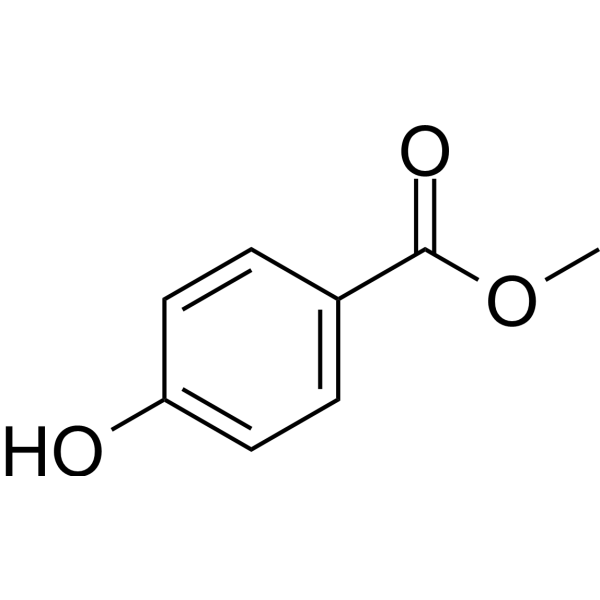
- Formula: C8H8O3
- Molecular Weight: 152.15
Methyl Paraben is a standardized methyl paraben allergen isolated from Yunnan hemlock (Tsuga dumosa). Methyl Paraben is commonly used as a stable, non-volatile preservative. Methyl Paraben increases histamine release and cellular regulation of immunity, blocks sodium channels, and prevents ischemia-reperfusion injury.
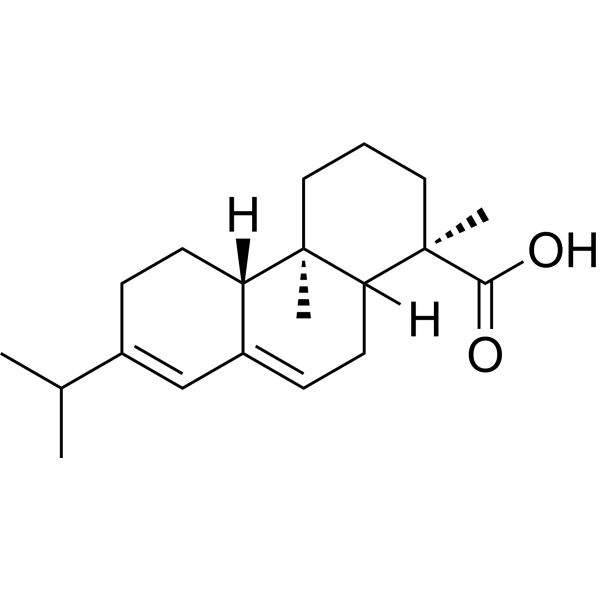
- Formula: C20H30O2
- Molecular Weight: 302.45
Abietic acid, an orally active diterpene isolated from Colophony, displays significant anti-proliferative, anti-inflammatory, anti-obesity effect, bacteriostatic, cell cycle arresting and pro-apoptotic activities. Abietic acid inhibits lipoxygenase activity for allergy. Abietic acid enhances cell migration and tube formation in HUVECs. Abietic acid induces significant angiogenic potential, which is associated with upregulation of extracellular signal-regulated kinase (ERK) and p38 expression. Abietic acid attenuates sepsis-induced lung injury by inhibiting nuclear factor kappa-light-chain-enhancer of activated B cells (NF-κB) pathway to inhibit M1 macrophage polarization. Abietic acid exhibits a positive effect against liver injury by attenuating inflammation and ferroptosis. Abietic acid shows accelerated wound closure in a mouse model of cutaneous wounds. Abietic acid significantly reduces the proliferation and growth of NSCLC cells by IKKβ inhibition.Additionally, Abietic acid ameliorates psoriasis-like inflammation and modulates gut microbiota in mice. Abietic acid is promising for research in non-small-cell lung cancer (NSCLC), liver injury-related deseases and psoriasis.
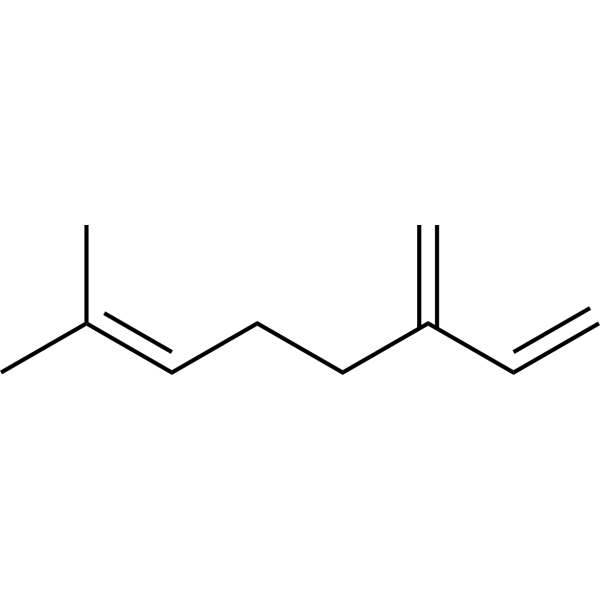
- Formula: C10H16
- Molecular Weight: 136.23
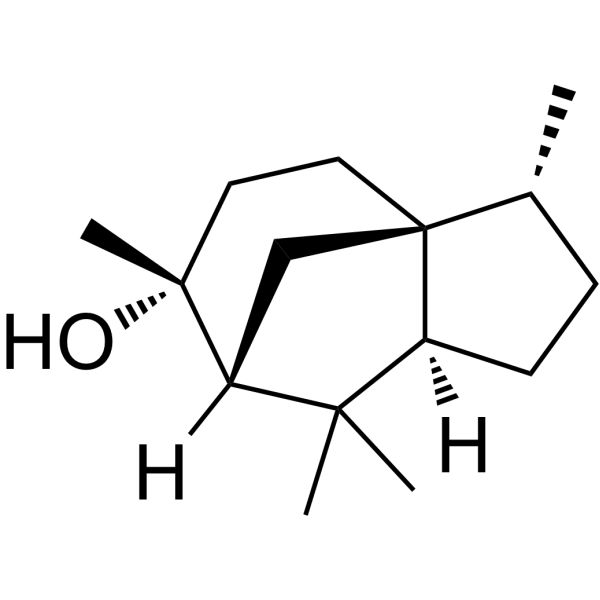
- Formula: C15H26O
- Molecular Weight: 222.37
Cedrol is a potent competitive inhibitor of cytochrome P-450(CYP) enzyme. Cedrol plays an anticancer role by inducing cell cycle arrest and Caspase-dependent apoptosis. Cedrol acts as a neutrophil agonist that can desensitize cells to subsequent stimulation of N-formyl peptides. Cedrol prevents neuropathic pain caused by chronic contractile injury by inhibiting oxidative stress and inflammation. In addition, Cedrol has antibacterial, hair loss prevention and anti-anxiety properties.
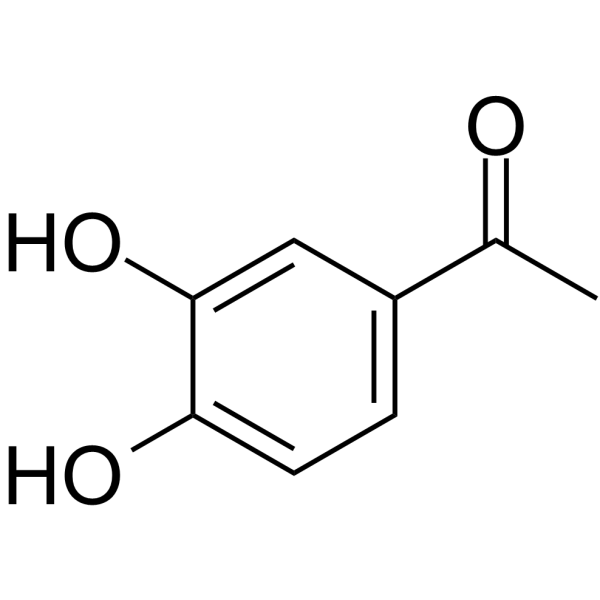
- Formula: C8H8O3
- Molecular Weight: 152.15
3',4'-Dihydroxyacetophenone (3,4-DHAP) is a phenolic compound with oral bioavailability, possessing potent antioxidant, anti-inflammatory, anticancer and cardiovascular protective activities. 3',4'-Dihydroxyacetophenone inhibits mushroom Tyrosinase activity with an IC50 of 10 μM, thereby suppressing melanogenesis. 3',4'-Dihydroxyacetophenone inhibits platelet aggregation in platelet-rich plasma. 3',4'-Dihydroxyacetophenone reduces ROS levels in human umbilical vein endothelial cells treated with high glucose, upregulates the expression of Nrf2, HO-1 and PARP-1 in cells, and promotes the nuclear translocation of Nrf2. 3',4'-Dihydroxyacetophenone induces autophagy and apoptosis. 3',4'-Dihydroxyacetophenone inhibits seed germination/growth in most plants. 3',4'-Dihydroxyacetophenone can be used in the research of cancer, neurodegenerative diseases, non-alcoholic steatohepatitis, diabetes, obesity, skin pigmentation disorders, and cardiovascular and cerebrovascular diseases.

- Formula: C23H28O8
- Molecular Weight: 432.46
Pseudolaric Acid B (Standard) is the analytical standard of Pseudolaric Acid B. This product is intended for research and analytical applications. Pseudolaric Acid B is an orally active diterpene acid. Pseudolaric Acid B has anti-fungal, anti-fertility, anti-angiogenesis and anticancer activity, and can induce tumor cell apoptosis and autophagy. In addition, Pseudolaric Acid B can inhibit the secretion of hepatitis B virus (HBV) and has immunosuppressive effect, selectively inhibiting the proliferation of T lymphocytes and the production of IL-2.
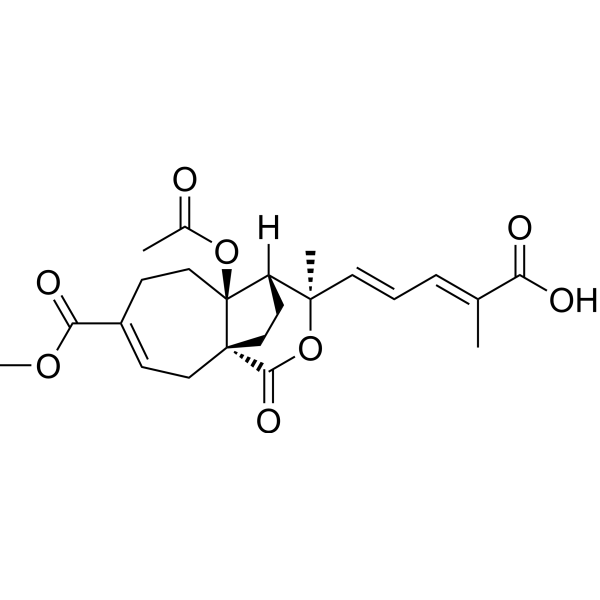
- Formula: C23H28O8
- Molecular Weight: 432.46
Pseudolaric Acid B is an orally active diterpene acid. Pseudolaric Acid B has anti-fungal, anti-fertility, anti-angiogenesis and anticancer activity, and can induce tumor cell apoptosis and autophagy. In addition, Pseudolaric Acid B can inhibit the secretion of hepatitis B virus (HBV) and has immunosuppressive effect, selectively inhibiting the proliferation of T lymphocytes and the production of IL-2.

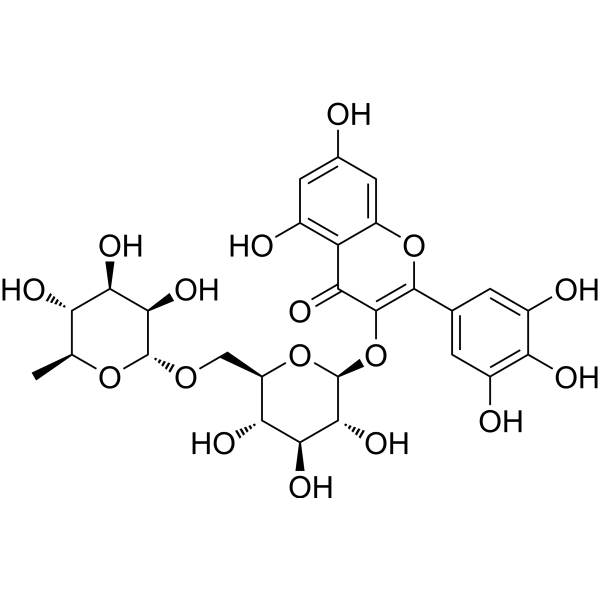
- Formula: C28H32O17
- Molecular Weight: 640.55
Laricitrin 3-rutinoside (Laricitrin 3-O-rutinoside) is a flavonol rutin. Laricitrin 3-rutinoside can be isolated from the fruits of Ginkgo biloba. Laricitrin 3-rutinoside inhibits ERK phosphorylation, reactive oxygen species (ROS) production, and matrix metalloproteinase-1 (MMP-1) secretion. Laricitrin 3-rutinoside inhibits Collagen degradation. Laricitrin 3-rutinoside reduces the secretion of proinflammatory cytokines interleukin 6 (IL-6) and interleukin 8 (IL-8). Laricitrin 3-rutinoside is applicable to research related to skin aging.

- Formula: C20H28O3
- Molecular Weight: 316.44
7α-Hydroxydehydroabietic acid is a diterpene acid that can be found in the leaves of Larix kaempferi.
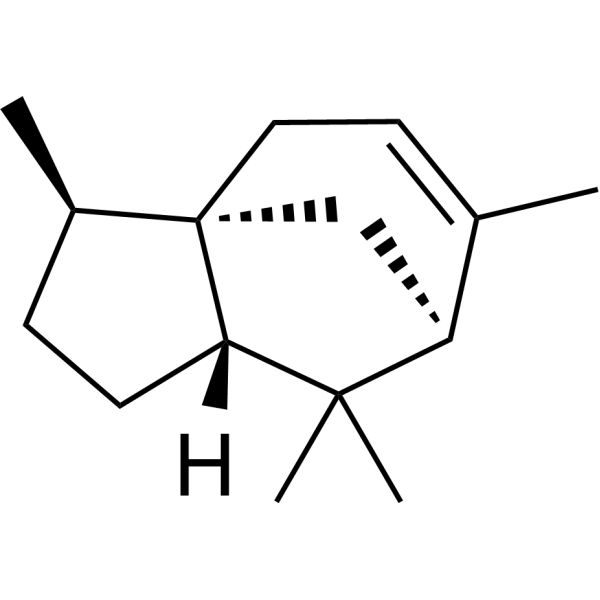
- Formula: C15H24
- Molecular Weight: 204.35
(-)-Cedrene (α-cedrene) is a major constituent that can be found in essential oils. (-)-Cedrene (α-cedrene) is a natural, orally active ligand of mouse olfactory receptor 23, which induces skeletal muscle hypertrophy in mice. (-)-Cedrene exhibits trypanocidal (Trypanosoma b. brucei) (IC50 = 4.07 μg/mL). (-)-Cedrene is antileukemic in vitro (IC50 = 22.2 μg/mL). (-)-Cedrene has antimicrobial activity against anaerobic bacteria and yeast. (-)-Cedrene exhibits anti-obesity activity.
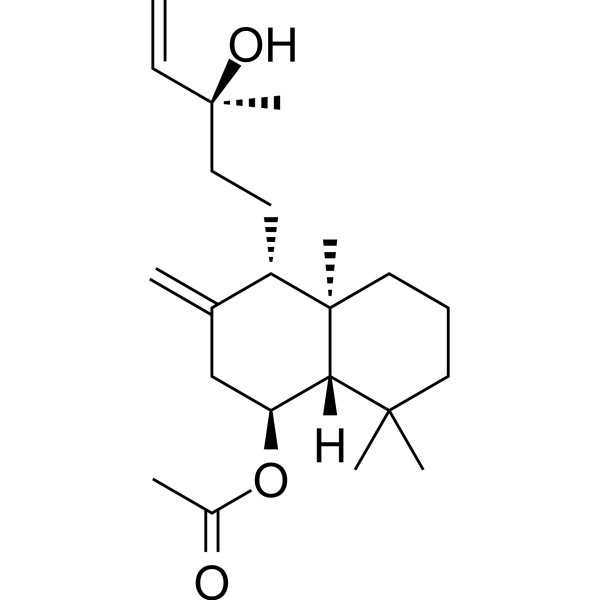
- Formula: C22H36O3
- Molecular Weight: 348.52
Larixyl acetate is a potent and selective TRPC6 inhibitor with IC50 values of 0.58 μM and 6.83 μM against hTRPC6-YFP and hTRPC3-YFP, respectively. Larixyl acetate prevents HPV and is effective in protecting against traumatic brain injury-induced systemic endothelial dysfunction.
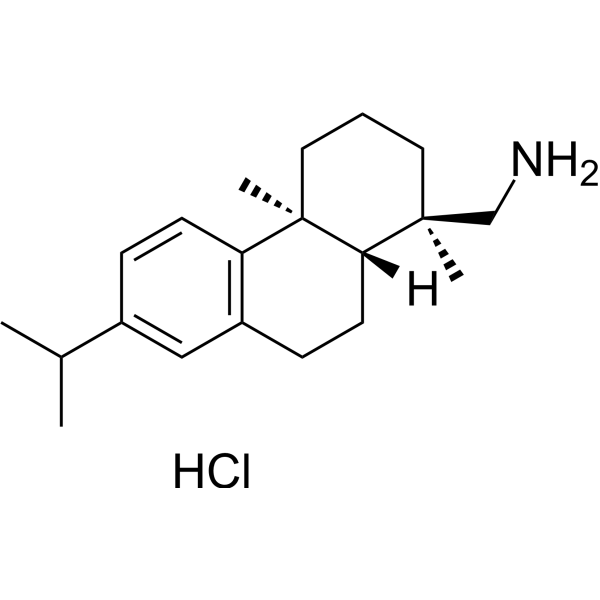
- Formula: C20H32ClN
- Molecular Weight: 321.93
Leelamine hydrochloride is an orally active weakly basic amine that inhibits NPC1 and the androgen receptor AR-V7, and acts as a cannabinoid receptor agonist. Leelamine hydrochloride also functions as a lysosome affinity agent that blocks endocytosis, disrupts autophagic flux and cholesterol transport, thereby altering the RTK-AKT/STAT/MAPK signaling cascade. Leelamine hydrochloride induces cancer cell death and autophagosome accumulation, and can be used in research related to melanoma, castration-resistant prostate cancer and breast cancer.
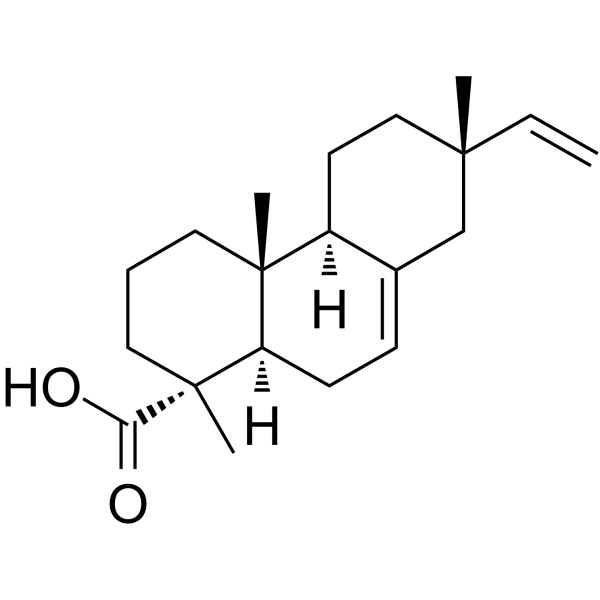
- Formula: C20H30O2
- Molecular Weight: 302.45
Isopimaric acid is a coniferous tree defense compound. Isopimaric acid binds to AKT and inhibits mTOR phosphorylation, thereby regulating the AKT/mTOR pathway. Isopimaric acid inhibits oxidative stress, inflammation, microglial migration, apoptosis, autophagic flux, ornithine decarboxylase activity, breast cancer proliferation and metastasis, and fungal spore germination. Isopimaric acid also induces M2 microglial polarization, mitochondrial damage, ROS accumulation, starvation-induced colon cancer cell apoptosis, and breast cancer cell cycle arrest. Isopimaric acid activates potassium channels, regulates sodium channels and calcium channels, reduces myocardial excitability, and improves arrhythmia. Isopimaric acid acts as an oxidative substrate for CYP6BW1/3, down-regulates PINK1/Parkin, and regulates calcium homeostasis, oxidative phosphorylation, EMT, and the Wnt pathway. Isopimaric acid exhibits activity against drug-resistant Staphylococcus aureus, repels feeding, and promotes the growth of rice seedlings. Isopimaric acid is suitable for research related to epilepsy, tumors, drug-resistant bacterial infections, atrial fibrillation, hypertension, hyperlipidemia, pulmonary tuberculosis, etc.
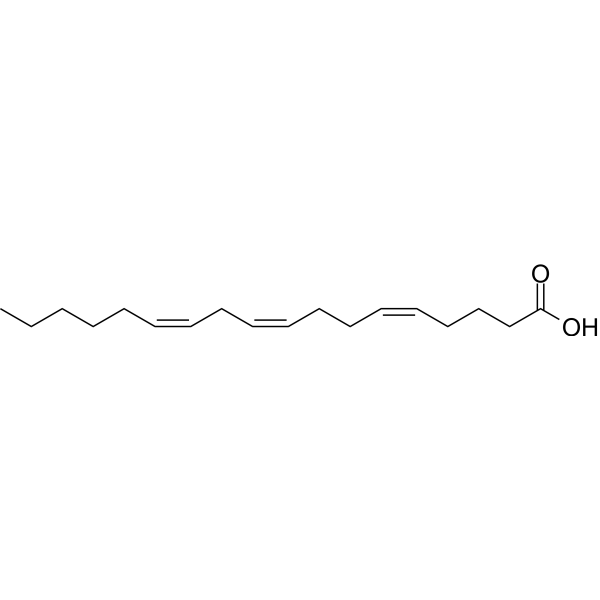
- Formula: C18H30O2
- Molecular Weight: 278.43
Pinolenic acid (PNLA) is a polyunsaturated fatty acid that can be isolated from Pinus orientalis and Pinus pinaster seed oil. Pinolenic acid has anti-inflammatory and lipid-lowering activities.
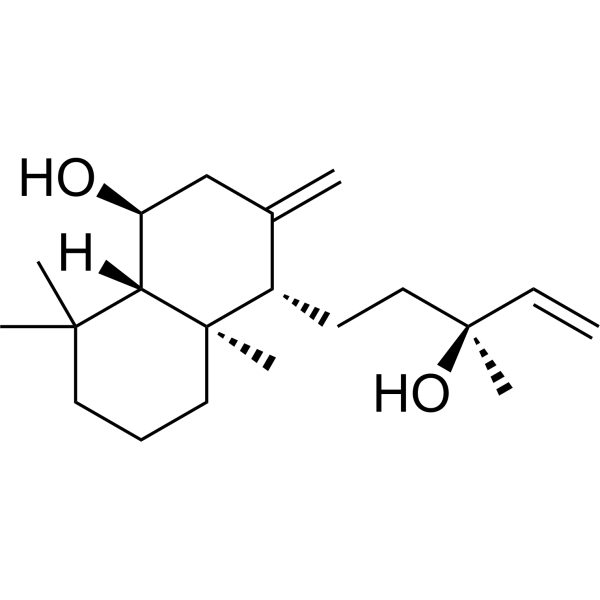
- Formula: C20H34O2
- Molecular Weight: 306.48
Larixol is an fMLP inhibitor and also inhibits Src kinase, ERK1/2, p38 and AKT phosphorylation signals in immune regulation. Larixol can interfere with the interaction between the βγ subunit of the fMLP receptor Gi protein and its downstream molecules, thereby inhibiting fMLP-induced respiratory burst. Larixol inhibits fMLP (0.1 μM)-induced superoxide anion production (IC50: 1.98 μM), cathepsin G release (IC50: 2.76 μM), and chemotaxis. Larixol improves neutrophil hyperactivation and reduces inflammation or tissue damage. A series of Larixol derivatives were found to have inhibitory effects on FSGS-related TRPC6 functional mutants.
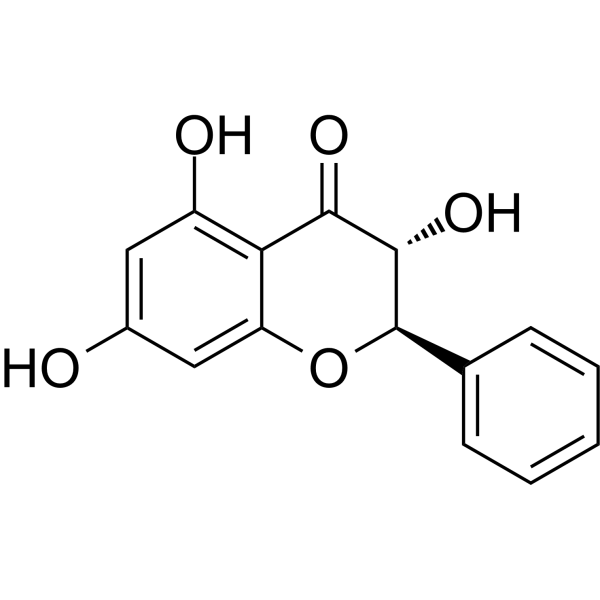
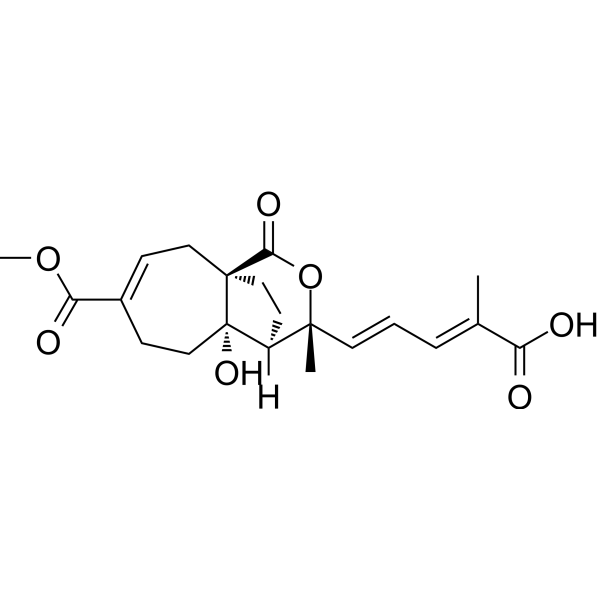
- Formula: C21H26O7
- Molecular Weight: 390.43
Pseudolaric C is a diterpenoid isolated from the root bark of Pseudolarix amabilis, has antifungal activity.

- Formula: C₈H₈O₃
- Molecular Weight: 152.15
Methyl paraben (Standard) is the analytical standard of Methyl paraben. This product is intended for research and analytical applications. Methyl Paraben is a standardized methyl paraben allergen isolated from Yunnan hemlock (Tsuga dumosa). Methyl Paraben is commonly used as a stable, non-volatile preservative. Methyl Paraben increases histamine release and cellular regulation of immunity, blocks sodium channels, and prevents ischemia-reperfusion injury.




