



Apocynaceae
-
- Catharanthus roseus (L.) G. Don (35)
- Rauvolfia verticillata (Lour.) Baill. (25)
- Alstonia scholaris (L.) R. Br. (14)
- Vincetoxicum stauntonii (Decne.) C. Y. Wu et D. Z. Li (14)
- Thevetia peruviana (Pers.) K. Schum. (12)
- Nerium indicum Mill. (11)
- Tabernaemontana elegans Stapf (11)
- Rauvolfia serpentina (10)
- Apocynum venetum Linn. (10)
- Trachelospermum jasminoides (Lindl.) Lem. (9)
- Cynanchum otophyllum C. K. Schneid. (8)
- Nerium oleander L. (8)
- Parameria laevigata (Juss.) Moldenke (7)
- Marsdenia cundurango Rchb.f. (6)
- Rauvolfia vomitoria Afzel. (6)
- Tylophora ovata (Lindl.) Hook. ex Steud. (6)
- Vincetoxicum atratum (Bunge) Morren et Decne. (6)
- Alstonia yunnanensis Diels (5)
- Cerbera manghas Linn. (5)
- Dregea volubilis (L. f.) Benth. ex Hook. f. (5)
- Plumeria rubra L. (5)
- Rauvolfia tetraphylla Linn. (5)
- Amsonia elliptica (Thunberg ex Murray) Roemer & Schultes (4)
- Cryptolepis buchananii Roem. et Schult. (4)
- Tabernaemontana divaricata (Linnaeus) R. Brown ex Roemer & Schultes (4)
- Alstonia macrophylla Wall. ex G. Don (3)
- Hunteria zeylanica (3)
- Plumeria obtusa L. (3)
- Rauwolfia canescens (3)
- Tabernanthe iboga Baill. (3)
- Voacanga africana Stapf (3)
- Apocyniveneti Folium (2)
- Carissa carandas Linn. (2)
- Carissa edulis (2)
- Cerbera odollam Gaertn. (2)
- Cynanchum bungei Decne. (2)
- Cynanchum vincetoxicum (L.) Pers. (2)
- Gongronema nepalense (Wall.) Decne. (2)
- Holarrhena antidysenterica Roth (2)
- Hoodia gordonii (Masson) Sweet ex Decne. (2)
- Kopsia arborea Blume (2)
- Kopsia hainanensis Tsiang (2)
- Melodinus fusiformis Champ. ex Benth. (2)
- Melodinus suaveolens (Hance) Champ. ex Benth. (2)
- Ochrosia balansae (Guillaumin) Baill. ex Guillaumin (2)
- Ochrosia elliptica Labill. (2)
- Periploca aphylla Decne. (2)
- Rhazya stricta Decne. (2)
- Strophanthus divaricatus (Lour.) Hook. & Arn. (2)
- Strophanthus sarmentosus DC. (2)
- Tabernaemontana bufalina Lour. (2)
- Tabernaemontana corymbosa Roxburgh ex Wallich (2)
- Tabernaemontana pandacaqui Lam. (2)
- Tylophora (2)
- Acokanthera oblongifolia (Hochst.) Codd (1)
- Acokanthera schimperi (A.DC.) Schweinf. (1)
- Adenium obesum (Forssk.) Roem. & Schult. (1)
- Aganosma marginata (Roxb.) G. Don (1)
- Allamanda cathartica Linnaeus (1)
- Allamanda schottii (1)
- Alstonia angustiloba Miq. (1)
- Alstonia balansae Guillaumin (1)
- Alstonia constricta F.Muell. (1)
- Alstonia mairei Lévl. (1)
- Alstonia rostrata C. E. C. Fischer (1)
- Alstonia spatulata Blume (1)
- Apocynum (1)
- Asclepias curassavica L. (1)
- Asclepias syriaca L. (1)
- Aspidosperma ulei Markgr. (1)
- Biondia hemsleyana (Warb.) Tsiang (1)
- Cascabela thevetioides (Kunth) Lippold (1)
- Catharanthus pusillus (Murray) G.Don (1)
- Catharanthus trichophyllus (Baker) Pichon (1)
- Ceropegia junceaRoxb. (1)
- Cryptolepis sanguinolenta (Lindl.) Schltr. (1)
- Cynanchum amplexicaule (Sieb. et Zucc.) Hemsl. (1)
- Cynanchum boudieri H. Lév. & Vaniot (1)
- Cynanchum wallichii Wight (1)
- Decalepis hamiltonii Wight & Arn. (1)
- Dregea sinensis var. corrugata (C. K. Schneid.) Tsiang & P. T. Li (1)
- Holarrhena antidysenteriaca (1)
- Holarrhena curtisii King & Gamble (1)
- Kopsia fruticosa (Roxb.) A. DC. (1)
- Kopsia pauciflora Hook.f. (1)
- Kopsia Blume (1)
- Marsdenia tinctoria R. Br. (1)
- Nerium oleander (1)
- Periploca forrestiiSchltr. (1)
- Picralima nitida (Stapf) T.Durand & H.Durand (1)
- Pleiocarpa pycnantha (K.Schum.) Stapf (1)
- Plumeria alba L. (1)
- Pottsia laxiflora (Bl.) Kuntze (1)
- Rauvolfia sumatrana Jack (1)
- Schizozygia coffeoides Baill. (1)
- Secamone elliptica R. Brown (1)
- Stapelia gigantea N. E. Br. (1)
- Strophanthus kombe Oliv. (1)
- Strophanthus vanderijstii Staner (1)
- Tabernaemontana bovina Loureiro (1)
- Tabernaemontana litoralis Kunth (1)
- Trachelospermum asiaticum (Siebold & Zucc.) Nakai (1)
- Trachelospermum axillare Hook. f. (1)
- Trachelospermum lucidum (D.Don) K.Schum. (1)
- Urceola rosea (Hook. & Arn.) D. J. Middleton (1)
- Vinca erecta Regel & Schmalh. (1)
- Vinca herbacea Waldst. & Kit. (1)
- Vincetoxicum forrestii (Schltr.) C. Y. Wu & D. Z. Li (1)
- Wrightia arborea (Dennst.) Mabb. (1)
- Wrightia pubescens R. Br. (1)
-
Apocynaceae (345)

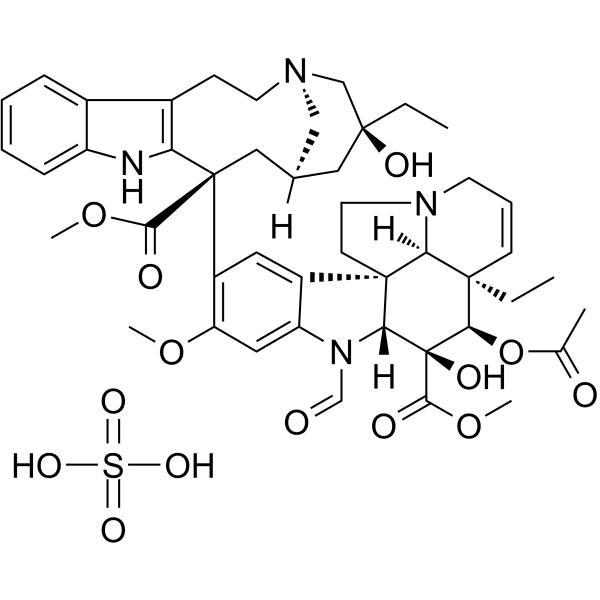
- 分子式: C46H58N4O14S
- 分子量: 923.04
Vincristine (Leurocristine; NSC-67574; 22-Oxovincaleukoblastine) sulfate is a microtubule inhibitor that disrupts microtubule polymerization by binding to β-tubulin (with a Ki of 85 nM in bovine), arrests the cell cycle and induces apoptosis. Vincristine sulfate inhibits cell replication, tumor blood flow and the proliferation of various cancer cells, while triggering effects such as oxidative stress, inflammation, calcium overload, epithelial-mesenchymal transition and peripheral neuropathic pain. Vincristine sulfate upregulates the expression of various transporters and nuclear receptors, and enriches gastric cancer stem-like cells. Vincristine sulfate is used in research related to various tumors including acute lymphoblastic leukemia, lymphoma, melanoma, gastric cancer, solid tumors and sarcomas.
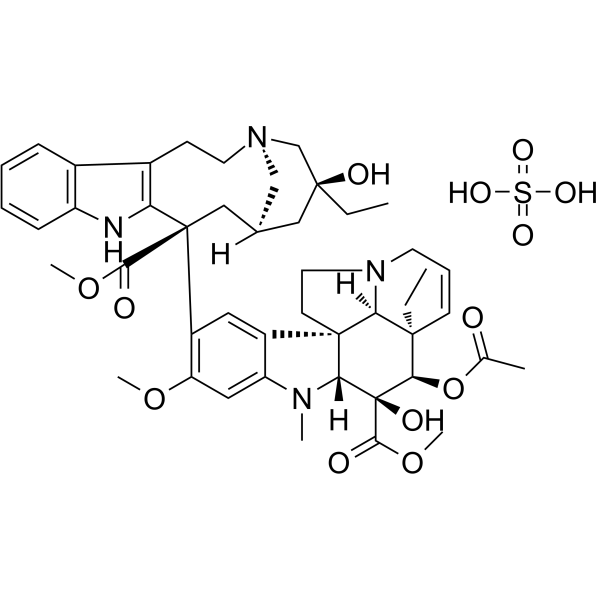
- 分子式: C46H60N4O13S
- 分子量: 909.05
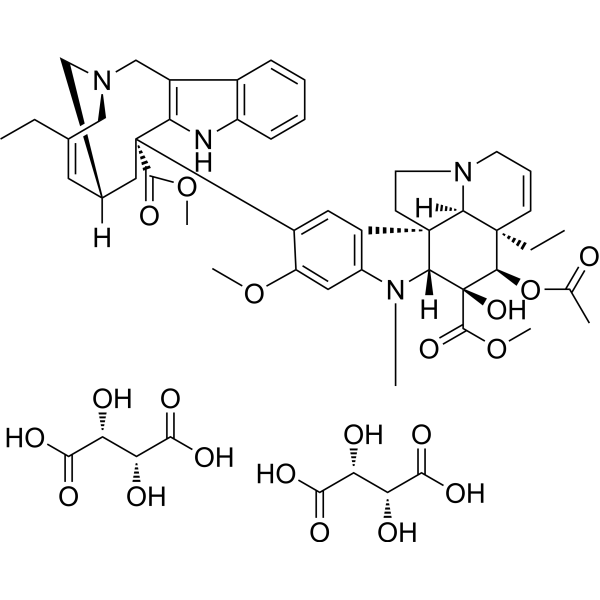
- 分子式: C53H66N4O20
- 分子量: 1079.11
Vinorelbine (ditartrate) is an anti-mitotic agent which inhibits the proliferation of Hela cells with IC50 of 1.25 nM.
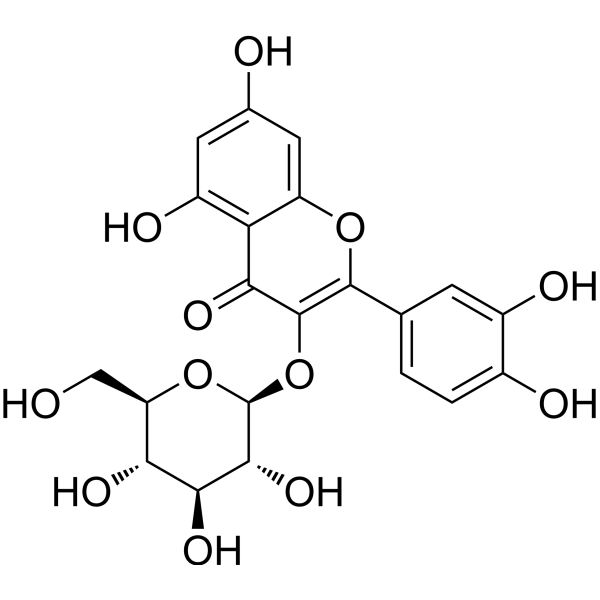
- 分子式: C21H20O12
- 分子量: 464.38
Isoquercetin (Quercetin 3-glucoside) is a naturally occurring polyphenol that has antioxidant, anti-proliferative, and anti-inflammatory properties. Isoquercetin alleviates ethanol-induced hepatotoxicity, oxidative stress, and inflammatory responses via the Nrf2/ARE antioxidant signaling pathway. Isoquercetin regulates the expression of nitric oxide synthase 2 (NO2) via modulating the nuclear factor-κB (NF-κB) transcription regulation system. Isoquercetin has high bioavailability and low toxicity, is a promising candidate agent to prevent birth defects in diabetic pregnancies.
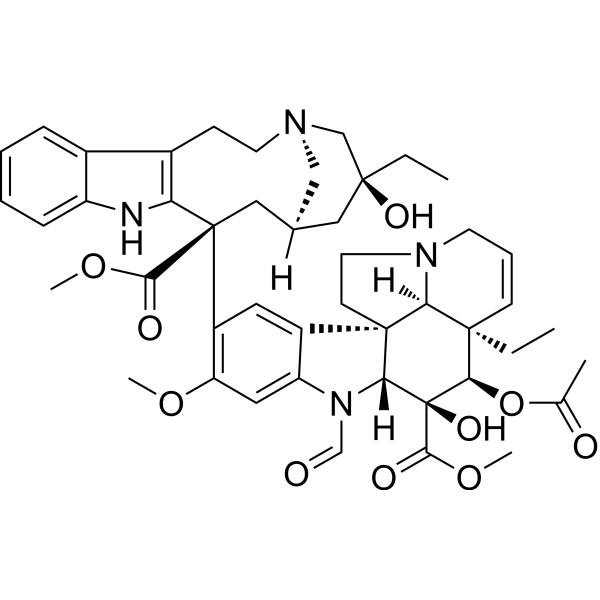
- 分子式: C46H56N4O10
- 分子量: 824.96
Vincristine (Leurocristine; NSC-67574; 22-Oxovincaleukoblastine) is a microtubule inhibitor that disrupts microtubule polymerization by binding to β-tubulin (with a Ki of 85 nM in bovine), arrests the cell cycle and induces apoptosis. Vincristine inhibits cell replication, tumor blood flow and the proliferation of various cancer cells, while triggering effects such as oxidative stress, inflammation, calcium overload, epithelial-mesenchymal transition and peripheral neuropathic pain. Vincristine upregulates the expression of various transporters and nuclear receptors, and enriches gastric cancer stem-like cells. Vincristine is used in research related to various tumors including acute lymphoblastic leukemia, lymphoma, melanoma, gastric cancer, solid tumors and sarcomas.
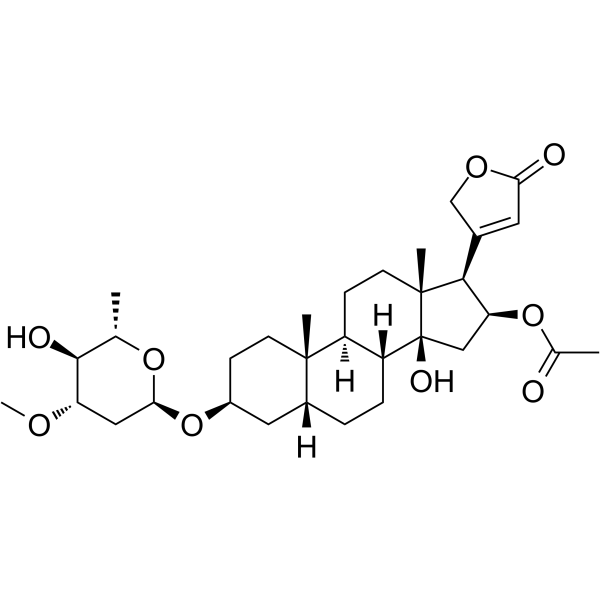
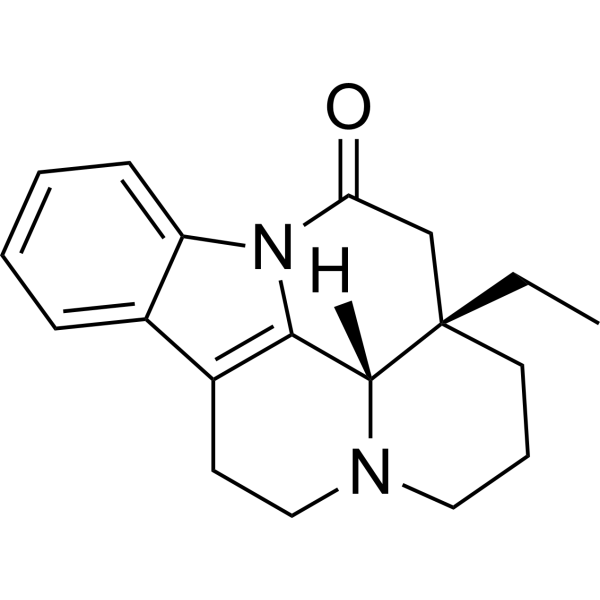
- 分子式: C19H22N2O
- 分子量: 294.40
Vinburnine ((-)-Eburnamonine; (-)-Vincamone) is an orally active, blood-brain barrier permeable immunomodulator and apoptosis inducer. Vinburnine drives the secretion of IL-24 by activating the P38/MAPK/ATF3 signaling axis. Vinburnine induces reactive oxygen species production and DNA damage in cancer cells, thereby inhibiting cancer cell proliferation, activating the apoptotic cascade, and enhancing CD8+ T cell function to remodel the tumor immune microenvironment. Vinburnine can be used in the research of diseases such as melanoma.
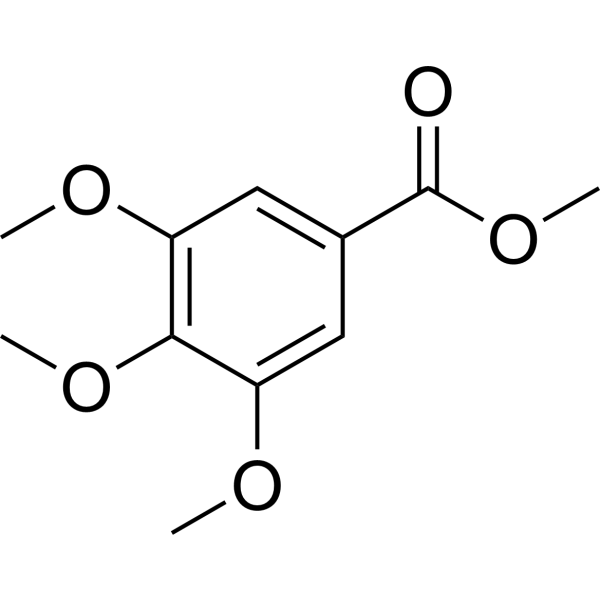
- 分子式: C11H14O5
- 分子量: 226.23
Methyl 3,4,5-trimethoxybenzoate can be synthesized from Gallic acid. Methyl 3,4,5-trimethoxybenzoate is mainly used in the production of Trimethoprim (TMP), Sulfa synergistic intermediates, and many other agents.
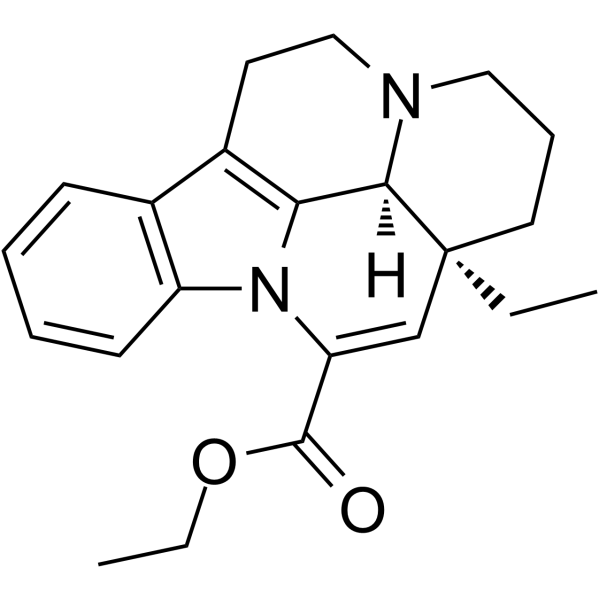
- 分子式: C22H26N2O2
- 分子量: 350.45
Vinpocetine (Ethyl apovincaminate) is a derivative of the alkaloid Vincamine that blocks voltage-gated Na+ channels. The IC50 value of Vinpocetine on direct IKK inhibition in the cell-free system is 17.17 μM. Vinpocetine is a phosphodiesterase (PDE) inhibitor and inhibits NF-κB-dependent inflammatory responses by directly targeting IκB kinase complex (IKK), and has been widely used for the treatment of cerebrovascular disorders.
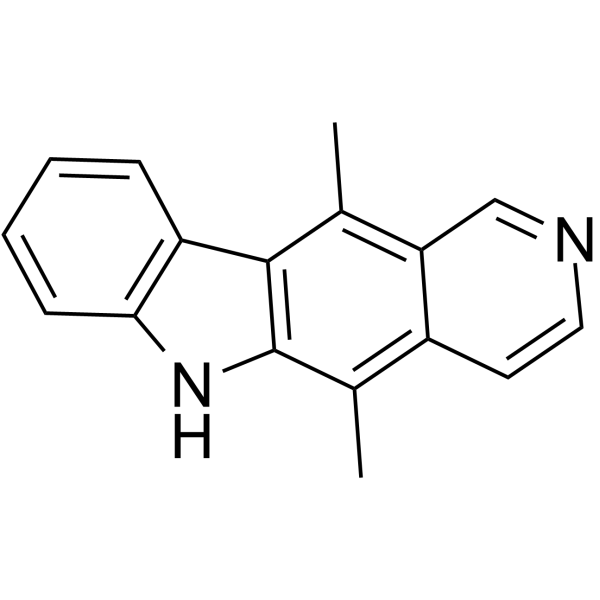
- 分子式: C17H14N2
- 分子量: 246.31
Ellipticine (NSC 71795) is a potent antineoplastic agent; inhibits DNA topoisomerase II activities.
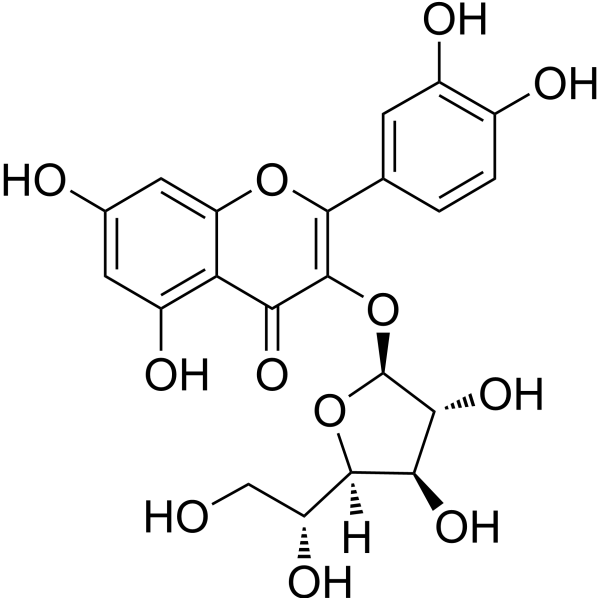
- 分子式: C21H20O12
- 分子量: 464.38
Quercetin 3-O-β-D-glucofuranoside is an effective antioxidant and an eosinophilic inflammation suppressor.
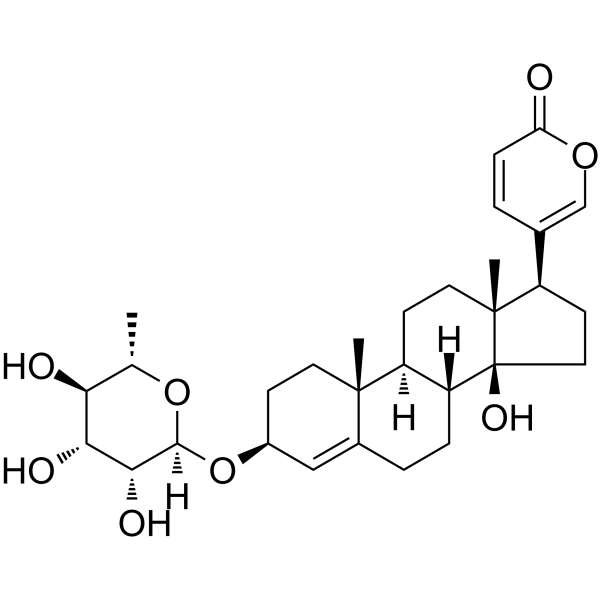
- 分子式: C30H42O8
- 分子量: 530.65
Proscillaridin A is a potent poison of topoisomerase I/II activity with IC50 values of 30 nM and 100 nM, respectively.
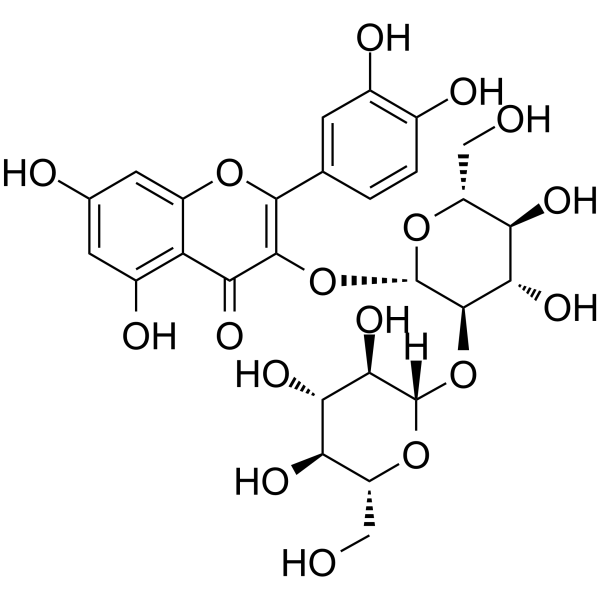
- 分子式: C27H30O17
- 分子量: 626.52
Baimaside (Quercetin 3-O-sophoroside) is a flavonoid cholinergic function modulator that binds to SARS-CoV-2-related targets. Baimaside regulates the expression of cholinergic system-related proteins and acetylcholine levels, improves scopolamine-induced learning and memory impairment, protects hippocampal neurons, inhibits pollen protein fluorescence, and protects pollen DNA. Its biosynthesis is regulated by multiple enzymes. Baimaside is completely absorbed in rats, undergoes phase Ⅱ metabolism and gut microbiota decomposition, and inhibits the invasion and proliferation of SARS-CoV-2 and its variants, making it suitable for research related to Alzheimer's disease and COVID-19.
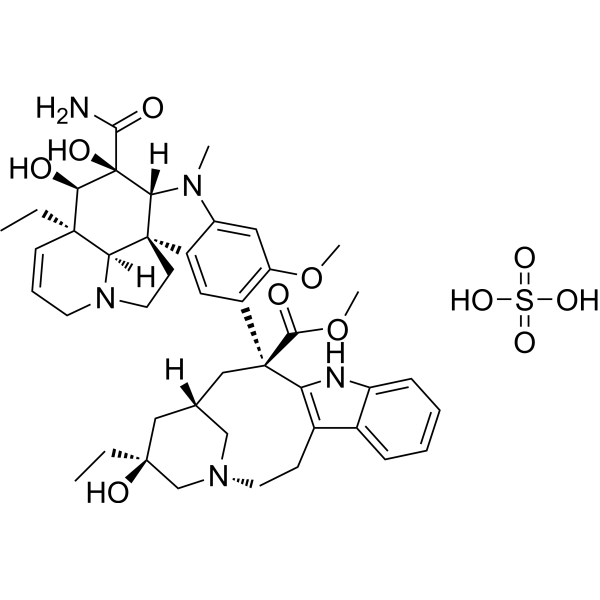
- 分子式: C43H57N5O11S
- 分子量: 852.00
Vindesine sulfate is a potent tubulin inhibitor with an Ki of 0.110 μM. Vindesine sulfate shows anti-proliferation effect in vitro. Vindesine sulfate shows antitumor effect in vivo.
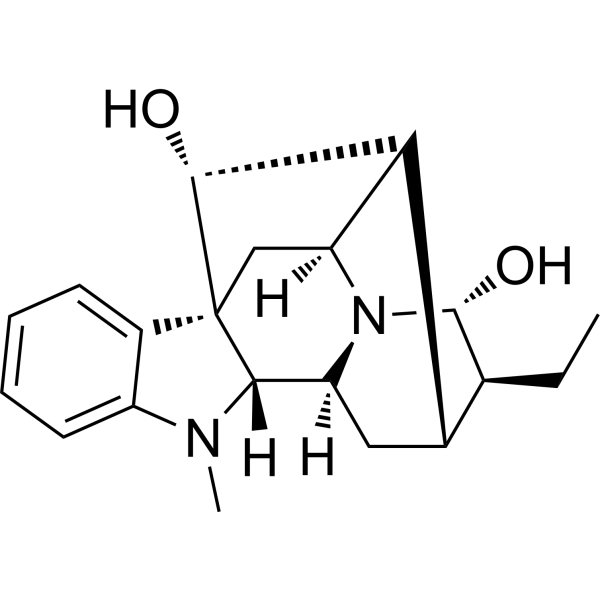
- 分子式: C20H26N2O2
- 分子量: 326.43
Ajmaline (Cardiorythmine) is a sodium channel blocking, class 1A anti-arrhythmic agent. Ajmaline blocks HERG currents with an IC50 of 1 μM in HEK cells and 42.3 μM in Xenopus oocytes. Ajmaline can be used for the research of the ventricular tachyarrhythmia.
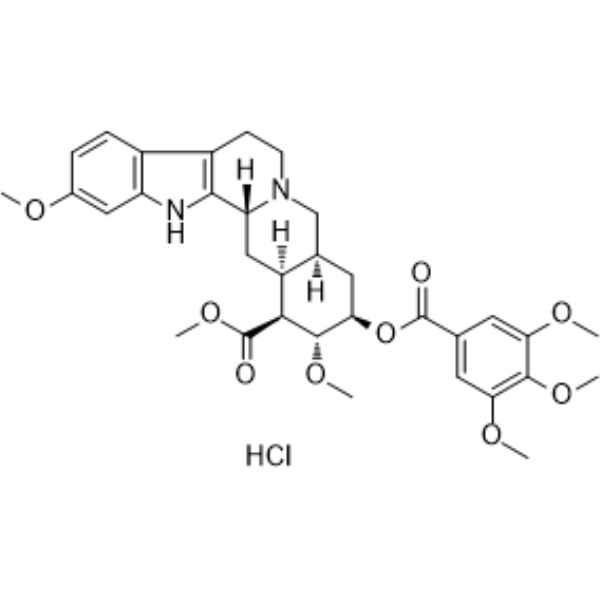
- 分子式: C33H41ClN2O9
- 分子量: 645.14
Reserpine hydrochloride is an inhibitor of the vesicular monoamine transporter 2 (VMAT2).
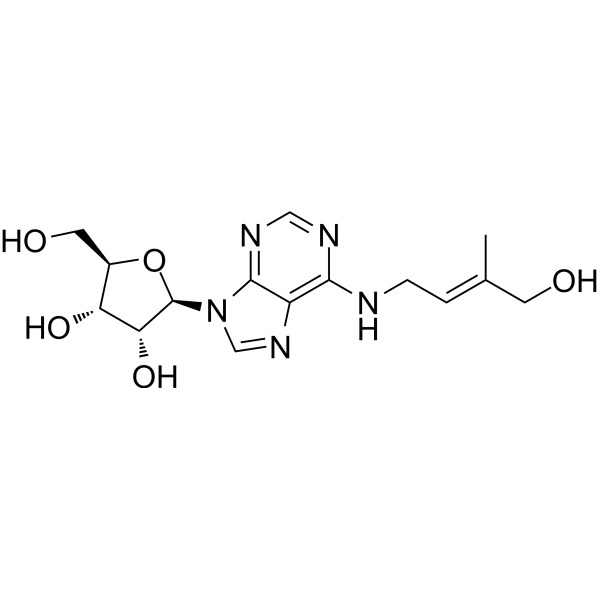
- 分子式: C15H21N5O5
- 分子量: 351.36
trans-Zeatinriboside is a zeatin-type cytokinin and plant growth regulator. trans-Zeatinriboside is produced by the terrestrial filamentous cyanobacterium Nostoc sp. HK-01 and Agrobacterium tumefaciens (including Ti plasmid-dependent and Ti plasmid-independent strains). trans-Zeatinriboside is detectable as a cytokinin component in growing crown galls, and accumulates in large amounts in CHRK1-silenced transgenic tobacco accompanied by pleiotropic developmental abnormalities. trans-Zeatinriboside can be used in studies related to crown galls.
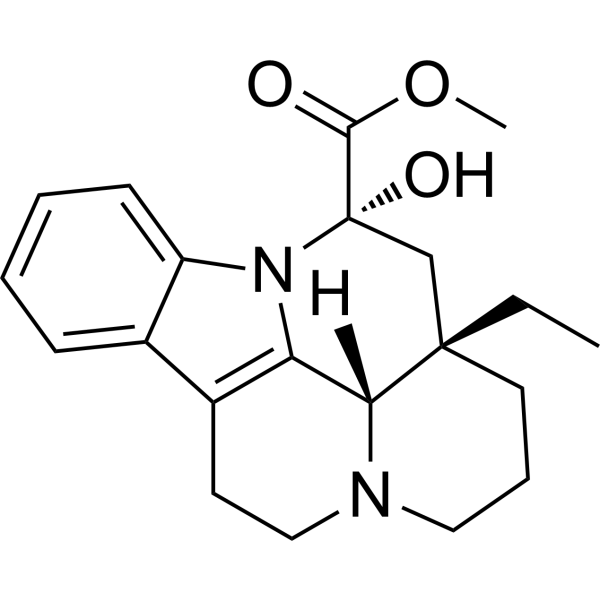
- 分子式: C21H26N2O3
- 分子量: 354.44
Vincamine is a monoterpenoid indole alkaloid extracted from the Madagascar periwinkle. Vincamine is a peripheral vasodilator and exerts a selective vasoregulator action on the brain microcapilar circulation. Vincamine is a GPR40 agonist and acts as a β-cell protector by ameliorating β-cell dysfunction and promoting glucose-stimulated insulin secretion (GSIS). Vincamine improves glucose homeostasis in vivo, and has the potential for the type 2 diabetes mellitus (T2DM) research.
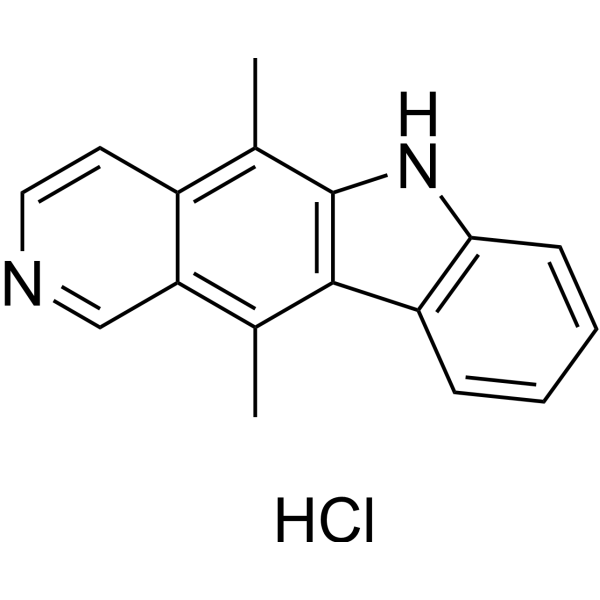
- 分子式: C17H15ClN2
- 分子量: 282.77
Ellipticine (NSC 71795) hydrochloride is a potent antineoplastic agent; inhibits DNA topoisomerase II activities.



