



Diterpenoids
-
Diterpenoids (983)

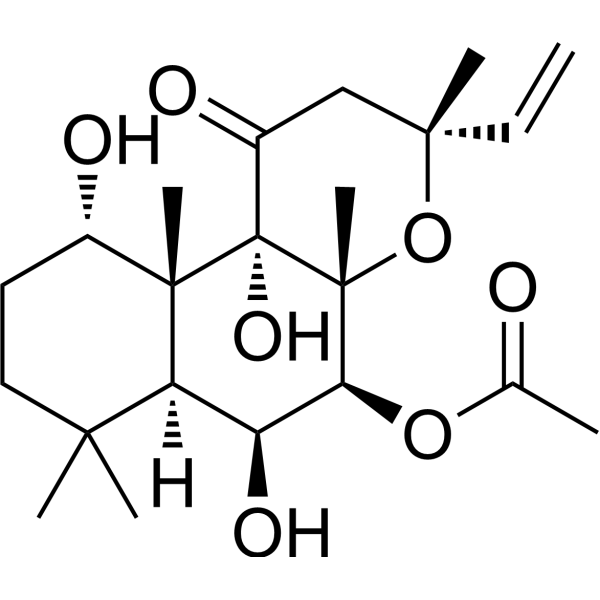
- Fòrmula: C22H34O7
- Peso molecular: 410.50
Forskolin (Coleonol) is a potent adenylate cyclase activator with an IC50 of 41 nM and an EC50 of 0.5 μM for type I adenylyl cyclase. Forskolin is also an inducer of intracellular cAMP formation. Forskolin induces differentiation of various cell types and activates pregnane X receptor (PXR) and FXR. Forskolin exerts a inotropic effect on the heart, and has platelet antiaggregatory and antihypertensive actions. Forskolin also induces autophagy.
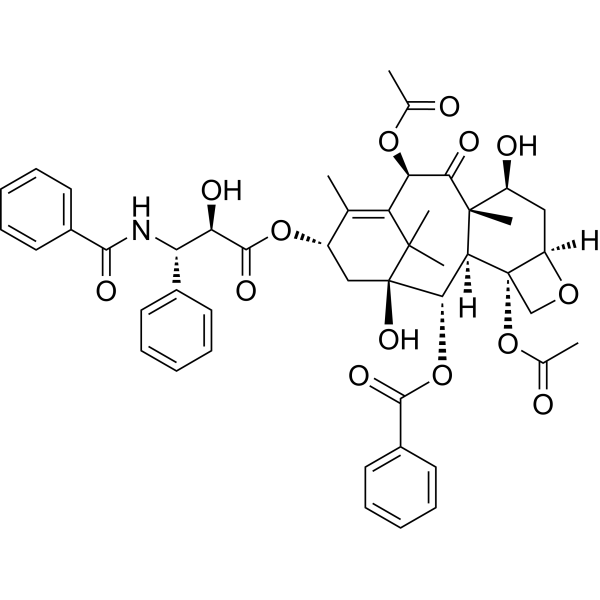
- Fòrmula: C47H51NO14
- Peso molecular: 853.91
Paclitaxel is a naturally occurring antineoplastic agent and stabilizes tubulin polymerization. Paclitaxel can cause both mitotic arrest and apoptotic cell death. Paclitaxel also induces autophagy.
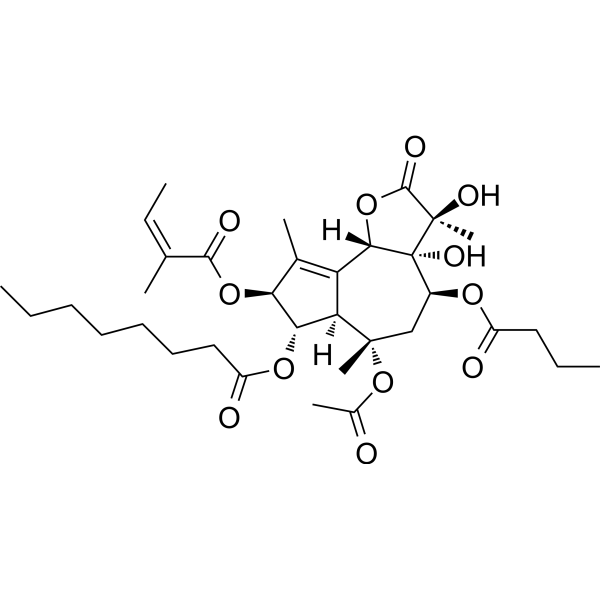
- Fòrmula: C34H50O12
- Peso molecular: 650.75
Thapsigargin, an endoplasmic reticulum (ER) stress inducer, is an inhibitor of microsomal Ca2+-ATPase. Thapsigargin efficiently inhibits coronavirus (HCoV-229E, MERS-CoV, SARS-CoV-2) replication in different cell types.
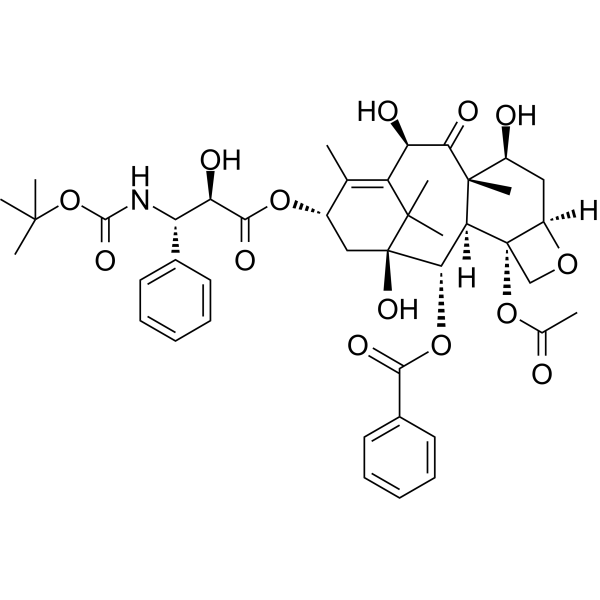
- Fòrmula: C43H53NO14
- Peso molecular: 807.88
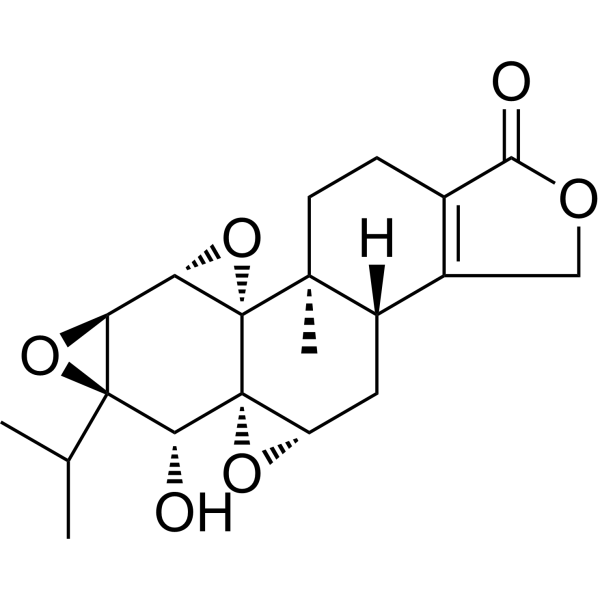
- Fòrmula: C20H24O6
- Peso molecular: 360.40
Triptolide is a diterpenoid triepoxide extracted from the root of Tripterygium wilfordii with immunosuppressive, anti-inflammatory, antiproliferative and antitumour effects. Triptolide is a NF-κB activation inhibitor.

- Fòrmula: C45H53NO14
- Peso molecular: 831.90
Iso cephalomannine is a tubulin-targeting cytotoxic agent. Iso cephalomannine induces cytotoxicity in breast cancer cells. Iso cephalomannine can be used in breast cancer-related research.

- Fòrmula: C22H34O6
- Peso molecular: 394.50
9-Deoxyforskolin (compound 2) is a labdane-type diterpenoid, and also a forskolin derivative identified in hairy root cultures of Coleus forskohlii.

- Fòrmula: C24H39NO4
- Peso molecular: 405.58
Cassaine (Nervocidine) is a Na+/K+-ATPase inhibitor. Cassaine stabilizes phosphorylated intermediates, slows spontaneous dephosphorylation and blocks potassium-stimulated dephosphorylation. Cassaine exhibits non-competitive inhibition with respect to K+, shows inhibition enhanced by Pi and antagonized by Na+. Cassaine induces positive inotropic effects in perfused hearts with faster inotropy offset. Cassaine can be used for research on cardiac arrhythmias.
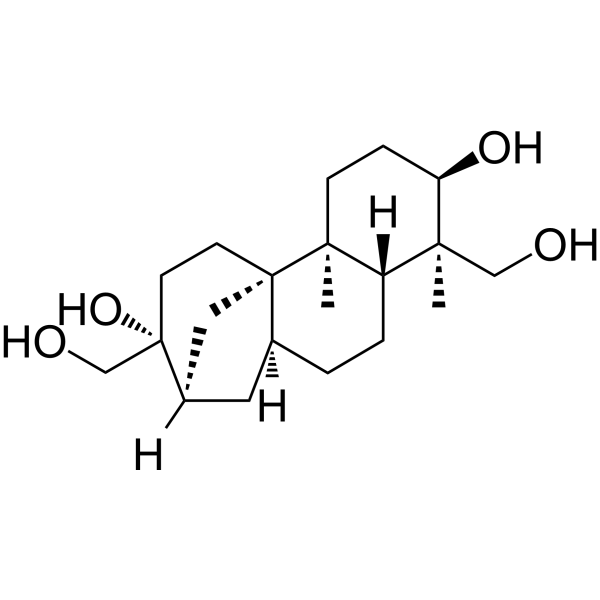
- Fòrmula: C20H34O4
- Peso molecular: 338.48
Aphidicolin is an inhibitor of DNA polymerase α and δ, prevents mitotic cell division by interfering DNA polymerase activity. Aphidicolin is an antibiotic produced by mold Cephalosporium aphidicola, inhibits cellular deoxyribonucleic acid synthesis and the growth of herpes simplex virus. Aphidicolin exhibits anti-orthopoxvirus activity and potentiates apoptosis induced by arabinosyl nucleosides in a human promyelocytic leukemia cell line.
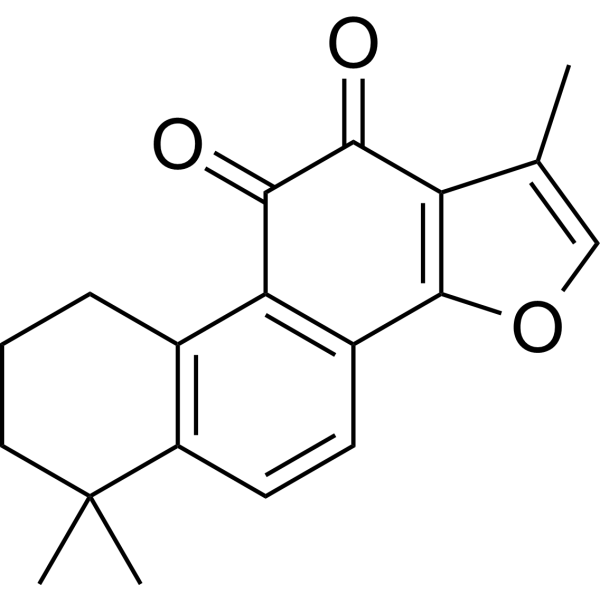
- Fòrmula: C19H18O3
- Peso molecular: 294.34
Tanshinone IIA (Tan IIA) is one of the main compositions in the root of Salvia miltiorrhiza Bunge. Tanshinone IIA may suppress angiogenesis by targeting the protein kinase domains of VEGF/VEGFR2.
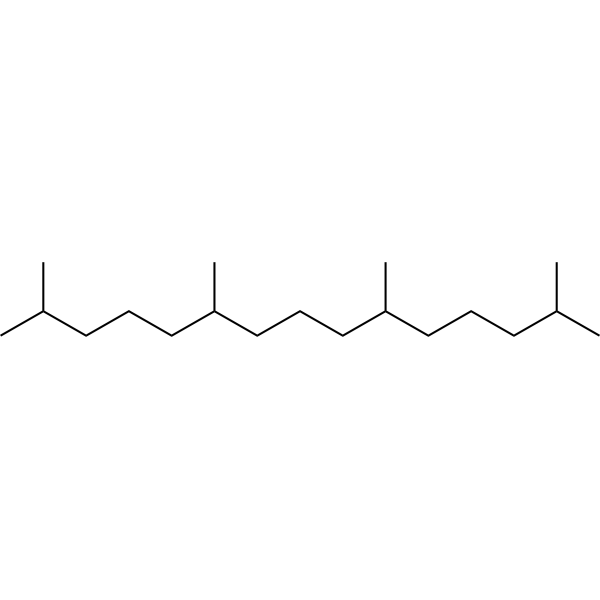
- Fòrmula: C19H40
- Peso molecular: 268.52
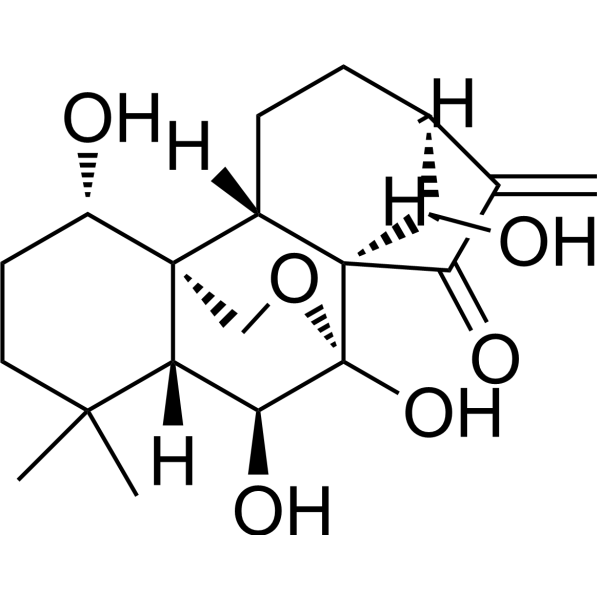
- Fòrmula: C20H28O6
- Peso molecular: 364.43
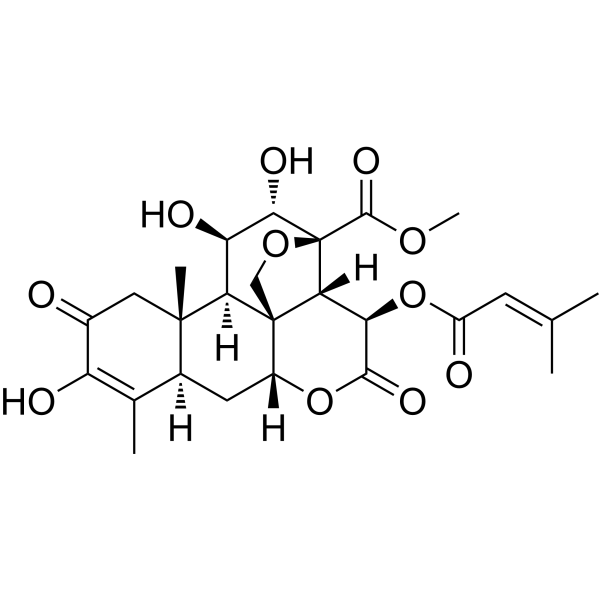
- Fòrmula: C26H32O11
- Peso molecular: 520.53
Brusatol (NSC 172924) is a unique inhibitor of the Nrf2 pathway that sensitizes a broad spectrum of cancer cells to Cisplatin and other chemotherapeutic agents. Brusatol enhances the efficacy of chemotherapy by inhibiting the Nrf2-mediated defense mechanism. Brusatol can be developed into an adjuvant chemotherapeutic agent. Brusatol increases cellular apoptosis.
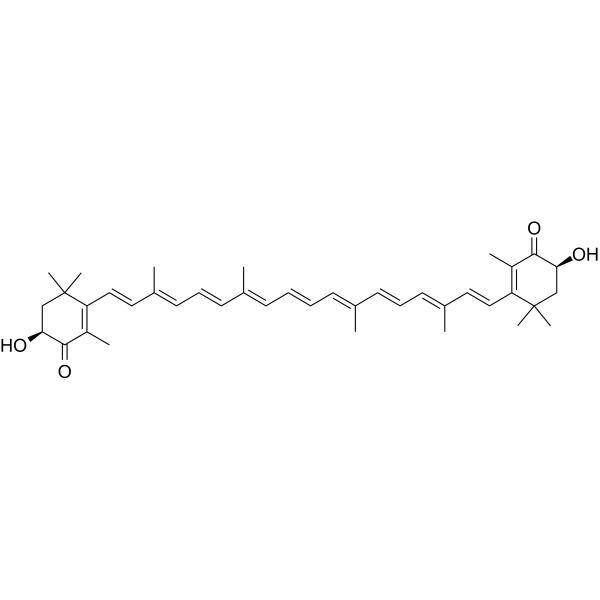
- Fòrmula: C40H52O4
- Peso molecular: 596.84
Astaxanthin, the red dietary carotenoid, is an orally effective and potent antioxidant. Astaxanthin inhibits NF-κB and down-regulates VEGF in blood glucose. Astaxanthin exerts anti-cancer cell proliferation, increases apoptosis, impairs migration and invasion by activating PPARγ and reducing the expression of STAT3. Astaxanthin also has neuroprotective and anti-inflammatory activity and can be used in studies of cancer, diabetic retinopathy, cardiovascular disease, and in the coloring of animal feed.
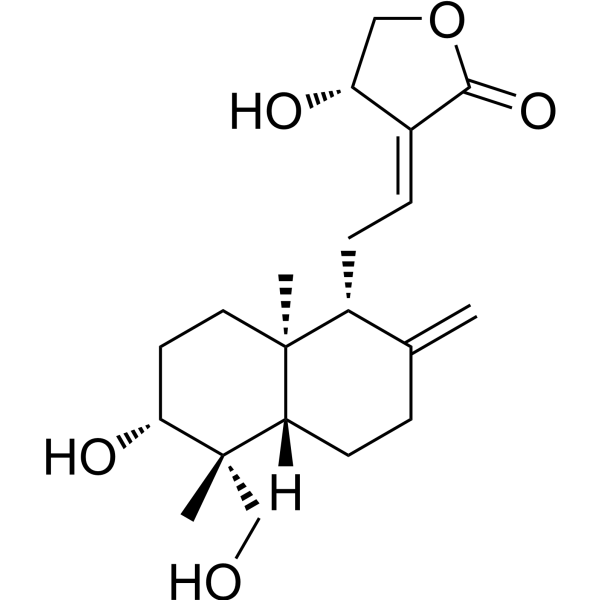
- Fòrmula: C20H30O5
- Peso molecular: 350.45
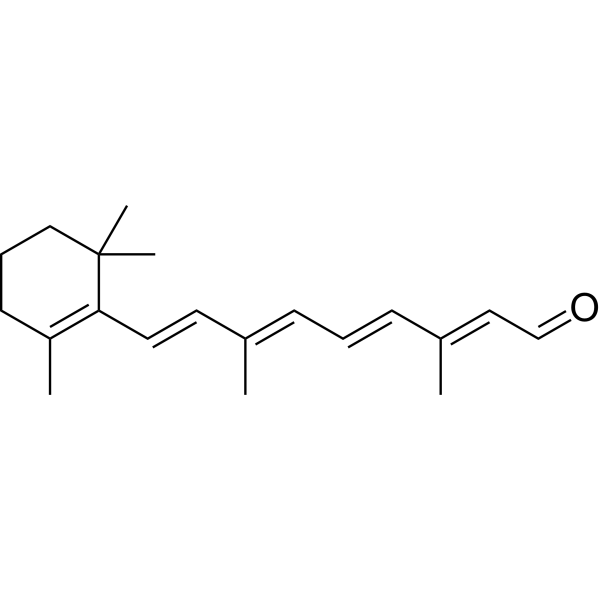
- Fòrmula: C20H28O
- Peso molecular: 284.44
All-trans-retinal is an vitamin A metabolite in the retina, and is produced following photo-isomerization of the visual chromophore 11-cis-Retinal. All-trans-retinal is cleared from photoreceptors by ATP-binding cassette transporter (ABCA4) and all-trans-retinol dehydrogenase (RDH). All-trans-retinal induces Bax activation via DNA damage to mediate retinal cell apoptosis.
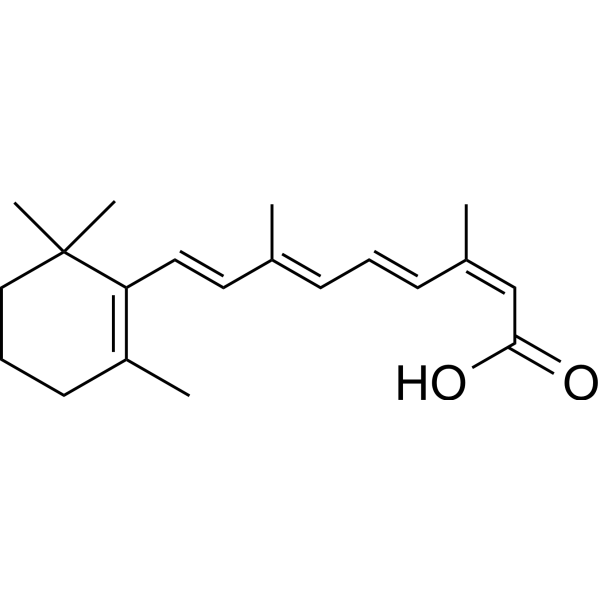
- Fòrmula: C20H28O2
- Peso molecular: 300.44
Isotretinoin (13-cis-Retinoic acid) is an orally active vitamin A derivative and is often be used for the research of severe acne. Isotretinoin also shows anticancer activity.
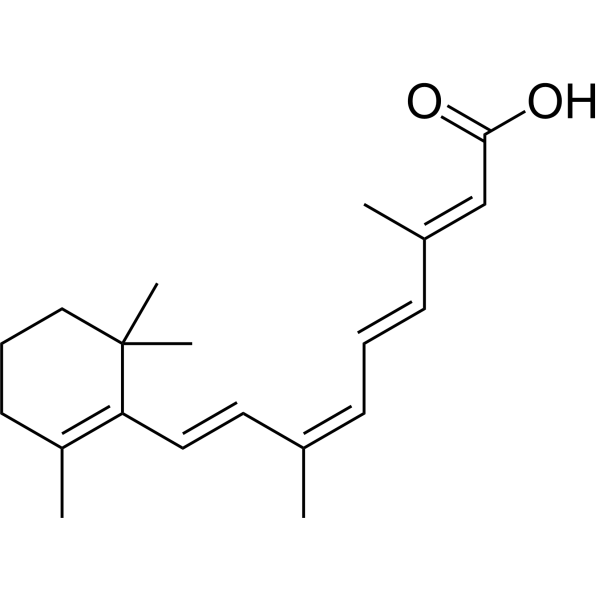
- Fòrmula: C20H28O2
- Peso molecular: 300.44
9-cis-Retinoic acid (ALRT1057), a vitamin A derivative, is a potent RAR/RXR agonist. 9-cis-Retinoic acid induces apoptosis, regulates cell cycle and has anticancer, anti-inflammatory and neuroprotection activities.
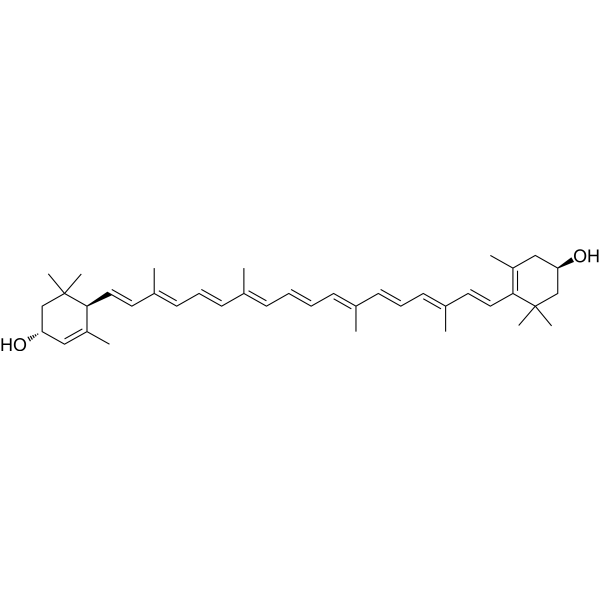
- Fòrmula: C40H56O2
- Peso molecular: 568.87
Lutein (Xanthophyll) is a carotenoid with reported anti-inflammatory properties. A large body of evidence shows that lutein has several beneficial effects, especially on eye health. Lutein exerts its biological activities, including anti-inflammation, anti-oxidase and anti-apoptosis, through effects on reactive oxygen species (ROS). Lutein is able to arrive in the brain and shows antidepressant-like and neuroprotective effects. Lutein is orally active.
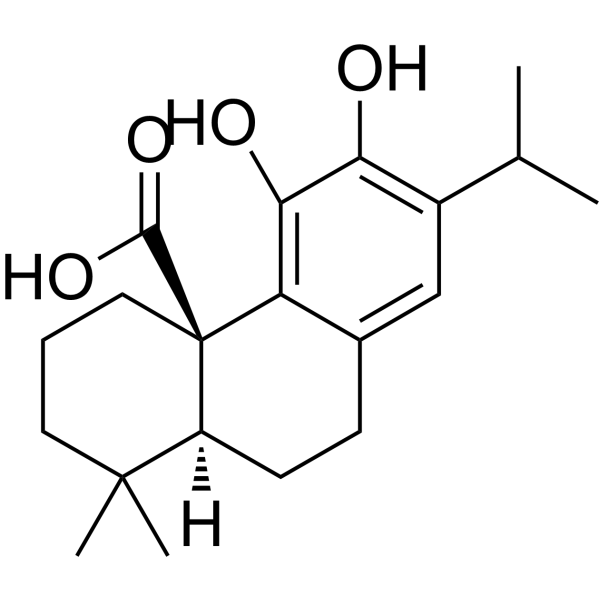
- Fòrmula: C20H28O4
- Peso molecular: 332.43
Carnosic acid is an orally active lipid absorption inhibitor. Carnosic acid has demonstrated inhibition of oxidative stress and inflammation, suppression of cell proliferation, and antibacterial activity.



