Search Result
Results for "
flavor additive
" in MedChemExpress (MCE) Product Catalog:
10
Biochemical Assay Reagents
8
Isotope-Labeled Compounds
| Cat. No. |
Product Name |
Target |
Research Areas |
Chemical Structure |
-
- HY-W007355
-
|
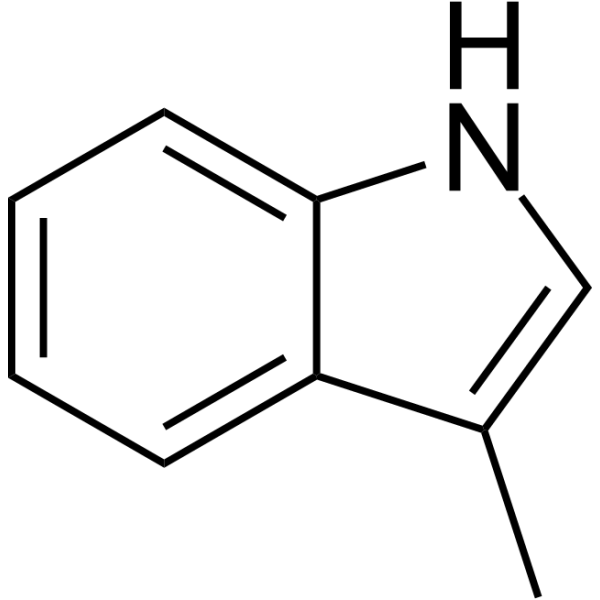
3-Methylindole; 3-Methyl-1H-indole
|
Environmental Pollutants
Apoptosis
Endogenous Metabolite
p38 MAPK
Aryl Hydrocarbon Receptor
|
Others
|
|
Skatole (3-methylindole) is a heterocyclic compound naturally found in the feces of vertebrates and can be found in certain plants. Skatole can be produced by intestinal bacteria, inducing apoptosis of intestinal epithelial cells through activating aryl hydrocarbon receptors (AhR) and p38. Skatole has been used in specific products of the perfume industry or as a flavor additive in ice cream .
|
-
-
- HY-Y0546
-
|
|
Environmental Pollutants
Endogenous Metabolite
Photosensitizer
|
Cancer
|
|
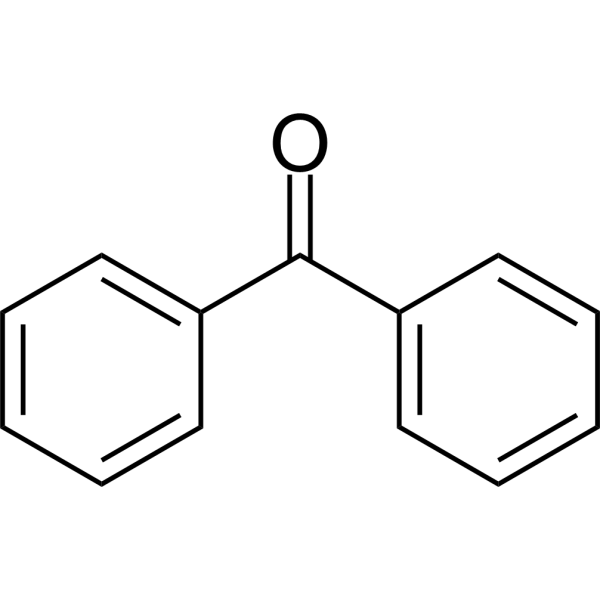
Benzophenone is an endogenous metabolite. Benzophenone is a photosensitizer, that absorbs UV light, transfers its energy to DNA, and triggers DNA damage. Benzophenone can be used as the fragrance enhancer, ultraviolet curing agent, additive in plastics, or the flavor ingredient. Benzophenone can also be used in the manufacturing of insecticides, agricultural chemicals, hypnotics, antihistamines, and other pharmaceuticals. Benzophenone exhibits certain carcinogenicity in mouse/rat models under long term exposure. Benzophenone exhibits estrogenic activity .
|
-
-
- HY-W016278
-
|
|
Environmental Pollutants
Biochemical Assay Reagents
|
Others
|
|
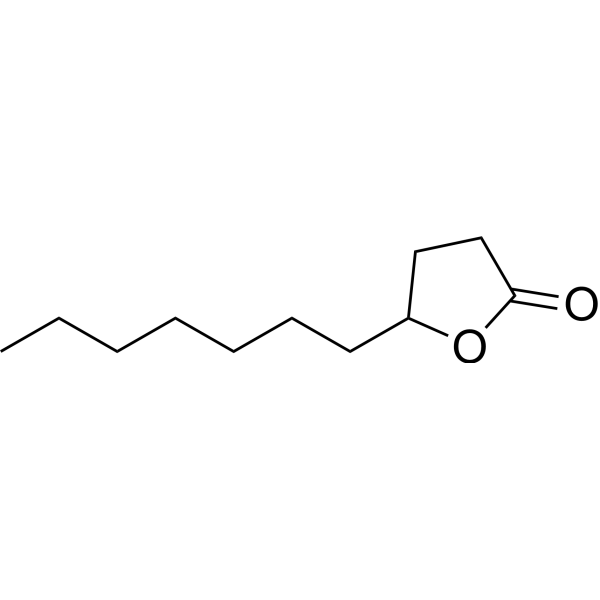
Gamma-undecalactone consists of a five-membered dihydrofuran ring with an ester group and a heptyl chain. This compound has a fruity smell and is commonly used as a flavor additive in various food and beverage products such as coffee, tea and baked goods.
|
-
-
- HY-W337739
-
|
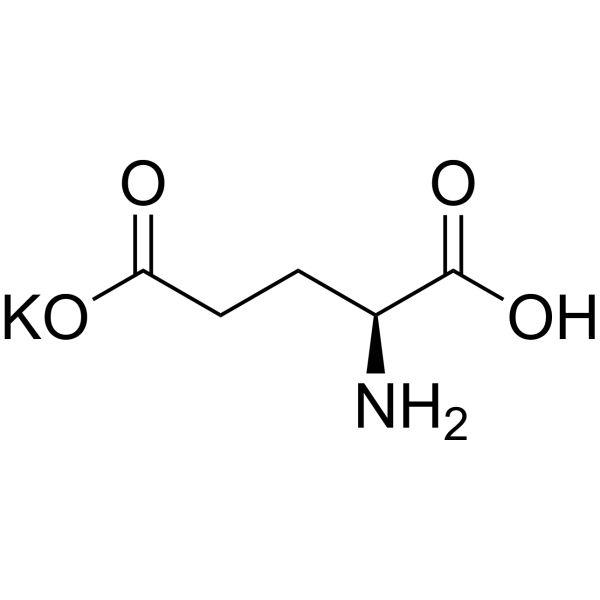
Monopotassium L-glutamate
|
Biochemical Assay Reagents
|
Others
|
|
L-Glutamic acid monopotassium salt is a food additive and flavor enhancer that can reduce the harmful effects of lithium .
|
-
-
- HY-W010320
-
|
2-Ethyl-3-hydroxy-4H-pyran-4-one
|
Environmental Pollutants
Apoptosis
Heme Oxygenase (HO)
|
Others
|
|
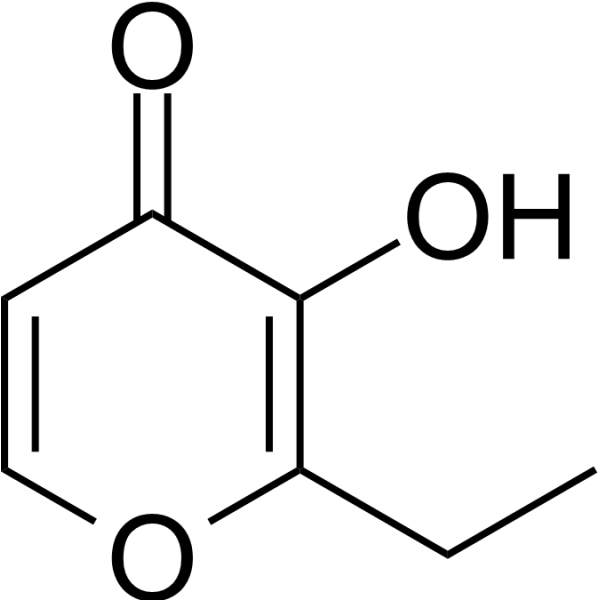
Ethyl maltol (2-Ethyl-3-hydroxy-4H-pyran-4-one) is an orally active and important food additive and flavor enhancer. Ethyl maltol is less toxic to rats and dogs. Ethyl maltol can enhance copper-mediated cytotoxicity and induce apoptosis in lung epithelial cells .
|
-
-
- HY-Y0121
-
|
|
Environmental Pollutants
Apoptosis
Parasite
VEGFR
|
Cardiovascular Disease
Cancer
|
|
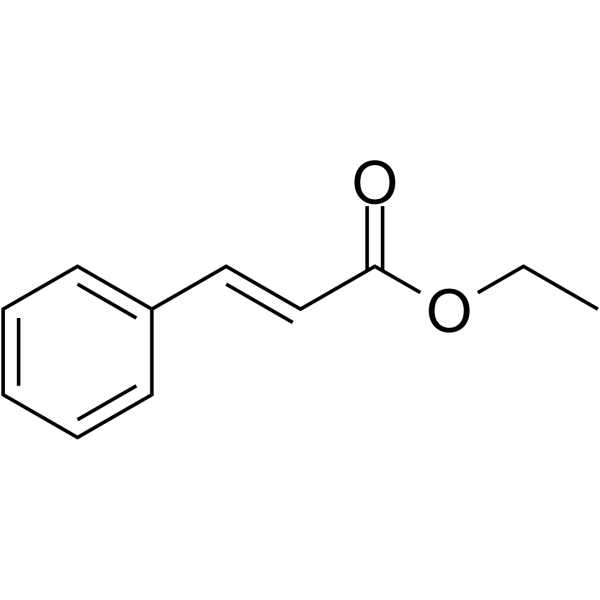
Ethyl cinnamate, an orally active chemical constituent of the rhizome of Kaempferia galanga, exhibits anti-cancer, nematocidal, sedative and vasorelaxant activities. Ethyl cinnamate is a fragrance ingredient used as a food flavor and additive for cosmetic products. Ethyl cinnamate is also an excellent clearing reagent for mammalian tissues. Ethyl cinnamate suppresses tumor growth through anti-angiogenesis by attenuating VEGFR2 signal pathway in colorectal cancer. Ethyl cinnamate inhibits the tonic contractions induced by high K+ and phenylephrine (PE) with respective IC50 values of 0.30 mM and 0.38 mM in rat aorta .
|
-
-
- HY-W250303
-
|
Hydroxybutanedioic acid disodium salt; E 296 disodium salt
|
Biochemical Assay Reagents
|
Others
|
|
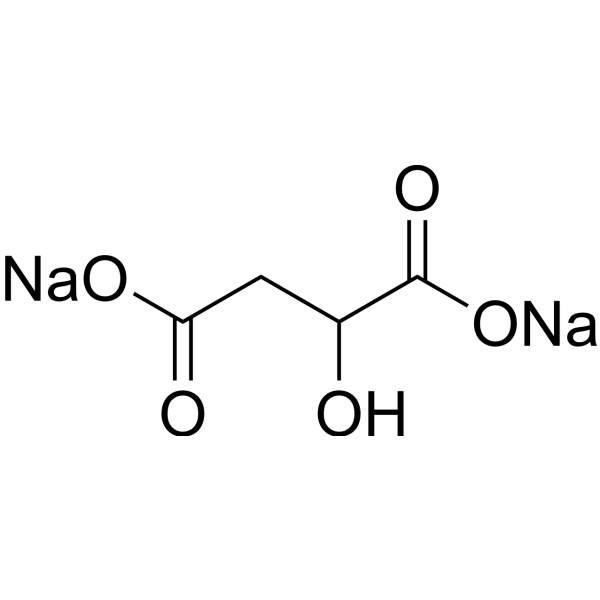
Sodium DL-Malate is an organic compound commonly used as a food additive, buffer and nutritional supplement. It contains sodium and malic acid. Malic acid disodium salt has several properties suitable for these applications, including the ability to enhance food flavor, improve texture and regulate acidity. Additionally, it can be used as a dietary supplement due to its potential health benefits, including improved energy production, reduced fatigue, and enhanced athletic performance.
|
-
-
- HY-Y0546S
-
|
|
Isotope-Labeled Compounds
Endogenous Metabolite
Photosensitizer
|
Cancer
|
|
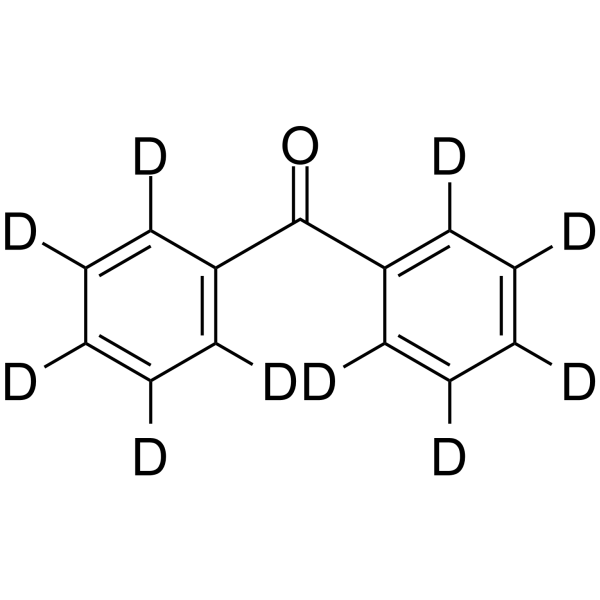
Benzophenone-d10 is the deuterium labeled Benzophenone (HY-Y0546). Benzophenone is an endogenous metabolite. Benzophenone is a photosensitizer, that absorbs UV light, transfers its energy to DNA, and triggers DNA damage. Benzophenone can be used as the fragrance enhancer, ultraviolet curing agent, additive in plastics, or the flavor ingredient. Benzophenone can also be used in the manufacturing of insecticides, agricultural chemicals, hypnotics, antihistamines, and other pharmaceuticals. Benzophenone exhibits certain carcinogenicity in mouse/rat models under long term exposure. Benzophenone exhibits estrogenic activity .
|
-
-
- HY-W683864
-
|
|
Drug Intermediate
|
Others
|
|
Menthyl isovalerate is an ester formed by menthol and isovaleric acid. Menthyl isovalerate can be used as a food additive for flavor and fragrance .
|
-

-
- HY-W007355R
-
|
3-Methylindole (Standard); 3-Methyl-1H-indole (Standard)
|
Reference Standards
Aryl Hydrocarbon Receptor
p38 MAPK
Endogenous Metabolite
Apoptosis
|
Others
|
|
Skatole (Standard) is the analytical standard of Skatole. This product is intended for research and analytical applications. Skatole (3-methylindole) is a heterocyclic compound naturally found in the feces of vertebrates and can be found in certain plants. Skatole can be produced by intestinal bacteria, inducing apoptosis of intestinal epithelial cells through activating aryl hydrocarbon receptors (AhR) and p38. Skatole has been used in specific products of the perfume industry or as a flavor additive in ice cream .
|
-

-
- HY-W009684
-
|
Ethyl dodecanoate
|
Environmental Pollutants
Biochemical Assay Reagents
|
Others
|
|
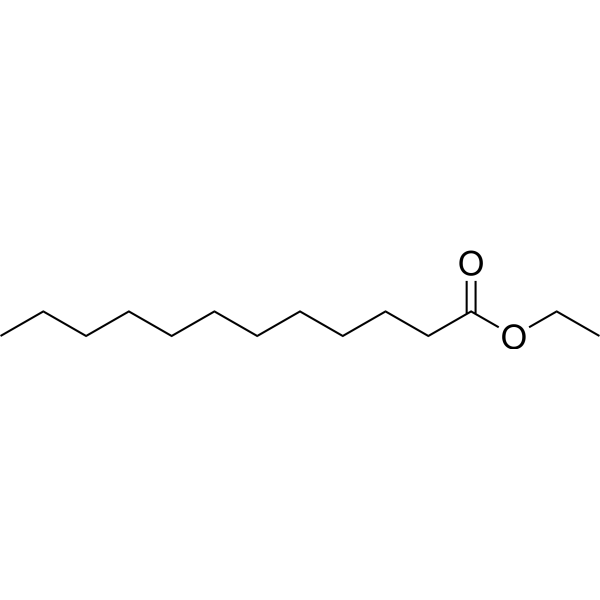
Ethyl Laurate is an organic compound commonly used as a flavoring and food additive. It can be used to make fruit, mint and sweet flavors, and is widely used in some food processing and cosmetic production. In addition, this compound is also used as a reagent and intermediate in some organic synthesis reactions.
|
-
-
- HY-W250303A
-
|
Hydroxybutanedioic acid disodium hydrate; Disodium DL-malate hydrate; E 296 disodium hydrate
|
Biochemical Assay Reagents
|
Others
|
|
Malic acid disodium hydrate is an organic compound that is commonly used as a food additive, buffering agent, and nutritional supplement. It contains sodium and malic acid. Malic acid disodium hydrate has a variety of properties that make it suitable for these applications, including the ability to enhance food flavor, improve texture, and regulate acidity. In addition, due to its potential health benefits, including improved energy production, reduced fatigue, and enhanced athletic performance, Malic acid disodium hydrate can be used as a dietary supplement .
|
-

-
- HY-W014884
-
|
Decanoic Acid Ethyl Ester
|
Environmental Pollutants
Biochemical Assay Reagents
|
Others
|
|
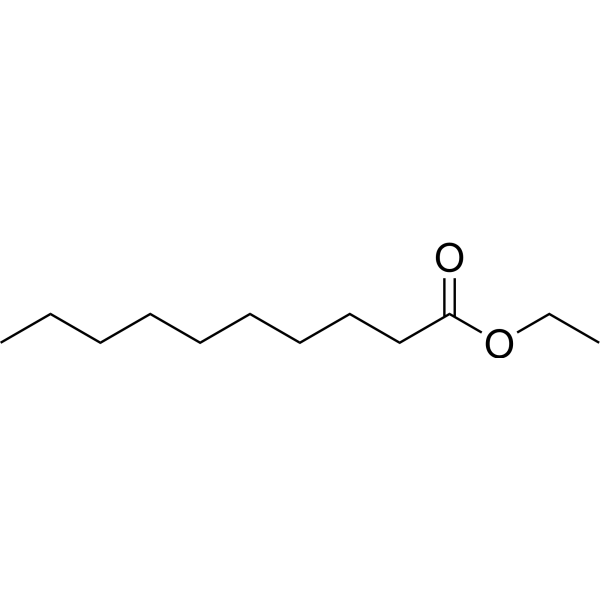
Ethyl decanoate is an organic compound commonly used as a flavoring and food additive. It can be used to prepare flavors and food seasonings with various flavors, and is widely used in food, flavors and cosmetics. In addition, this compound is also used as a substrate or intermediate in some biochemical reactions.
|
-
-
- HY-W268468
-
|
|
Biochemical Assay Reagents
|
Others
|
|
D,L-Isobornyl acetate is a flavor additive with a fragrance. D,L-Isobornyl acetate can be used as a flavoring agent in animal feed .
|
-

-
- HY-Y0546S2
-
|
|
Isotope-Labeled Compounds
Endogenous Metabolite
Photosensitizer
|
Cancer
|
|
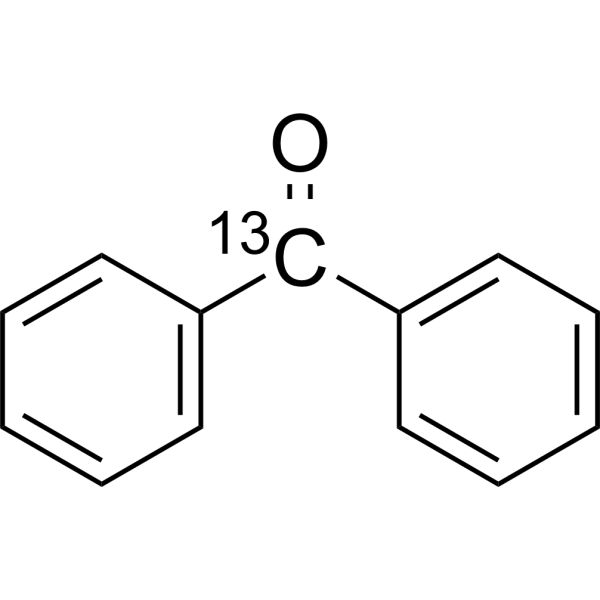
Benzophenone- 13C is the 13C labeled Benzophenone (HY-Y0546). Benzophenone is an endogenous metabolite. Benzophenone is a photosensitizer, that absorbs UV light, transfers its energy to DNA, and triggers DNA damage. Benzophenone can be used as the fragrance enhancer, ultraviolet curing agent, additive in plastics, or the flavor ingredient. Benzophenone can also be used in the manufacturing of insecticides, agricultural chemicals, hypnotics, antihistamines, and other pharmaceuticals. Benzophenone exhibits certain carcinogenicity in mouse/rat models under long term exposure. Benzophenone exhibits estrogenic activity .
|
-
-
- HY-Y0121R
-
|
|
Reference Standards
Parasite
VEGFR
Apoptosis
|
Cardiovascular Disease
Cancer
|
|
Ethyl cinnamate (Standard) is the analytical standard of Ethyl cinnamate. This product is intended for research and analytical applications. Ethyl cinnamate, an orally active chemical constituent of the rhizome of Kaempferia galanga, exhibits anti-cancer, nematocidal, sedative and vasorelaxant activities. Ethyl cinnamate is a fragrance ingredient used as a food flavor and additive for cosmetic products. Ethyl cinnamate is also an excellent clearing reagent for mammalian tissues. Ethyl cinnamate suppresses tumor growth through anti-angiogenesis by attenuating VEGFR2 signal pathway in colorectal cancer. Ethyl cinnamate inhibits the tonic contractions induced by high K+ and phenylephrine (PE) with respective IC50 values of 0.30 mM and 0.38 mM in rat aorta .
|
-

-
- HY-W009443
-
|
Diethyl sebacate
|
Environmental Pollutants
Biochemical Assay Reagents
|
Others
|
|
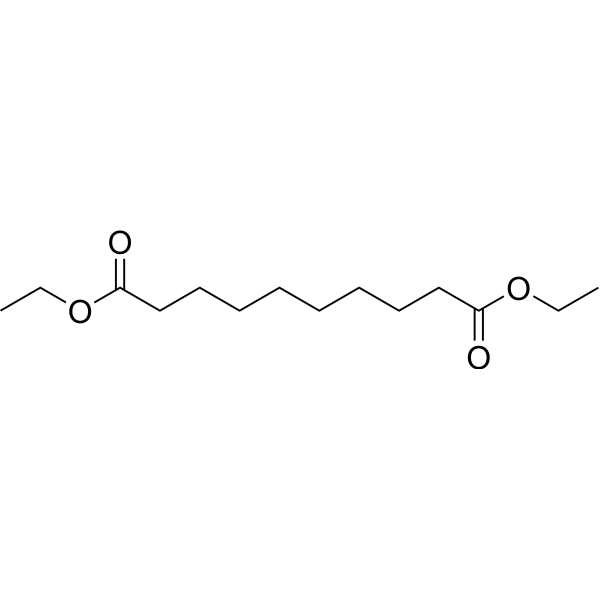
Diethyl decanedioate is an organic compound commonly used as a raw material for flavors and food additives. It can be used to make fruit and mint flavors, and is widely used in some food processing and cosmetic production. In addition, this compound is also used as a reagent and intermediate in some organic synthesis reactions.
|
-
-
- HY-W250305
-
|
|
Biochemical Assay Reagents
|
Others
|
|
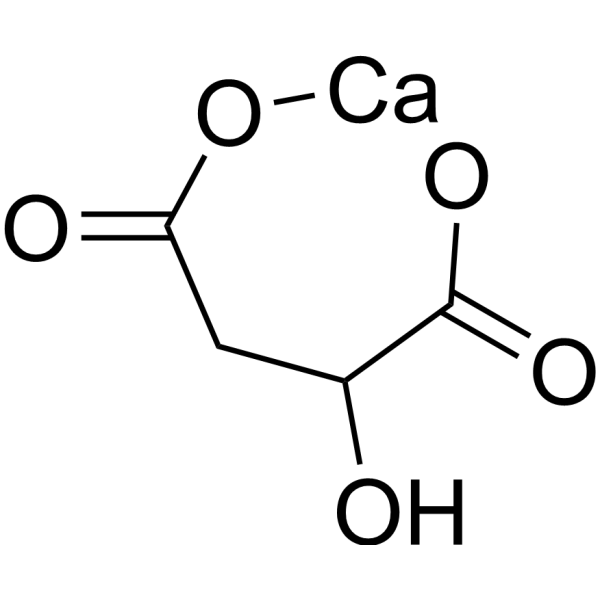
Calcium malate is an organic compound containing calcium and malic acid. It is commonly used as a dietary supplement to provide the body with calcium and malic acid, which are important for maintaining healthy bones, teeth and muscles. Calcium malate has several properties that make it suitable for these applications, including high solubility and bioavailability compared to other forms of calcium supplementation. Additionally, it is used as a food additive to enhance the acidity and flavor of certain products.
|
-
-
- HY-N7402
-
|
|
Others
|
Others
|
|
Hexyl hexanoate is a fruit aroma component with potential food and beverage additive activity. Hexyl hexanoate is found in alcoholic beverages and is used to blend fruit flavors. Hexyl hexanoate is present in many fruits, Parmesan cheese, alcoholic beverages, and black tea. Hexyl hexanoate is a volatile component produced as a result of fruit ripening. Toxicity assessments of hexyl hexanoate showed that it is not mutagenic and that exposure is below safety thresholds for repeated dose, reproduction, and local respiratory toxicity. Hexyl hexanoate is also below thresholds in skin sensitization assessments, and for phototoxicity and photosensitization, the results showed that it does not present a relevant risk. Hexyl hexanoate is considered non-persistent, non-bioaccumulative, and non-toxic according to the environmental criteria of the International Fragrance Association .
|
-

-
- HY-W127541
-
|
Triacontanoic acid methyl ester
|
Biochemical Assay Reagents
|
Others
|
|
Methyl melissate is an organic compound commonly used as a flavoring and food additive. It can be used to prepare flavors and food seasonings with various flavors, and is widely used in food, flavors and cosmetics. In addition, this compound is also used as a substrate or intermediate in some biochemical reactions.
|
-

-
- HY-W009443R
-
|
Diethyl sebacate (Standard)
|
Biochemical Assay Reagents
Reference Standards
|
Others
|
|
Diethyl decanedioate (Standard) is the analytical standard of Diethyl decanedioate. This product is intended for research and analytical applications. Diethyl decanedioate is an organic compound commonly used as a raw material for flavors and food additives. It can be used to make fruit and mint flavors, and is widely used in some food processing and cosmetic production. In addition, this compound is also used as a reagent and intermediate in some organic synthesis reactions.
|
-

-
- HY-W717735
-
|
|
Endogenous Metabolite
|
|
|
Monononadecanoin is a lipid compound with anti-inflammatory and antioxidant activities. Monononadecanoin is often used as a moisturizer and skin repair ingredient in skin care products. Monononadecanoin also has the function of improving flavor and extending shelf life in food additives.
|
-

-
- HY-Y0121S
-
|
|
Isotope-Labeled Compounds
|
Others
|
|
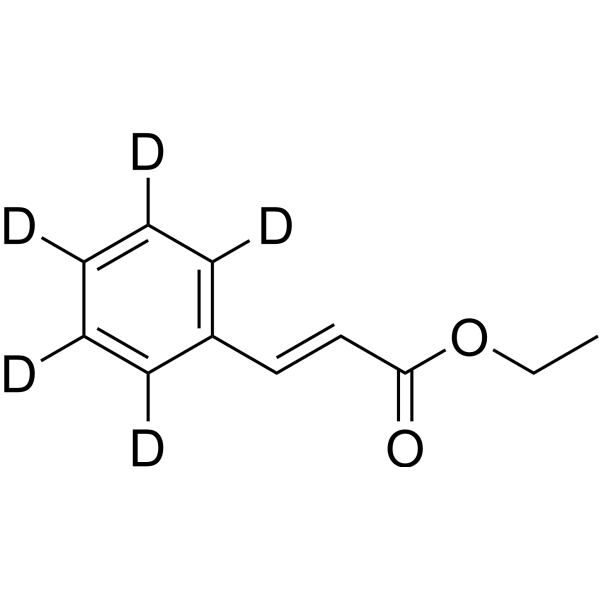
Ethyl cinnamate-d5 is the deuterium labeled Ethyl cinnamate . Ethyl cinnamate is a fragrance ingredient used in many fragrance compounds. Ethyl cinnamate is a food flavor and additive for cosmetic products. Ethyl cinnamate is also an excellent clearing reagent for mammalian tissues .
|
-
-
- HY-W009684R
-
|
Ethyl dodecanoate (Standard)
|
Biochemical Assay Reagents
Reference Standards
|
Others
|
|
Ethyl Laurate (Standard) is the analytical standard of Ethyl Laurate. This product is intended for research and analytical applications. Ethyl Laurate is an organic compound commonly used as a flavoring and food additive. It can be used to make fruit, mint and sweet flavors, and is widely used in some food processing and cosmetic production. In addition, this compound is also used as a reagent and intermediate in some organic synthesis reactions.
|
-

-
- HY-W026747
-
|
|
Drug Derivative
|
Others
|
|
Isobutyl salicylate is an irritant substance, an ester formed from salicylic acid and isobutanol, which serves as a flavor and fragrance additive. The median lethal dose (LD50) of Isobutyl salicylate via oral administration in rats is 1560 mg/kg.
|
-

-
- HY-W010320S
-
|
2-Ethyl-3-hydroxy-4H-pyran-4-one-d5
|
Isotope-Labeled Compounds
|
Others
|
|
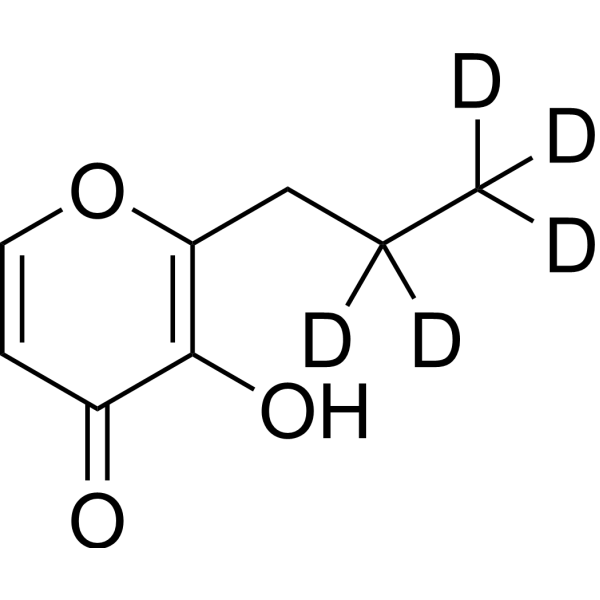
Ethyl maltol-d5 is the deuterium labeled Ethyl maltol. Ethyl maltol (2-Ethyl-3-hydroxy-4H-pyran-4-one) is an orally active and important food additive and flavor enhancer. Ethyl maltol is less toxic to rats and dogs. Ethyl maltol can enhance copper-mediated cytotoxicity and induce apoptosis in lung epithelial cells .
|
-
-
- HY-W010320R
-
|
2-Ethyl-3-hydroxy-4H-pyran-4-one (Standard)
|
Reference Standards
Apoptosis
Heme Oxygenase (HO)
|
Others
|
|
Ethyl maltol (Standard) is the analytical standard of Ethyl maltol. This product is intended for research and analytical applications. Ethyl maltol (2-Ethyl-3-hydroxy-4H-pyran-4-one) is an orally active and important food additive and flavor enhancer. Ethyl maltol is less toxic to rats and dogs. Ethyl maltol can enhance copper-mediated cytotoxicity and induce apoptosis in lung epithelial cells .
|
-

-
- HY-Y0546S1
-
|
|
Isotope-Labeled Compounds
Endogenous Metabolite
Photosensitizer
|
Cancer
|
|
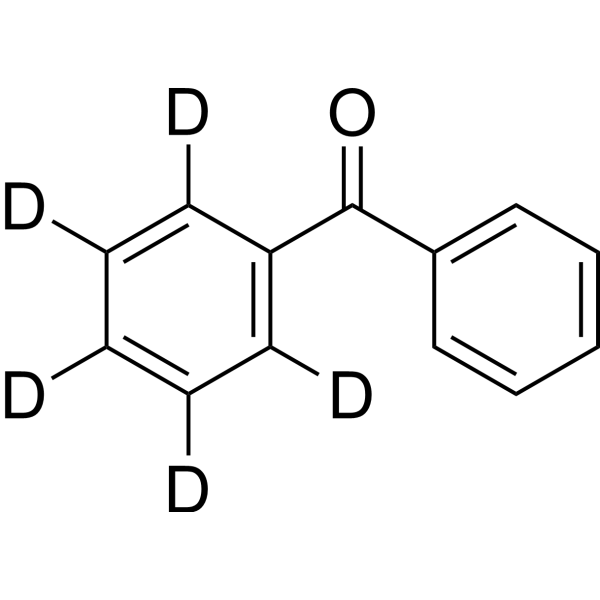
Benzophenone-d5 is the deuterium labeled Benzophenone (HY-Y0546). Benzophenone is an endogenous metabolite. Benzophenone is a photosensitizer, that absorbs UV light, transfers its energy to DNA, and triggers DNA damage. Benzophenone can be used as the fragrance enhancer, ultraviolet curing agent, additive in plastics, or the flavor ingredient. Benzophenone can also be used in the manufacturing of insecticides, agricultural chemicals, hypnotics, antihistamines, and other pharmaceuticals. Benzophenone exhibits certain carcinogenicity in mouse/rat models under long term exposure. Benzophenone exhibits estrogenic activity .
|
-
-
- HY-Y0546R
-
|
|
Reference Standards
Endogenous Metabolite
Photosensitizer
|
Cancer
|
|
Benzophenone (Standard) is the analytical standard of Benzophenone. This product is intended for research and analytical applications. Benzophenone standard is a photosensitizer, that absorbs UV light, transfers its energy to DNA, and triggers DNA damage. Benzophenone standard can be used as the fragrance enhancer, ultraviolet curing agent, additive in plastics, or the flavor ingredient. Benzophenone standard can also be used in the manufacturing of insecticides, agricultural chemicals, hypnotics, antihistamines, and other pharmaceuticals. Benzophenone standard exhibits certain carcinogenicity in mouse/rat models under long term exposure. Benzophenone standard exhibits estrogenic activity .
|
-

-
- HY-Y0121S1
-
|
|
Isotope-Labeled Compounds
|
Others
|
|
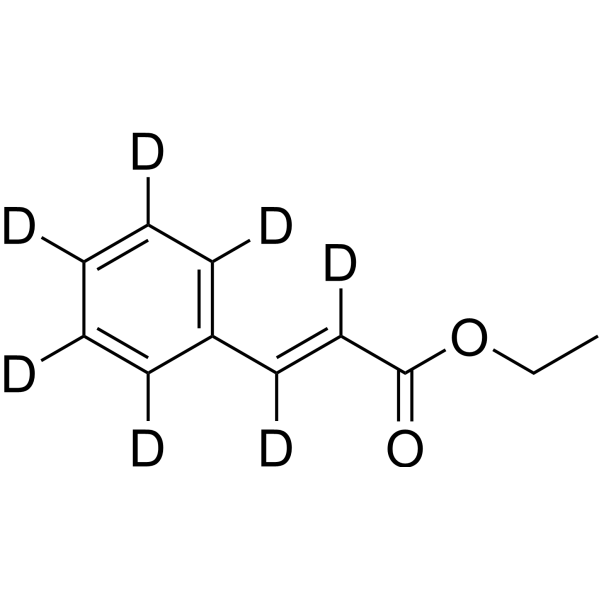
Ethyl cinnamate-d7 is deuterated labeled Ethyl cinnamate (HY-Y0121). Ethyl cinnamate, an orally active chemical constituent of the rhizome of Kaempferia galanga, exhibits anti-cancer, nematocidal, sedative and vasorelaxant activities. Ethyl cinnamate is a fragrance ingredient used as a food flavor and additive for cosmetic products. Ethyl cinnamate is also an excellent clearing reagent for mammalian tissues. Ethyl cinnamate suppresses tumor growth through anti-angiogenesis by attenuating VEGFR2 signal pathway in colorectal cancer. Ethyl cinnamate inhibits the tonic contractions induced by high K+ and phenylephrine (PE) with respective IC50 values of 0.30 mM and 0.38 mM in rat aorta .
|
-
-
- HY-W724381
-
|
Decanoic Acid Ethyl Ester-d19
|
Isotope-Labeled Compounds
Biochemical Assay Reagents
|
Others
|
|
Ethyl decanoate-d19 (Decanoic Acid Ethyl Ester-d19) is the deuterium labeled Ethyl decanoate (HY-W014884). Ethyl decanoate is an organic compound commonly used as a flavoring and food additive. It can be used to prepare flavors and food seasonings with various flavors, and is widely used in food, flavors and cosmetics. In addition, this compound is also used as a substrate or intermediate in some biochemical reactions.
|
-

-
- HY-129947
-
|
|
Endogenous Metabolite
|
Neurological Disease
|
|
(-)-Carveol is a natural unsaturated monocyclic monoterpene alcohol with the activity of regulating neural excitability. (-)-Carveol can activate or inhibit neural excitability by changing its chemical structure, which has potential significance for the design of targeted compounds. (-)-Carveol can also be used as a fragrance in cosmetics and a flavor additive in the food industry .
|
-

-
- HY-W007355S2
-
|
3-Methylindole-13C6; 3-Methyl-1H-indole-13C6
|
Isotope-Labeled Compounds
Aryl Hydrocarbon Receptor
p38 MAPK
Endogenous Metabolite
Apoptosis
|
Others
|
|
Skatole- 13C6 is the 13C-labeled Skatole (HY-W007355). Skatole (3-methylindole) is a heterocyclic compound naturally found in the feces of vertebrates and can be found in certain plants. Skatole can be produced by intestinal bacteria, inducing apoptosis of intestinal epithelial cells through activating aryl hydrocarbon receptors (AhR) and p38. Skatole has been used in specific products of the perfume industry or as a flavor additive in ice cream.
|
-

| Cat. No. |
Product Name |
Type |
-
- HY-W016278
-
|
|
Biochemical Assay Reagents
|
|
Gamma-undecalactone consists of a five-membered dihydrofuran ring with an ester group and a heptyl chain. This compound has a fruity smell and is commonly used as a flavor additive in various food and beverage products such as coffee, tea and baked goods.
|
-
- HY-W250303
-
|
Hydroxybutanedioic acid disodium salt; E 296 disodium salt
|
Biochemical Assay Reagents
|
|
Sodium DL-Malate is an organic compound commonly used as a food additive, buffer and nutritional supplement. It contains sodium and malic acid. Malic acid disodium salt has several properties suitable for these applications, including the ability to enhance food flavor, improve texture and regulate acidity. Additionally, it can be used as a dietary supplement due to its potential health benefits, including improved energy production, reduced fatigue, and enhanced athletic performance.
|
-
- HY-W009684
-
|
Ethyl dodecanoate
|
Biochemical Assay Reagents
|
|
Ethyl Laurate is an organic compound commonly used as a flavoring and food additive. It can be used to make fruit, mint and sweet flavors, and is widely used in some food processing and cosmetic production. In addition, this compound is also used as a reagent and intermediate in some organic synthesis reactions.
|
-
- HY-W250303A
-
|
Hydroxybutanedioic acid disodium hydrate; Disodium DL-malate hydrate; E 296 disodium hydrate
|
Biochemical Assay Reagents
|
|
Malic acid disodium hydrate is an organic compound that is commonly used as a food additive, buffering agent, and nutritional supplement. It contains sodium and malic acid. Malic acid disodium hydrate has a variety of properties that make it suitable for these applications, including the ability to enhance food flavor, improve texture, and regulate acidity. In addition, due to its potential health benefits, including improved energy production, reduced fatigue, and enhanced athletic performance, Malic acid disodium hydrate can be used as a dietary supplement .
|
-
- HY-W014884
-
|
Decanoic Acid Ethyl Ester
|
Biochemical Assay Reagents
|
|
Ethyl decanoate is an organic compound commonly used as a flavoring and food additive. It can be used to prepare flavors and food seasonings with various flavors, and is widely used in food, flavors and cosmetics. In addition, this compound is also used as a substrate or intermediate in some biochemical reactions.
|
-
- HY-W009443
-
|
Diethyl sebacate
|
Biochemical Assay Reagents
|
|
Diethyl decanedioate is an organic compound commonly used as a raw material for flavors and food additives. It can be used to make fruit and mint flavors, and is widely used in some food processing and cosmetic production. In addition, this compound is also used as a reagent and intermediate in some organic synthesis reactions.
|
-
- HY-W250305
-
|
|
Biochemical Assay Reagents
|
|
Calcium malate is an organic compound containing calcium and malic acid. It is commonly used as a dietary supplement to provide the body with calcium and malic acid, which are important for maintaining healthy bones, teeth and muscles. Calcium malate has several properties that make it suitable for these applications, including high solubility and bioavailability compared to other forms of calcium supplementation. Additionally, it is used as a food additive to enhance the acidity and flavor of certain products.
|
-
- HY-W127541
-
|
Triacontanoic acid methyl ester
|
Biochemical Assay Reagents
|
|
Methyl melissate is an organic compound commonly used as a flavoring and food additive. It can be used to prepare flavors and food seasonings with various flavors, and is widely used in food, flavors and cosmetics. In addition, this compound is also used as a substrate or intermediate in some biochemical reactions.
|
-
- HY-W009443R
-
|
Diethyl sebacate (Standard)
|
Biochemical Assay Reagents
|
|
Diethyl decanedioate (Standard) is the analytical standard of Diethyl decanedioate. This product is intended for research and analytical applications. Diethyl decanedioate is an organic compound commonly used as a raw material for flavors and food additives. It can be used to make fruit and mint flavors, and is widely used in some food processing and cosmetic production. In addition, this compound is also used as a reagent and intermediate in some organic synthesis reactions.
|
-
- HY-W009684R
-
|
Ethyl dodecanoate (Standard)
|
Biochemical Assay Reagents
|
|
Ethyl Laurate (Standard) is the analytical standard of Ethyl Laurate. This product is intended for research and analytical applications. Ethyl Laurate is an organic compound commonly used as a flavoring and food additive. It can be used to make fruit, mint and sweet flavors, and is widely used in some food processing and cosmetic production. In addition, this compound is also used as a reagent and intermediate in some organic synthesis reactions.
|
| Cat. No. |
Product Name |
Category |
Target |
Chemical Structure |
-
- HY-W007355
-
-
-
- HY-Y0546
-
|
|
Structural Classification
Microorganisms
Classification of Application Fields
Ketones, Aldehydes, Acids
Metabolic Disease
Endogenous metabolite
Disease Research Fields
Source Classification
|
Environmental Pollutants
Endogenous Metabolite
Photosensitizer
|
|
Benzophenone is an endogenous metabolite. Benzophenone is a photosensitizer, that absorbs UV light, transfers its energy to DNA, and triggers DNA damage. Benzophenone can be used as the fragrance enhancer, ultraviolet curing agent, additive in plastics, or the flavor ingredient. Benzophenone can also be used in the manufacturing of insecticides, agricultural chemicals, hypnotics, antihistamines, and other pharmaceuticals. Benzophenone exhibits certain carcinogenicity in mouse/rat models under long term exposure. Benzophenone exhibits estrogenic activity .
|
-
-
- HY-W016278
-
-
-
- HY-Y0121
-
-
-
- HY-W007355R
-
-
-
- HY-Y0121R
-
|
|
Structural Classification
Kaempferia galanga L.
Microorganisms
Other Phenylpropanoids
Phenylpropanoids
Plants
Source Classification
Zingiberaceae
|
Reference Standards
Parasite
VEGFR
Apoptosis
|
|
Ethyl cinnamate (Standard) is the analytical standard of Ethyl cinnamate. This product is intended for research and analytical applications. Ethyl cinnamate, an orally active chemical constituent of the rhizome of Kaempferia galanga, exhibits anti-cancer, nematocidal, sedative and vasorelaxant activities. Ethyl cinnamate is a fragrance ingredient used as a food flavor and additive for cosmetic products. Ethyl cinnamate is also an excellent clearing reagent for mammalian tissues. Ethyl cinnamate suppresses tumor growth through anti-angiogenesis by attenuating VEGFR2 signal pathway in colorectal cancer. Ethyl cinnamate inhibits the tonic contractions induced by high K+ and phenylephrine (PE) with respective IC50 values of 0.30 mM and 0.38 mM in rat aorta .
|
-
-
- HY-N7402
-
|
|
Natural Products
Animals
Source Classification
|
Others
|
|
Hexyl hexanoate is a fruit aroma component with potential food and beverage additive activity. Hexyl hexanoate is found in alcoholic beverages and is used to blend fruit flavors. Hexyl hexanoate is present in many fruits, Parmesan cheese, alcoholic beverages, and black tea. Hexyl hexanoate is a volatile component produced as a result of fruit ripening. Toxicity assessments of hexyl hexanoate showed that it is not mutagenic and that exposure is below safety thresholds for repeated dose, reproduction, and local respiratory toxicity. Hexyl hexanoate is also below thresholds in skin sensitization assessments, and for phototoxicity and photosensitization, the results showed that it does not present a relevant risk. Hexyl hexanoate is considered non-persistent, non-bioaccumulative, and non-toxic according to the environmental criteria of the International Fragrance Association .
|
-
-
- HY-Y0546R
-
|
|
Structural Classification
Microorganisms
Ketones, Aldehydes, Acids
Endogenous metabolite
Source Classification
|
Reference Standards
Endogenous Metabolite
Photosensitizer
|
|
Benzophenone (Standard) is the analytical standard of Benzophenone. This product is intended for research and analytical applications. Benzophenone standard is a photosensitizer, that absorbs UV light, transfers its energy to DNA, and triggers DNA damage. Benzophenone standard can be used as the fragrance enhancer, ultraviolet curing agent, additive in plastics, or the flavor ingredient. Benzophenone standard can also be used in the manufacturing of insecticides, agricultural chemicals, hypnotics, antihistamines, and other pharmaceuticals. Benzophenone standard exhibits certain carcinogenicity in mouse/rat models under long term exposure. Benzophenone standard exhibits estrogenic activity .
|
-
| Cat. No. |
Product Name |
Chemical Structure |
-
- HY-Y0546S
-
|
|
|
Benzophenone-d10 is the deuterium labeled Benzophenone (HY-Y0546). Benzophenone is an endogenous metabolite. Benzophenone is a photosensitizer, that absorbs UV light, transfers its energy to DNA, and triggers DNA damage. Benzophenone can be used as the fragrance enhancer, ultraviolet curing agent, additive in plastics, or the flavor ingredient. Benzophenone can also be used in the manufacturing of insecticides, agricultural chemicals, hypnotics, antihistamines, and other pharmaceuticals. Benzophenone exhibits certain carcinogenicity in mouse/rat models under long term exposure. Benzophenone exhibits estrogenic activity .
|
-
-
- HY-Y0546S2
-
|
|
|
Benzophenone- 13C is the 13C labeled Benzophenone (HY-Y0546). Benzophenone is an endogenous metabolite. Benzophenone is a photosensitizer, that absorbs UV light, transfers its energy to DNA, and triggers DNA damage. Benzophenone can be used as the fragrance enhancer, ultraviolet curing agent, additive in plastics, or the flavor ingredient. Benzophenone can also be used in the manufacturing of insecticides, agricultural chemicals, hypnotics, antihistamines, and other pharmaceuticals. Benzophenone exhibits certain carcinogenicity in mouse/rat models under long term exposure. Benzophenone exhibits estrogenic activity .
|
-
-
- HY-Y0121S
-
|
|
|
Ethyl cinnamate-d5 is the deuterium labeled Ethyl cinnamate . Ethyl cinnamate is a fragrance ingredient used in many fragrance compounds. Ethyl cinnamate is a food flavor and additive for cosmetic products. Ethyl cinnamate is also an excellent clearing reagent for mammalian tissues .
|
-
-
- HY-W010320S
-
|
|
|
Ethyl maltol-d5 is the deuterium labeled Ethyl maltol. Ethyl maltol (2-Ethyl-3-hydroxy-4H-pyran-4-one) is an orally active and important food additive and flavor enhancer. Ethyl maltol is less toxic to rats and dogs. Ethyl maltol can enhance copper-mediated cytotoxicity and induce apoptosis in lung epithelial cells .
|
-
-
- HY-Y0546S1
-
|
|
|
Benzophenone-d5 is the deuterium labeled Benzophenone (HY-Y0546). Benzophenone is an endogenous metabolite. Benzophenone is a photosensitizer, that absorbs UV light, transfers its energy to DNA, and triggers DNA damage. Benzophenone can be used as the fragrance enhancer, ultraviolet curing agent, additive in plastics, or the flavor ingredient. Benzophenone can also be used in the manufacturing of insecticides, agricultural chemicals, hypnotics, antihistamines, and other pharmaceuticals. Benzophenone exhibits certain carcinogenicity in mouse/rat models under long term exposure. Benzophenone exhibits estrogenic activity .
|
-
-
- HY-Y0121S1
-
|
|
|
Ethyl cinnamate-d7 is deuterated labeled Ethyl cinnamate (HY-Y0121). Ethyl cinnamate, an orally active chemical constituent of the rhizome of Kaempferia galanga, exhibits anti-cancer, nematocidal, sedative and vasorelaxant activities. Ethyl cinnamate is a fragrance ingredient used as a food flavor and additive for cosmetic products. Ethyl cinnamate is also an excellent clearing reagent for mammalian tissues. Ethyl cinnamate suppresses tumor growth through anti-angiogenesis by attenuating VEGFR2 signal pathway in colorectal cancer. Ethyl cinnamate inhibits the tonic contractions induced by high K+ and phenylephrine (PE) with respective IC50 values of 0.30 mM and 0.38 mM in rat aorta .
|
-
-
- HY-W724381
-
|
|
|
Ethyl decanoate-d19 (Decanoic Acid Ethyl Ester-d19) is the deuterium labeled Ethyl decanoate (HY-W014884). Ethyl decanoate is an organic compound commonly used as a flavoring and food additive. It can be used to prepare flavors and food seasonings with various flavors, and is widely used in food, flavors and cosmetics. In addition, this compound is also used as a substrate or intermediate in some biochemical reactions.
|
-
-
- HY-W007355S2
-
|
|
|
Skatole- 13C6 is the 13C-labeled Skatole (HY-W007355). Skatole (3-methylindole) is a heterocyclic compound naturally found in the feces of vertebrates and can be found in certain plants. Skatole can be produced by intestinal bacteria, inducing apoptosis of intestinal epithelial cells through activating aryl hydrocarbon receptors (AhR) and p38. Skatole has been used in specific products of the perfume industry or as a flavor additive in ice cream.
|
-
Your information is safe with us. * Required Fields.
Inquiry Information
- Product Name:
- Cat. No.:
- Quantity:
- MCE Japan Authorized Agent:








