Search Result
Results for "
lipid+membrane
" in MedChemExpress (MCE) Product Catalog:
5
Biochemical Assay Reagents
| Cat. No. |
Product Name |
Target |
Research Areas |
Chemical Structure |
-
- HY-Y1883
-
|
|
Environmental Pollutants
Biochemical Assay Reagents
Apoptosis
|
Infection
Cancer
|
|
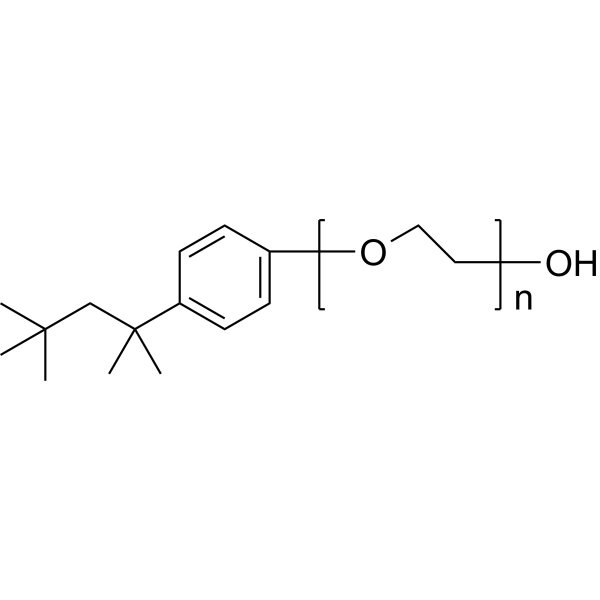
Polyethylene glycol mono(4-tert-octylphenyl) ether surfactant is a non-denaturing detergent that solubilizes lipid membranes. Polyethylene glycol mono(4-tert-octylphenyl) ether surfactant is commonly used in laboratories and is applied to vaccines at different stages of the manufacturing process. Polyethylene glycol mono(4-tert-octylphenyl) ether surfactant is listed as an excipient in certain vaccines including split virus influenza vaccines. Polyethylene glycol mono(4-tert-octylphenyl) ether surfactant is a nonionic surfactant. Polyethylene glycol mono(4-tert-octylphenyl) ether surfactant induces Apoptosis in prostate and colon cancer cell lines and reduces the infectivity of classic enveloped viruses such as WNV .
|
-
-
- HY-Y1883A
-
|
|
Environmental Pollutants
Biochemical Assay Reagents
|
Infection
Cancer
|
|
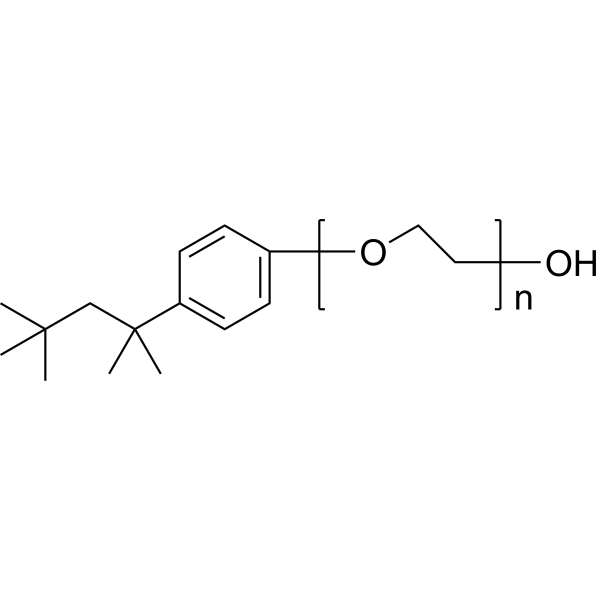
Polyethylene glycol mono(4-tert-octylphenyl) ether is a non-denaturing detergent that solubilizes lipid membranes. Polyethylene glycol mono(4-tert-octylphenyl) ether is commonly used in laboratories and is applied to vaccines at different stages of the manufacturing process. Polyethylene glycol mono(4-tert-octylphenyl) ether is listed as an excipient in certain vaccines including split virus influenza vaccines. Polyethylene glycol mono(4-tert-octylphenyl) ether is a nonionic surfactant. Polyethylene glycol mono(4-tert-octylphenyl) ether induces Apoptosis in prostate and colon cancer cell lines and reduces the infectivity of classic enveloped viruses such as WNV .
|
-
-
- HY-D1378
-
|
|
Fluorescent Dye
|
Others
|
|
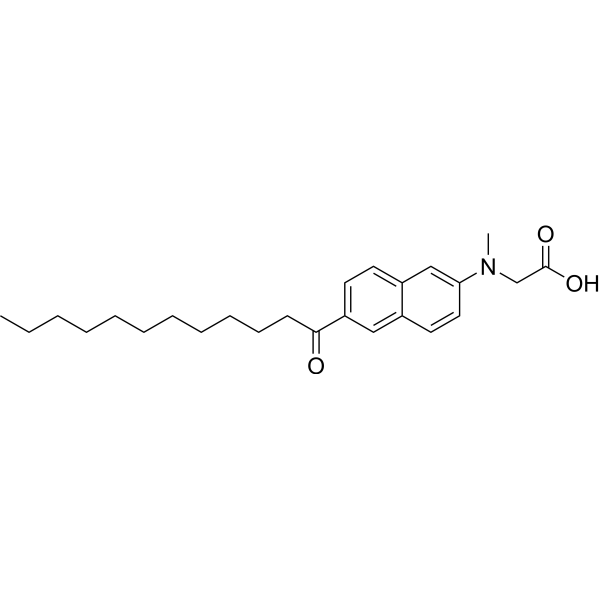
C-Laurdan is a modified Laurdan (HY-D0080) probe that imaging lipid rafts with environmentally sensitive fluorescence. C-Laurdan can be used in research of lipid arrangement and fluidity in biological membranes or artificial lipid membranes .
|
-
-
- HY-162543
-
|
18:1 Lissamine rhodamine PE
|
Fluorescent Dye
|
Others
|
|
18:1 Liss Rhod (18:1 Lissamine rhodamine) PE is a fluorescent phospholipid and fluorescent probe.18:1 Liss Rhod PE admixes into phospholipid inks for large-scale monitoring of dip-pen nanolithography-generated lithographic structures via fluorescence microscopy.18:1 Liss Rhod PE undergoes phase separation or self-quenching under certain conditions in thin lipid membrane stacks .
|
-

-
- HY-134508A
-
|
|
Biochemical Assay Reagents
|
Others
|
|
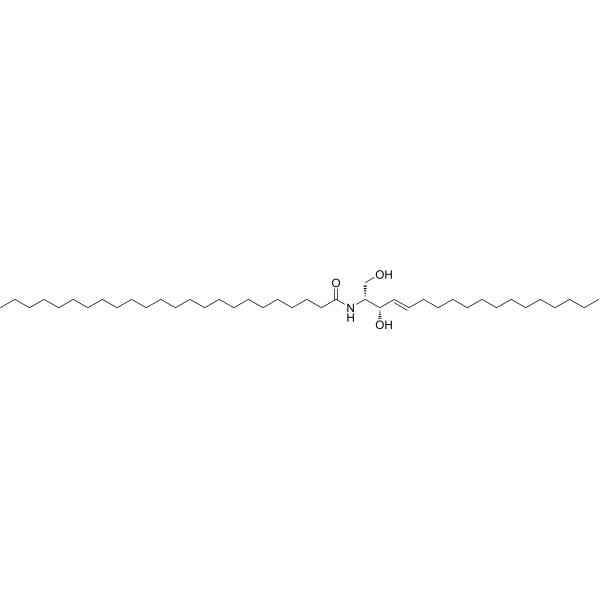
C24-Ceramide (d18:1/24:0) is a sphingolipid that can be used for the lipid membranes composed. C24-Ceramide (d18:1/24:0) induces time-dependent changes in membrane properties. C24-Ceramide (d18:1/24:0) induces membrane reorganization .
|
-
-
- HY-160791
-
|
|
Phosphatase
|
Infection
Cancer
|
|
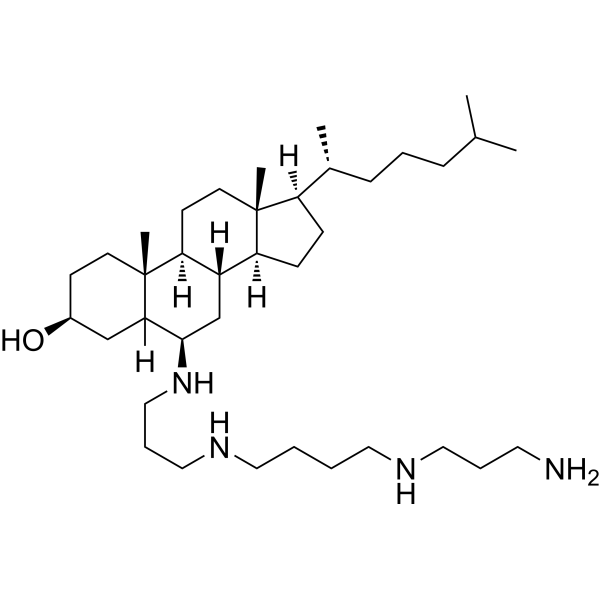
Claramine is a steroid polyamine with blood-brain barrier permeability. Claramine can regulate the properties of lipid membranes and protect cells from various biological toxins, including misfolded protein oligomers and biological protein-based toxins .
|
-
-
- HY-W337335
-
|
1-P-GPA sodium salt
|
Liposome
|
Metabolic Disease
Inflammation/Immunology
|
|
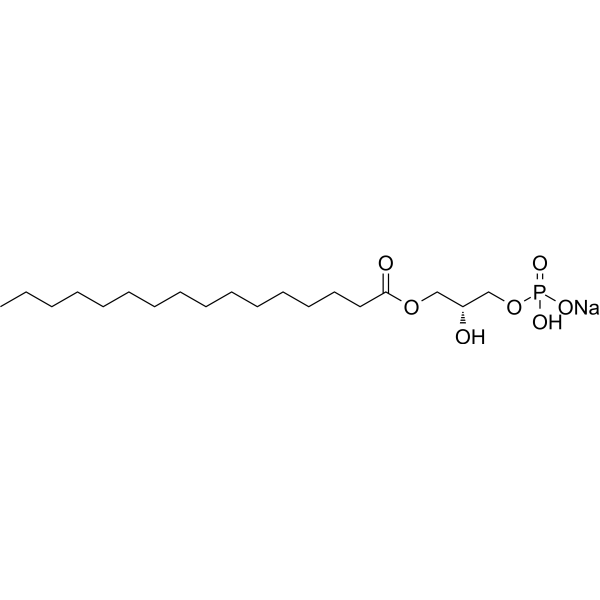
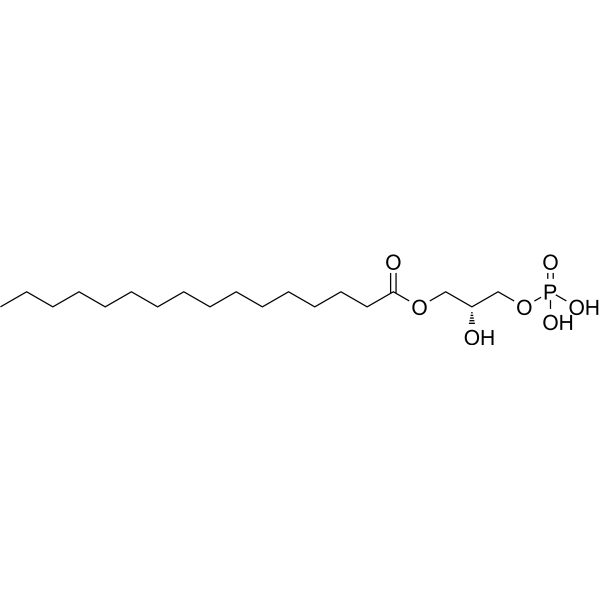
Palmitoyl-sn-glycerol 3-phosphate (1-P-GPA) sodium salt is a type of phospholipid and a precursor of lipid membranes. 1-Palmitoyl-sn-glycerol 3-phosphate sodium salt can be incorporated into POPC liposomes, resulting in significant changes in membrane curvature. 1-Palmitoyl-sn-glycerol 3-phosphate sodium salt can induce platelet aggregation, but its activity is 30 times lower than that of 1-hexadecyl-sn-glyceryl-3-phosphate .
|
-
-
- HY-121527
-
|
|
Enterovirus
Influenza Virus
Bacterial
|
Infection
Neurological Disease
|
|
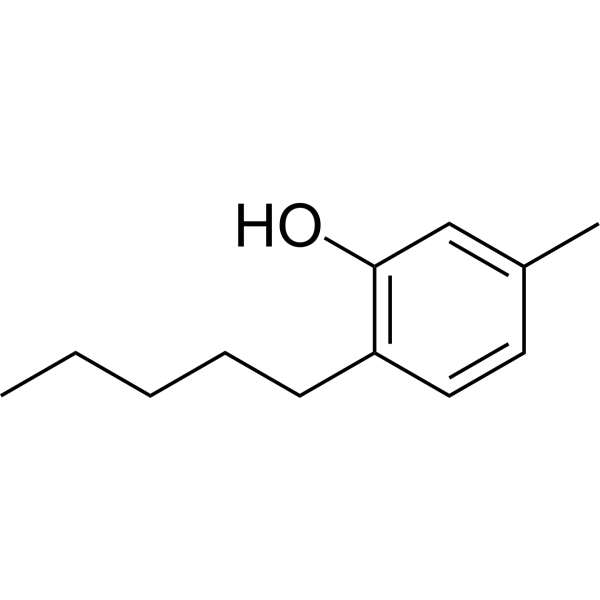
Amylmetacresol is a phenolic compound with topical antibacterial and antiviral activity. Amylmetacresol works by destroying the protein structure of the virus surface or interfering with the function of the virus lipid membrane. Amylmetacresol inhibits the attachment and replication of respiratory viruses such as human Rhinovirus 1a and influenza virus A, without significant effect on viruses such as HRV8. Amylmetacresol is mainly applied topically to the throat to relieve viral sore throats. Amylmetacresol is more active against enveloped viruses than non-enveloped viruses .
|
-
-
- HY-N15936
-
|
|
Toll-like Receptor (TLR)
Interleukin Related
|
Inflammation/Immunology
|
|
a15:0-i15:0 PE is a diacyl phosphatidylethanolamine with two branched chains. a15:0-i15:0 PE is a non-canonical TLR2-TLR1 heterodimer agonist and has immunogenic activity. a15:0-i15:0 PE activates T cells and DC signaling and shows anti-inflammatory activity. a15:0-i15:0 PE induces TNFα and IL-6 production. a15:0-i15:0 PE is a the major component (approximately 50%) of A. muciniphila’s lipid membrane .
|
-

-
- HY-160791A
-
|
|
Phosphatase
|
Infection
Cancer
|
|
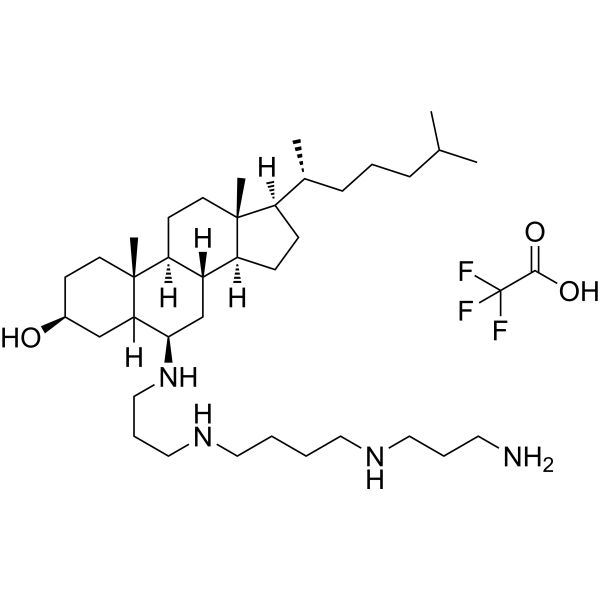
Claramine TFA is a steroidal polyamine. Claramine TFA can regulate the properties of lipid membranes and protect cells from various biological toxins, including misfolded protein oligomers and toxins derived from biological proteins .
|
-
-
- HY-P10862
-
|
|
Exosomes
Virus Protease
|
Infection
Cancer
|
AH-D peptide is a brain-penetrant antiviral agent disrupting highly curved lipid membranes. AH-D peptide exhibits broad-spectrum antiviral activity against ZIKV, Dengue virus, Chikungunya virus, yellow fever virus and Japanese encephalitis virus, with
IC50 values of 11.9, 12.5, 35.7, 206 and 136 nM, respectively. AH-D peptide reduces the viral load in the brain, suppresses inflammation, protects neurons, and does not damage the blood brain barrier. AH-D peptide restores antitumor immunity by decreasing circulating PD-L1 + exosomes, reducing intratumoral immunosuppressive cells (regulatory T cells, myeloid-derived suppressor cells), and enhancing T cell function. AH-D peptide inhibits membrane-enveloped viruses and cancer cell metastasis in vivo. AH-D peptide exhibits no immunogenicity and has negligible effects on normal tissues. AH-D peptide can be used for research in Zika virus and other mosquito-borne viruses, cancer immunotherapy and metastasis .
|
-

-
- HY-160791B
-
|
|
Phosphatase
|
Infection
Cancer
|
|
Claramine hydrochloride is a steroid polyamine with blood-brain barrier permeability. Claramine hydrochloride can regulate the properties of lipid membranes and protect cells from various biological toxins, including misfolded protein oligomers and biological protein-based toxins .
|
-

-
- HY-126967A
-
|
1-P-GPA
|
Liposome
|
Cardiovascular Disease
|
|
1-Palmitoyl-sn-glycerol 3-phosphate (1-P-GPA) is a phospholipid and lipid membrane precursor. 1-Palmitoyl-sn-glycerol 3-phosphate integrates into POPC liposomes, causing significant changes in membrane curvature. 1-Palmitoyl-sn-glycerol 3-phosphate induces platelet aggregation, but its activity is 30-fold lower than that of 1-hexadecyl-sn-glyceryl-3-phosphate .
|
-
-
- HY-W009877
-
|
|
Biochemical Assay Reagents
|
Others
|
|
4-Acetylbiphenyl (ACBP) is a biphenyl compound that can be used as a probe molecule to study the structure and function of proteins and to study the properties of lipid membranes .
|
-

-
- HY-W700437
-
|
|
Biochemical Assay Reagents
|
|
|
Threo-9,10-Dihydroxystearic acid is a synthetic dihydroxy fatty acid with the activity of altering lipid bilayer packing and fluidity. Threo-9,10-Dihydroxystearic acid can be used to study the dynamic properties of lipid membranes. Threo-9,10-Dihydroxystearic acid exhibits important biological functions in cell membranes or synthetic lipid models.
|
-

-
- HY-166257
-
|
Psychosine 3′-O-sulfate; Psychosine 3′-sulfate
|
Biochemical Assay Reagents
Factor Xa
|
Metabolic Disease
|
|
Lyso-sulfatide (bovine) is a phospholipid component derived from sphingolipid catabolism and a potent factor Xa inhibitor and anticoagulant. Lyso-sulfatide (bovine) binds directly to factor Xa and inhibits prothrombin activation mediated by the prothrombinase complex, thereby prolonging factor Xa-induced plasma clotting time and suppressing thrombin generation. Lyso-sulfatide (bovine) serves as a reliable lipid membrane mimic for studying cell membrane structure, function, and molecular interactions .
|
-

-
- HY-170456
-
-

-
- HY-153056
-
|
|
NO Synthase
|
Others
|
|
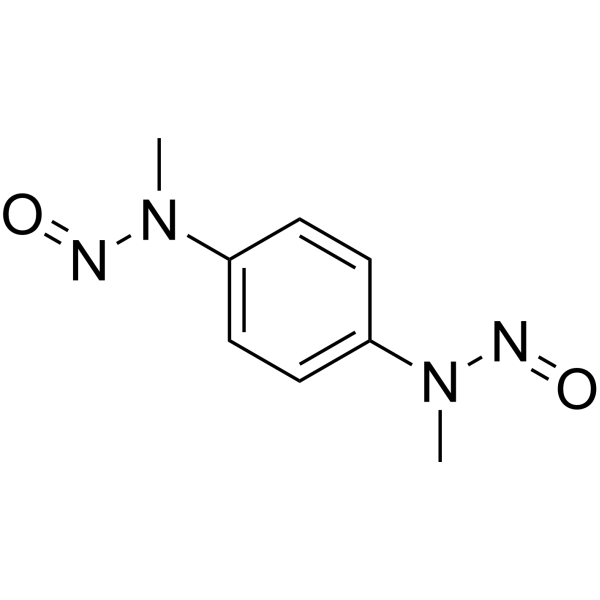
BNN3 is a caged nitric oxide (NO) donor. BNN3 is membrane-permeant and incorporated in the lipid membrane .
|
-
-
- HY-P5159
-
|
|
Sodium Channel
|
Inflammation/Immunology
|
|
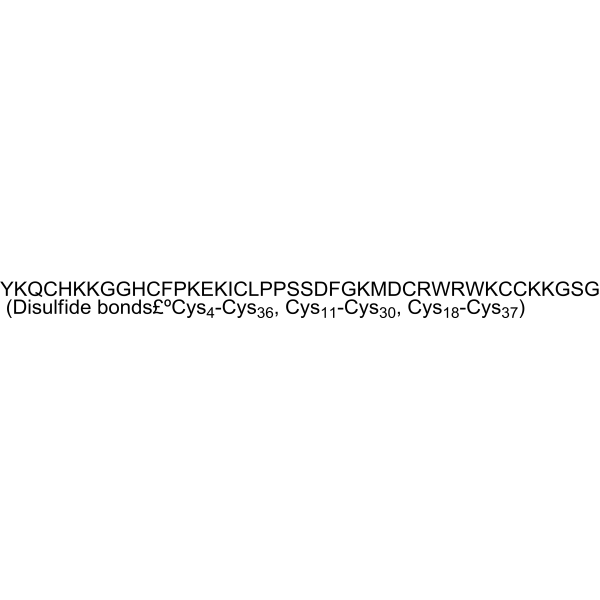
Crotamine is a Na + channel modulator. Crotamine is a 42 amino acid toxin cross-linked by three disulfide bridges. Crotamine has analgesic activity. Crotamine also interacts with lipid membranes and shows myonecrotic activity. Crotamine can be isolated from Crotalus durissus terrificus venom .
|
-
-
- HY-P5159A
-
|
|
Sodium Channel
|
Inflammation/Immunology
|
|
Crotamine TFA is a Na + channel modulator. Crotamine is a 42 amino acid toxin cross-linked by three disulfide bridges. Crotamine has analgesic activity. Crotamine also interacts with lipid membranes and shows myonecrotic activity. Crotamine can be isolated from Crotalus durissus terrificus venom .
|
-

-
- HY-172324
-
-

-
- HY-W127423
-
|
|
Biochemical Assay Reagents
|
Others
|
|
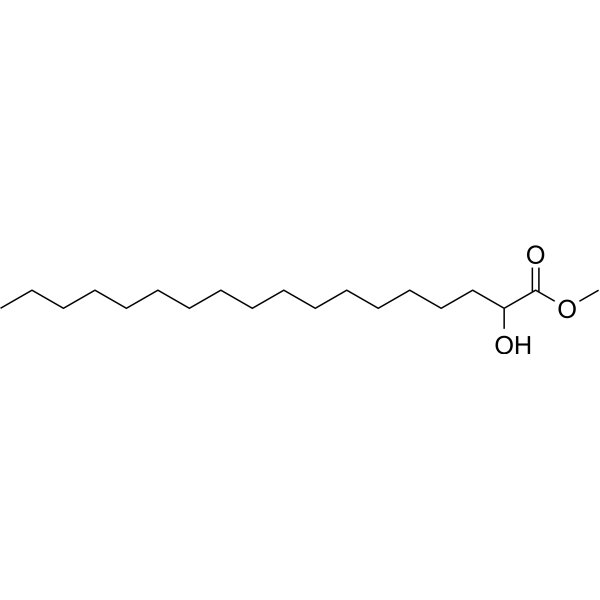
Methyl (+/-)-2-hydroxystearateis a hydroxylated fatty acid methyl ester that broadens phase transitions in dimyristoylphosphatidylcholine (DMPC) lipid membranes. It has been used in the synthesis of lipid-nucleotide conjugated anti-HIV agents to increase the cleavage of phosphodiester bonds and the number of released intracellular nucleotides.
|
-
-
- HY-157933
-
|
|
Mitochondrial Metabolism
|
Infection
|
|
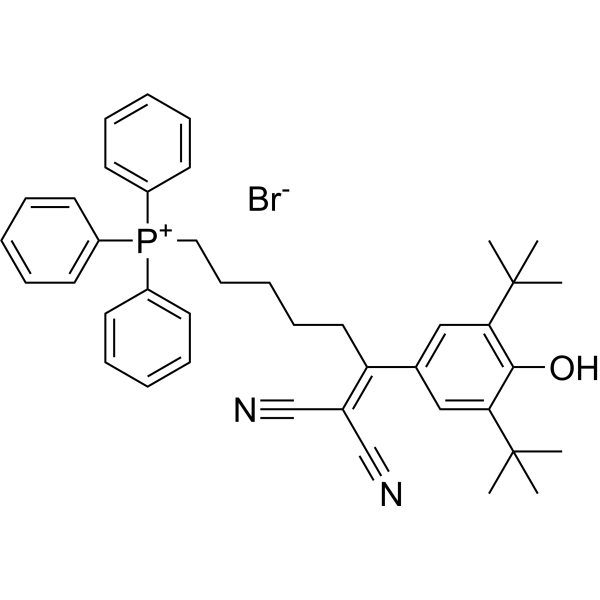
SF-C5-TPP is an potent mitochondria-targeted protonophoric uncoupler. SF-C5-TPP has significant proton transfer activity on model planar bilayer lipid membranes. SF-C5-TPP inhibits the growth of Bacillus subtilis with a MIC of 2 μM >[1].
|
-
-
- HY-171458
-
|
|
Fluorescent Dye
|
Others
|
|
U-104067 can be used as a molecular probe to observe and to quantitate a variety of physical phenomena, such as transfer into lipid membranes, partitioning between surface phases, and partitioning between lipid carriers and target membranes. U-104067 is a sensitive reporter of the tilt/ripple phase transition, monitored by its fluorescence anisotropy and quantum yield changes .
|
-

-
- HY-115399A
-
|
3-Oxo-C16-AHL
|
Bacterial
|
Infection
|
|
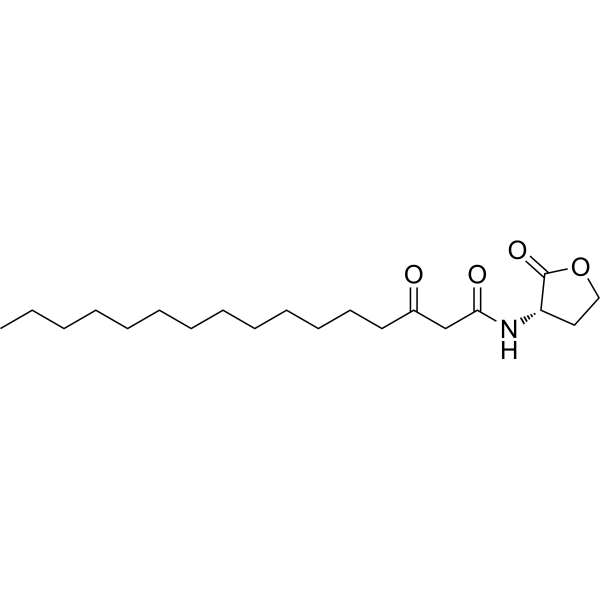
N-3-Oxo-hexadecanoyl-L-Homoserine lactone (3-Oxo-C16-AHL) is a signaling molecule to coordinate group behaviors at high densities in many bacteria. N-3-Oxo-hexadecanoyl-L-Homoserine lactone adsorbs to and promotes the remodeling of lipid membranes in ways that could underpin cell-cell or host-cell interactions .
|
-
-
- HY-P10035
-
|
|
Amyloid-β
|
Neurological Disease
|
|
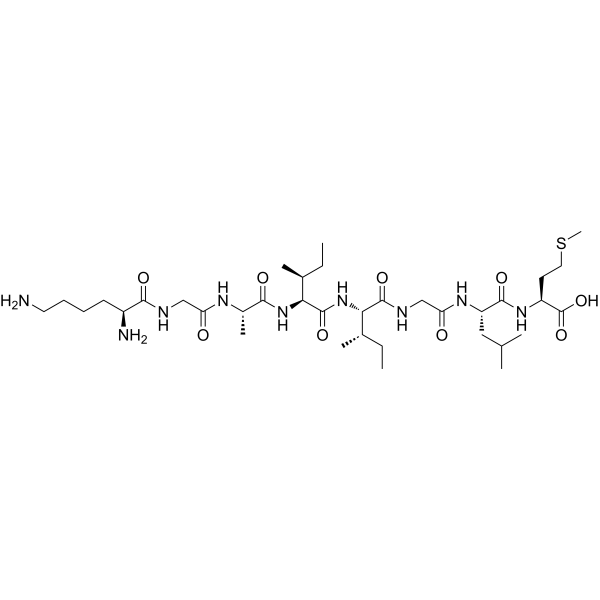
β Amyloid(28-35) human is a β-amyloid peptide (Abeta), a lipid-induced amyloid core fragment. β Amyloid oligomers are neurotoxic, and β Amyloid(28-35) human can interact with neuronal membranes, regulate secondary structure and neurotoxicity, and cause Alzheimer's disease. β Amyloid(28-35) human has anisotropic effects on the acidic phospholipid DPH, resulting in enhanced internal fluidity of lipid membrane bilayers .
|
-
-
- HY-N15934A
-
|
|
C-type Lectin-like Receptors (CTLRs)
|
Others
|
|
(R)-MMG-1 is the R-enantiomer of MMG-1. MMG-1, a monomycoloyl glycerol, is a C-type lectin receptor agonist. MMG-1, a lipid membrane stabilizer, is an immunopotentiator in liposomes. MMG-1 can be used to prepare lipid nanoparticles for drug delivery .
|
-

-
- HY-179762
-
|
|
Others
|
Metabolic Disease
|
|
16:0 Tempo PC is a phosphocholine with a TEMPO group. (2,2,6,6-tetramethylpiperidin-1-yl)oxyl (TEMPO) is commonly used as a spin-label for lipid membrane studies. TEMPO alwayss acts as a spin probe are in electron resonance spectroscopy, as a paramagnetic contrast agent in NMR, and as oxygen-sensitive probes in biological systems.
|
-

-
- HY-179880
-
|
|
Others
|
Metabolic Disease
|
|
16:0-18:1 Tempo PC is a phosphocholine with a TEMPO group. (2,2,6,6-tetramethylpiperidin-1-yl)oxyl (TEMPO) is commonly used as a spin-label for lipid membrane studies. TEMPO alwayss acts as a spin probe are in electron resonance spectroscopy, as a paramagnetic contrast agent in NMR, and as oxygen-sensitive probes in biological systems.
|
-

-
- HY-165180
-
|
Psychosine 3′-O-sulfate sodium; Psychosine 3′-sulfate sodium
|
Biochemical Assay Reagents
Factor Xa
|
Metabolic Disease
|
|
Lyso-sulfatide (bovine) sodium is a phospholipid component derived from sphingolipid catabolism and a potent factor Xa inhibitor and anticoagulant. Lyso-sulfatide (bovine) sodium binds directly to factor Xa and inhibits prothrombin activation mediated by the prothrombinase complex, thereby prolonging factor Xa-induced plasma clotting time and suppressing thrombin generation. Lyso-sulfatide (bovine) sodium serves as a reliable lipid membrane mimic for studying cell membrane structure, function, and molecular interactions .
|
-

-
- HY-D3394
-
|
|
Fluorescent Dye
|
Others
|
|
SGC5 is a fluorescence enhancer and membrane dissociator with millisecond-scale membrane dissociation kinetics, with an emission spectrum of 500-650 nm. SGC5 produces strong fluorescence upon binding to lipid membranes, exhibits fast partitioning dissociation kinetics at higher temperatures, and is unaffected by pH or cholesterol. SGC5 does not belong to the FM dye family and shows the highest membrane-bound fluorescence intensity among the tested styryl/FM dyes. SGC5 can be used to study synaptic vesicle cycling in neurons .
|
-

-
-
HY-L168
-
|
|
643 compounds
|
|
Extracellular vesicles (EVs) are small membrane binding structures that are released from cells into the surrounding environment and play a crucial role in mediating and regulating intercellular communication related to physiological and pathological processes. EVs are lipid membrane vesicles composed of proteins, lipids, and nucleic acids. EVs can be divided into several types based on their source, such as extracellular vesicles, microcapsules, and apoptotic vesicles. The size range of exosomes is 30-150nm, which are endocrine in multi vesicular endosomes (MVEs); microvesicles (50-1000nm) are secreted directly through extracellular interactions, thereby releasing plasma membrane vesicles. In contrast, apoptotic bodies are usually larger, ranging in size from 1 to 5 μ m. This is generated during programmed cell death. EV plays a crucial role in transmitting information between cells and influencing the behavior and function of receptor cells.
MCE designs a unique collection of 643 small molecules related to extracellular vesicles (EVs). It is a good tool to be used for research on metabolize, cancer and other diseases.
|
| Cat. No. |
Product Name |
Type |
-
- HY-D1378
-
|
|
Fluorescent Dyes
|
|
C-Laurdan is a modified Laurdan (HY-D0080) probe that imaging lipid rafts with environmentally sensitive fluorescence. C-Laurdan can be used in research of lipid arrangement and fluidity in biological membranes or artificial lipid membranes .
|
-
- HY-D3394
-
|
|
Fluorescent Dyes
|
|
SGC5 is a fluorescence enhancer and membrane dissociator with millisecond-scale membrane dissociation kinetics, with an emission spectrum of 500-650 nm. SGC5 produces strong fluorescence upon binding to lipid membranes, exhibits fast partitioning dissociation kinetics at higher temperatures, and is unaffected by pH or cholesterol. SGC5 does not belong to the FM dye family and shows the highest membrane-bound fluorescence intensity among the tested styryl/FM dyes. SGC5 can be used to study synaptic vesicle cycling in neurons .
|
| Cat. No. |
Product Name |
Type |
-
- HY-Y1883
-
|
|
Biochemical Assay Reagents
|
|
Polyethylene glycol mono(4-tert-octylphenyl) ether surfactant is a non-denaturing detergent that solubilizes lipid membranes. Polyethylene glycol mono(4-tert-octylphenyl) ether surfactant is commonly used in laboratories and is applied to vaccines at different stages of the manufacturing process. Polyethylene glycol mono(4-tert-octylphenyl) ether surfactant is listed as an excipient in certain vaccines including split virus influenza vaccines. Polyethylene glycol mono(4-tert-octylphenyl) ether surfactant is a nonionic surfactant. Polyethylene glycol mono(4-tert-octylphenyl) ether surfactant induces Apoptosis in prostate and colon cancer cell lines and reduces the infectivity of classic enveloped viruses such as WNV .
|
-
- HY-W009877
-
|
|
Biochemical Assay Reagents
|
|
4-Acetylbiphenyl (ACBP) is a biphenyl compound that can be used as a probe molecule to study the structure and function of proteins and to study the properties of lipid membranes .
|
-
- HY-W700437
-
|
|
Biochemical Assay Reagents
|
|
Threo-9,10-Dihydroxystearic acid is a synthetic dihydroxy fatty acid with the activity of altering lipid bilayer packing and fluidity. Threo-9,10-Dihydroxystearic acid can be used to study the dynamic properties of lipid membranes. Threo-9,10-Dihydroxystearic acid exhibits important biological functions in cell membranes or synthetic lipid models.
|
-
- HY-170456
-
-
- HY-W127423
-
|
|
Biochemical Assay Reagents
|
|
Methyl (+/-)-2-hydroxystearateis a hydroxylated fatty acid methyl ester that broadens phase transitions in dimyristoylphosphatidylcholine (DMPC) lipid membranes. It has been used in the synthesis of lipid-nucleotide conjugated anti-HIV agents to increase the cleavage of phosphodiester bonds and the number of released intracellular nucleotides.
|
| Cat. No. |
Product Name |
Target |
Research Area |
-
- HY-P10862
-
|
|
Exosomes
Virus Protease
|
Infection
Cancer
|
AH-D peptide is a brain-penetrant antiviral agent disrupting highly curved lipid membranes. AH-D peptide exhibits broad-spectrum antiviral activity against ZIKV, Dengue virus, Chikungunya virus, yellow fever virus and Japanese encephalitis virus, with
IC50 values of 11.9, 12.5, 35.7, 206 and 136 nM, respectively. AH-D peptide reduces the viral load in the brain, suppresses inflammation, protects neurons, and does not damage the blood brain barrier. AH-D peptide restores antitumor immunity by decreasing circulating PD-L1 + exosomes, reducing intratumoral immunosuppressive cells (regulatory T cells, myeloid-derived suppressor cells), and enhancing T cell function. AH-D peptide inhibits membrane-enveloped viruses and cancer cell metastasis in vivo. AH-D peptide exhibits no immunogenicity and has negligible effects on normal tissues. AH-D peptide can be used for research in Zika virus and other mosquito-borne viruses, cancer immunotherapy and metastasis .
|
-
- HY-P4134
-
|
|
Peptides
|
Others
|
|
Lipid Membrane Translocating Peptide is a cell-penetrating peptide consisting of 13 amino acids .
|
-
- HY-P5159
-
|
|
Sodium Channel
|
Inflammation/Immunology
|
|
Crotamine is a Na + channel modulator. Crotamine is a 42 amino acid toxin cross-linked by three disulfide bridges. Crotamine has analgesic activity. Crotamine also interacts with lipid membranes and shows myonecrotic activity. Crotamine can be isolated from Crotalus durissus terrificus venom .
|
-
- HY-P5159A
-
|
|
Sodium Channel
|
Inflammation/Immunology
|
|
Crotamine TFA is a Na + channel modulator. Crotamine is a 42 amino acid toxin cross-linked by three disulfide bridges. Crotamine has analgesic activity. Crotamine also interacts with lipid membranes and shows myonecrotic activity. Crotamine can be isolated from Crotalus durissus terrificus venom .
|
-
- HY-P10035
-
|
|
Amyloid-β
|
Neurological Disease
|
|
β Amyloid(28-35) human is a β-amyloid peptide (Abeta), a lipid-induced amyloid core fragment. β Amyloid oligomers are neurotoxic, and β Amyloid(28-35) human can interact with neuronal membranes, regulate secondary structure and neurotoxicity, and cause Alzheimer's disease. β Amyloid(28-35) human has anisotropic effects on the acidic phospholipid DPH, resulting in enhanced internal fluidity of lipid membrane bilayers .
|
-
- HY-P5423C
-
|
|
Peptides
|
Others
|
|
GALA-Cys is a chemically modified GALA peptide (HY-P5423) that retains GALA functions while acquiring strong covalent conjugation capability. GALA-Cys undergoes pH-driven reversible secondary structure transition, rearranges into an amphipathic α-helix, self-oligomerizes, penetrates lipid membranes to form pores, and disrupts lipid bilayers, thereby enabling endosomal escape and cytosolic cargo delivery. GALA-Cys can be conjugated with lipid DPTE for integration into liposomes, self-assembles into a tilted monolayer on gold surfaces, and serves as a pH-responsive coating for particle surface functionalization. GALA-Cys is applicable to studies related to targeted cargo delivery .
|
| Cat. No. |
Product Name |
Category |
Target |
Chemical Structure |
| Cat. No. |
Product Name |
|
Classification |
-
- HY-D1378
-
|
|
|
Fluorescent Lipids
|
|
C-Laurdan is a modified Laurdan (HY-D0080) probe that imaging lipid rafts with environmentally sensitive fluorescence. C-Laurdan can be used in research of lipid arrangement and fluidity in biological membranes or artificial lipid membranes .
|
-
- HY-162543
-
|
18:1 Lissamine rhodamine PE
|
|
Phospholipids
|
|
18:1 Liss Rhod (18:1 Lissamine rhodamine) PE is a fluorescent phospholipid and fluorescent probe.18:1 Liss Rhod PE admixes into phospholipid inks for large-scale monitoring of dip-pen nanolithography-generated lithographic structures via fluorescence microscopy.18:1 Liss Rhod PE undergoes phase separation or self-quenching under certain conditions in thin lipid membrane stacks .
|
-
- HY-N15936
-
|
|
|
Phospholipids
|
|
a15:0-i15:0 PE is a diacyl phosphatidylethanolamine with two branched chains. a15:0-i15:0 PE is a non-canonical TLR2-TLR1 heterodimer agonist and has immunogenic activity. a15:0-i15:0 PE activates T cells and DC signaling and shows anti-inflammatory activity. a15:0-i15:0 PE induces TNFα and IL-6 production. a15:0-i15:0 PE is a the major component (approximately 50%) of A. muciniphila’s lipid membrane .
|
Your information is safe with us. * Required Fields.
Inquiry Information
- Product Name:
- Cat. No.:
- Quantity:
- MCE Japan Authorized Agent:








