

1. Search Result
Search Result
Results for "

lymphoid leukemia

" in MedChemExpress (MCE) Product Catalog:

18

Inhibitors & Agonists

1

Biochemical Assay Reagents

1

Inhibitory Antibodies

1

Natural
Products

2

Recombinant Proteins

1

Antibodies

Targets Recommended:
Cat. No. Product Name Target Research Areas Chemical Structure
  • HY-13599
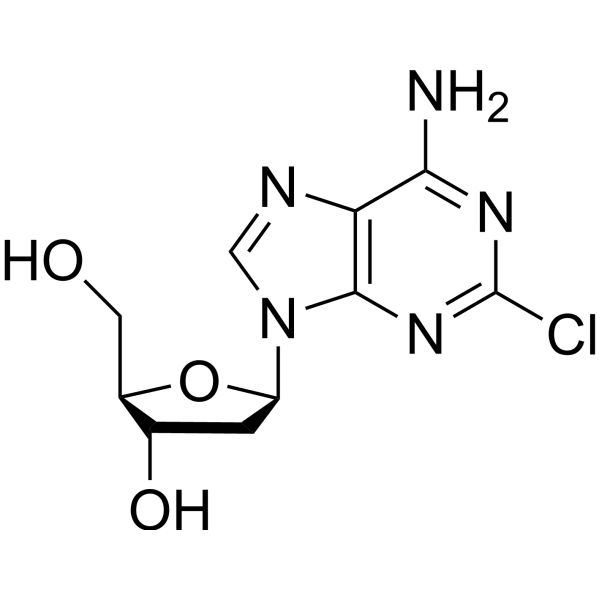
    Cladribine
    5+ Cited Publications

    2-Chloro-2′-deoxyadenosine; CldAdo; 2CdA

    Adenosine Deaminase Apoptosis Cardiovascular Disease Cancer
    Cladribine (2-Chloro-2′-deoxyadenosine), a purine nucleoside analog, is an orally active adenosine deaminase inhibitor. Cladribine functions as an inhibitor of DNA synthesis to block the repair of the damaged DNA. Cladribine can inhibit DNA methylation. Cladribine has anti-lymphoma activity. Cladribine can be used for the research of several hematologic malignancies and multiple sclerosis .
    Cladribine
  • HY-13660
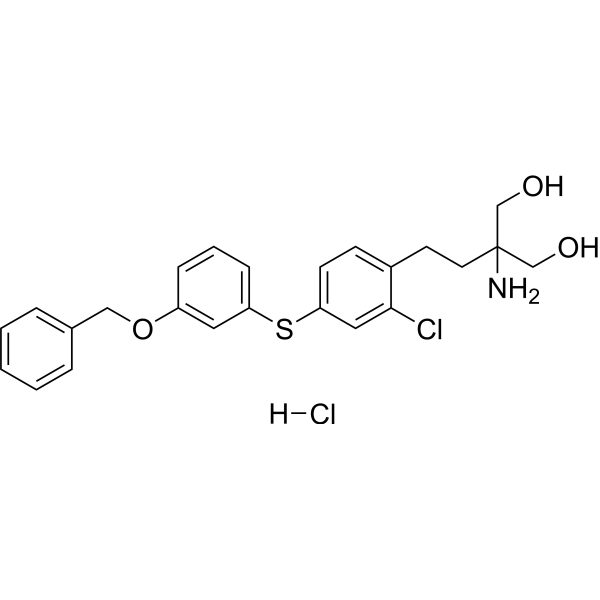
    Mocravimod hydrochloride
    2 Publications Verification

    KRP-203

    LPL Receptor Reactive Oxygen Species (ROS) Akt GSK-3 JAK STAT Metabolic Disease Inflammation/Immunology Cancer
    Mocravimod (hydrochloride) is an orally active sphingosine-1-phosphate receptor (S1PR) modulator that blocks the signal required by T cells to egress from lymph nodes and other lymphoid organs. Mocravimod (hydrochloride) preferentially binds to S1PR1 over S1PR2 and S1PR3 in cardiomyocytes. Mocravimod (hydrochloride) significantly lowered the concentration of reactive oxygen species (ROS), prevented mitochondrial permeability transition pore opening, boosted mitochondrial membrane potential (MMP), and increased phosphorylation of AKT, EKR, GSK-3β, JAK2, and STAT3. Mocravimod (hydrochloride) retains T cell effector function. Mocravimod (hydrochloride) can be used for the study of acute myelogenous leukemia, diabetes and Myocardial Ischemia-Reperfusion Injury (MIRI) .
    Mocravimod hydrochloride
  • HY-109038
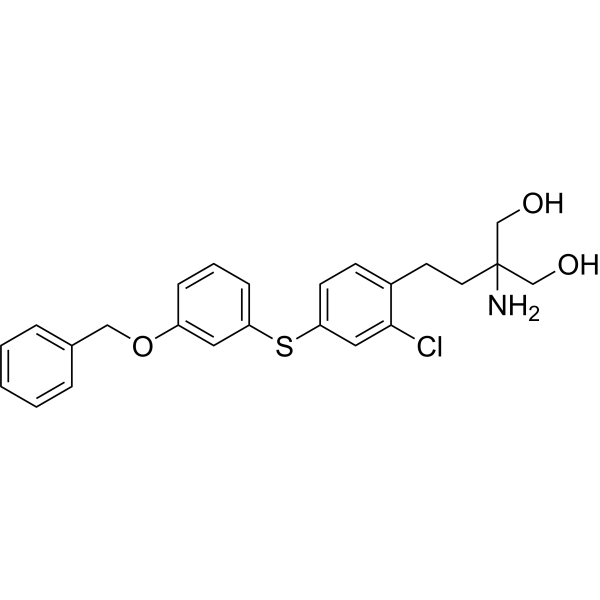
    Mocravimod
    2 Publications Verification

    KRP-203 free base

    LPL Receptor Reactive Oxygen Species (ROS) Mitochondrial Metabolism Akt GSK-3 JAK STAT Cardiovascular Disease Metabolic Disease Inflammation/Immunology Cancer
    Mocravimod (KRP-203 free base) is a sphingosine-1-phosphate receptor (S1PR) modulator that blocks the signal required by T cells to egress from lymph nodes and other lymphoid organs. Mocravimod preferentially binds to S1PR1 over S1PR2 and S1PR3 in cardiomyocytes. Mocravimod significantly lowered the concentration of reactive oxygen species (ROS), prevented mitochondrial permeability transition pore opening, boosted mitochondrial membrane potential (MMP), and increased phosphorylation of AKT, EKR, GSK-3β, JAK2, and STAT3. Mocravimod retains T cell effector function. Mocravimod can be used for the study of acute myelogenous leukemia, diabetes and Myocardial Ischemia-Reperfusion Injury (MIRI) .
    Mocravimod
  • HY-P99650

    WT1

    Transmembrane Glycoprotein Cancer
    Grisnilimab (WT1) is an IgG2a monoclonal antibody targeting CD7. Grisnilimab only binds to lymphoid tissues and T lymphocytes, with no off-target binding to normal tissues. Grisnilimab can be used to synthesize the immunotoxin WT1-SMPT-dgRTA, which exerts cytotoxic effects on T-lymphoblastic leukemia cells. Grisnilimab is applicable to relevant research on leukemia .
    Grisnilimab
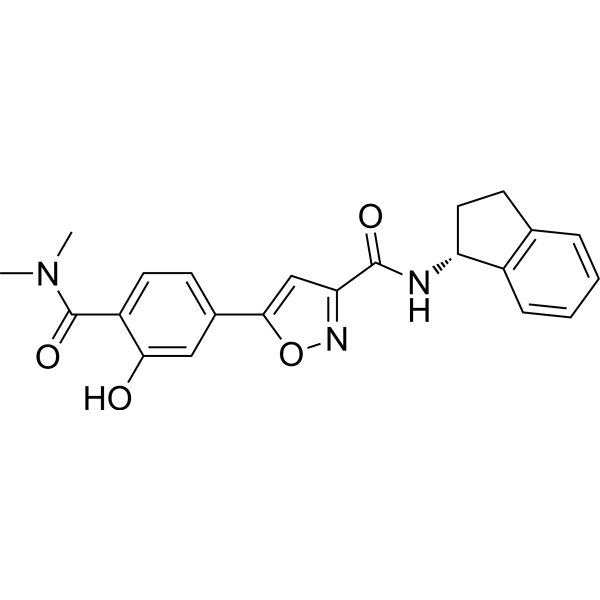
  • HY-155412

    Epigenetic Reader Domain Cancer
    PFI-6 is a selective MLLT1 and MLLT3 YEATS domain probe with IC50 values of 0.14 μM and 0.16 μM, respectively. PFI-6 is applicable for cancer research .
    PFI-6
  • HY-B1713A

    DL-(±)-Ornithine hydrochloride

    Endogenous Metabolite Metabolic Disease
    DL-Ornithine (DL-(±)-Ornithine) hydrochloride is an amino acid and also a urea cycle promoter. DL-Ornithine hydrochloride has the characteristics of low metabolic rate and rapid excretion, and only the L-enantiomer undergoes decarboxylation. In mice inoculated with L-1210 leukemia cells, DL-Ornithine hydrochloride is excreted in urine in its original form, and its conversion to carbon dioxide within 24 h is negligible. DL-Ornithine hydrochloride is mainly used in the urea cycle to eliminate excess nitrogen in the body and protect the kidneys .
    DL-Ornithine hydrochloride
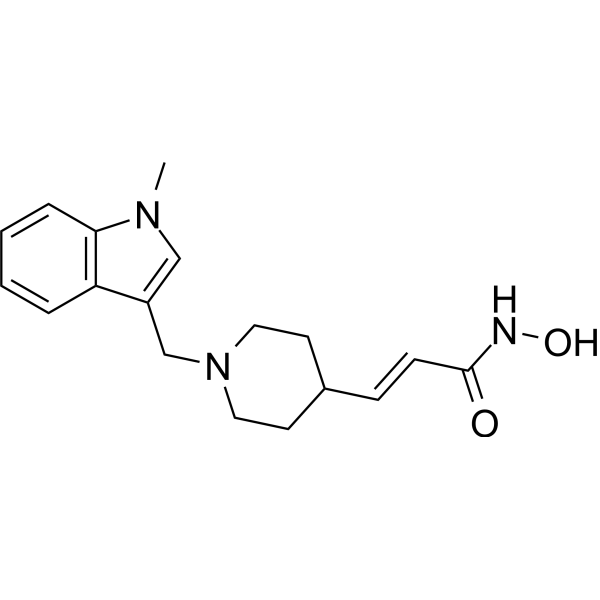
  • HY-144779

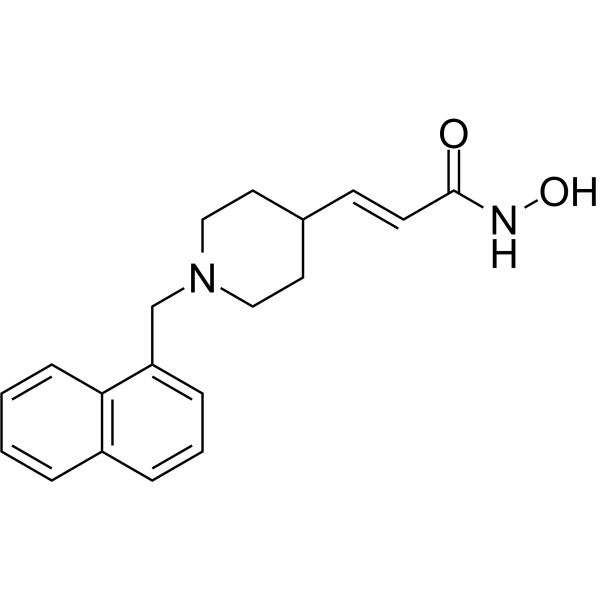
    HDAC Autophagy Cancer
    HDAC10-IN-1 (compound 13b) is a potent and highly selective HDAC10 inhibitor, with an IC50 of 58 nM. HDAC10-IN-1 modulates autophagy in aggressive FLT3-ITD positive acute myeloid leukemia cells .
    HDAC10-IN-1
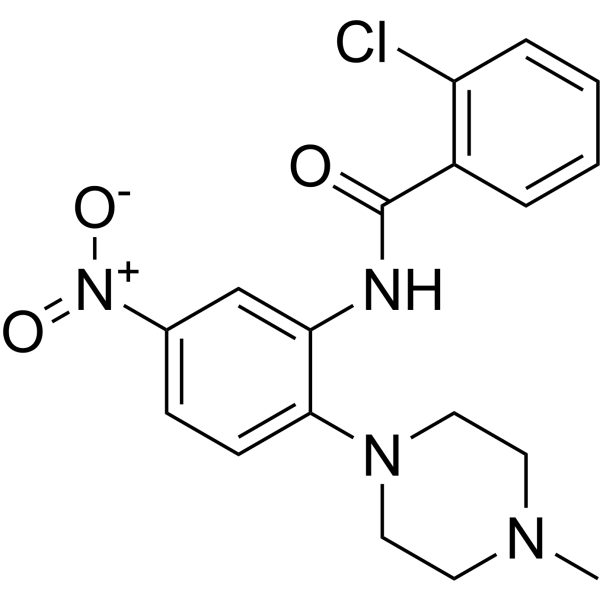
  • HY-148817

    WDR5 Cancer
    WDR5-0102 is an inhibitor of WDR5. WDR5-0102 specifically targets the WIN site of WDR5, disrupts the WDR5-MLL1 interaction, and reduces the histone methyltransferase activity of MLL1. WDR5-0102 exerts dose-dependent toxicity on MDSC-like cells and reduces their osteopontin levels, while showing extremely low cytotoxicity to pancreatic cancer cells. WDR5-0102 can be used in the research of related diseases such as acute myeloid leukemia, lymphoid leukemia, biphenotypic leukemia and pancreatic cancer .
    WDR5-0102
  • HY-E70016

    TdT

    DNA/RNA Synthesis Others Cancer
    Terminal deoxyribonucleotidyltransferase (TdT) catalyses the condensation of deoxyribonucleotide triphosphates onto the 3' hydroxyl ends of DNA strands and adds N-regions to gene segment junctions during V(D)J recombination. Terminal deoxyribonucleotidyltransferase is expressed in immature, pre-B, pre-T lymphoid cells, and acute lymphoblastic leukemia/lymphoma cells .
    Terminal deoxyribonucleotidyltransferase
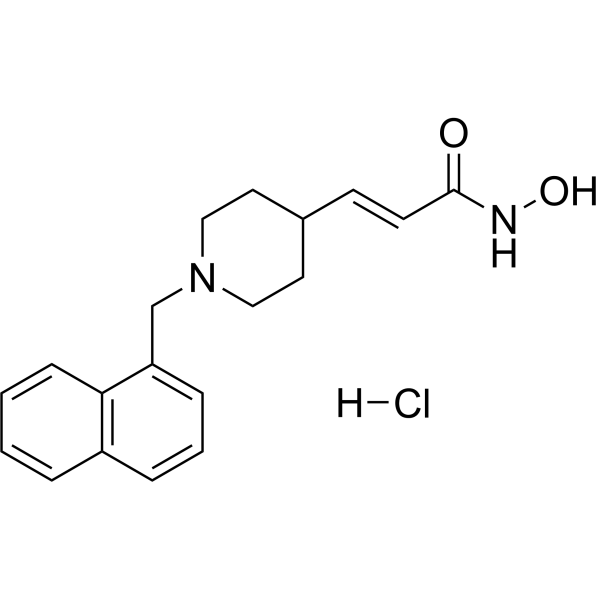
  • HY-144782A

    HDAC Autophagy Cancer
    HDAC10-IN-2 hydrochloride (compound 10c) is a potent and highly selective HDAC10 inhibitor, with an IC50 of 20 nM. HDAC10-IN-2 hydrochloride modulates autophagy in aggressive FLT3-ITD positive acute myeloid leukemia cells .
    HDAC10-IN-2 hydrochloride
  • HY-153953

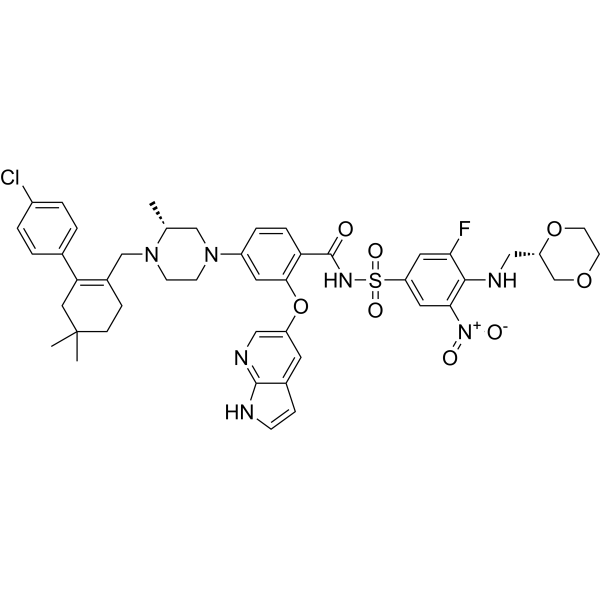
    Bcl-2 Family Cancer
    Bcl-2-IN-11 (compound 6) is a potent and selective Bcl-2 activity inhibitor, with an IC50 of 0.9 nM. Bcl-2-IN-11 shows weak inhibition of Bcl-xl (IC50 > 1000 nM). Bcl-2-IN-11 can be used for the research of a variety of cancers caused by abnormal overexpression of Bcl-2 family proteins: especially malignant hematologic diseases of acute lymphoid leukemia, etc. Bcl-2-IN-11 can also avoid toxic side effects caused by Bcl-xl inhibition, such as thrombocytopenia .
    Bcl-2-IN-11
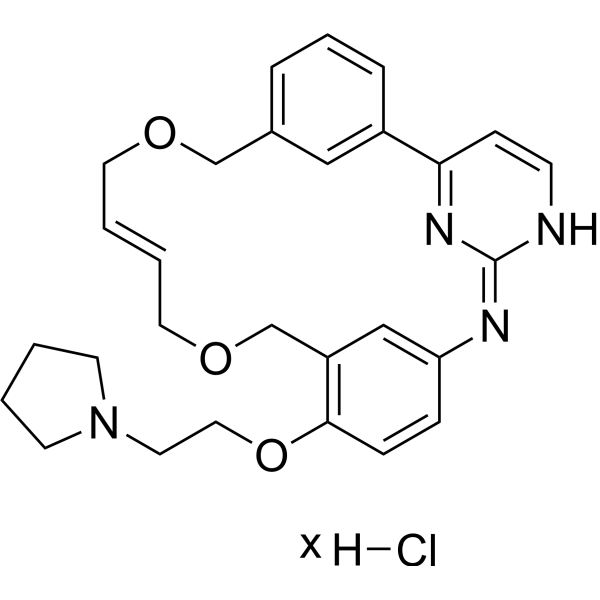
  • HY-16379A

    SB1518 hydrochloride

    JAK FLT3 Cancer
    Pacritinib hydrochloride is a potent inhibitor of both wild-type JAK2 (IC50=23 nM) and JAK2 V617F mutant (IC50=19 nM). Pacritinib hydrochloride also inhibits FLT3 (IC50=22 nM) and its mutant FLT3 D835Y (IC50=6 nM). Pacritinib hydrochloride can be used for the research of acute myeloid leukemia (AML) and myelofibrosis (MF) .
    Pacritinib hydrochloride
  • HY-144782

    HDAC Autophagy Cancer
    HDAC10-IN-2 (compound 10c) is a potent and highly selective HDAC10 inhibitor, with an IC50 of 20 nM. HDAC10-IN-2 modulates autophagy in aggressive FLT3-ITD positive acute myeloid leukemia cells .
    HDAC10-IN-2
  • HY-13599R

    2-Chloro-2′-deoxyadenosine (Standard); CldAdo (Standard); 2CdA (Standard)

    Reference Standards Adenosine Deaminase Apoptosis Cardiovascular Disease Cancer
    Cladribine (Standard) is the analytical standard of Cladribine. This product is intended for research and analytical applications. Cladribine (2-Chloro-2′-deoxyadenosine), a purine nucleoside analog, is an orally active adenosine deaminase inhibitor. Cladribine functions as an inhibitor of DNA synthesis to block the repair of the damaged DNA. Cladribine can inhibit DNA methylation. Cladribine has anti-lymphoma activity. Cladribine can be used for the research of several hematologic malignancies and multiple sclerosis .
    Cladribine (Standard)
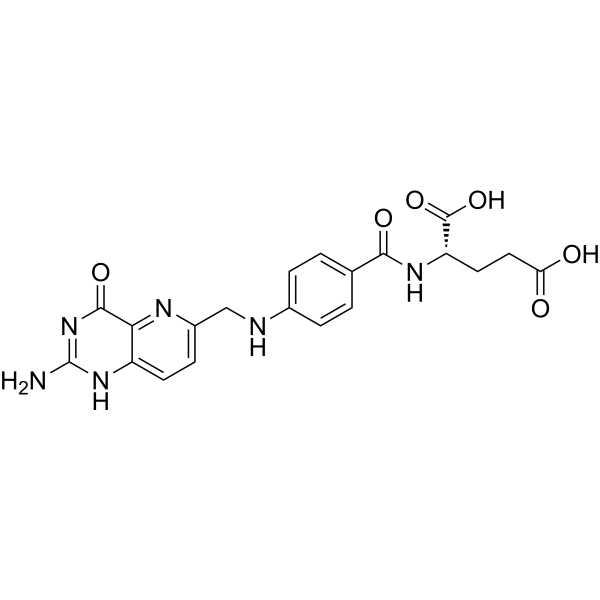
  • HY-122518

    Bacterial Inflammation/Immunology
    8-Deazafolic acid is an antimicrobial drug for the folate-dependent bacteria, Streptococcus faecium (ATCC 8043) and Lactobacillus casei (ATCC 74691). 8-Deazafolic acid has activity against lymphoid leukemia L1210 in mice .
    8-Deazafolic acid
  • HY-151258

    JAK Cancer
    TK4g is a Janus kinase (JAK) inhibitor with the IC50 values of 12.61 nM and 15.80 nM for JAK2 and JAK3, respectively. TK4g can be used in lymphoid-derived diseases and leukemia cancer research .
    TK4g
  • HY-N17588

    Others Cancer
    9-O-Angeloyl-8-methoxythymol is a thymol derivative and cytotoxin, with a IC50 value of 13.1 μg/mL against human myeloid leukemia cells, a IC50 value of 31.8 μg/mL against human lymphoblastic leukemia cells, and a IC50 >40 μg/mL against colon cancer and lymphoma cells. 9-O-Angeloyl-8-methoxythymol is applicable to leukemia-related research .
    9-O-Angeloyl-8-methoxythymol
  • HY-185150

    9-(2-Phosphonylmethoxy)ethylguanine

    DNA/RNA Synthesis CMV Infection Inflammation/Immunology Cancer
    PMEG is a nuclear DNA polymerases α, δ, and ε inhibitor that causes DNA chain termination, inhibits DNA synthesis, induces cytotoxicity in dividing cells. PMEG is an acyclic nucleotide phosphonate that forms an active phosphorylated metabolite, PMEG diphosphate, within cells. PMEG has activity against leukemia and melanoma in rodent models. PMEG has poor cell permeability; its prodrug is Rabacfosadine (GS-9219) (HY-13640). PMEG shows antiviral activity against against various DNA virus infections including murine cytomegalovirus (MCMV) and human cytomegalovirus (HCMV). PMEG can be used for the research of non-hodgkin's lymphoma [1][2].
    PMEG

Inquiry Online

Your information is safe with us. * Required Fields.

Salutation


Country or Region *

Applicant Name *


Organization Name *

Department *


Email Address *


Product Name *

Cat. No.


Requested quantity *

Phone Number *


Remarks

Inquiry Online

Inquiry Information

Product Name:
Cat. No.:
Quantity:
MCE Japan Authorized Agent:

