1. Search Result
Search Result
Results for "

place

" in MedChemExpress (MCE) Product Catalog:

35

Inhibitors & Agonists

3

Screening-Bibliotheken

1

Fluorescent Dyes

1

Biochemical Assay Reagents

2

Peptides

2

Natural
Products

2

Isotope-Labeled Compounds

1

Click Chemistry

Art. -Nr. Produktname Target Forschungsgebiete Chemical Structure
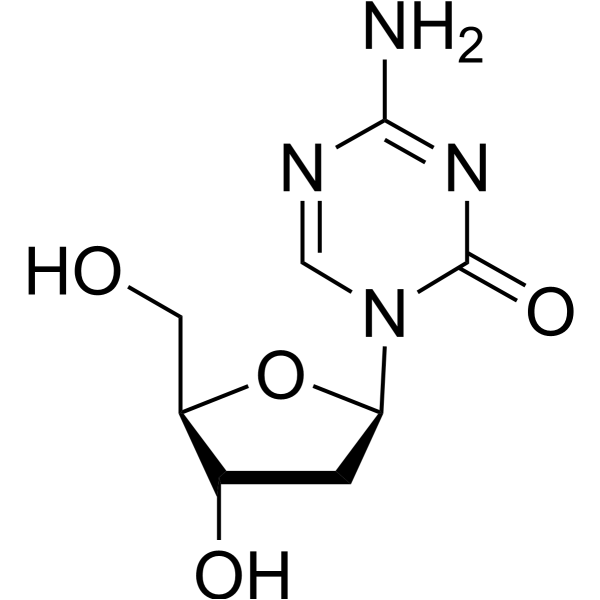
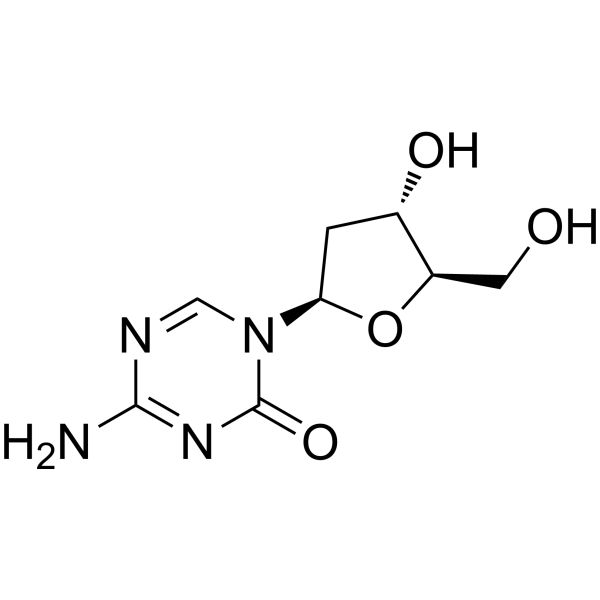
  • HY-A0004
    Decitabine
    Maximum Cited Publications
    168 Publications Verification

    5-Aza-2'-deoxycytidine; 5-AZA-CdR; NSC 127716

    DNA Methyltransferase Apoptosis Nucleoside Antimetabolite/Analog Cancer
    Decitabine (NSC 127716) is an orally active deoxycytidine analogue antimetabolite and a DNA methyltransferase inhibitor. Decitabine incorporates into DNA in place of cytosine can covalently trap DNA methyltransferase to DNA causing irreversible inhibition of the enzyme. Decitabine induces cell G2/M arrest and cell apoptosis. Decitabine has potent anticancer activity .
    Decitabine
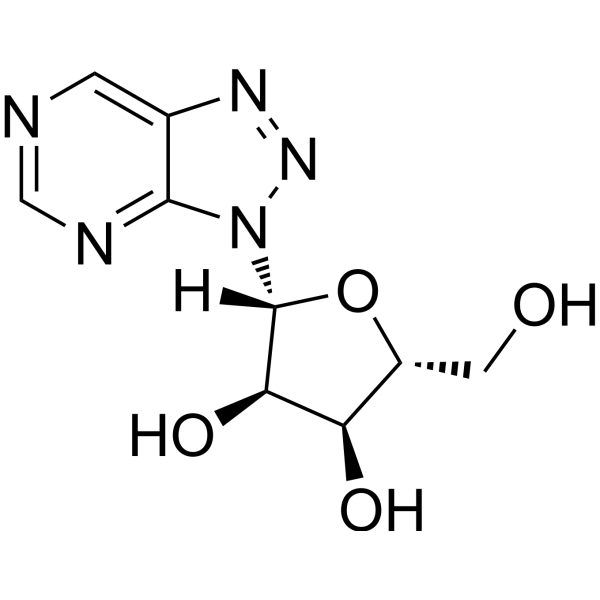
  • HY-145442

    Adenosine Deaminase Others
    8-Azanebularine, a compound with hydrogen in place of the C6 amino group, inhibits the ADAR2 reaction at high concentrations (IC50=15 mM). 8-Azanebularine is incorporated into an RNA structure recognized by human ADAR2 results in high-affinity binding (KD=2 nM). 8-Azanebularine can be used for the research of ADAR-catalyzed RNA-editing reaction .
    8-Azanebularine
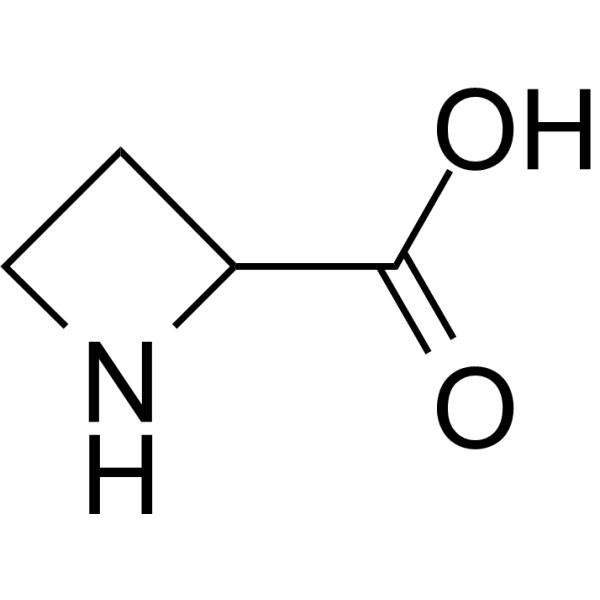
  • HY-75308
    Azetidine-2-carboxylic acid
    1 Publications Verification

    Others Cancer
    Azetidine-2-carboxylic acid is a non proteinogenic amino acid homologue of proline. Found in common beets. Azetidine-2-carboxylic acid can be misincorporated into proteins in place of proline in many species, including humans. Toxic and teratogenic agent .
    Azetidine-2-carboxylic acid
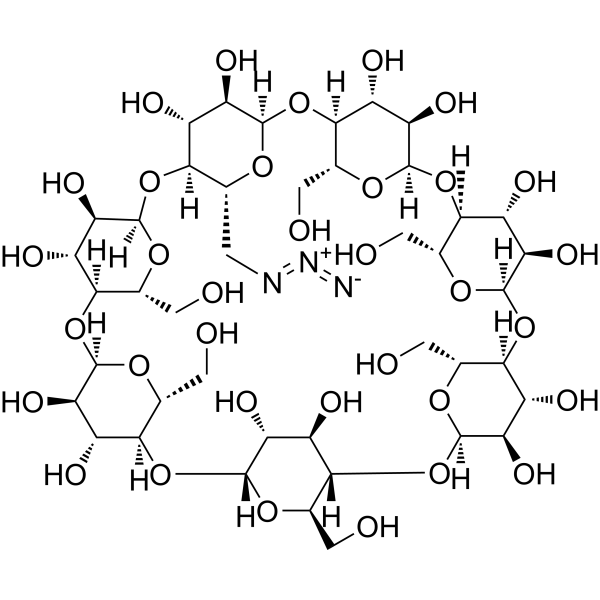
  • HY-101532

    β-CDN3; 6A-deoxy-6A-azido-β-cyclodextrin

    Biochemical Assay Reagents Others
    6A-Azido-6A-deoxy-β-cyclodextrin (β-CDN3) is a site-specifically modified β-cyclodextrin with a single azido group replacing the hydroxyl group at the C6 position. 6A-Azido-6A-deoxy-β-cyclodextrin forms a host-guest inclusion complex with Dexamethasone (HY-14648), localizing the drug within its hydrophobic cavity, which restricts the rotational mobility of the drug and places Dexamethasone in a less polar environment. 6A-Azido-6A-deoxy-β-cyclodextrin acts as a coupling agent to graft β-cyclodextrin onto thermosensitive nanogels via strain-promoted alkyne-azide cycloaddition (SPAAC). 6A-Azido-6A-deoxy-β-cyclodextrin also serves as a click chemistry reagent. It contains an azide group and undergoes copper-catalyzed azide-alkyne cycloaddition (CuAAc) with molecules bearing an alkyne group. It also undergoes strain-driven alkyne-azide cycloaddition (SPAAC) with molecules containing DBCO or BCN groups .
    6A-Azido-6A-deoxy-β-cyclodextrin
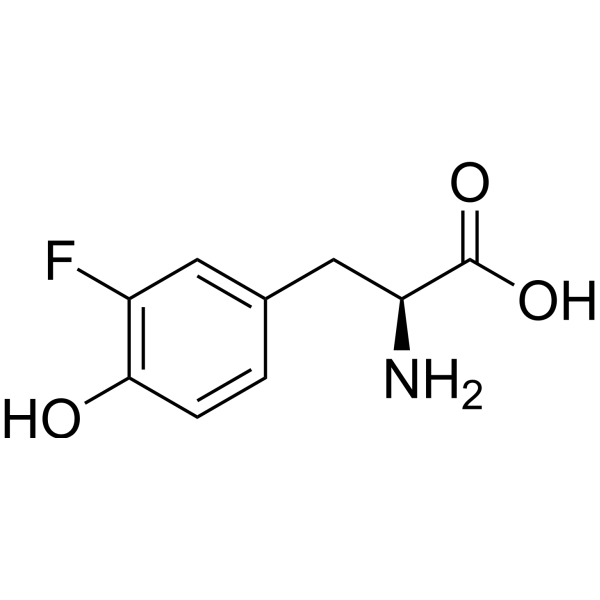
  • HY-W104477

    Others Metabolic Disease
    3-Fluoro-L-tyrosine is a tyrosine analogue, inhibits transamination by tyrosine aminotransferase (TAT). And 3-FluoroL-tyrosine has been shown to be biologically incorporated into proteins in place of tyrosine. 3-Fluoro-L-tyrosine pretends to be the substrate of rat liver tyrosine aminotransferase, markedly disturbs the Tyr-TAT association .
    3-Fluoro-L-tyrosine
  • HY-A0004R

    5-Aza-2'-deoxycytidine (Standard); 5-AZA-CdR (Standard); NSC 127716 (Standard)

    Reference Standards DNA Methyltransferase Apoptosis Nucleoside Antimetabolite/Analog Cancer
    Decitabine (Standard) is the analytical standard of Decitabine. This product is intended for research and analytical applications. Decitabine (NSC 127716) is an orally active deoxycytidine analogue antimetabolite and a DNA methyltransferase inhibitor. Decitabine incorporates into DNA in place of cytosine can covalently trap DNA methyltransferase to DNA causing irreversible inhibition of the enzyme. Decitabine induces cell G2/M arrest and cell apoptosis. Decitabine has potent anticancer activity .
    Decitabine (Standard)
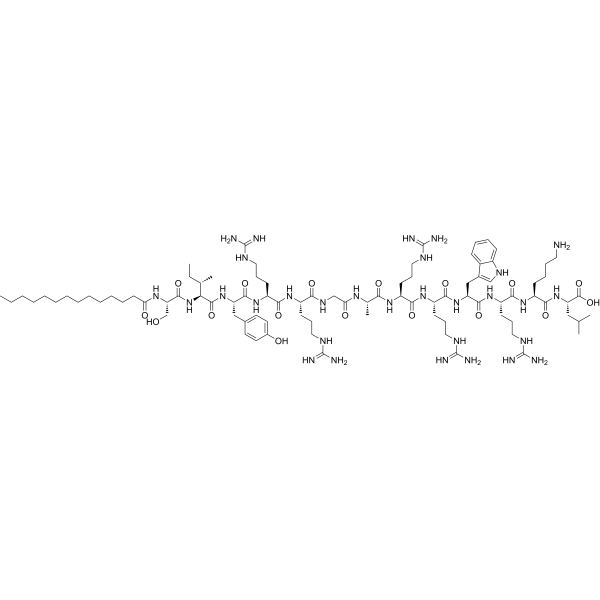
  • HY-P1284
    ZIP
    2 Publications Verification

    PKC Neurological Disease Cancer
    ZIP is a selective peptide inhibitor of PKMζ. ZIP injections can block the impairment in morphine conditioned place preference induced .
    ZIP
  • HY-113316A

    Endogenous Metabolite Opioid Receptor Neurological Disease
    (±)-Salsolinol hydrochloride is the hydrochloride form of (±)-Salsolinol (HY-113316). (±)-Salsolinol hydrochloride is a Dopamine (HY-B0451)-derived endogenous metabolite. (±)-Salsolinol hydrochloride activates μ-opioid receptors (MORs), reduces GABAergic transmission, increases the excitability of dopamine (DA) neurons, and thus accelerates the sustained firing of neurons in the posterior ventral tegmental area (pVTA) .
    (±)-Salsolinol hydrochloride
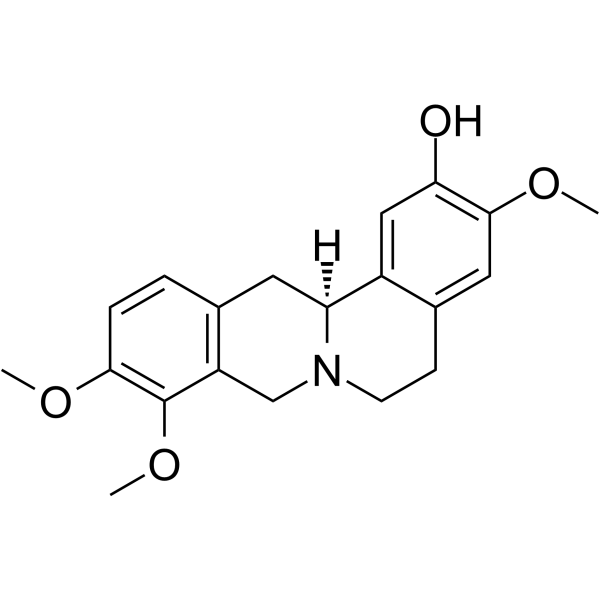
  • HY-N0927

    Tetrahydrocolumbamine; (S)-Tetrahydrocolumbamine

    Dopamine Receptor Others Neurological Disease
    (-)-Isocorypalmine (Tetrahydrocolumbamine; (S)-Tetrahydrocolumbamine) is a dopamine receptor ligand and modulator capable of crossing the blood-brain barrier. (-)-Isocorypalmine exhibits receptor selectivity, acting as a partial agonist of dopamine D1 and D5 receptors (coupled via Gs proteins), as well as an antagonist of D2, D3 and D4 receptors (by blocking Gi protein-mediated signaling). (-)-Isocorypalmine shows no significant binding to various non-dopamine receptors, ion channels and transporters. (-)-Isocorypalmine is metabolically stable in vivo, effectively inhibits spontaneous and cocaine-induced hyperlocomotion, sensitization and conditioned place preference in mice, and does not induce addictive place preference when administered alone. (-)-Isocorypalmine can be used in addiction research .
    (-)-Isocorypalmine
  • HY-116181

    Dopamine Receptor Neurological Disease
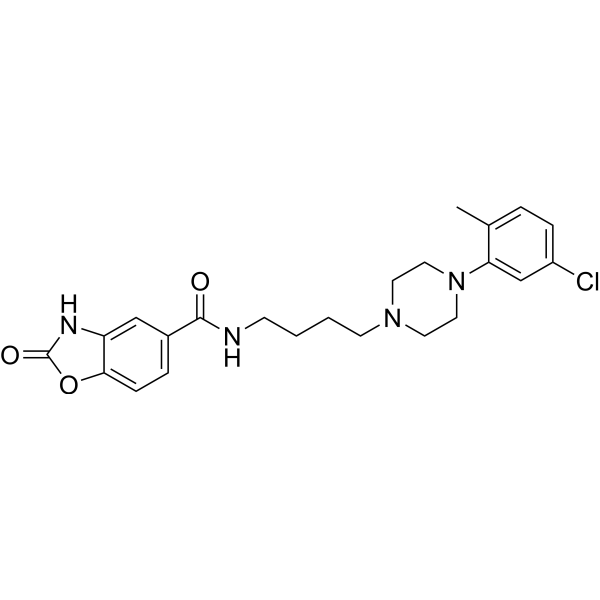
    YQA14 is a high affinity dopamine D3 receptor antagonist. YQA14 is anti-opioid addiction agent. YQA14 inhibits Morphine/Cocaine-induced conditioned place preference (CPP) in animals .
    YQA14
  • HY-N7833

    Biochemical Assay Reagents Others
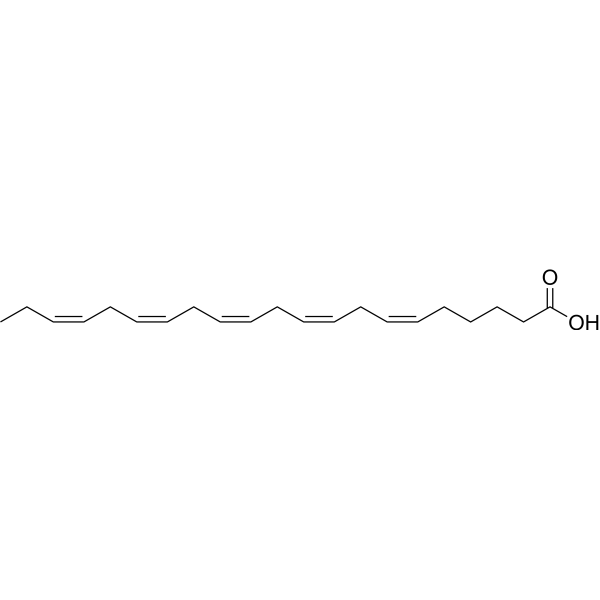
    Heneicosapentaenoic Acid (HPA) is a 21:5 omega-3 fatty acid found in trace amounts in the green alga B. pennata and in fish oils. Its chemical composition is similar to eicosapentaenoic acid (EPA), except that a carbon is extended at the carboxy terminus, placing the first double bond at the δ6 position. HPA can be used to study the importance of double bond position in omega-3 fatty acids. It incorporates phospholipids and triacylglycerols in vivo with the same efficiency as EPA and docosahexaenoic acid, and exhibits a strong inhibitory effect on the synthesis of arachidonic acid from linoleic acid. HPA is a poor substrate for prostaglandin H synthase (PGHS) (cyclooxygenase) and 5-lipoxygenase, but retains the ability to rapidly inactivate PGHS.
    Heneicosapentaenoic acid
  • HY-130046

    16-epi-Estriol; 16β,17β-Estriol

    UGT Bacterial Infection Inflammation/Immunology
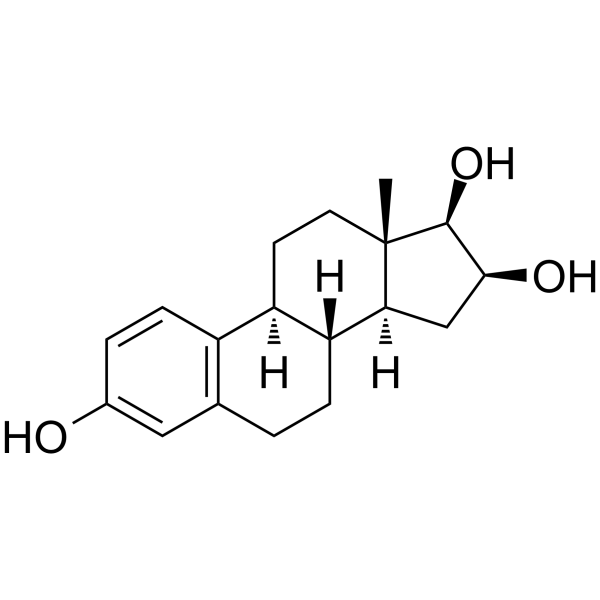
    16-Epiestriol (16-epi-Estriol; 16β,17β-Estriol) is a natural stereoisomer of estriol and an anti-inflammatory agent that targets UGT. The Ki values of 16-Epiestriol against human UGT1A10 and UGT2B7 are 98.1 μM and 162 μM, respectively. As a glucuronidation substrate, 16-Epiestriol can be modified at the 3-OH, 16-OH and 17-OH sites by various UGT enzymes; in liver microsomes, the modification mainly occurs at the 16-OH and 17-OH sites, while reactions take place at all three sites in intestinal microsomes. 16-Epiestriol acts on the phase II inflammatory process by blocking edema mediated by prostaglandins and leukocyte infiltration. It lacks glycogenic activity or any effect on blood glucose levels, and serves as an important candidate molecule in the research of inflammatory diseases .
    16-Epiestriol
  • HY-137231B

    nAChR Neurological Disease
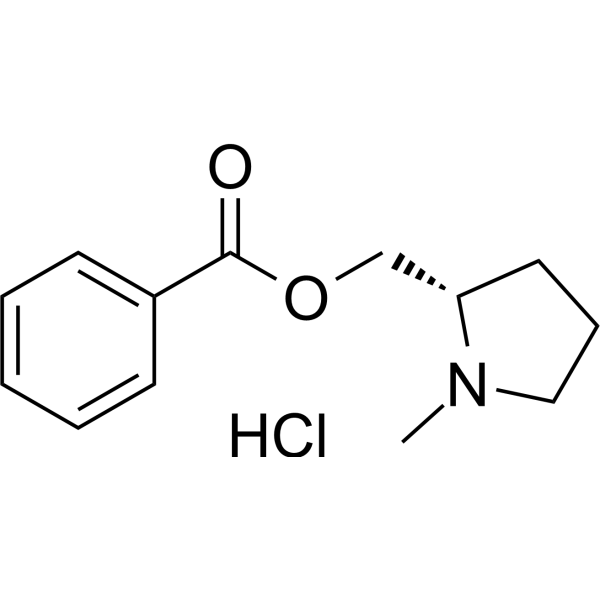
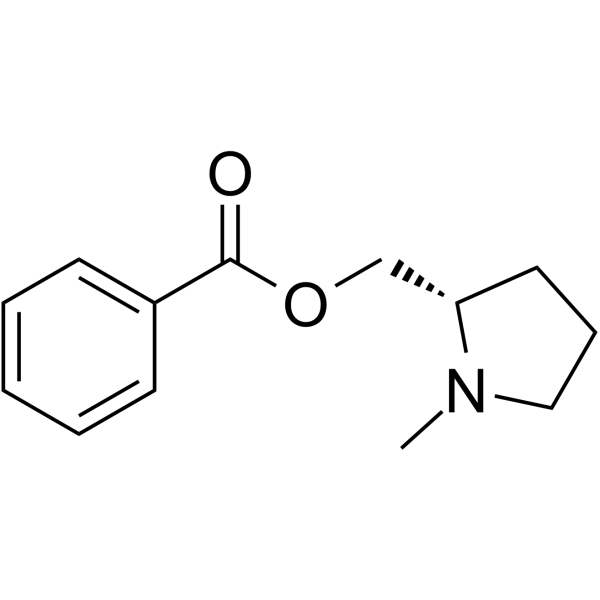
    (S)-UFR2709 (hydrochloride) is a competitive nAChR antagonist?and displays higher affinity for α4β2 nAChRs than for α7 nAChRs. (S)-UFR2709 (hydrochloride) decreases anxiety and reduces ethanol consumption and ethanol preference in alcohol-preferring rats. (S)-UFR2709 (hydrochloride) acts as an anxiolytic agent and can be used for the study of nicotine addiction .
    (S)-UFR2709 hydrochloride
  • HY-123889

    Dopamine Receptor Neurological Disease
    VK4-116 (Compound 19) is a selective Dopamine D3 receptor (D3R) antagonist with a Ki of 6.84 nM.VK4-116 significantly inhibits Oxycodone-induced hyperlocomotion and locomotor sensitization in mouse models. VK4-116 with pretreatment also inhibits the acquisition of Oxycodone-induced conditioned place preference (CPP) in rat models .
    VK4-116
  • HY-P1284A

    PKC Neurological Disease Cancer
    ZIP TFA is a selective peptide inhibitor of PKMζ. ZIP TFA injections can block the impairment in morphine conditioned place preference induced .
    ZIP TFA
  • HY-157255

    Dimethylpentedrone hydrochloride

    Biochemical Assay Reagents Others
    α-Dimethylaminopentiophenone (hydrochloride) (Dimethylpentedrone (hydrochloride)) is a novel α-PVP analog in which a dimethylamino group takes the place of the pyrrolidine .
    α-Dimethylaminopentiophenone hydrochloride
  • HY-134860

    Prostaglandin Receptor Metabolic Disease
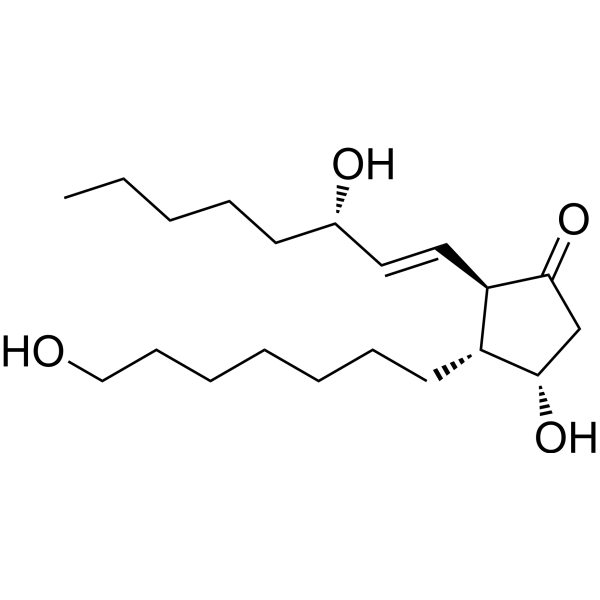
    Prostaglandin D1 (PGD1) alcohol is the synthetic analog of PGD1 with a primary alcohol in place of the C-1 carboxyl .
    Prostaglandin D1 alcohol
  • HY-W1008609

    Biochemical Assay Reagents Others
    (R)-GNA-A(Bz) phosphoramidite is a monophosphate nucleoside similar to DNA or RNA but differing in the composition of its sugar-phosphodiester backbone, using propylene glycol in place of ribose or deoxyribose.
    (R)-GNA-A(Bz) phosphoramidite
  • HY-167993

    Biochemical Assay Reagents Others
    (R)-GNA-T phosphoramiditec (compound 7a) is a monophosphate nucleoside similar to DNA or RNA but differing in the composition of its sugar-phosphodiester backbone, using propylene glycol in place of ribose or deoxyribose .
    (R)-GNA-T phosphoramidite
  • HY-W634602

    Trace Amine-associated Receptor (TAAR) Others
    (R)-RO5263397 is a TAAR 1 agonist that demonstrates efficacy in reducing cocaine-mediated behaviors, including cocaine-induced behavioral sensitization, cue- and cocaine prime-induced reinstatement of cocaine-seeking behavior, and the expression of conditioned place preference.
    (R)-RO5263397
  • HY-W013353

    Endogenous Metabolite Opioid Receptor Neurological Disease
    (RS)-Salsolinol hydrobromide is the hydrobromide form of (±)-Salsolinol (HY-113316). (RS)-Salsolinol hydrobromide is a Dopamine (HY-B0451)-derived endogenous metabolite. (RS)-Salsolinol hydrobromide activates μ-opioid receptors (MORs), reduces GABAergic transmission, increases the excitability of dopamine (DA) neurons, and thus accelerates the sustained firing of neurons in the posterior ventral tegmental area (pVTA) .
    (RS)-Salsolinol hydrobromide
  • HY-137231A

    nAChR Neurological Disease
    (S)-UFR2709 is a competitive nAChR antagonist and displays higher affinity for α4β2 nAChRs than for α7 nAChRs. (S)-UFR2709 decreases anxiety and reduces ethanol consumption and ethanol preference in alcohol-preferring rats. (S)-UFR2709 acts as an anxiolytic agent and can be used for the study of nicotine addiction .
    (S)-UFR2709
  • HY-151755

    Fluorescent Dye Others
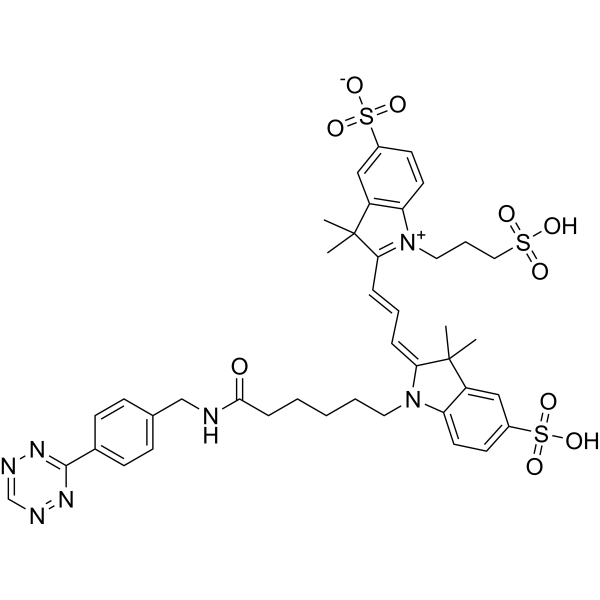
    Sulfo-Cy3-Tetrazine is a click chemistry reagent containing an tetrazine group. Sulfo-Cy3-Tetrazine is water soluble cyanine fluorescence dye, which is an inverse electron demand [4+2] cycloaddition that takes place between tetrazine and trans-cyclooctene or other strained olefin.
    Sulfo-Cy3-Tetrazine
  • HY-105034

    BMY 13859-1 free base

    5-HT Receptor Neurological Disease
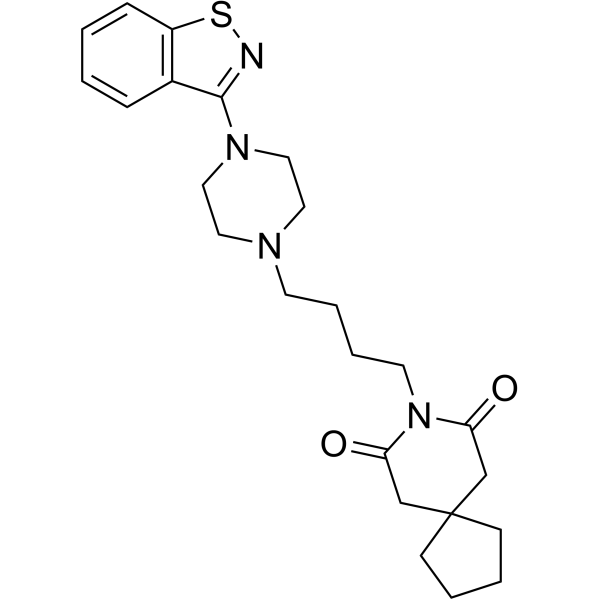
    Tiospirone is a 5-HT2 receptor antagonist with affinity for D2, 5-HT1a, and 5-HT7, and sigma receptors. Tiospirone decreases consumption of ethanol while increasing food intake of rats. Tiospirone can also reduce the reinforcing properties of Cocaine exhibited in the conditioned place preference paradigm .
    Tiospirone
  • HY-A0004S

    5-Aza-2'-deoxycytidine-13C5; 5-AZA-CdR-13C5; NSC 127716-13C5

    Isotope-Labeled Compounds DNA Methyltransferase Nucleoside Antimetabolite/Analog Apoptosis Cancer
    Decitabine- 13C5 (5-Aza-2'-deoxycytidine- 13C5) is 13C labeled Decitabine. Decitabine (NSC 127716) is an orally active deoxycytidine analogue antimetabolite and a DNA methyltransferase inhibitor. Decitabine incorporates into DNA in place of cytosine can covalently trap DNA methyltransferase to DNA causing irreversible inhibition of the enzyme. Decitabine induces cell G2/M arrest and cell apoptosis. Decitabine has potent anticancer activity .
    Decitabine-13C5
  • HY-111280

    Dopamine Receptor Neurological Disease
    ST 198 is an orally active D3R antagonist. ST 198 can block the expression of nicotine-induced CPP at doses selective for D3R. ST 198 can be used for the research of neurological disease .
    ST 198
  • HY-162872

    CRFR Neurological Disease
    NBI-35965 is an antagonist of corticotropin-releasing factor receptor 1 (CRF-R1). NBI-35965 can be used in nervous system related research .
    NBI-35965
  • HY-159517

    Apoptosis PI3K Akt mTOR STAT Cancer
    PI3K/Akt/mTOR-IN-5 (compound D3) is a derivative of Pseudolaric Acid B (HY-N6939) with anti-tumor activity. PI3K/Akt/mTOR-IN-5 inhibits excessive proliferation of tumor cells through the PI3K/AKT/mTOR and STAT3/GPX4 pathways. PI3K/Akt/mTOR-IN-5 effectively inhibits EDU positivity, reduces colony formation, places HCT-116 cells in the S phase and G2/M phase, and induces apoptosis .
    PI3K/Akt/mTOR-IN-5
  • HY-W1008626

    Biochemical Assay Reagents Others
    (S)-GNA-U-phosphoramidite is a monophosphate nucleoside similar to DNA or RNA but differing in the composition of its sugar-phosphodiester backbone, using propylene glycol in place of ribose or deoxyribose.
    (S)-GNA-U-phosphoramidite
  • HY-W190911

    Biochemical Assay Reagents Others
    Cyclooct-4-en-1-yl(2-(2-(2-hydroxyethoxy)ethoxy)ethyl)carbamate is commonly used in Click Chemistry reactions. The hydroxyl group allows for additional reactions to take place to further derivatize the compound.
    Cyclooct-4-en-1-yl(2-(2-(2-hydroxyethoxy)ethoxy)ethyl)carbamate
  • HY-179324

    Orexin Receptor (OX Receptor) Neurological Disease
    Orexin receptor antagonist 6 (Compound 72) is a selective orexin 1 receptor (OX1) antagonist with a Ke of 8.5 nM and > 1180-fold selectivity for OX2. Orexin receptor antagonist 6 does not produce its own conditioned place preference (CPP) or aversive effects, and can inhibit the formation of CPP induced by psychoactive substances. Orexin receptor antagonist 6 can be used for research of neurological disease .
    Orexin receptor antagonist 6
  • HY-W746440

    D,L-Azetidine-2-carboxylic acid-d4

    Isotope-Labeled Compounds Cancer
    Azetidine-2-carboxylic acid-d4 (D,L-Azetidine-2-carboxylic acid-d4) is the deuterium labeled Azetidine-2-carboxylic acid (HY-75308). Azetidine-2-carboxylic acid is a non proteinogenic amino acid homologue of proline. Found in common beets. Azetidine-2-carboxylic acid can be misincorporated into proteins in place of proline in many species, including humans. Toxic and teratogenic agent .
    Azetidine-2-carboxylic acid-d4
  • HY-186170B

    5-HT Receptor Neurological Disease
    (R,S)-MDMA acts as a partial agonist of 5-HT2A, 5-HT2B and 5-HT2C receptors. (R,S)-MDMA belongs to psychoactive substances. (R,S)-MDMA exhibits antidepressant activity. (R,S)-MDMA can be used for research on mental disorders such as post-traumatic stress disorder and depression .
    (R,S)-MDMA
  • HY-179646

    Toll-like Receptor (TLR) NO Synthase NF-κB TNF Receptor Interleukin Related Neurological Disease
    CIAC101 is a potent and brain-penetrant TLR4 antagonist with an IC50 of 17.0 nM in NO assay. CIAC101 blocks Lipopolysaccharides (HY-D1056) (LPS)-induced NF-κB activation and reduces the expression of pro-inflammatory mediators (iNOS, IL-1β, TNF-α, and IL-6). CIAC101 robust antineuroinflammatory activity with efficacy against drug-evoked neurobehavioral adaptations. CIAC101 can be used for the research of addiction and neurological disease .
    CIAC101
  • HY-130046R

    16-epi-Estriol (Standard); 16β,17β-Estriol (Standard)

    Endogenous Metabolite Reference Standards Bacterial Infection Inflammation/Immunology
    16-Epiestriol (Standard) is the analytical standard of 16-Epiestriol (HY-130046). This product is intended for research and analytical applications. 16-Epiestriol (16-epi-Estriol; 16β,17β-Estriol) is a natural stereoisomer of estriol and an anti-inflammatory agent that targets UGT. The Ki values of 16-Epiestriol against human UGT1A10 and UGT2B7 are 98.1 μM and 162 μM, respectively. As a glucuronidation substrate, 16-Epiestriol can be modified at the 3-OH, 16-OH and 17-OH sites by various UGT enzymes; in liver microsomes, the modification mainly occurs at the 16-OH and 17-OH sites, while reactions take place at all three sites in intestinal microsomes. 16-Epiestriol acts on the phase II inflammatory process by blocking edema mediated by prostaglandins and leukocyte infiltration. It lacks glycogenic activity or any effect on blood glucose levels, and serves as an important candidate molecule in the research of inflammatory diseases .
    16-Epiestriol (Standard)

Online-Anfrage

Your information is safe with us. * Required Fields.

Anrede


Country or Region *

Name des Antragstellers *


Name der Organisation *

Department *


E-Mail-Addresse *


Produktname *

Art. -Nr.


Requested quantity *

Telefonnummer *


Bemerkungen

Online-Anfrage

Inquiry Information

Produktname:
Art. -Nr.:
Menge:
MCE Japan Authorized Agent: