



Monophenols
-
Monophenols (1542)

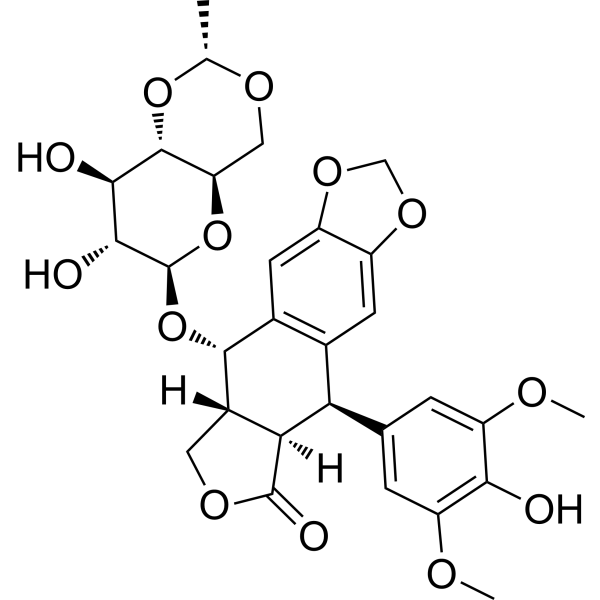
- 分子式: C29H32O13
- 分子量: 588.56
Etoposide (VP-16; VP-16-213) is an anti-cancer chemotherapy agent. Etoposide inhibits topoisomerase II, thus stopping DNA replication. Etoposide induces cell cycle arrest, apoptosis and autophagy.
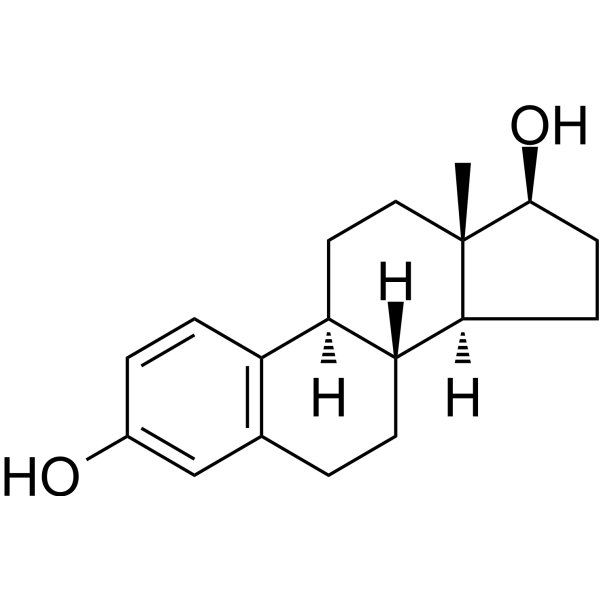
- 分子式: C18H24O2
- 分子量: 272.39
Estradiol (β-Estradiol) is a steroid hormone and the major female sex hormone. Estradiol can up-regulate the expression of neural markers of human endometrial stem cells (hEnSCs) and promote their neural differentiation. Estradiol can be used for the research of cancers, neurodegenerative diseases and neural tissue engineering.
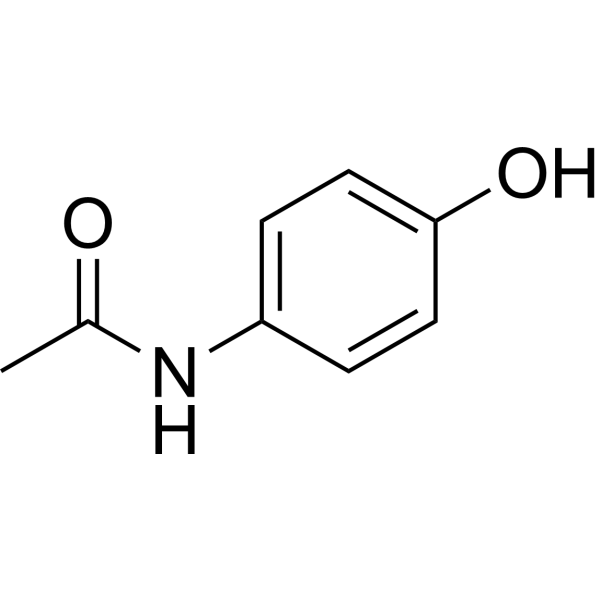
- 分子式: C8H9NO2
- 分子量: 151.16
Acetaminophen (Paracetamol) is a selective cyclooxygenase-2 (COX-2) inhibitor with an IC50 of 25.8 μM; is a widely used antipyretic and analgesic agent.. Acetaminophen is a potent hepatic N-acetyltransferase 2 (NAT2) inhibitor. Acetaminophen induces ferroptosis and leads to acute liver injury in mice model.
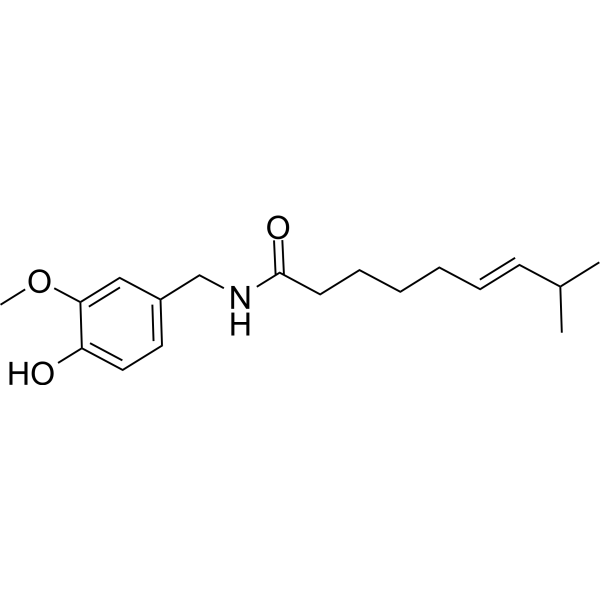
- 分子式: C18H27NO3
- 分子量: 305.41
Capsaicin ((E)-Capsaicin), an active component of chili peppers, is a TRPV1 agonist. Capsaicin induces a nociceptive response by binding to its receptors. Capsaicin has analgesic effects on neurological disorders. Capsaicin has antioxidant, anti-inflammatory, anti-cancer effects.
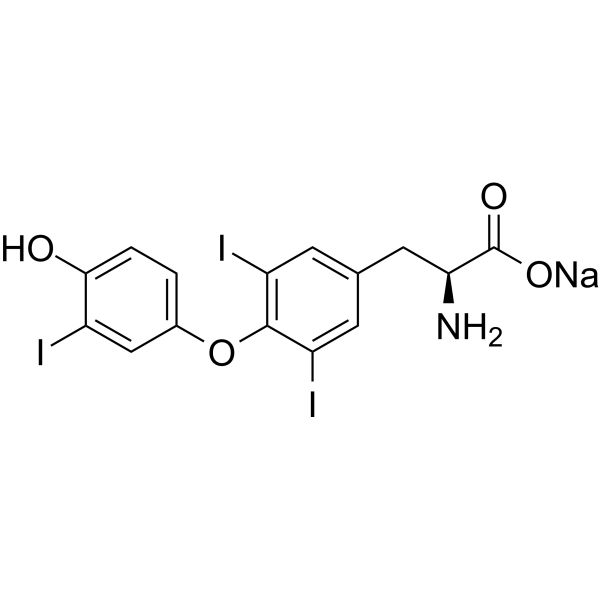
- 分子式: C15H11I3NNaO4
- 分子量: 672.96
Liothyronine sodium is an active form of thyroid hormone. Liothyronine sodium is a potent thyroid hormone receptors TRα and TRβ agonist with Kis of 2.33 nM for hTRα and hTRβ, respectively.
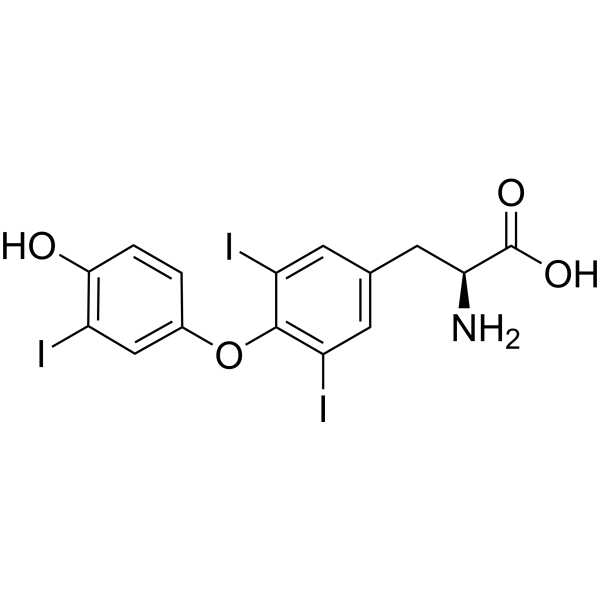
- 分子式: C15H12I3NO4
- 分子量: 650.97
Liothyronine is an active form of thyroid hormone. Liothyronine binds to thyroid hormone receptors TRα and TRβ with Kis of 2.33 and 2.29 nM for hTRα and hTRβ, respectively. Liothyronine also binds to PVR and blocks the interaction of TIGIT/PVR.

- 分子式: C8H10O2
- 分子量: 138.17
2-Hydroxyphenylethanol is a molecular chaperone that rescues misfolded P123S mutant pendrin, promoting translocation from the cytoplasm to the plasma membrane. 2-Hydroxyphenylethanol can be used for the research of pendred syndrome.

- 分子式: C11H14N2O
- 分子量: 190.24
Norpsilocin (4-hydroxy-N-methyltrypt amine; 4-HO-NMT) is a natural tryptamine alkaloid isolated from the hallucinogenic mushroom Psilocybe cubensis. Norpsilocin activates human 5-HT2 receptors (5-HT2A: EC50 = 8.4 nM; 5-HT2B = 12.8 nM; 5-HT2C = 39.6 nM) and displays binding affinity toward 5-HT1 receptors (5-HT1B: Ki = 212 nM; 5-HT1D = 48.9 nM; 5-HT1E = 81.7 nM). Norpsilocin induces β-arrestin recruitment at the 5-HT1B receptor. Norpsilocin fails to produce psychedelic-like effects in mice, whereas high doses can induce hypothermia in vivo. Norpsilocin acts as an important research tool for exploring the structure–activity relationship of tryptamine hallucinogens and the pharmacology of serotonin receptors.

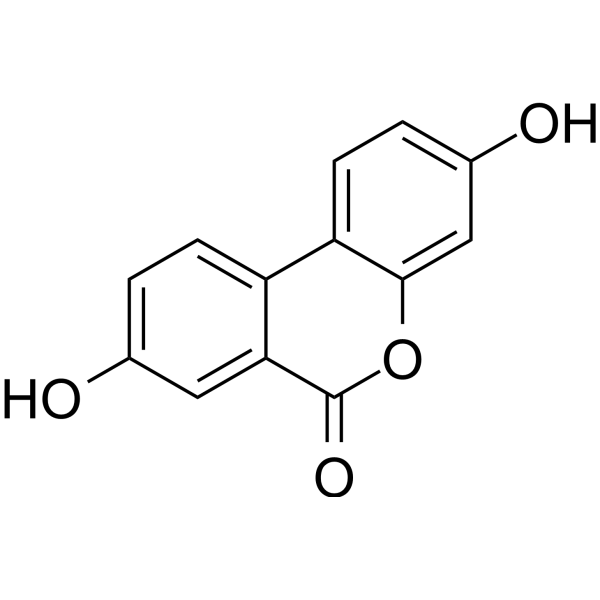
- 分子式: C25H30O6
- 分子量: 426.50
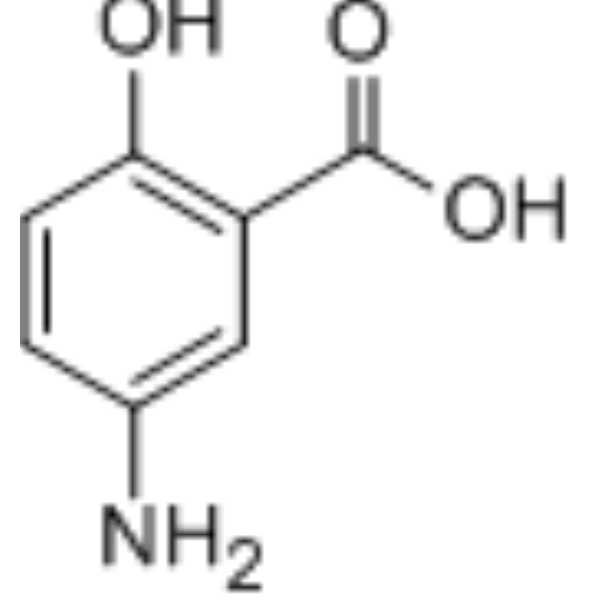
- 分子式: C7H7NO3
- 分子量: 153.14
5-Aminosalicylic acid (Mesalamine) acts as a specific PPARγ agonist and also inhibits p21-activated kinase 1 (PAK1) and NF-κB. 5-Aminosalicylic acid can inhibit the activity of osteopontin (OPN).
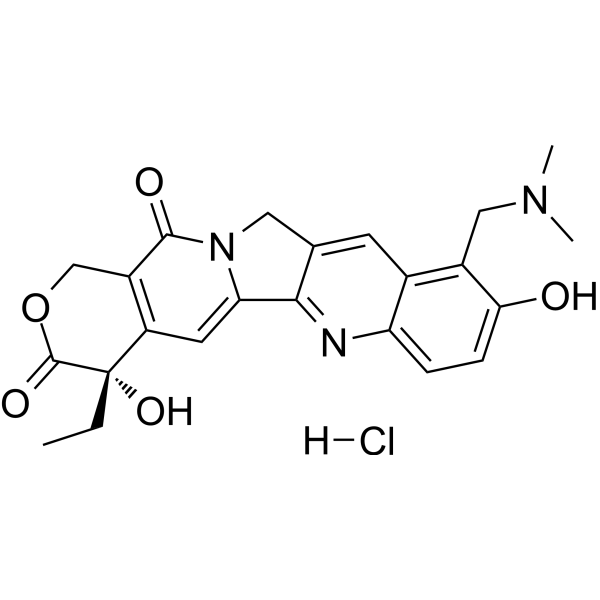
- 分子式: C23H24ClN3O5
- 分子量: 457.91
Topotecan Hydrochloride (SKF 104864A Hydrochloride) is a Topoisomerase I inhibitor with potent antineoplastic activities.
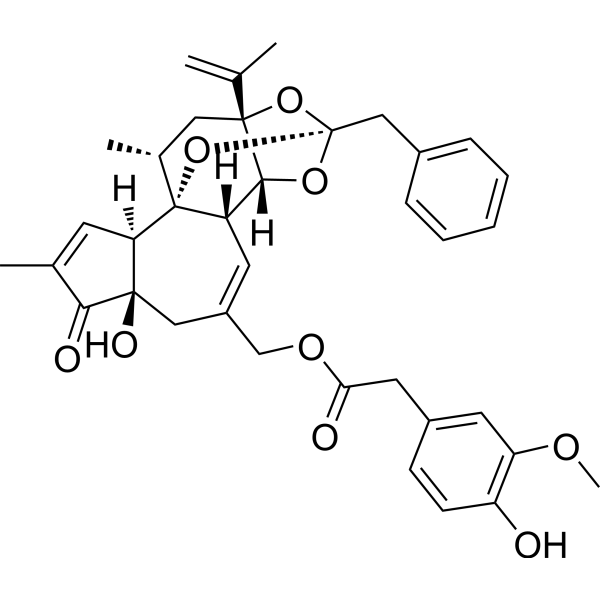
- 分子式: C37H40O9
- 分子量: 628.71
Resiniferatoxin ((+)-Resiniferatoxin), is a selective agonist of transient receptor potential vanilloid 1 (TRPV1) receptor agonist. Resiniferatoxin can be isolated from the Euphorbia resinifera plant. Resiniferatoxin eliminates TRPV1+ primary sensory afferents and blunt cardiac sympathetic afferent reflex for a relatively long period.
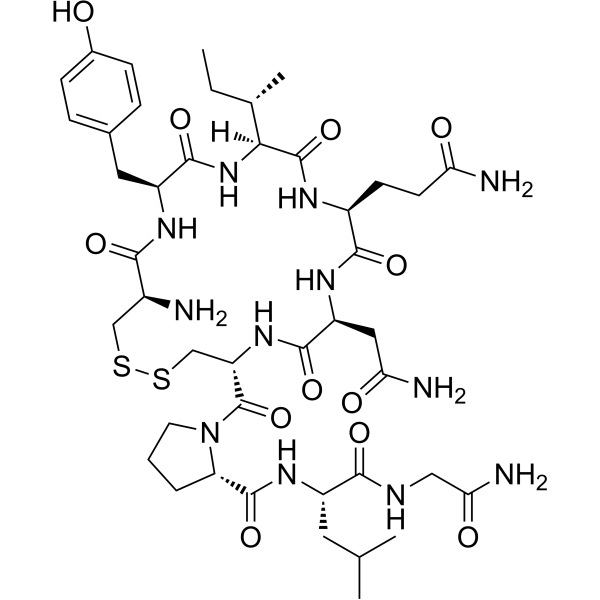
- 分子式: C43H66N12O12S2
- 分子量: 1007.19
Oxytocin (α-Hypophamine; Oxytocic hormone) is a pleiotropic, hypothalamic peptide known for facilitating parturition, lactation, and prosocial behaviors. Oxytocin can function as a stress-coping molecule with anti-inflammatory, antioxidant, and protective effects especially in the face of adversity or trauma.
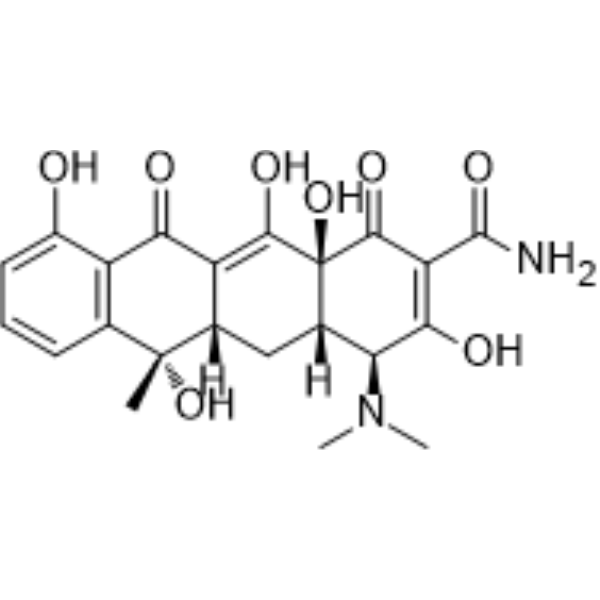
- 分子式: C22H24N2O8
- 分子量: 444.43
Tetracycline is a broad-spectrum antibiotic with oral activity. Tetracycline exhibits activity against a wide range of bacteria including gram-positive, gram-negative bacteria, chlamydiae, mycoplasmas and rickettsiae. Tetracycline can be used for the research of infections.
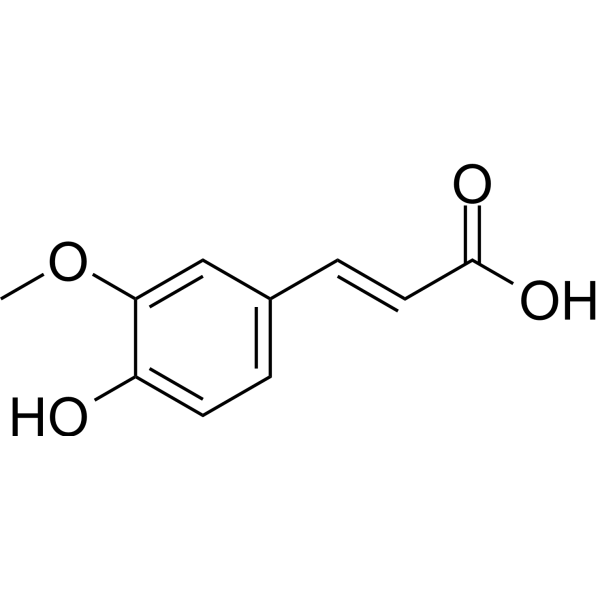
- 分子式: C10H10O4
- 分子量: 194.19
Ferulic acid is a novel fibroblast growth factor receptor 1 (FGFR1) inhibitor with IC50s of 3.78 and 12.5 μM for FGFR1 and FGFR2, respectively.
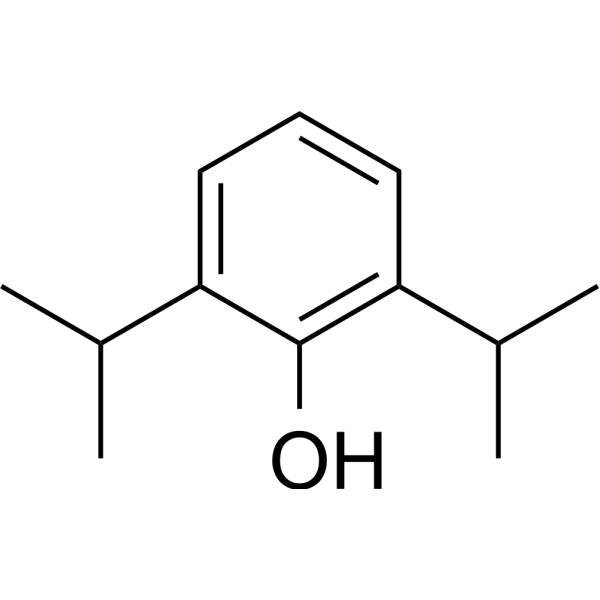
- 分子式: C12H18O
- 分子量: 178.27
Propofol potently and directly activates GABAA receptor and inhibits glutamate receptor mediated excitatory synaptic transmission. Propofol has antinociceptive properties and is used for sedation and hypnotic.
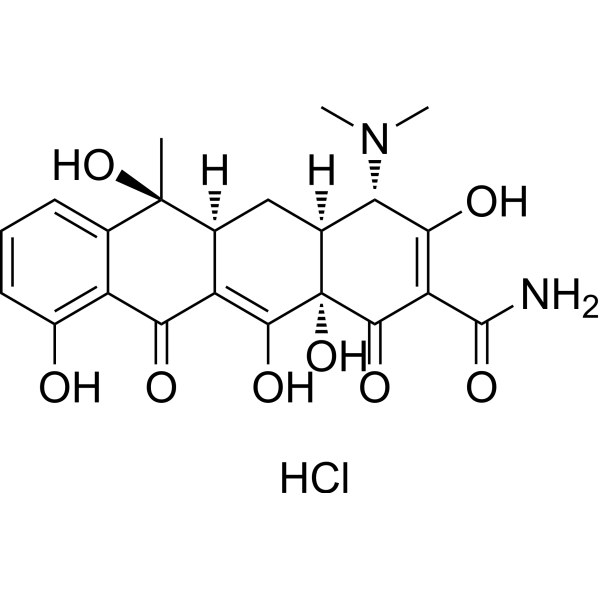
- 分子式: C22H25ClN2O8
- 分子量: 480.90
Tetracycline hydrochloride is a broad-spectrum antibiotic with oral activity. Tetracycline hydrochloride exhibits activity against a wide range of bacteria including gram-positive, gram-negative bacteria, chlamydiae, mycoplasmas and rickettsiae. Tetracycline hydrochloride can be used for the research of infections.



