Search Result
Results for "
proliferation,invasion
" in MedChemExpress (MCE) Product Catalog:
5
Isotope-Labeled Compounds
| Cat. No. |
Product Name |
Target |
Research Areas |
Chemical Structure |
-
- HY-16938
-
|
5'-(Methylthio)-5'-deoxyadenosine; 5'-Deoxy-5'-(methylthio)adenosine; 5'-S-Methyl-5'-thioadenosine
|
Endogenous Metabolite
Apoptosis
Parasite
|
Metabolic Disease
Cancer
|
|
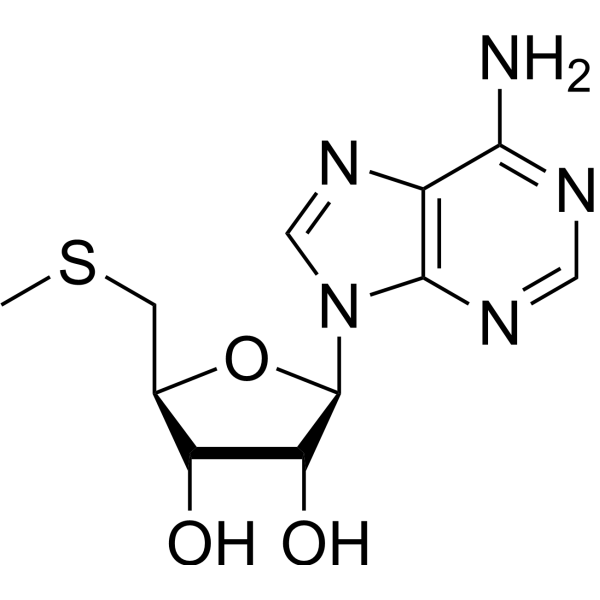
5'-Methylthioadenosine (5'-(Methylthio)-5'-deoxyadenosine) is a nucleoside generated from S-adenosylmethionine (SAM) during polyamine synthesis . 5'-Methylthioadenosine suppresses tumors by inhibiting tumor cell proliferation, invasion, and the induction of apoptosis while controlling the inflammatory micro-environments of tumor tissue. 5'-Methylthioadenosine and its associated materials have striking regulatory effects on tumorigenesis .
|
-
-
- HY-113016
-
|
|
Apoptosis
Wnt
ERK
Bacterial
Interleukin Related
|
Infection
Metabolic Disease
Cancer
|
|
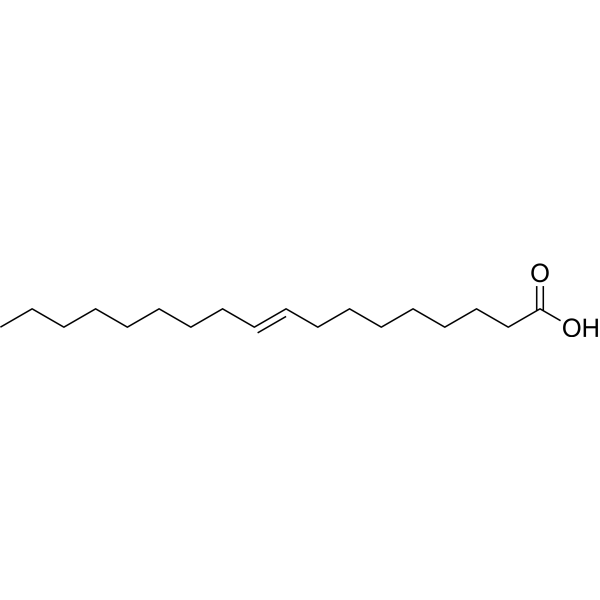
Elaidic acid is an orally active trans fatty acid. Elaidic acid enhances the stemness of colorectal cancer cells by activating the Wnt/ERK1/2 pathway, thereby promoting cell proliferation, invasion and metastasis, and inhibiting apoptosis. Elaidic acid also inhibits the growth of Lactobacillus and alters the cell surface hydrophobicity of Lactobacillus. Elaidic acid reduces basal 2-deoxyglucose uptake in muscle cells and adipocytes. Elaidic acid can be used in research on colorectal cancer, insulin and other related areas .
|
-
-
- HY-149394
-
|
|
Apoptosis
Reactive Oxygen Species (ROS)
|
Cancer
|
|
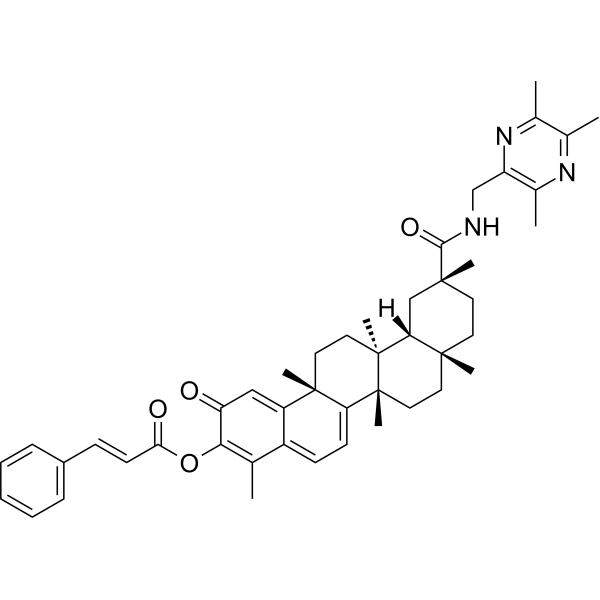
PRDX1-IN-1 is a selective inhibtor of PRDX1 with an IC50 value of 0.164 μM. PRDX1-IN-1 can be used in researches related to cancer.PRDX1-IN-1 promots intracellular ROS accumulation, and inhibits the proliferation, invasion and migration of cancer cells besides inducing apoptosis. PRDX1-IN-1 could be used in cancer research .
|
-
-
- HY-16938S1
-
|
5'-(Methylthio)-5'-deoxyadenosine-d3; 5'-Deoxy-5'-(methylthio)adenosine-d3; 5'-S-Methyl-5'-thioadenosine-d3
|
Apoptosis
Parasite
Endogenous Metabolite
|
Inflammation/Immunology
|
|
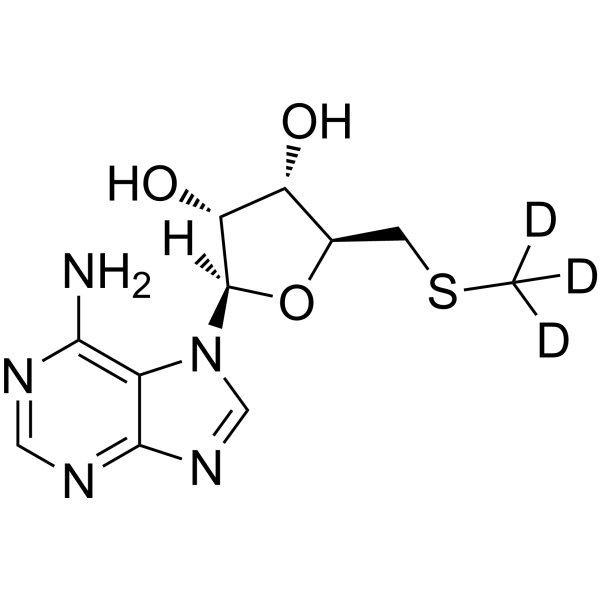
5'-Methylthioadenosine-d3 is the deuterium labeled 5'-Methylthioadenosine . 5'-Methylthioadenosine (5'-(Methylthio)-5'-deoxyadenosine) is a nucleoside generated from S-adenosylmethionine (SAM) during polyamine synthesis. 5'-Methylthioadenosine suppresses tumors by inhibiting tumor cell proliferation, invasion, and the induction of apoptosis while controlling the inflammatory micro-environments of tumor tissue. 5'-Methylthioadenosine and its associated materials have striking regulatory effects on tumorigenesis .
|
-
-
- HY-13495
-
ML281
2 Publications Verification
|
STK33
PKA
Aurora Kinase
Bcl-2 Family
Apoptosis
|
Metabolic Disease
Cancer
|
|
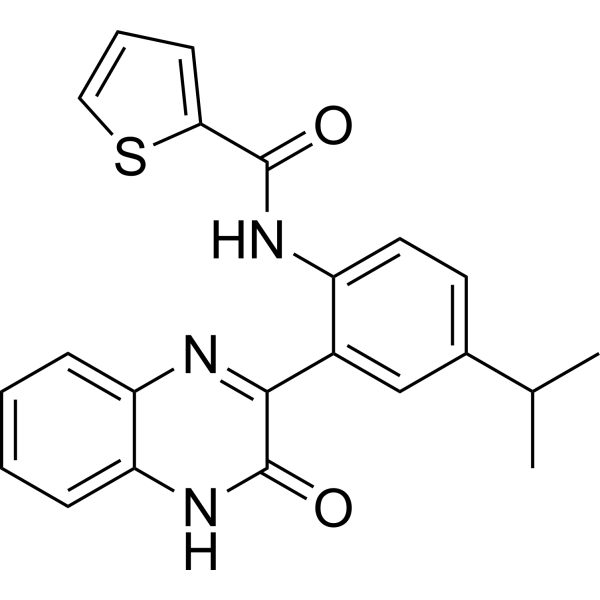
ML281 is a highly selective inhibitor of serine/threonine kinase 33 (STK33) with an IC50 value of 14 nM. ML281 shows 700-fold selectivity over PKA and 550-fold over AurB. ML281 exerts core mechanism by inhibiting STK33: in small cell lung cancer, ML281 downregulates RPS6/BAD signaling phosphorylation, induces apoptosis, and suppresses proliferation, invasion . ML281 reduces STK33-mediated 4-hydroxyphenylpyruvate dioxygenase (HPD) phosphorylation in tyrosinemia . ML281 is suitable for research on STK33 function, KRAS mutation-related cancers (pancreatic cancer, colon cancer, lung adenocarcinoma, etc.), small cell lung cancer, and tyrosinemia-related damage
|
-
-
- HY-162934
-
|
|
Apoptosis
Connective Peptide
|
Cancer
|
|
TFCP2L1-IN-1 is a specific small molecule targeting TFCP2L1’s active domain with anti-cancer activity. TFCP2L1-IN-1 synergizes with Sorafenib (HY-10201) to induce Apoptosis and reduces cell proliferation, invasion, metastasis, clonal formation and sphere-forming capacity in hepatocellular carcinoma cells .
|
-

-
- HY-W654139
-
|
|
Isotope-Labeled Compounds
Endogenous Metabolite
Parasite
Apoptosis
|
Metabolic Disease
|
|
5'-Deoxy-5'-(methylthio)adenosine-d3 is deuterium labeled 5'-Methylthioadenosine. 5'-Methylthioadenosine (5'-(Methylthio)-5'-deoxyadenosine) is a nucleoside generated from S-adenosylmethionine (SAM) during polyamine synthesis . 5'-Methylthioadenosine suppresses tumors by inhibiting tumor cell proliferation, invasion, and the induction of apoptosis while controlling the inflammatory micro-environments of tumor tissue. 5'-Methylthioadenosine and its associated materials have striking regulatory effects on tumorigenesis.
|
-

-
- HY-151939
-
|
|
DNA/RNA Synthesis
Apoptosis
|
Cancer
|
|
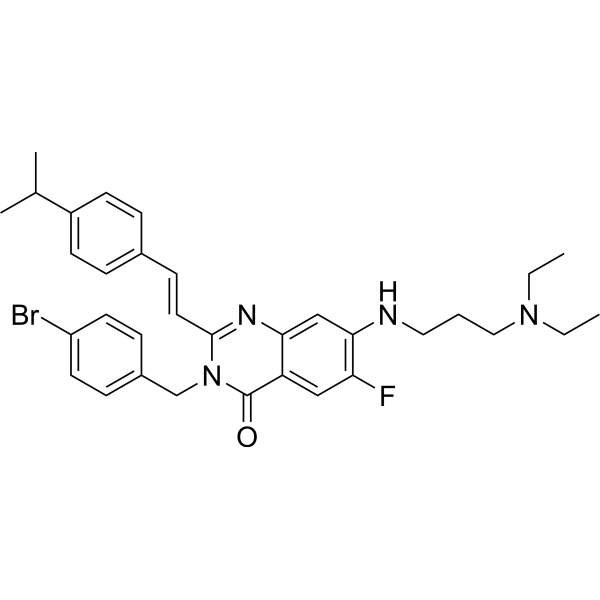
BLM-IN-2 is a Bloom's Syndrome Protein (BLM) inhibitor with an IC50 value of 0.8 μM. BLM-IN-2 effectively suppresses the proliferation, invasion, cell cycle arrest and apoptosis of CRC cells. BLM-IN-2 can be used for the reserarch of colorectal cancer (CRC) .
|
-
-
- HY-16938S
-
|
5'-(Methylthio)-5'-deoxyadenosine-13C6; 5'-Deoxy-5'-(methylthio)adenosine-13C6; 5'-S-Methyl-5'-thioadenosine-13C6
|
Endogenous Metabolite
Apoptosis
|
Metabolic Disease
Cancer
|
|
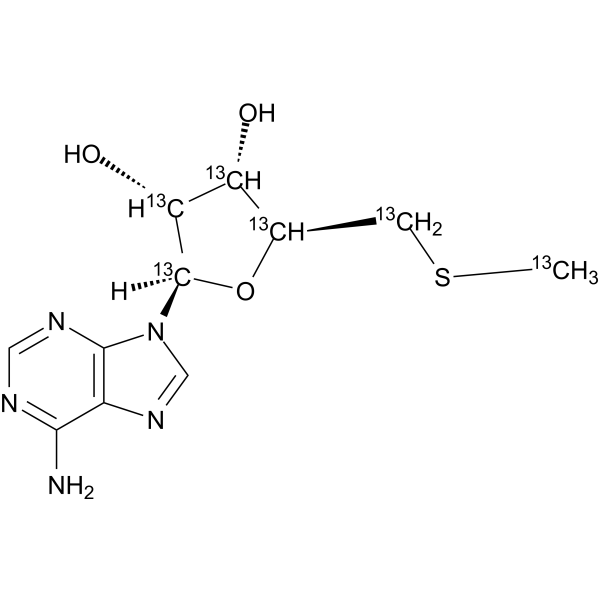
5'-Methylthioadenosine- 13C6 is the 13C-labeled 5'-Methylthioadenosine. 5'-Methylthioadenosine (5'-(Methylthio)-5'-deoxyadenosine) is a nucleoside generated from S-adenosylmethionine (SAM) during polyamine synthesis . 5'-Methylthioadenosine suppresses tumors by inhibiting tumor cell proliferation, invasion, and the induction of apoptosis while controlling the inflammatory micro-environments of tumor tissue. 5'-Methylthioadenosine and its associated materials have striking regulatory effects on tumorigenesis .
|
-
-
- HY-171450
-
|
|
Trk Receptor
|
Cancer
|
|
VMD-928 is an orally active, allosteric, irreversible and selective tropomyosin receptor kinase A (TrkA) inhibitor. VMD-928 blocks the downstream signaling pathways triggered by the binding of nerve growth factor (NGF) to TrkA, thereby inhibiting cell proliferation, invasion, and promoting cancer cell death. VMD-928 is promising for research of various cancers, including prostate cancer, thymic carcinoma, mesothelioma, squamous cell carcinoma of the head and neck, squamous cell carcinoma of the lung, ovarian cancer, hepatocellular carcinoma .
|
-

-
- HY-13906
-
|
(+)-Largazole
|
HDAC
|
Neurological Disease
Cancer
|
|
Largazole ((+)-Largazole) is a potent, selective, orally active and brain-penetrant class I HDAC inhibitor found in marine cyanobacteria. Largazole shows an IC50 of 0.07 nM for HDAC2. Largazole releases its active form Largazole thiol (HY-170890) after hydrolysis. Largazole has a strong inhibitory effect on SF-268, SF-295 and SH-SY5Y cells, with IC50 values of 62, 68 and 102 nM respectively Largazole can upregulate the tumor suppressor gene Pax6 to inhibit the proliferation, invasion and colony formation of glioblastoma cells. Largazole can significantly upregulated brain-derived neurotrophic factor BDNF, neuronal transcription factor Pax6, and μ-opioid receptor gene Oprm1. Largazole exerts antitumor and neuroprotective effects. Largazole can be used for researches of Glioblastoma and Alzheimer’s disease .
|
-

-
- HY-P10988
-
|
|
Apoptosis
MDM-2/p53
Integrin
|
Cancer
|
|
LVTX-8 is a peptide toxin, exacted from Lycosa vittata. LVTX-8 has potent anticancer and and anti-metastasis activities towards lung cancer with strong cytotoxicity. LVTX-8 significantly induces apoptosis and inhibits the proliferation, invasion and migration of lung cancer cells through P53 hypoxia pathways and integrin signaling. LVTX-8 significantly inhibits the tumor growth and metastasis in A549/H460 xenograft mice model .
|
-

-
- HY-16938R
-
|
5'-(Methylthio)-5'-deoxyadenosine (Standard); 5'-Deoxy-5'-(methylthio)adenosine (Standard); 5'-S-Methyl-5'-thioadenosine (Standard)
|
Reference Standards
Endogenous Metabolite
Apoptosis
Parasite
|
Metabolic Disease
Cancer
|
|
5'-Methylthioadenosine (Standard) is the analytical standard of 5'-Methylthioadenosine. This product is intended for research and analytical applications. 5'-Methylthioadenosine (5'-(Methylthio)-5'-deoxyadenosine) is a nucleoside generated from S-adenosylmethionine (SAM) during polyamine synthesis[1]. 5'-Methylthioadenosine suppresses tumors by inhibiting tumor cell proliferation, invasion, and the induction of apoptosis while controlling the inflammatory micro-environments of tumor tissue. 5'-Methylthioadenosine and its associated materials have striking regulatory effects on tumorigenesis[2].
|
-

-
- HY-W753201
-
|
5'-(Methylthio)-5'-deoxyadenosine-13C; 5'-Deoxy-5'-(methylthio)adenosine-13C; 5'-S-Methyl-5'-thioadenosine-13C
|
Isotope-Labeled Compounds
Apoptosis
Parasite
Endogenous Metabolite
|
Cancer
|
|
5'-Methylthioadenosine- 13C (5'-(Methylthio)-5'-deoxyadenosine- 13C) is the 13C-labeled 5'-Methylthioadenosine (HY-16938). 5'-Methylthioadenosine (5'-(Methylthio)-5'-deoxyadenosine) is a nucleoside generated from S-adenosylmethionine (SAM) during polyamine synthesis . 5'-Methylthioadenosine suppresses tumors by inhibiting tumor cell proliferation, invasion, and the induction of apoptosis while controlling the inflammatory micro-environments of tumor tissue. 5'-Methylthioadenosine and its associated materials have striking regulatory effects on tumorigenesis .
|
-

-
- HY-170912
-
|
|
Topoisomerase
Apoptosis
ROS Kinase
Cytochrome P450
Caspase
Bcl-2 Family
PI3K
Akt
mTOR
|
Cancer
|
Topo I/II-IN-2 (Compound 3g) is an inhibitor of Topo I and Topo II. Topo I/II-IN-2 inhibits NCI-H446 cells and NCI-H1048 cells with IC50s of 1.30 μM and 1.42 μM, respectively. Topo I/II-IN-2 induces mitochondrial Apoptosis, mitochondrial dysfunction and activity generation. Topo I/II-IN-2 inhibits the PI3K/Akt/mTOR pathway. Topo I/II-IN-2 prevents SCLC (small cell lung cancer) cell proliferation, invasion, and migration in vitro. .
|
-

-
- HY-149002
-
|
|
Topoisomerase
Apoptosis
|
Cancer
|
|
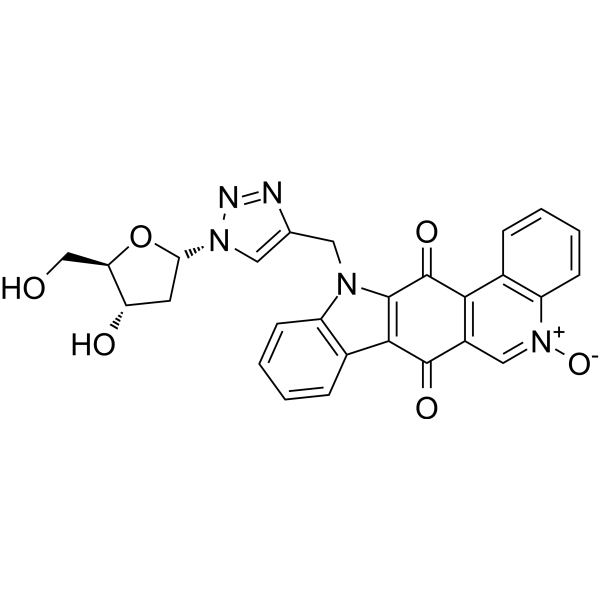
Topoisomerase I/II inhibitor 4 (compound F16) is a potent topoisomerase I (Topo I) and II (Topo II) dual inhibitor. Topoisomerase I/II inhibitor 4 inhibits cell proliferation, invasion and migration and induces apoptosis. Topoisomerase I/II inhibitor 4 can be used for liver cancer research .
|
-
-
- HY-143874
-
|
|
EGFR
|
Cancer
|
|
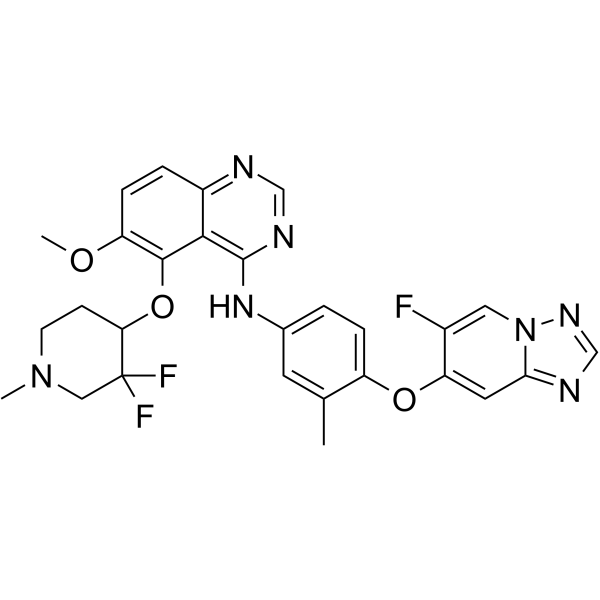
HER2-IN-7 is a potent inhibitor of HER2. Deregulation of ErbB family signalling modulates proliferation, invasion, metastasis, angiogenesis, and tumour cell survival. HER2-IN-7 has the potential for the research of diseases associated ErbBs (especially HER2), including cancer (extracted from patent WO2019214634A1, compound 23) .
|
-
-
- HY-146504
-
|
|
Topoisomerase
PI3K
Apoptosis
Reactive Oxygen Species (ROS)
|
Cancer
|
|
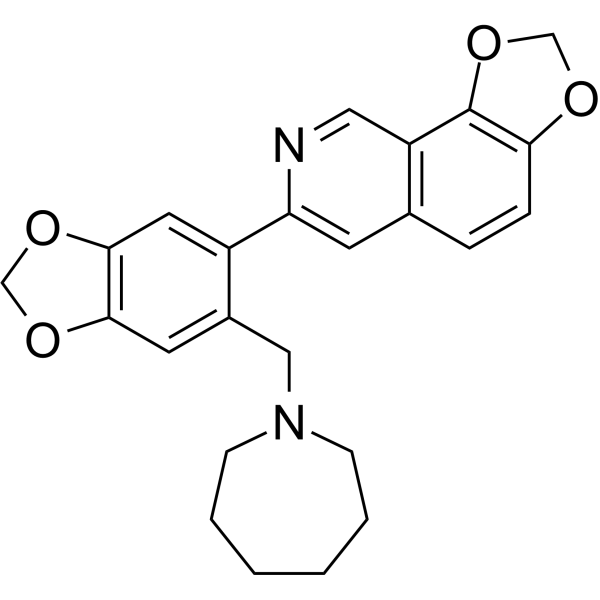
Topoisomerase I/II inhibitor 3 (compound 7) is a potent topoisomerase I (Topo I) and II (Topo II) dual inhibitor. Topoisomerase I/II inhibitor 3 can inhibit cell proliferation, invasion and migration, and induce apoptosis by inhibiting PI3K/Akt/mTOR signaling pathway. Topoisomerase I/II inhibitor 3 can be used for liver cancer research .
|
-
-
- HY-W339834
-
|
|
Acyltransferase
Endogenous Metabolite
Liposome
|
Others
|
|
1-Stearoyl-sn-glycerol 3-phosphate sodium is a bioactive phospholipid that plays a crucial role in modulating cellular processes such as motility, proliferation, invasion, survival, and growth factor production, primarily through its interaction with G protein-coupled receptors (GPCRs). Typically found at low concentrations in plasma (~100nM), this compound is synthesized during the formation of membrane phospholipids and is derived from various cell types, including activated platelets, epithelial cells, leukocytes, neuronal cells, and tumor cells. Its unique structure includes stearic acid at the sn-1 position alongside a hydroxyl group at the sn-2 position.
|
-

-
- HY-16938S2
-
|
5'-(Methylthio)-5'-deoxyadenosine-13C5; 5'-Deoxy-5'-(methylthio)adenosine-13C5; 5'-S-Methyl-5'-thioadenosine-13C5
|
Isotope-Labeled Compounds
Endogenous Metabolite
Apoptosis
Parasite
|
Metabolic Disease
Cancer
|
|
5'-Methylthioadenosine- 13C5 (5'-(Methylthio)-5'-deoxyadenosine- 13C5) is the 13C--labeled 5'-Methylthioadenosine (HY-16938). 5'-Methylthioadenosine (5'-(Methylthio)-5'-deoxyadenosine) is a nucleoside generated from S-adenosylmethionine (SAM) during polyamine synthesis . 5'-Methylthioadenosine suppresses tumors by inhibiting tumor cell proliferation, invasion, and the induction of apoptosis while controlling the inflammatory micro-environments of tumor tissue. 5'-Methylthioadenosine and its associated materials have striking regulatory effects on tumorigenesis .
|
-

-
- HY-180820
-
|
|
Drug Derivative
MDM-2/p53
CDK
Reactive Oxygen Species (ROS)
Apoptosis
Bcl-2 Family
Caspase
|
Cancer
|
|
Dimethyl bisphenolate (Compound DMB) is a natural neolignan derivative with orally active anti-tumor activity. Dimethyl bisphenolate can inhibit cancer cells proliferation, invasion and migration. Dimethyl bisphenolate can activate the p53 signaling pathway, upregulate the expression of p21 protein, inhibit the activity of the CDK1-cyclin B1 complex, and cause cells to stall at the G2/M phase. Dimethyl bisphenolate can induce ROS production, upregulate pro-apoptotic proteins Noxa and Bim, downregulate anti-apoptotic protein Bcl-2, activate caspase-9 and caspase-3, and ultimately induce cell apoptosis. Dimethyl bisphenolate can be used for research of glioblastoma .
|
-

-
- HY-183784
-
|
|
P2X Receptor
FAK
MMP
|
Cancer
|
|
P2X7R antagonist-1 is an orally active P2X7 receptor antagonist with an IC50 of 3.57 μM. P2X7R antagonist-1 inhibits the proliferation, invasion and metastasis abilities of cancer cells. P2X7R antagonist-1 downregulates the expression of FAK and MMP-9. P2X7R antagonist-1 suppresses tumor growth and metastasis in a mouse breast cancer model. P2X7R antagonist-1 promotes the activation of CD4 and CD8 T cells. P2X7R antagonist-1 can be used in breast cancer-related research .
|
-

-
- HY-182037
-
|
|
DNA/RNA Synthesis
Pyruvate Kinase
|
Cancer
|
|
Multi-target kinase-IN-9 is a multi-target enzyme inhibitor with antiproliferative and antiangiogenic activities, and exhibits remarkable selectivity against hepatocellular carcinoma cells. By broadly binding to the active sites or ATP-binding regions of multiple key enzymes including DNA polymerase β, Pyruvate Kinase M2 (PKM2), Multi-target kinase-IN-9 comprehensively disrupts DNA repair and replication, glycolysis, chromatin dynamics and transcriptional programs, and blocks the self-renewal of cancer stem cells. Multi-target kinase-IN-9 induces genomic instability, lysosomal dysfunction and autophagic flux impairment, thereby triggering tumor cell death, effectively inhibiting tumor proliferation, invasion, metastasis and angiogenesis, and significantly reducing tumor volume in xenograft models. Multi-target kinase-IN-9 is applicable to hepatocellular carcinoma-related research .
|
-

| Cat. No. |
Product Name |
Target |
Research Area |
-
- HY-P10988
-
|
|
Apoptosis
MDM-2/p53
Integrin
|
Cancer
|
|
LVTX-8 is a peptide toxin, exacted from Lycosa vittata. LVTX-8 has potent anticancer and and anti-metastasis activities towards lung cancer with strong cytotoxicity. LVTX-8 significantly induces apoptosis and inhibits the proliferation, invasion and migration of lung cancer cells through P53 hypoxia pathways and integrin signaling. LVTX-8 significantly inhibits the tumor growth and metastasis in A549/H460 xenograft mice model .
|
| Cat. No. |
Product Name |
Category |
Target |
Chemical Structure |
-
- HY-16938
-
-
-
- HY-113016
-
-
-
- HY-13906
-
|
(+)-Largazole
|
Structural Classification
Natural Products
Microorganisms
Source Classification
|
HDAC
|
|
Largazole ((+)-Largazole) is a potent, selective, orally active and brain-penetrant class I HDAC inhibitor found in marine cyanobacteria. Largazole shows an IC50 of 0.07 nM for HDAC2. Largazole releases its active form Largazole thiol (HY-170890) after hydrolysis. Largazole has a strong inhibitory effect on SF-268, SF-295 and SH-SY5Y cells, with IC50 values of 62, 68 and 102 nM respectively Largazole can upregulate the tumor suppressor gene Pax6 to inhibit the proliferation, invasion and colony formation of glioblastoma cells. Largazole can significantly upregulated brain-derived neurotrophic factor BDNF, neuronal transcription factor Pax6, and μ-opioid receptor gene Oprm1. Largazole exerts antitumor and neuroprotective effects. Largazole can be used for researches of Glioblastoma and Alzheimer’s disease .
|
-
-
- HY-16938R
-
|
5'-(Methylthio)-5'-deoxyadenosine (Standard); 5'-Deoxy-5'-(methylthio)adenosine (Standard); 5'-S-Methyl-5'-thioadenosine (Standard)
|
Structural Classification
Natural Products
Microorganisms
Endogenous metabolite
Source Classification
|
Reference Standards
Endogenous Metabolite
Apoptosis
Parasite
|
|
5'-Methylthioadenosine (Standard) is the analytical standard of 5'-Methylthioadenosine. This product is intended for research and analytical applications. 5'-Methylthioadenosine (5'-(Methylthio)-5'-deoxyadenosine) is a nucleoside generated from S-adenosylmethionine (SAM) during polyamine synthesis[1]. 5'-Methylthioadenosine suppresses tumors by inhibiting tumor cell proliferation, invasion, and the induction of apoptosis while controlling the inflammatory micro-environments of tumor tissue. 5'-Methylthioadenosine and its associated materials have striking regulatory effects on tumorigenesis[2].
|
-
| Cat. No. |
Product Name |
Chemical Structure |
-
- HY-16938S1
-
1 Publications Verification
|
|
5'-Methylthioadenosine-d3 is the deuterium labeled 5'-Methylthioadenosine . 5'-Methylthioadenosine (5'-(Methylthio)-5'-deoxyadenosine) is a nucleoside generated from S-adenosylmethionine (SAM) during polyamine synthesis. 5'-Methylthioadenosine suppresses tumors by inhibiting tumor cell proliferation, invasion, and the induction of apoptosis while controlling the inflammatory micro-environments of tumor tissue. 5'-Methylthioadenosine and its associated materials have striking regulatory effects on tumorigenesis .
|
-
-
- HY-W654139
-
|
|
|
5'-Deoxy-5'-(methylthio)adenosine-d3 is deuterium labeled 5'-Methylthioadenosine. 5'-Methylthioadenosine (5'-(Methylthio)-5'-deoxyadenosine) is a nucleoside generated from S-adenosylmethionine (SAM) during polyamine synthesis . 5'-Methylthioadenosine suppresses tumors by inhibiting tumor cell proliferation, invasion, and the induction of apoptosis while controlling the inflammatory micro-environments of tumor tissue. 5'-Methylthioadenosine and its associated materials have striking regulatory effects on tumorigenesis.
|
-
-
- HY-16938S
-
|
|
|
5'-Methylthioadenosine- 13C6 is the 13C-labeled 5'-Methylthioadenosine. 5'-Methylthioadenosine (5'-(Methylthio)-5'-deoxyadenosine) is a nucleoside generated from S-adenosylmethionine (SAM) during polyamine synthesis . 5'-Methylthioadenosine suppresses tumors by inhibiting tumor cell proliferation, invasion, and the induction of apoptosis while controlling the inflammatory micro-environments of tumor tissue. 5'-Methylthioadenosine and its associated materials have striking regulatory effects on tumorigenesis .
|
-
-
- HY-W753201
-
|
|
|
5'-Methylthioadenosine- 13C (5'-(Methylthio)-5'-deoxyadenosine- 13C) is the 13C-labeled 5'-Methylthioadenosine (HY-16938). 5'-Methylthioadenosine (5'-(Methylthio)-5'-deoxyadenosine) is a nucleoside generated from S-adenosylmethionine (SAM) during polyamine synthesis . 5'-Methylthioadenosine suppresses tumors by inhibiting tumor cell proliferation, invasion, and the induction of apoptosis while controlling the inflammatory micro-environments of tumor tissue. 5'-Methylthioadenosine and its associated materials have striking regulatory effects on tumorigenesis .
|
-
-
- HY-16938S2
-
|
|
|
5'-Methylthioadenosine- 13C5 (5'-(Methylthio)-5'-deoxyadenosine- 13C5) is the 13C--labeled 5'-Methylthioadenosine (HY-16938). 5'-Methylthioadenosine (5'-(Methylthio)-5'-deoxyadenosine) is a nucleoside generated from S-adenosylmethionine (SAM) during polyamine synthesis . 5'-Methylthioadenosine suppresses tumors by inhibiting tumor cell proliferation, invasion, and the induction of apoptosis while controlling the inflammatory micro-environments of tumor tissue. 5'-Methylthioadenosine and its associated materials have striking regulatory effects on tumorigenesis .
|
-
Your information is safe with us. * Required Fields.
Inquiry Information
- Product Name:
- Cat. No.:
- Quantity:
- MCE Japan Authorized Agent:








