



Acyltransferase
Diacylglycerol acyltransferase; Diglyceride acyltransferase; acyl-CoA:cholesterol acyltransferase; mono- acylglycerol acyltransferase
Acyltransferase (AT) catalyzes the transfer of an acyl moiety from acyl-coenzyme A (acyl-CoA) to an acceptor. Acyltransferases play important roles in the maintenance of homeostasis in the human body and have been linked to various diseases. The Acyltransferase family includes acyl-CoA:cholesterol AT (ACAT), diacylglycerol AT (DGAT), and monoacylglycerol AT (MGAT) for the metabolism of lipids.
ACAT (acyl-coenzyme A:cholesterol acyltransferase) is an intracellular enzyme that catalyzes the formation of cholesterol esters from cholesterol and fatty acyl-coenzyme A. In mammals, two isoenzymes, ACAT1 and ACAT2, encoded by two different genes, exist. ACATs play important roles in cellular cholesterol homeostasis in various tissues.
DGAT (acyl-CoA:diacylglycerol acyltransferase) is an integral membrane enzyme that catalyses the last step of triacylglycerol synthesis from diacylglycerol and acyl-CoA. DGAT activity resides mainly in two distinct membrane bound polypeptides, known as DGAT1 and DGAT2.
MGAT (acyl-CoA:monoacylglycerol acyltransferase) catalyzes the synthesis of diacylglycerol, the precursor of physiologically important lipids such as triacylglycerol and phospholipids. In the intestine, MGAT plays a major role in the absorption of dietary fat because resynthesis of triacylglycerol is required for the assembly of lipoproteins that transport absorbed fat to other tissues.
Alle Acyltransferase Isoform-spezifische Produkte anzeigen
All Product Categories
-
Acyltransferase Verwandte Produkte (241)
Verwandte Produkte (241)

-
Antibodies (4)
-
Acyltransferase Isoform Comparison
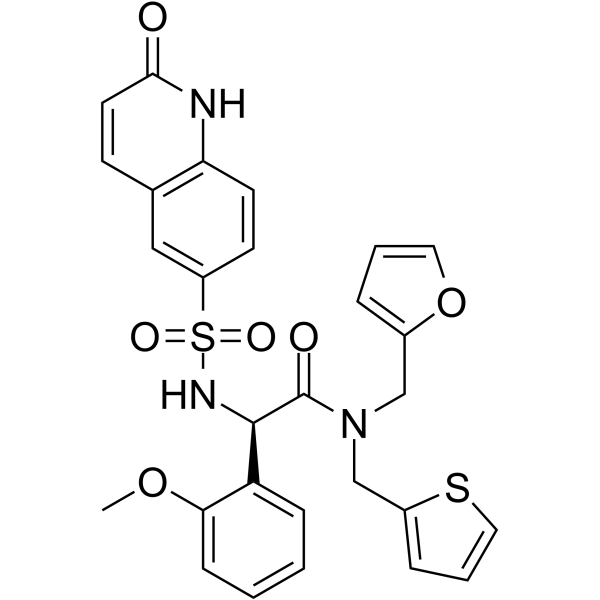
-
A 922500
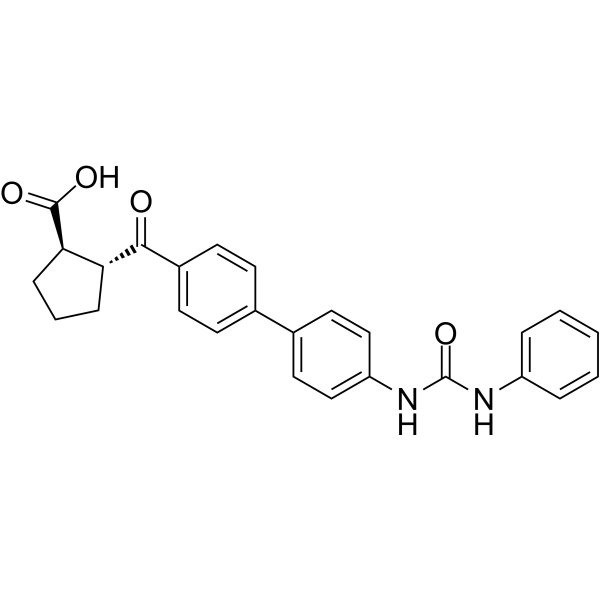 0 ImagesSynonyms: DGAT-1 Inhibitor 4aA 922500 (DGAT-1 Inhibitor 4a) is a potent, selective, and orally bioavailable diacylglycerol acyltransferase 1 (DGAT-1) inhibitor with IC50s of 9 and 22 nM against human and mouse DGAT-1, respectively.
-
Avasimibe
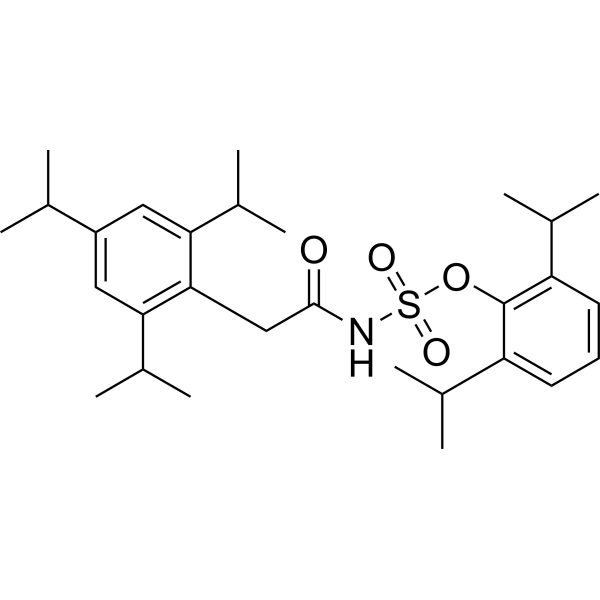 0 ImagesSynonyms: CI-1011; PD-148515Avasimibe (CI-1011; PD-148515) is an orally active acyl coenzyme A-cholesterol acyltransferase (ACAT; also called SOAT)) inhibitor with IC50s of 24 and 9.2 µM for ACAT1 and ACAT2, respectively. Avasimibe can be used for the research of prostate cancer.
-
PF-06424439 methanesulfonate
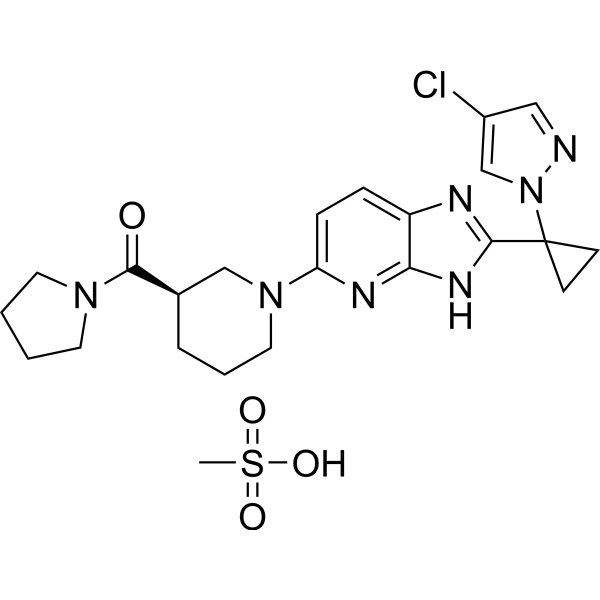 0 ImagesPF-06424439 methanesulfonate is an oral, potent and selective imidazopyridine diacylglycerol acyltransferase 2 (DGAT2) inhibitor with an IC50 of 14 nM. PF-06424439 methanesulfonate is slowly reversible, time-dependent inhibitor, which inhibits DGAT2 in a noncompetitive mode with respect to the acyl-CoA substrate.
-
PF-06424439
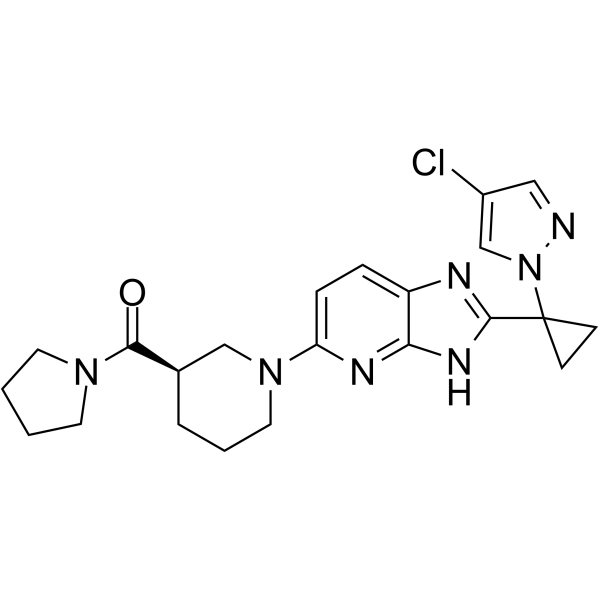 0 ImagesPF-06424439 is an oral, potent and selective imidazopyridine diacylglycerol acyltransferase 2 (DGAT2) inhibitor with an IC50 of 14 nM. PF-06424439 is slowly reversible, time-dependent inhibitor, which inhibits DGAT2 in a noncompetitive mode with respect to the acyl-CoA substrate.
-
Xanthohumol
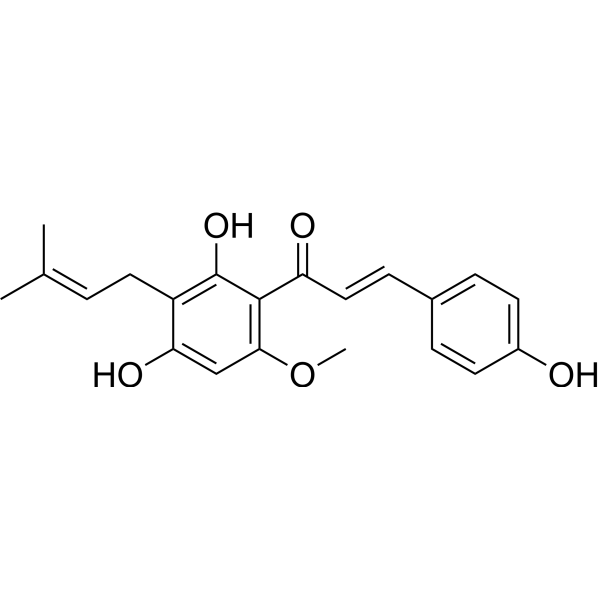 0 ImagesXanthohumol is one of the principal flavonoids isolated from hops, the inhibitor of diacylglycerol acetyltransferase (DGAT), COX-1 and COX-2, and shows anti-cancer and anti-angiogenic activities. Xanthohumol also has antiviral activity against bovine viral diarrhea virus (BVDV), rhinovirus, HSV-1, HSV-2 and cytomegalovirus (CMV).
-
Cyano-myracrylamide
 0 ImagesCyano-myracrylamide is a broad-spectrum S-acyltransferase/zDHHC inhibitor with an IC50 of 1.35 μM against human zDHHC20. Cyano-myracrylamide covalently binds to DHHC family proteins through its cyanomethyl and acrylamide warheads, thereby blocking the lipid transfer processes such as palmitoylation of their substrate proteins (CD36, GobX, Myd88, Ras, and EGFR). Cyano-myracrylamide can be used in research on type 2 diabetes, lymphoma, and antiphospholipid syndrome.
-
T863
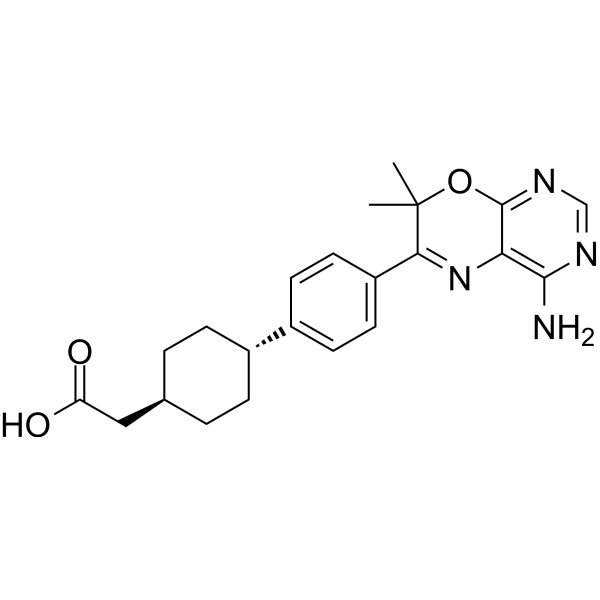 0 ImagesT863 is an orally active, selective and potent DGAT1 (acyl-CoA:diacylglycerol acyltransferase 1) inhibitor with an IC50 of 15 nM. T863 has no inhibitory activity against human MGAT3, human DGAT2, or human MGAT2. T863 interacts with the acyl-CoA binding site of DGAT1, and inhibits triacylglycerol synthesis in cells.
-
10,12-Tricosadiynoic acid
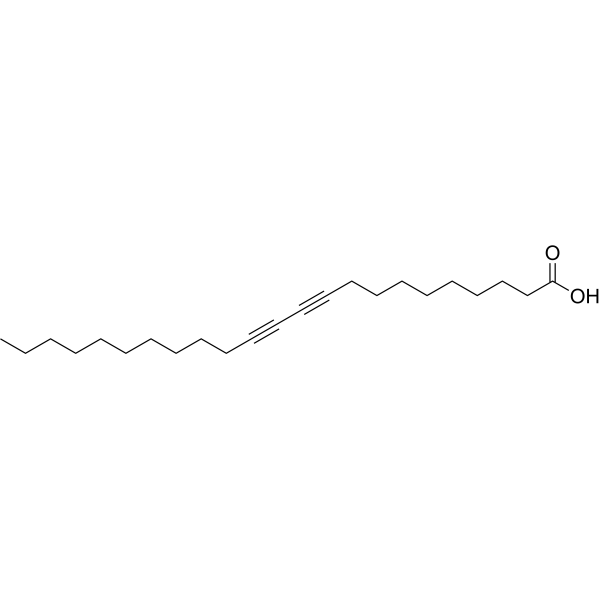 0 Images10,12-Tricosadiynoic acid is a highly specific, selective, high affinity and orally active acyl-CoA oxidase-1 (ACOX1) inhibitor. 10,12-Tricosadiynoic acid can treat high fat diet- or obesity-induced metabolic diseases by improving mitochondrial lipid and ROS metabolism. 10,12-Tricosadiynoic acid is a click chemistry reagent, it contains an Alkyne group and can undergo copper-catalyzed azide-alkyne cycloaddition (CuAAc) with molecules containing Azide groups.
-
Fumonisin B1
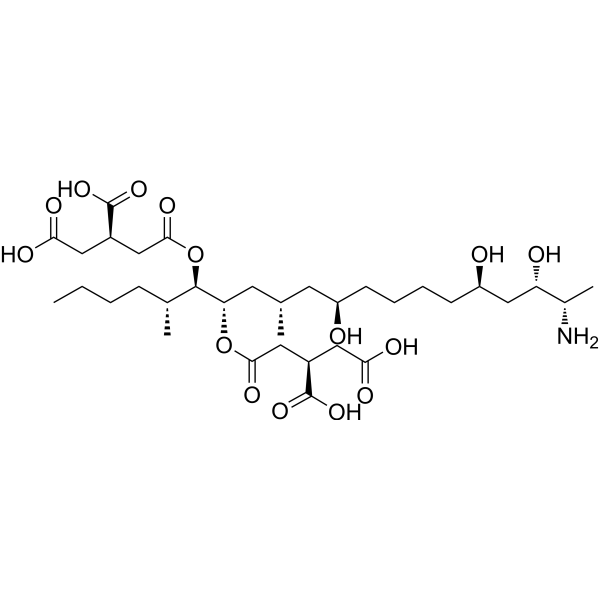 0 ImagesFumonisin B1 is a mycotoxin produced from Fusarium moniliforme. Fumonisin B1 is a potent inhibitor of sphingosine N-acyltransferase (ceramide synthase) and disrupts de novo sphingolipid biosynthesis. Fumonisin B1 is the most abundant and toxic fumonisin.
-
PF-04620110
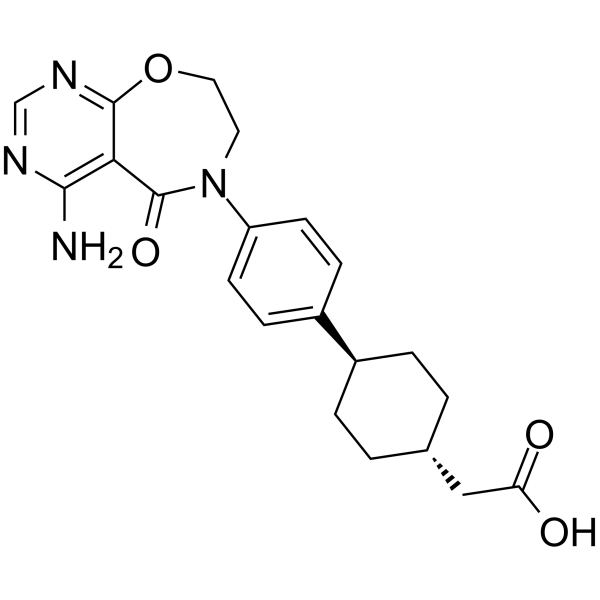 0 ImagesPF-04620110 is a potent, selective and orally bioavailable diglyceride acyltransferase-1 (DGAT-1) inhibitor with an IC50 of 19 nM.
-
K-604 dihydrochloride
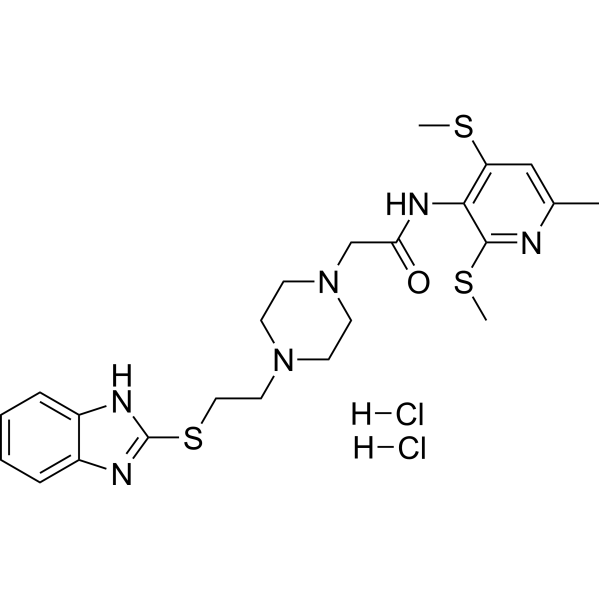 0 ImagesK-604 dihydrochloride is a potent and selective acyl-CoA:cholesterol acyltransferase 1 (ACAT-1) inhibitor with an IC50 of 0.45±0.06 μM.
-
FSG67
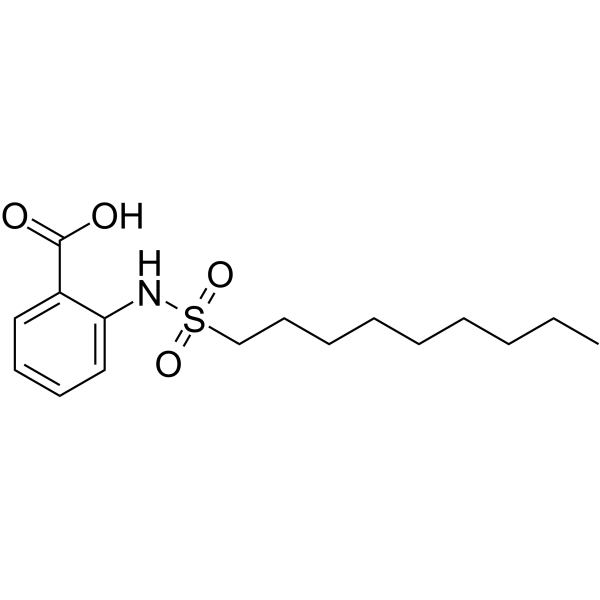 0 ImagesFSG67 is a glycerol 3-phosphate acyltransferase (GPAT) inhibitor with an IC50 of 24 μM.
-
ApoA-I mimetic peptide
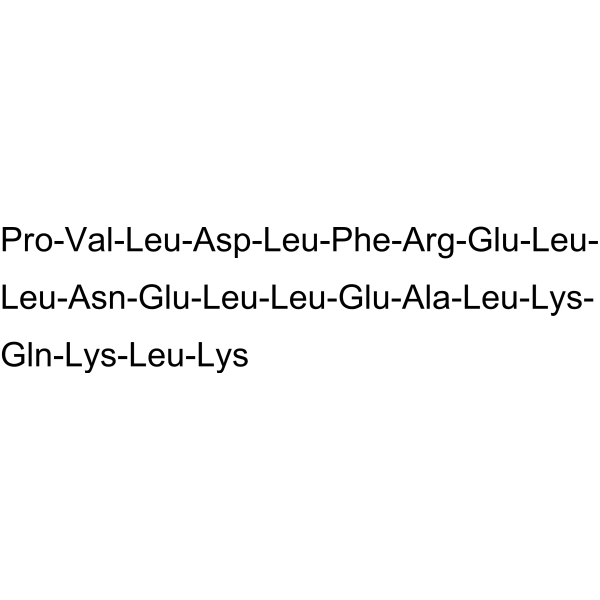 0 ImagesApoA-I mimetic peptide is an ApoA-I mimetic peptide. ApoA-I mimetic peptide has good phosphatidylcholine: cholesterol acyltransferase (LCAT) activation activity. ApoA-I mimetic peptide can be used to synthesize peptide/lipid complexes. ApoA-I mimetic peptide can be used in atherosclerosis research. (The sequence is: PVLDLFRELLNELLEALKQKLK).
-
DL-Glyceraldehyde 3-phosphate
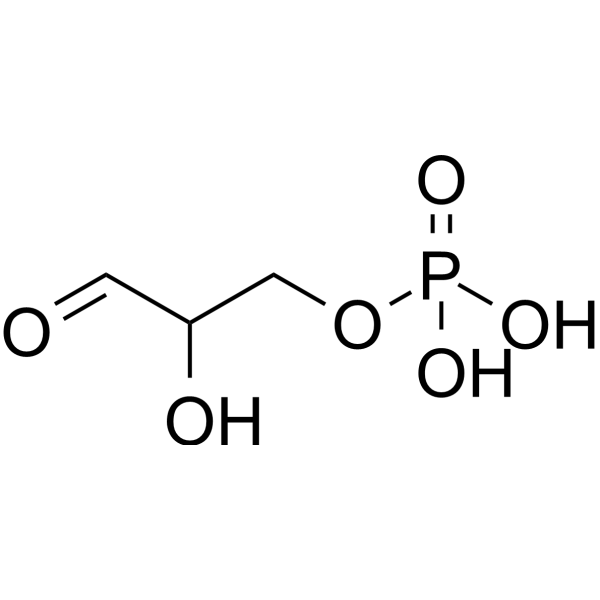 0 ImagesDL-Glyceraldehyde 3-phosphate is an intermediate in several metabolic pathways, including glycolysis and gluconeogenesis. DL-Glyceraldehyde 3-phosphate is a potent inhibitor of the growth of E. coli. DL-Glyceraldehyde 3-phosphate is a competitive inhibitor of the acyltransferase.
-
TSI-01
 0 ImagesTSI-01 is a selective LPCAT2 inhibitor, with IC50 values of 0.47 μM and 3.02 μM against LPCAT2 and LPCAT1, respectively. TSI-01 competitively inhibits acetyl-CoA (acetyl-CoA) targeting the lysophosphatidic acid acetyltransferase activity of LPCAT2, and suppresses PAF biosynthesis in calcium ionophore-stimulated mouse peritoneal macrophages. TSI-01 inhibits the proliferation of endometrial cancer cells and promotes endometrial cancer cell apoptosis (apoptosis). TSI-01 can be used for the research of endometrial cancer and PAF-related inflammatory diseases.
-
Nevanimibe hydrochloride
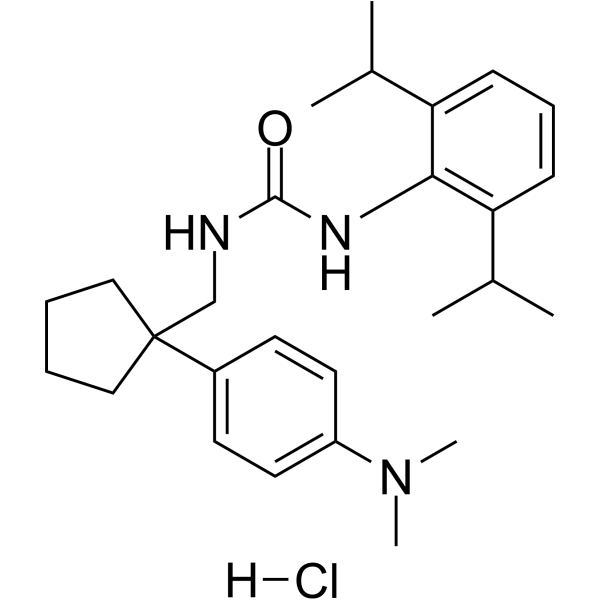 0 ImagesSynonyms: PD-132301 hydrochloride; ATR101 hydrochlorideNevanimibe hydrochloride (PD-132301 hydrochloride) is an orally active and selective acyl-coenzyme A:cholesterol O-acyltransferase 1 (ACAT1) inhibitor with an EC50 of 9 nM. Nevanimibe hydrochloride inhibits ACAT2 with an EC50 of 368 nM. Nevanimibe hydrochloride induces cell apoptosis and has the potential for adrenocortical cancer.
-
Pradigastat
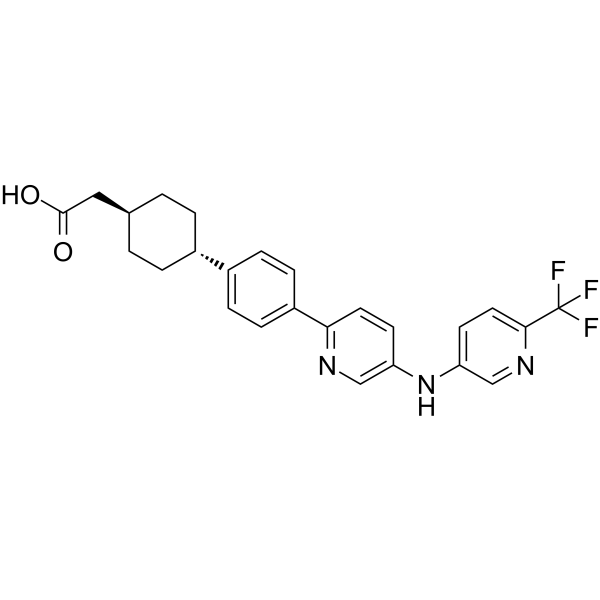 0 ImagesSynonyms: LCQ-908Pradigastat (LCQ-908) is a selective and orally effective diacylglyceryl acyltransferase 1 (DGAT1) inhibitor with IC50 at 0.157 µM. Pradigastat is primarily used to study diseases associated with abnormal triglyceride metabolism. Pradigastat has anti-obesity and anti-diabetic effects. Pradigastat inhibited BCRP, OATP1B1, OATP1B3 and OAT3 activities with IC50 of 5 µM, 1.66µM, 3.34µM and 0.973µM, respectively. In addition, Pradigastat has antiviral activity and can inhibit hepatitis C virus replication in vitro.




