Search Result
Results for "
seasonal allergic rhinitis
" in MedChemExpress (MCE) Product Catalog:
8
Isotope-Labeled Compounds
| Cat. No. |
Product Name |
Target |
Research Areas |
Chemical Structure |
-
- HY-B0539
-
|
Sch34117
|
Histamine Receptor
TNF Receptor
Leukotriene Receptor
|
Inflammation/Immunology
|
|
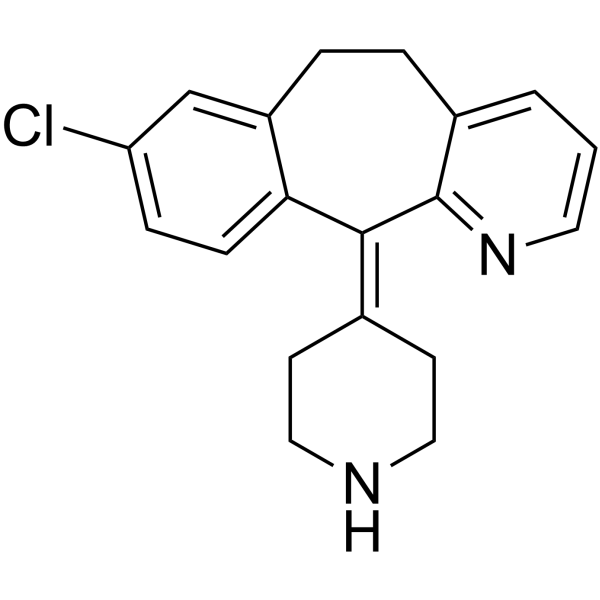
Desloratadine (Sch34117) is an orally active and selective H1 receptor antagonist (Ki=0.9 nM) with anti-inflammatory and anti-allergic activities. Desloratadine inhibits the release of histamine and LTC4 from human basophils and targets the regulatory signals of IL-4 and IL-13 production in basophils. Desloratadine significantly alleviates SAR symptoms in patients with concurrent asthma and can be used in the study of seasonal allergic rhinitis and chronic idiopathic urticaria .
|
-
-
- HY-17042
-
|
|
Histamine Receptor
|
Inflammation/Immunology
Endocrinology
|
|
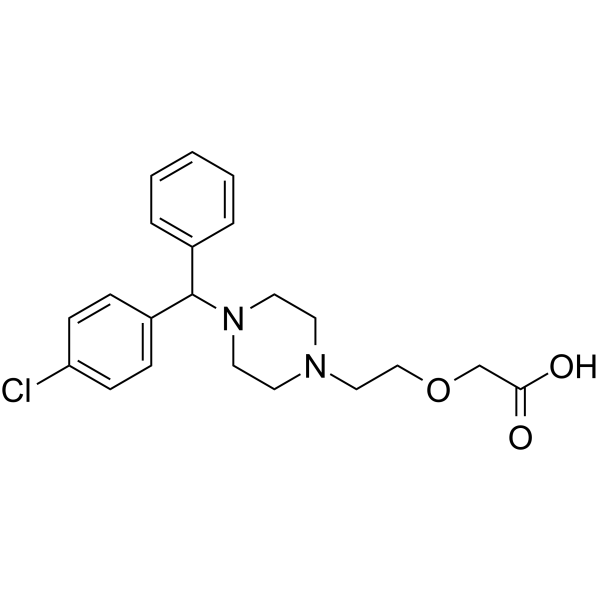
Cetirizine, a second-generation antihistamine and the carboxylated metabolite of hydroxyzine, is a specific, orally active and long-acting histamine H1-receptor antagonist. Cetirizine marks antiallergic properties and inhibits eosinophil chemotaxis during the allergic response .
|
-
-
- HY-17042A
-
|
P071
|
Histamine Receptor
|
Inflammation/Immunology
Endocrinology
Cancer
|
|
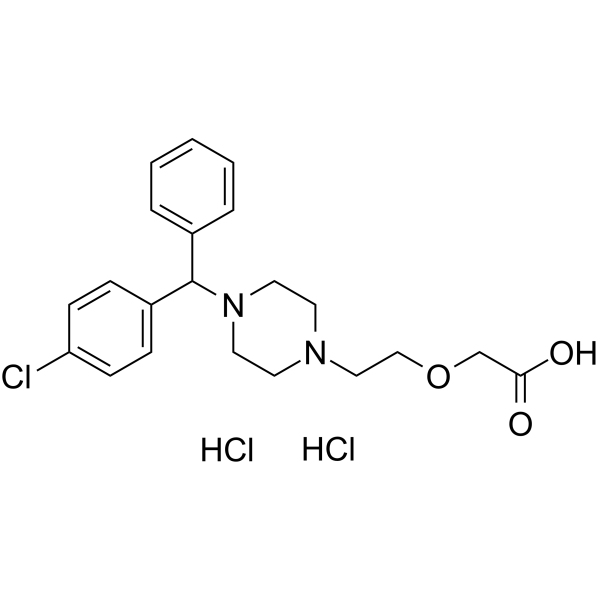
Cetirizine dihydrochloride, a second-generation antihistamine and the carboxylated metabolite of hydroxyzine, is a specific, orally active and long-acting histamine H1-receptor antagonist. Cetirizine dihydrochloride marks antiallergic properties and inhibits eosinophil chemotaxis during the allergic response .
|
-
-
- HY-B0154
-
-
-
- HY-B0426A
-
|
ALO4943A; KW4679
|
Histamine Receptor
CXCR
|
Infection
Neurological Disease
Metabolic Disease
Inflammation/Immunology
|
|
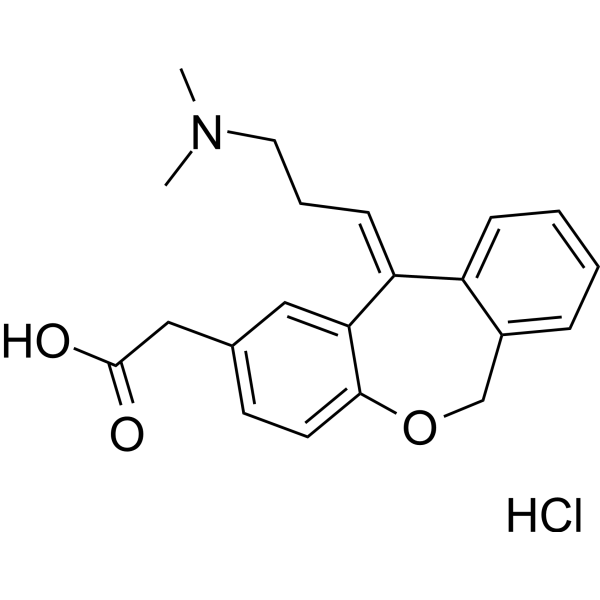
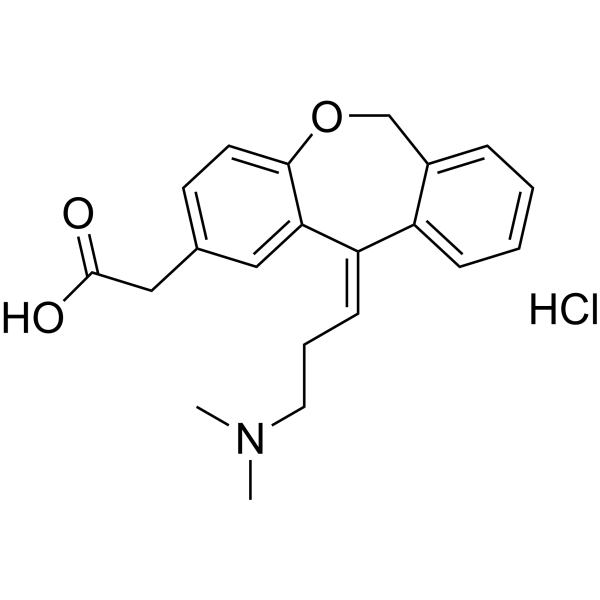
Olopatadine hydrochloride (ALO4943A; KW4679) is an orally active histamine H1 receptor antagonist and mast cell stabilizer. Olopatadine hydrochloride exerts antiallergic effects by blocking histamine H1 receptor-mediated activities. Olopatadine hydrochloride inhibits exocytosis, chemokine release, F-actin polymerization, CXCL10-induced calcium influx, and T cell chemotactic activity. Olopatadine hydrochloride also reduces the expression levels of CXCR3 on the surface of CD4 + and CD8 + T cells. Olopatadine hydrochloride inhibits scratching behavior, improves dermatitis scores, and suppresses intraepidermal neurite outgrowth. Olopatadine hydrochloride simultaneously decreases the levels of inflammatory markers, growth factors, histamine, and specific IgE, while increasing the expression of ErbB3A/HER3A. Olopatadine hydrochloride can be used in research related to seasonal pollinosis, chronic rhinitis, urticaria, allergic conjunctivitis, alopecia areata, and atopic dermatitis .
|
-
-
- HY-100657
-
|
meta-MDL-16455; meta-Terfenadine carboxylate
|
Drug Metabolite
|
Inflammation/Immunology
|
|
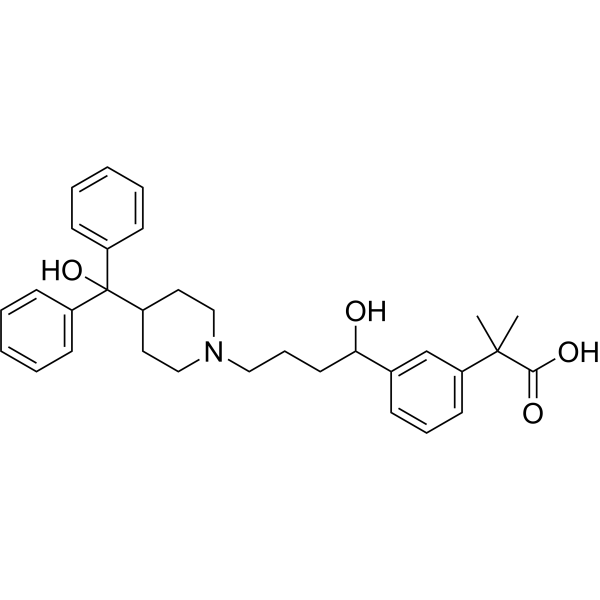
meta-Fexofenadine (meta-MDL-16455) is an impurity of Fexofenadine . Fexofenadine, a H1R antagonist, is an anti-allergic agent used in seasonal allergic rhinitis and chronic idiopathic urticarial .
|
-
-
- HY-W062109
-
|
|
Histamine Receptor
CXCR
|
Inflammation/Immunology
|
|
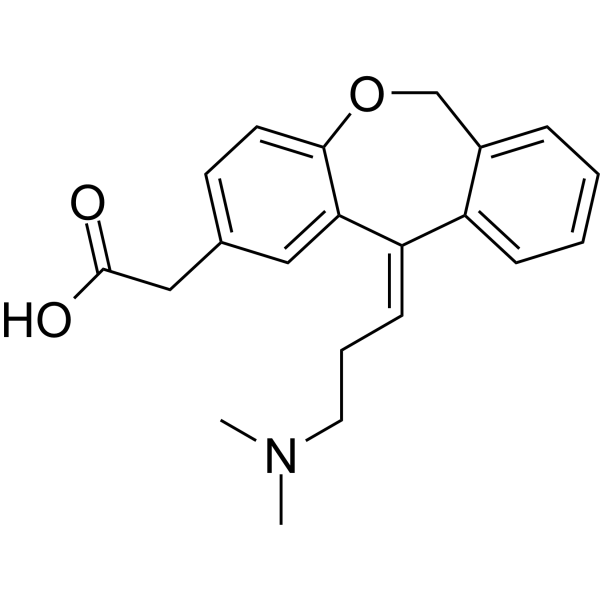
Olopatadine (ALO4943A; KW4679) is an orally active histamine H1 receptor antagonist and mast cell stabilizer. Olopatadine exerts antiallergic effects by blocking histamine H1 receptor-mediated activities. Olopatadine inhibits exocytosis, chemokine release, F-actin polymerization, CXCL10-induced calcium influx, and T cell chemotactic activity. Olopatadine also reduces the expression levels of CXCR3 on the surface of CD4 + and CD8 + T cells. Olopatadine inhibits scratching behavior, improves dermatitis scores, and suppresses intraepidermal neurite outgrowth. Olopatadine simultaneously decreases the levels of inflammatory markers, growth factors, histamine, and specific IgE, while increasing the expression of ErbB3A/HER3A. Olopatadine can be used in research related to seasonal pollinosis, chronic rhinitis, urticaria, allergic conjunctivitis, alopecia areata, and atopic dermatitis .
|
-
-
- HY-17042S1
-
|
|
Histamine Receptor
|
Inflammation/Immunology
|
|
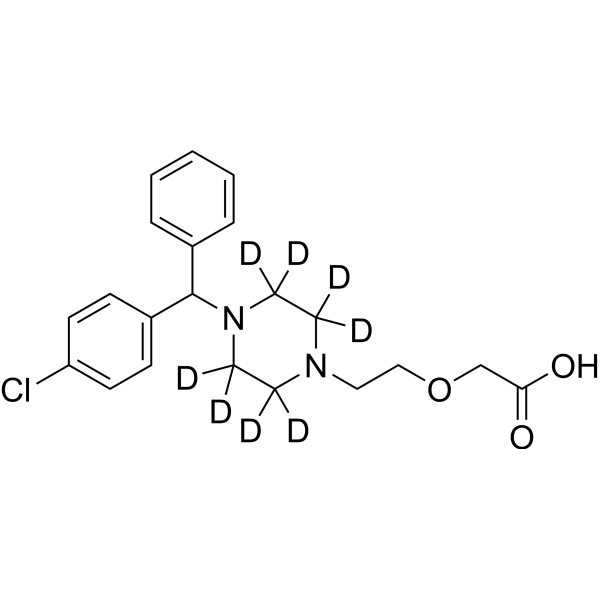
Cetirizine-d8 is a deuterium labeled Cetirizine. Cetirizine, a second-generation antihistamine and the carboxylated metabolite of hydroxyzine, is a specific, orally active and long-acting histamine H1-receptor antagonist. Cetirizine marks antiallergic properties and inhibits eosinophil chemotaxis during the allergic response .
|
-
-
- HY-W062109S
-
|
|
Isotope-Labeled Compounds
Histamine Receptor
CXCR
|
Inflammation/Immunology
|
|
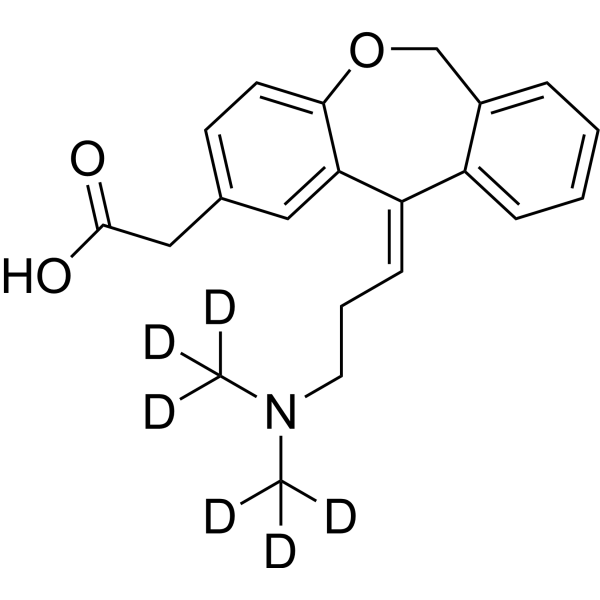
Olopatadine-d6 is the deuterium labeled Olopatadine. Olopatadine hydrochloride (ALO4943A; KW4679) is an orally active histamine H1 receptor antagonist and mast cell stabilizer. Olopatadine hydrochloride exerts antiallergic effects by blocking histamine H1 receptor-mediated activities. Olopatadine hydrochloride inhibits exocytosis, chemokine release, F-actin polymerization, CXCL10-induced calcium influx, and T cell chemotactic activity. Olopatadine hydrochloride also reduces the expression levels of CXCR3 on the surface of CD4 + and CD8 + T cells. Olopatadine hydrochloride inhibits scratching behavior, improves dermatitis scores, and suppresses intraepidermal neurite outgrowth. Olopatadine hydrochloride simultaneously decreases the levels of inflammatory markers, growth factors, histamine, and specific IgE, while increasing the expression of ErbB3A/HER3A. Olopatadine hydrochloride can be used in research related to seasonal pollinosis, chronic rhinitis, urticaria, allergic conjunctivitis, alopecia areata, and atopic dermatitis .
|
-
-
- HY-131274
-
|
|
Drug Metabolite
|
Others
|
|
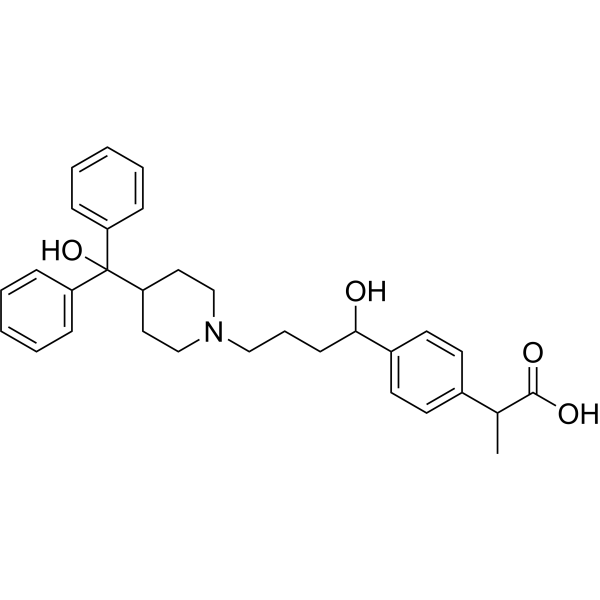
Fexofenadine Impurity F is the impurity of Fexofenadine. Fexofenadine, a H1R antagonist, is an anti-allergic agent used in seasonal allergic rhinitis and chronic idiopathic urticarial .
|
-
-
- HY-B0154R
-
-

-
- HY-17042S
-
|
|
Histamine Receptor
|
Inflammation/Immunology
|
|
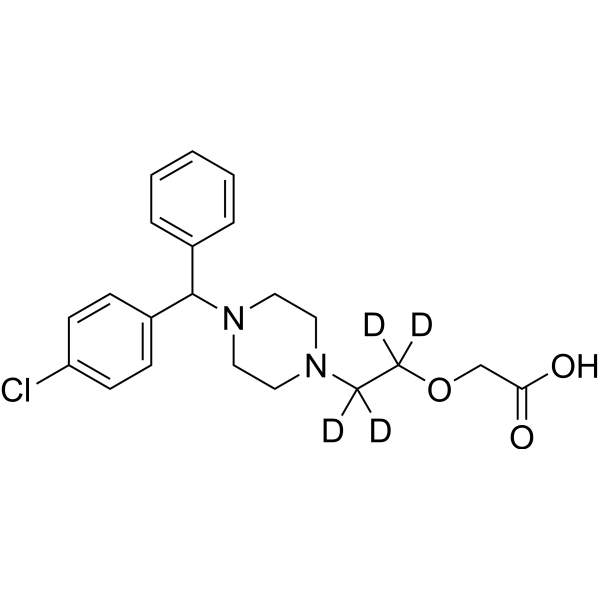
Cetirizine-d4 is a deuterium labeled Cetirizine. Cetirizine, a second-generation antihistamine and the carboxylated metabolite of hydroxyzine, is a specific, orally active and long-acting histamine H1-receptor antagonist. Cetirizine marks antiallergic properties and inhibits eosinophil chemotaxis during the allergic response[1][2][3].
|
-
-
- HY-B0426AS
-
|
|
Isotope-Labeled Compounds
Histamine Receptor
CXCR
|
Inflammation/Immunology
Endocrinology
|
|
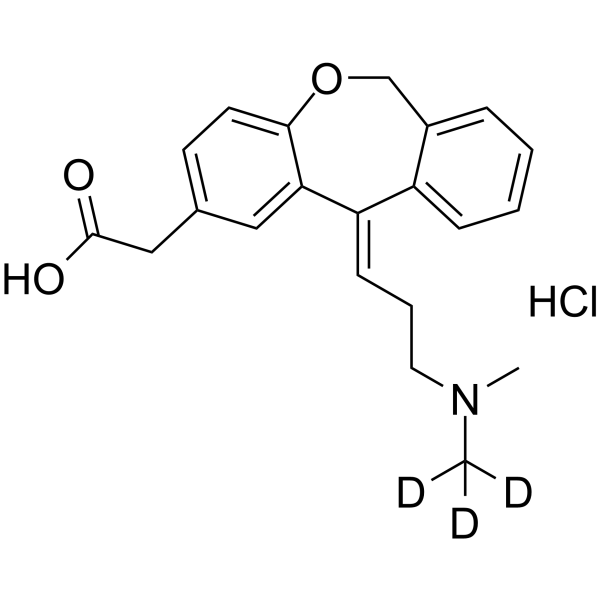
Olopatadine-d3 hydrochloride (ALO4943A-d3) is the deuterium labeled Olopatadine hydrochloride. Olopatadine hydrochloride (ALO4943A; KW4679) is an orally active histamine H1 receptor antagonist and mast cell stabilizer. Olopatadine hydrochloride exerts antiallergic effects by blocking histamine H1 receptor-mediated activities. Olopatadine hydrochloride inhibits exocytosis, chemokine release, F-actin polymerization, CXCL10-induced calcium influx, and T cell chemotactic activity. Olopatadine hydrochloride also reduces the expression levels of CXCR3 on the surface of CD4 + and CD8 + T cells. Olopatadine hydrochloride inhibits scratching behavior, improves dermatitis scores, and suppresses intraepidermal neurite outgrowth. Olopatadine hydrochloride simultaneously decreases the levels of inflammatory markers, growth factors, histamine, and specific IgE, while increasing the expression of ErbB3A/HER3A. Olopatadine hydrochloride can be used in research related to seasonal pollinosis, chronic rhinitis, urticaria, allergic conjunctivitis, alopecia areata, and atopic dermatitis .
|
-
-
- HY-B0426AR
-
|
ALO4943A (Standard); KW4679 (Standard)
|
Reference Standards
Histamine Receptor
CXCR
|
Inflammation/Immunology
Endocrinology
|
|
Olopatadine (hydrochloride) (Standard) is the analytical standard of Olopatadine (hydrochloride). This product is intended for research and analytical applications. Olopatadine hydrochloride (ALO4943A; KW4679) is an orally active histamine H1 receptor antagonist and mast cell stabilizer. Olopatadine hydrochloride exerts antiallergic effects by blocking histamine H1 receptor-mediated activities. Olopatadine hydrochloride inhibits exocytosis, chemokine release, F-actin polymerization, CXCL10-induced calcium influx, and T cell chemotactic activity. Olopatadine hydrochloride also reduces the expression levels of CXCR3 on the surface of CD4 + and CD8 + T cells. Olopatadine hydrochloride inhibits scratching behavior, improves dermatitis scores, and suppresses intraepidermal neurite outgrowth. Olopatadine hydrochloride simultaneously decreases the levels of inflammatory markers, growth factors, histamine, and specific IgE, while increasing the expression of ErbB3A/HER3A. Olopatadine hydrochloride can be used in research related to seasonal pollinosis, chronic rhinitis, urticaria, allergic conjunctivitis, alopecia areata, and atopic dermatitis .
|
-
-
- HY-B0801AS
-
|
MDL-16455-d10 hydrochloride; Terfenadine carboxylate-d10 hydrochloride
|
Isotope-Labeled Compounds
Histamine Receptor
|
Inflammation/Immunology
Endocrinology
|
|
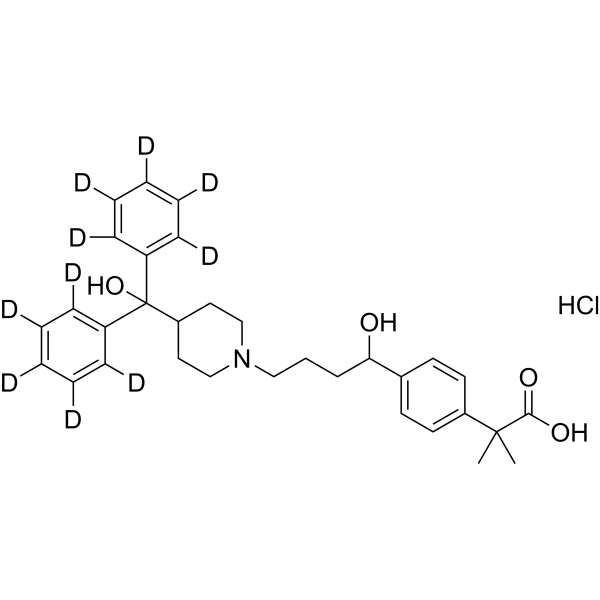
Fexofenadine-d10 (hydrochloride) is deuterium labeled Fexofenadine (hydrochloride). Fexofenadine hydrochloride (MDL-16455 hydrochloride), a H1R antagonist, is an anti-allergic agent used in seasonal allergic rhinitis and chronic idiopathic urticarial (person aged ≥16 years) .
|
-
-
- HY-100657S
-
|
meta-MDL-16455-d6; meta-Terfenadine carboxylate-d6
|
Isotope-Labeled Compounds
|
Inflammation/Immunology
|
|
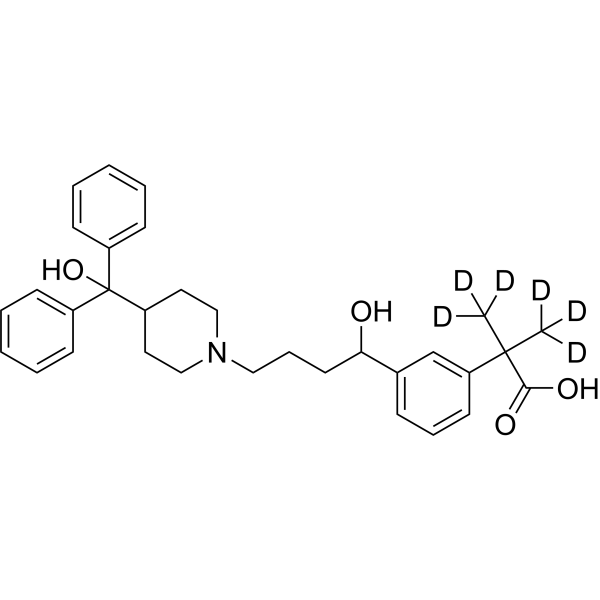
Meta-Fexofenadine-d6 is the deuterium labeled meta-Fexofenadine. meta-Fexofenadine (meta-MDL-16455) is an impurity of Fexofenadine . Fexofenadine, a H1R antagonist, is an anti-allergic agent used in seasonal allergic rhinitis and chronic idiopathic urticarial .
|
-
-
- HY-100657R
-
|
meta-MDL-16455 (Standard); meta-Terfenadine carboxylate (Standard)
|
Drug Metabolite
Reference Standards
|
Inflammation/Immunology
|
|
meta-Fexofenadine (Standard) is the analytical standard of meta-Fexofenadine. This product is intended for research and analytical applications. meta-Fexofenadine (meta-MDL-16455) is an impurity of Fexofenadine . Fexofenadine, a H1R antagonist, is an anti-allergic agent used in seasonal allergic rhinitis and chronic idiopathic urticarial .
|
-

-
- HY-N12708
-
|
|
Others
|
Others
|
|
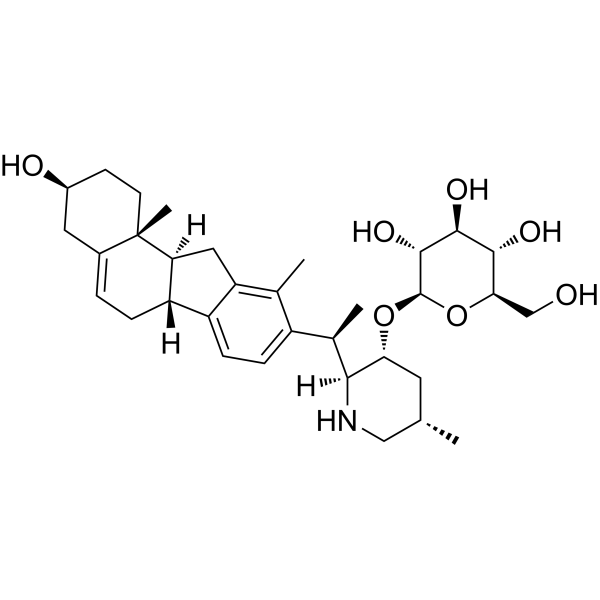
23-O-β-D-Glucopyranosyl-20-isoveratramine is a potential anti-allergic agent extracted from nettles. A variety of COX-1, COX-2, 5-lipoxygenase and trypsin-like inhibitors and H1 antagonists are found in nettle extract, which can inhibit seasonal allergies, allergic rhinitis and other inflammatory diseases. and preventive effects .
|
-
-
- HY-P992480
-
-

-
- HY-17042AS1
-
|
|
Isotope-Labeled Compounds
Histamine Receptor
|
Inflammation/Immunology
|
|
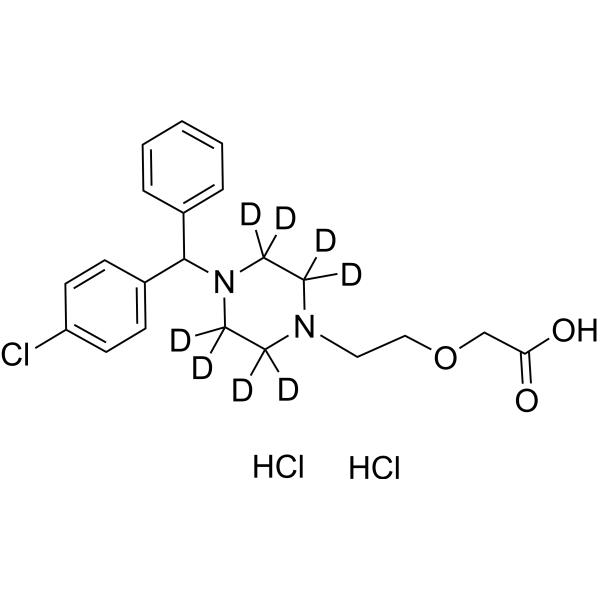
Cetirizine-d8 (dihydrochloride) is a deuterium labeled Cetirizine. Cetirizine, a second-generation antihistamine and the carboxylated metabolite of hydroxyzine, is a specific, orally active and long-acting histamine H1-receptor antagonist. Cetirizine marks antiallergic properties and inhibits eosinophil chemotaxis during the allergic response .
|
-
-
- HY-17042R
-
|
|
Reference Standards
Histamine Receptor
|
Inflammation/Immunology
Endocrinology
Cancer
|
|
Cetirizine (Standard) is the analytical standard of Cetirizine. This product is intended for research and analytical applications. Cetirizine, a second-generation antihistamine and the carboxylated metabolite of hydroxyzine, is a specific, orally active and long-acting histamine H1-receptor antagonist. Cetirizine marks antiallergic properties and inhibits eosinophil chemotaxis during the allergic response .
|
-

-
- HY-17042AR
-
|
P071 (Standard)
|
Reference Standards
Histamine Receptor
|
Inflammation/Immunology
Endocrinology
Cancer
|
|
Cetirizine (dihydrochloride) (Standard) is the analytical standard of Cetirizine (dihydrochloride). This product is intended for research and analytical applications. Cetirizine dihydrochloride, a second-generation antihistamine and the carboxylated metabolite of hydroxyzine, is a specific, orally active and long-acting histamine H1-receptor antagonist. Cetirizine dihydrochloride marks antiallergic properties and inhibits eosinophil chemotaxis during the allergic response .
|
-

-
- HY-100661R
-
|
|
Reference Standards
Histamine Receptor
|
Inflammation/Immunology
Endocrinology
|
|
Cetirizine Impurity D (Standard) is the analytical standard of Cetirizine Impurity D. This product is intended for research and analytical applications. Cetirizine Impurity D is an impurity of Cetirizine. Cetirizine, a second-generation antihistamine, is a specific, orally active and long-acting histamine H1-receptor antagonist. Cetirizine marks antiallergic properties and inhibits eosinophil chemotaxis during the allergic response .
|
-

-
- HY-100661
-
|
|
Histamine Receptor
|
Inflammation/Immunology
Endocrinology
|
|
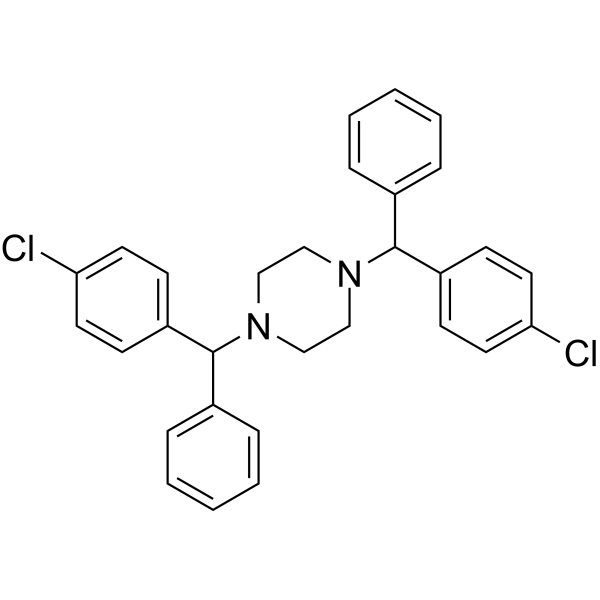
Cetirizine Impurity D is an impurity of Cetirizine. Cetirizine, a second-generation antihistamine, is a specific, orally active and long-acting histamine H1-receptor antagonist. Cetirizine marks antiallergic properties and inhibits eosinophil chemotaxis during the allergic response .
|
-
-
- HY-B0426AS2
-
|
ALO4943A-d6 hydrochloride; KW4679-d6 hydrochloride
|
Isotope-Labeled Compounds
Histamine Receptor
CXCR
|
Inflammation/Immunology
|
|
Olopatadine-d6 (ALO4943A-d6; KW4679-d6) hydrochloride is deuterium-labeled Olopatadine (hydrochloride) (HY-B0426A). Olopatadine hydrochloride (ALO4943A; KW4679) is an orally active histamine H1 receptor antagonist and mast cell stabilizer. Olopatadine hydrochloride exerts antiallergic effects by blocking histamine H1 receptor-mediated activities. Olopatadine hydrochloride inhibits exocytosis, chemokine release, F-actin polymerization, CXCL10-induced calcium influx, and T cell chemotactic activity. Olopatadine hydrochloride also reduces the expression levels of CXCR3 on the surface of CD4 + and CD8 + T cells. Olopatadine hydrochloride inhibits scratching behavior, improves dermatitis scores, and suppresses intraepidermal neurite outgrowth. Olopatadine hydrochloride simultaneously decreases the levels of inflammatory markers, growth factors, histamine, and specific IgE, while increasing the expression of ErbB3A/HER3A. Olopatadine hydrochloride can be used in research related to seasonal pollinosis, chronic rhinitis, urticaria, allergic conjunctivitis, alopecia areata, and atopic dermatitis .
|
-

-
- HY-101633
-
|
|
Histamine Receptor
|
Others
|
|
GSK-1004723 is a novel H1/H3 receptor antagonist with limited activity for the suppression of seasonal allergic rhinitis. GSK-1004723 is available as a suspension or solution for intranasal administration.
|
-

-
- HY-129482
-
|
|
Others
|
Others
|
|
Detoxin D1 is a compound with antihistamine activity and a new type of H1 antagonist. In the suppression of seasonal allergic rhinitis, a daily dose of 10-30 mg has an equivalent and highly effective inhibitory effect compared with placebo and has good safety.
|
-

| Cat. No. |
Product Name |
Target |
Research Area |
Image |
| Cat. No. |
Product Name |
Category |
Target |
Chemical Structure |
-
- HY-B0539
-
-
-
- HY-17042
-
-
-
- HY-B0426A
-
|
ALO4943A; KW4679
|
Structural Classification
Alkaloids
Classification of Application Fields
Ketones, Aldehydes, Acids
Other Alkaloids
Endogenous metabolite
Inflammation/Immunology
Disease Research Fields
Source Classification
|
Histamine Receptor
CXCR
|
|
Olopatadine hydrochloride (ALO4943A; KW4679) is an orally active histamine H1 receptor antagonist and mast cell stabilizer. Olopatadine hydrochloride exerts antiallergic effects by blocking histamine H1 receptor-mediated activities. Olopatadine hydrochloride inhibits exocytosis, chemokine release, F-actin polymerization, CXCL10-induced calcium influx, and T cell chemotactic activity. Olopatadine hydrochloride also reduces the expression levels of CXCR3 on the surface of CD4 + and CD8 + T cells. Olopatadine hydrochloride inhibits scratching behavior, improves dermatitis scores, and suppresses intraepidermal neurite outgrowth. Olopatadine hydrochloride simultaneously decreases the levels of inflammatory markers, growth factors, histamine, and specific IgE, while increasing the expression of ErbB3A/HER3A. Olopatadine hydrochloride can be used in research related to seasonal pollinosis, chronic rhinitis, urticaria, allergic conjunctivitis, alopecia areata, and atopic dermatitis .
|
-
-
- HY-W062109
-
|
|
Structural Classification
Alkaloids
Classification of Application Fields
Other Alkaloids
Endogenous metabolite
Inflammation/Immunology
Disease Research Fields
Source Classification
|
Histamine Receptor
CXCR
|
|
Olopatadine (ALO4943A; KW4679) is an orally active histamine H1 receptor antagonist and mast cell stabilizer. Olopatadine exerts antiallergic effects by blocking histamine H1 receptor-mediated activities. Olopatadine inhibits exocytosis, chemokine release, F-actin polymerization, CXCL10-induced calcium influx, and T cell chemotactic activity. Olopatadine also reduces the expression levels of CXCR3 on the surface of CD4 + and CD8 + T cells. Olopatadine inhibits scratching behavior, improves dermatitis scores, and suppresses intraepidermal neurite outgrowth. Olopatadine simultaneously decreases the levels of inflammatory markers, growth factors, histamine, and specific IgE, while increasing the expression of ErbB3A/HER3A. Olopatadine can be used in research related to seasonal pollinosis, chronic rhinitis, urticaria, allergic conjunctivitis, alopecia areata, and atopic dermatitis .
|
-
-
- HY-B0154R
-
-
-
- HY-B0426AR
-
|
ALO4943A (Standard); KW4679 (Standard)
|
Structural Classification
Alkaloids
Ketones, Aldehydes, Acids
Other Alkaloids
Endogenous metabolite
Source Classification
|
Reference Standards
Histamine Receptor
CXCR
|
|
Olopatadine (hydrochloride) (Standard) is the analytical standard of Olopatadine (hydrochloride). This product is intended for research and analytical applications. Olopatadine hydrochloride (ALO4943A; KW4679) is an orally active histamine H1 receptor antagonist and mast cell stabilizer. Olopatadine hydrochloride exerts antiallergic effects by blocking histamine H1 receptor-mediated activities. Olopatadine hydrochloride inhibits exocytosis, chemokine release, F-actin polymerization, CXCL10-induced calcium influx, and T cell chemotactic activity. Olopatadine hydrochloride also reduces the expression levels of CXCR3 on the surface of CD4 + and CD8 + T cells. Olopatadine hydrochloride inhibits scratching behavior, improves dermatitis scores, and suppresses intraepidermal neurite outgrowth. Olopatadine hydrochloride simultaneously decreases the levels of inflammatory markers, growth factors, histamine, and specific IgE, while increasing the expression of ErbB3A/HER3A. Olopatadine hydrochloride can be used in research related to seasonal pollinosis, chronic rhinitis, urticaria, allergic conjunctivitis, alopecia areata, and atopic dermatitis .
|
-
-
- HY-N12708
-
-
-
- HY-17042R
-
-
-
- HY-129482
-
|
|
Natural Products
Microorganisms
Source Classification
|
Others
|
|
Detoxin D1 is a compound with antihistamine activity and a new type of H1 antagonist. In the suppression of seasonal allergic rhinitis, a daily dose of 10-30 mg has an equivalent and highly effective inhibitory effect compared with placebo and has good safety.
|
-
| Cat. No. |
Product Name |
Chemical Structure |
-
- HY-17042S1
-
|
|
|
Cetirizine-d8 is a deuterium labeled Cetirizine. Cetirizine, a second-generation antihistamine and the carboxylated metabolite of hydroxyzine, is a specific, orally active and long-acting histamine H1-receptor antagonist. Cetirizine marks antiallergic properties and inhibits eosinophil chemotaxis during the allergic response .
|
-
-
- HY-W062109S
-
|
|
|
Olopatadine-d6 is the deuterium labeled Olopatadine. Olopatadine hydrochloride (ALO4943A; KW4679) is an orally active histamine H1 receptor antagonist and mast cell stabilizer. Olopatadine hydrochloride exerts antiallergic effects by blocking histamine H1 receptor-mediated activities. Olopatadine hydrochloride inhibits exocytosis, chemokine release, F-actin polymerization, CXCL10-induced calcium influx, and T cell chemotactic activity. Olopatadine hydrochloride also reduces the expression levels of CXCR3 on the surface of CD4 + and CD8 + T cells. Olopatadine hydrochloride inhibits scratching behavior, improves dermatitis scores, and suppresses intraepidermal neurite outgrowth. Olopatadine hydrochloride simultaneously decreases the levels of inflammatory markers, growth factors, histamine, and specific IgE, while increasing the expression of ErbB3A/HER3A. Olopatadine hydrochloride can be used in research related to seasonal pollinosis, chronic rhinitis, urticaria, allergic conjunctivitis, alopecia areata, and atopic dermatitis .
|
-
-
- HY-17042S
-
|
|
|
Cetirizine-d4 is a deuterium labeled Cetirizine. Cetirizine, a second-generation antihistamine and the carboxylated metabolite of hydroxyzine, is a specific, orally active and long-acting histamine H1-receptor antagonist. Cetirizine marks antiallergic properties and inhibits eosinophil chemotaxis during the allergic response[1][2][3].
|
-
-
- HY-B0426AS
-
|
|
|
Olopatadine-d3 hydrochloride (ALO4943A-d3) is the deuterium labeled Olopatadine hydrochloride. Olopatadine hydrochloride (ALO4943A; KW4679) is an orally active histamine H1 receptor antagonist and mast cell stabilizer. Olopatadine hydrochloride exerts antiallergic effects by blocking histamine H1 receptor-mediated activities. Olopatadine hydrochloride inhibits exocytosis, chemokine release, F-actin polymerization, CXCL10-induced calcium influx, and T cell chemotactic activity. Olopatadine hydrochloride also reduces the expression levels of CXCR3 on the surface of CD4 + and CD8 + T cells. Olopatadine hydrochloride inhibits scratching behavior, improves dermatitis scores, and suppresses intraepidermal neurite outgrowth. Olopatadine hydrochloride simultaneously decreases the levels of inflammatory markers, growth factors, histamine, and specific IgE, while increasing the expression of ErbB3A/HER3A. Olopatadine hydrochloride can be used in research related to seasonal pollinosis, chronic rhinitis, urticaria, allergic conjunctivitis, alopecia areata, and atopic dermatitis .
|
-
-
- HY-B0801AS
-
|
|
|
Fexofenadine-d10 (hydrochloride) is deuterium labeled Fexofenadine (hydrochloride). Fexofenadine hydrochloride (MDL-16455 hydrochloride), a H1R antagonist, is an anti-allergic agent used in seasonal allergic rhinitis and chronic idiopathic urticarial (person aged ≥16 years) .
|
-
-
- HY-100657S
-
|
|
|
Meta-Fexofenadine-d6 is the deuterium labeled meta-Fexofenadine. meta-Fexofenadine (meta-MDL-16455) is an impurity of Fexofenadine . Fexofenadine, a H1R antagonist, is an anti-allergic agent used in seasonal allergic rhinitis and chronic idiopathic urticarial .
|
-
-
- HY-17042AS1
-
|
|
|
Cetirizine-d8 (dihydrochloride) is a deuterium labeled Cetirizine. Cetirizine, a second-generation antihistamine and the carboxylated metabolite of hydroxyzine, is a specific, orally active and long-acting histamine H1-receptor antagonist. Cetirizine marks antiallergic properties and inhibits eosinophil chemotaxis during the allergic response .
|
-
-
- HY-B0426AS2
-
|
|
|
Olopatadine-d6 (ALO4943A-d6; KW4679-d6) hydrochloride is deuterium-labeled Olopatadine (hydrochloride) (HY-B0426A). Olopatadine hydrochloride (ALO4943A; KW4679) is an orally active histamine H1 receptor antagonist and mast cell stabilizer. Olopatadine hydrochloride exerts antiallergic effects by blocking histamine H1 receptor-mediated activities. Olopatadine hydrochloride inhibits exocytosis, chemokine release, F-actin polymerization, CXCL10-induced calcium influx, and T cell chemotactic activity. Olopatadine hydrochloride also reduces the expression levels of CXCR3 on the surface of CD4 + and CD8 + T cells. Olopatadine hydrochloride inhibits scratching behavior, improves dermatitis scores, and suppresses intraepidermal neurite outgrowth. Olopatadine hydrochloride simultaneously decreases the levels of inflammatory markers, growth factors, histamine, and specific IgE, while increasing the expression of ErbB3A/HER3A. Olopatadine hydrochloride can be used in research related to seasonal pollinosis, chronic rhinitis, urticaria, allergic conjunctivitis, alopecia areata, and atopic dermatitis .
|
-
Your information is safe with us. * Required Fields.
Inquiry Information
- Product Name:
- Cat. No.:
- Quantity:
- MCE Japan Authorized Agent:








