



Flufenamic acid
Based on 9 publication(s) in Google Scholar
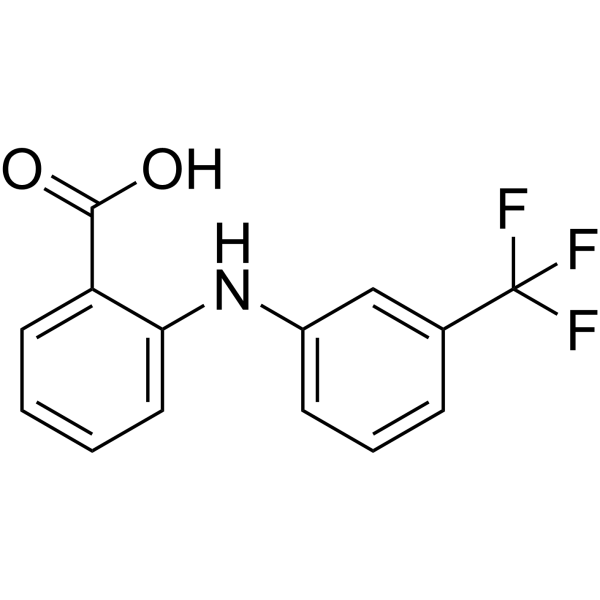
Flufenamic acid is a non-steroidal anti-inflammatory agent, inhibits cyclooxygenase (COX), activates AMPK, and also modulates ion channels, blocking chloride channels and L-type Ca2+ channels, modulating non-selective cation channels (NSC), activating K+ channels. Flufenamic acid binds to the central pocket of TEAD2 YBD and inhibits both TEAD function and TEAD-YAP-dependent processes, such as cell migration and proliferation.
For research use only. We do not sell to patients.
- Purity : 99.98%
- CAS No.: 530-78-9
- Formula: C14H10F3NO2
- Molecular Weight:281.23
-
Storage:Powder -20°C, 3 years , 4°C, 2 years ; In solvent -80°C, 1 year , -20°C, 6 months

To place orders, for customer services and technical support, please contact: MedChemExpress USA
Tel: 609-228-6898 E-mail: [email protected] [email protected]


-
 Biological Activity
-
Chemical Information
-
Solvent & Solubility
- Protocols
- Purity & Documentation
- References
-
 Help & FAQs


-
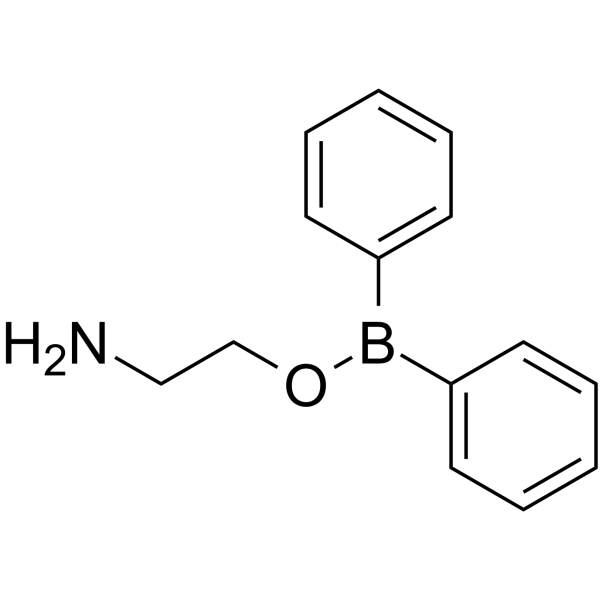
HY-W009724
2-Aminoethyl diphenylborinateIP3R Inhibitor -
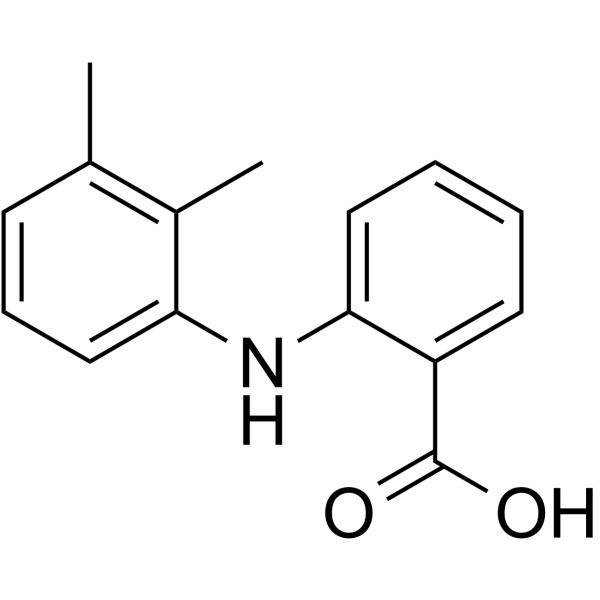
HY-B0574
Mefenamic acidCOX Inhibitor -
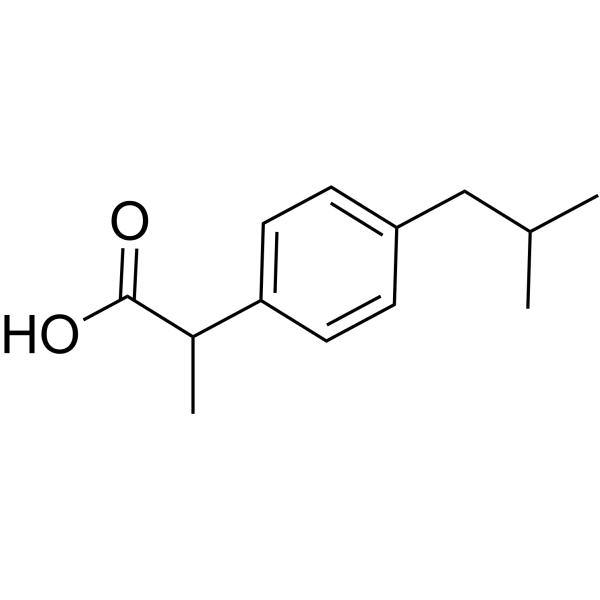
HY-78131
IbuprofenCOX-1 Inhibitor -
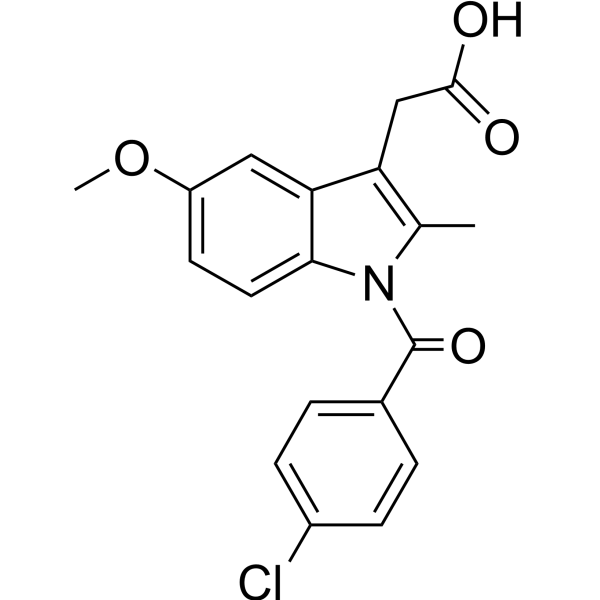
HY-14397
IndomethacinCOX1/2 Inhibitor -
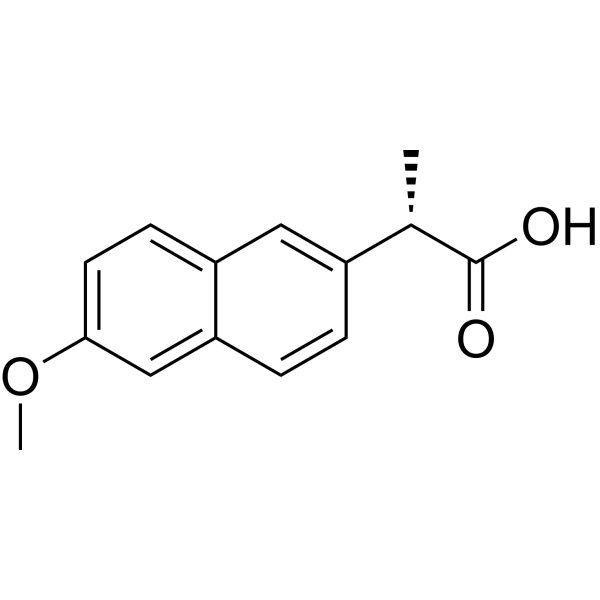
HY-15030
NaproxenCOX Inhibitor -
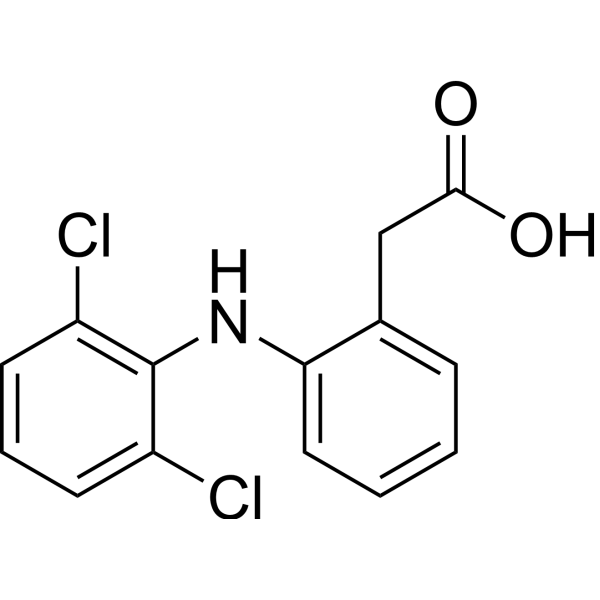
HY-15036
DiclofenacCOX Inhibitor -
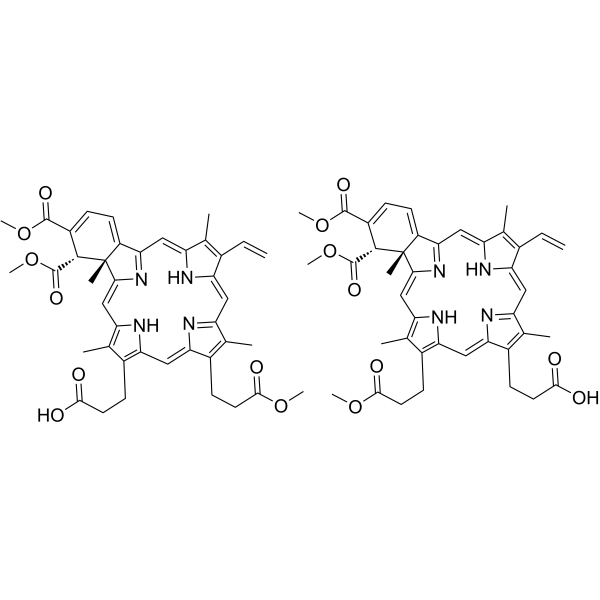
HY-B0146
VerteporfinYAP Inhibitor -
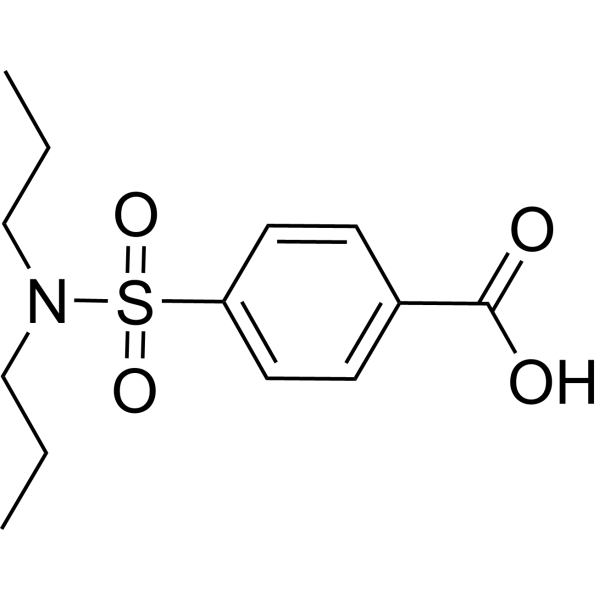
HY-B0545
ProbenecidBacterial Inhibitor -
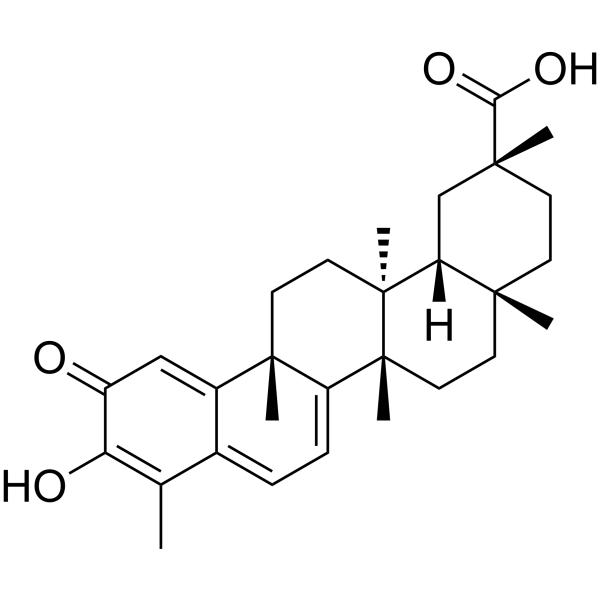
HY-13067
CelastrolAutophagy Inducer -
HY-N0510
Aristolochic acid ANF-κB Inhibitor -
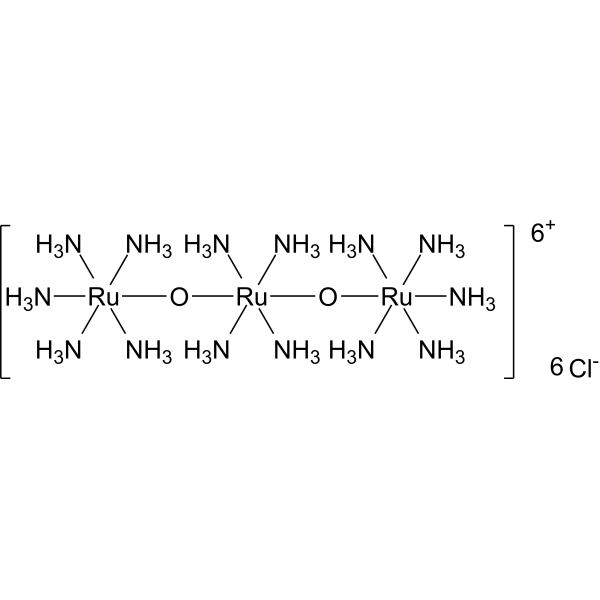
HY-103311
Ruthenium redDye -
HY-18739
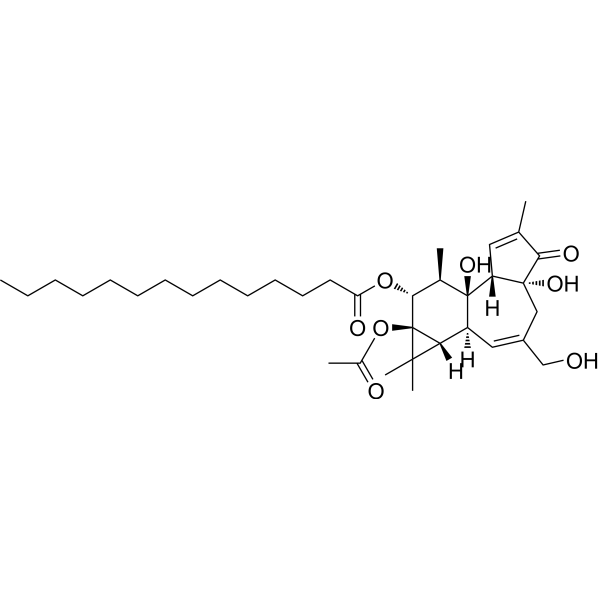
Phorbol 12-myristate 13-acetatePKC Activator
Publications Citing Use of MedChemExpress (MCE) Flufenamic acid
More- Nature. 2024 Jul;631(8020):459-466. [Abstract]
- Adv Sci (Weinh). 2024 Sep;11(35):e2310126. [Abstract]
- Burns Trauma. 2025 Feb 17:13:tkaf007. [Abstract]
- J Med Chem. 2025 Apr 17. [Abstract]
- Antiviral Res. 2023 Aug:216:105674. [Abstract]
- Microbiol Spectr. 2026 Mar 17:e0362025. [Abstract]
- Neurosci Lett. 2020 Aug 10:733:135088. [Abstract]
- Neurosci Lett. 2019 Mar 23:696:67-73. [Abstract]
- bioRxiv. 2024 Apr 15.
 Customer Validation & Images

-
Histological Imaging/Staining
-
WB
-
IF
All AMPK Isoforms
MoreAll Calcium Channel Isoforms
MoreAll Parasite Isoforms
More

Biological Activity
Description
IC50 & Target
|
L-type calcium channel |
Cellular Effect
|
Cell Line

|
Type | Value | Description | References |
|---|---|---|---|---|
| COS-7 | EC50 |
100 μM
Compound: 14; FFA
|
Activation of TREK1 (unknown origin) expressed in COS7 cells assessed as increase in whole cell currents at +50 mV relative to control
Activation of TREK1 (unknown origin) expressed in COS7 cells assessed as increase in whole cell currents at +50 mV relative to control
|
[PMID: 26588045] |
| CWR22R | IC50 |
115 μM
Compound: FLU
|
Antiproliferative activity against human 22Rv1 cells after 72 hrs by sulforhodamine B colorimetric proliferation assay
Antiproliferative activity against human 22Rv1 cells after 72 hrs by sulforhodamine B colorimetric proliferation assay
|
[PMID: 28881288] |
| CWR22R | IC50 |
115 μM
Compound: FLU
|
Antiproliferative activity against human 22Rv1 cells after 72 hrs by sulforhodamine B colorimetric assay
Antiproliferative activity against human 22Rv1 cells after 72 hrs by sulforhodamine B colorimetric assay
|
[PMID: 29602039] |
| HEK293 | EC50 |
474 μM
Compound: 1
|
Activation of human TRESK channel expressed in HEK293 cells assessed as induction of channel current by whole cell patch clamp assay
Activation of human TRESK channel expressed in HEK293 cells assessed as induction of channel current by whole cell patch clamp assay
|
[PMID: 27641472] |
| HEK293 | EC50 |
7 μM
Compound: FFA
|
Agonist activity at human TRPA1 expressed in HEK293 cells assessed as increase in calcium influx by Fluo-4-AM dye based fluorescence assay
Agonist activity at human TRPA1 expressed in HEK293 cells assessed as increase in calcium influx by Fluo-4-AM dye based fluorescence assay
|
[PMID: 30878828] |
| LNCaP | EC50 |
200 μM
Compound: 5, flufenamic acid
|
Decrease in androgen receptor protein expression in LNCaP cells by Western blotting
Decrease in androgen receptor protein expression in LNCaP cells by Western blotting
|
[PMID: 17383188] |
| LNCaP | IC50 |
>50 μM
Compound: 7, FLUF
|
Transcriptional activity at human androgen receptor BF3 site stably transfected in eGFP-expressing human LNCAP cells after 5 days by fluorometric analysis
Transcriptional activity at human androgen receptor BF3 site stably transfected in eGFP-expressing human LNCAP cells after 5 days by fluorometric analysis
|
[PMID: 22047606] |
In Vitro
Flufenamic acid is a non-steroidal anti-inflammatory agent, inhibits cyclooxygenase (COX), and also modulates ion channels, blocking chloride channels and L-type Ca2+ channels, modulating non-selective cation channels (NSC), activating K+ channels. Flufenamic acid inhibits a wide spectrum of TRP channels, including: C3, C7, M2, M3, M4, M5, M7, M8, V1, V3, and V4 but activates at least two TRP channels (C6 and A1)[1]. Flufenamic acid induces AMPK activation in T84 cells, and such an effect is via a direct stimulation of calcium/calmodulin-dependent protein kinase kinase beta (CaMKKβ) activity[2]. Moreover, Flufenamic acid (FFA; 5-50 μM) dose-dependently inhibits cAMP-dependent Cl- secretion in intact T84 cells, suppresses CFTR-mediated apical ICl-, and blocks the Ca2+-dependent Cl- secretion in a dose-dependent manner with IC50 of appr 10 μM and near complete inhibition at 100 μM in T84 cell monolayers, but shows no effect on Na+-K+ ATPase or NKCC in T84 cells[3]. Ufenamat at low concentrations can promote osteogenesis of bone marrow mesenchymal stem cells (mBMMSCs) by co-culture with mouse skin mesenchymal stem cells (mSMSCs) [5].
MedChemExpress (MCE) has not independently confirmed the accuracy of these methods. They are for reference only.
In Vivo
MedChemExpress (MCE) has not independently confirmed the accuracy of these methods. They are for reference only.
- Scratch/Wound-Healing Migration Assay
- Cell migration
- Chemotaxis Gradient Chamber Assay 1
- Under-Agarose Cell Migration Assay
- Neural Crest/Neuronal Cell Migration Explant Assay
- Transwell/Boyden Chamber Migration Assay
- 3D Collagen/Hydrogel Matrix Migration Assay
- Research Protocol for Inflammation-related Diseases
- Ca2+ Staining Technique
- Cell-Exclusion Zone Migration Assay
- Chemotaxis Gradient Chamber Assay 2
- Cell Viability Determination by MTT Colorimetric Assay


Chemical Information
-
CAS No. 530-78-9
-
Appearance Solid
-
Molecular Weight 281.23
-
Formula C14H10F3NO2
-
Color White to off-white
-
SMILES
O=C(O)C1=CC=CC=C1NC2=CC=CC(C(F)(F)F)=C2
-
Shipping
Room temperature in continental US; may vary elsewhere.
-
Storage
Powder -20°C 3 years 4°C 2 years In solvent -80°C 1 year -20°C 6 months


Publications (9)
-
Journal Impact Factor
-
Most Recent
-
Nature
2024 Jul;631(8020):459-466. PMID: 38776963 -
Adv Sci (Weinh)
Targeting Transient Receptor Potential Melastatin-2 (TRPM2) Enhances Therapeutic Efficacy of Third Generation EGFR Inhibitors against EGFR Mutant Lung Cancer. [Abstract]2024 Sep;11(35):e2310126. PMID: 39044361 -
Burns Trauma
Flufenamic acid inhibits pyroptosis in ischemic flaps via the AMPK-TRPML1-Calcineurin signaling pathway. [Abstract]2025 Feb 17:13:tkaf007. PMID: 40655077
Flufenamic acid purchased from MedChemExpress. Usage Cited in: Burns Trauma. 2025 Feb 17:13:tkaf007. [Abstract]
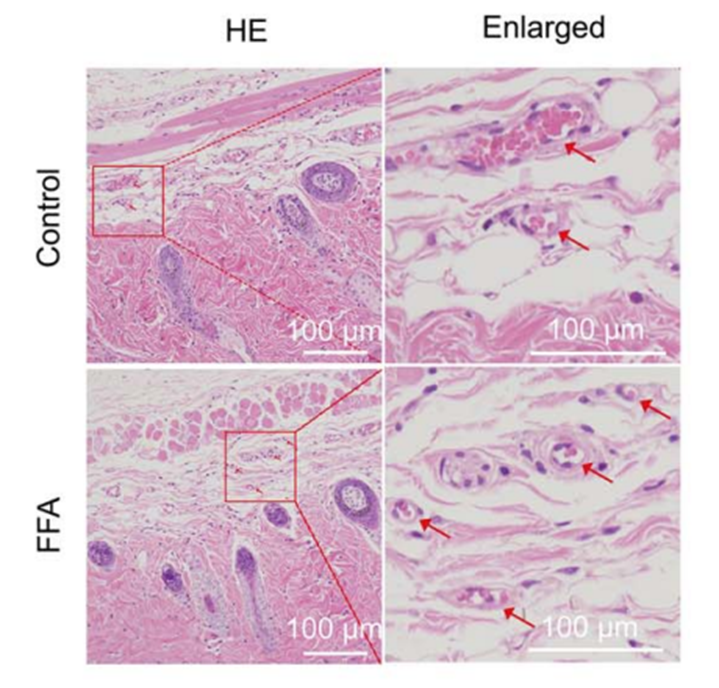
HE staining samples from Flufenamic acid (FFA) (12 mg/kg, i.p.) and control groups in the peri-necrotic region reveal blood vessel density.
Flufenamic acid purchased from MedChemExpress. Usage Cited in: Burns Trauma. 2025 Feb 17:13:tkaf007. [Abstract]
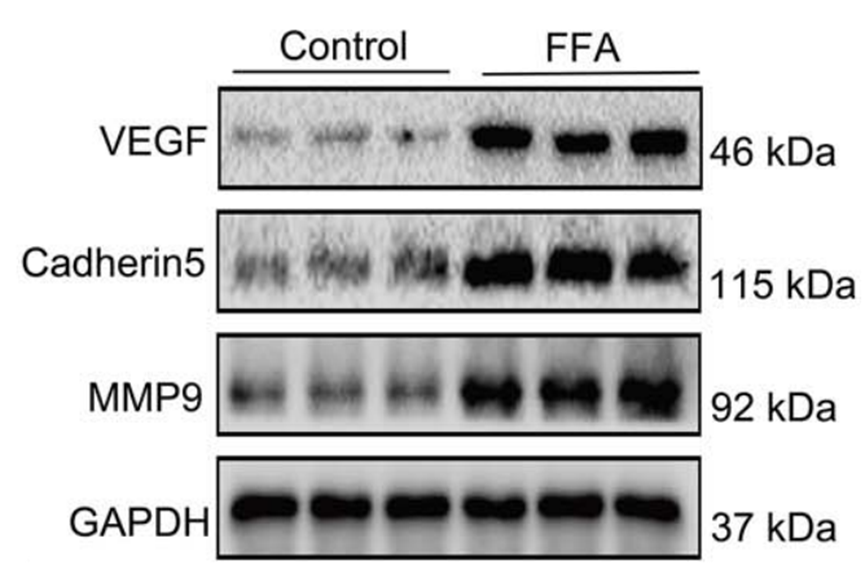
WB analysis of mouse flaps showing VEGF, Cadherin5, and MMP9 expression with GAPDH as the reference treated with Flufenamic acid (FFA) (12 mg/kg, i.p.).
Flufenamic acid purchased from MedChemExpress. Usage Cited in: Burns Trauma. 2025 Feb 17:13:tkaf007. [Abstract]
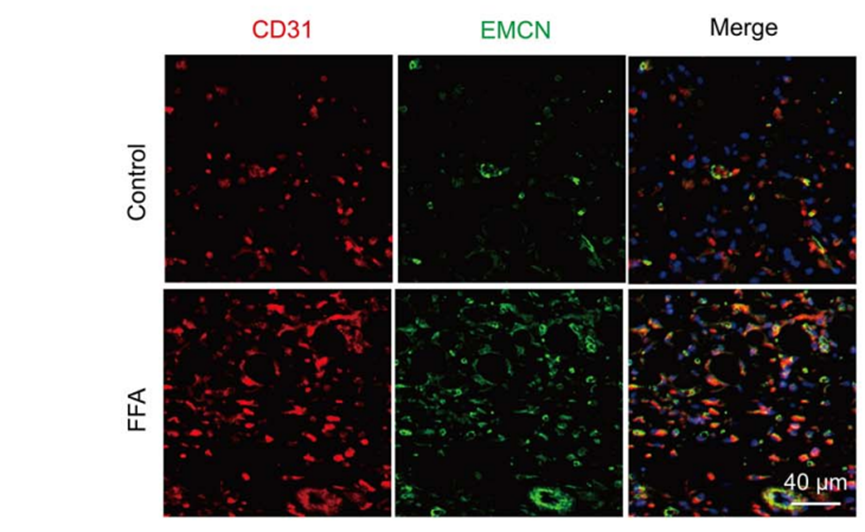
On Day 7 postoperatively, flaps from the stated groups were stained with CD31 and EMCN via IF treated with Flufenamic acid (FFA) (12 mg/kg, i.p.).
-
J Med Chem
A Novel Compound 3a-M1, from Metabolites of Sinomenine Derivative 3a, Exerts Potent Anti-Aplastic Anemia Activity via IP3R/ORAI-Mediated CTL Ferroptosis. [Abstract]2025 Apr 17. PMID: 40243551 -
Antiviral Res
Seasonal coronavirus infections trigger NLRP3 inflammasome activation in macrophages but is therapeutically targetable. [Abstract]2023 Aug:216:105674. PMID: 37459896 -
Microbiol Spectr
Repurposing flufenamic acid as a putative PmrB-directed adjuvant to restore colistin activity in Klebsiella pneumoniae. [Abstract]2026 Mar 17:e0362025. PMID: 41842337 -
Neurosci Lett
Orexin enhances firing activities in the gigantocellular reticular nucleus through the activation of non-selective cationic conductance. [Abstract]2020 Aug 10:733:135088. PMID: 32464262 -
Neurosci Lett
2019 Mar 23:696:67-73. PMID: 30528877 -


Solvent & Solubility
In Vitro:
DMSO : 100 mg/mL (355.58 mM; Need ultrasonic; Hygroscopic DMSO has a significant impact on the solubility of product, please use newly opened DMSO)
Please refer to the solubility information to select the appropriate solvent. Once prepared, please aliquot and store the solution to prevent product inactivation from repeated freeze-thaw cycles.
Storage method and period of stock solution: -80°C, 1 year; -20°C, 6 months. When stored at -80°C, please use it within 1 year. When stored at -20°C, please use it within 6 months.
Please refer to the solubility information to select the appropriate solvent. Once prepared, please aliquot and store the solution to prevent product inactivation from repeated freeze-thaw cycles.
Storage method and period of stock solution: -80°C, 1 year; -20°C, 6 months. When stored at -80°C, please use it within 1 year. When stored at -20°C, please use it within 6 months.
Concentration (start) × Volume (start) = Concentration (final) × Volume (final)
In Vivo:
Select the appropriate dissolution method based on your experimental animal and administration route.
- For the following dissolution methods, please ensure to first prepare a clear stock solution using an In Vitro approach and then sequentially add co-solvents:
- To ensure reliable experimental results, the clarified stock solution can be appropriately stored based on storage conditions. As for the working solution for In Vivo experiments, it is recommended to prepare freshly and use it on the same day.
- The percentages shown for the solvents indicate their volumetric ratio in the final prepared solution. If precipitation or phase separation occurs during preparation, heat and/or sonication can be used to aid dissolution.
Add each solvent one by one: 10% DMSO 40% PEG300 5% Tween-80 45% Saline
Solubility: ≥ 2.5 mg/mL (8.89 mM); Clear solution
This protocol yields a clear solution of ≥ 2.5 mg/mL (saturation unknown).
Taking 1 mL working solution as an example, add 100 μL DMSO stock solution (25.0 mg/mL) to 400 μL PEG300, and mix evenly; then add 50 μL Tween-80 and mix evenly; then add 450 μL Saline to adjust the volume to 1 mL.
Preparation of Saline: Dissolve 0.9 g sodium chloride in ddH₂O and dilute to 100 mL to obtain a clear Saline solution.
In Vivo Dissolution Calculator
Please enter the basic information of animal experiments:
-
-
-
-
Recommended: Prepare an additional quantity of animals to account for potential losses during experiments.
Please enter your animal formula composition:
-
%DMSO +
Recommended: Keep the proportion of DMSO in working solution below 2% if your animal is weak.
-
%+
-
+%Tween-80 + +
-
%Saline +
The co-solvents required include: DMSO, . All of co-solvents are available by MedChemExpress (MCE). , Tween 80. All of co-solvents are available by MedChemExpress (MCE).
Working solution concentration: 0.22 mg/mL
Method for preparing stock solution: mg drug dissolved in μL DMSO. Stock solution concentration: mg/mL.
1. Take μL DMSO stock solution;
2. Add μL .
μL , mix evenly;
3. Then add μL Tween 80, mix evenly;
4. Then add μL
Please ensure that the stock solution in the first step is dissolved to a clear state, and add co-solvents in sequence. You can use ultrasonic heating (ultrasonic cleaner, recommended frequency 20-40 kHz), vortexing, etc. to assist dissolution.


Purity & Documentation
-
Data Sheet (282 KB)
-
SDS (480 KB)
- English - EN (480 KB)
- Français - FR (480 KB)
- Deutsch - DE (480 KB)
- Norwegian - NO (480 KB)
- Español - ES (480 KB)
- Swedish - SV (480 KB)
- Italian - IT (480 KB)
- Korean - KR (480 KB)
- Portuguese - PT (480 KB)
-
Handling Instructions (2659 KB)
References
[1]. Guinamard R, et al. Flufenamic acid as an ion channel modulator. Pharmacol Ther. 2013 May;138(2):272-84. [Content Brief]
[2]. Pongkorpsakol P, et al. Flufenamic acid protects against intestinal fluid secretion and barrier leakage in a mouse model of Vibrio cholerae infection through NF-κB inhibition and AMPK activation. Eur J Pharmacol. 2017 Mar 5;798:94-104. [Content Brief]
[3]. Pongkorpsakol P, et al. Cellular mechanisms underlying the inhibitory effect of flufenamic acid on chloride secretion in human intestinal epithelial cells. J Pharmacol Sci. 2017 Jun;134(2):93-100. [Content Brief]
[4]. Pobbati AV, et al. Targeting the Central Pocket in Human Transcription Factor TEAD as a Potential Cancer Therapeutic Strategy. Structure. 2015;23(11):2076-2086. [Content Brief]
[5]. Fan Yang, et al. Topical Application of Butyl Flufenamate Ointment Promotes Cranial Defect Healing in Mice by Inducing BMP2 Secretion in Skin Mesenchymal Stem Cells. Cells. 2022 Nov 15;11(22):3620. [Content Brief]


Complete Stock Solution Preparation Table
Please refer to the solubility information to select the appropriate solvent. Once prepared, please aliquot and store the solution to prevent product inactivation from repeated freeze-thaw cycles.
Storage method and period of stock solution: -80°C, 1 year; -20°C, 6 months. When stored at -80°C, please use it within 1 year. When stored at -20°C, please use it within 6 months.
| Optional Solvent | Concentration Solvent Mass | 1 mg | 5 mg | 10 mg | 25 mg |
|---|---|---|---|---|---|
| DMSO | 1 mM | 3.5558 mL | 17.7790 mL | 35.5581 mL | 88.8952 mL |
| 5 mM | 0.7112 mL | 3.5558 mL | 7.1116 mL | 17.7790 mL | |
| 10 mM | 0.3556 mL | 1.7779 mL | 3.5558 mL | 8.8895 mL | |
| 15 mM | 0.2371 mL | 1.1853 mL | 2.3705 mL | 5.9263 mL | |
| 20 mM | 0.1778 mL | 0.8890 mL | 1.7779 mL | 4.4448 mL | |
| 25 mM | 0.1422 mL | 0.7112 mL | 1.4223 mL | 3.5558 mL | |
| 30 mM | 0.1185 mL | 0.5926 mL | 1.1853 mL | 2.9632 mL | |
| 40 mM | 0.0889 mL | 0.4445 mL | 0.8890 mL | 2.2224 mL | |
| 50 mM | 0.0711 mL | 0.3556 mL | 0.7112 mL | 1.7779 mL | |
| 60 mM | 0.0593 mL | 0.2963 mL | 0.5926 mL | 1.4816 mL | |
| 80 mM | 0.0444 mL | 0.2222 mL | 0.4445 mL | 1.1112 mL | |
| 100 mM | 0.0356 mL | 0.1778 mL | 0.3556 mL | 0.8890 mL |


Flufenamic acid Related Classifications
HY-B1221 Related Classifications
 Powered by Bioz