



Lindera aggregata (Sims) Kosterm.
-
Lindera aggregata (Sims) Kosterm. (31)

- 1
- 2
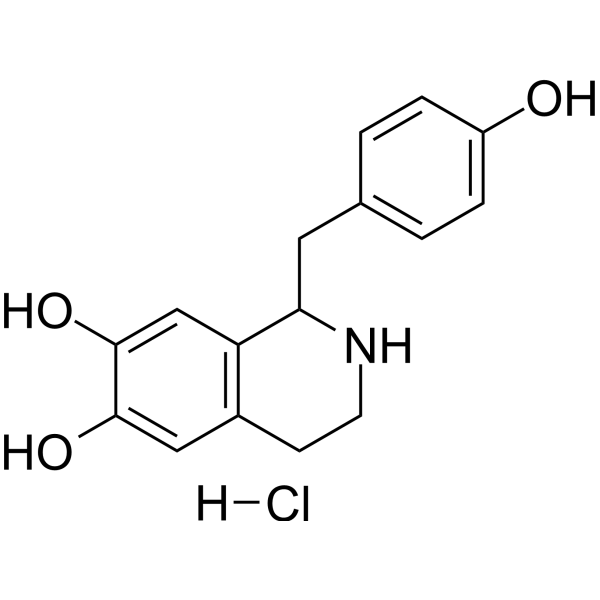
- Formula: C16H18ClNO3
- Molecular Weight: 307.77
Higenamine hydrochloride is a selective LSD1 inhibitor (IC50=1.47 μM) that can be isolated from aconite. Higenamine hydrochloride has anti-inflammatory and antibacterial activity. Higenamine (Norcoclaurine) can attenuate IL-1β-induced Apoptosis through ROS-mediated PI3K/Akt signaling pathway. Higenamine hydrochloride protects brain cells from oxygen deprivation. Higenamine can promote bone formation in osteoporosis through the SMAD2/3 pathway. Higenamine hydrochloride can be used to study cancer, inflammation, cardiorenal syndrome and other diseases.
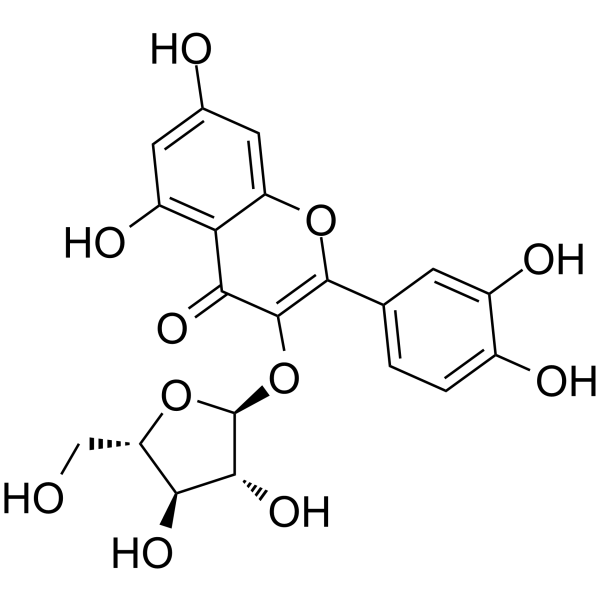
- Formula: C20H18O11
- Molecular Weight: 434.35
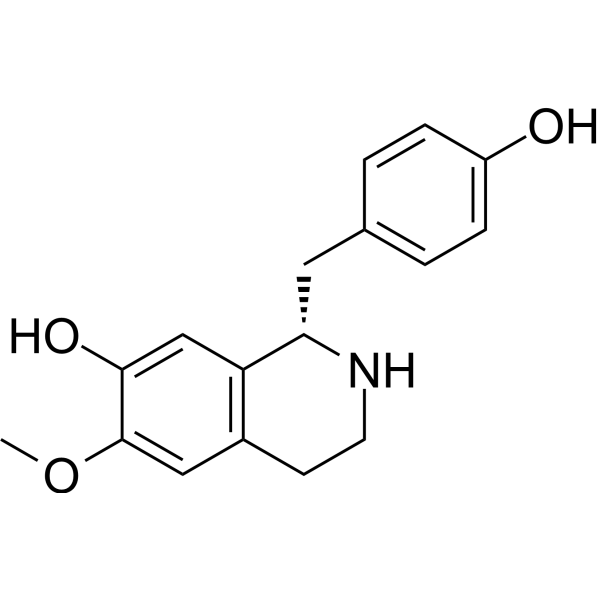
- Formula: C17H19NO3
- Molecular Weight: 285.34
Coclaurine is a class of tetrahydroisoquinoline alkaloids that can be isolated from Sarcopetalum harveyanum with anticancer activity. Coclaurine is a nicotinic acetylcholine receptor (nAChRs) antagonist. Coclaurine is a key molecule in S. tetrandra responsible for EFHD2 inhibition. Coclaurine can downregulate EFHD2-related NOX4-ABCC1 signaling and enhanced Cisplatin (HY-17394) sensitivity. Coclaurine suppresses the stemness and metastatic properties of NSCLC cells. Coclaurine disrupts the interaction between the transcription factor FOXG1 and the EFHD2 promoter, leading to a reduction in EFHD2 transcription.
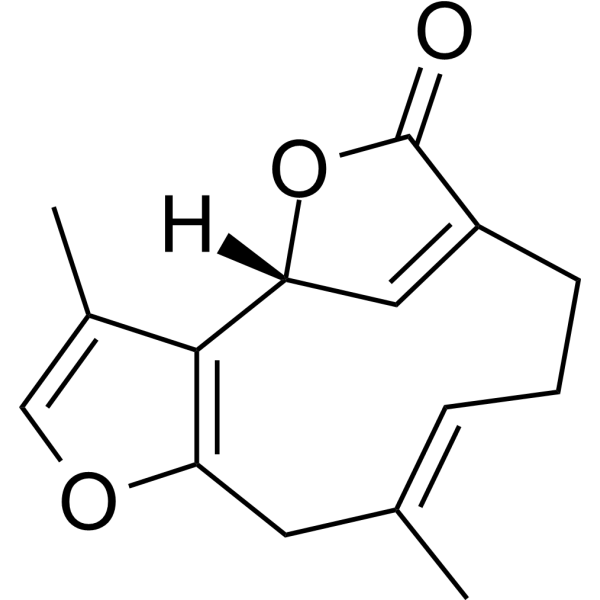
- Formula: C15H16O3
- Molecular Weight: 244.29
Linderalactone is an important sesquiterpene lactone isolated from Lindera aggregata. Linderalactone inhibits cancer growth by modulating the expression of apoptosis-related proteins and inhibition of JAK/STAT signalling pathway. Linderalactone also inhibits the proliferation of the lung cancer A-549 cells with an IC50 of 15 µM.
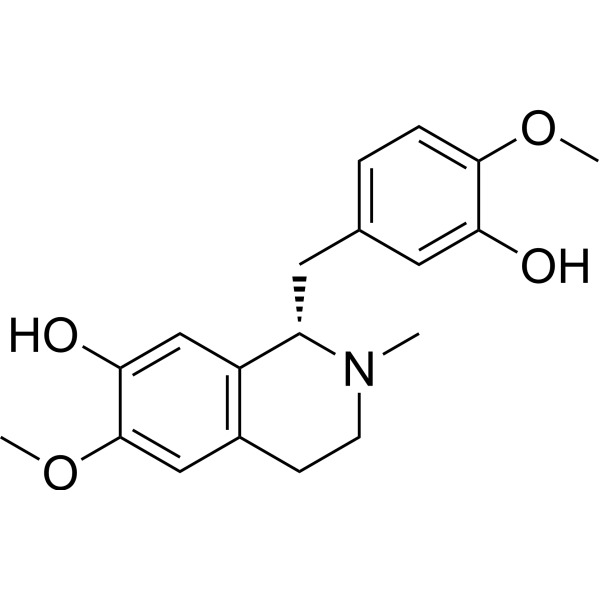
- Formula: C19H23NO4
- Molecular Weight: 329.39
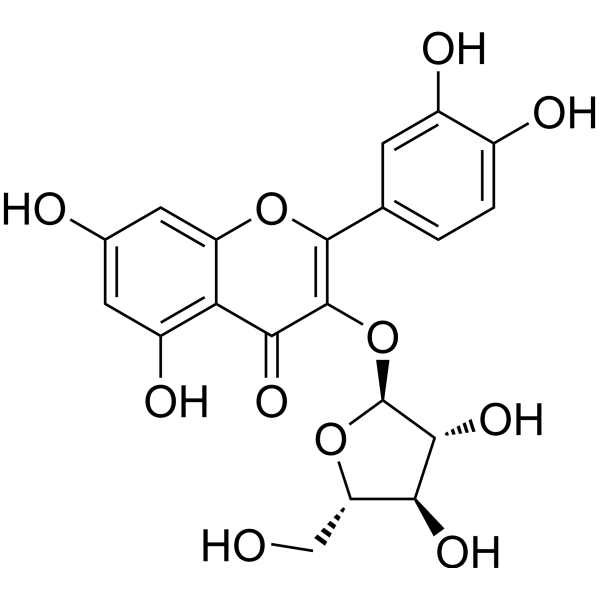
- Formula: C₂₀H₁₈O₁₁
- Molecular Weight: 434.35
Avicularin (Standard) is the analytical standard of Avicularin. This product is intended for research and analytical applications. Avicularin is an orally active flavonoid. Avicularin inhibits NF-κB (p65), COX-2 and PPAR-γ activities. Avicularin has anti-inflammatory, anti-infectious anti-allergic, anti-oxidant, hepatoprotective, and anti-tumor activities.

- Formula: C15H16O3
- Molecular Weight: 244.29
Linderalactone (Standard) is the analytical standard of Linderalactone. This product is intended for research and analytical applications. Linderalactone is an important sesquiterpene lactone isolated from Lindera aggregata. Linderalactone inhibits cancer growth by modulating the expression of apoptosis-related proteins and inhibition of JAK/STAT signalling pathway. Linderalactone also inhibits the proliferation of the lung cancer A-549 cells with an IC50 of 15 μM.

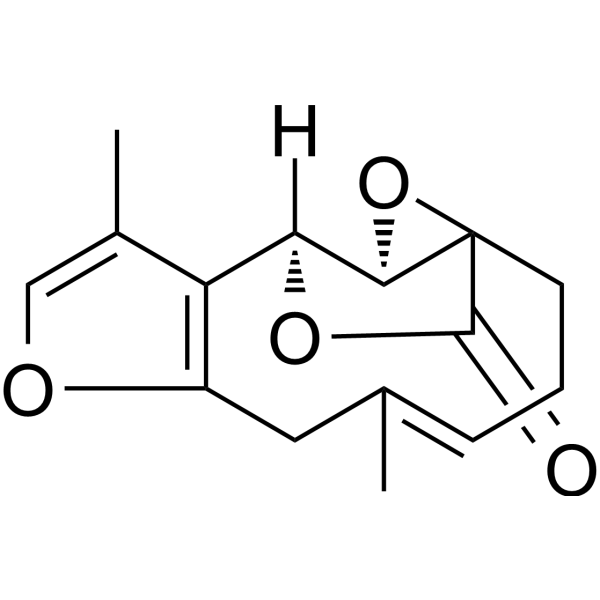
- Formula: C15H16O4
- Molecular Weight: 260.29
Linderane is an orally active natural sesquiterpene lactone with blood-brain barrier permeability. Linderane indirectly activates PDE3 by activating ERK/STAT3, thereby inhibiting the cAMP/PKA/CREB signaling pathway and hepatic gluconeogenesis. Linderane protects pancreatic β cells against oxidative damage by inhibiting the activation of the p38 MAPK pathway and activating the Nrf2 pathway. Linderane inhibits cell apoptosis and ameliorates intestinal mucosal inflammation by suppressing the IL-6/JAK/STAT3 signaling pathway. Linderane reduces pain sensitivity and alleviates anxiety-like behaviors by activating cannabinoid receptor 2 (CB2R). Linderane can be used in studies related to type 2 diabetes, ulcerative colitis, and chronic inflammatory pain with anxiety.
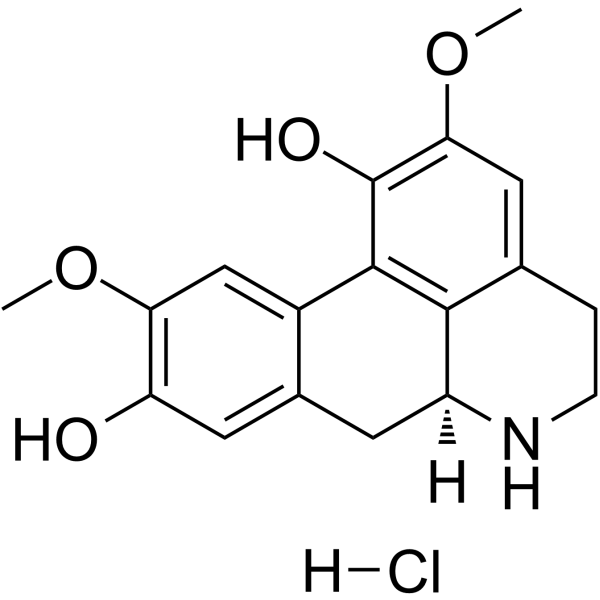
- Formula: C18H20ClNO4
- Molecular Weight: 349.81
Norisoboldine hydrochloride is an orally active natural aryl hydrocarbon receptor (AhR) agonist. Norisoboldine hydrochloride, as a major isoquinoline alkaloid present in Radix Linderae, can be used for the research of Rheumatoid arthritis and Ulcerative colitis.
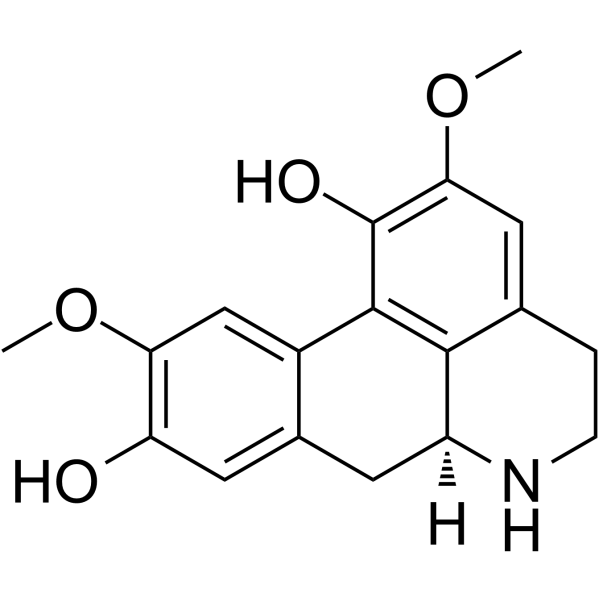
- Formula: C18H19NO4
- Molecular Weight: 313.35
Norisoboldine is an orally active natural aryl hydrocarbon receptor (AhR) agonist. Norisoboldine, as a major isoquinoline alkaloid present in Radix Linderae, can be used for the research of Rheumatoid arthritis and Ulcerative colitis.
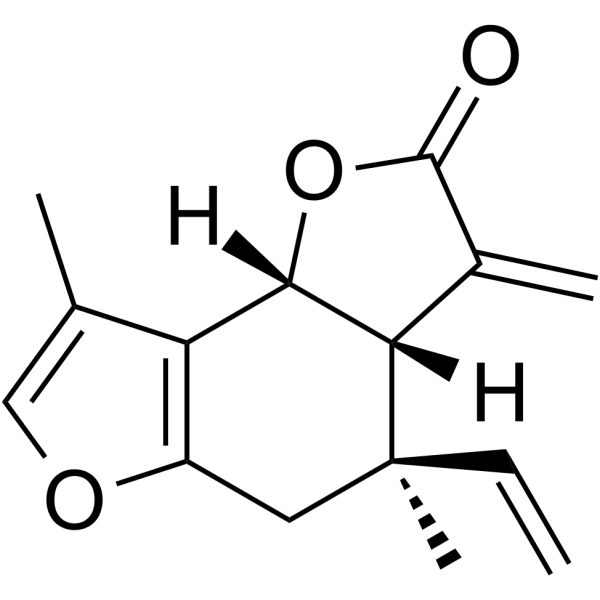
- Formula: C15H16O3
- Molecular Weight: 244.29
Isolinderalactone is a sesquiterpene that exhibits anti-cancer, anti-inflammatory, and neuroprotective effects. Isolinderalactone inhibits VEGF expression and tyrosine phosphorylation of VEGFR2. Isolinderalactone decreases viability and induces apoptosis in U-87 glioblastoma (GBM) cells and colorectal cancer (CRC) cells. Isolinderalactone induces G2/M phase cell cycle arrest, ROS generation, pJNK/p38 MAPK activation, in colorectal cancer (CRC) cells. Isolinderalactone blocks LPS (HY-D1056)-induced NF-κB activation while activating Nrf2-HMOX1 signaling in RAW264.7 macrophages. Isolinderalactone improves cognitive dysfunction in APP/PS1 mice. Isolinderalactone can be used for the study of Glioblastoma multiforme (GBM), colorectal cancer, Alzheimer’s disease and acute lung injury.
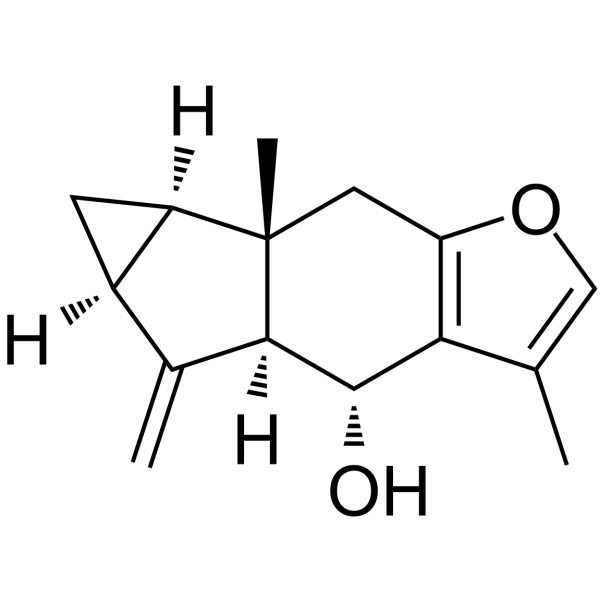
- Formula: C15H18O2
- Molecular Weight: 230.30
Lindenenol is isolated from Radix linderae, with antioxidant and antibacterial activities.
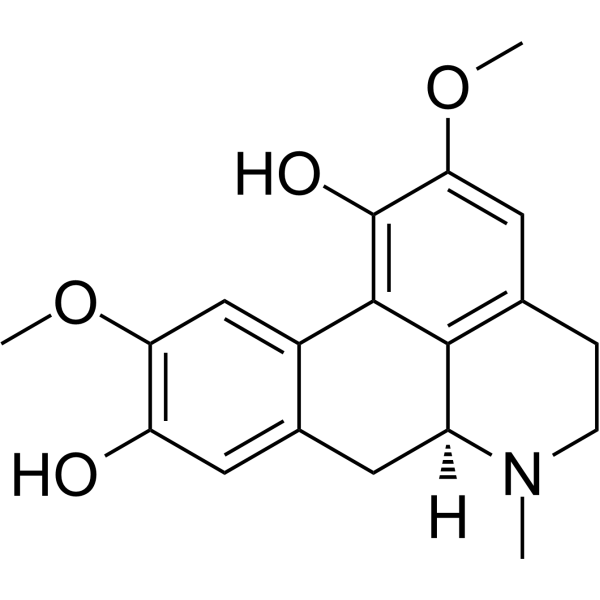
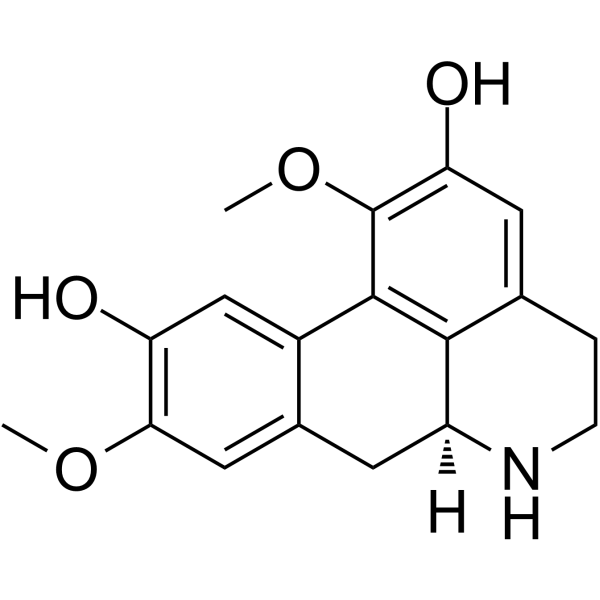
- Formula: C18H19NO4
- Molecular Weight: 313.35
Laetanine is a noraporphine alkaloid from Litsea laeta, exhibits antiplasmodial activity. Laetanine can be found in the extract of the leaves of Phoebe tavoyana (Meissn) Hook.
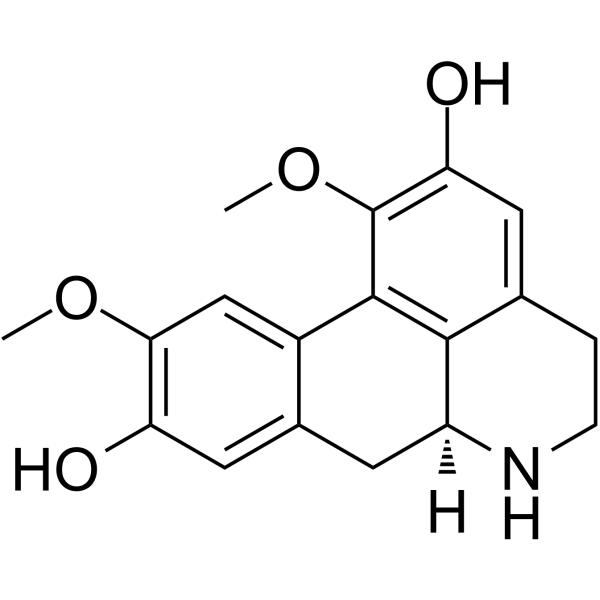
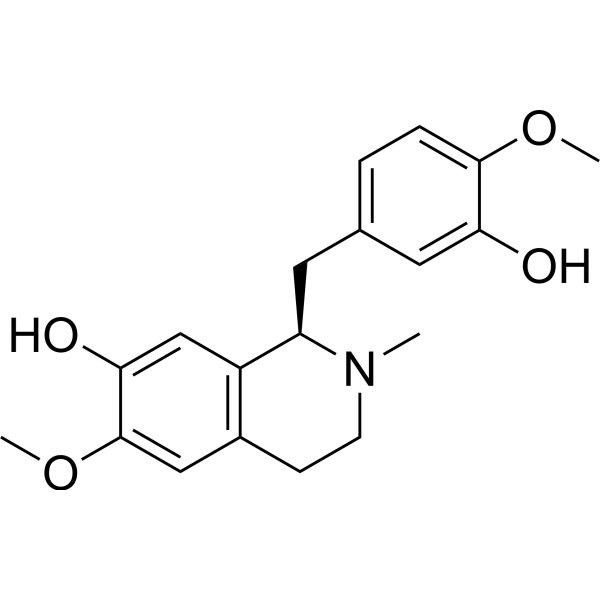
- Formula: C19H23NO4
- Molecular Weight: 329.39
(R)-Reticuline is a key intermediate and precursor in the biosynthetic pathway of morphinan alkaloids. (R)-Reticuline plays a central role in the metabolism of opium poppy (Papaver somniferum). (R)-Reticuline can either undergo O-methylation catalyzed by PSOMT1, or be converted to (+)-Salutaridine via regioselective and stereoselective oxidative coupling under the action of salutaridine synthase (CYP719B1). (R)-Reticuline serves as a direct precursor for the synthesis of important alkaloids such as morphine, codeine and thebaine.

- Formula: C45H36O18
- Molecular Weight: 864.76
Lindetannin (Lindetannin trimer) is an A-type trimer of proanthocyanidin (HY-N0794) found in the bark of Cinnamomum trees. Proanthocyanidin are a class of polyphenolic that are widely distributed in higher plants, consisted of an electrophilic flavanyl unit. Proanthocyanidin can be used as antioxidant and anti-cancer agent. Proanthocyanidin also exhibit anti-inflammatory, cardioprotective, antibacterial and antifungal properties, which can be used in the treatment of chronic venous insufficiency, capillary fragility, sunburn and retinopathy.
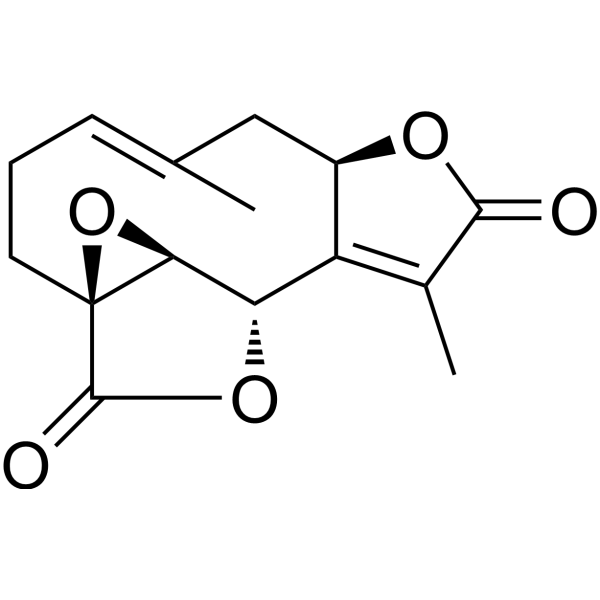
- Formula: C15H16O5
- Molecular Weight: 276.28
Linderanine C ((-)-Linderanine C) (compound 6) is a sesquiterpenoid compound that can be isolated from the roots of Wuyao.
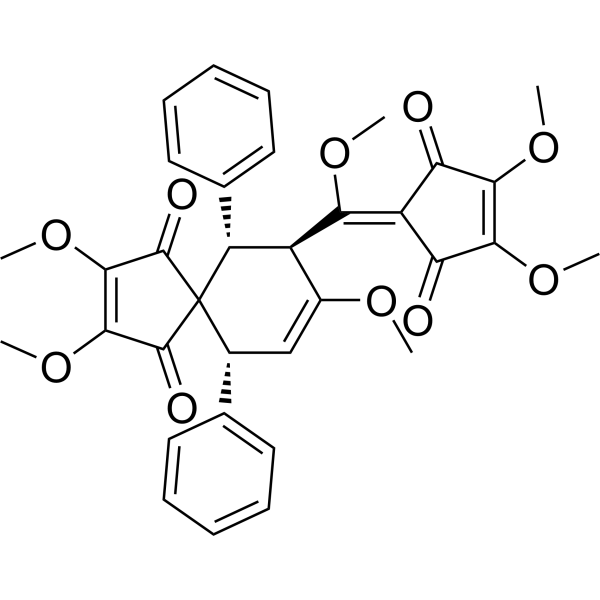
- Formula: C34H32O10
- Molecular Weight: 600.61
Bi-linderone is isolated as racemate from the traditional Chinese medicinal plant Lindera aggregata. Bi-linderone has activity against glucosamine-induced insulin resistance in HepG2 cells at a concentration of 1 μg/mL.
- 1
- 2



