



Paeonia lactiflora Pall.
-
Paeonia lactiflora Pall. (47)

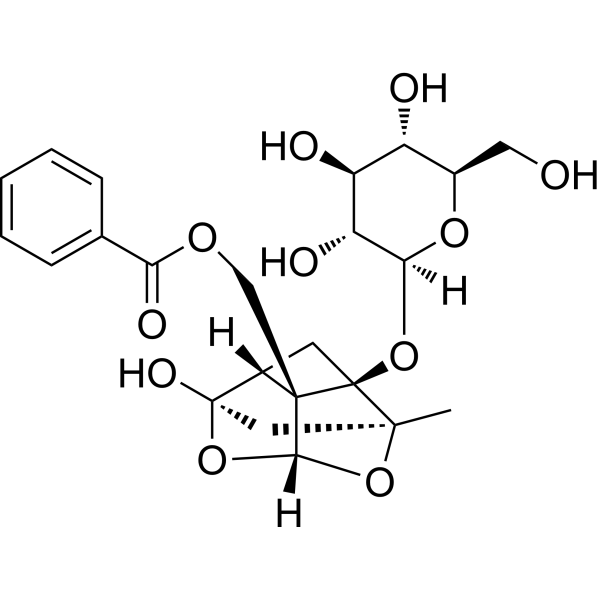
- Formula: C23H28O11
- Molecular Weight: 480.46
Paeoniflorin is a heat shock protein-inducing compound and commonly exists in the plants of Paeoniaceae family, with various biological activities, including anticancer activity, anti-inflammatory activity, enhancing cognition and attenuating learning impairment, anti-oxidative stress, antiplatelet aggregation, expansion of blood vessels, and reducing blood viscosity.
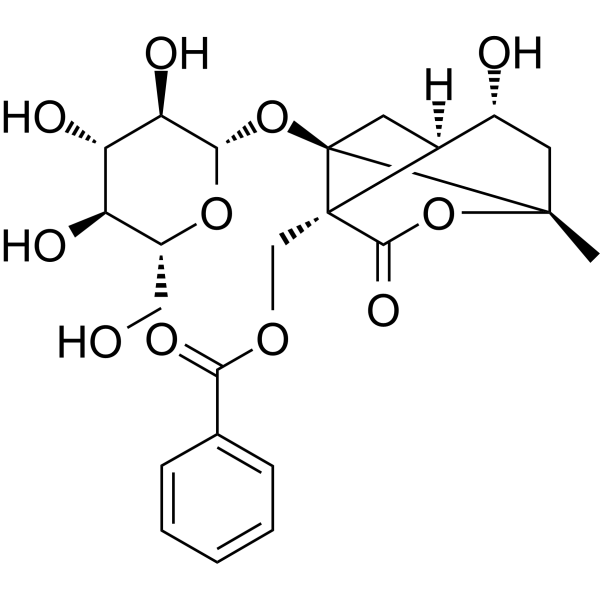
- Formula: C23H28O11
- Molecular Weight: 480.46
Albiflorin, a major constituent contained in peony root, is a brain-penetrant monoterpene glycoside with neuroprotective effects. Albiflorin also has anti-inflammatory, antioxidant and antinociceptive effects.
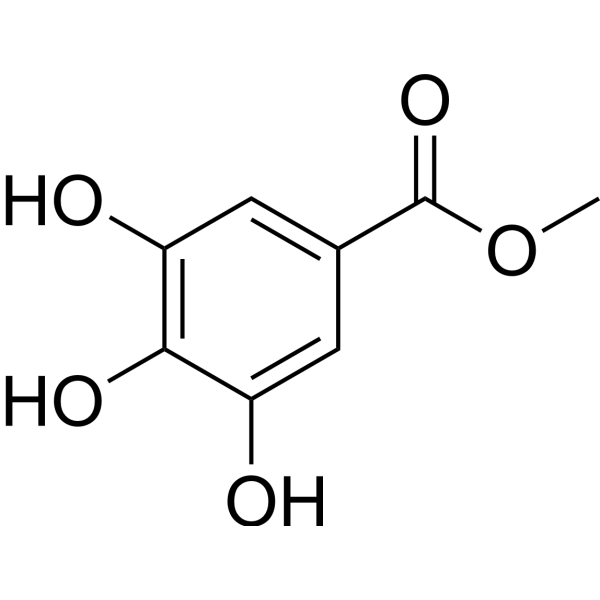
- Formula: C8H8O5
- Molecular Weight: 184.15
Methyl gallate is a plant phenolic with antioxidant, anticancer, and anti-inflammatory activities. Methyl gallate also shows bacterial inhibition activity. Methyl gallate also has anti-HIV-1 and HIV-1 enzyme inhibitory activities.
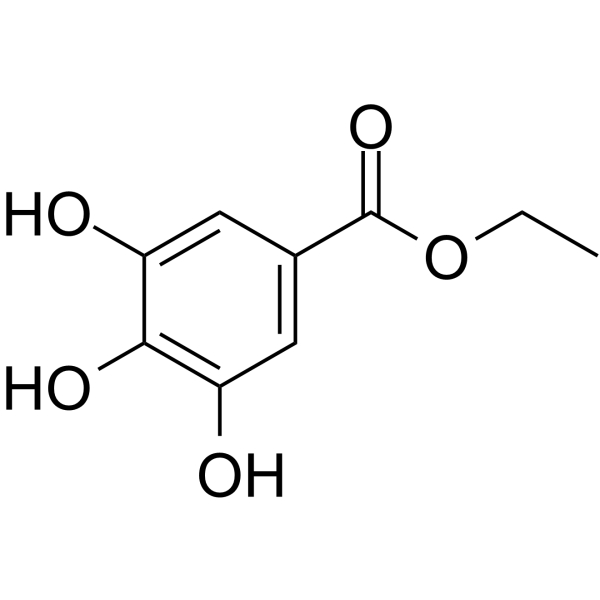
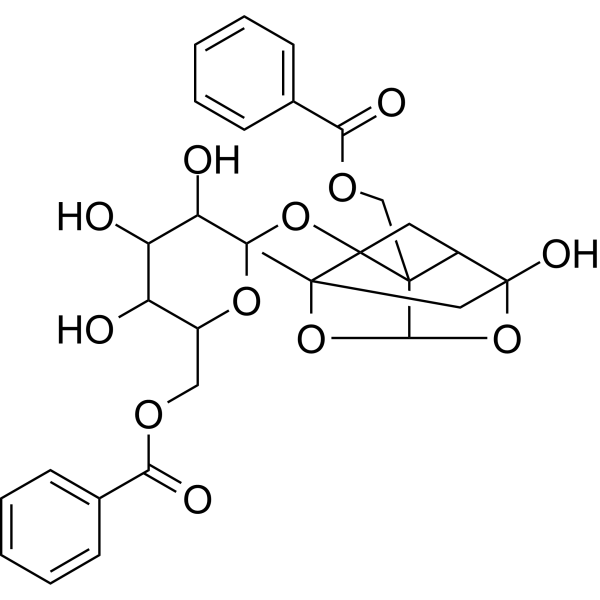
- Formula: C30H32O12
- Molecular Weight: 584.57
Benzoylpaeoniflorin is an orally active monoterpene glycoside compound. Benzoylpaeoniflorin exerts anti-inflammatory, anti-allergic, psoriasis-improving and sepsis-improving effects by inhibiting signaling pathways such as TNF/NF-κB and MAPK, as well as regulating immune homeostasis. Benzoylpaeoniflorin can be used in research related to immune, allergic and inflammatory diseases.

- Formula: C8H8O5
- Molecular Weight: 184.15
Methyl gallate (Standard) is the analytical standard of Methyl gallate. This product is intended for research and analytical applications. Methyl gallate is a plant phenolic with antioxidant, anticancer, and anti-inflammatory activities. Methyl gallate also shows bacterial inhibition activity. Methyl gallate also has anti-HIV-1 and HIV-1 enzyme inhibitory activities.

- Formula: C17H18O7
- Molecular Weight: 334.32
3',5'-Di-O-Methylepigallocatechin is a flavan of the epi series. 3',5'-Di-O-Methylepigallocatechin is produced by NaBH4 reduction of the anthocyanidin Malvidin. Oxidation of 3',5'-Di-O-Methylepigallocatechin with bromine, or of its acetyl derivative with N-bromosuccinimide, regenerates Malvidin.

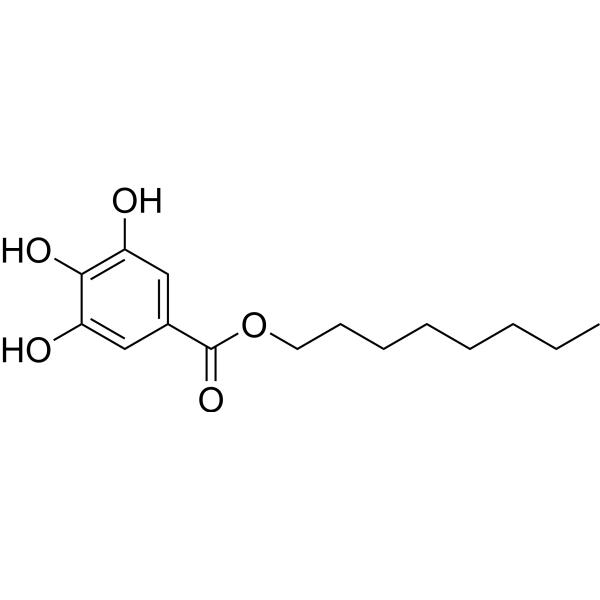
- Formula: C15H22O5
- Molecular Weight: 282.33
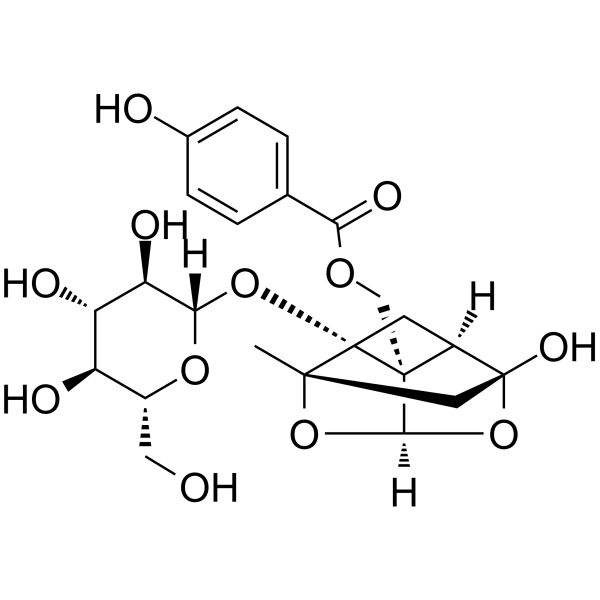
- Formula: C23H28O12
- Molecular Weight: 496.46
Oxypaeoniflorin, an anti-oxidant, is a monoterpene glycoside compound isolated from Paeoniae species. Oxypaeoniflorin has neuroprotective and anti-inflammatory effects.
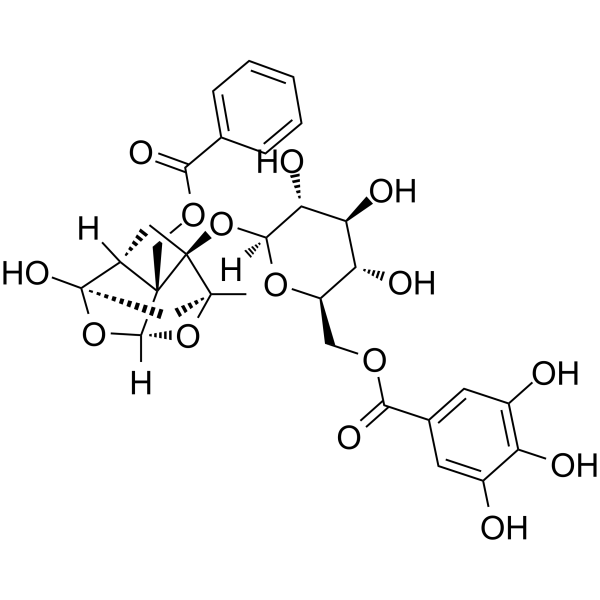
- Formula: C30H32O15
- Molecular Weight: 632.57
Galloylpaeoniflorin (6'-O-Galloyl paeoniflorin) is an orally active galloylated derivative of Paeoniflorin (HY-N0293) found in peony roots with various anti-inflammatory and antioxidant activities. Galloylpaeoniflorin suppresses RANKL-induced activation of ERK, JNK, c-Fos, c-Jun, and NFATc1, and reduces osteoclast-specific gene expression. Galloylpaeoniflorin activates Nrf2 and PI3K/Akt pathways, inhibits NF-κB activation, and scavenges ROS to reduce oxidative DNA, lipid, and protein damage. Galloylpaeoniflorin attenuates neuroinflammation, inhibits apoptosis, reduces Helicobacter pylori-induced gastric mucosa injury and UVB-induced cell damage. Galloylpaeoniflorin can be used for the research of osteoporosis, gastritis, ischemic stroke and skin diseases.
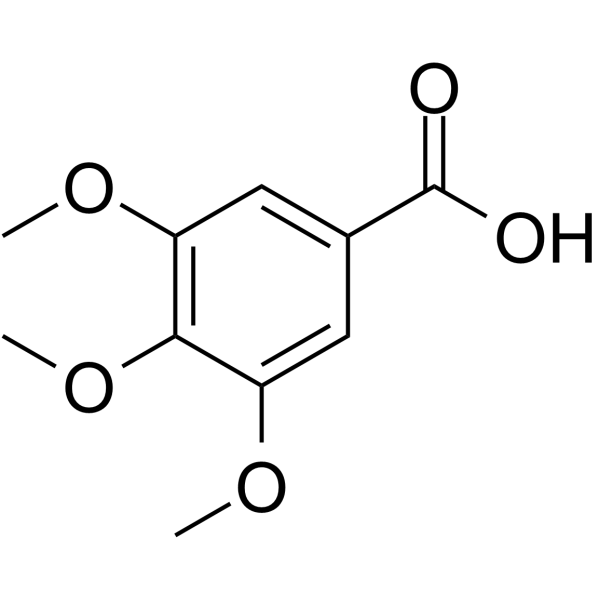
- Formula: C10H12O5
- Molecular Weight: 212.20
3,4,5-Trimethoxybenzoic acid (Eudesmic acid;Trimethylgallic Acid) is a benzoic acid derivative. A building block in medicine and organic synthesis. 3,4,5-Trimethoxybenzoic acid exhibits antibacterial activity against S. aureus with MIC of 0.97 μg/mL.
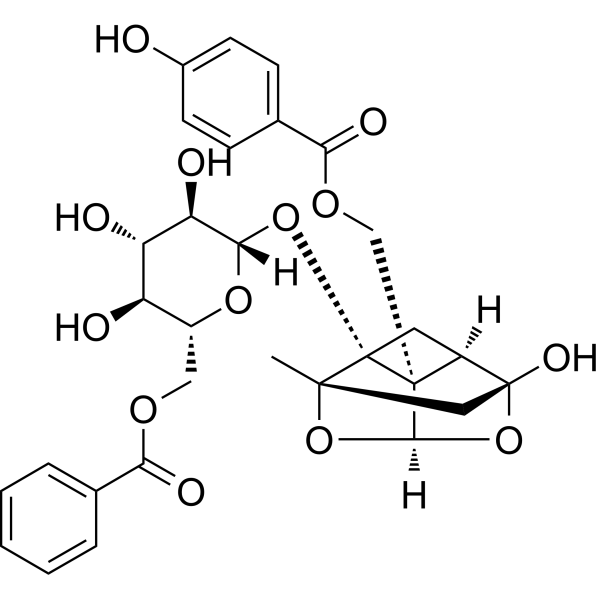
- Formula: C30H32O13
- Molecular Weight: 600.57
Benzoyloxypaeoniflorin, isolated from the root of Paeonia suffruticosa, is a tyrosinase inhibitor against mushroom tyrosinase with IC50 of 0.453 mM. Benzoyloxypaeoniflorin is NF-κB Inhibitor and contributes to improving blood circulation through its inhibitory effect on both platelet aggregation and blood coagulation.

- Formula: C₂₃H₂₈O₁₁
- Molecular Weight: 480.46
Paeoniflorin (Standard) is the analytical standard of Paeoniflorin. This product is intended for research and analytical applications. Paeoniflorin is a heat shock protein-inducing compound and commonly exists in the plants of Paeoniaceae family, with various biological activities, including anticancer activity, anti-inflammatory activity, enhancing cognition and attenuating learning impairment, anti-oxidative stress, antiplatelet aggregation, expansion of blood vessels, and reducing blood viscosity.
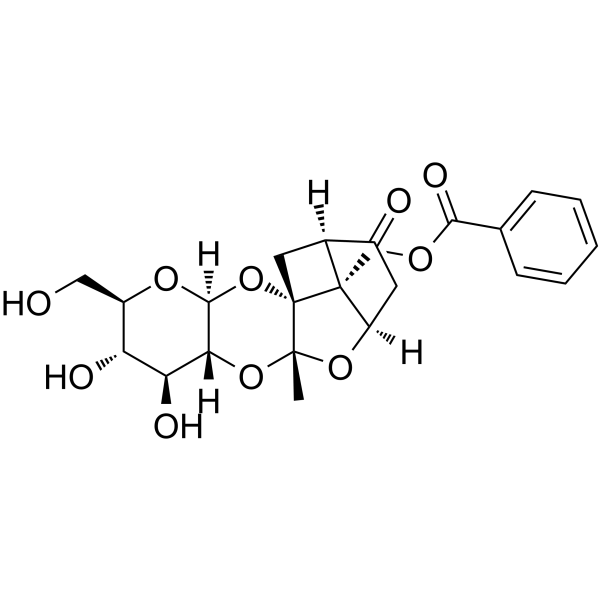
- Formula: C23H26O10
- Molecular Weight: 462.45
Lactiflorin, a monoterpene glycoside from paeony root, possesses nephroprotective effect.
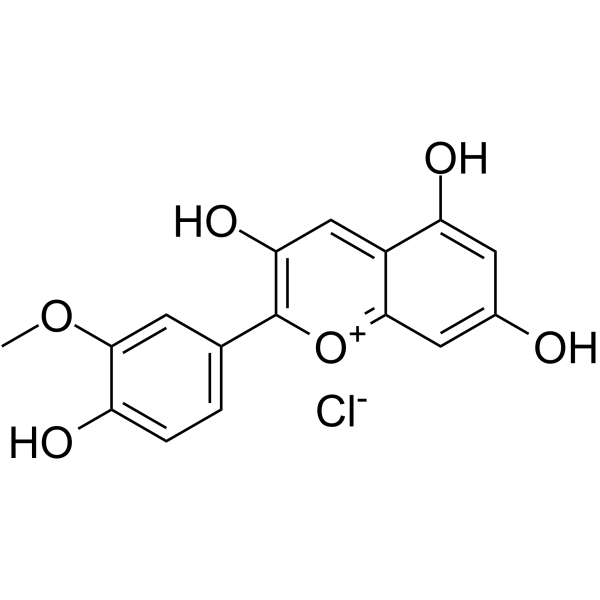
- Formula: C16H13ClO6
- Molecular Weight: 336.72
Peonidin (YGM-6) chloride is an anthocyanin compound found in plants such as grapes and purple-fleshed sweet potatoes. Peonidin chloride alone exerts no stable inhibitory effect on LPS (HY-D1056)-mediated inflammatory gene expression. The acylated form of Peonidin chloride exhibits antimutagenic activity.

- Formula: C15H22O5
- Molecular Weight: 282.33
Octyl gallate (Standard) is the analytical standard of Octyl gallate. This product is intended for research and analytical applications. Octyl gallate (Progallin O) is widely used as a food additive, with antimicrobial and antioxidant activity. Octyl gallate (Progallin O) shows selective and sensitive fluorescent property. Octyl gallate shows a marked antiviral effect against HSV-1, vesicular stomatitis virus (VSV) and poliovirus.
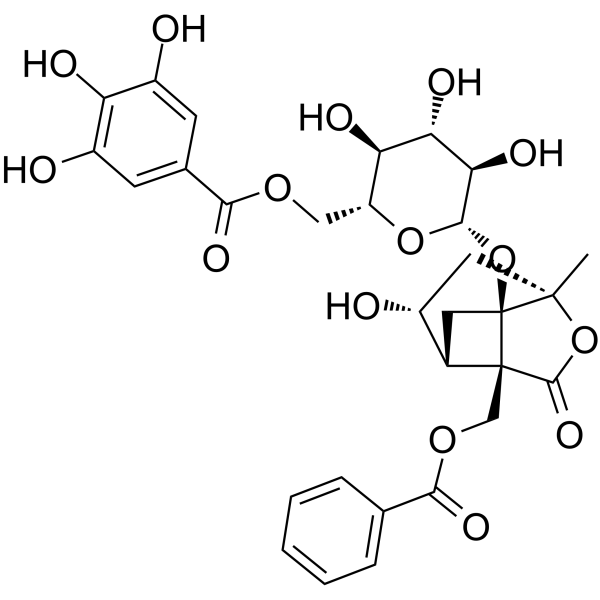
- Formula: C30H32O15
- Molecular Weight: 632.57
Galloylalbiflorin (6′-O-Galloylalbiflorin) is an androgen receptor (AR) antagonist (IC50=53.3 μM) and can be found in the roots of Paeonia lactiflora. Galloylalbiflorin shows anti-androgens activity.
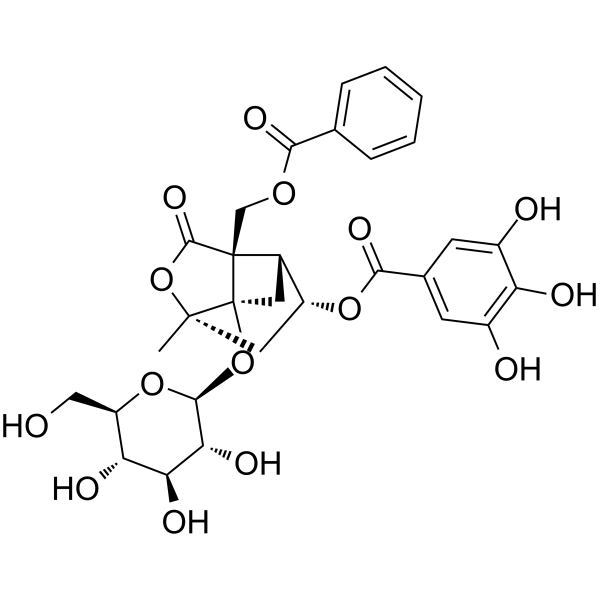
- Formula: C30H32O15
- Molecular Weight: 632.57
4-O-Galloylalbiflorin is a natural product that can be derived from the root of Paeonia lactiflora pall.
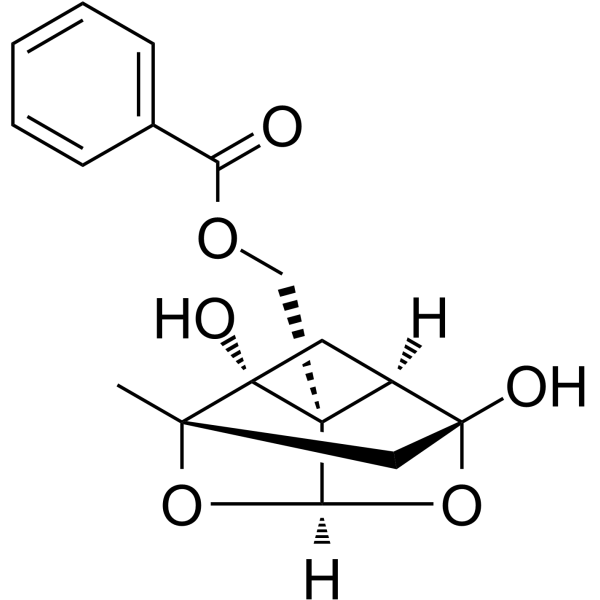
- Formula: C17H18O6
- Molecular Weight: 318.32
Paeoniflorgenin is a deglucosylated metabolite of Paeoniflorin.



