Infection
-
Infection Related Products (18904)
Related Products (18904)

-
Antibodies (22)
-
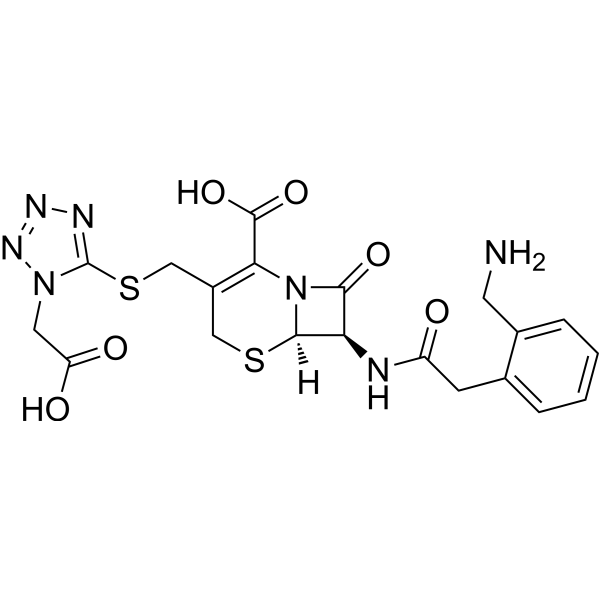
Ceforanide
 0 Images
Ceforanide is a semisynthetic parental cephalosporin antibiotic, derived from 7-aminocephalosporanic acid. Ceforanide has antibacterial activity and is a potent inhibitor of most species of streptococci, excluding enterococci.
-
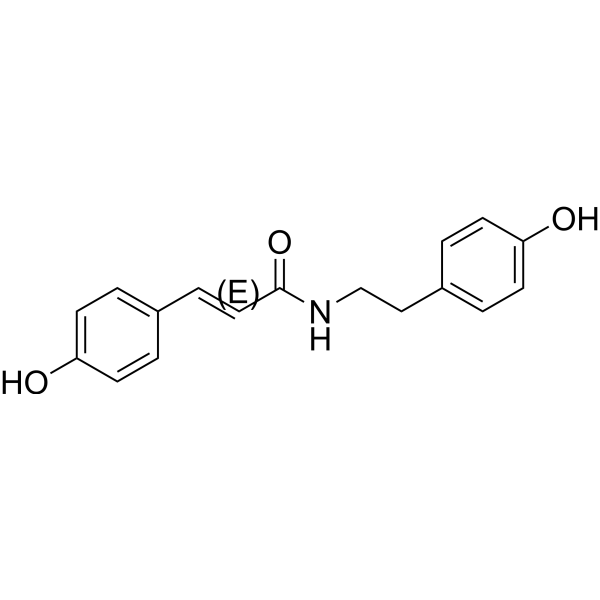
N-p-trans-Coumaroyltyramine
 0 Images
N-p-trans-Coumaroyltyramine is a natural phenolic amide compound and an inhibitor of AChE (IC50: 122 μM) and α-glucosidase (IC50: 2.7 μM). N-p-trans-Coumaroyltyramine also has anti-trypanosomal activity, with an IC50 of 13.3 µM against T. brucei rhodesiense. N-p-trans-Coumaroyltyramine can be used in the research of diseases such as Alzheimer's disease.
-
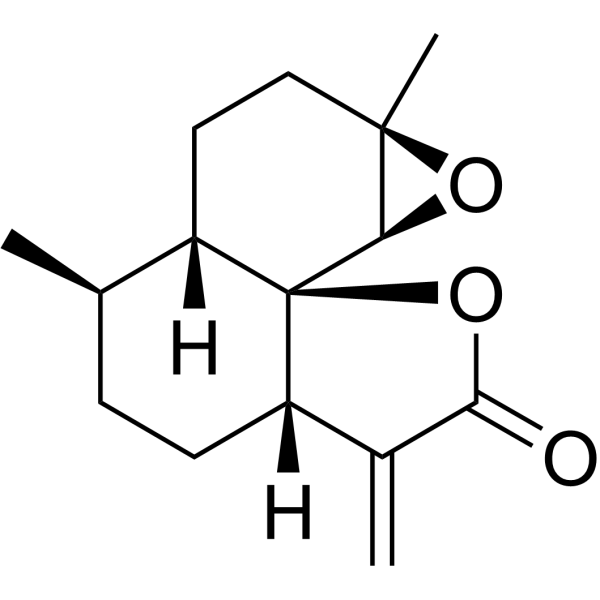
Arteannuin B
 0 Images
Arteannuin B, No. 2000 can be jointly submitted with the blue material. Arteannuin B had anti-SARS-CoV-2 activity, EC50=10.28 μM.
-
Tedizolid phosphate
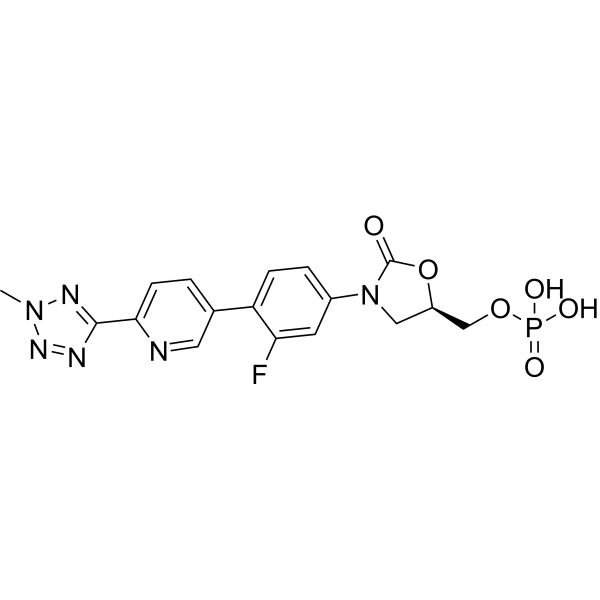 0 ImagesSynonyms: TR-701FA
-
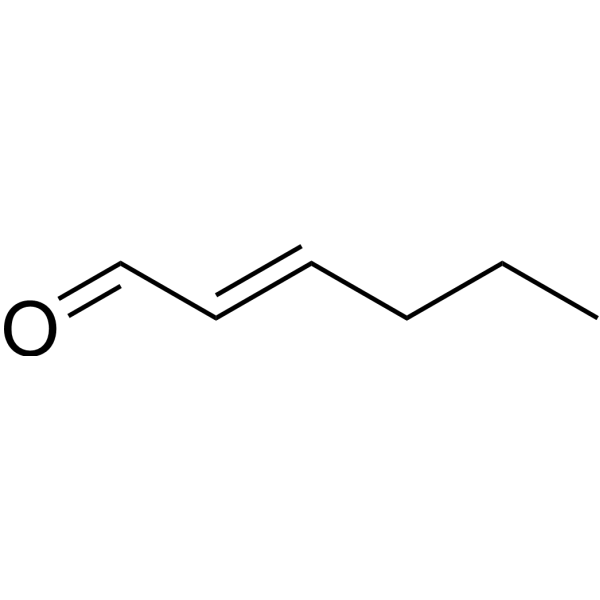
trans-2-Hexenal
 0 Images
trans-2-Hexenal ((E)-2-Hexenal) is a volatile compound widely present in fresh plants, vegetables, and fruits, with a unique leafy aroma. trans-2-Hexenal has antifungal activity and can also inhibit the germination of soybean seeds and the growth of seedlings. In addition, trans-2-Hexenal can be used to determine low-molecular-weight carbonyl compounds that are reactive with biological nucleophiles in biological samples.
-
Delafloxacin meglumine
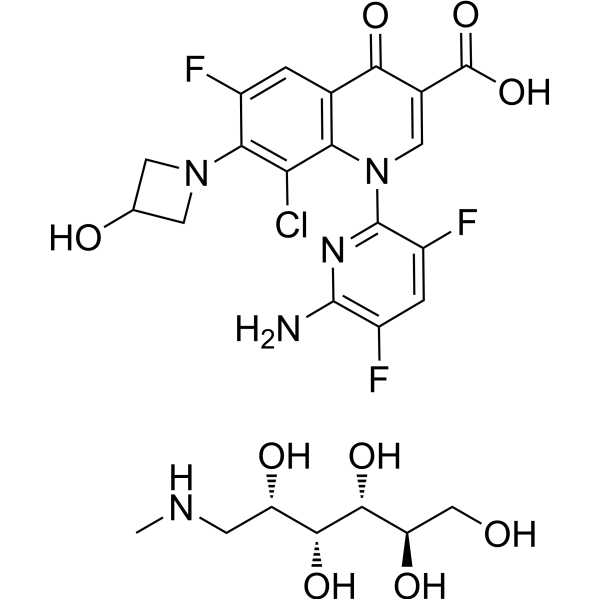 0 ImagesSynonyms: ABT492 meglumine; RX-3341 meglumine; WQ-3034 meglumine
Delafloxacin meglumine (ABT492 meglumine; RX-3341 meglumine; WQ-3034 meglumine) is a broad-spectrum fluoroquinolone antibiotic. Delafloxacin has a broad spectrum of activity that includes drug-resistant Staphylococcus aureus, Streptococcus pneumoniae, and Klebsiella pneumonia.
-
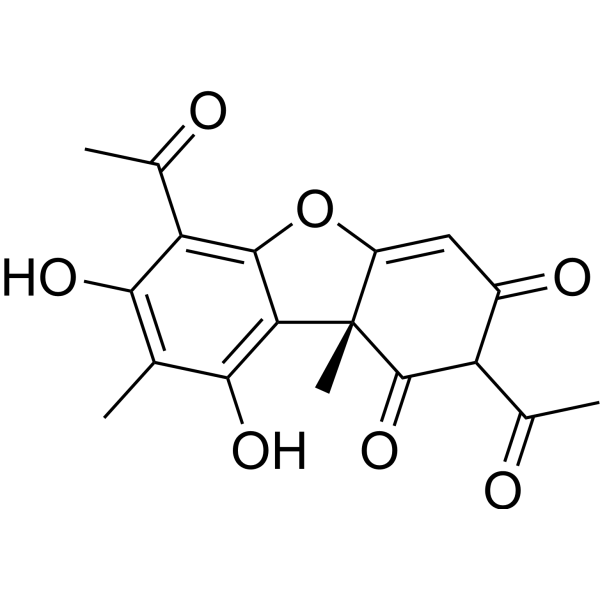
(+)-Usnic acid
 0 Images
(+)-Usnic acid is isolated from isolated from lichens, binds at the ATP-binding pocket of mTOR, and inhibits mTORC1/2 activity. (+)-Usnic acid inhibits the phosphorylation of mTOR downstream effectors: Akt (Ser473), 4EBP1, S6K, induces autophay, with anti-cancer and anti-inflammatory activity. (+)-Usnic acid possesses antimicrobial activity against a number of planktonic gram-positive bacteria, including Staphylococcus aureus, Enterococcus faecalis, and Enterococcus faecium.
-
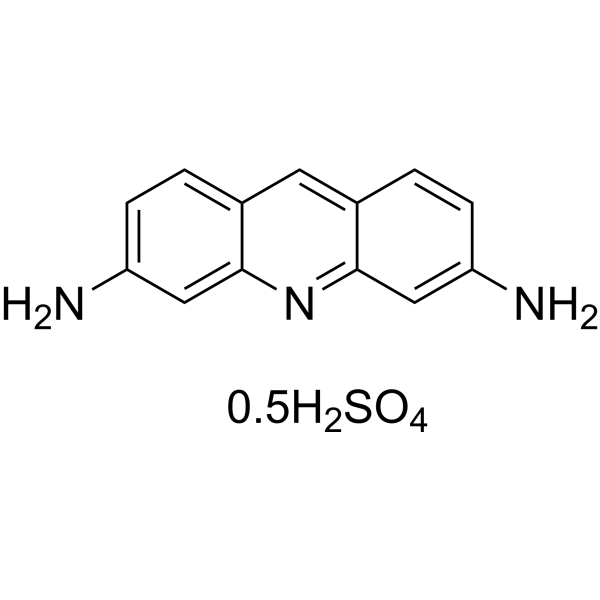
3,6-Diaminoacridine hemisulfate
 0 Images
3,6-Diaminoacridine hemisulfate is a multifunctional acridine compound. 3,6-Diaminoacridine hemisulfate is an acridine dye and also a DNA inserter. 3,6-Diaminoacridine hemisulfate is a potent broad-spectrum antibacterial agent. Its mechanism is to insert into bacterial DNA, interfering with replication and transcription, leading to bacterial lysis. 3,6-Diaminoacridine hemisulfate is a Kir3.2 potassium channel blocker and can be used to study the neurological phenotype of Down syndrome. 3,6-Diaminoacridine hemisulfate can penetrate the stratum corneum of the skin and accumulate in the cell nucleus. Long-term exposure may induce skin cancer or other malignant tumors.
-
CpG ODN 10101
 0 ImagesSynonyms: ODN 10101
CpG ODN 10101 (ODN 10101; CPG 10101) is a selective agonist targeting TLR9, a synthetic oligodeoxynucleotide modified with phosphate thioester. CpG ODN 10101 activates B cells and plasmacytoid dendritic cells (pDCs), inducing the production of cytokines and chemokines such as interferon-IFN-α, interferon-inducible protein IP-10, and 2'5'-oligoadenylate synthase (2'5'-OAS), regulating innate immunity and promoting Th1 adaptive immune responses. CpG ODN 10101 also possesses antiviral properties and enhances vaccine immunogenicity, making it suitable as an immunomodulator and vaccine adjuvant for vaccine development in chronic hepatitis C and infectious diseases such as melioidosis, pertussis, and respiratory syncytial virus (RSV).
-
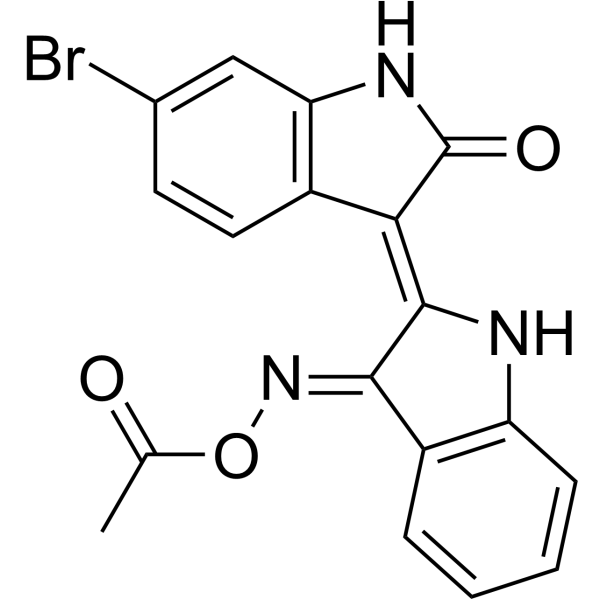
BIO-acetoxime
 0 ImagesSynonyms: BIA
BIO-acetoxime (BIA) is a potent and selective GSK-3 inhibitor, with IC50s of both 10 nM for GSK-3α/β. BIO-acetoxime has anticonvulsant and anti-infection activity.
-
1-Butyl-3-methylimidazolium bis(trifluoromethylsulfonyl)imide
 0 ImagesSynonyms: BMIM-TFSI; BMI-TFSI
1-Butyl-3-methylimidazolium bis(trifluoromethylsulfonyl)imide (BMIM-TFSI; BMI-TFSI) is an HIV-1 integrase inhibitor. 1-Butyl-3-methylimidazolium bis(trifluoromethylsulfonyl)imide weakly inhibits recombinant HIV-1 integrase 3'-processing or strand transfer activity. 1-Butyl-3-methylimidazolium bis(trifluoromethylsulfonyl)imide can be used for the research of HIV-1.
-
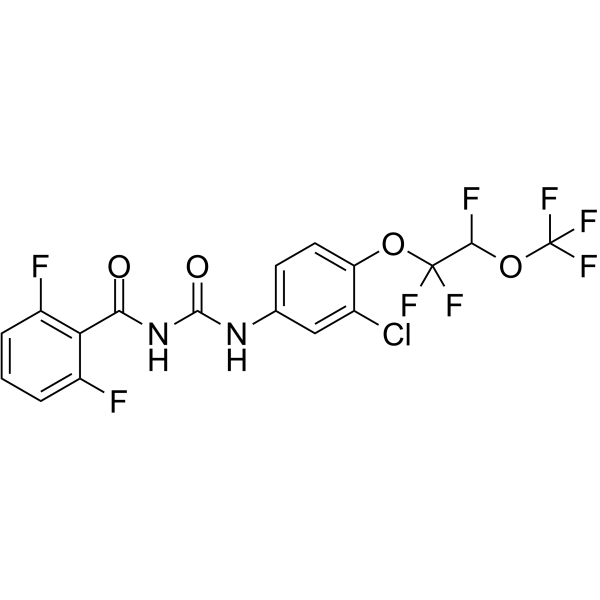
Novaluron
 0 Images
Novaluron is a chemical with insecticide properties, an insect growth regulator, and has adverse effects on mouse sperm.
-
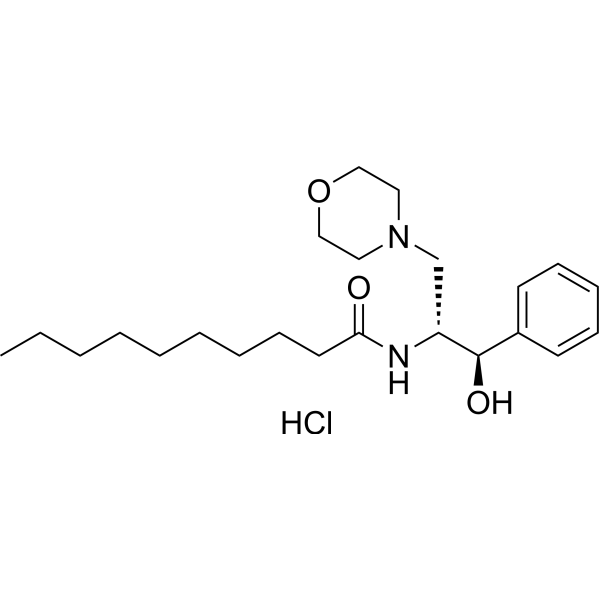
DL-threo-PDMP hydrochloride
 0 Images
DL-threo-PDMP hydrochloride is a competitive glucosylceramide synthase (GCS) inhibitor and antimalarial agent. DL-threo-PDMP hydrochloride competitively inhibits the activity of GCS. DL-threo-PDMP hydrochloride restores cisplatin sensitivity in cisplatin-resistant testicular germ cell tumor cells. DL-threo-PDMP hydrochloride blocks the growth of ring-stage Plasmodium falciparum parasites.
-
Bebtelovimab
 0 ImagesCat. No.: HY-P99103CAS No.: 2578319-11-4Synonyms: LY-3853113; LY-COV1404
Bebtelovimab a human IgG1-λ2 antibody targeting to SARS-CoV-2, especially COVID-19 ((the IC50 value for SARS-CoV-2/MT020880.1 virus is 9-22.1 ng/mL)). Bebtelovimab potently neutralizes SARS-CoV-2 variants, and inhibits COVID-19 with mild-to-moderate efficacy.
-
Tetraethylenepentamine pentahydrochloride
 0 Images
Tetraethylenepentamine pentahydrochloride is an orally active copper chelator and copper mobilizer. Tetraethylenepentamine pentahydrochloride exhibits growth inhibitory and hypolipidemic properties. Tetraethylenepentamine pentahydrochloride significantly increases urinary copper excretion and reduces renal copper accumulation in copper overload models, but does not significantly alter hepatic copper levels. Tetraethylenepentamine pentahydrochloride exerts growth inhibitory effects on Candida albicans and Fluconazole (HY-B0101)-resistant strains, and can be widely used in studies related to Wilson's disease and Candida infections.
-
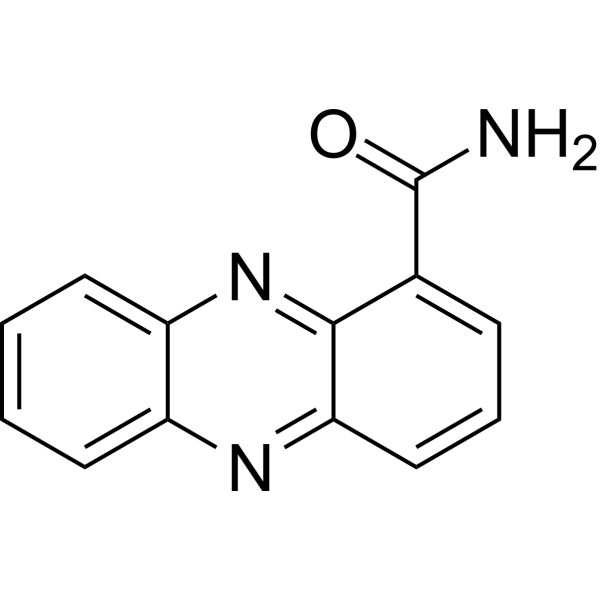
Oxychlororaphine
 0 Images
Oxychloroaphine could be isolated from the bacterium Pantoea agglomerans naturally present in soil. Oxychloroaphine has broad-spectrum antifungal activity. Oxychloroaphine has cytotoxicity in a dose-dependent manner and induces apoptosis. Oxychloroaphine can be used in research of cancer.
-
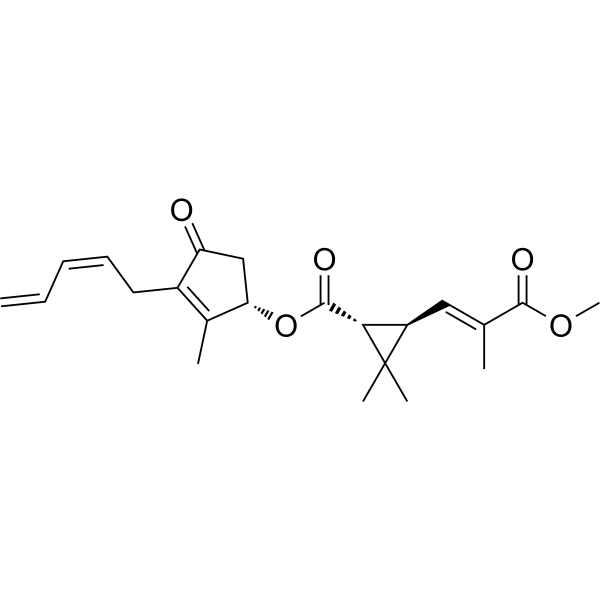
Pyrethrin II
 0 Images
Pyrethrin II is an orally active insecticidal ester of chrysanthemum acid found in Chrysanthemum cinerariifolium and C. coccineum Willd., an active constituent of pyrethrum extract with low mammalian toxicity. Pyrethrin II exhibits antiparasitic activity. Pyrethrin II can be used for the research of allergic contact dermatitis and parasitic infections.
-
Vasculotide TFA
 0 ImagesCat. No.: HY-P10580APurity: 99.88%
Vasculotide TFA is a blood-brain barrier (BBB)-penetrant Tie2 agonist. Vasculotide TFA binds to a unique domain of Tie2, induces receptor clustering to drive phosphorylation, activates downstream PI3K/Akt and eNOS pathways, enhances inter-endothelial cell junctions (such as VE-cadherin and claudin-5), and inhibits inflammatory adhesion molecules, ultimately stabilizing the vascular endothelial barrier and reducing its permeability. Vasculotide TFA alleviates pulmonary microvascular leakage and microcirculatory dysfunction caused by cardiopulmonary bypass, acts as an adjuvant radioprotective agent to reduce acute radiation dermatitis, and promotes BBB recovery after focused ultrasound (FUS). Combination of Vasculotide TFA with antibiotics reduces lung injury.
-
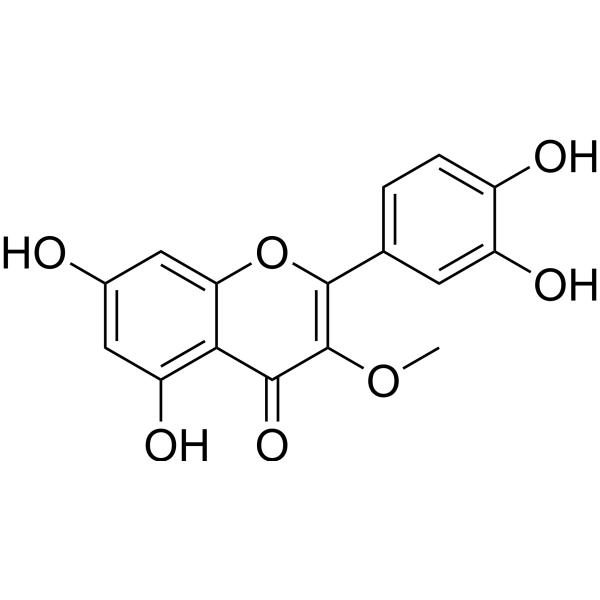
3-O-Methylquercetin
 0 Images
3-O-Methylquercetin is an inhibitor of cAMP and CGMP-phosphodiesterase (PDE) with IC50 at 13.8 μM and 14.3 μM, respectively. 3-O-Methylquercetin is an inhibitor of β-secretase with an IC50 of 6.5 μM. 3-O-Methylquercetin has a neuroprotective effect against neuronal death caused by oxidative damage. 3-O-Methylquercetin has strong antiviral activity against poliovirus, coxsackie virus and human rhinovirus. 3-O-Methylquercetin has anti-inflammatory and trachea-relaxing effects and can be used in the study of inflammatory diseases and asthma.