Infection
-
Infection Related Products (18904)
Related Products (18904)

-
Antibodies (22)
-
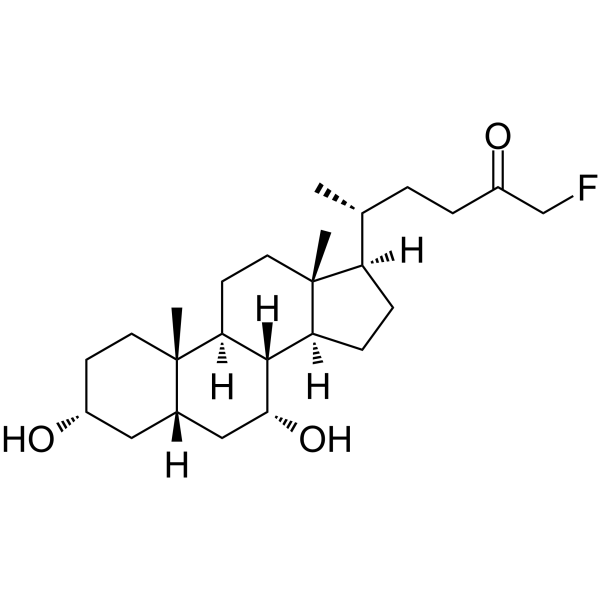
BSH-IN-1
 0 Images
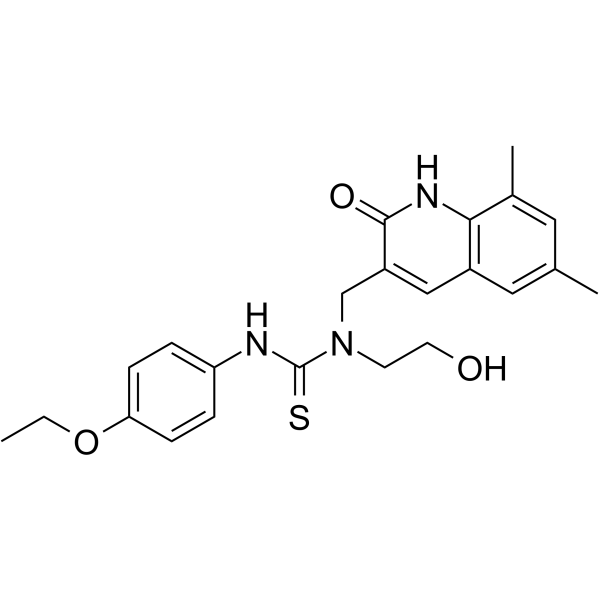
BSH-IN-1 is a potent and covalent inhibitor of gut bacterial recombinant bile salt hydrolases (BSHs) with IC50s of 108 nM and 427 nM for B. longum BSH (Gram positive) and B. theta BSH (Gram negative), respectively.
-
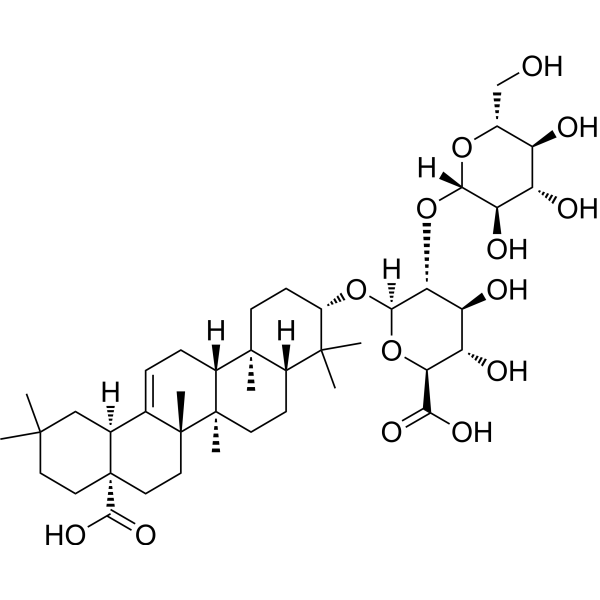
Zingibroside R1
 0 Images
Zingibroside R1 is an orally active triterpene saponin with multiple biological activities including antioxidant, anti-inflammatory, antiviral, and metabolic regulatory properties. Zingibroside R1 reduces the expression of PIN family members, inhibits the expression of PLT1/PLT2, WOX5, SHR, and SCR, disrupts auxin transport and distribution, triggers plant ROS responses, and inhibits root growth. Zingibroside R1 extends the lifespan of Caenorhabditis elegans, enhances its heat stress resistance, and improves its motor ability. Hydrogel derivatives of Zingibroside R1 inhibit the proliferation of Candida albicans by binding to its β-1,3-glucan and exhibit antifungal activity. Zingibroside R1 inhibits GLUT1-mediated uptake and alleviates liver injury. Zingibroside R1 can be used in research related to neurodegenerative diseases, vulvovaginal candidiasis, acute liver injury, Ehrlich ascites tumor and HIV-1 infection.
-
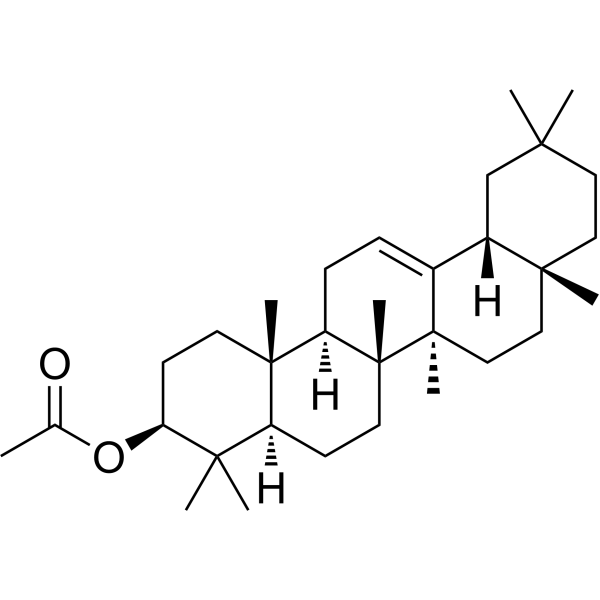
β-Amyrin acetate
 0 Images
β-Amyrin acetate is a triterpenoid with potent anti-inflammatory, antifungal, anti-diabetic, anti-hyperlipidemic activities. β-Amyrin acetate can inhibit HMG-CoA reductase activity by locating in the hydrophobic binding cleft of HMG CoA reductase.
-
Eugenol acetate
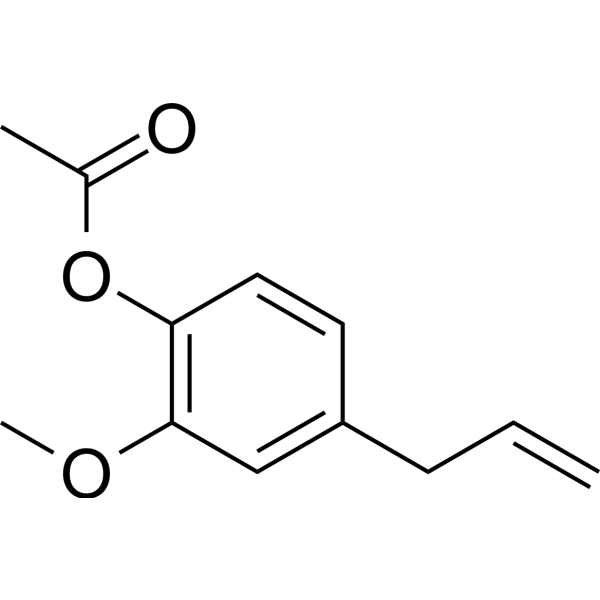 0 ImagesSynonyms: Acetyleugenol
Eugenol acetate (Eugenyl acetate) is an antibacterial, anticancer, anti-inflammatory and antioxidant. Eugenol acetate inhibits NF-κB and enhances the expression of p53 and p21 (WAF1). Eugenol acetate can prevent chemically induced skin cancer, inhibit cancer cell proliferation and induce apoptosis.
-
Micronomicin
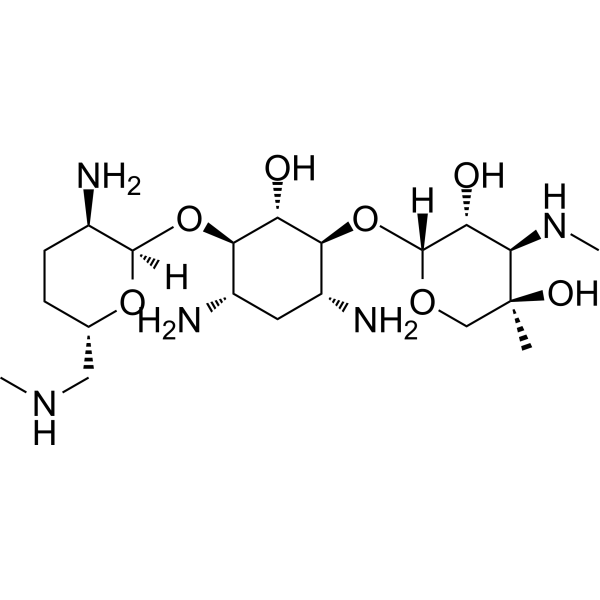 0 ImagesSynonyms: Gentamicin C2b; Antibiotic XK-62-2; Sagamicin
Micronomicin (Gentamicin C2b) is an aminoglycoside antibiotic, with antibacterial and bactericidal activities.
-
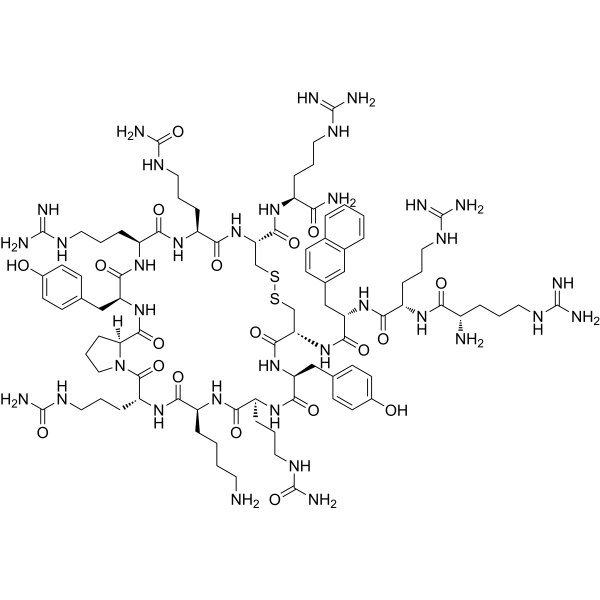
Mipomersen
 0 ImagesCat. No.: HY-148647CAS No.: 1000120-98-8Synonyms: ISIS 301012 free base
Mipomersen (ISIS 301012 free base) is an antisense oligonucleotide inhibitor of apolipoprotein B (apoB). Mipomersen has anti-HCV effect and reduces the infectivity of the HCV. Mipomersen can be used for the research of homozygous familial hypercholesterolemia (HoFH).
-
Polygalasaponin F
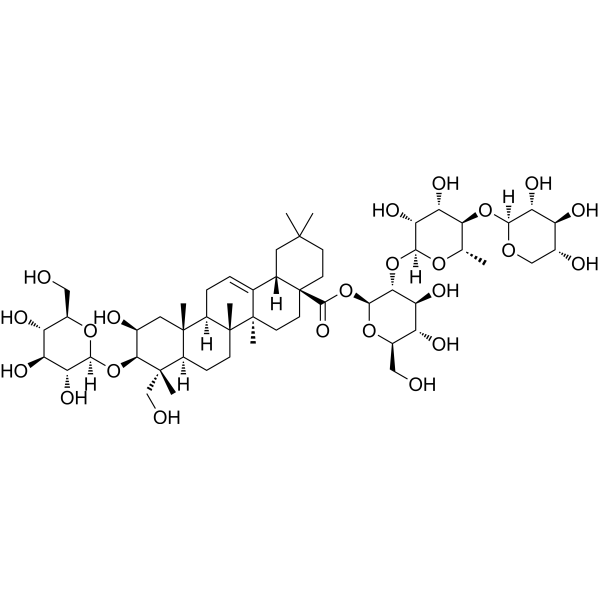 0 Images
Polygalasaponin F is an orally active triterpenoid saponin monomer. Polygalasaponin F downregulates the expression of Bax, p53, caspase-3, NF-κB p65 and MEK1; restores and upregulates the expression of Bcl-2; activates the PI3K/Akt signaling pathway; inhibits the phosphorylation of p38 MAPK, nuclear translocation of NF-κB, TLR4-mediated signaling pathway, mitophagy (Mitophagy) and ROS production; enhances cell viability and suppresses apoptosis (Apoptosis). Polygalasaponin F maintains mitochondrial function, alleviates Ca2+ overload, upregulates pCREB and BDNF, preserves cell viability and inhibits the release of inflammatory cytokines. Polygalasaponin F alleviates lung injury induced by influenza A H1N1 and cerebral ischemia-reperfusion injury. Polygalasaponin F is applicable to researches related to Parkinson's disease, cerebral ischemia, pneumonia induced by influenza A H1N1, stroke and Alzheimer's disease.
-
Alternariol
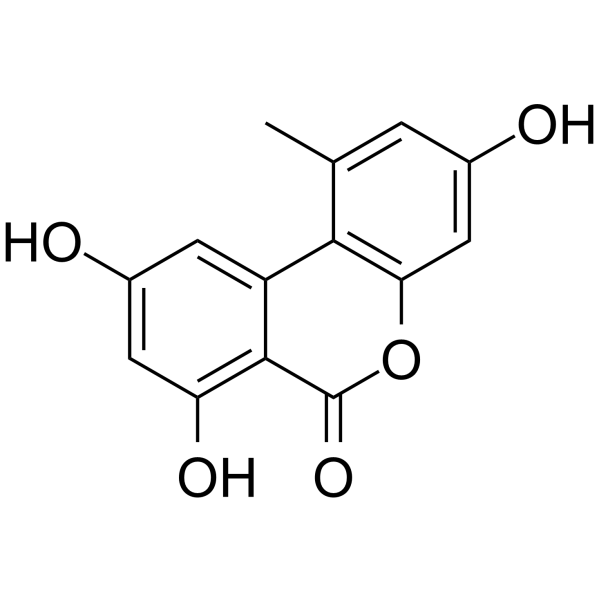 0 Images
Alternariol is an orally ingested mycotoxin produced by Alternaria, capable of inhibiting the activity of topoisomerase I and II (topoisomerase I, topoisomerase II). Alternariol has weak estrogenic (Estrogen Receptor/ERR) and androgen/antiandrogen (Androgen Receptor) effects. Alternariol can induce apoptosis, trigger cell cycle arrest, suppress innate immune responses, and exhibit anti-tumor activity. Alternariol has genotoxic, mutagenic, and endocrine-disrupting effects.
-
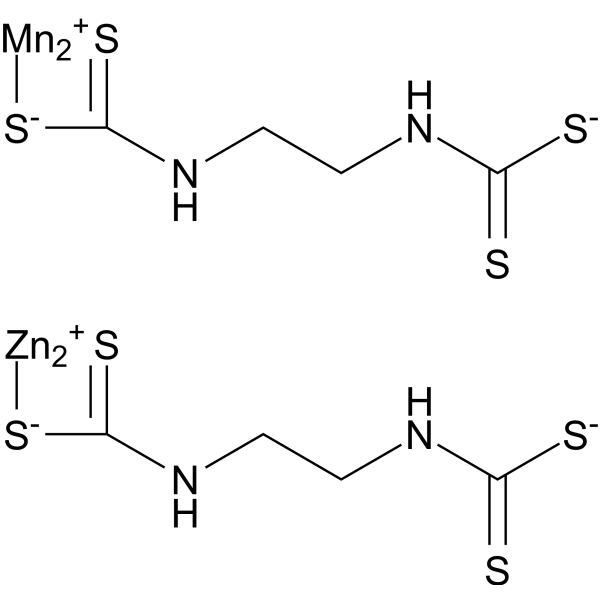
Mancozeb
 0 Images
Mancozeb is a widely used fungicide that is effective against fungal diseases in most cereals, vegetables, fruits and ornamental plants. In addition, Mancozeb can cause liver damage in mice by activating the Keap1/Nrf2 signaling pathway. Mancozeb upregulates lactate dehydrogenase and cytochrome c to alter cell metabolism and induce cell death. Mancozeb has reproductive toxicity and can induce apoptosis in ovarian cells.
-
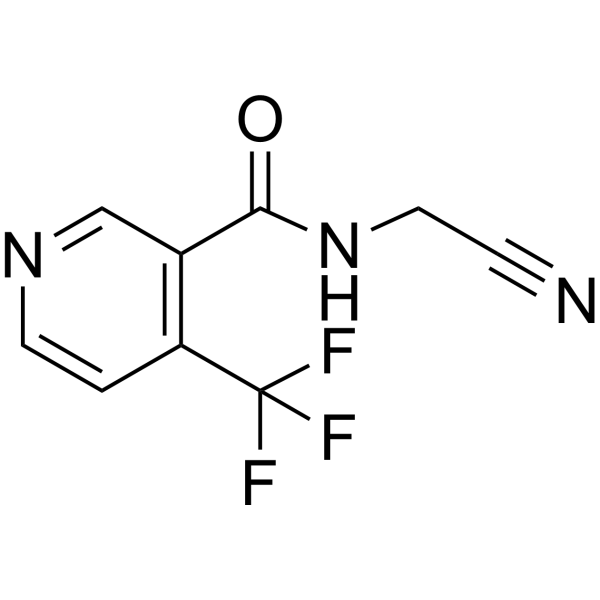
Flonicamid
 0 ImagesSynonyms: IKI220
Flonicamid (IKI220) is an antifeedant Insecticide active against Hemiptera, Thysanoptera, and piercing-sucking pests including aphids of all species, developmental stages and morphs. Flonicamid inhibits the inward rectifier potassium channel NlKir1, blocking stylet penetration, salivation, sap feeding, honeydew secretion, and fluid secretion by isolated Malpighian tubules. Flonicamid reduces renal excretory function in female Culex pipiens pallens. Flonicamid rapidly disrupts insect feeding behavior without neurotoxic poisoning symptoms, induces irreversible starvation, and increases the mortality of nymph progeny of adult aphids exposed to this agent.
-
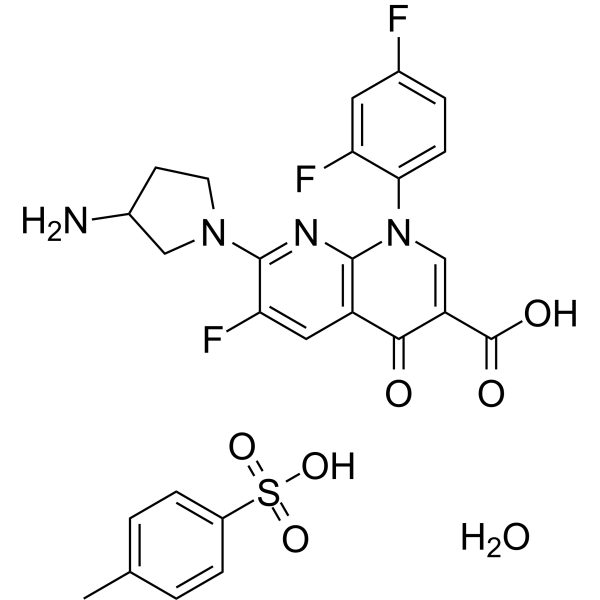
Tosufloxacin tosylate hydrate
 0 ImagesSynonyms: A-61827 tosylate hydrate; T-3262
Tosufloxacin tosylate hydrate (A-61827) is an orally active fluoroquinolone antibiotic. Tosufloxacin shows a broad spectrum of antibacterial activity against gram-positive and gram-negative bacteria.
-
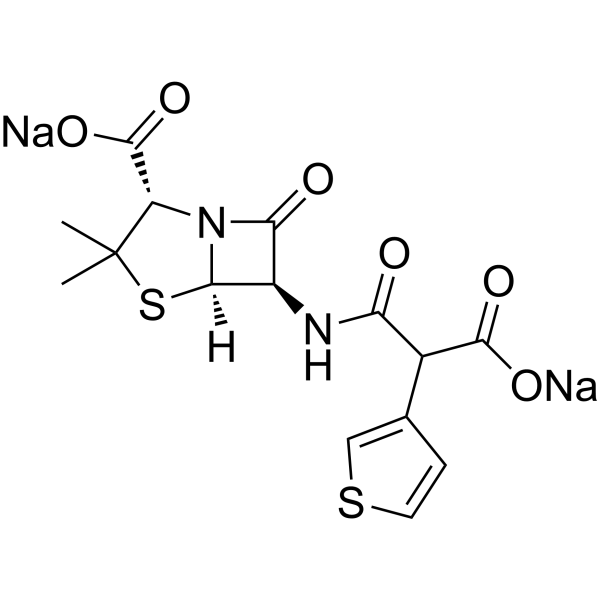
(2S,5R,6R)-Ticarcillin disodium
 0 Images
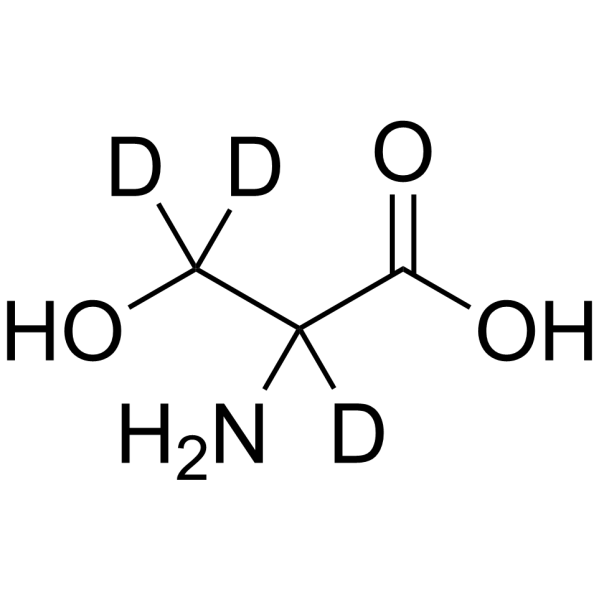
(2S,5R,6R)-Ticarcillin disodium is a semisynthetic antibiotic with bactericidal activities. (2S,5R,6R)-Ticarcillin disodium is the (2S,5R,6R)-enantiomer of Ticarcillin (HY-139805).
-
Harpagide
 0 Images
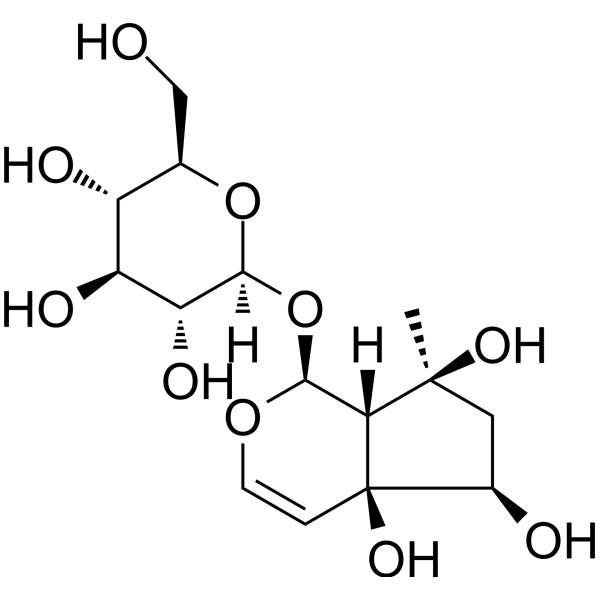
Harpagide is a class of iridoid glycoside isolated from Scrophularia ningpoensis and has antiparasitic activity, which exhibits good in vitro trypanocidal activities against African trypanosomes (T.b. rhodesiense) with an IC50 of 21 μg/mL. Harpagide exerts significant antileishmanial activity against L. donovani with an IC50 value of 2.0 μg/mL. Harpagide also possess significant anti-inflammatory activities.
-
Sulfamethoxazole-13C6
 0 ImagesSynonyms: Ro 4-2130-13C6
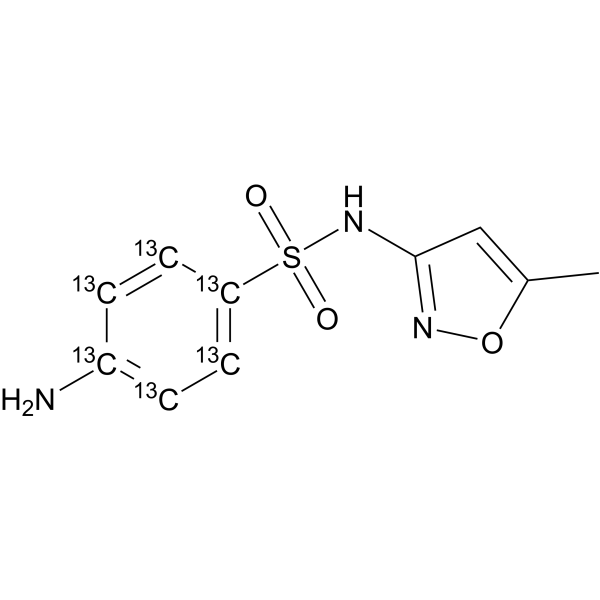
Sulfamethoxazole-13C6 (Ro 4-2130-13C6) is a 13C labeled Sulfamethoxazole (HY-B0322). Sulfamethoxazole (Ro 4-2130) is a sulfonamide antibiotic with a widespread antibacterial activity. Sulfamethoxazole inhibits bacterial folate metabolism by competing with 4-Aminobenzoic acid (HY-B1008) (PABA) to act on dihydropteroate synthetase and dihydropteroate reductase. Sulfamethoxazole can be used for the study of urinary tract infections (UTIs), prostatitis, and bronchitis.
-
Picaridin
 0 ImagesSynonyms: Lcaridin
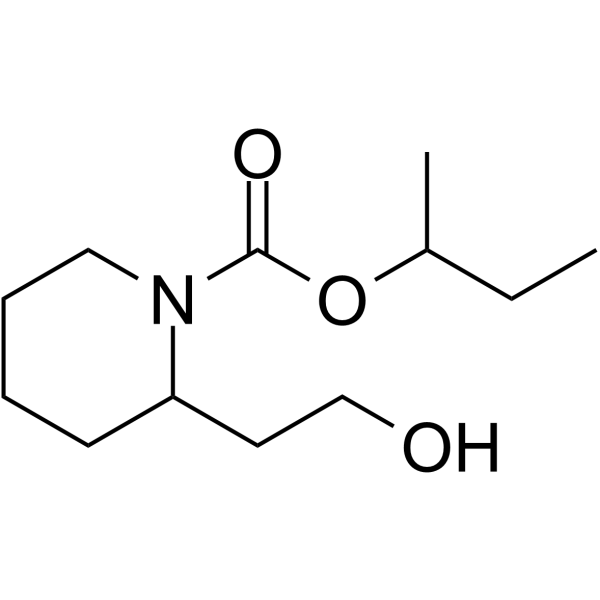
Picaridin (Lcaridin) is a broad spectrum arthropod repellent. Picaridin interacts with mosquito and tick olfactory receptor proteins. Picaridin repels Aedes aegypti. Picaridin exhibits considerable antibacterial, anticandidal and antifungal properties.