Infection
-
Infection Verwandte Produkte (18534)
Verwandte Produkte (18534)

-
Antibodies (22)

-
Protein serine/threonine kinase
 0 Images
Protein serine/threonine kinase (Ser/Thr protein kinase) is a signal transduction molecule. Protein serine/threonine kinase phosphorylates specific residues on target substrates, regulates phosphorylation-dependent signal cascades, modulates cellular processes of mycobacteria, blocks phagosome-lysosome fusion, promotes meiotic maturation of Xenopus laevis (African clawed frog) oocytes, rescues the phenotype of Saccharomyces cerevisiae (budding yeast) CDC5 mutants, and exhibits cell cycle phase-specific kinase activity. Protein serine/threonine kinase maintains a tightly regulated cell cycle expression pattern, and sustains the growth and survival of mycobacteria. Protein serine/threonine kinase can be used in studies related to tuberculosis.
-
Deacylketoconazole
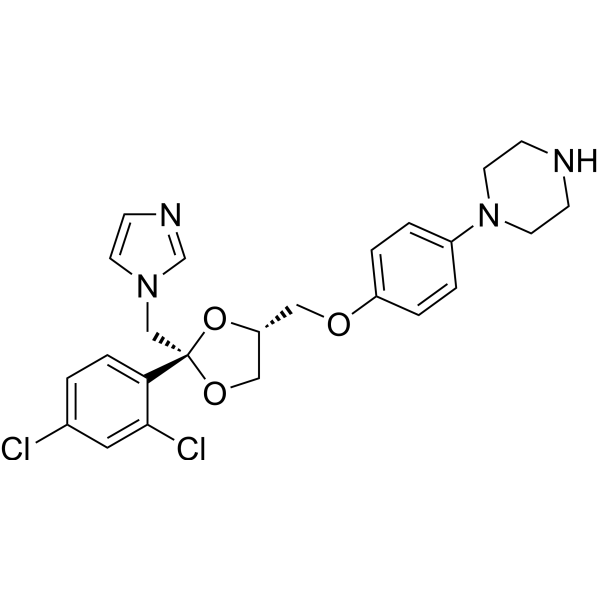 0 ImagesSynonyms: N-Deacetylketoconazole; R-39519
Deacylketoconazole (N-Deacetylketoconazole; R-39519) is an orally active metabolite of Ketoconazole (HY-B0105). Deacylketoconazole exhibits antifungal and antibacterial activity. Deacylketoconazole is cytotoxic in rats hepatocyte.
-
AH-D peptide
 0 ImagesArt. -Nr.: HY-P10862Reinheit: 99.32%
AH-D peptide is a brain-penetrant antiviral agent disrupting highly curved lipid membranes. AH-D peptide exhibits broad-spectrum antiviral activity against ZIKV, Dengue virus, Chikungunya virus, yellow fever virus and Japanese encephalitis virus, with
IC50 values of 11.9, 12.5, 35.7, 206 and 136 nM, respectively. AH-D peptide reduces the viral load in the brain, suppresses inflammation, protects neurons, and does not damage the blood brain barrier. AH-D peptide restores antitumor immunity by decreasing circulating PD-L1+ exosomes, reducing intratumoral immunosuppressive cells (regulatory T cells, myeloid-derived suppressor cells), and enhancing T cell function. AH-D peptide inhibits membrane-enveloped viruses and cancer cell metastasis in vivo. AH-D peptide exhibits no immunogenicity and has negligible effects on normal tissues. AH-D peptide can be used for research in Zika virus and other mosquito-borne viruses, cancer immunotherapy and metastasis.
-
Kendomycin
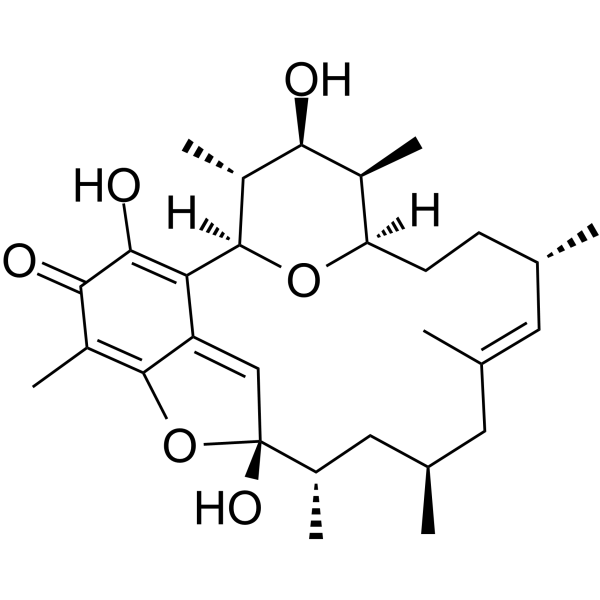 0 ImagesArt. -Nr.: HY-121300CAS. Nr.: 183202-73-5Synonyms: (-)-TAN2162
Kendomycin ((−)-TAN 2162) is a polyketide antibiotic with remarkable antibacterial and cancer cells cytotoxic activities. Kendomycin tends to be bacteriostatic rather than bactericidal and inhibits the growth of the methicillin-resistant Staphylococcus aureus (MRSA) strain COL at a low concentration (MIC of 5 μg/mL). Kendomycin is a potent antagonist of the endothelin receptor and a calcitonin receptor agonist which plays its role as an anti-osteoporotic agent.
-
Calcium disodium edetate hydrate
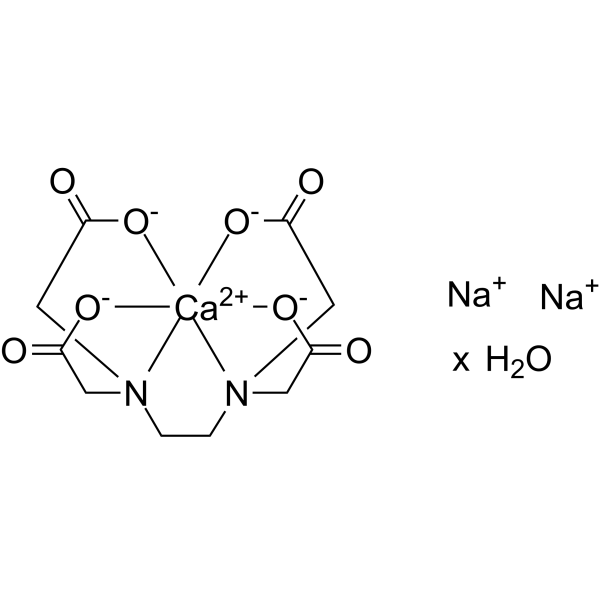 0 ImagesSynonyms: EDTA disodium calcium salt hydrate; Ethylenediaminetetraacetic acid disodium calcium salt hydrate
Calcium disodium edetate hydrate (EDTA disodium calcium salt hydrate) is a metal chelator and antifungal agent. Calcium disodium edetate hydrate chelates Mn2+, damages mitochondria, and interferes with carbohydrate metabolic pathways, particularly the synthesis of pyruvate in glycolysis. Calcium disodium edetate hydrate inhibits Penicillium digitatum and delays conidial germination. Calcium disodium edetate (hydrate) enhances the host defense system of citrus fruits. Calcium disodium edetate hydrate is applicable to research related to citrus green mold.
-
Eleutherol
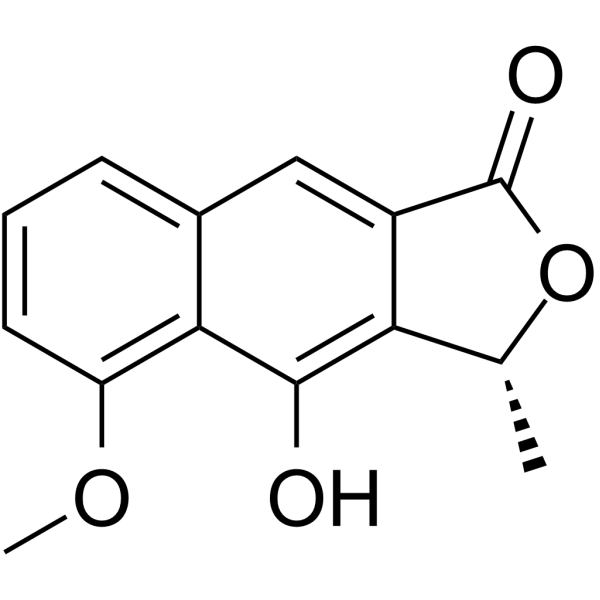 0 Images
Eleutherol is a naphthalene isolated from E. americana with antifungal activities. Eleutherol is against yeasts Candida albicans, C. tropicalis, Saccharomyces cerevisiae and Cryptococcus neoformans with MIC values between 7.8 µg/mL and 250 µg/mL. Eleutherol inhibits α-glucosidase function with an IC50>1.00 mM.
-
Gomisin M2
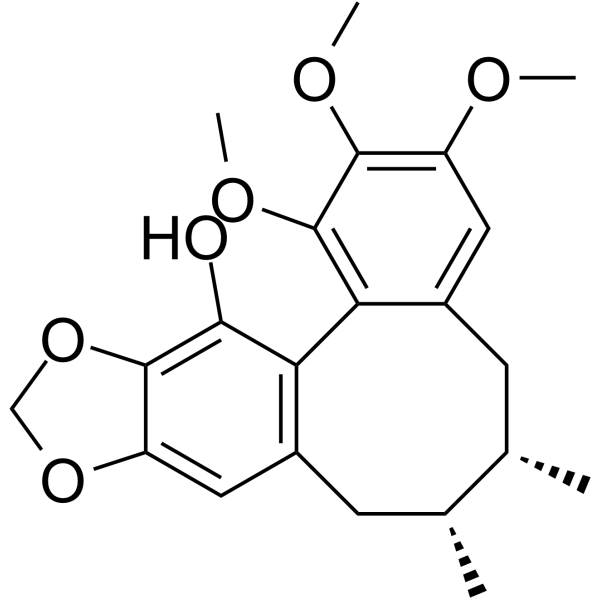 0 ImagesSynonyms: (+)-Gomisin M2
Gomisin M2 ((+)-Gomisin M2) is a lignan isolated from the fruits of Schisandra rubriflora with anti-HIV activity (EC50 of 2.4 μM). Gomisin M2 exhibits anti-cancer and anti-allergic activities and has the potential for Alzheimer’s disease research.
-
Methdilazine hydrochloride
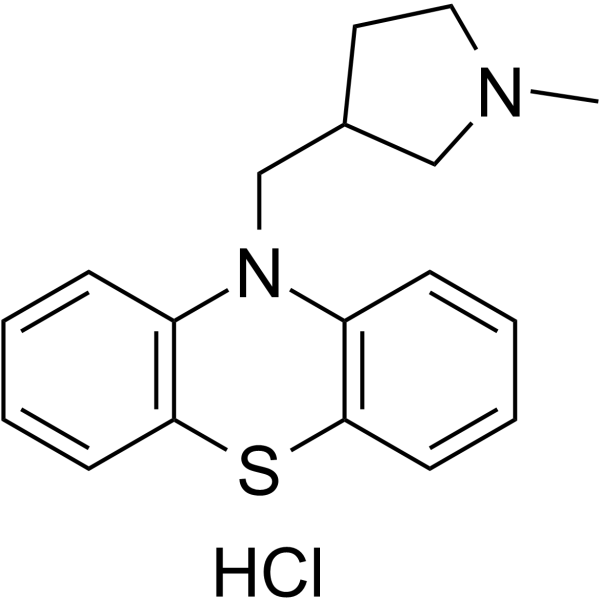 0 Images
Methdilazine hydrochloride is an orally active antibiotic (histamine antagonist). Methdilazine hydrochloride can inhibit various mycobacterium with MIC values at 5-15 μg/mL in vitro and in vivo, which can be used for the research of infectious diseases.
-
Grepafloxacin hydrochloride
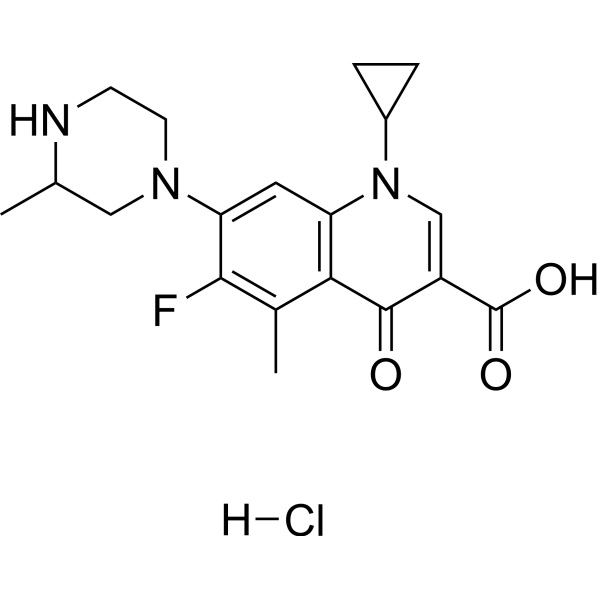 0 ImagesSynonyms: OPC-17116 hydrochloride; dl-Grepafloxacin hydrochloride
Grepafloxacin (OPC-17116) hydrochloride is an oral actively fluoroquinolone antibiotic with potent activity against community-acquired respiratory pathogens including Streptococcus pneumonia. Grepafloxacin hydrochloride has high tissue penetration and a promising pharmacodynamic profile.
-
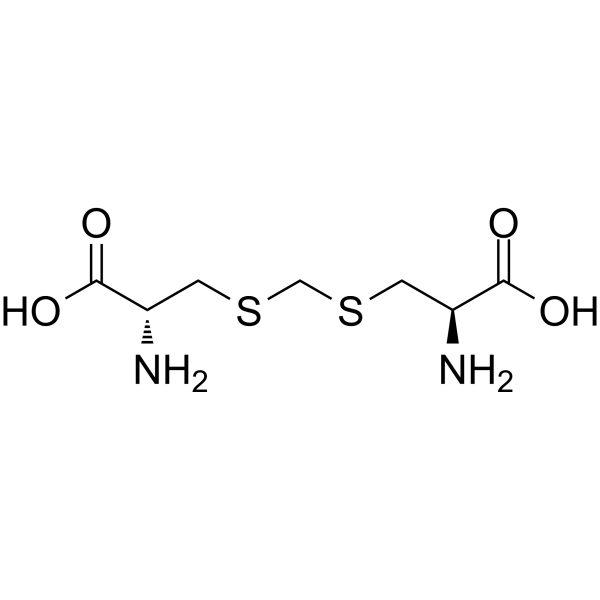
Djenkolic acid
 0 Images
Djenkolic acid is a sulfur-containing amino acid. Djenkolic acid can be isolated from the djenkol beans of the Southeast Asian plant Archidendron jiringa. Djenkolic acid de-inhibits the SO42- uptake system in Pseudomonas fluorescens. Djenkolic acid causes supersaturation of the urinary system with djenkolic acid crystals, leading to urinary tract obstruction and acute kidney injury.
-
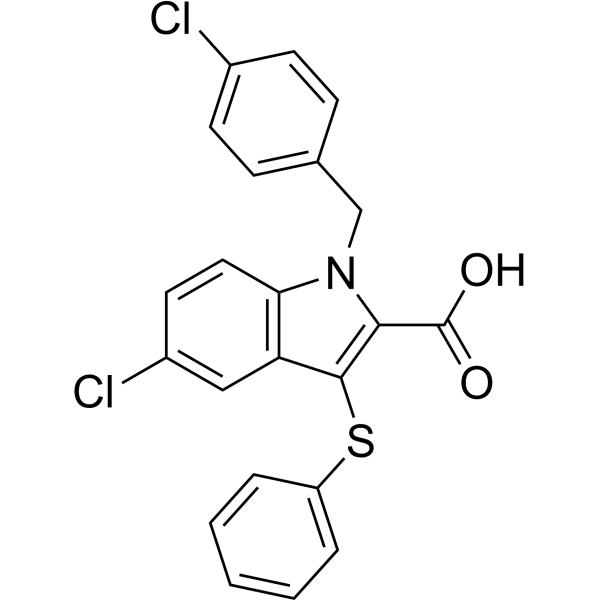
nTZDpa
 0 Images
nTZDpa is an antibiotic. nTZDpa is a PPARG partial agonist. nTZDpa has antibacterial activity. nTZDpa is effective against growing and persistent Staphylococcus aureus by lipid bilayer disruption.
-
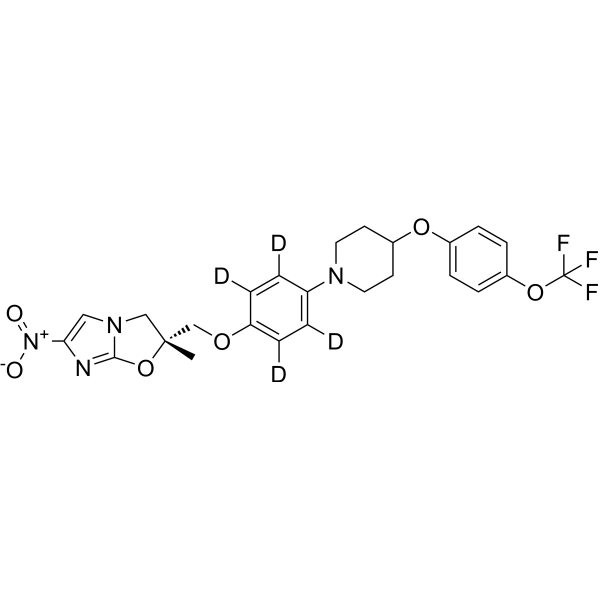
Delamanid-d4
 0 ImagesSynonyms: OPC-67683-d4
Delamanid-d4 is the deuterium labeled Delamanid. Delamanid, a newer?mycobacterial cell wall synthesis ?inhibitor, inhibits the synthesisi of mucolic acids.
-
Alkaline phosphatase, microorganism
 0 Images
Alkaline Phosphatase (Apase), microorganism is an alkaline phosphatase from microorganism, and is one of the most active alkaline phosphatases. Alkaline phosphatase, microorganism is an orally active membrane-bound glycoprotein that catalyzes the hydrolysis of phosphate monoesters at alkaline pH. Alkaline phosphatase, microorganism reduces myeloperoxidase activity and bacterial translocation. Alkaline phosphatase, microorganism improves survival rate of mice infected with E. coli. Alkaline phosphatase, microorganism improves TNBS-induced colon inflammation.
-
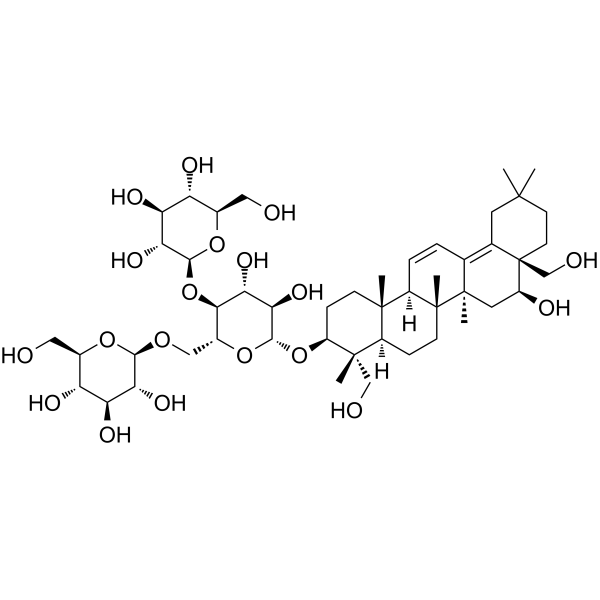
Clinodiside A
 0 Images
Clinodiside A is isolated from the Chinese medicinal herb Clinopodium chinensis.
-
N-Butanoyl-DL-homoserine lactone
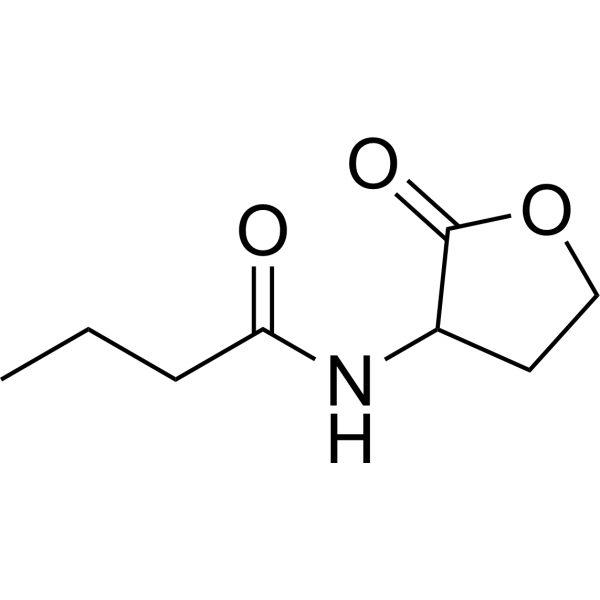 0 ImagesSynonyms: (Rac)-C4-HSL
N-Butanoyl-DL-homoserine lactone ((Rac)-C4-HSL) is a racemic mixture of N-Butanoyl-D-homoserine lactone and N-Butanoyl-L-homoserine lactone. N-Butanoyl-L-homoserine lactone is a cleavable ADC linker used in the synthesis of antibody-drug conjugates (ADCs). N-Butanoyl-L-homoserine lactone has antibacterial activity and is used in antibacterial biofilm. N-Butanoyl-L-homoserine lactone aptamers blocks qurom sensing and inhibits biofilm formation in Pseudomonas aeruginosa.
-
Pam2Cys
 0 ImagesSynonyms: Dipalmitoyl-S-glyceryl-cysteine; S-[2,3-Bis(palmitoyloxy)propyl]cysteine
Pam2Cys (Dipalmitoyl-S-glyceryl-cysteine; S-[2,3-Bis(palmitoyloxy)propyl]cysteine) is a TLR2 agonist and immunostimulant. Pam2Cys binds to TLR2 to activate dendritic cells and trigger the TLR2-dependent NF-κB signaling pathway. Pam2Cys also induces dendritic cell maturation by upregulating the expression of cell surface MHC II molecules. Pam2Cys activates innate immune signaling pathways, drives pro-inflammatory and antimicrobial responses, enhances the expression of macrophage activation markers, increases phagocytic activity, induces the release of IL-12 and pro-inflammatory cytokines, and polarizes macrophages into a pro-inflammatory, antimicrobial phenotype without interfering with IL-10-induced macrophage polarization. Pam2Cys also serves as the lipid moiety in synthetic lipopeptide vaccines and possesses self-adjuvant properties. Pam2Cys enhances the immunogenicity of conjugated peptide segments and induces cellular and humoral immune responses. However, it does not activate CD4 T cells in mouse splenocyte cultures when used alone. Pam2Cys activates pulmonary TLR2 signaling pathways, triggers innate immune responses, recruits neutrophils and macrophages, induces the secretion of various cytokines, alleviates symptoms and damages associated with influenza A virus infection in mice without impairing adaptive immunity. Pam2Cys can be used in studies related to tuberculosis and influenza A virus infection.
-
N4-Acetylsulfamethoxazole
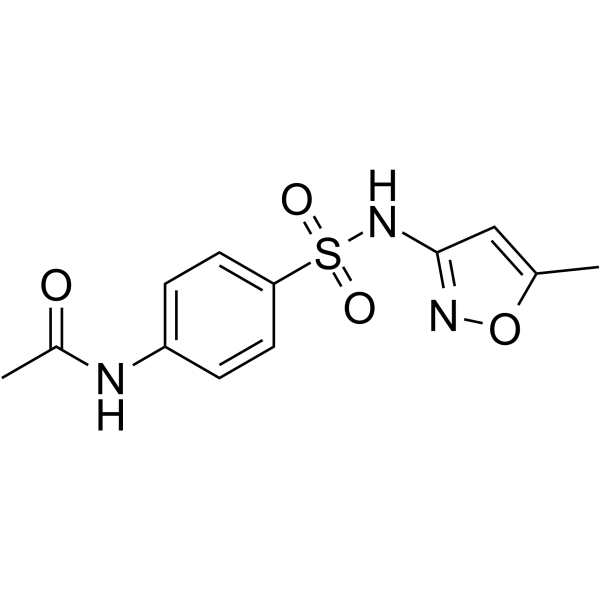 0 ImagesSynonyms: Acetylsulfamethoxazole
N4-Acetylsulfamethoxazole (Acetylsulfamethoxazole) is the N4-acetylated metabolite of Sulfamethoxazole (HY-B0322).
-
Fudapirine
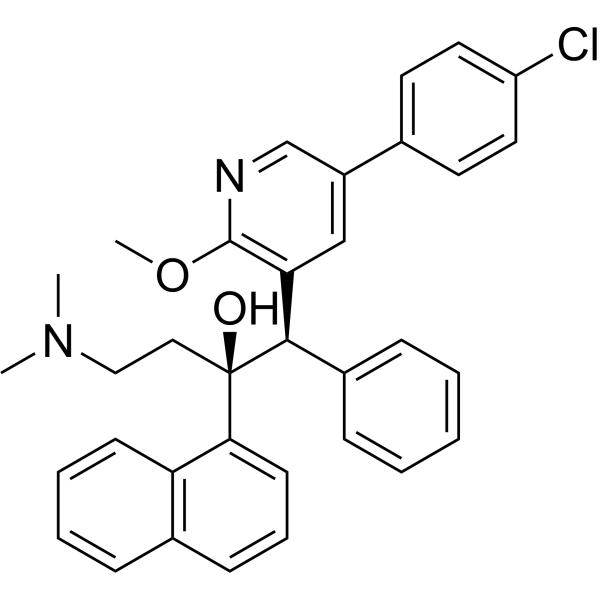 0 ImagesArt. -Nr.: HY-146158CAS. Nr.: 1859978-72-5Synonyms: WX-081; Sudapyridine
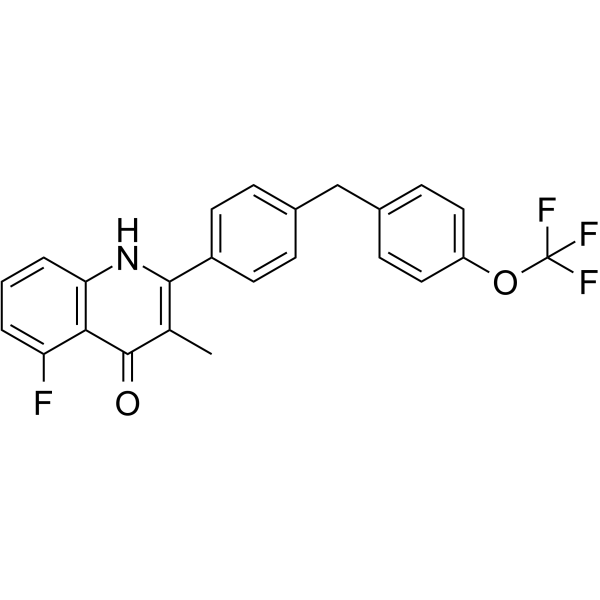
Fudapirine, an anti-tuberculosis agent, displays excellent anti-mycobacterial activity against M. tuberculosis H37Rv and low cytotoxicity. Fudapirine exhibits potent activity with MIC50s of 0.083 and 0.11 μg/mL for agent susceptible tuberculosis (DS-TB) and multidrug resistant tuberculosis (MDR-TB) strains. Fudapirine also inhibits hERG channel with the IC50 of 1.89 μM.
-
Brazilein
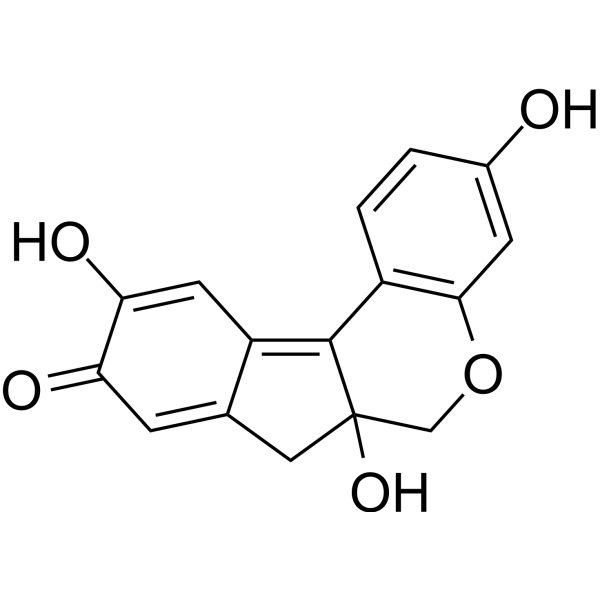 0 Images
Brazilein is a compound with anti-inflammatory and neuroprotective activities, with an IC50 of 500 μM against guinea pig Na+,K+-ATPase. Brazilein reduces iNOS mRNA expression, thereby inhibiting nitric oxide production in immune cells. Brazilein suppresses inflammatory responses by reducing the mRNA expression of TNF-α and IL-6, but has no effect on IL-1β expression. Brazilein reduces the cerebral infarction volume and improves the neurological function scores of rats with cerebral ischemia-reperfusion injury. Brazilein induces apoptosis of splenic lymphocytes in mice. Brazilein inhibits humoral immune responses in mice, and causes thymus and spleen atrophy as well as body weight loss in mice. Brazilein also possesses antimalarial and antibacterial activities. Brazilein is also a red dye. Brazilein can be used in studies related to the infection, nervous system, cardiovascular system and inflammatory diseases.