Apoptosis
Apoptosis
Apoptosis is a distinctive form of cell death exhibiting specific morphological and biochemical characteristics, including cell membrane blebbing, chromatin condensation, genomic DNA fragmentation, and exposure of specific phagocytosis signaling molecules on the cell surface. Cells undergoing apoptosis differ from those dying through necrosis. Necrotic cells are usually recognized by the immune system as a danger signal and, thus, resulting in inflammation; in contrast, apoptotic death is quiet and orderly.
There are two major pathways of apoptotic cell death induction: The intrinsic pathway, also called the Bcl-2-regulated or mitochondrial pathway, is activated by various developmental cues or cytotoxic insults, such as viral infection, DNA damage and growth-factor deprivation, and is strictly controlled by the BCL-2 family of proteins. The extrinsic or death-receptor pathway is triggered by ligation of death receptors (members of the tumor necrosis factor (TNF) receptor family, such as Fas or TNF receptor-1 (TNFR1)) that contain an intracellular death domain, which can recruit and activate caspase-8 through the adaptor protein Fas-associated death domain (FADD; also known as MORT1) at the cell surface. This recruitment causes subsequent activation of downstream (effector) caspases, such as caspase-3, -6 or -7, without any involvement of the BCL-2 family.
Studies suggest that alterations in cell survival contribute to the pathogenesis of a number of human diseases, including cancer, viral infections, autoimmune diseases, neurodegenerative disorders, and AIDS (acquired immunodeficiency syndrome). Treatments designed to specifically alter the apoptotic threshold may have the potential to change the natural progression of some of these diseases.
All Product Categories
-
Apoptosis Inhibitors
(878)
View all products
-
Apoptosis Agonists
(7)
View all products
-
Apoptosis Antagonists
(9)
View all products
-
Apoptosis Activators
(362)
View all products
-
Apoptosis Modulators
(57)
View all products
-
Apoptosis Inducers
(7685)
View all products
-
Apoptosis Degrader
(1)
View all products
-
Apoptosis Controls
(33)
View all products
-
Apoptosis Related Products (9577)
Related Products (9577)

-
Antibodies (120)
-
SIAIS164018 hydrochloride
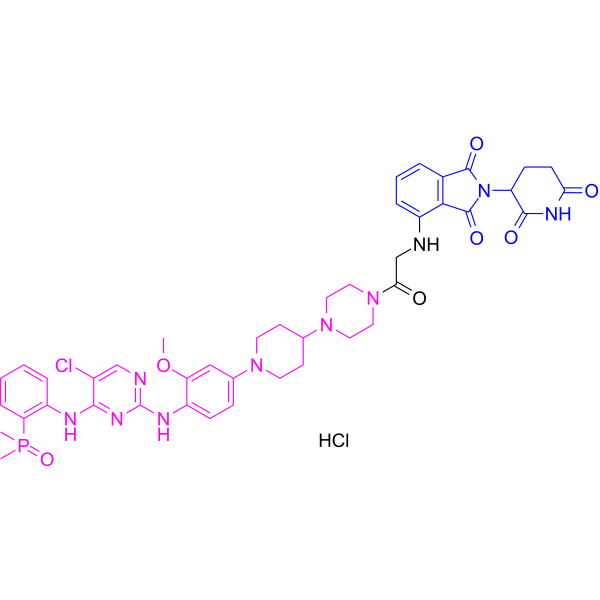 0 ImagesCat. No.: HY-147219APurity: 98.06%SIAIS164018 hydrochloride is a multi-kinase (ALK, EGFR, FAK, PYK2, PTK6) PROTAC degrader, with IC50 values of 2.5 nM and 6.6 nM against ALK and ALK (G1202R), respectively. SIAIS164018 hydrochloride promotes the ubiquitination and degradation of ALK, EGFR, FAK, PYK2 and PTK6. SIAIS164018 hydrochloride induces cell cycle arrest at the G1 phase and triggers cell Apoptosis. SIAIS164018 hydrochloride exhibits preferential inhibitory activity against FER kinase. SIAIS164018 hydrochloride can be used in research related to non-small cell lung cancer, ovarian cancer and triple-negative breast cancer.
-
Ivaltinostat formic
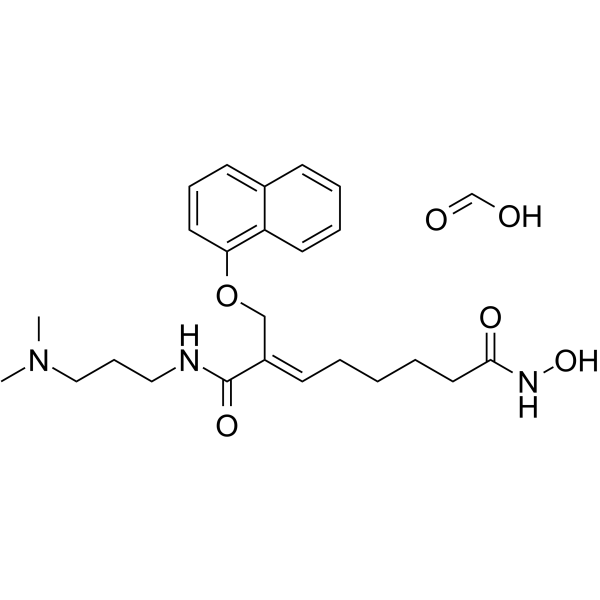 0 ImagesSynonyms: CG-200745 formicIvaltinostat (CG-200745) formic is an orally active, potent pan-HDAC inhibitor which has the hydroxamic acid moiety to bind zinc at the bottom of catalytic pocket. Ivaltinostat formic inhibits deacetylation of histone H3 and tubulin. Ivaltinostat formic induces the accumulation of p53, promotes p53-dependent transactivation, and enhances the expression of MDM2 and p21 (Waf1/Cip1) proteins. Ivaltinostat formic enhances the sensitivity of Gemcitabine-resistant cells to Gemcitabine (HY-16138) and 5-Fluorouracil (5-FU; HY-90006). Ivaltinostat formic induces apoptosis and has anti-tumour effects.
-
Chlorhexidine diacetate
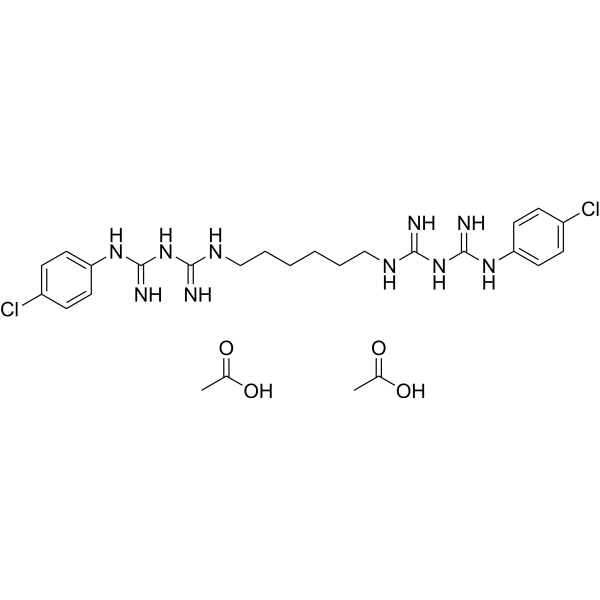 0 ImagesChlorhexidine diacetate is a orally active cationic antimicrobial agent that targets microbial cell membranes. Chlorhexidine diacetate binds to cell membrane phospholipids non-specifically, destroys membrane structure and induces leakage of cell contents. Chlorhexidine diacetate has broad-spectrum bactericidal activity against both Gram-positive and Gram-negative bacteria. Chlorhexidine diacetate can interfere with membrane permeability, cause protein precipitation and energy metabolism disorders, such as rapid inhibition of microbial growth and induction of cell death (necrosis or apoptosis).

-
Rubiadin
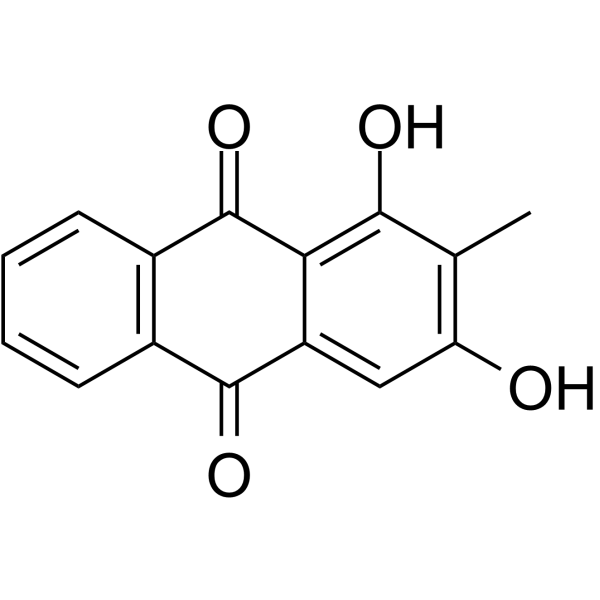 0 ImagesRubiadin is an orally active free radical scavenger that inhibits the activation of the NF-κB pathway. Rubiadin inhibits osteoclast formation, bone resorption, lipid peroxidation, HBV DNA replication and cancer cell proliferation; reduces pro-inflammatory cytokine levels; induces cancer cell apoptosis; and possesses antifungal, antimalarial, antibacterial and anticonvulsant activities. Rubiadin can be used in the research of osteoporosis, acute inflammation, chronic inflammation, carbon tetrachloride-induced liver injury, Alzheimer's disease, breast cancer, iron overload disorders, hepatitis B virus infection, colon cancer, liver cancer, T-lymphocytic leukemia, cervical cancer, diabetic nephropathy, epileptic seizures, fungal infections, malaria and bacterial infections.
-
Etidronic acid disodium
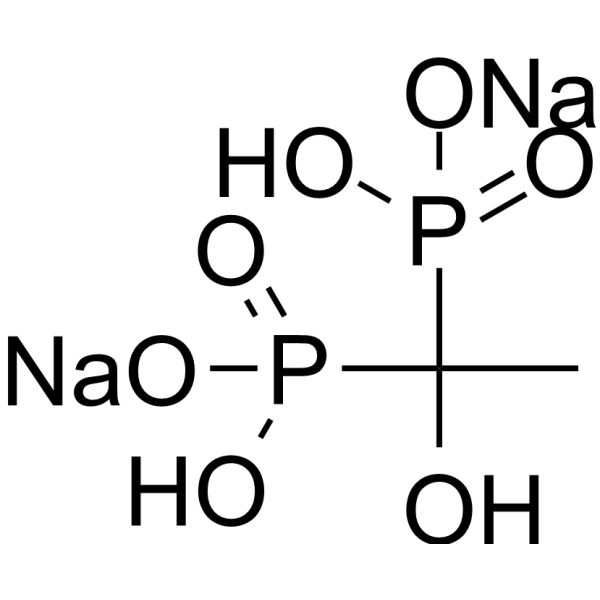 0 ImagesSynonyms: Etidronate disodium; HEDPA disodium; HEDP disodiumEtidronic acid (Etidronate) disodium is an orally and intravenously active bisphosphonate. Etidronic acid disodium inhibits resorption of bone, reduces arterial calcification and can be used for osteoporosis research. Etidronic acid disodium has anticancer activity. Etidronic acid disodium is a chelating agent and can be used to remove heavy metal in water.
-
C8-Ceramide
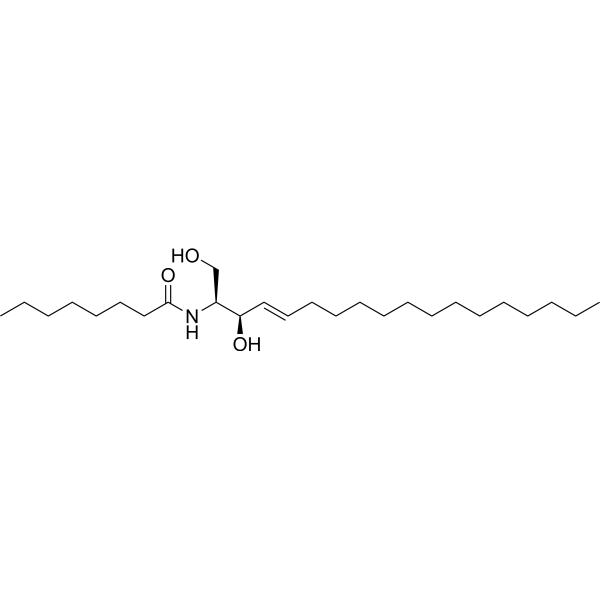 0 ImagesSynonyms: N-Octanoyl-D-erythro-sphingosineC8-Ceramide (N-Octanoyl-D-erythro-sphingosine) is a cell-permeable analog of naturally occurring ceramides. C8-Ceramide has anti-proliferation properties and acts as a potent chemotherapeutic agent. C8-Ceramide stimulates dendritic cells to promote T cell responses upon virus infections. C8-Ceramide induces slight activation of protein kinase (PKC) in vitro.
-
Euscaphic acid
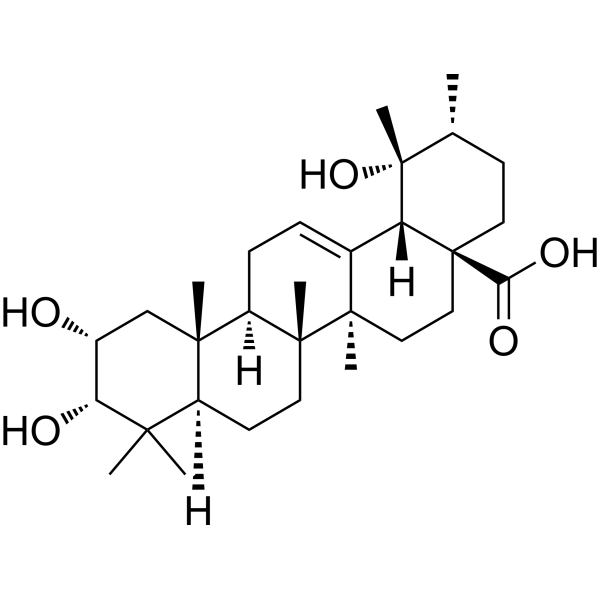 0 ImagesEuscaphic acid, a DNA polymerase inhibitor, is a triterpene from the root of the R. alceaefolius Poir. Euscaphic inhibits calf DNA polymerase α (pol α) and rat DNA polymerase β (pol β) with IC50 values of 61 and 108 μM. Euscaphic acid induces apoptosis.
-
3-Deoxysappanchalcone
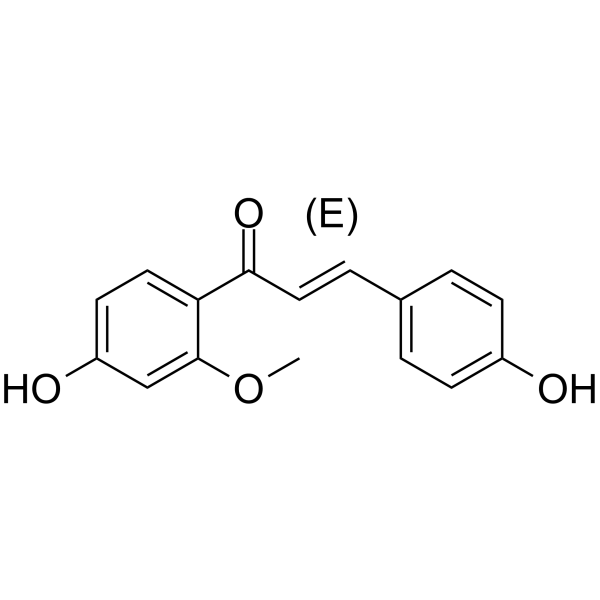 0 Images3-Deoxysappanchalcone is a natural chalcone compound isolated from the heartwood of Caesalpinia sappan L. 3-Deoxysappanchalcone induces cell cycle arrest, ROS production, and apoptosis. 3-Deoxysappanchalcone exhibits anti-inflammatory, anti-allergic, anticoagulant, and antithrombotic activities. 3-Deoxysappanchalcone is applicable to research related to lung cancer, esophageal squamous cell carcinoma, thrombosis, and influenza virus infection.
-
L-Asparagine-13C4,15N2 monohydrate
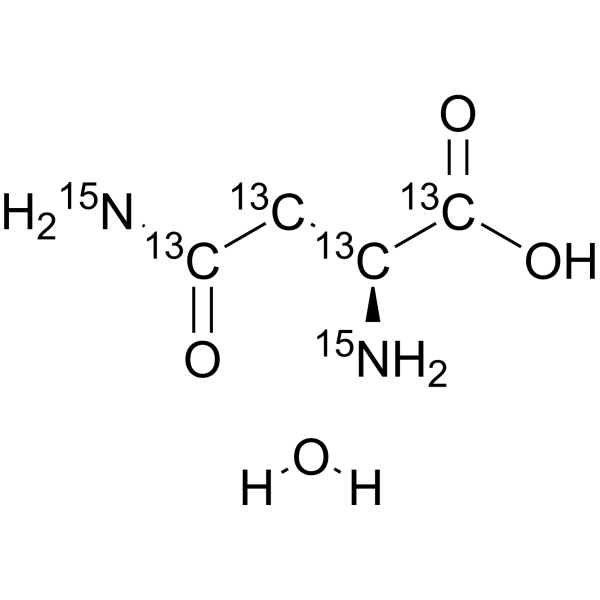 0 ImagesL-Asparagine-13C4,15N2 monohydrateis the 13C-labeled and 15N-labeled L-Asparagine monohydrate (HY-W017443). L-Asparagine monohydrate is an essential amino acid for leukemic cells and a substrate for L-Asparaginase. L-Asparaginase is a potent anti-leukemic enzyme that promotes asparagine (Asn) and glutamine (Gln) depletion and inhibits protein biosynthesis in lymphoblasts. Removal of L-asparagine from plasma by L-Asparaginase results in inhibition of RNA and DNA synthesis and subsequent apoptosis. L-Asparaginase has cell-killing ability in vitro and in vivo, and selectively inhibits the growth of cancer cells with low asparagine synthetase (AASNS) expression. L-Asparagine monohydrate can be used as a biomarker and sensor for the study of childhood acute lymphoblastic leukemia.
-
σ1 Receptor antagonist-1
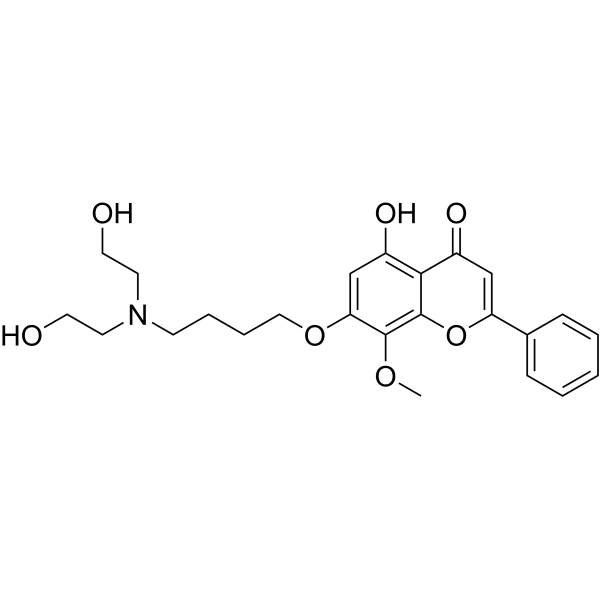
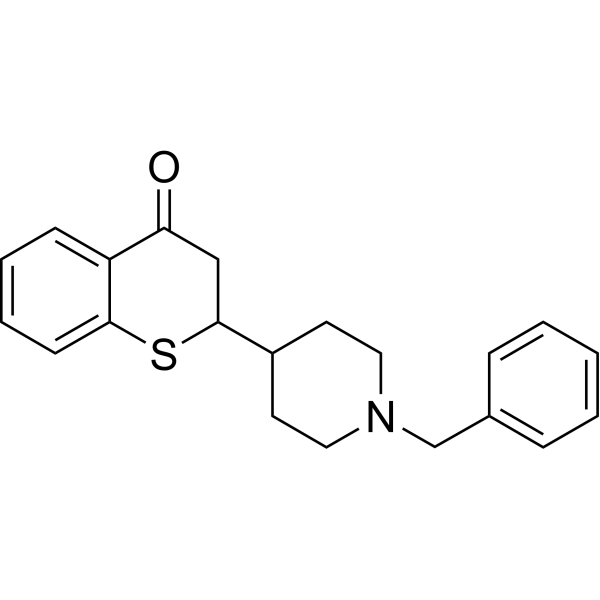 0 Imagesσ1 Receptor antagonist-1 is a highly potent and selective sigma 1 receptor antagonist (pKi=10.28). σ1 Receptor antagonist-1 inhibits cell growth, arrests cell cycle at G0/G1 phase and induces apoptosis of MCF-7/ADR cells.
-
Bullatine A
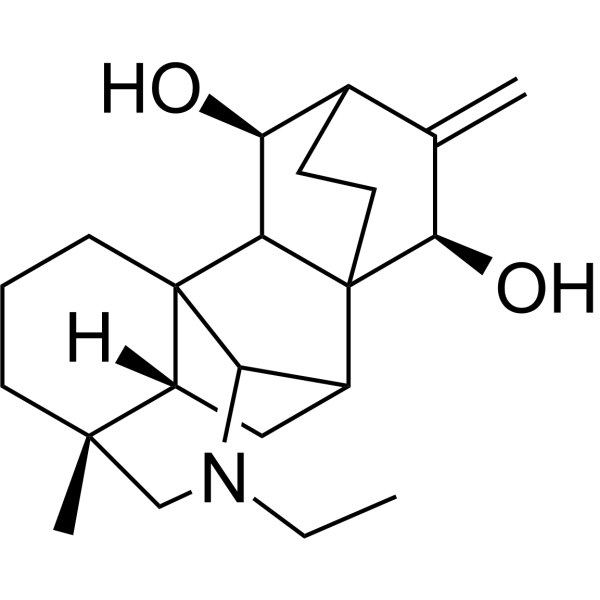 0 ImagesBullatine A, a diterpenoid alkaloid, is a potent P2X7 antagonist. Bullatine A possesses anti-rheumatic, anti-inflammatory and anti-nociceptive effects. Bullatine A inhibits ATP-induced BV-2 cell death/apoptosis and P2X receptor-mediated inflammatory responses. Bullatine A suppresses glioma cell growth by targeting SIRT6. Bullatine A specifically attenuates pain hypersensitivity in rats. Bullatine A attenuates LPS (HY-D1056)-induced systemic inflammatory response by inhibiting the ROS/JNK/NF-κB pathway in mice. Bullatine A improves despair behavior in Chronic chronic social defeat stress (CSDS) mice. Bullatine A can be used for the study of inflammation, glioblastoma (GBM) and depression.
-
Thalidomide-5-COOH
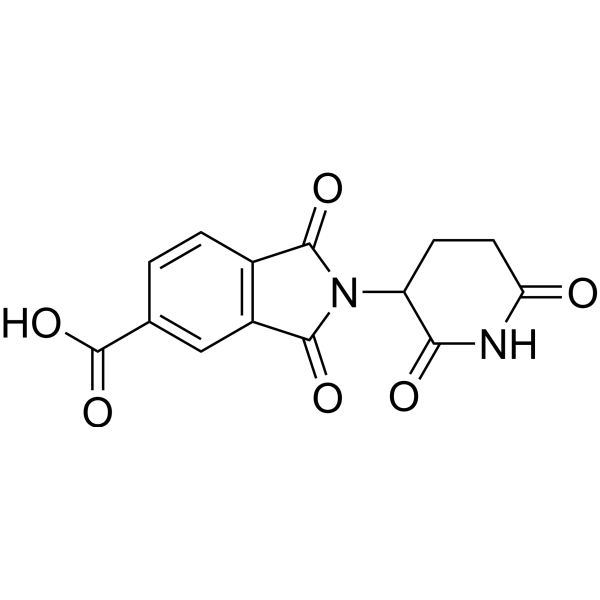 0 ImagesThalidomide-5-COOH is the Thalidomide-based cereblon ligand used in the recruitment of CRBN protein. Thalidomide-5-COOH can be connected to the ligand for protein by a linker to form PROTACs.
-
JP-163-16
 0 ImagesJP-163-16 is a RelA/p65 PROTAC degrader. JP-163-16 selectively reduces the expression of RelA/p65 in a proteasome-dependent manner in cells. JP-163-16 can induce cell apoptosis by inhibiting the NF-κB signaling pathway. JP-163-16 can be used for research on RelA/p65-dependent tumours, such as chronic lymphocytic leukaemia (CLL).
-
BRD-K56819078
 0 ImagesBRD-K56819078 is a Bcl-2 inhibitor that significantly reduces senescent cell load and senescence-related genes in the kidney mRNA expression. BRD-K56819078 exerts anti-aging effects by inhibiting apoptosis.
-
Thalidomide-propargyl
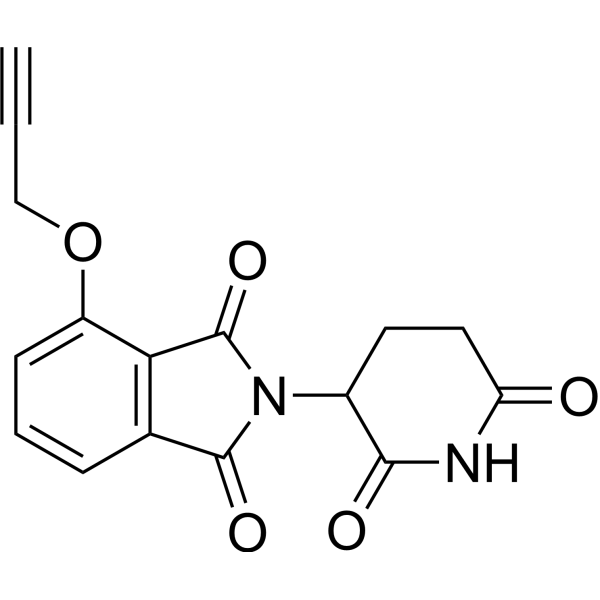 0 ImagesThalidomide-propargyl is the Thalidomide-based Cereblon ligand used in the recruitment of CRBN protein. Thalidomide-propargyl can be connected to the ligand for protein by a linker to form the IMiD containing PROTACs. Thalidomide-propargyl is a click chemistry reagent, it contains an Alkyne group and can undergo copper-catalyzed azide-alkyne cycloaddition (CuAAc) with molecules containing Azide groups.