



Apoptosis
Apoptosis
Apoptosis is a distinctive form of cell death exhibiting specific morphological and biochemical characteristics, including cell membrane blebbing, chromatin condensation, genomic DNA fragmentation, and exposure of specific phagocytosis signaling molecules on the cell surface. Cells undergoing apoptosis differ from those dying through necrosis. Necrotic cells are usually recognized by the immune system as a danger signal and, thus, resulting in inflammation; in contrast, apoptotic death is quiet and orderly.
There are two major pathways of apoptotic cell death induction: The intrinsic pathway, also called the Bcl-2-regulated or mitochondrial pathway, is activated by various developmental cues or cytotoxic insults, such as viral infection, DNA damage and growth-factor deprivation, and is strictly controlled by the BCL-2 family of proteins. The extrinsic or death-receptor pathway is triggered by ligation of death receptors (members of the tumor necrosis factor (TNF) receptor family, such as Fas or TNF receptor-1 (TNFR1)) that contain an intracellular death domain, which can recruit and activate caspase-8 through the adaptor protein Fas-associated death domain (FADD; also known as MORT1) at the cell surface. This recruitment causes subsequent activation of downstream (effector) caspases, such as caspase-3, -6 or -7, without any involvement of the BCL-2 family.
Studies suggest that alterations in cell survival contribute to the pathogenesis of a number of human diseases, including cancer, viral infections, autoimmune diseases, neurodegenerative disorders, and AIDS (acquired immunodeficiency syndrome). Treatments designed to specifically alter the apoptotic threshold may have the potential to change the natural progression of some of these diseases.
All Product Categories
-
Apoptosis Inhibitors
(905)
View all products
-
Apoptosis Agonists
(7)
View all products
-
Apoptosis Antagonists
(9)
View all products
-
Apoptosis Activators
(363)
View all products
-
Apoptosis Modulators
(60)
View all products
-
Apoptosis Inducers
(7928)
View all products
-
Apoptosis Degrader
(1)
View all products
-
Apoptosis Controls
(33)
View all products
-
Apoptosis Related Products (9874)
Related Products (9874)

-
Antibodies (120)
-
Neoeriocitrin
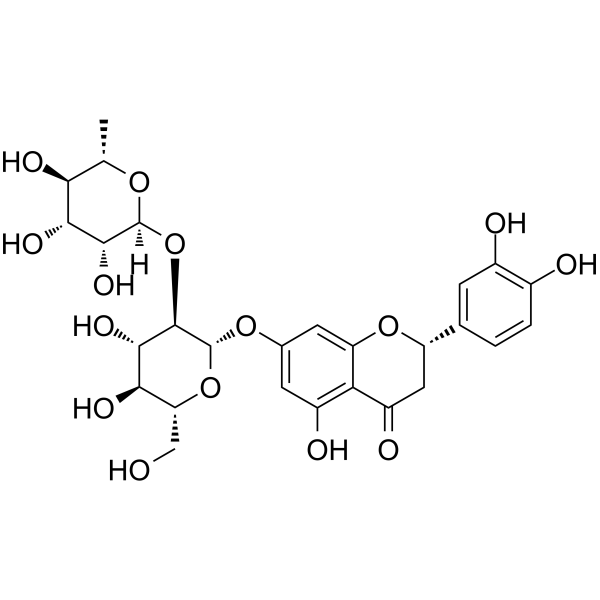 0 ImagesNeoeriocitrin is a Naringin (HY-N0153) analogue found in Drynaria Rhizome. Neoeriocitrin induces cells proliferation, differentiation, up-regulates type I collagen, osteocalcin, and key osteogenic markers, and increases ALP activity. Neoeriocitrin increases expression of Runx2, COL I, OCN and Beclin1. Neoeriocitrin inhibits phosphorylation of P38 mitogen-activated protein kinase, reduces acetylcholinesterase (AChE) activity, and increases choline acetyltransferase (ChAT) activity. Neoeriocitrin reduces apoptosis and induces autophagy. Neoeriocitrin can be used for the researches of osteoporosis and Alzheimer's disease.
-
DCH36_06
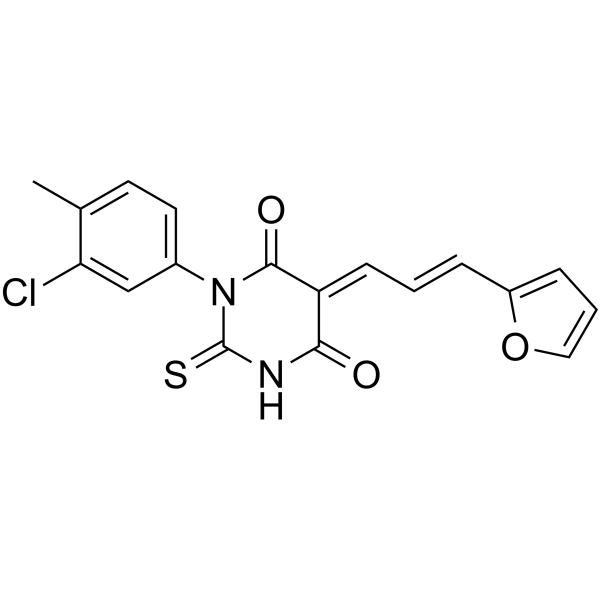 0 ImagesDCH36_06 is a potent and selective p300/CBP inhibitor with IC50s of 0.6 μM and 3.2 μM for p300 and CBP, respectively. DCH36_06 mediated p300/CBP inhibition leading to hypoacetylation on H3K18 in leukemic cells. Anti-tumor activity.
-
Rehmannioside A
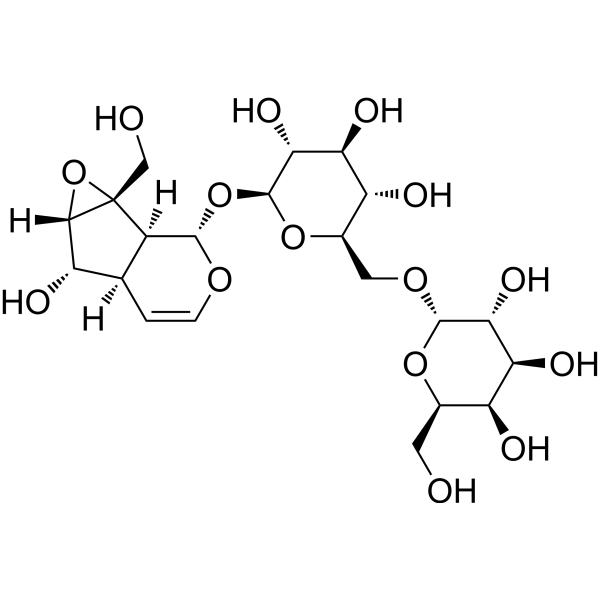 0 ImagesRehmannioside A is a compound that can be isolated from Rehmanniae radix. Rehmannioside A is an inhibitor of CYP3A4, 2C9 and 2D6, with IC50 values of 10.08, 12.62 and 16.43 μM, respectively. Rehmannioside A has anti-inflammatory, antioxidant, anti-apoptosis, anti-ferroptosis, cognitive improvement and neuroprotective activities. Rehmannioside A can be used for the research of nervous system and inflammation-related diseases.
-
4'-Bromo-resveratrol
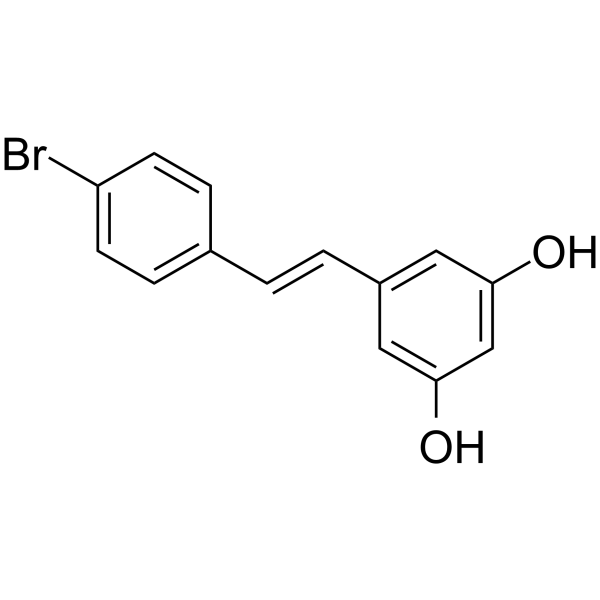 0 ImagesSynonyms: 4′‐BR4'-Bromo-resveratrol (4′‐BR) is a dual SIRT1/SIRT3 inhibitor with an IC50 of 0.2 mM for both targets. 4'-Bromo-resveratrol induces caspase-dependent apoptosis, induces G0/G1 cell cycle arrest, and inhiibits proliferation. 4'-Bromo-resveratrol reduces lactate production, glucose uptake, and NAD+/NADH ratio, and downregulates lactate dehydrogenase A and glucose transporter 1 (GLUT1). 4'-Bromo-resveratrol can be used for the research of melanoma.
-
PROTAC HIF-1α degrader-1
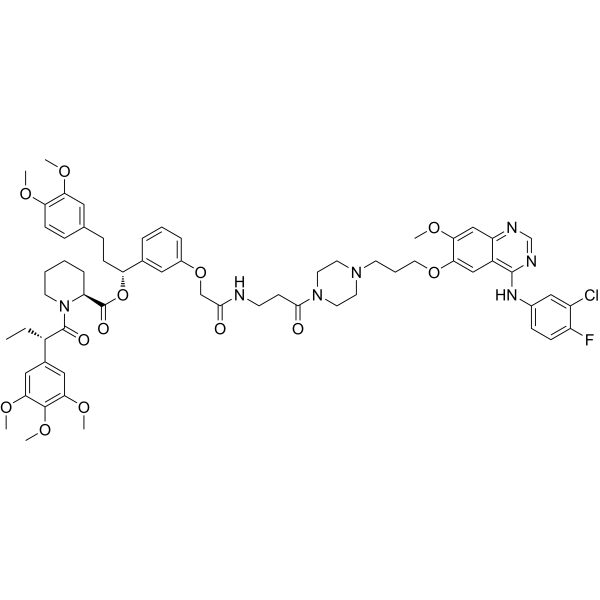
 0 ImagesCat. No.: HY-168641Purity: 98.02%PROTAC HIF-1α degrader-1 is a potent HIF-1α PROTAC degrader. PROTAC HIF-1α degrader-1 induces ubiquitination and degradation of HIF-1α protein under hypoxic conditions. PROTAC HIF-1α degrader-1 induces Apoptosis. PROTAC HIF-1α degrader-1 can be used for the research of breast cancer and hepatocellular carcinoma.
-
MY-673
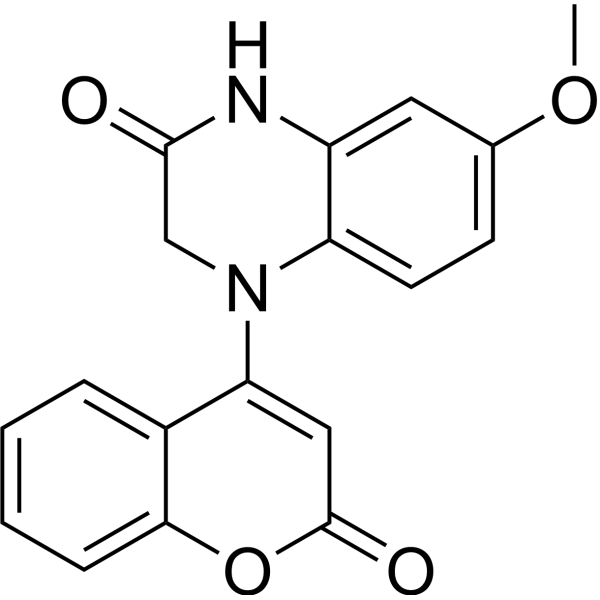 0 ImagesMY-673 is a colchicine binding site inhibitor (CBSI), that inhibits tubulin polymerization. MY-673 inhibits the ERK signaling pathway, which in turn affects SMAD4 protein expression levels in the TGF-β/SMAD pathway. MY-673 inhibited cell proliferation, migration and induced apoptosis in vivo and in vitro.
-
FB49
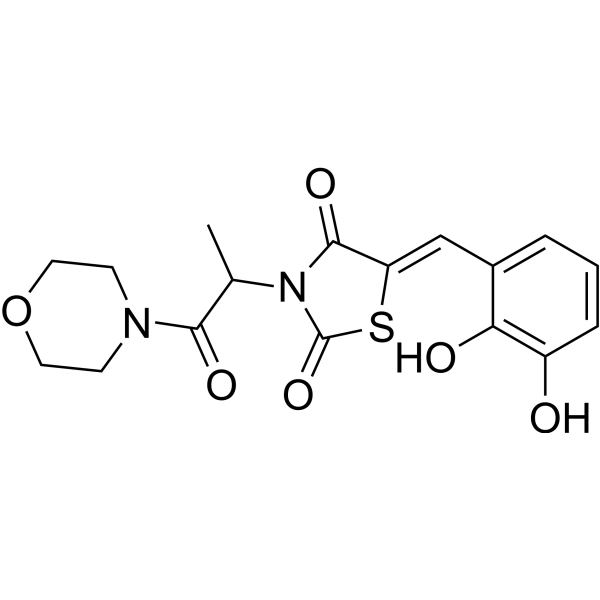 0 ImagesFB49 is a highly selective inhibitor of Bcl-2-associated athanogene 3 (BAG3), with the Ki of 45 μM. FB49 inhibits the cell growth in human tumoral cells, but has no toxicity in human peripheral mononuclear cells. FB49 block cell cycle in G1 phase and to induce apoptosis as well as autophagy in medulloblastoma HD-MB03 treated cells.
-
L-Glutamic acid-5-13C
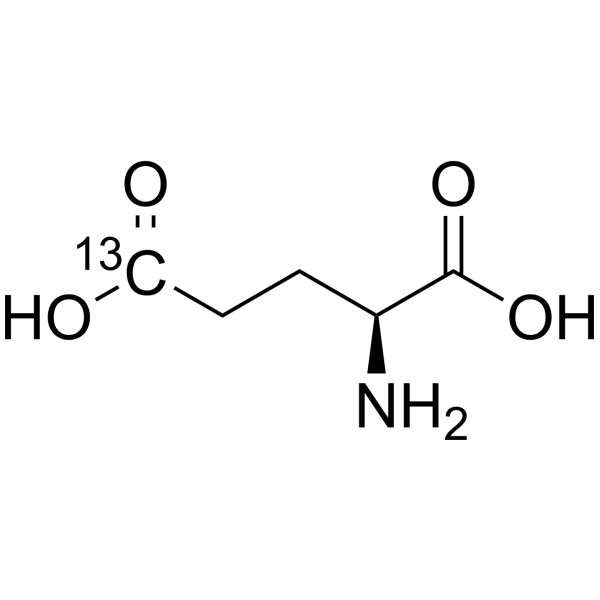 0 ImagesL-Glutamic acid-5-13C is the 13C-labeled L-Glutamic acid. L-Glutamic acid acts as an excitatory transmitter and an agonist at all subtypes of glutamate receptors (metabotropic, kainate, NMDA, and AMPA). L-Glutamic acid shows a direct activating effect on the release of DA from dopaminergic terminals.
-
MIR002
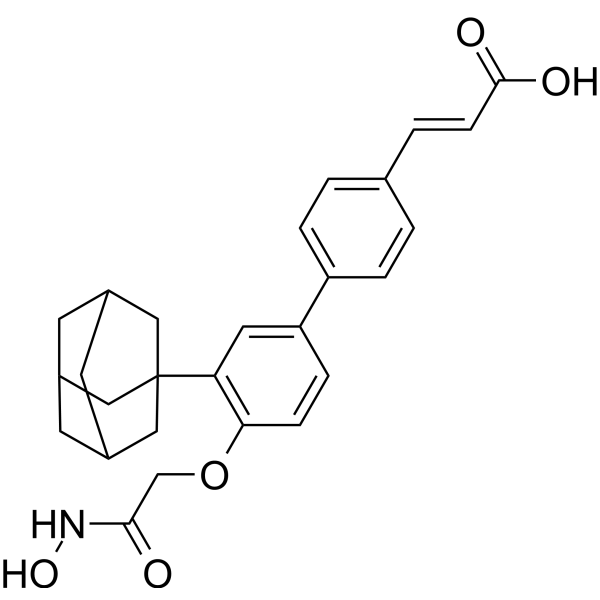 0 ImagesMIR002 is a potent and orally active DNA polymerase α (POLA1) and HDAC 11 dual inhibitor. MIR002 induces acetylation of p53, activation of p21, G1/S cell cycle arrest, and apoptosis. MIR002 shows significant antitumor activity in vivo.
-
ADAR1-IN-1
 0 ImagesADAR1-IN-1 is a potent ADAR1 inhibitor. ADAR1-IN-1 significantly suppressed DU-145 cell proliferation (IC50 = 1.11 μM), clonogenicity, migration, and invasion, arrests cell cycle, and induces apoptosis. ADAR1-IN-1 safely and effectively inhibits tumor growth. ADAR1-IN-1 can be used for the study of prostate cancer (PCa).
-
β-NETA
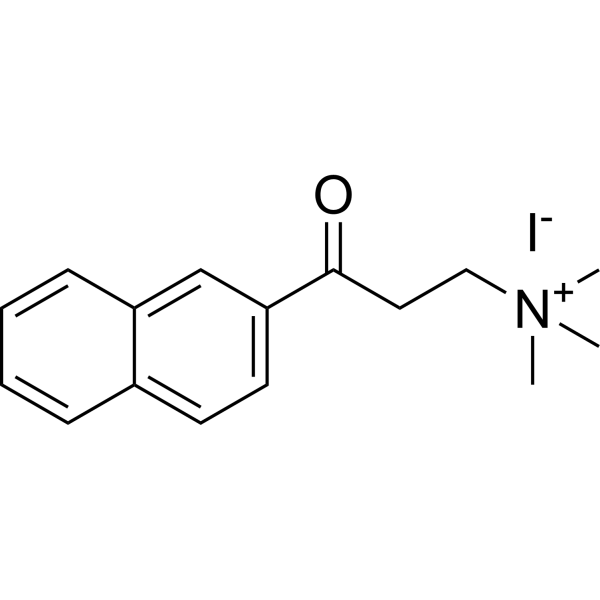 0 Imagesβ-NETA is a potent and noncompetitive choline acetyltransferase (ChA; IC50=76 μM) and cholinesterase (ChE; IC50=40 μM) inhibitor. β-NETA weakly inhibits acetylcholinesterase (AChE; IC50=1 mM).
-
Formononetin (Standard)
 0 ImagesSynonyms: Biochanin B (Standard); Flavosil (Standard); Formononetol (Standard)Formononetin (Standard) is the analytical standard of Formononetin. This product is intended for research and analytical applications. Formononetin is a potent FGFR2 inhibitor with an IC50 of ~4.31 μM. Formononetin potently inhibits angiogenesis and tumor growth.
-
Deltamethrin (Standard)
 0 ImagesSynonyms: Decamethrin (Standard)Deltamethrin (Standard) is the analytical standard of Deltamethrin. This product is intended for research and analytical applications. Deltamethrin (Decamethrin) is an orally active synthetic pyrethroid insecticide. Deltamethrin induces oxidative stress and results in inflammation and apoptosis via inhibiting Nrf2/HO-1 pathway. Deltamethrin has an anticancer effect by inducing apoptosis. Deltamethrin can be used extensively in pest control.
-
Oleuropein (Standard)
 0 ImagesOleuropein (Standard) is the analytical standard of Oleuropein. This product is intended for research and analytical applications. Oleuropein, found in olive leaves and oil, exerts antioxidant, anti-inflammatory and anti-atherogenic effects through direct inhibition of PPARγ transcriptional activity. Oleuropein induces apoptosis in breast cancer cells via the p53-dependent pathway and through the regulation of Bax and Bcl2 genes. Oleuropein also inhibits aromatase.
-
7-Methoxy-1-tetralone
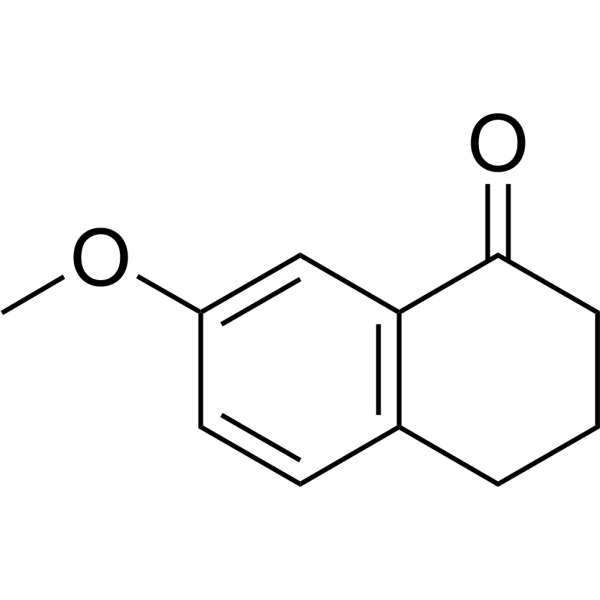 0 Images7-Methoxy-1-tetralone is a potent antitumor agent. 7-Methoxy-1-tetralone inhibits cancer cell proliferation and migration, and induces hepatocellular carcinoma cell (HCC) apoptosis. 7-Methoxy-1-tetralone decreased the protein levels of NF-κB, matrix metallopeptidase 2 (MMP2)/MMP9, and p-AKT. 7-Methoxy-1-tetralone showed antitumor activity in nude mice and had no effect on body weight and liver, spleen and organ index.
-
Cyclamic acid
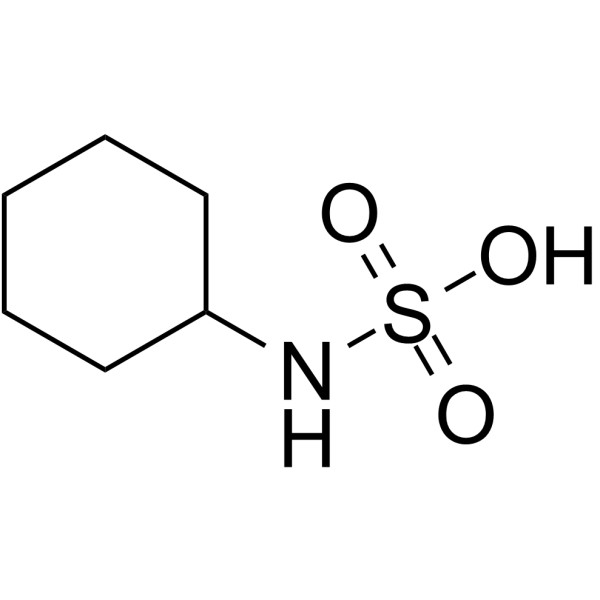 0 ImagesCyclamic acid (Cyclamate) is a commonly used sweetener. Cyclamic acid sodium is toxic to osteoblasts and can inhibit cell proliferation, induce apoptosis and reduce cell mineralization. Cyclamic acid sodium causes focal necrosis of bladder organs in rats in vitro, which can promote bladder cancer, but some studies have shown that low doses of Cyclamic acid sodium have no carcinogenic effect. In addition, Cyclamic acid sodium has no effect on insulin and glucagon secretion induced by arginine.
-
Asiatic acid (Standard)
 0 ImagesAsiatic acid (Standard) is the analytical standard of Asiatic acid. This product is intended for research and analytical applications. Asiatic acid, a pentacyclic triterpene found in Centella asiatica (Centella asiatica), has anticancer activity. Asiatic acid induces apoptosis in melanoma cells and has barrier protective effects on human aortic endothelial cells (HAEC). Asiatic acid also has anti-inflammatory activity and inhibits tumor necrosis factor (TNF)-α-induced endothelial barrier dysfunction. Asiatic acid also inhibits NLRP3 inflammasome activation and NF-κB pathway, effectively inhibits inflammation in rats, and has neuroprotective effects in rat spinal cord injury (SCI) model.
-
Macranthoside B
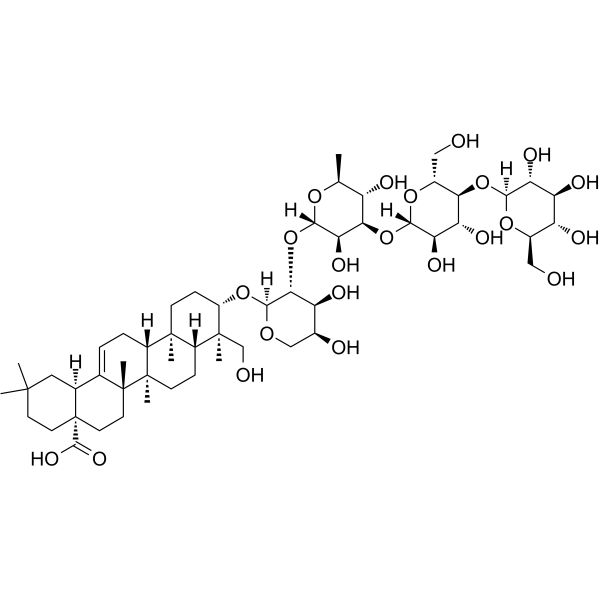 0 ImagesMacranthoside B is an apoptosis inducer with in vitro and in vivo anticancer activity. Macranthoside B induces autophagy and ferroptosis in cancer cells. Macranthoside B induces intracellular ROS accumulation, activates AMPK, inhibits mTOR and P70S6 kinase phosphorylation, and modulates Bcl-2/Bax expression. Macranthoside B activates caspase-3, caspase-9, and the intrinsic caspase cascade, induces PARP cleavage/degradation, and inhibits NRF2 signaling. Macranthoside B disrupts iron homeostasis via NCOA4-dependent ferritinophagy, up-regulates Lip-ROS, reduces mitochondrial membrane potential, and activates the JNK pathway. Macranthoside B can be used for the research of ovarian cancer, hepatoma, gastric carcinoma, breast carcinoma, colon carcinoma, glioma, melanoma, adenocarcinoma of the esophagogastric junction, and cervical cancer.




