



Autophagy
Autophagy is a conserved cellular degradation and recycling process in the lysosome. In mammalian cells, there are three primary types of autophagy: microautophagy, macroautophagy, and chaperone-mediated autophagy (CMA). Microphagy captures cargoes by means of invaginations or protrusions of the lysosomal membrane directly, CMA uses chaperones to identify cargo proteins and then unfolds and transfers them into the lysosomal, while macroautophagy sequesters cargo by autophagosomes-de novo synthesized of double-membrane vesicles-and subsequently transport it to the lysosome.
Macroautophagy is the best studied and it occurs at a low level constitutively and can also be further induced under stress conditions, such as nutrient or energy starvation with a salient feature of autophagy protein degradation. Stress-induced macrophagy plays an important role in protein catabolism with another key protein degradation pathway, the ubiquitin–proteasome system (UPS).
As the study progressed, autophagy gains its importance under basal, nutrient-rich conditions, and is now recognized as a critical housekeeping pathway in catabolism of diverse cellular constituents, such as protein aggregates (aggrephagy), lipid droplets (lipophagy), iron complex (Ferritinophagy) and carbohydrate. Except for macromolecules, autophagy can also target several organelles and structures, such as mitochondria (mitophagy), peroxisome (pexophagy), endoplasmic reticulum (reticulophagy or ER-phagy), ribosome (ribophagy), spermatozoon-inherited organelles following fertilization (allophagy), secretory granules within pancreatic cells (zymophagy) and intracellular pathogens (xenophagy).
Autophagy and its dysfunction are associated with a variety of human pathologies, including ageing, cancer, neurodegenerative disease, heart disease and metabolic diseases, such as diabetes. Plenty of drugs and natural products are involved in autophagy modulation through multiple signaling pathways. Small molecules that can regulate autophagy seem to have great potential to intervene such diseases in animal models or clinical courses.
All Product Categories
-
Autophagy Inhibitors
(470)
View all products
-
Autophagy Agonists
(6)
View all products
-
Autophagy Activators
(119)
View all products
-
Autophagy Modulators
(59)
View all products
-
Autophagy Chemicals
(2)
View all products
-
Autophagy Inducers
(2166)
View all products
-
Autophagy Controls
(5)
View all products
-
Autophagy Ligand
(1)
View all products
-
Autophagy Related Products (3359)
Related Products (3359)

-
Antibodies (31)
-
Autophagy Signaling Pathway
-
XAN-5
 0 ImagesCat. No.: HY-181599XAN-5 is a mitochondrial DNA G-quadruplex (mtG4) ligand with a Kd of 3.8 μM. XAN-5 selectively binds and stabilizes mtG4 structures, disrupting mitochondrial gene transcription and DNA replication. XAN-5 triggers mitochondrial dysfunction, ROS overproduction, G0 phase arrest and caspase-dependent apoptosis. XAN-5 inhibits autophagy and induces immunogenic cell death. XAN-5 inhibits tumor growth in a mouse liver cancer model while enhancing tumor-infiltrating CD4+ and CD8+ T cells. XAN-5 targets two cancer resistance mechanisms simultaneously. XAN-5 can be used for the research of liver cancer.
-
Spexin TFA
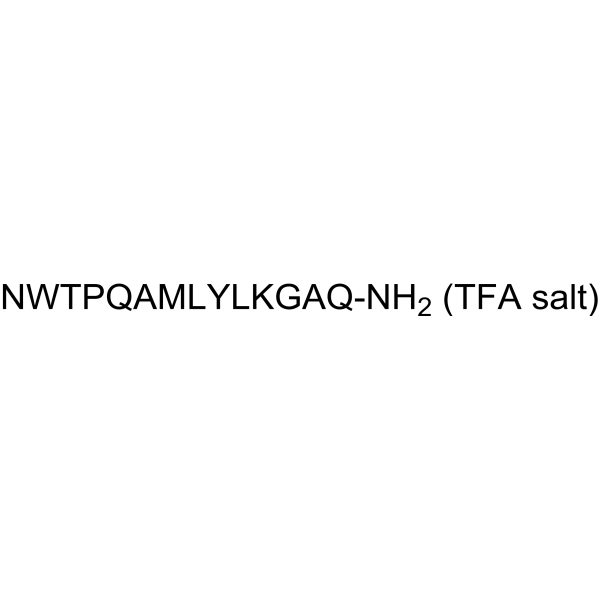 0 ImagesCat. No.: HY-P1723ASynonyms: Neuropeptide Q TFASpexin (Neuropeptide Q) TFA is a selective agonist of galanin receptors GAL2 and GAL3, and is a conserved peptide that functions as a neurotransmitter/neuromodulator and endocrine factor. Spexin TFA can function through both central and peripheral actions. Spexin TFA upregulates Beclin 1 to inhibit ferroptosis induced by excessive autophagy, reduces the uptake of long-chain fatty acids by adipocytes, and regulates energy metabolism by increasing lipid oxidation (e.g., reducing the respiratory exchange ratio in rodents). Spexin TFA improves cardiac function in the Doxorubicin hydrochloride (HY-15142)-induced cardiotoxicity model, protects mitochondrial membrane potential, and reduces iron accumulation and lipid peroxidation. Spexin TFA can be used to study obesity and its related metabolic disorders, cardiovascular diseases (e.g., cardioprotection), and side effects of tumor chemotherapy.
-
Typhaneoside (Standard)
 0 ImagesCat. No.: HY-N0712RCAS No.: 104472-68-6Typhaneoside (Standard) is the analytical standard of Typhaneoside. This product is intended for research and analytical applications. Typhaneoside, extracted from Typha angustifolia L., Typhaneoside can inhibit the excessive autophagy of hypoxia/reoxygenation cells and increase the phosphorylation of Akt and mTOR. Typhaneoside has certain effects on the cardiovascular system, including lowering blood lipid levels, promoting antiatherosclerosis activities, as well as improving immune and coagulation function.
-
Verteporfin (Standard)
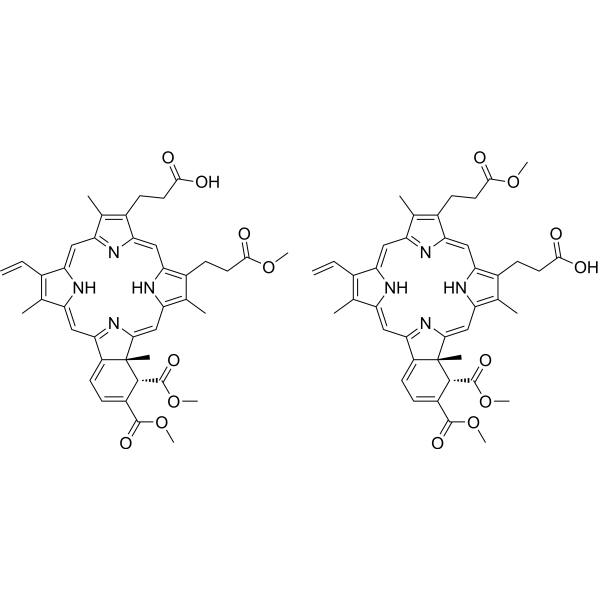 0 ImagesSynonyms: CL 318952 (Standard)Verteporfin (Standard) is the analytical standard of Verteporfin. This product is intended for research and analytical applications. Verteporfin (CL 318952) is a photosensitizer for photodynamic therapy to eliminate the abnormal blood vessels in the eye associated with conditions such as age-related macular degeneration. Verteporfin is a YAP inhibitor which disrupts YAP-TEAD interactions. Verteporfin induces cell apoptosis. Verteporfinis an autophagy inhibitor that blocks autophagy at an early stage by inhibiting autophagosome formation.
-
MRT67307 dihydrochloride
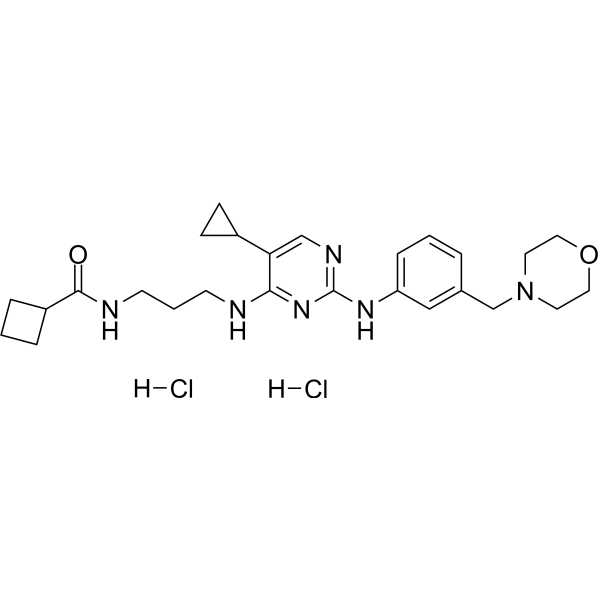 0 ImagesCat. No.: HY-13018BCAS No.: 1781882-89-0
-
Indomethacin farnesil
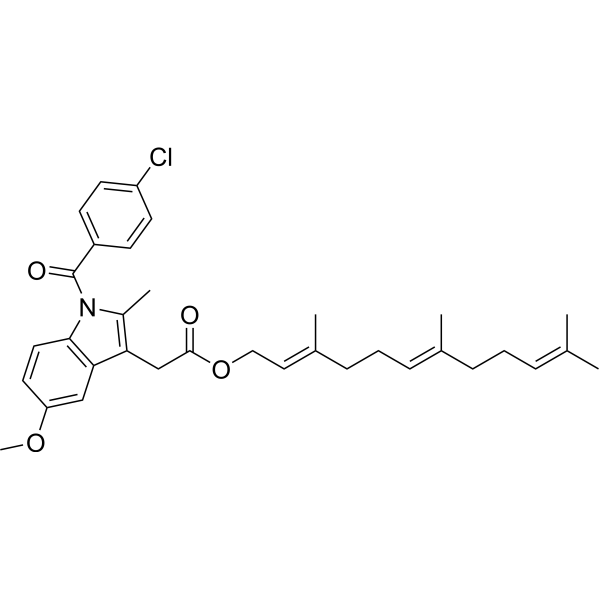 0 ImagesCat. No.: HY-111274CAS No.: 85801-02-1Synonyms: Indometacin farnesilIndomethacin farnesil is an orally active proagent of Indomethacin. Indomethacin (Indometacin) is a potent, blood-brain permeable and nonselective inhibitor of COX1 and COX2, with IC50s of 18 nM and 26 nM for human COX-1 and COX-2, respectively, in CHO cells. Indomethacin disrupts autophagic flux by disturbing the normal functioning of lysosomes.
-
Autophagy/REV-ERB-IN-1 hydrochloride
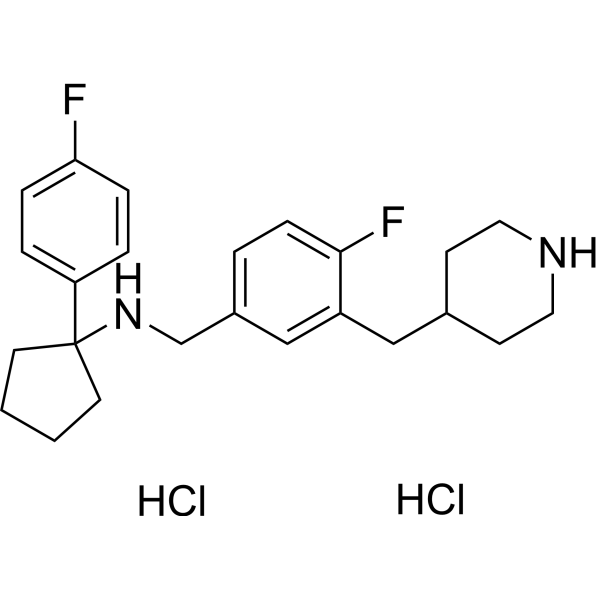 0 ImagesCat. No.: HY-163136AAutophagy/REV-ERB-IN-1 hydrochloride (Compound 24) is a dual autophagy and REV-ERB inhibitor with anticancer activity. Autophagy/REV-ERB-IN-1 (hydrochloride) has improved potency in blocking autophagy, enhanced toxicity against cancer cells. Autophagy/REV-ERB-IN-1 (hydrochloride) can be used for the research for melanoma.
-
Rotenone-d3
 0 ImagesCat. No.: HY-B1756SCAS No.: 82092-80-6
-
ATG12-IN-1
 0 ImagesCat. No.: HY-162932CAS No.: 2950162-68-0
-
Taxifolin-d3
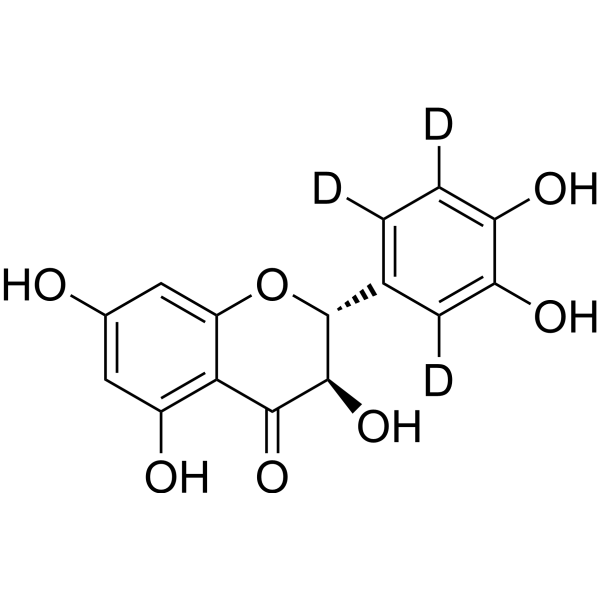 0 ImagesCat. No.: HY-N0136SSynonyms: (+)-Dihydroquercetin-d3; (+)-Taxifolin-d3Taxifolin-d3 is deuterium labeled Taxifolin. Taxifolin ((+)-Dihydroquercetin) exhibits important anti-tyrosinase activity. Taxifolin exhibits significant inhibitory activity against collagenase with an IC50 value of 193.3 μM. Taxifolin is an important natural compound with antifibrotic activity. Taxifolin is a free radical scavenger with antioxidant capacity.
-
Megestrol acetate-d3-1
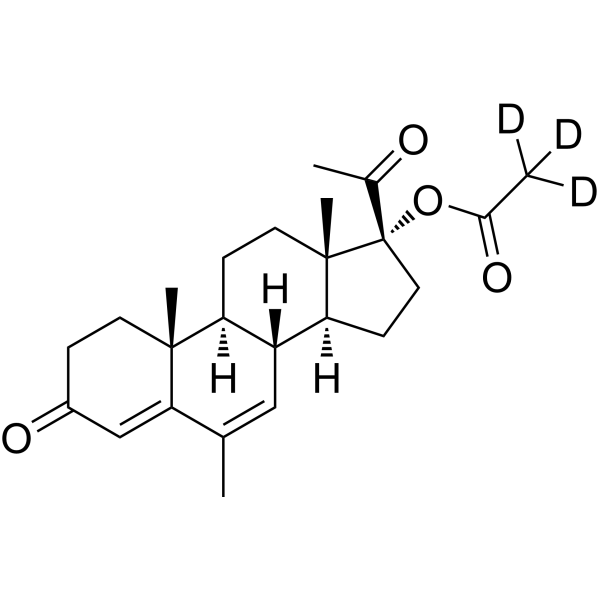 0 ImagesCat. No.: HY-13676S1Megestrol acetate-d3-1 is deuterium labeled Megestrol acetate. Megestrol acetate is a synthetic and orally active progesteronal agent. Megestrol acetate is effective as an appetite stimulant for wasting syndromes such as cachexia. Megestrol acetate decreases nuclear and cytosol androgen receptors human BPH tissue. Megestrol acetate has the potential for HIV study and downregulates autophagic catabolic pathway.
-
Acesulfame
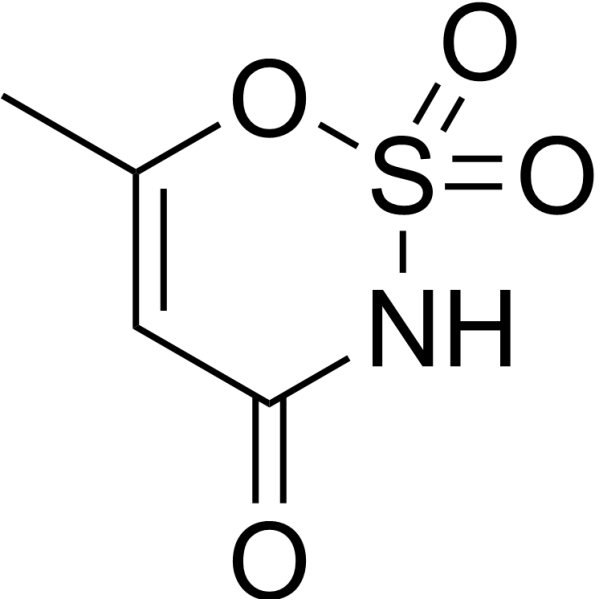 0 ImagesAcesulfame is a synthetic sweetener. Long-term use of Acesulfame can affect cognitive function. Acesulfame potassium can suppress autophagic degradation of PD-L1 in RIL-175 and SK-Hep1 cells through the ERK1/2-mTORC1-ULK1 pathway, which may be related to immune evasion in cancer cells. Acesulfame can be used in research on neurological diseases, metabolic disorders, cancer, and immune evasion.
-
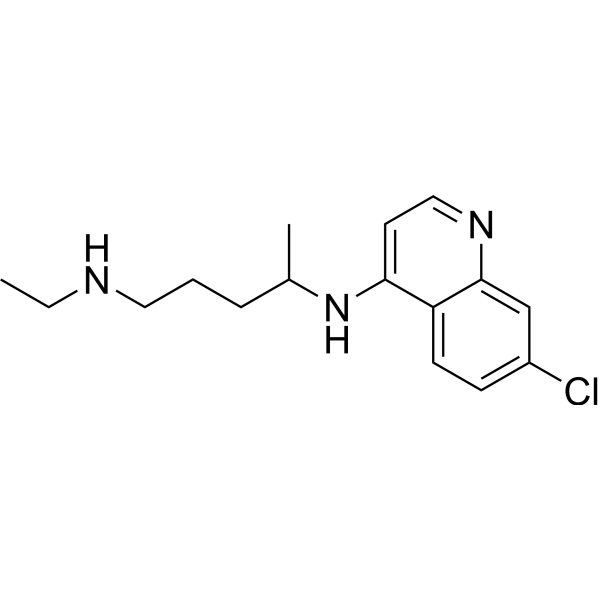
Chloroquine-d5 diphosphate
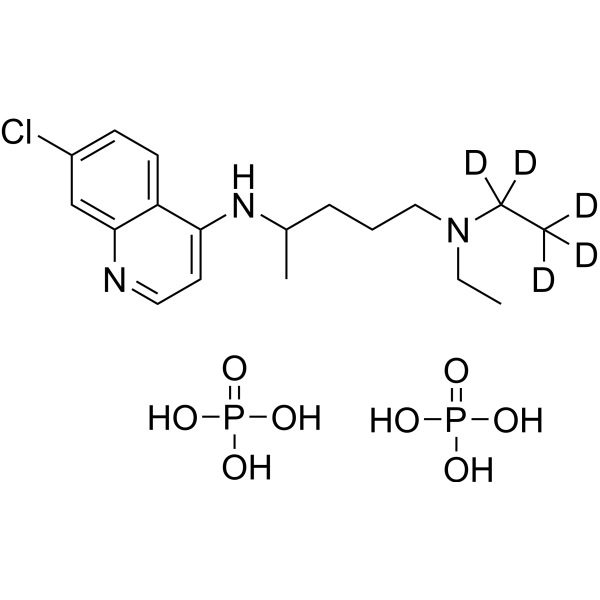 0 ImagesCat. No.: HY-17589SCAS No.: 1854126-42-3Chloroquine-d5 (diphosphate) is the deuterium labeled Chloroquine (phosphate). Chloroquine phosphate is an antimalarial and anti-inflammatory agent widely used to treat malaria and rheumatoid arthritis. Chloroquine phosphate is an autophagy and toll-like receptors (TLRs) inhibitor. Chloroquine phosphate is highly effective in the control of SARS-CoV-2 (COVID-19) infection in vitro (EC50=1.13 μM).
-
Antitumor agent-97
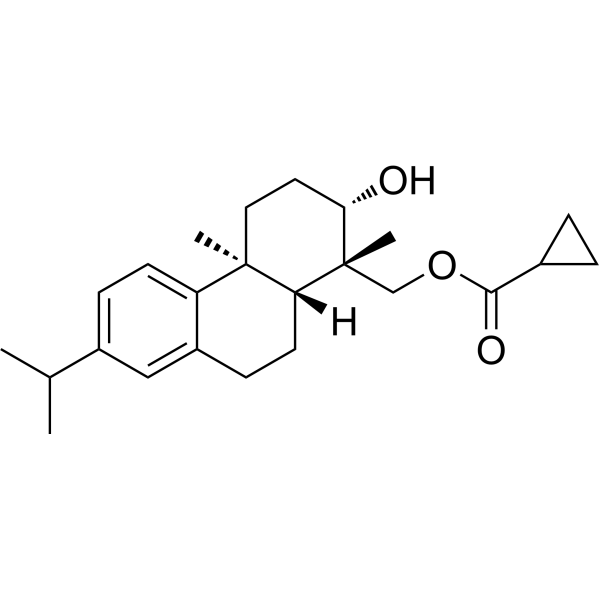 0 ImagesCat. No.: HY-149829CAS No.: 2654024-16-3Antitumor agent-97 (compound 42) is an anticancer agent. Antitumor agent-97 can effectively inhibit the proliferation and autophagy of MGC 803 cells, and induce apoptosis. Antitumor agent-97 also enhances ROS accumulation in MGC 803 cells. Antitumor agent-97 can be used in cancer research.
-
Autophagy-IN-3
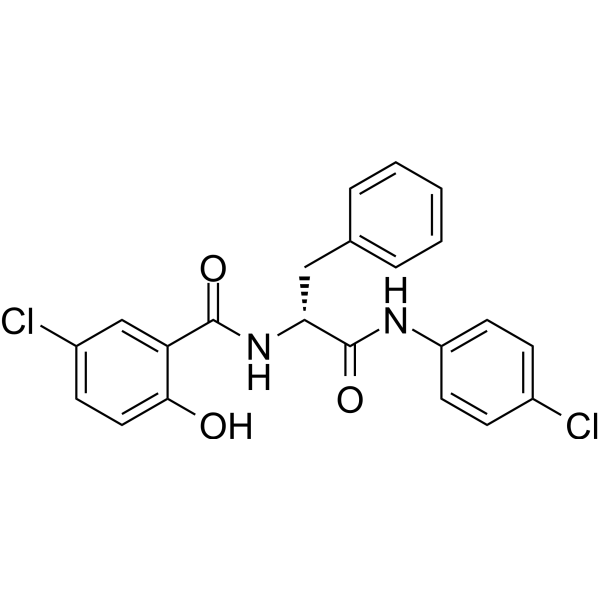 0 ImagesCat. No.: HY-116071CAS No.: 1227476-98-3Autophagy-IN-3 (Compound 6k) is an autophagy inhibitor. Autophagy-IN-3 promotes metabolic stress in the tumor microenvironment and enhances the effects of cytostatics in combined treatments.
-
DQ661
 0 ImagesCat. No.: HY-170670CAS No.: 2027551-01-3DQ661 is a potent PPT1 inhibitor. DQ661 is a dimeric quinacrine autophagy inhibitor. DQ661 inhibits mTORC1 activity. DQ661 decreases the protein expression of pS6K T389, pS6 S240-244. DQ661 shows anticancer activity.




