



COX-1
COX-1 (cyclooxygenase-1, PTGS1) is a constitutively expressed prostaglandin-endoperoxide synthase that catalyzes the conversion of arachidonic acid into prostaglandin intermediates, thereby initiating prostaglandin and thromboxane biosynthesis essential for physiological homeostasis[1][2]. Mechanistically, COX-1 participates in the cyclooxygenase and peroxidase reactions that generate prostaglandin H2, a central precursor for multiple bioactive prostanoids regulating vascular function, platelet activity, renal perfusion, and gastrointestinal integrity[1][3]. Through sustained prostanoid production, COX-1 contributes to tissue-protective and housekeeping functions across mammalian organs, including maintenance of gastric mucosal defense and thromboxane A2-dependent platelet aggregation[3][2]. In disease and pharmacological models, inhibition of COX-1 reduces prostaglandin synthesis and underlies the therapeutic actions of aspirin and other nonsteroidal anti-inflammatory drugs (NSAIDs), while also contributing to gastrointestinal adverse effects associated with nonselective COX blockade[1][2][4]. Compared with the inducible isoform COX-2, which is preferentially upregulated by inflammatory stimuli and cellular stress, COX-1 exhibits stable basal expression and is primarily associated with physiological regulation rather than acute inflammatory responses[3][2][4]. For experimental applications, selective and nonselective COX inhibitors remain important tools for dissecting prostanoid-dependent signaling pathways and distinguishing constitutive versus inducible cyclooxygenase functions in inflammation, thrombosis, and tissue homeostasis[1][3][4].
References:
- [1]. Fitzpatrick FA. Cyclooxygenase enzymes: regulation and function. Curr Pharm Des. 2004;10(6):577-88. doi: 10.2174/1381612043453144. PMID: 14965321. et al. Cyclooxygenase enzymes: regulation and function. Curr Pharm Des. 2004;10(6):577-88. [Content Brief]
- [2]. Database: Guide to pharmacology.
- [3]. Vane JR, et al. Cyclooxygenases 1 and 2. Annu Rev Pharmacol Toxicol. 1998;38:97-120. [Content Brief]
- [4]. Database: Guide to pharmacology.
- [5]. Rouzer CA, et al. Structural and Chemical Biology of the Interaction of Cyclooxygenase with Substrates and Non-Steroidal Anti-Inflammatory Drugs. Chem Rev. 2020 Aug 12;120(15):7592-7641. [Content Brief]
All Product Categories
-
COX-1 Related Products (195)
Related Products (195)

-
Aspirin lithium
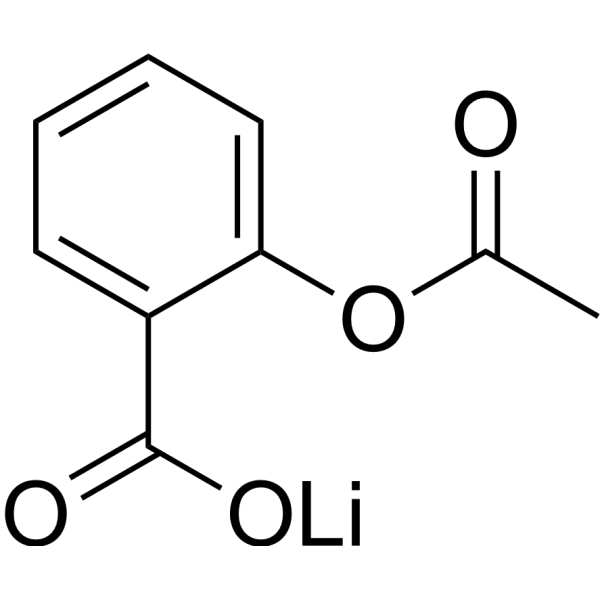 0 ImagesAspirin (Acetylsalicylic Acid) lithium is an orally active, potent and irreversible inhibitor of cyclooxygenase COX-1 and COX-2, with IC50 values of 5 and 210 μg/mL, respectively. Aspirin lithium induces apoptosis. Aspirin lithium inhibits the activation of NF-κB. Aspirin lithium also inhibits platelet prostaglandin synthetase, and can prevent coronary artery and cerebrovascular thrombosis.
-
Indomethacin sodium
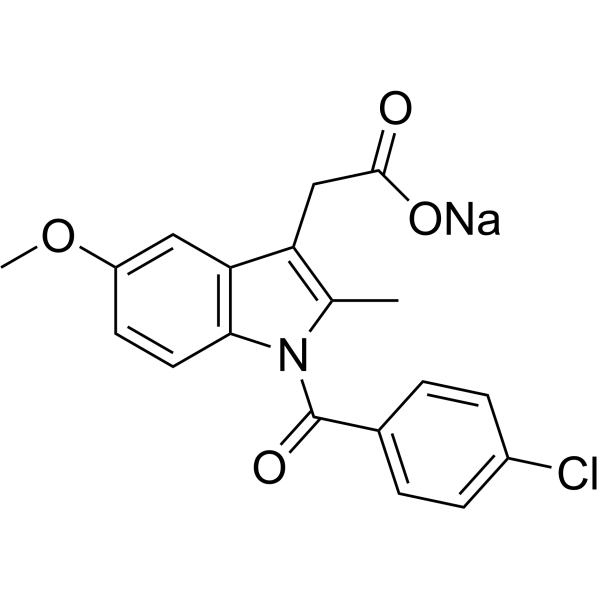 0 ImagesIndomethacin (Indometacin) sodium is a potent, orally active COX1/2 inhibitor with IC50 values of 18 nM and 26 nM for COX-1 and COX-2, respectively. Indomethacin sodium has anticancer activity and anti-infective activity. Indomethacin sodium can be used for cancer, inflammation and viral infection research..
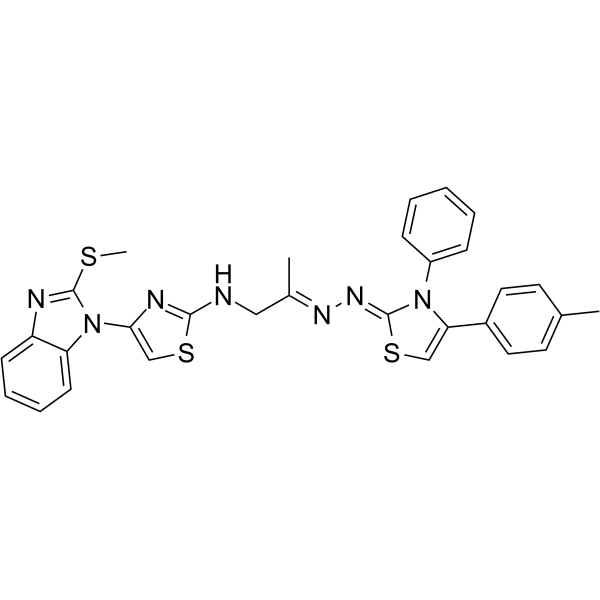
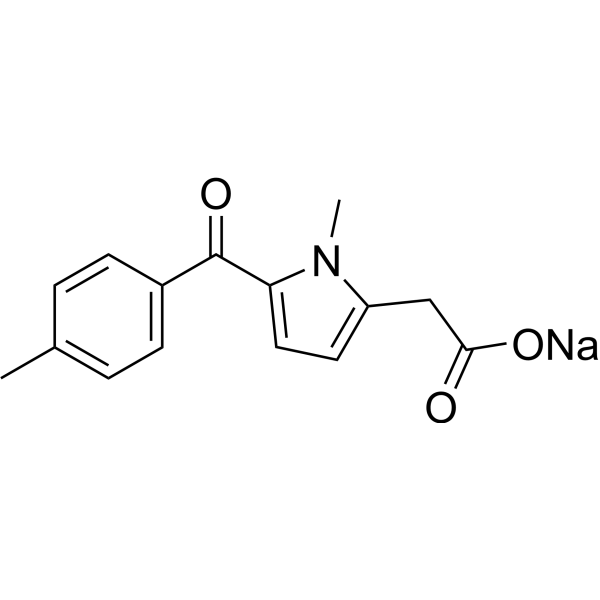
-
SD 8381
 0 ImagesCat. No.: HY-108019CAS No.: 215123-80-1SD 8381 is a potent and selective COX-2 inhibitor. SD 8381 shows IC50 values of 0.0098 μM for hCOX-2 and 0.69 μM for hCOX-1.
-
COX-2/CA II-2
 0 ImagesCat. No.: HY-184938COX-2/CA II-2 is an orally active dual selective inhibitor targeting COX-2 and hCA II. COX-2/CA II-2 inhibits COX-2 with an IC50 value of 0.05 μM (SI = 12.02 vs COX-1) and hCA II with a Ki value of 62.6 nM (SI = 704.2 vs hCA I). COX-2/CA II-2 demonstrates significant analgesic and anti-inflammatory effects with rapid onset and sustained duration in animal models, shows improved gastric safety with reduced ulcerogenic liability, and exhibits a gradual intraocular pressure (IOP)-lowering effect without statistical significance relative to the sham-treated eye in rabbit glaucoma models. COX-2/CA II-2 can be used for anti-inflammatory, analgesic and antiglaucoma research.
-
Daturaolone
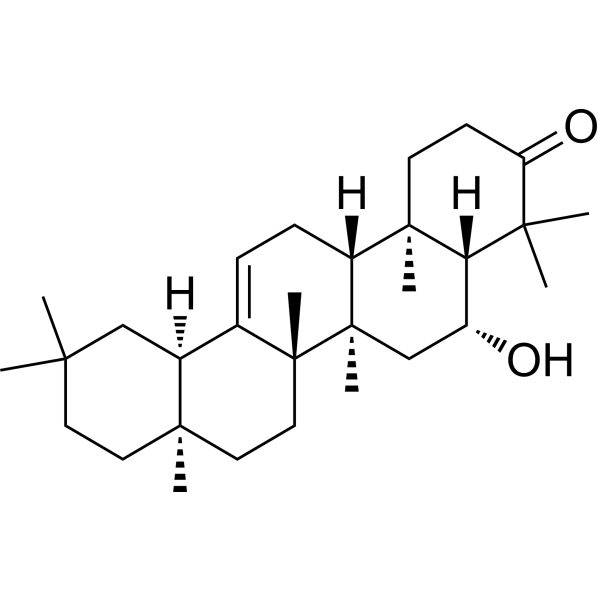 0 ImagesCat. No.: HY-122953CAS No.: 41498-80-0Daturaolone is a natural triterpenoid with anti-inflammatory and antinociceptive potentials. Daturaolone displays a COX-1 inhibitory activity.

-
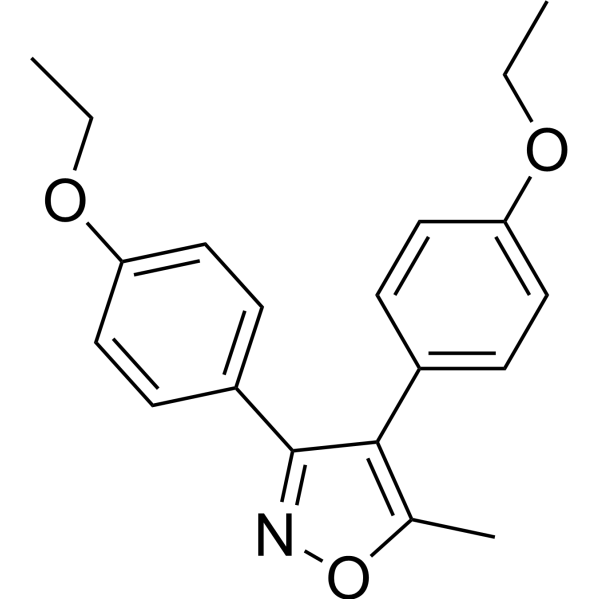
COX-1/2-IN-2
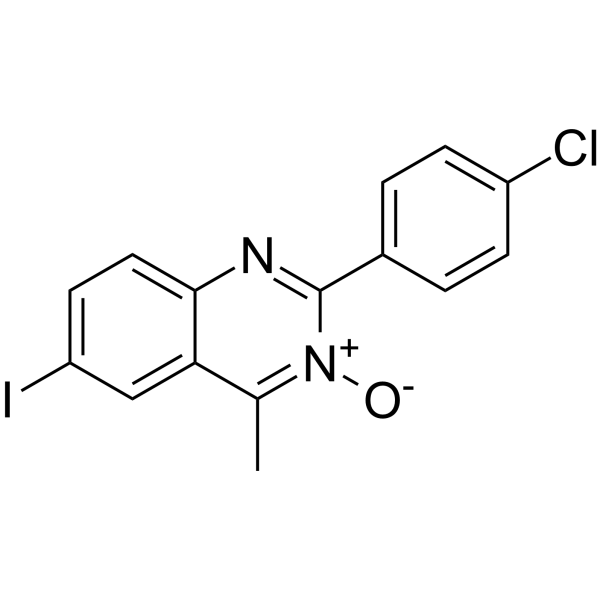 0 ImagesCat. No.: HY-115967CAS No.: 2882832-86-0COX-1/2-IN-2 is a potent COX1/2 inhibitor. COX-1/2-IN-2 exhibits significant inhibitory effect against COX-1 and COX-2 inhibitor with IC50 values of 9.7 ± 0.09 µM and 4.6 ± 1.45 µM, respectively.
-
TX-1123
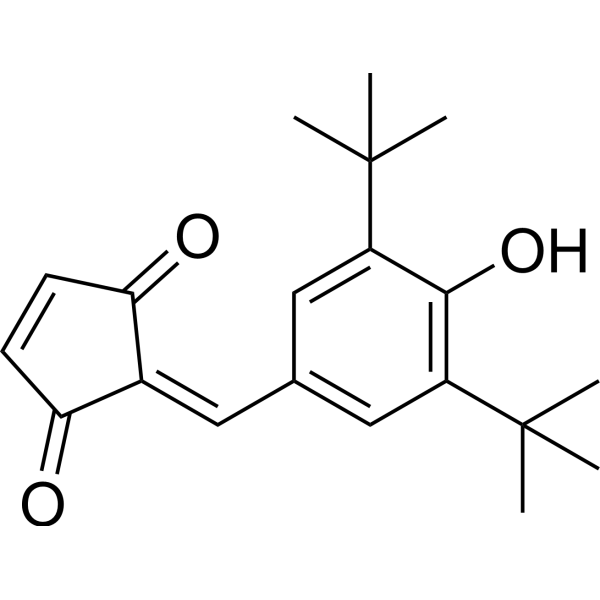 0 ImagesCat. No.: HY-121828CAS No.: 157397-06-3TX-1123 is a potent protein tyrosine kinase (PTK) inhibitor for Src, eEF2-K, and PKA, and EGFR-K/PKC. TX-1123 is a cyclo-oxygenase (COX) inhibitor with IC50 values of 1.16 μM and 15.7 μM for COX2 and COX1, respectively. TX-1123 has low mitochondrial toxicity. TX-1123 can be used in research of cancer.
-
COX-2-IN-21
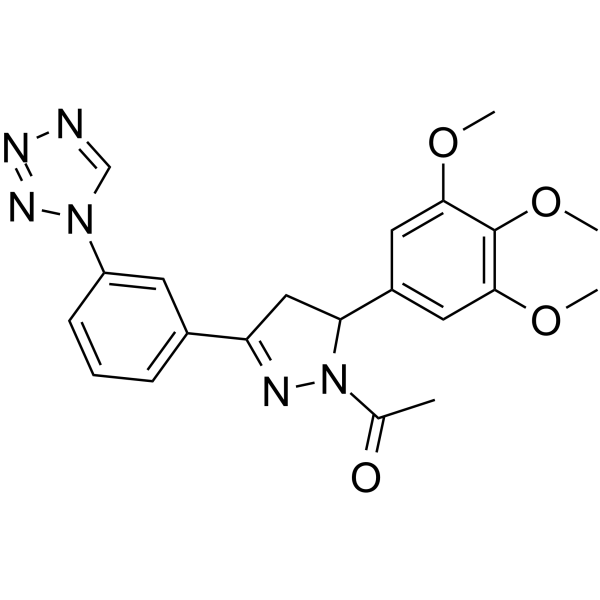 0 ImagesCat. No.: HY-147815CAS No.: 2519631-11-7COX-2-IN-21 (Compound 5c) is a selective and orally active COX-2 inhibitor with an IC50 of 0.039 μM. COX-2-IN-21 shows promising anti-inflammatory potential.

-
LM-4108
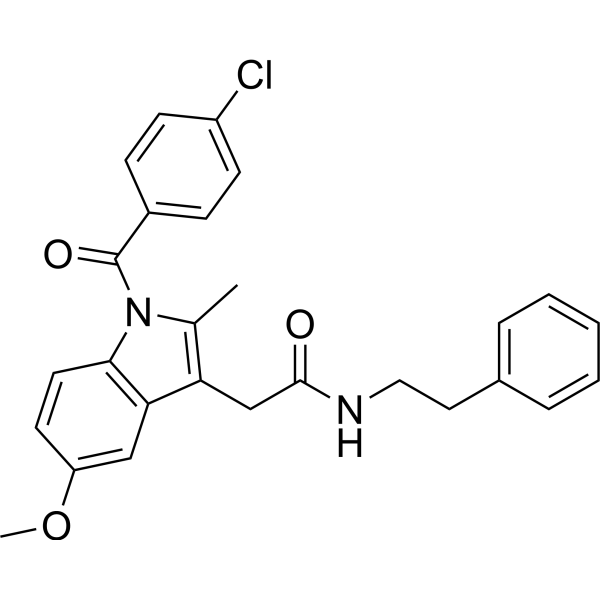 0 ImagesCat. No.: HY-123639CAS No.: 261766-32-9Synonyms: N-(2-Phenylethyl)-indomethacin amideLM-4108 (N-(2-Phenylethyl)-indomethacin amide) is a selective and orally active COX-2 inhibitor with an IC50 of 0.06 μM for purified human COX-2. LM-4108 shows anti-inflammatory activity and may be effective in prevention of cancer. Half-lives for the disappearance of 10 μM LM-4108 in rat, human, and mouse liver microsomes were 11 min, 21 min, and 51 min, respectively.
-
COX-1/2-IN-12
 0 ImagesCat. No.: HY-183673CAS No.: 3068797-68-9COX-1/2-IN-12 is an orally active dual inhibitor of COX-1 and COX-2, with an IC50 of 41.6 nM against human COX-1 and an IC50 of 31.1 nM against human COX-2. COX-1/2-IN-12 induces antinociceptive activity and inhibits edema in in vivo experiments. COX-1/2-IN-12 can be used in research related to inflammation and pain.
-
COX-2-IN-17
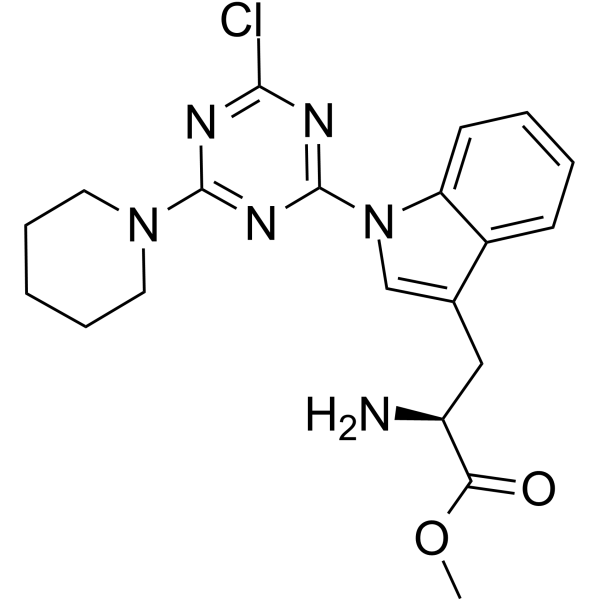 0 ImagesCat. No.: HY-147748CAS No.: 2411390-10-6COX-2-IN-17 (compound 10) is a potent and BBB-penetrated COX-2 (cyclooxygenase-2) inhibitor, with an IC50 of 0.02 μM. COX-2-IN-17 shows anti-inflammatory and analgesic activities. COX-2-IN-17 attenuates hyperalgesia in the neurogenic phase as well as the inflammatory phase.
-
δ-Viniferin
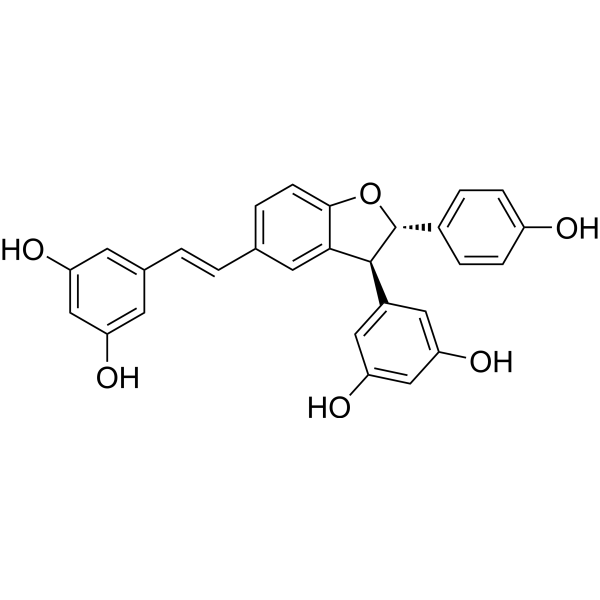 0 ImagesCat. No.: HY-N3841ACAS No.: 681293-15-2δ-Viniferin is a COX-1/COX-2 inhibitor (with an IC50 of 5 µM for both enzymes). δ-Viniferin induces the expression of SIRT1, catalase and HO-1, promotes the phosphorylation of eNOS, and stimulates nitric oxide (NO) production. δ-Viniferin is applicable to research related to atherosclerosis, downy mildew, Gram-positive bacterial infections, inflammation, infections, cardiovascular diseases and diabetes.

-
2,5-Dimethoxy-3-glucopyranosylcinnamic alcohol
 0 ImagesCat. No.: HY-N15530CAS No.: 251660-72-72,5-Dimethoxy-3-glucopyranosylcinnamic alcohol is found in P. crocatum and Dirca palustris. 2,5-Dimethoxy-3-glucopyranosylcinnamic alcohol is a COX-I inhibitor. 2,5-Dimethoxy-3-glucopyranosylcinnamic alcohol has anti-inflammatory activity .



